
Baking your own bread can feel like a daunting task, but it doesn’t have to be.
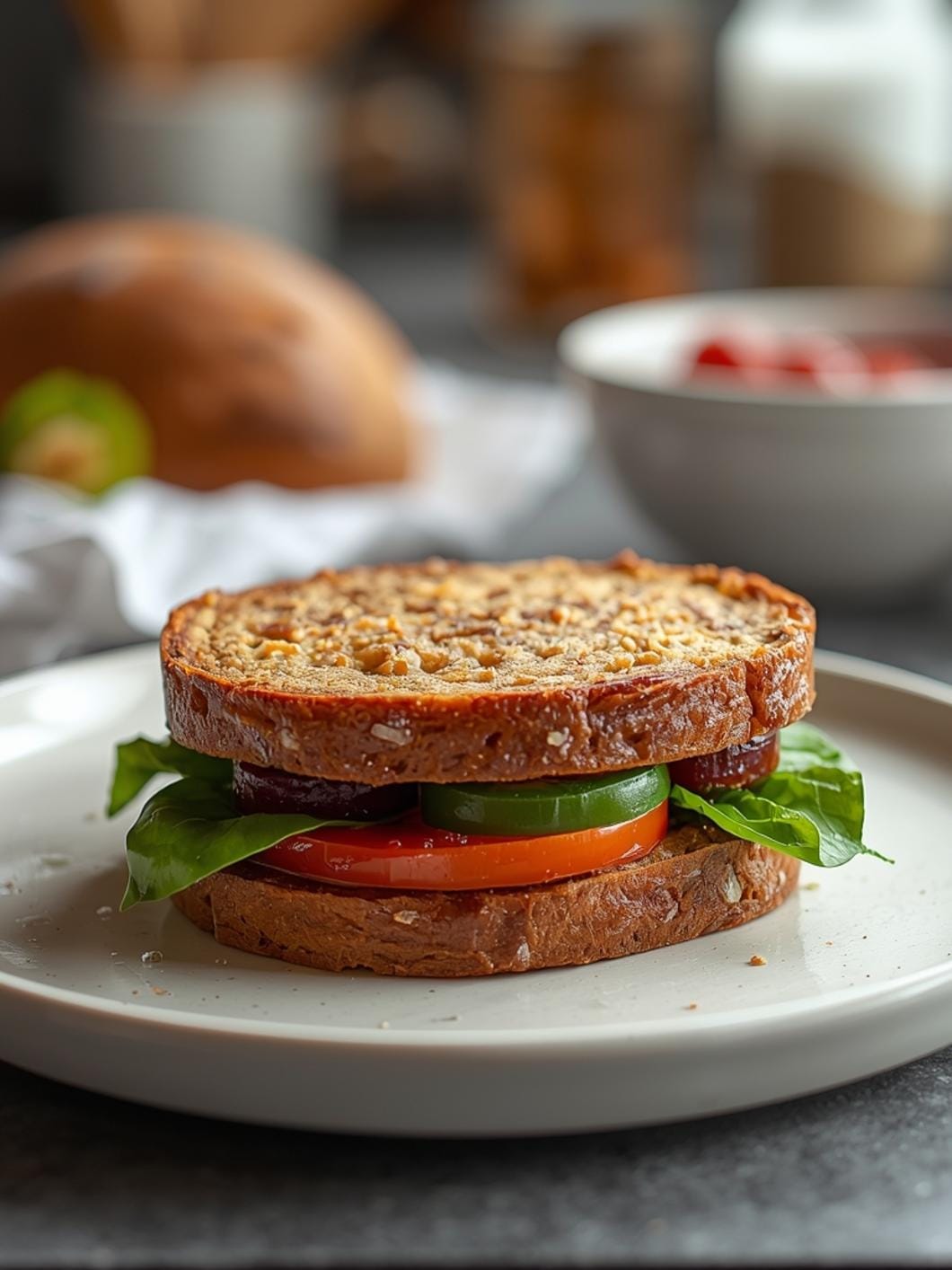
This recipe for healthy whole wheat sourdough sandwich bread is designed for home bakers who want to create a delicious, wholesome loaf without all the fuss. It’s perfect for elevating your everyday sandwiches or simply enjoying a slice with your favorite spread.
This easy-to-follow guide will walk you through each step, ensuring you end up with a beautifully baked loaf that’s both nutritious and incredibly satisfying. Get ready to fill your kitchen with that irresistible aroma of freshly baked bread!

Healthy Whole Wheat Sourdough Sandwich Bread
- Total Time: 8-14 hours (includes fermentation and cooling)
- Yield: 1 loaf 1x
Description
Bake a delicious and wholesome whole wheat sourdough sandwich bread at home with this easy-to-follow recipe. Perfect for everyday sandwiches or toast, this nutritious loaf is designed for home bakers of all levels.
Ingredients
Instructions
1. 1. Combine Starter and Water: In a large mixing bowl, gently whisk together your active sourdough starter and the warm water until the starter is mostly dissolved. The mixture should look milky and slightly bubbly.
2. 2. Mix in Flours and Salt: Add the whole wheat flour, bread flour, and salt to the bowl. Use a wooden spoon or your hands to mix until all the flour is hydrated and a shaggy dough forms. Cover the bowl with a clean kitchen towel or plastic wrap and let it rest for 30 minutes.
3. 3. Perform Stretch and Folds: Drizzle the olive oil over the dough. Over the next 2-3 hours, perform a series of “stretch and folds” every 30 minutes. To do this, lightly wet your hands, grab a portion of the dough from the edge, stretch it upwards, and fold it over to the center. Rotate the bowl a quarter turn and repeat this process 3-4 times until you’ve gone all the way around. After the last stretch and fold, cover the bowl and let the dough bulk ferment at room temperature until it has visibly increased in size (about 50-75%) and looks bubbly (4-6 hours).
4. 4. Shape the Loaf: Lightly flour your work surface. Gently turn the dough out onto the floured surface. Carefully pat it into a rough rectangle. Fold the top third of the dough down to the center, then fold the bottom third up over the top. Gently roll the dough into a tight log, sealing the seam at the bottom.
5. 5. Second Rise (Proofing): Lightly grease a standard loaf pan (8.5 x 4.5 inches or similar) with olive oil. Carefully transfer the shaped dough seam-side down into the prepared loaf pan. Cover the pan loosely with plastic wrap or a clean kitchen towel. Let it proof at room temperature for 2-4 hours, or until it looks puffy and has risen noticeably. Alternatively, you can place it in the refrigerator overnight (8-12 hours) for a slower, colder proof.
6. 6. Bake the Bread: Preheat your oven to 400 F (200 C) with a rack in the middle position. Once preheated, place the loaf pan in the oven. Bake for 35-40 minutes, or until the crust is deep golden brown and the internal temperature reaches 200-210 F (93-99 C). If the top is browning too quickly, you can loosely tent it with aluminum foil.
7. 7. Cool Completely: Remove the bread from the oven and immediately transfer it from the loaf pan to a wire rack. Allow the bread to cool completely for at least 1-2 hours before slicing.
- Prep Time: 30 minutes
- Cook Time: 35-40 minutes
- Category: main dish
- Method: baking
- Cuisine: american
Nutrition
- Serving Size: 1 slice
Keywords: sourdough, whole wheat, sandwich bread, homemade, healthy, baking, easy, bread, fermented, nutritious
What You’ll Love About This Quick And Easy Recipe
This recipe is a true game-changer for anyone looking to incorporate more whole grains into their diet without sacrificing flavor or texture. It’s perfect for busy parents who want to provide healthier options for their family’s lunchboxes, or for individuals who appreciate the taste and benefits of homemade bread. You’ll love how straightforward the process is, making it accessible even if you’re new to baking with sourdough. This bread is ideal for everyday use, whether it’s for classic deli sandwiches, a hearty breakfast toast, or simply to serve alongside a comforting soup. Its wholesome ingredients and satisfying chew make it a versatile staple that you’ll want to bake again and again.
Everything You Need To Make This Recipe Without Stress
Gathering your ingredients before you begin is key to a smooth baking experience. This recipe relies on readily available items, ensuring you won’t need to hunt for obscure specialty products. The star of the show, of course, is your active sourdough starter, which provides both flavor and leavening. Beyond that, you’ll find common pantry staples that contribute to the bread’s structure and taste.
INGREDIENTS:
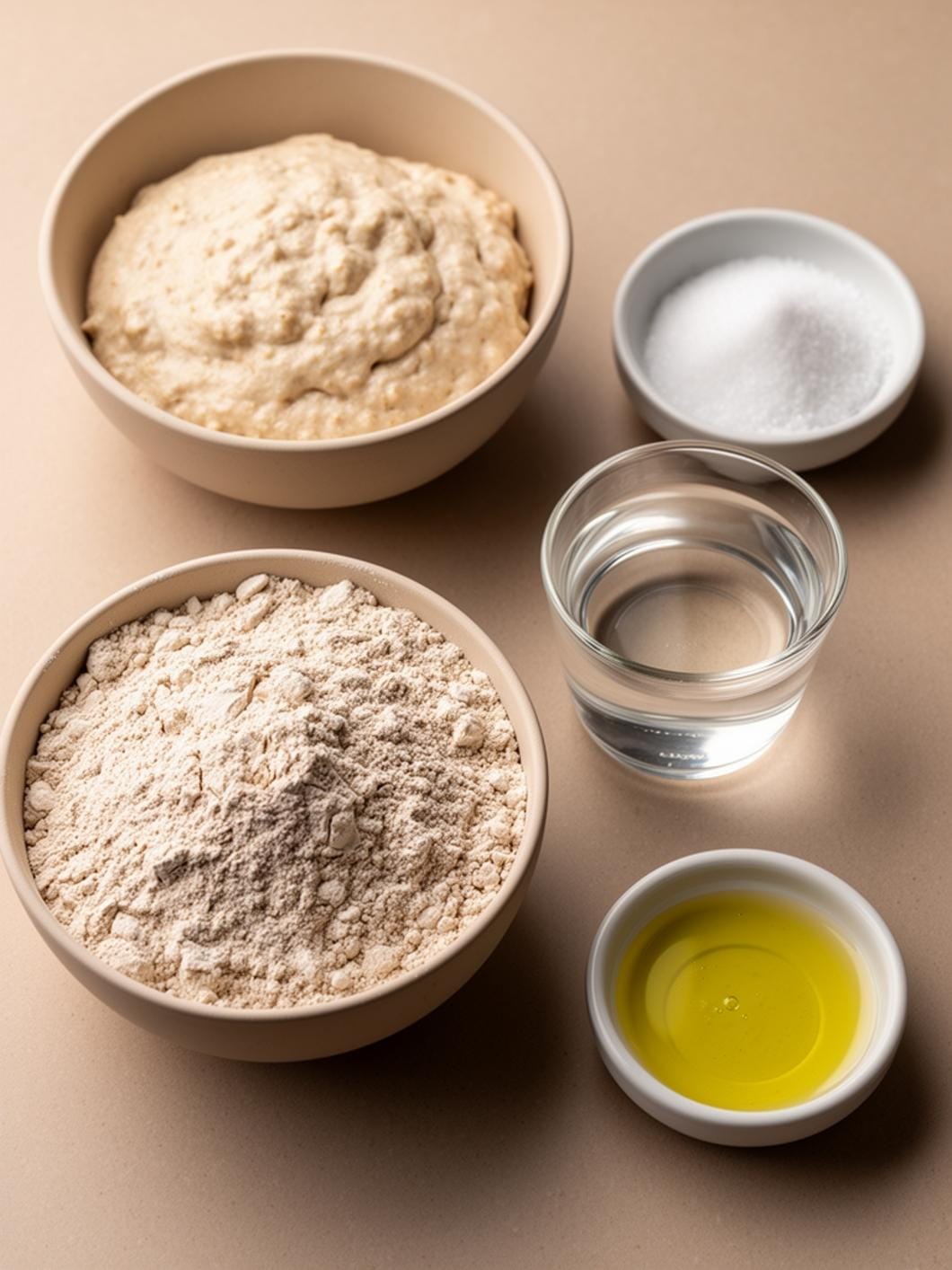
- 150 grams active sourdough starter (fed and bubbly)
- 300 grams warm water (around 95-105°F / 35-40°C)
- 300 grams whole wheat flour
- 100 grams bread flour (or all-purpose flour)
- 10 grams fine sea salt
- 1 tablespoon olive oil (plus extra for greasing)
For the flours, while whole wheat flour is essential for the healthy aspect of this recipe, using a combination with bread flour helps achieve a lighter, more tender crumb. If you only have all-purpose flour, it can be used in place of bread flour, though the texture might be slightly less chewy. The olive oil adds a touch of richness and helps keep the bread soft.
Time Needed From Start To Finish
Baking with sourdough involves natural fermentation, which means there are periods of waiting, but the active hands-on time is surprisingly minimal. This recipe is designed to fit into a busy schedule, allowing you to prepare the dough in stages.
- Active Prep Time: 15-20 minutes
- Bulk Fermentation (First Rise): 4-6 hours (depending on room temperature and starter activity)
- Shaping Time: 10 minutes
- Proofing (Second Rise): 2-4 hours (or overnight in the refrigerator for convenience)
- Bake Time: 35-40 minutes
- Cooling Time: 1-2 hours (crucial for best texture)
Total Estimated Time: While the total process spans several hours due to fermentation, the actual time you spend working on the bread is less than an hour. This makes it a perfect weekend project or something you can easily manage around your daily tasks.
How To Make It Step By Step With Visual Cues

Creating this whole wheat sourdough sandwich bread is a rewarding process. Follow these steps carefully, and you’ll be enjoying a fresh loaf in no time.
- Combine Starter and Water: In a large mixing bowl, gently whisk together your active sourdough starter and the warm water until the starter is mostly dissolved. The mixture should look milky and slightly bubbly. This step ensures an even distribution of the starter throughout the dough.
- Mix in Flours and Salt: Add the whole wheat flour, bread flour, and salt to the bowl. Use a wooden spoon or your hands to mix until all the flour is hydrated and a shaggy dough forms. Don’t worry about kneading at this stage; just ensure there are no dry pockets of flour. Cover the bowl with a clean kitchen towel or plastic wrap and let it rest for 30 minutes. This resting period, called autolyse, allows the flour to fully absorb the water, making the dough easier to work with.
- Perform Stretch and Folds: Drizzle the olive oil over the dough. Over the next 2-3 hours, perform a series of “stretch and folds” every 30 minutes. To do this, lightly wet your hands, grab a portion of the dough from the edge, stretch it upwards, and fold it over to the center. Rotate the bowl a quarter turn and repeat this process 3-4 times until you’ve gone all the way around. This builds strength in the dough without intense kneading. After the last stretch and fold, cover the bowl and let the dough bulk ferment at room temperature until it has visibly increased in size (about 50-75%) and looks bubbly. This could take 4-6 hours, depending on your environment.
- Shape the Loaf: Lightly flour your work surface. Gently turn the dough out onto the floured surface. Carefully pat it into a rough rectangle. Fold the top third of the dough down to the center, then fold the bottom third up over the top. Gently roll the dough into a tight log, sealing the seam at the bottom. The goal is to create tension on the surface of the dough.
- Second Rise (Proofing): Lightly grease a standard loaf pan (8.5 x 4.5 inches or similar) with olive oil. Carefully transfer the shaped dough seam-side down into the prepared loaf pan. Cover the pan loosely with plastic wrap or a clean kitchen towel. Let it proof at room temperature for 2-4 hours, or until it looks puffy and has risen noticeably. Alternatively, you can place it in the refrigerator overnight (8-12 hours) for a slower, colder proof, which can enhance flavor.
- Bake the Bread: Preheat your oven to 400°F (200°C) with a rack in the middle position. Once preheated, place the loaf pan in the oven. Bake for 35-40 minutes, or until the crust is deep golden brown and the internal temperature reaches 200-210°F (93-99°C). If the top is browning too quickly, you can loosely tent it with aluminum foil.
- Cool Completely: Remove the bread from the oven and immediately transfer it from the loaf pan to a wire rack. This is a crucial step! Allow the bread to cool completely for at least 1-2 hours before slicing. Slicing warm bread can result in a gummy texture.
Easy Variations And Serving Ideas That Fit Real Life
This whole wheat sourdough sandwich bread is fantastic on its own, but it’s also a wonderful base for customization. Here are some simple ideas to make it even more appealing for your family:
- Seed Power: Before the second rise, sprinkle the top of the loaf with a mix of sesame seeds, poppy seeds, or sunflower seeds for added texture and nutrition.
- Herb Infusion: Mix 1-2 tablespoons of dried herbs like rosemary, thyme, or oregano into the dough during the initial mixing stage for an aromatic loaf perfect with savory dishes.
- Cheesy Goodness: For a delicious twist, fold in 1/2 cup of shredded cheddar or Gruyere cheese during the last stretch and fold. This makes for an incredible grilled cheese sandwich!
- Sweet Touch: If you prefer a slightly sweeter bread, you can add 1-2 tablespoons of honey or maple syrup to the water and starter mixture.
- Kid-Friendly Sandwiches: This bread makes the best peanut butter and jelly, or turkey and cheese sandwiches. The soft crumb is easy for little ones to chew, and the whole wheat goodness is a bonus for parents.
- Bruschetta Base: Slice and toast the bread, then top with fresh tomatoes, basil, and a drizzle of olive oil for a simple appetizer.
- Croutons: If you have any leftover bread that’s a few days old, cube it, toss with olive oil and seasonings, and bake until crispy for homemade croutons for salads or soups.
Common Slip-Ups And How To Avoid Them
Even experienced bakers encounter challenges, but many common issues can be easily avoided with a little knowledge.
- Using an Inactive Starter: The most common mistake in sourdough baking is using a starter that isn’t active enough. Your starter should be fed and bubbly, ideally doubling in size within 4-8 hours before you use it. A weak starter will result in a dense, flat loaf.
- Under-Proofing: If your bread doesn’t rise much in the oven (a phenomenon called oven spring), it might be under-proofed. The dough should look visibly puffy and have increased significantly in volume before baking. A good test is the “poke test”: gently poke the dough with a floured finger; if it springs

FAQs
- Can I make these ahead? Yes—prep ahead, refrigerate, then serve when ready.
- How long do leftovers last? Store covered in the fridge for 3–4 days for best texture.
- Can I adjust sweetness? Yes—add more or less sweetener to taste.
- Can I change the fruit? Yes—swap strawberries for blueberries, raspberries, or sliced banana.