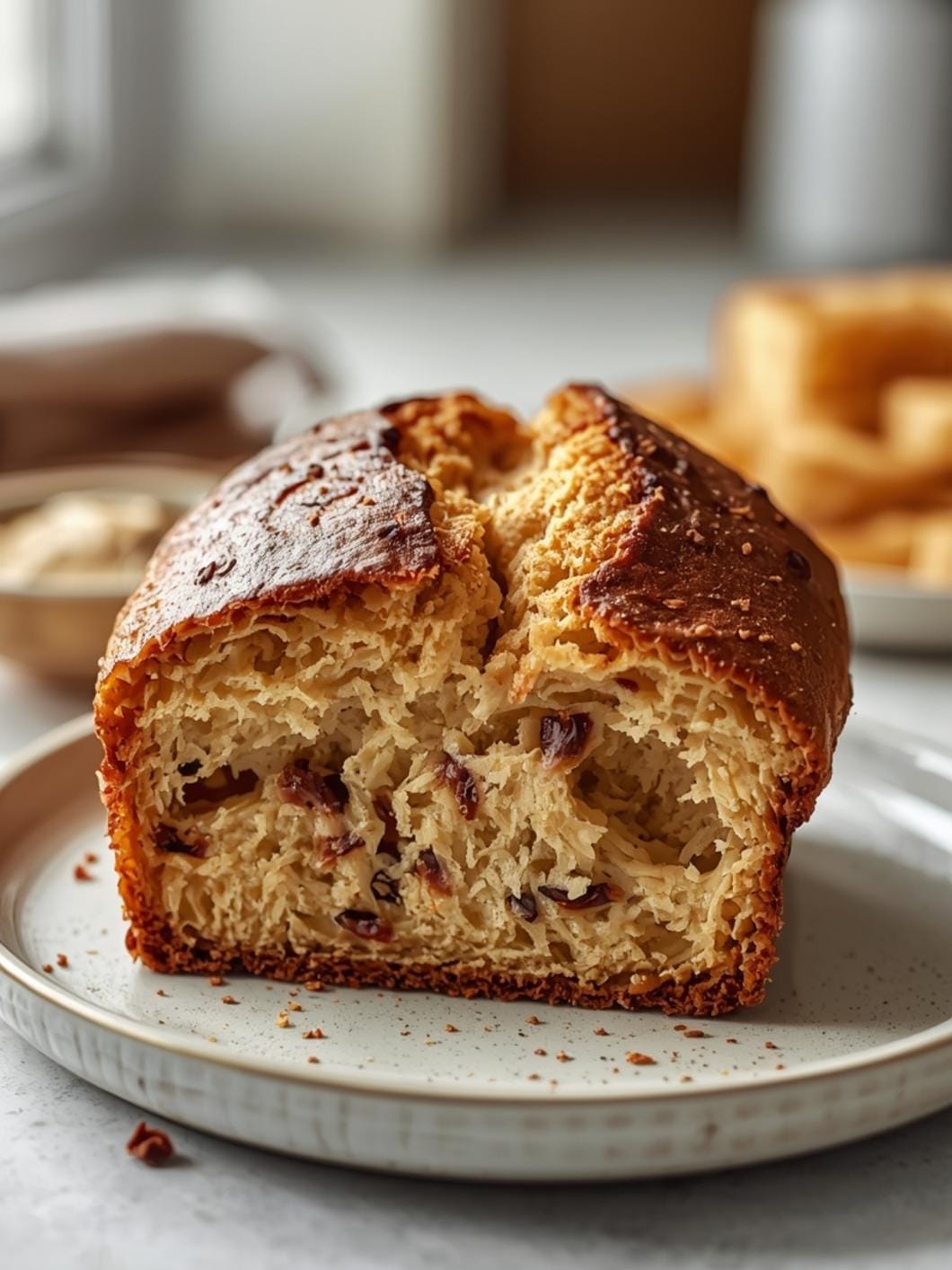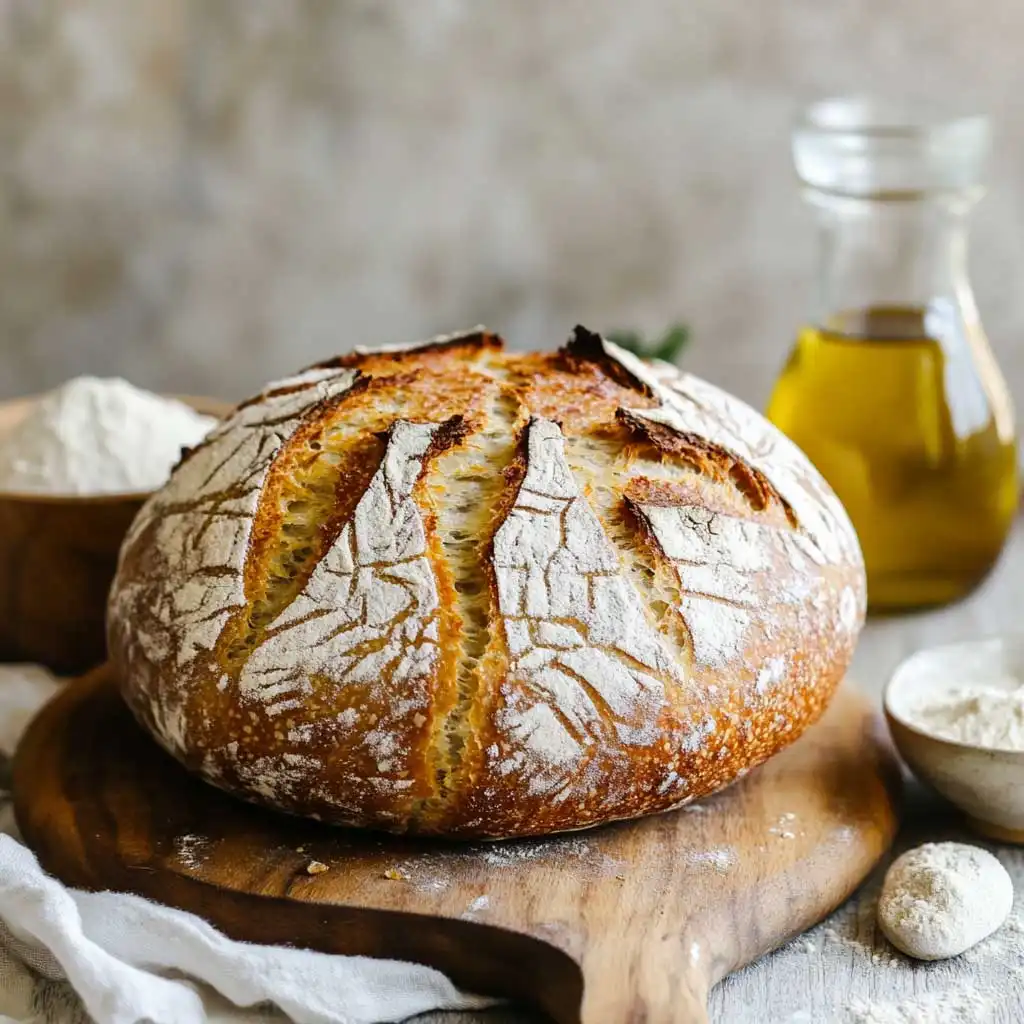

Baking homemade bread can seem like a daunting task, but this high-fiber oat bran sourdough loaf recipe makes it incredibly approachable for home bakers of all skill levels. We’re focusing on simplicity and wholesome ingredients to deliver a delicious, rustic loaf that’s perfect for everyday enjoyment.
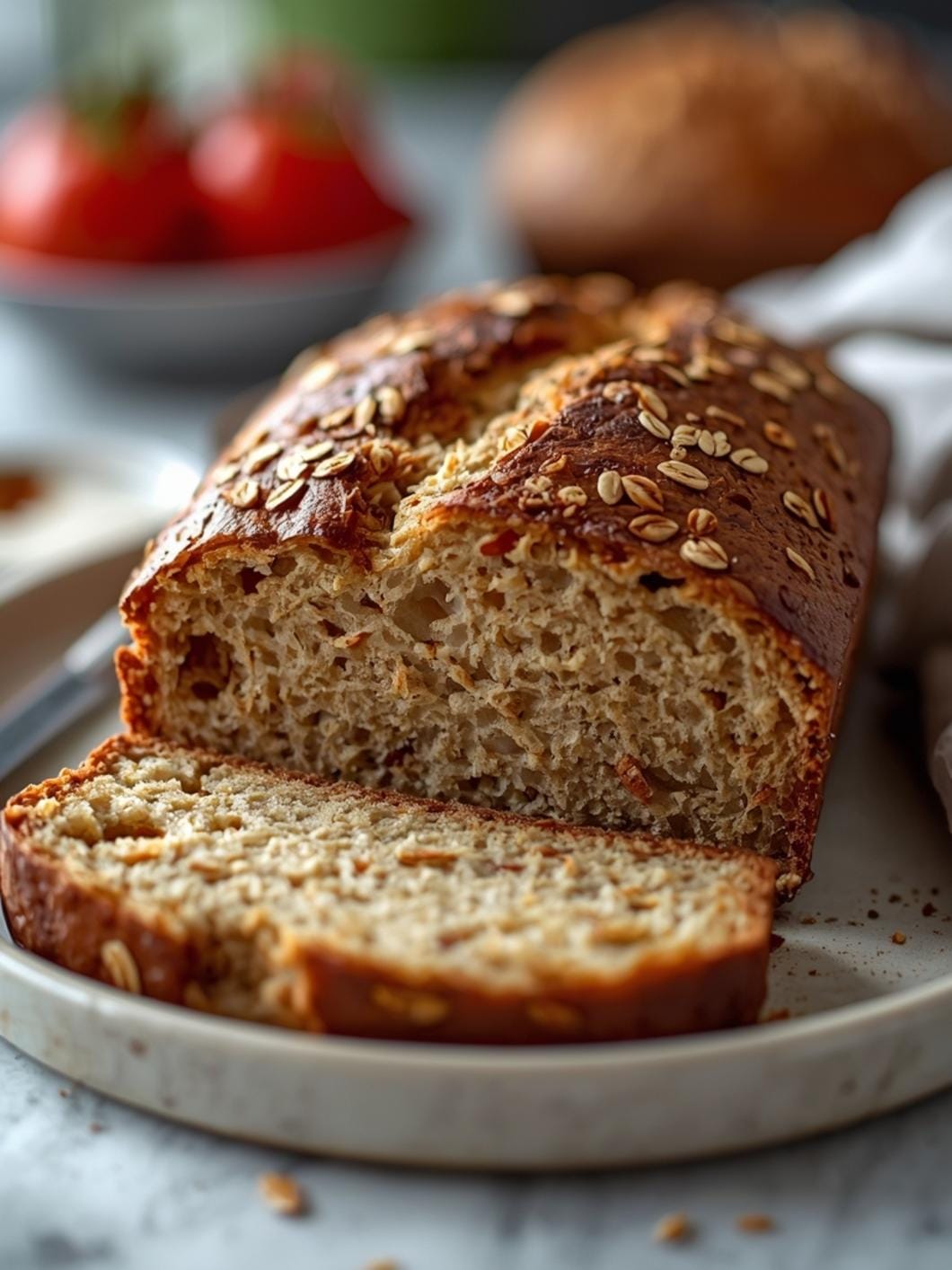
This recipe is designed to help you integrate the wonderful flavors and benefits of sourdough into your daily routine without spending hours in the kitchen. Get ready to enjoy a satisfying, chewy bread with a delightful crust that will become a staple in your home.
Table of Contents
- What You’ll Love About This Quick And Easy Recipe
- Everything You Need To Make This Recipe Without Stress
- Time Needed From Start To Finish
- How To Make It Step By Step With Visual Cues
- Easy Variations And Serving Ideas That Fit Real Life
- Common Slip-Ups And How To Avoid Them
- How To Store It And Make It Ahead Without Ruining Texture

High-Fiber Oat Bran Sourdough Loaf
- Total Time: 7-12 hours
- Yield: 1 loaf 1x
Description
This high-fiber oat bran sourdough loaf recipe is incredibly approachable for home bakers of all skill levels, focusing on simplicity and wholesome ingredients to deliver a delicious, rustic loaf. It’s perfect for everyday enjoyment, offering a satisfying, chewy bread with a delightful crust and the added nutritional boost of oat bran.
Ingredients
Instructions
1. Activate Your Starter: In a large mixing bowl, combine the active sourdough starter with the warm water and honey (or maple syrup). Stir gently until the starter is mostly dissolved and the mixture is cloudy. It should look milky and slightly frothy, indicating your starter is alive and ready.
2. Combine Dry Ingredients: Add the salt, all-purpose flour, oat bran, and whole wheat flour to the wet ingredients in the bowl. Mix with a sturdy spoon or your hands until a shaggy dough forms. Don’t worry if it looks a bit rough; it will smooth out.
3. Knead the Dough: Turn the dough out onto a lightly floured surface. Knead for 5-7 minutes. If the dough is sticky, lightly oil your hands instead of adding too much flour, which can make the bread dense. You’re looking for a dough that is still slightly tacky but smooth and elastic.
4. First Rise (Bulk Fermentation): Lightly grease a clean bowl with olive oil. Place the dough in the bowl, turning it once to coat all sides with oil. Cover the bowl with plastic wrap or a damp kitchen towel. Let it rise in a warm spot for 4-6 hours, or until it has nearly doubled in size. Alternatively, you can place it in the refrigerator for 8-12 hours for a slower, more flavorful rise. The dough should look puffy and have some visible bubbles.
5. Shape the Loaf: Gently turn the risen dough out onto a lightly floured surface. Gently deflate it by pressing down lightly. Shape the dough into a round or oval loaf. You can do this by folding the edges towards the center and then flipping it over, using the surface tension to create a smooth top.
6. Second Rise (Proofing): Place the shaped loaf into a floured banneton basket or a bowl lined with a floured kitchen towel. Cover loosely with plastic wrap or a damp towel. Let it rise for 1-2 hours at room temperature, or until visibly puffy and springs back slowly when gently poked.
7. Preheat and Score: About 30 minutes before baking, preheat your oven to 450 F (230 C) with a Dutch oven or baking stone inside. Carefully remove the hot Dutch oven. Gently transfer the proofed dough into the hot Dutch oven (or onto the baking stone). Using a sharp knife or a bread lame, score the top of the loaf with a few shallow cuts. This helps the bread expand evenly.
8. Bake the Loaf: Cover the Dutch oven and bake for 30 minutes. Remove the lid and continue baking for another 10-15 minutes, or until the crust is deep golden brown and the internal temperature reaches 200-210 F (93-99 C).
9. Cool Completely: Carefully remove the bread from the Dutch oven and transfer it to a wire rack. Let it cool completely for at least 1-2 hours before slicing. This step is crucial for the crumb to set and for the best texture and flavor.
- Prep Time: 15 minutes
- Cook Time: 35-40 minutes
- Category: bread
- Method: baking
- Cuisine: american
Nutrition
- Serving Size: 1 slice
Keywords: sourdough, bread, oat bran, high fiber, homemade, baking, rustic, easy, whole wheat, healthy
What You’ll Love About This Quick And Easy Recipe
This recipe is a game-changer for anyone who loves the idea of homemade sourdough but is intimidated by complex techniques. It’s perfect for busy families looking to add more fiber to their diet without sacrificing flavor or texture. You’ll love the satisfying chewiness of the crust and the soft, airy interior, all with the added nutritional boost of oat bran. This loaf is incredibly versatile, making it ideal for breakfast toast, hearty sandwiches for lunch, or as an accompaniment to a comforting dinner. It’s a wonderful way to enjoy fresh, wholesome bread without a trip to the bakery, and it fills your home with that irresistible aroma of freshly baked goods.
Everything You Need To Make This Recipe Without Stress
Gathering your ingredients before you start will make the baking process smooth and enjoyable. This recipe uses readily available items, focusing on quality to ensure the best flavor and texture for your high-fiber oat bran sourdough loaf.
INGREDIENTS:
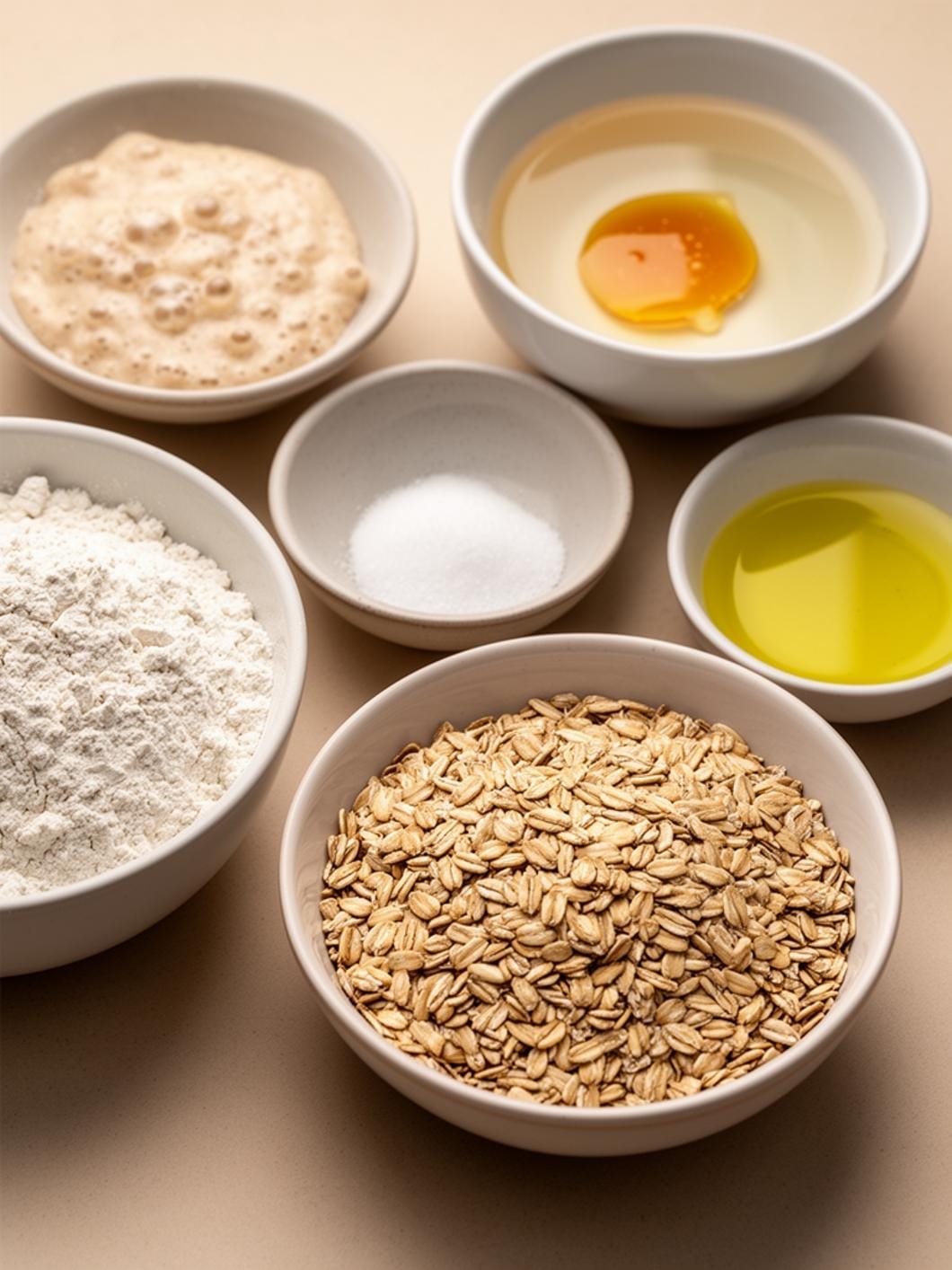
- 1 cup active sourdough starter, fed and bubbly
- 1 ½ cups warm water (around 95-105°F)
- 1 tablespoon honey or maple syrup
- 1 teaspoon salt
- 2 cups all-purpose flour
- 1 cup oat bran
- ½ cup whole wheat flour
- 2 tablespoons olive oil, plus more for greasing
For the flours, feel free to use your preferred brand. If you don’t have whole wheat flour, you can substitute it with an equal amount of all-purpose flour, though the whole wheat adds a nice depth of flavor and additional fiber. The honey or maple syrup is crucial for feeding the yeast and adding a touch of sweetness, so try not to omit it.
Time Needed From Start To Finish
While sourdough baking often implies long waits, this recipe is designed to be as efficient as possible while still allowing the sourdough to work its magic.
- Prep Time: 15 minutes (mixing ingredients)
- First Rise (Bulk Fermentation): 4-6 hours (or overnight in the fridge for 8-12 hours)
- Shape and Second Rise (Proofing): 1-2 hours
- Bake Time: 35-40 minutes
- Cooling Time: 1-2 hours (essential for best texture)
- Total Active Time: Approximately 1 hour
- Total Overall Time (including rises and cooling): 7-12 hours (depending on rise times)
How To Make It Step By Step With Visual Cues

Follow these simple steps to create your delicious high-fiber oat bran sourdough loaf. Pay attention to the visual cues to ensure success!
- Activate Your Starter: In a large mixing bowl, combine the active sourdough starter with the warm water and honey (or maple syrup). Stir gently until the starter is mostly dissolved and the mixture is cloudy. It should look milky and slightly frothy, indicating your starter is alive and ready.
- Combine Dry Ingredients: Add the salt, all-purpose flour, oat bran, and whole wheat flour to the wet ingredients in the bowl. Mix with a sturdy spoon or your hands until a shaggy dough forms. Don’t worry if it looks a bit rough; it will smooth out.
- Knead the Dough: Turn the dough out onto a lightly floured surface. Knead for 5-7 minutes. If the dough is sticky, lightly oil your hands instead of adding too much flour, which can make the bread dense. You’re looking for a dough that is still slightly tacky but smooth and elastic.
- First Rise (Bulk Fermentation): Lightly grease a clean bowl with olive oil. Place the dough in the bowl, turning it once to coat all sides with oil. Cover the bowl with plastic wrap or a damp kitchen towel. Let it rise in a warm spot for 4-6 hours, or until it has nearly doubled in size. Alternatively, you can place it in the refrigerator for 8-12 hours for a slower, more flavorful rise. The dough should look puffy and have some visible bubbles.
- Shape the Loaf: Gently turn the risen dough out onto a lightly floured surface. Gently deflate it by pressing down lightly. Shape the dough into a round or oval loaf. You can do this by folding the edges towards the center and then flipping it over, using the surface tension to create a smooth top.
- Second Rise (Proofing): Place the shaped loaf into a floured banneton basket or a bowl lined with a floured kitchen towel. Cover loosely with plastic wrap or a damp towel. Let it rise for 1-2 hours at room temperature, or until visibly puffy and springs back slowly when gently poked.
- Preheat and Score: About 30 minutes before baking, preheat your oven to 450°F (230°C) with a Dutch oven or baking stone inside. Carefully remove the hot Dutch oven. Gently transfer the proofed dough into the hot Dutch oven (or onto the baking stone). Using a sharp knife or a bread lame, score the top of the loaf with a few shallow cuts. This helps the bread expand evenly.
- Bake the Loaf: Cover the Dutch oven and bake for 30 minutes. Remove the lid and continue baking for another 10-15 minutes, or until the crust is deep golden brown and the internal temperature reaches 200-210°F (93-99°C).
- Cool Completely: Carefully remove the bread from the Dutch oven and transfer it to a wire rack. Let it cool completely for at least 1-2 hours before slicing. This step is crucial for the crumb to set and for the best texture and flavor.
Easy Variations And Serving Ideas That Fit Real Life
This high-fiber oat bran sourdough loaf is incredibly versatile and can be adapted to suit various tastes and occasions. For a savory twist, try adding 1/2 cup of shredded sharp cheddar cheese and 2 tablespoons of chopped fresh rosemary to the dough during the kneading stage. This makes a fantastic bread for serving alongside soups or stews. If you have little ones, you can make mini loaves or rolls from the same dough, which are perfect for smaller hands and lunchboxes.
For serving, this bread shines with just a smear of good quality butter. It’s also excellent toasted and topped with avocado and a sprinkle of everything bagel seasoning for a quick breakfast. For a more substantial meal, use thick slices to make hearty sandwiches with your favorite deli meats and cheeses, or as the base for a delicious open-faced tartine with roasted vegetables. Don’t forget to serve it with a warm bowl of soup or a fresh garden salad for a complete and satisfying meal.
Common Slip-Ups And How To Avoid Them
Even experienced bakers can encounter small challenges, but knowing what to look for can help you avoid common pitfalls.
- Dough Not Rising: The most frequent issue is an inactive sourdough starter. Ensure your starter is fed and bubbly before you begin. It should double in size within 4-8 hours after feeding. If it’s sluggish, give it another feeding or two until it’s vigorous. Also, make sure your water isn’t too hot (which can kill the yeast) or too cold (which slows it down).
- Dense Crumb: This often happens if you add too much flour during kneading or shaping, or if the dough is under-proofed. Resist the urge to add excessive flour; a slightly tacky dough is desirable. Allow the dough sufficient time to rise during both the bulk fermentation and proofing stages.
- Crust Is Too Hard/Burnt: If your crust is too dark or hard, your oven might be too hot, or you might have baked it for too long uncovered. Try reducing the oven temperature slightly or covering the Dutch oven for a longer portion of the bake time.
- Bread Sticking to Dutch Oven/Banneton: Always ensure your Dutch oven is well-oiled or floured before placing the dough. If using a banneton, flour it generously with rice flour (which is less absorbent) to prevent sticking.
- Slicing Too Soon: It’s tempting to cut into a warm loaf, but slicing hot bread can lead to a gummy, dense texture. Always allow the bread to cool completely on a wire rack for at least 1-2 hours. This allows the internal structure to set properly.
How To Store It And Make It Ahead Without Ruining Texture
Proper storage is key to enjoying your homemade sourdough for several days. Once your loaf has cooled completely, store it at room temperature in a bread box, a paper bag, or wrapped in a clean kitchen towel. This helps maintain its crust and prevents it from becoming soggy. Avoid storing it in an airtight plastic bag, as this

FAQs
- Can I make these ahead? Yes—prep ahead, refrigerate, then serve when ready.
- How long do leftovers last? Store covered in the fridge for 3–4 days for best texture.
- Can I adjust sweetness? Yes—add more or less sweetener to taste.
- Can I change the fruit? Yes—swap strawberries for blueberries, raspberries, or sliced banana.