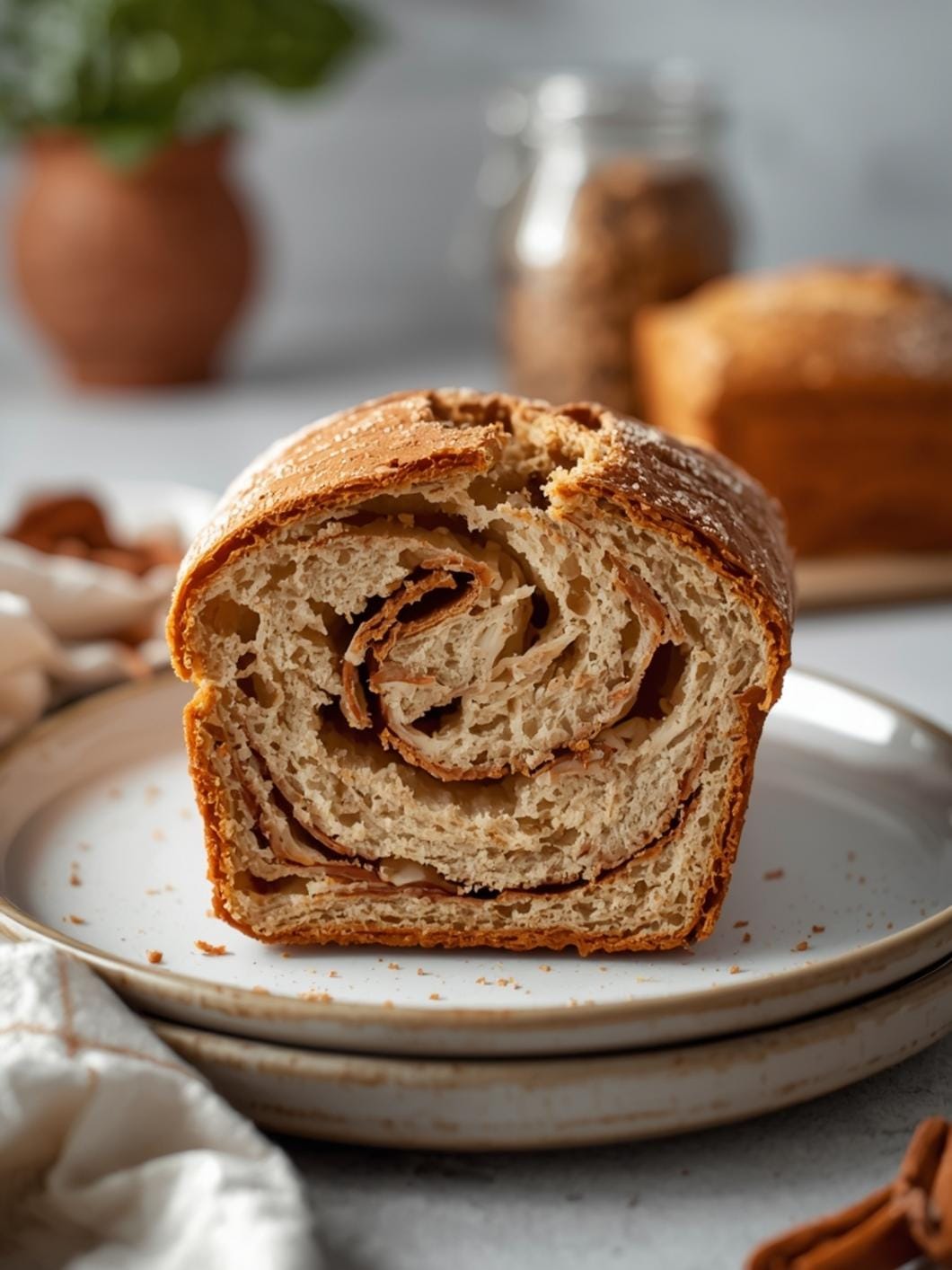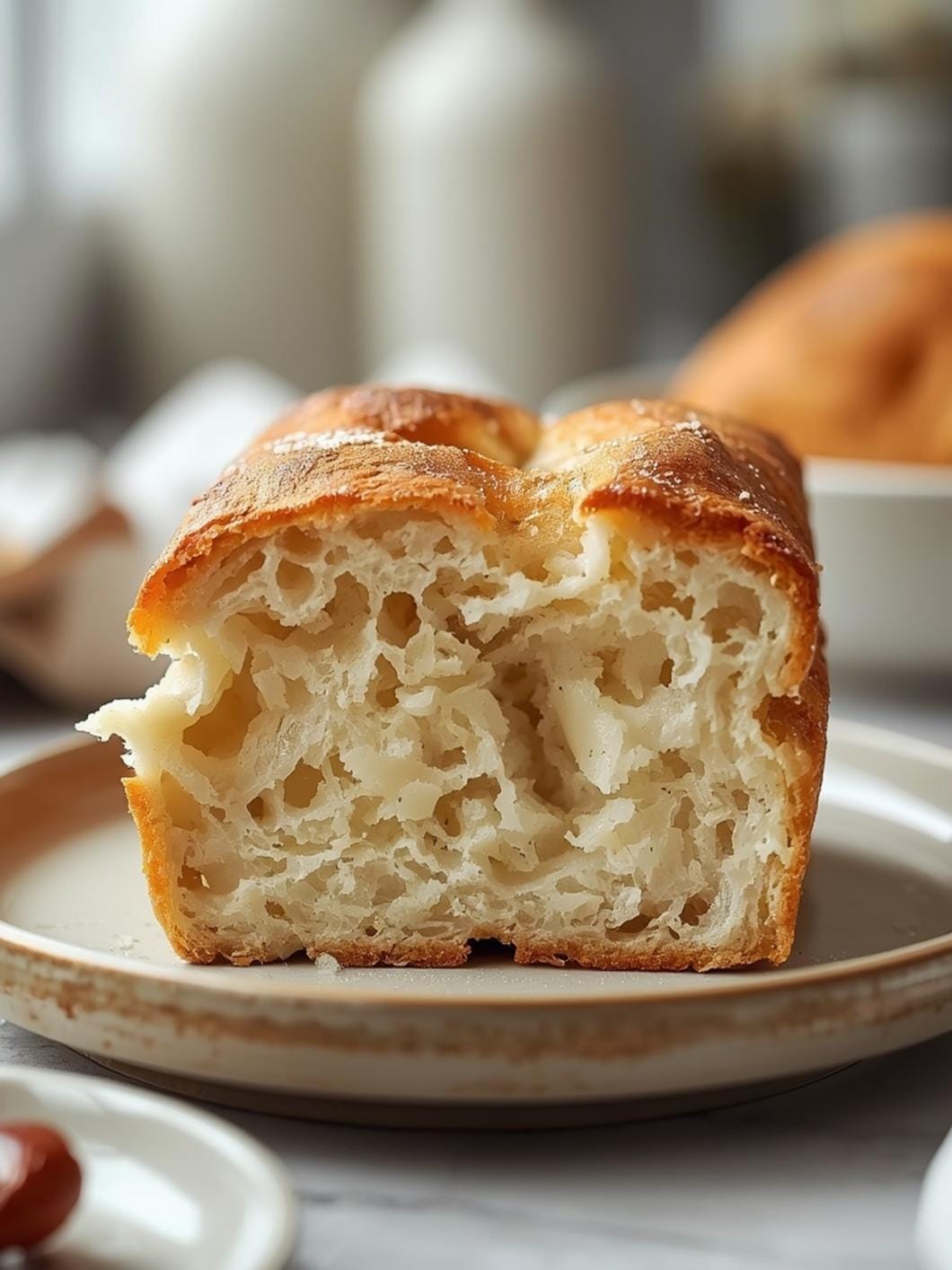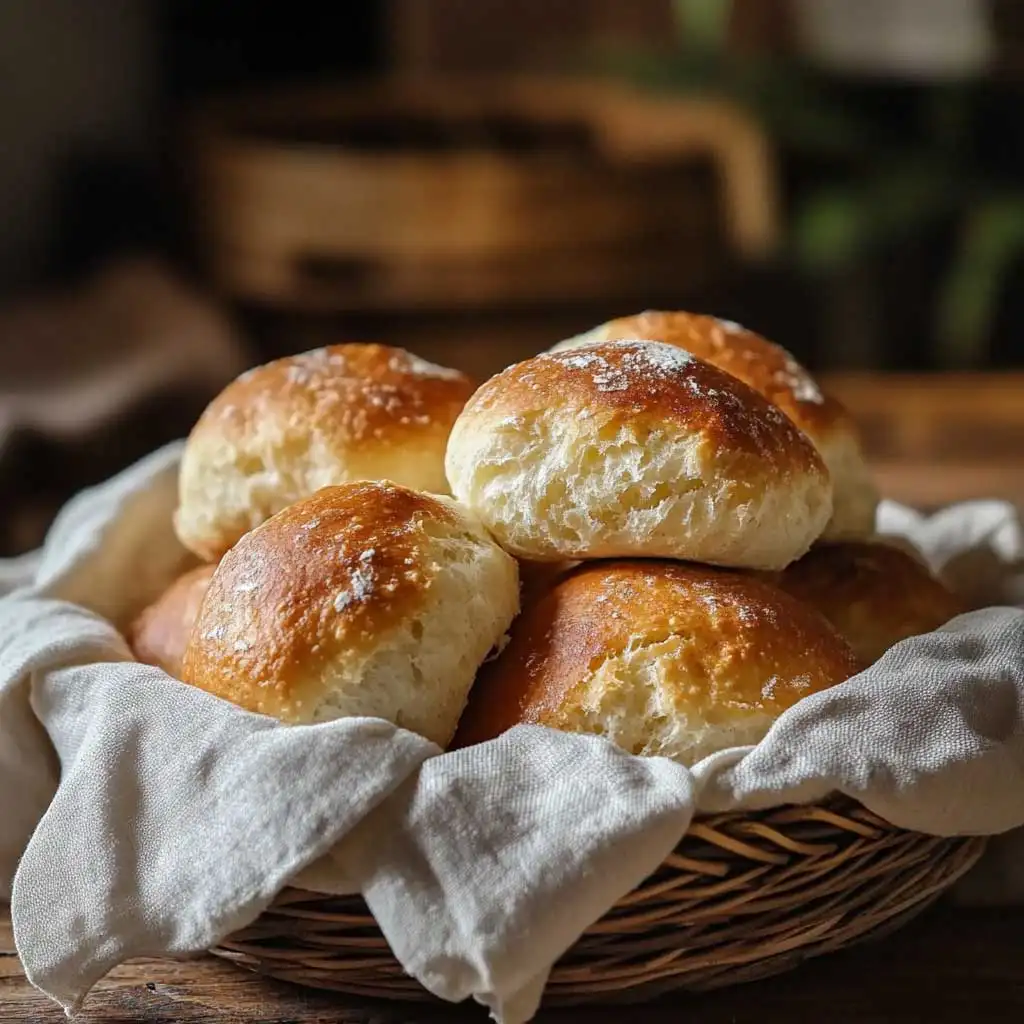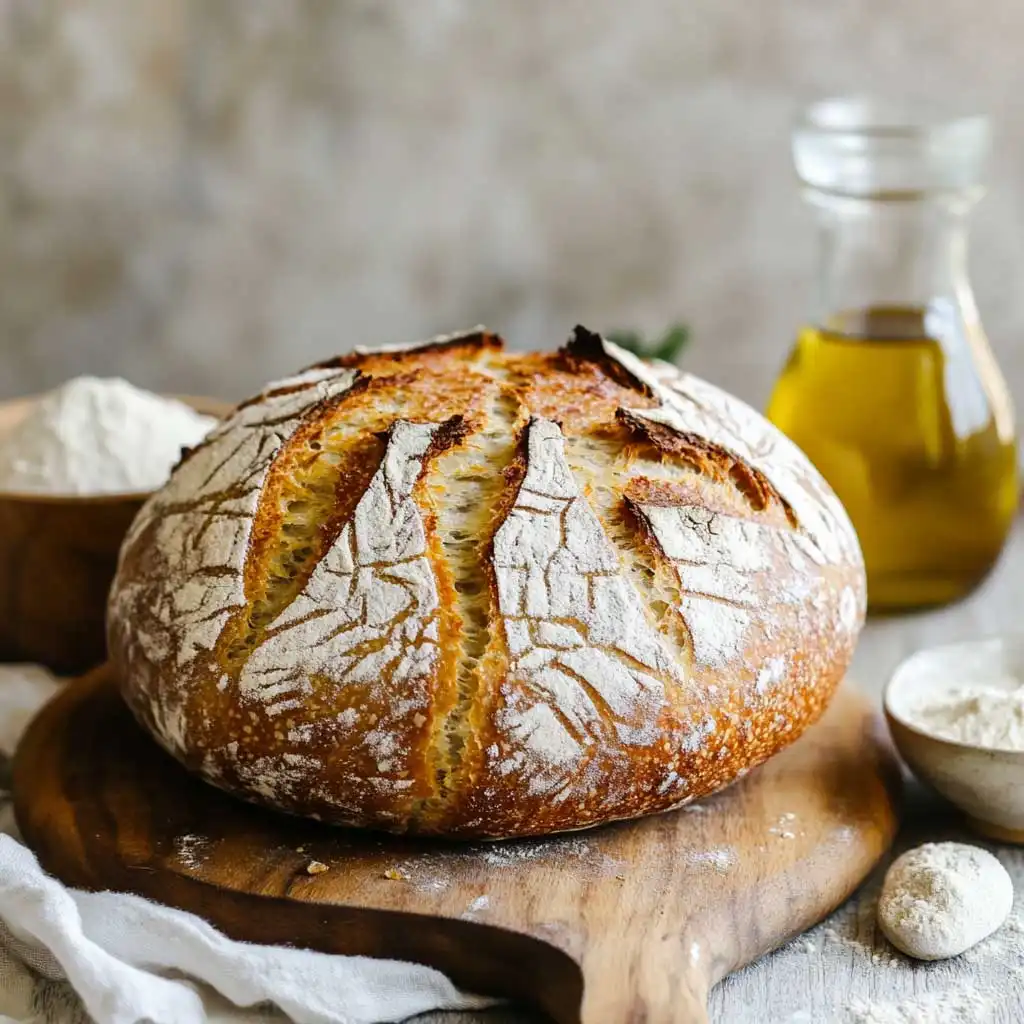

Craving the satisfying chew of sourdough bread but following a low-carb or keto lifestyle? This recipe is your answer! We’re diving into a fantastic way to enjoy high-fiber sourdough bread that perfectly aligns with your dietary goals. Forget complicated starters and long fermentation times; this approach keeps it simple and accessible for everyone.
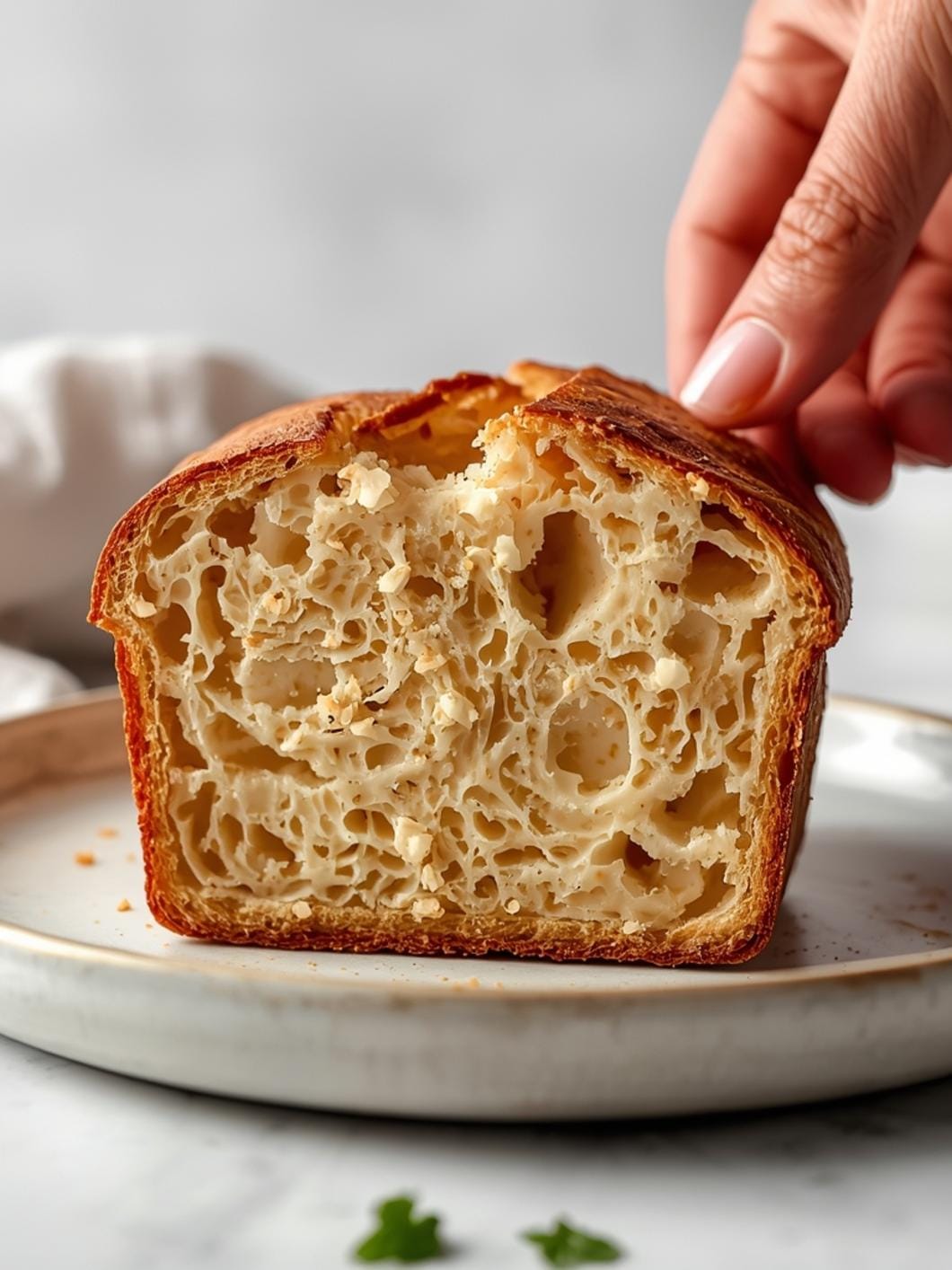
This paleo-friendly sourdough bread offers a wholesome, delicious alternative to traditional loaves, allowing you to indulge without derailing your health journey. Get ready to discover how easy it is to bring this nourishing bread to your table.
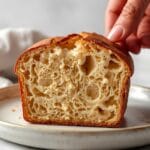
High-Fiber Low-Carb Sourdough-Style Bread
- Total Time: 1 hour 5 minutes to 1 hour 15 minutes
- Yield: 1 loaf 1x
Description
Enjoy the satisfying chew of sourdough bread on a low-carb or keto diet with this easy, high-fiber recipe. This paleo-friendly bread is simple to make, requires no complicated starters, and is perfect for busy weeknights. It offers a delicious and wholesome alternative to traditional loaves, fitting seamlessly into your health journey without compromising on taste or texture.
Ingredients
Instructions
1. Preheat your oven to 350 F (175 C). Line a standard loaf pan (8.5 x 4.5 inches) with parchment paper, leaving an overhang on the sides.
2. In a large mixing bowl, whisk together the almond flour, psyllium husk powder, coconut flour, nutritional yeast (if using), baking powder, sea salt, and cream of tartar. Whisk thoroughly for about 30 seconds.
3. In a separate medium bowl, whisk the eggs until well combined and slightly frothy. Add the warm water, apple cider vinegar, and olive oil (or melted coconut oil) to the eggs, and whisk again until fully incorporated.
4. Pour the wet ingredient mixture into the dry ingredient mixture. Using a sturdy spoon or spatula, mix quickly until a thick, sticky, and dense dough forms. Do not overmix; just combine until no dry streaks remain.
5. Immediately transfer the dough into your prepared loaf pan. Use a wet spatula or your wet hands to gently press the dough evenly into the pan and smooth out the top.
6. Place the loaf pan in the preheated oven. Bake for 50-60 minutes, or until the top is golden brown and the bread sounds hollow when tapped. A wooden skewer inserted into the center should come out clean.
7. Once baked, remove the loaf pan from the oven. Let the bread cool in the pan for about 10-15 minutes before carefully lifting it out using the parchment paper overhang. Transfer the bread to a wire rack to cool completely before slicing.
- Prep Time: 15 minutes
- Cook Time: 50-60 minutes
- Category: bread
- Method: baking
- Cuisine: american
Nutrition
- Serving Size: 1 slice
Keywords: keto, low-carb, sourdough, bread, gluten-free, paleo, high-fiber, easy, homemade, healthy
What You’ll Love About This Quick And Easy Recipe
This recipe is a game-changer for anyone seeking a delicious, wholesome bread option that fits specific dietary needs without requiring advanced baking skills. You’ll love it because it delivers the satisfying texture and subtle tang often associated with sourdough, but with a significantly lower carb count and higher fiber content, making it ideal for keto and paleo diets. It’s perfect for busy weeknights when you want something homemade but don’t have hours to spend in the kitchen. This bread is versatile enough to serve at breakfast with eggs, as a side with dinner, or even as the base for a hearty sandwich. It’s a fantastic way to introduce more fiber into your diet while still enjoying a beloved staple. This recipe works for individuals transitioning to a low-carb lifestyle, seasoned keto followers, or anyone simply looking for a healthier bread alternative that doesn’t compromise on taste or texture.
Everything You Need To Make This Recipe Without Stress
Gathering your ingredients before you start is the easiest way to ensure a smooth baking process. This recipe relies on readily available items, many of which you might already have in your pantry if you follow a low-carb or paleo diet. The key to achieving the right texture and flavor lies in selecting quality ingredients that contribute to both the nutritional profile and the overall deliciousness of the bread.
INGREDIENTS:
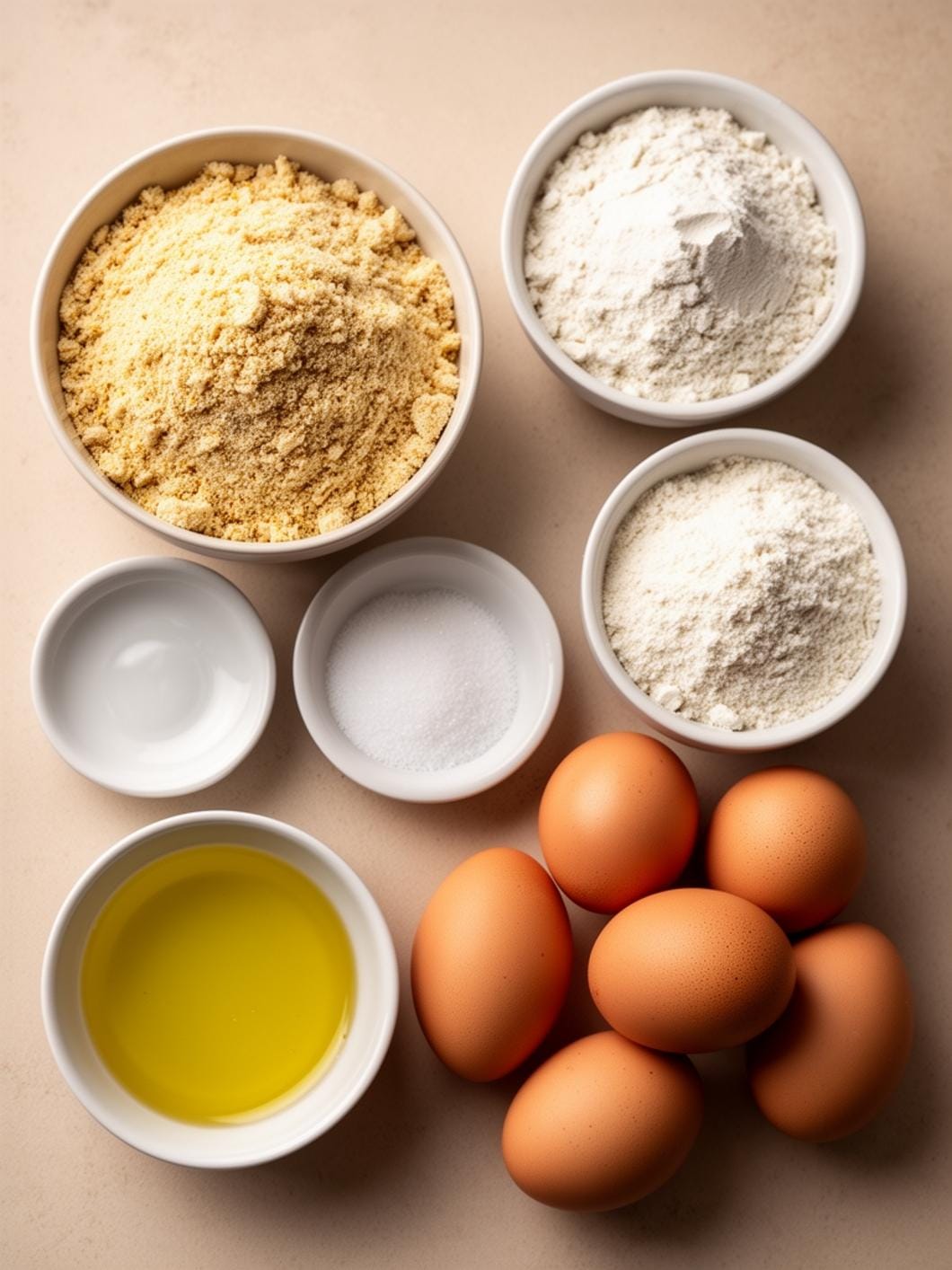
- 1 ½ cups almond flour, blanched
- ½ cup psyllium husk powder
- ¼ cup coconut flour
- 2 tablespoons nutritional yeast (optional, for cheesy flavor)
- 1 tablespoon baking powder
- 1 teaspoon sea salt
- ½ teaspoon cream of tartar
- 4 large eggs, at room temperature
- 1 cup warm water (about 100-110°F)
- 2 tablespoons apple cider vinegar
- 2 tablespoons olive oil or melted coconut oil
For simple substitutions, blanched almond flour is preferred for its fine texture, but almond meal can be used if that’s what you have, though the bread might be slightly denser. Psyllium husk powder is crucial for the structure and fiber content, so it’s not recommended to substitute it. If you don’t have coconut flour, you can try adding an extra tablespoon or two of almond flour, but be aware that coconut flour absorbs a lot of liquid, so the texture might vary. Nutritional yeast is purely for flavor; if you prefer a more neutral bread, you can omit it. For the oil, any neutral-flavored oil like avocado oil can be used in place of olive or coconut oil. Always use fresh baking powder and cream of tartar to ensure proper leavening.
Time Needed From Start To Finish
This recipe is designed for efficiency, delivering delicious homemade bread without an all-day commitment. You’ll be surprised at how quickly you can go from mixing bowl to warm, fresh-baked loaf.
- Preparation Time: 15 minutes
- Baking Time: 50-60 minutes
- Total Time: Approximately 1 hour 5 minutes to 1 hour 15 minutes
This timing allows for a brief rest period for the dough, which is essential for the psyllium husk to properly absorb the liquid and create the right consistency. The baking time ensures the bread is cooked through and develops a lovely golden crust.
How To Make It Step By Step With Visual Cues
Creating this high-fiber sourdough-style bread is straightforward. Follow these steps carefully to ensure a perfect loaf every time. The key is to work quickly once the wet and dry ingredients are combined, as the psyllium husk will start to thicken the mixture rapidly.
- Preheat and Prepare: Start by preheating your oven to 350°F (175°C). Line a standard loaf pan (8.5 x 4.5 inches) with parchment paper, leaving an overhang on the sides to easily lift the bread out later. This prevents sticking and makes cleanup a breeze.
- Combine Dry Ingredients: In a large mixing bowl, whisk together the almond flour, psyllium husk powder, coconut flour, nutritional yeast (if using), baking powder, sea salt, and cream of tartar. Whisk thoroughly for about 30 seconds to ensure all ingredients are evenly distributed, especially the leavening agents.
- Mix Wet Ingredients: In a separate medium bowl, whisk the eggs until they are well combined and slightly frothy. Add the warm water, apple cider vinegar, and olive oil (or melted coconut oil) to the eggs, and whisk again until everything is fully incorporated.
- Combine Wet and Dry: Pour the wet ingredient mixture into the dry ingredient mixture. Using a sturdy spoon or spatula, mix quickly until a thick dough forms. It will be quite sticky and dense. Do not overmix; just combine until no dry streaks remain. The dough will thicken significantly as the psyllium husk absorbs the liquid.
- Shape and Transfer: Immediately transfer the dough into your prepared loaf pan. Use a wet spatula or your wet hands to gently press the dough evenly into the pan and smooth out the top. A smooth top will help create an even crust.
- Bake the Bread: Place the loaf pan in the preheated oven. Bake for 50-60 minutes, or until the top is golden brown and the bread sounds hollow when tapped. You can also insert a wooden skewer or toothpick into the center; if it comes out clean, the bread is done.
- Cool Completely: Once baked, remove the loaf pan from the oven. Let the bread cool in the pan for about 10-15 minutes before carefully lifting it out using the parchment paper overhang. Transfer the bread to a wire rack to cool completely before slicing. Slicing warm bread can make it gummy and difficult to cut cleanly.
Easy Variations And Serving Ideas That Fit Real Life
This high-fiber, low-carb bread is incredibly versatile and can be enjoyed in many ways, making it a staple for any meal.
- Savory Add-Ins: For an herby twist, fold in 1-2 tablespoons of dried rosemary, thyme, or Italian seasoning into the dry ingredients. You could also add a quarter cup of shredded sharp cheddar cheese or finely chopped sun-dried tomatoes for extra flavor.
- Seed Power: Boost the fiber and texture by adding 2 tablespoons of chia seeds or flax seeds to the dry mixture. This also adds a nice visual appeal.
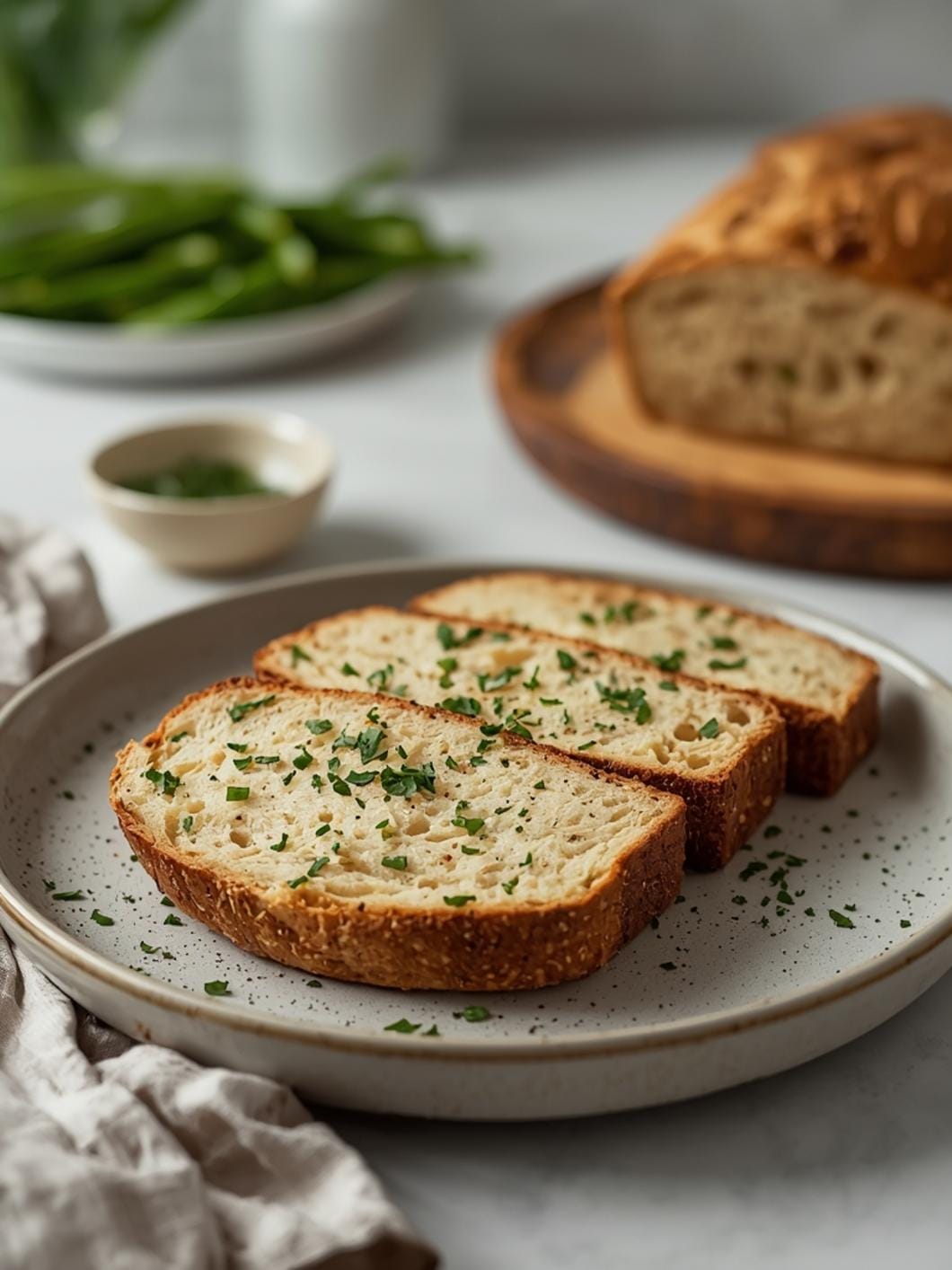
- Garlic Bread Alternative: Slice the cooled bread, spread with garlic butter, and broil for a few minutes until golden and fragrant. Perfect with a low-carb pasta dish or soup.
- Open-Faced Sandwiches: This bread makes an excellent base for open-faced sandwiches. Top with avocado and everything bagel seasoning, cream cheese and smoked salmon, or your favorite deli meats and cheese.
- Breakfast Toast: Toast slices and spread with sugar-free jam, nut butter, or simply butter. It’s a hearty start to any morning.
- Soup Dippers: Cut into cubes and toast lightly for croutons, or serve thick slices alongside a warming bowl of keto chili or vegetable soup.
- Kid-Friendly Options: While the “sourdough” flavor is mild, kids might enjoy it toasted with a little butter and a sprinkle of cinnamon, or as mini grilled cheese sandwiches. The high fiber content is a bonus for growing bodies!
Common Slip-Ups And How To Avoid Them
Even with a straightforward recipe, a few common mistakes can impact the final outcome. Being aware of these can help you achieve perfect results every time.
- Not Using Psyllium Husk Powder: This is perhaps the most critical ingredient for the texture and structure of this bread. Using whole psyllium husks instead of powder, or omitting it entirely, will result in a completely different, likely crumbly or dense, loaf. Ensure you use fine psyllium husk powder.
- Overmixing the Dough: Once the wet and dry ingredients are combined, mix just until incorporated. Overmixing can develop the psyllium husk too much, leading to a tougher texture. Work quickly but gently.
- Not Letting the Dough Rest Briefly: The short rest period (even just the time it takes to transfer to the pan) allows the psyllium husk to fully absorb the liquid. Skipping this or rushing can result in a less cohesive dough.
- Slicing Before Cooling Completely: This is a common mistake with many gluten-free and low-carb breads. Slicing while warm can make the bread gummy, difficult to cut cleanly, and can impact its overall texture. Patience is key for a clean slice and firm texture.
- Incorrect Oven Temperature: An oven that’s too hot can burn the crust before the inside is cooked, while one that’s too cool can result in a dense
FAQs
- Can I make these ahead? Yes—prep ahead, refrigerate, then serve when ready.
- How long do leftovers last? Store covered in the fridge for 3–4 days for best texture.
- Can I adjust sweetness? Yes—add more or less sweetener to taste.
- Can I change the fruit? Yes—swap strawberries for blueberries, raspberries, or sliced banana.