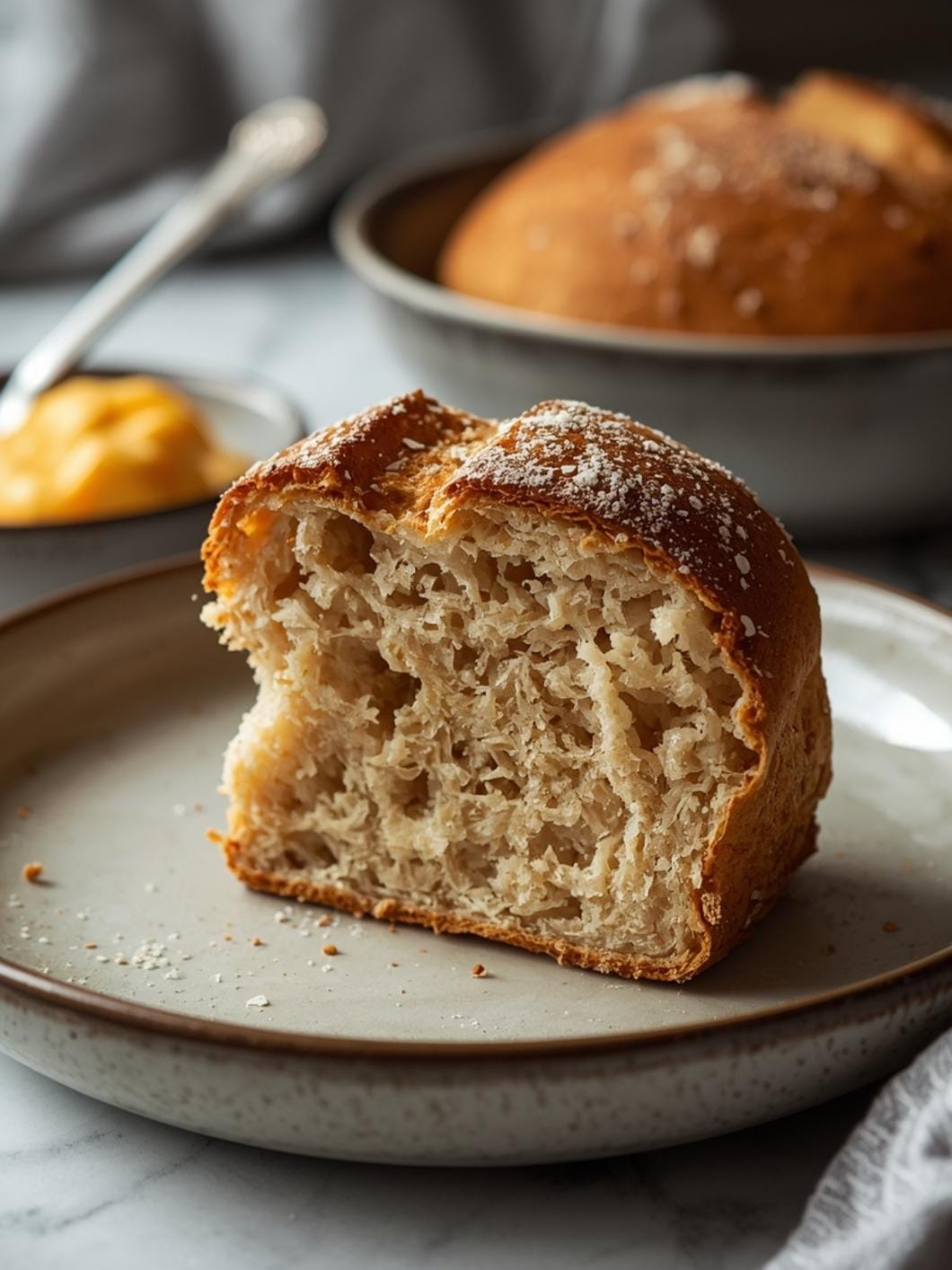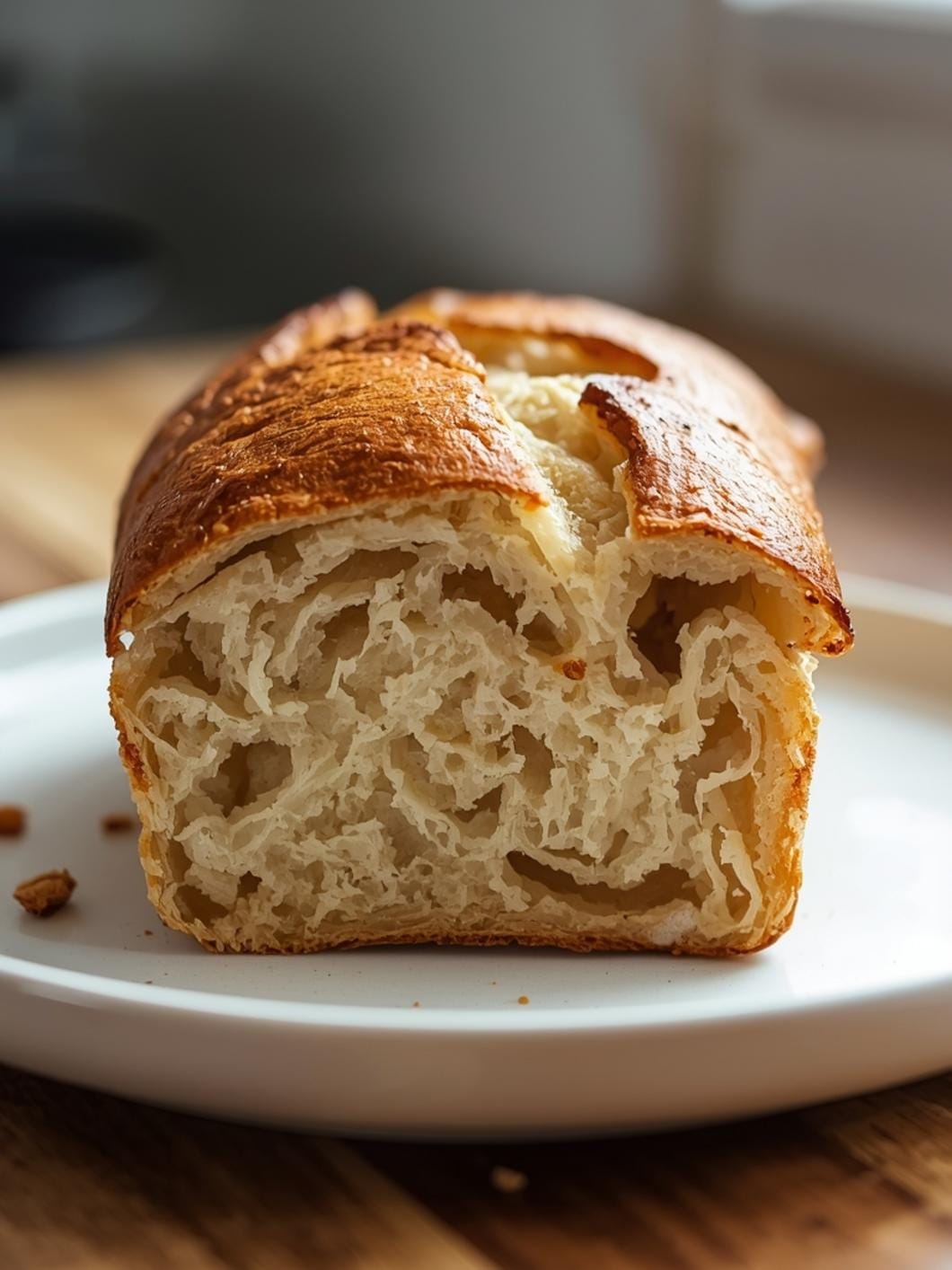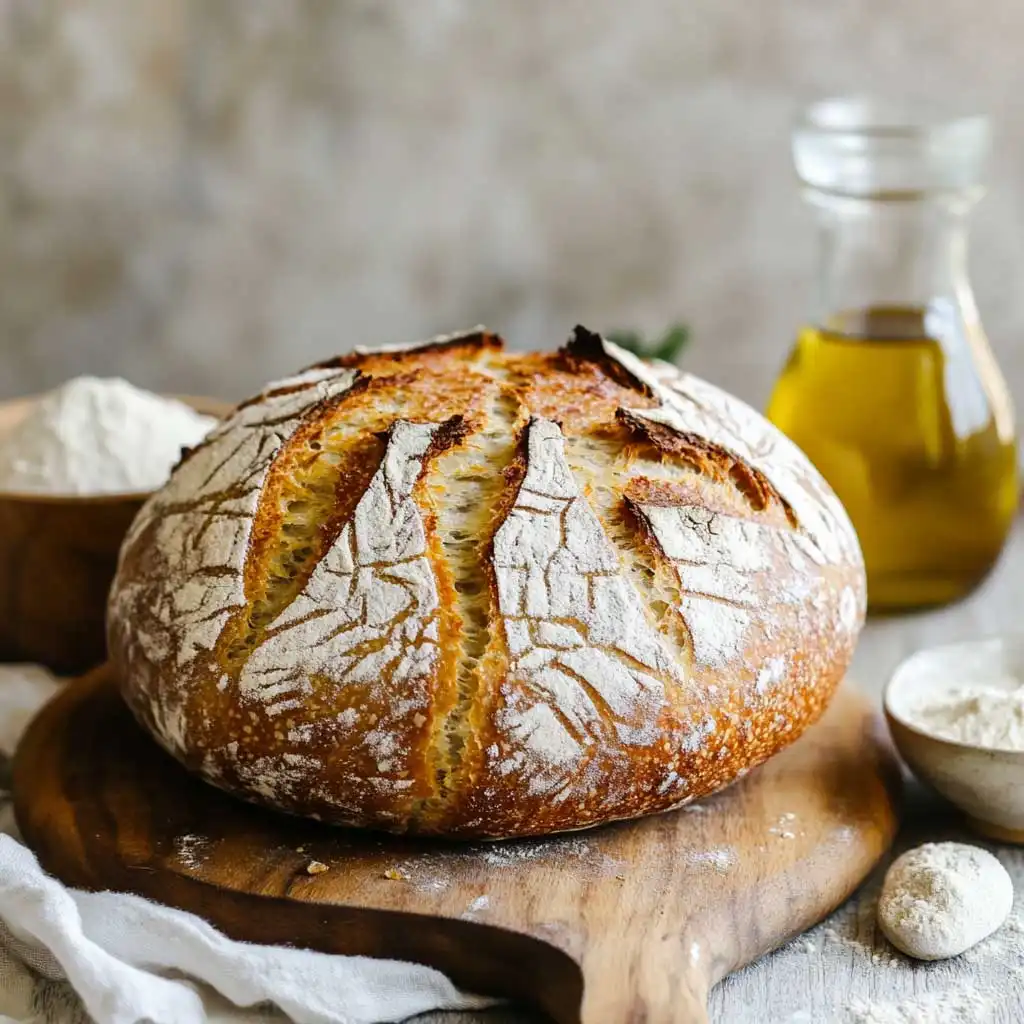

Baking sourdough can feel like a grand adventure, and when you add a savory twist, it becomes truly irresistible.
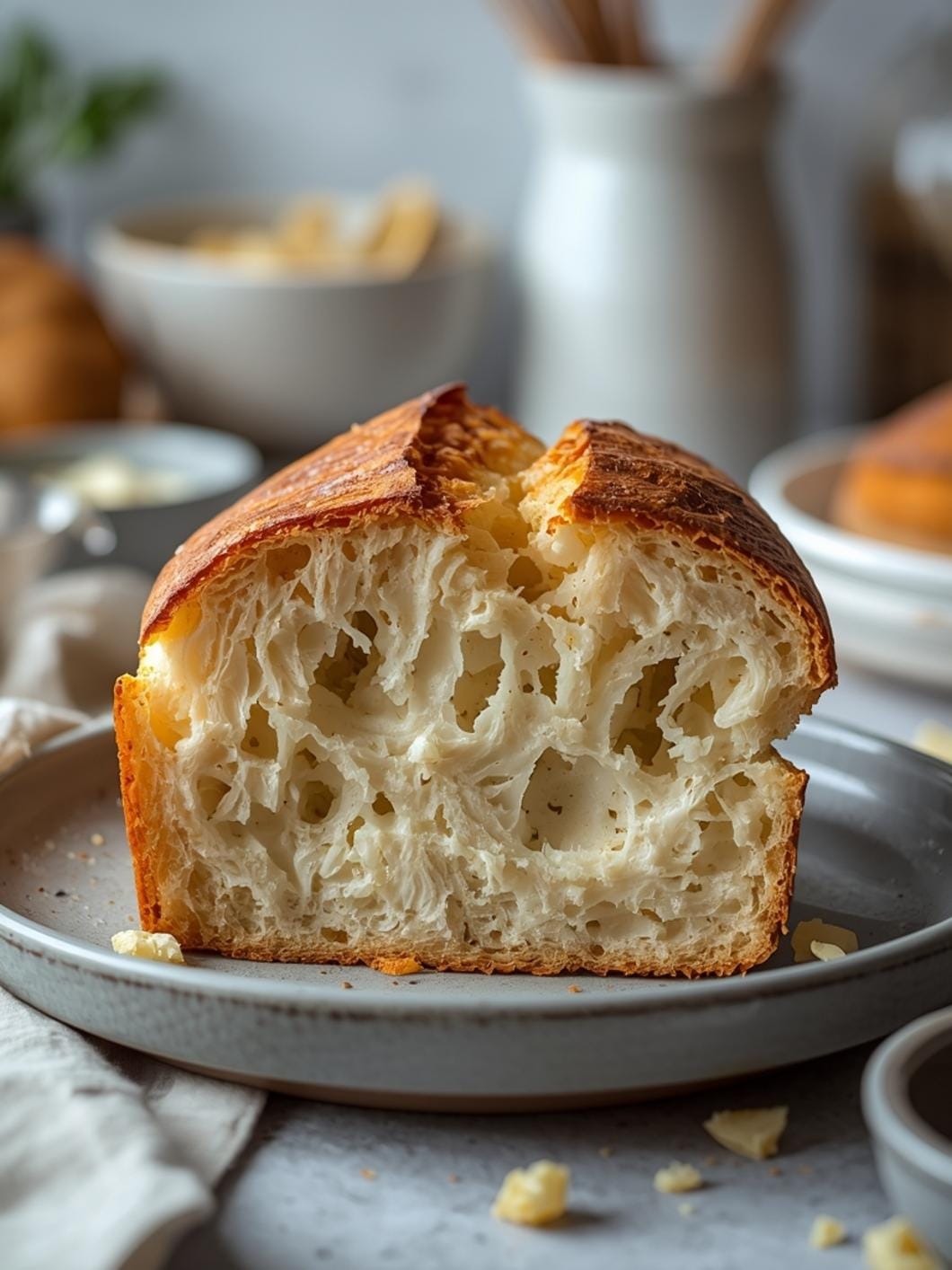
This recipe is designed to help you achieve that coveted open crumb and infuse your loaf with the rich, nutty flavor of Parmesan cheese, all while keeping the process approachable and rewarding.
Get ready to transform simple ingredients into a beautiful, aromatic loaf that will impress everyone at your table. We’ll walk through each step to ensure your high hydration sourdough turns out perfectly, with that delightful texture and a burst of savory goodness in every bite.
Table of Contents
- What You’ll Love About This Quick And Easy Recipe
- Everything You Need To Make This Recipe Without Stress
- Time Needed From Start To Finish
- How To Make It Step By Step With Visual Cues
- Easy Variations And Serving Ideas That Fit Real Life
- Common Slip-Ups And How To Avoid Them
- How To Store It And Make It Ahead Without Ruining Texture

Savory Parmesan Sourdough Bread
- Total Time: 13-19 hours
- Yield: 1 loaf 1x
Description
This recipe guides you through baking a high-hydration sourdough loaf infused with rich Parmesan cheese, resulting in a beautiful open crumb and savory flavor. It’s an approachable process for home bakers looking to elevate their sourdough with a cheesy twist, perfect for various meals or as a standalone snack.
Ingredients
Instructions
1. Mixing the Dough (Autolyse and Initial Mix): In a large bowl, combine the warm water and active sourdough starter, stirring gently until the starter is mostly dissolved. Add the bread flour and mix with a Danish dough whisk or your hands until no dry spots remain. This will be a shaggy, sticky dough. Cover the bowl with a damp towel or plastic wrap and let it rest for 30 minutes to 1 hour (this is the autolyse stage, which helps hydrate the flour). After the autolyse, sprinkle the salt over the dough and gently work it in by squeezing and folding the dough for about 2-3 minutes.
2. Incorporating the Parmesan Cheese: Spread the dough out slightly on a clean work surface. Sprinkle the grated Parmesan cheese evenly over the surface of the dough. Gently fold the dough over itself several times, ensuring the cheese is well distributed throughout. You want the cheese to be integrated but not completely mashed into the dough.
3. Bulk Fermentation with Stretch and Folds: Return the dough to the bowl. Over the next 4-6 hours (or until the dough has increased in volume by about 30-50% and is bubbly), perform a series of “stretch and folds.” Every 30-45 minutes during the first 2-3 hours, gently grab a portion of the dough from one side, stretch it upwards, and fold it over to the opposite side. Rotate the bowl and repeat this 3-4 times until all sides have been stretched and folded. This builds strength in the dough. After the first few hours, let the dough rest for longer periods.
4. Shaping the Loaf: Lightly flour your work surface. Gently turn the dough out onto the surface. Carefully pre-shape the dough into a loose ball or rectangle, letting it rest for 20 minutes to relax the gluten. Then, proceed with your final shaping technique (e.g., a boule or a batard). You want to create tension on the surface of the dough.
5. Cold Proofing: Place the shaped dough seam-side up into a floured banneton or a bowl lined with a floured kitchen towel. Cover it tightly with plastic wrap or place it in a large plastic bag to prevent drying. Refrigerate for 8-12 hours, or up to 24 hours. Cold proofing develops flavor and makes the dough easier to handle.
6. Baking the Sourdough: Preheat your oven to 500 F (260 C) with a Dutch oven inside for at least 30 minutes. Carefully remove the hot Dutch oven. Gently invert the cold dough into the hot Dutch oven. Score the top of the dough with a sharp razor blade or lame. Place the lid back on the Dutch oven and bake for 20 minutes.
7. Finishing the Bake: After 20 minutes, remove the lid from the Dutch oven. Reduce the oven temperature to 450 F (230 C) and continue baking for another 20-25 minutes, or until the crust is deeply golden brown and the internal temperature reaches 200-210 F (93-99 C).
8. Cooling the Bread: Carefully remove the bread from the Dutch oven and place it on a wire rack to cool completely for at least 1-2 hours before slicing. This is crucial for the crumb structure and flavor to set.
- Prep Time: 20 minutes
- Cook Time: 40-45 minutes
- Category: bread
- Method: baking
- Cuisine: european
Nutrition
- Serving Size: 1 slice
Keywords: sourdough, parmesan, bread, savory, cheesy, baking, homemade, artisan, fermented, crusty
What You’ll Love About This Quick And Easy Recipe
This recipe is a true game-changer for anyone who loves the artisanal quality of sourdough but wants to elevate it with a savory profile. It’s perfect for home bakers who have some experience with sourdough and are looking to refine their technique for an open crumb, or those who simply want to add a delicious, cheesy dimension to their bread. The Parmesan flavor makes it an excellent accompaniment to soups, salads, pasta dishes, or even as a standalone snack. It’s a fantastic option for family dinners, weekend brunches, or bringing to a potluck where you want to make a memorable impression.
Everything You Need To Make This Recipe Without Stress
Gathering your ingredients before you begin ensures a smooth and enjoyable baking process. This recipe relies on good quality flour and a robust sourdough starter to achieve the best results. The Parmesan cheese is the star flavor, so choose one you genuinely enjoy.
INGREDIENTS:
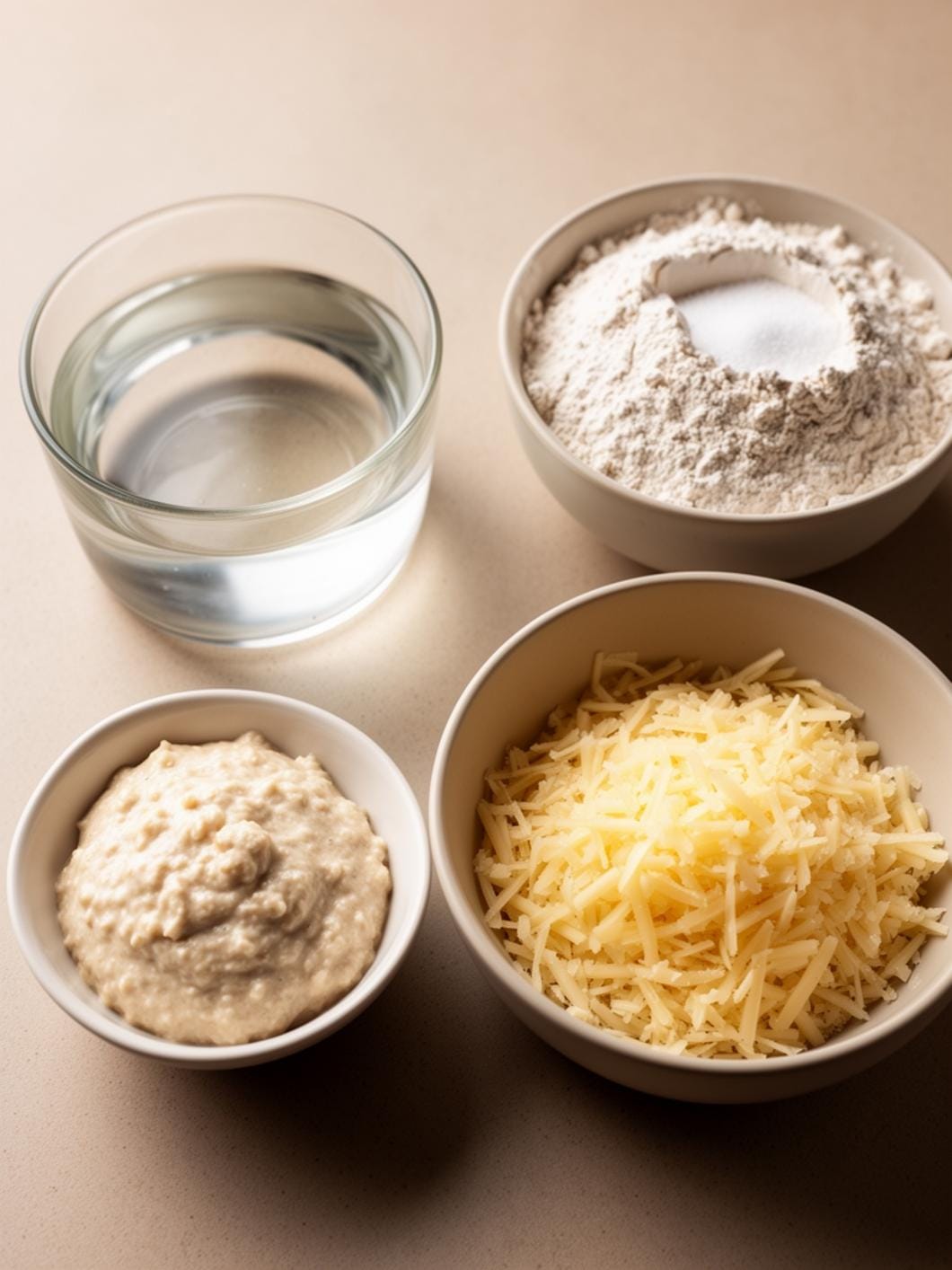
- 100 grams active sourdough starter
- 350 grams warm water (around 90-95°F)
- 500 grams bread flour
- 10 grams fine sea salt
- 60 grams grated Parmesan cheese
For simple substitutions, you can experiment with different types of hard, savory cheeses if Parmesan isn’t your favorite, such as Pecorino Romano or even a sharp aged cheddar, though Parmesan offers a unique salty and umami depth. While bread flour is recommended for its higher protein content, which helps develop gluten and achieve an open crumb, you can use a good quality all-purpose flour in a pinch, though the texture might be slightly different. Ensure your sourdough starter is active and bubbly, as this is crucial for the rise and texture of your bread.
Time Needed From Start To Finish
While sourdough baking involves several stages, the active hands-on time for this recipe is quite manageable. The bulk fermentation and proofing stages require patience but not constant attention.
- Prep Time: 20 minutes (mixing, stretching, folding)
- Bulk Fermentation: 4-6 hours (depending on ambient temperature and starter activity)
- Cold Proofing: 8-12 hours (or up to 24 hours)
- Bake Time: 40-45 minutes
- Total Time: Approximately 13-19 hours (mostly inactive time)
How To Make It Step By Step With Visual Cues
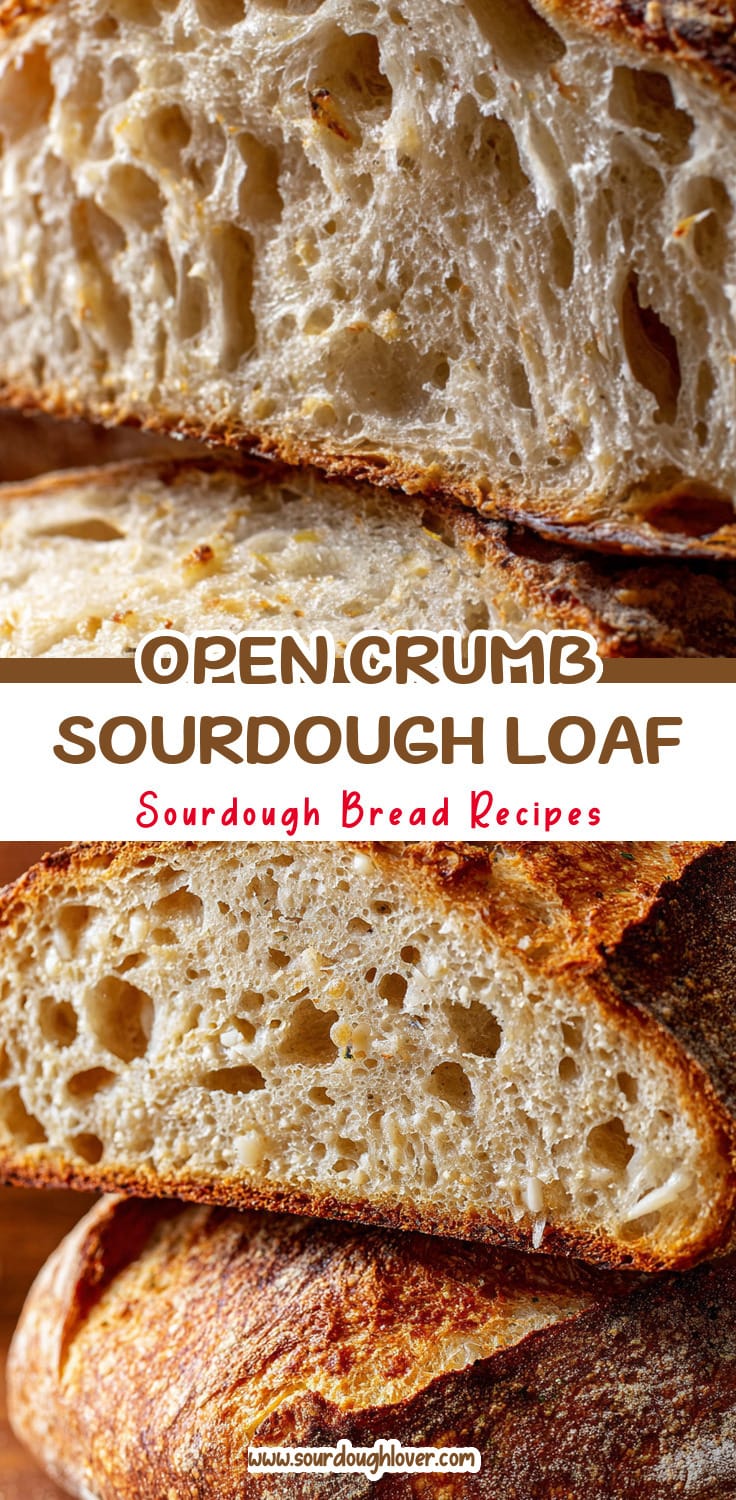
Achieving a beautiful open crumb and delicious Parmesan flavor in your sourdough is a process that builds on simple steps. Follow these instructions carefully for the best results.
- Mixing the Dough (Autolyse and Initial Mix): In a large bowl, combine the warm water and active sourdough starter, stirring gently until the starter is mostly dissolved. Add the bread flour and mix with a Danish dough whisk or your hands until no dry spots remain. This will be a shaggy, sticky dough. Cover the bowl with a damp towel or plastic wrap and let it rest for 30 minutes to 1 hour (this is the autolyse stage, which helps hydrate the flour). After the autolyse, sprinkle the salt over the dough and gently work it in by squeezing and folding the dough for about 2-3 minutes.
- Incorporating the Parmesan Cheese: Spread the dough out slightly on a clean work surface. Sprinkle the grated Parmesan cheese evenly over the surface of the dough. Gently fold the dough over itself several times, ensuring the cheese is well distributed throughout. You want the cheese to be integrated but not completely mashed into the dough.
- Bulk Fermentation with Stretch and Folds: Return the dough to the bowl. Over the next 4-6 hours (or until the dough has increased in volume by about 30-50% and is bubbly), perform a series of “stretch and folds.” Every 30-45 minutes during the first 2-3 hours, gently grab a portion of the dough from one side, stretch it upwards, and fold it over to the opposite side. Rotate the bowl and repeat this 3-4 times until all sides have been stretched and folded. This builds strength in the dough. After the first few hours, let the dough rest for longer periods.
- Shaping the Loaf: Lightly flour your work surface. Gently turn the dough out onto the surface. Carefully pre-shape the dough into a loose ball or rectangle, letting it rest for 20 minutes to relax the gluten. Then, proceed with your final shaping technique (e.g., a boule or a batard). You want to create tension on the surface of the dough.
- Cold Proofing: Place the shaped dough seam-side up into a floured banneton or a bowl lined with a floured kitchen towel. Cover it tightly with plastic wrap or place it in a large plastic bag to prevent drying. Refrigerate for 8-12 hours, or up to 24 hours. Cold proofing develops flavor and makes the dough easier to handle.
- Baking the Sourdough: Preheat your oven to 500°F (260°C) with a Dutch oven inside for at least 30 minutes. Carefully remove the hot Dutch oven. Gently invert the cold dough into the hot Dutch oven. Score the top of the dough with a sharp razor blade or lame. Place the lid back on the Dutch oven and bake for 20 minutes.
- Finishing the Bake: After 20 minutes, remove the lid from the Dutch oven. Reduce the oven temperature to 450°F (230°C) and continue baking for another 20-25 minutes, or until the crust is deeply golden brown and the internal temperature reaches 200-210°F (93-99°C).
- Cooling the Bread: Carefully remove the bread from the Dutch oven and place it on a wire rack to cool completely for at least 1-2 hours before slicing. This is crucial for the crumb structure and flavor to set.
Easy Variations And Serving Ideas That Fit Real Life
This Parmesan sourdough is incredibly versatile and can be enjoyed in many ways. For a simple family meal, serve thick slices alongside a hearty tomato soup or a fresh green salad. It’s also fantastic toasted for breakfast, perhaps with a fried egg on top.
To add more flavor, consider incorporating a tablespoon of dried herbs like oregano or Italian seasoning into the dough along with the Parmesan. For a touch of spice, a pinch of red pepper flakes would be delicious. This bread makes excellent savory croutons for salads or a base for bruschetta. For a party or buffet, slice it thinly and serve with a platter of cured meats, olives, and roasted red peppers. Kids often love the cheesy flavor, making it a great choice for a grilled cheese sandwich or simply torn into pieces for dipping in olive oil.
Common Slip-Ups And How To Avoid Them
Even experienced bakers can encounter issues, but many common sourdough problems are easily preventable.
- Weak Starter: If your starter isn’t active and bubbly before you begin, your dough won’t rise properly. Always feed your starter 4-12 hours before you plan to mix your dough and ensure it’s at its peak activity, showing plenty of bubbles and having doubled in size.
- Under-Proofed Dough: Rushing the bulk fermentation or cold proofing can lead to a dense, gummy crumb. Look for visual cues: the dough should increase in volume, feel airy, and show signs of fermentation (bubbles). When cold proofing, the dough should feel slightly puffy but still hold its shape.
- Over-Proofed Dough: Conversely, letting the dough proof for too long can result in a loaf that spreads rather than rises, with a very weak structure. This often happens if your kitchen is too warm during bulk fermentation or if you leave it in the fridge for too long after it’s reached its peak. A good indicator of over-proofing is if the dough feels very slack and doesn’t spring back when gently poked.
- Not Enough Tension During Shaping: A well-shaped loaf holds its form and rises upwards. If your dough is too loose, it will spread out in the oven. Practice your shaping technique to create a tight “skin” on the dough’s surface.
- Slicing Too Soon: It’s tempting to cut into a warm loaf, but cooling is crucial. Slicing hot bread can lead to a gummy texture because the internal structure hasn’t fully set. Always let your sourdough cool completely on a wire rack for at least 1-2 hours.
How To Store It And Make It Ahead Without Ruining Texture
Proper storage is key to enjoying your delicious Parmesan sourdough for as long as possible. Once completely cooled, store the loaf at room temperature.
*

FAQs
- Can I make these ahead? Yes—prep ahead, refrigerate, then serve when ready.
- How long do leftovers last? Store covered in the fridge for 3–4 days for best texture.
- Can I adjust sweetness? Yes—add more or less sweetener to taste.
- Can I change the fruit? Yes—swap strawberries for blueberries, raspberries, or sliced banana.