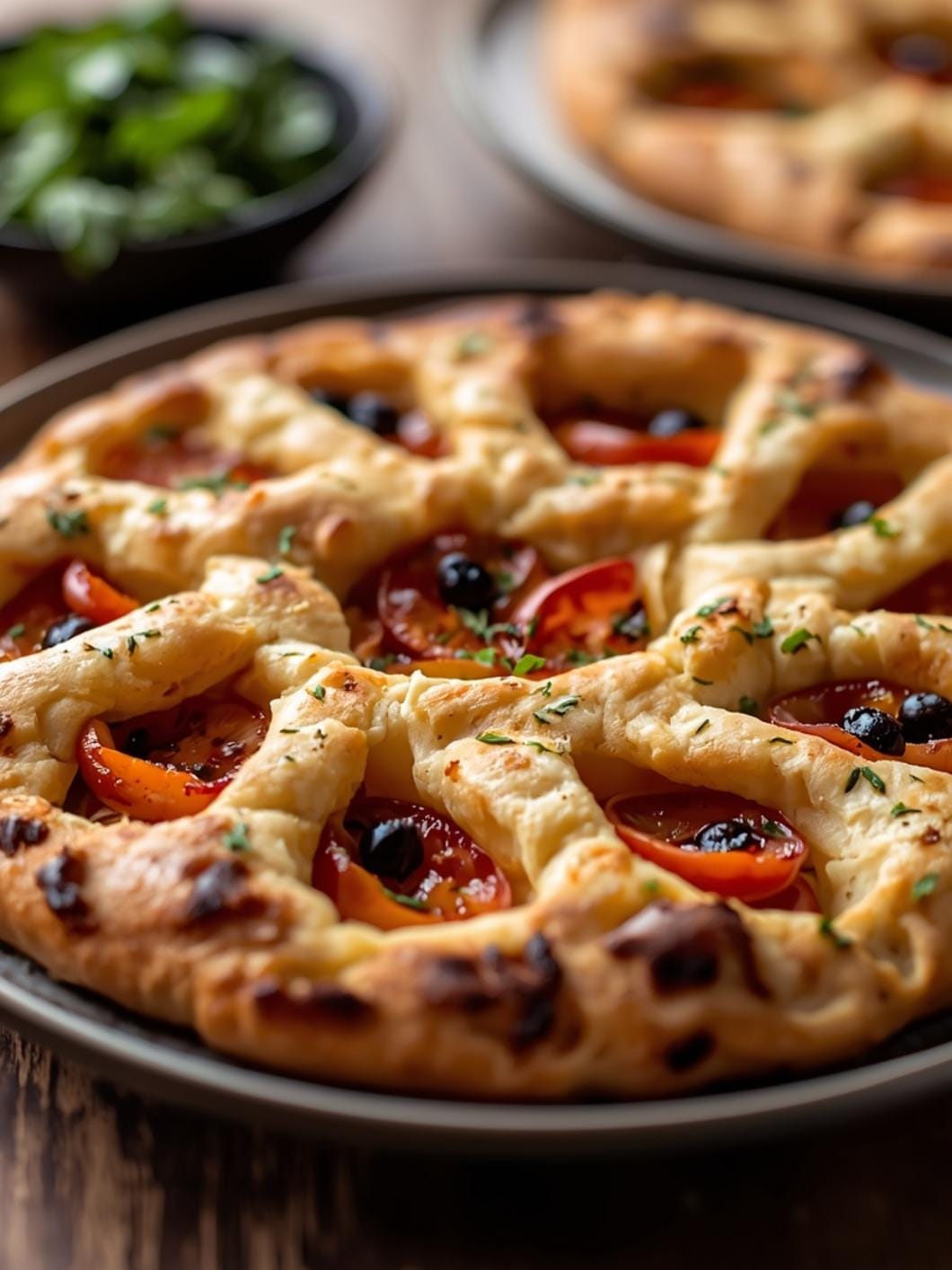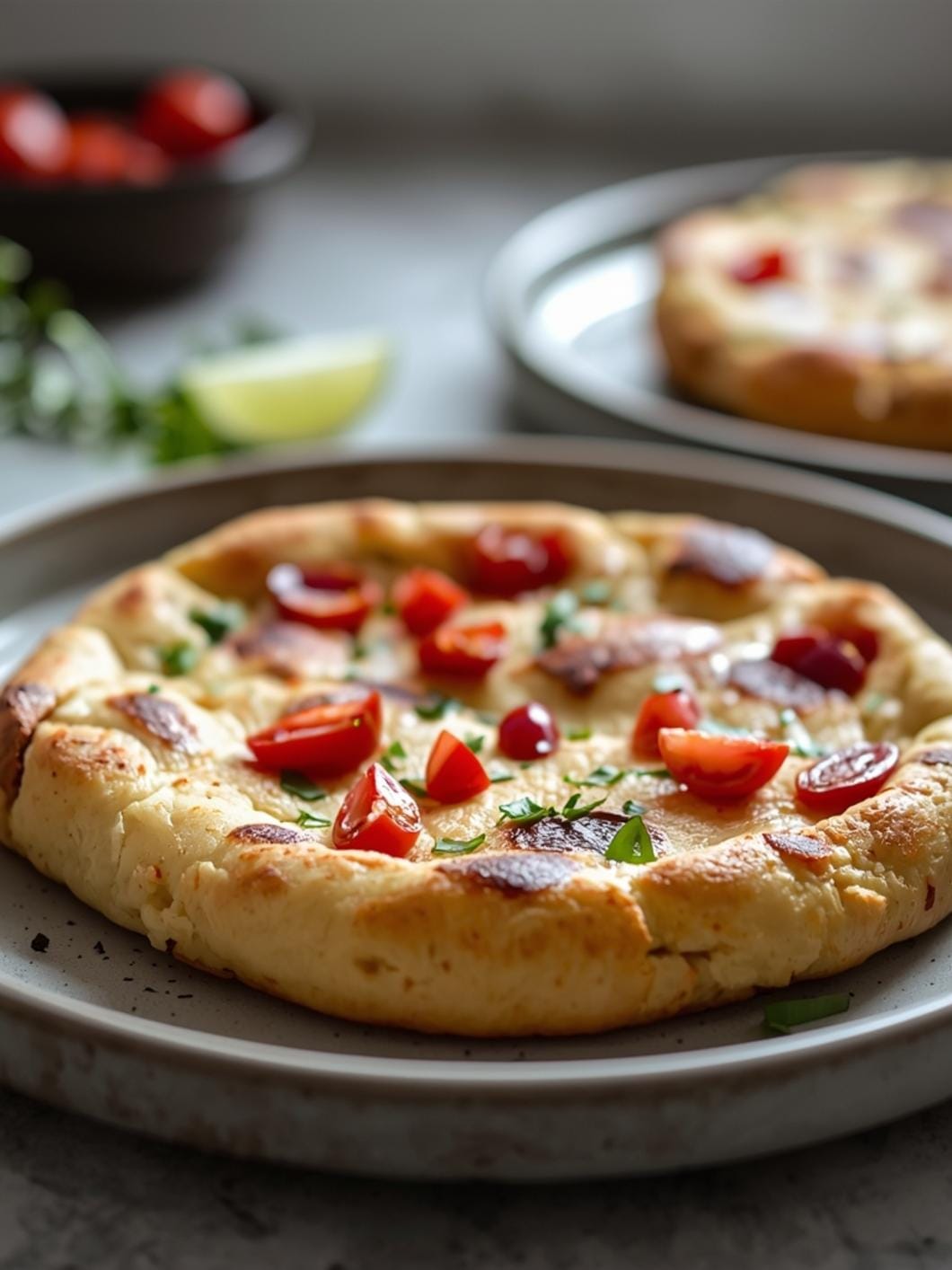

Imagine the aroma of a bustling bakery filling your kitchen, but without the early morning wake-up call or the complicated techniques.
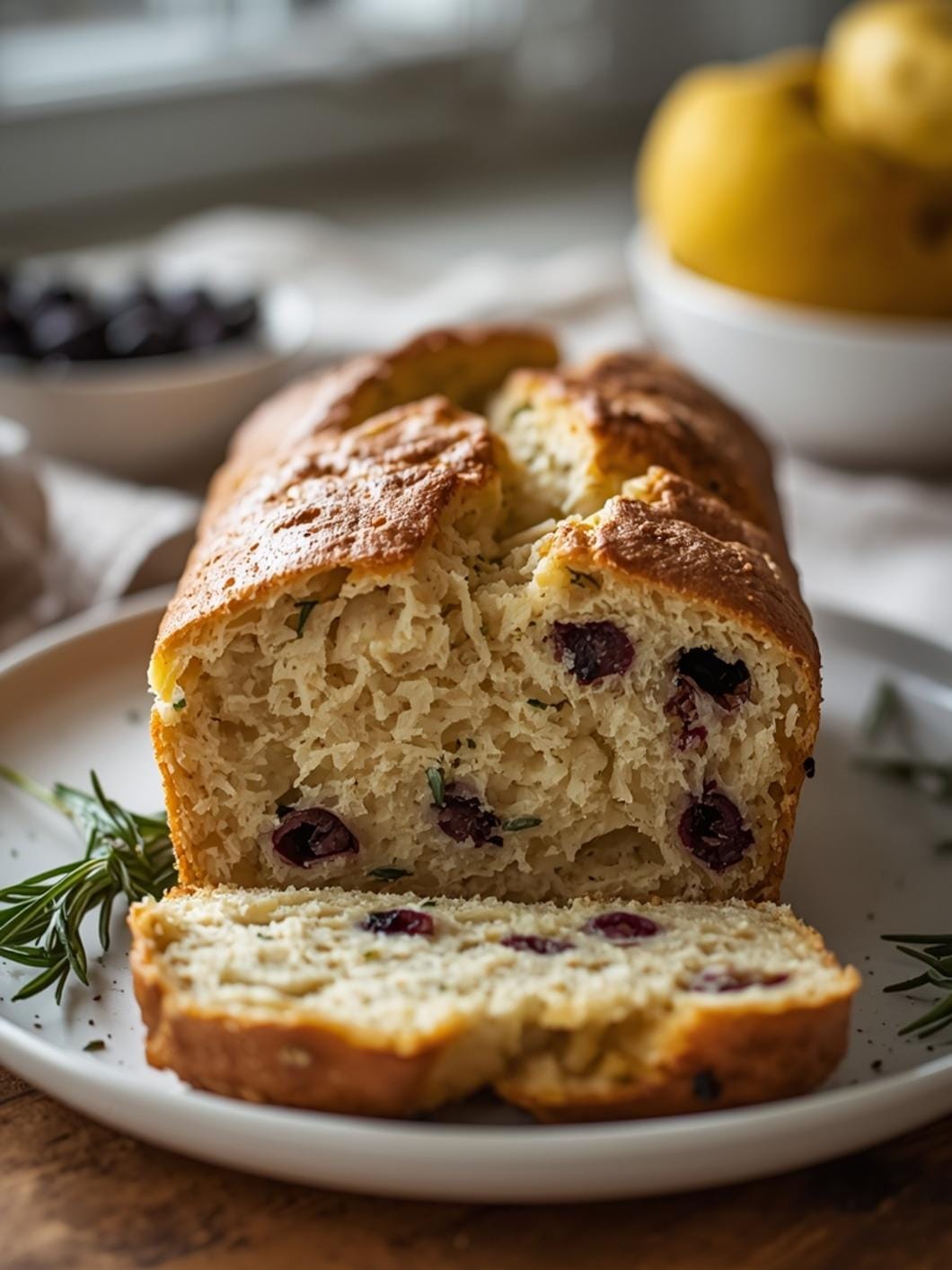
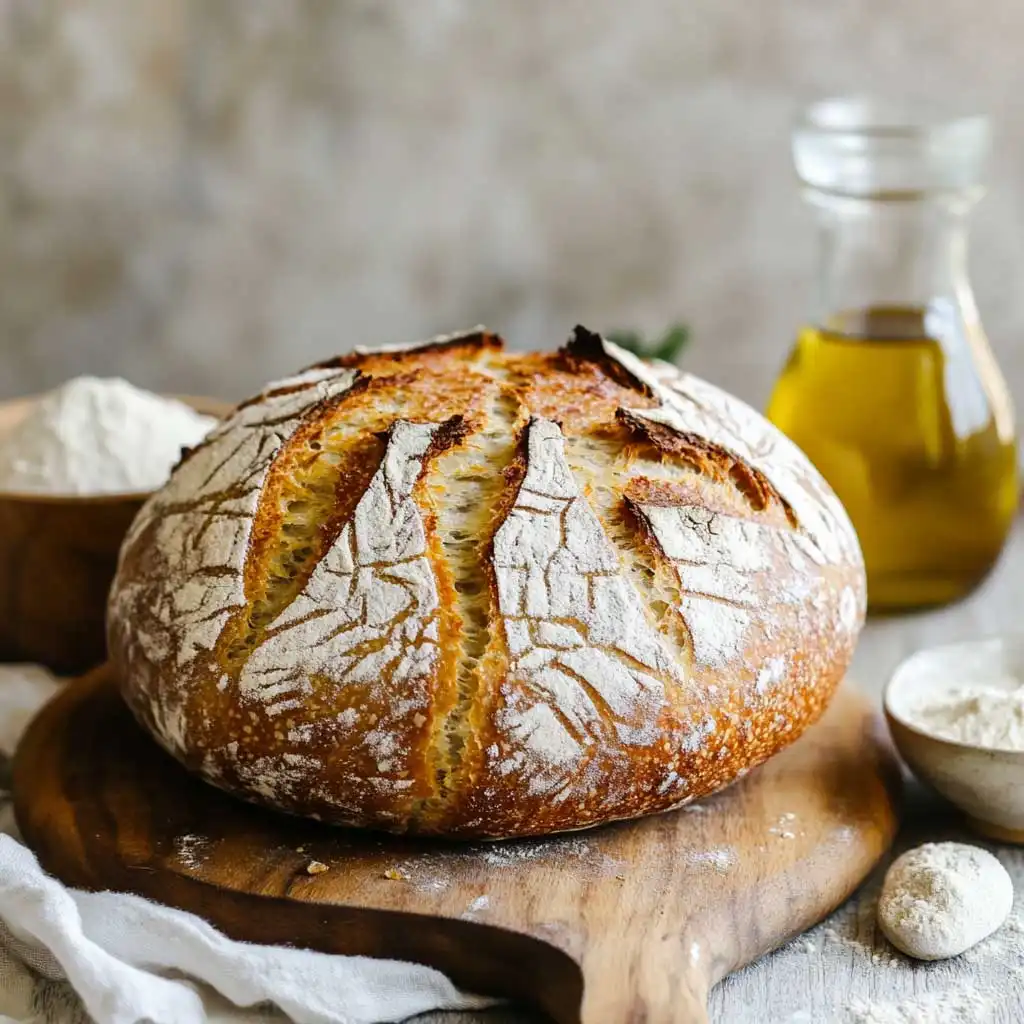
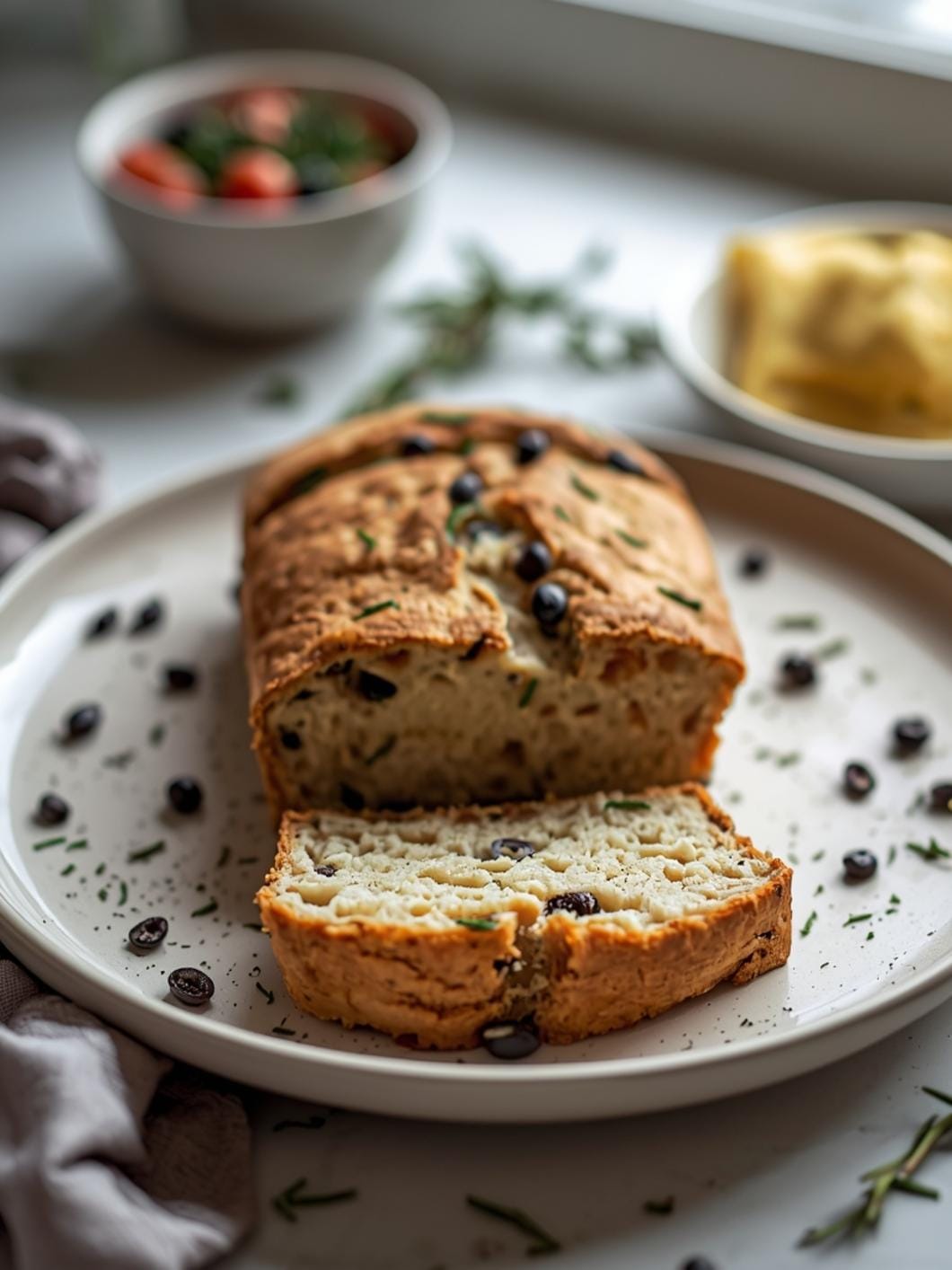
This homemade olive rosemary bread loaf delivers that incredible experience right to your table. It’s a truly special bread, packed with savory olives and fragrant rosemary, that tastes like it came straight from a gourmet shop.
This recipe is designed for home bakers who want to create something impressive yet approachable. Whether you’re an experienced baker or just starting out, you’ll find this loaf surprisingly simple to put together, yielding a stunning result that’s perfect for any meal or occasion.

Homemade Olive Rosemary Bread Loaf
- Total Time: 1 hour 30 minutes to 1 hour 55 minutes
- Yield: 1 loaf 1x
Description
This homemade olive rosemary bread loaf delivers an incredible bakery experience right to your table. It’s a special bread, packed with savory olives and fragrant rosemary, that tastes like it came straight from a gourmet shop. This recipe is designed for home bakers who want to create something impressive yet approachable, perfect for any meal or occasion.
Ingredients
Instructions
1. Activate the Yeast: In a large mixing bowl, combine the warm water, granulated sugar, and active dry yeast. Stir gently and let it sit for 5-10 minutes until the mixture becomes foamy. This foaminess indicates that your yeast is active and ready to work. If it doesn’t foam, your water might not have been warm enough or too hot, or your yeast might be old.
2. Combine Dry Ingredients: In a separate bowl, whisk together the all-purpose flour and salt. Once your yeast mixture is foamy, add half of the flour mixture to the yeast bowl, along with 1/4 cup of olive oil. Mix with a wooden spoon until just combined.
3. Form the Dough: Gradually add the remaining flour mixture, mixing until a shaggy dough forms. Turn the dough out onto a lightly floured surface and knead for about 5-7 minutes. The dough should become smooth and elastic, bouncing back slightly when poked. If it’s too sticky, add a tiny bit more flour, but be careful not to add too much.
4. Incorporate Olives and Rosemary: Flatten the dough slightly and sprinkle the chopped Kalamata olives and fresh rosemary over it. Fold the dough over and continue to knead for another 1-2 minutes until the olives and rosemary are evenly distributed throughout the dough.
5. First Rise: Lightly grease a clean bowl with a little olive oil. Place the dough in the bowl, turning it once to coat. Cover the bowl with plastic wrap or a clean kitchen towel and let it rise in a warm place for 45-60 minutes, or until it has doubled in size. The dough should look visibly puffier and lighter.
6. Shape and Bake: Gently punch down the risen dough to release the air. Shape it into an oblong loaf and place it on a baking sheet lined with parchment paper. You can score the top of the loaf with a sharp knife a few times if you like, which helps with expansion during baking. Brush the top with a little extra olive oil.
7. Bake the Loaf: Preheat your oven to 375F (190C). Bake for 30-35 minutes, or until the crust is golden brown and the loaf sounds hollow when tapped on the bottom. The internal temperature should reach around 200-210F (93-99C) if you have a thermometer.
8. Cool and Serve: Transfer the baked bread to a wire rack to cool completely before slicing. This allows the internal structure to set and prevents a gummy texture.
- Prep Time: 15-20 minutes
- Cook Time: 30-35 minutes
- Category: bread
- Method: baking
- Cuisine: mediterranean
Nutrition
- Serving Size: 1 slice
Keywords: olive, rosemary, bread, homemade, savory, easy, baking, yeast, mediterranean, side dish
What You’ll Love About This Quick And Easy Recipe
This olive rosemary bread is a true crowd-pleaser for so many reasons. First, it brings the sophisticated flavors of a specialty bakery into your home with minimal fuss. The combination of briny olives and aromatic rosemary creates a deeply satisfying taste that pairs beautifully with a wide range of dishes. It’s perfect for anyone looking to elevate a simple weeknight dinner or impress guests at a gathering. This recipe is particularly well-suited for family meals, as it appeals to both adults and adventurous eaters, and it makes a fantastic addition to a brunch spread or a cheese board. It’s also a wonderful option for potlucks or picnics, as it travels well and is always a hit. The best part? Despite its gourmet taste, the process is straightforward, making it a fantastic project for a lazy afternoon or a quick bake when you need a delicious side dish in a hurry.
Everything You Need To Make This Recipe Without Stress
Gathering your ingredients before you start baking is key to a smooth and enjoyable process. This recipe uses readily available items that you might already have in your pantry, ensuring that you can whip up this amazing bread without a special trip to the store. The quality of your ingredients will shine through, especially the olives and rosemary, so choose ones you enjoy.
INGREDIENTS:
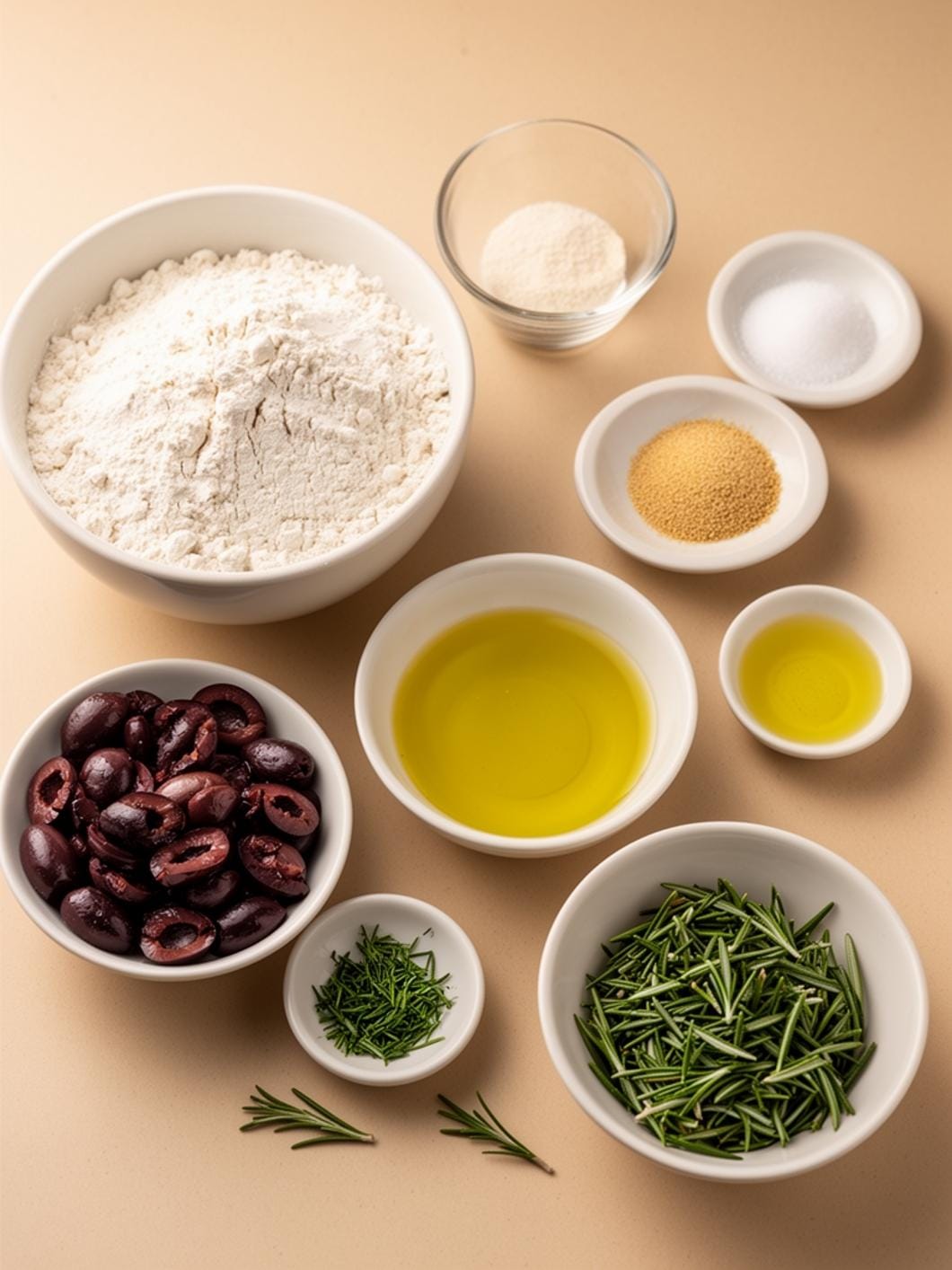
- 3 cups all-purpose flour, plus more for dusting
- 1 teaspoon active dry yeast
- 1 teaspoon granulated sugar
- 1 teaspoon salt
- 1 cup warm water (105-115°F)
- 1/4 cup olive oil, plus more for brushing
- 1/2 cup pitted Kalamata olives, roughly chopped
- 2 tablespoons fresh rosemary, finely chopped
After you have your main ingredients, consider a few simple substitutions if needed. If you don’t have Kalamata olives, black olives or even green olives can work, though they will offer a slightly different flavor profile. Just make sure they are pitted and drained well. For the rosemary, fresh is definitely best for that vibrant aroma and taste, but if you’re in a pinch, you can use 1 tablespoon of dried rosemary, crushed between your fingers to release its oils. You can also experiment with other herbs like thyme or oregano if you want to change up the flavor. A good quality olive oil will make a difference in the overall taste of the bread, so use your favorite.
Time Needed From Start To Finish
One of the great advantages of this recipe is its relatively quick turnaround, especially for a homemade bread. You won’t be waiting around for hours for multiple proofs, making it perfect for a busy schedule.
- Preparation time: 15-20 minutes
- Rising time: 45-60 minutes
- Baking time: 30-35 minutes
- Total time: Approximately 1 hour 30 minutes to 1 hour 55 minutes
This timing allows for a single rise, which simplifies the process considerably while still developing excellent flavor and texture. The active hands-on time is quite minimal, letting you tend to other tasks while the dough does its thing.
How To Make It Step By Step With Visual Cues
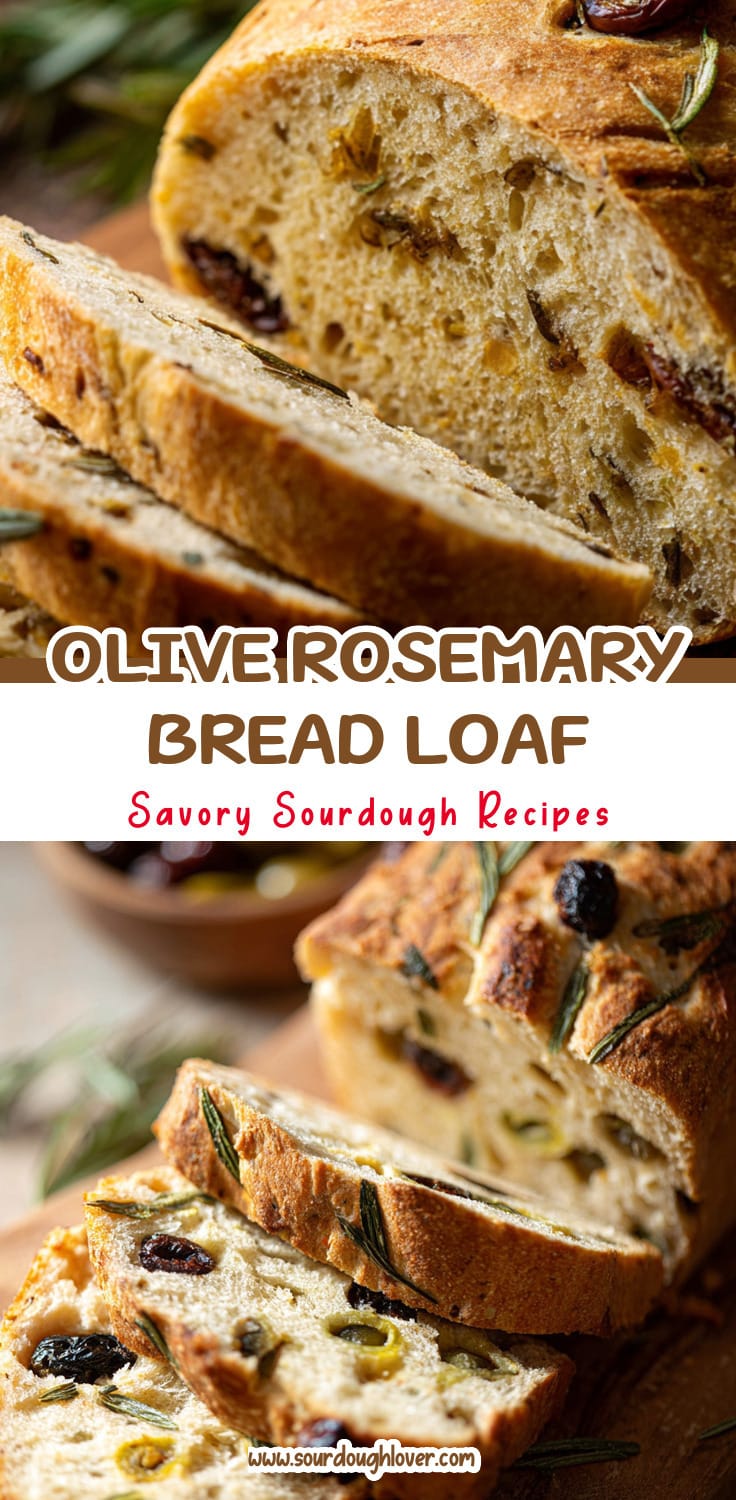
Making this olive rosemary bread is a rewarding experience, and following these steps will ensure a beautiful, flavorful loaf every time. Pay attention to the feel of the dough and the visual cues to guide you.
- Activate the Yeast: In a large mixing bowl, combine the warm water, granulated sugar, and active dry yeast. Stir gently and let it sit for 5-10 minutes until the mixture becomes foamy. This foaminess indicates that your yeast is active and ready to work. If it doesn’t foam, your water might not have been warm enough or too hot, or your yeast might be old.
- Combine Dry Ingredients: In a separate bowl, whisk together the all-purpose flour and salt. Once your yeast mixture is foamy, add half of the flour mixture to the yeast bowl, along with 1/4 cup of olive oil. Mix with a wooden spoon until just combined.
- Form the Dough: Gradually add the remaining flour mixture, mixing until a shaggy dough forms. Turn the dough out onto a lightly floured surface and knead for about 5-7 minutes. The dough should become smooth and elastic, bouncing back slightly when poked. If it’s too sticky, add a tiny bit more flour, but be careful not to add too much.
- Incorporate Olives and Rosemary: Flatten the dough slightly and sprinkle the chopped Kalamata olives and fresh rosemary over it. Fold the dough over and continue to knead for another 1-2 minutes until the olives and rosemary are evenly distributed throughout the dough.
- First Rise: Lightly grease a clean bowl with a little olive oil. Place the dough in the bowl, turning it once to coat. Cover the bowl with plastic wrap or a clean kitchen towel and let it rise in a warm place for 45-60 minutes, or until it has doubled in size. The dough should look visibly puffier and lighter.
- Shape and Bake: Gently punch down the risen dough to release the air. Shape it into an oblong loaf and place it on a baking sheet lined with parchment paper. You can score the top of the loaf with a sharp knife a few times if you like, which helps with expansion during baking. Brush the top with a little extra olive oil.
- Bake the Loaf: Preheat your oven to 375°F (190°C). Bake for 30-35 minutes, or until the crust is golden brown and the loaf sounds hollow when tapped on the bottom. The internal temperature should reach around 200-210°F (93-99°C) if you have a thermometer.
- Cool and Serve: Transfer the baked bread to a wire rack to cool completely before slicing. This allows the internal structure to set and prevents a gummy texture.
Easy Variations And Serving Ideas That Fit Real Life
This olive rosemary bread is incredibly versatile and can be adapted to suit different tastes and occasions. Here are some ideas to make it even more special or to fit your specific needs:
For a cheesy twist, you can fold in 1/2 cup of shredded Parmesan or crumbled feta cheese along with the olives and rosemary in step 4. This adds another layer of savory flavor that’s especially delicious. If you’re looking for a spicier kick, a pinch of red pepper flakes can be added to the dough. For a different olive experience, consider using a mix of green and black olives, or even sun-dried tomatoes for a Mediterranean flair.
When it comes to serving, this bread shines in many roles. It’s fantastic simply sliced and served with a good quality olive oil for dipping. It makes an excellent accompaniment to soups, stews, and salads, soaking up all those delicious juices. For a family dinner, serve it alongside a roasted chicken or a pasta dish. At a party or buffet, slice it thinly and arrange it on a platter with a selection of cheeses, cured meats, and a bowl of balsamic vinegar for dipping. You can also use it to make incredible sandwiches or as the base for bruschetta. For a kid-friendly approach, some children might prefer the bread without the olives. You can easily divide the dough before adding the olives and rosemary, making a plain loaf for them and a flavored one for the adults.
Common Slip-Ups And How To Avoid Them
Even experienced bakers can encounter small issues, but knowing what to look out for can save your loaf! Here are some common mistakes and how to prevent them:
- Not Activating the Yeast Properly: If your water is too cold, the yeast won’t activate. If it’s too hot, it will kill the yeast. Aim for warm, not hot, water (105-115°F/40-46°C). If your yeast mixture doesn’t get foamy after 10 minutes, start over with fresh yeast.
- Adding Too Much Flour: This is a very common mistake that leads to a dry, dense loaf. Add flour gradually and stop when the dough is still slightly tacky but no longer sticking excessively to your hands or the counter. Resist the urge to keep adding flour during kneading if the dough feels a bit sticky; a little stickiness is normal.
- Under-Kneading or Over-Kneading: Under-kneading won’t develop enough gluten, resulting in a crumbly texture. Over-kneading, while less common for home bakers, can make the dough tough. Aim for 5-7 minutes until the dough is smooth and elastic.
- **Not Letting the Dough Rise in
FAQs
- Can I make these ahead? Yes—prep ahead, refrigerate, then serve when ready.
- How long do leftovers last? Store covered in the fridge for 3–4 days for best texture.
- Can I adjust sweetness? Yes—add more or less sweetener to taste.
- Can I change the fruit? Yes—swap strawberries for blueberries, raspberries, or sliced banana.