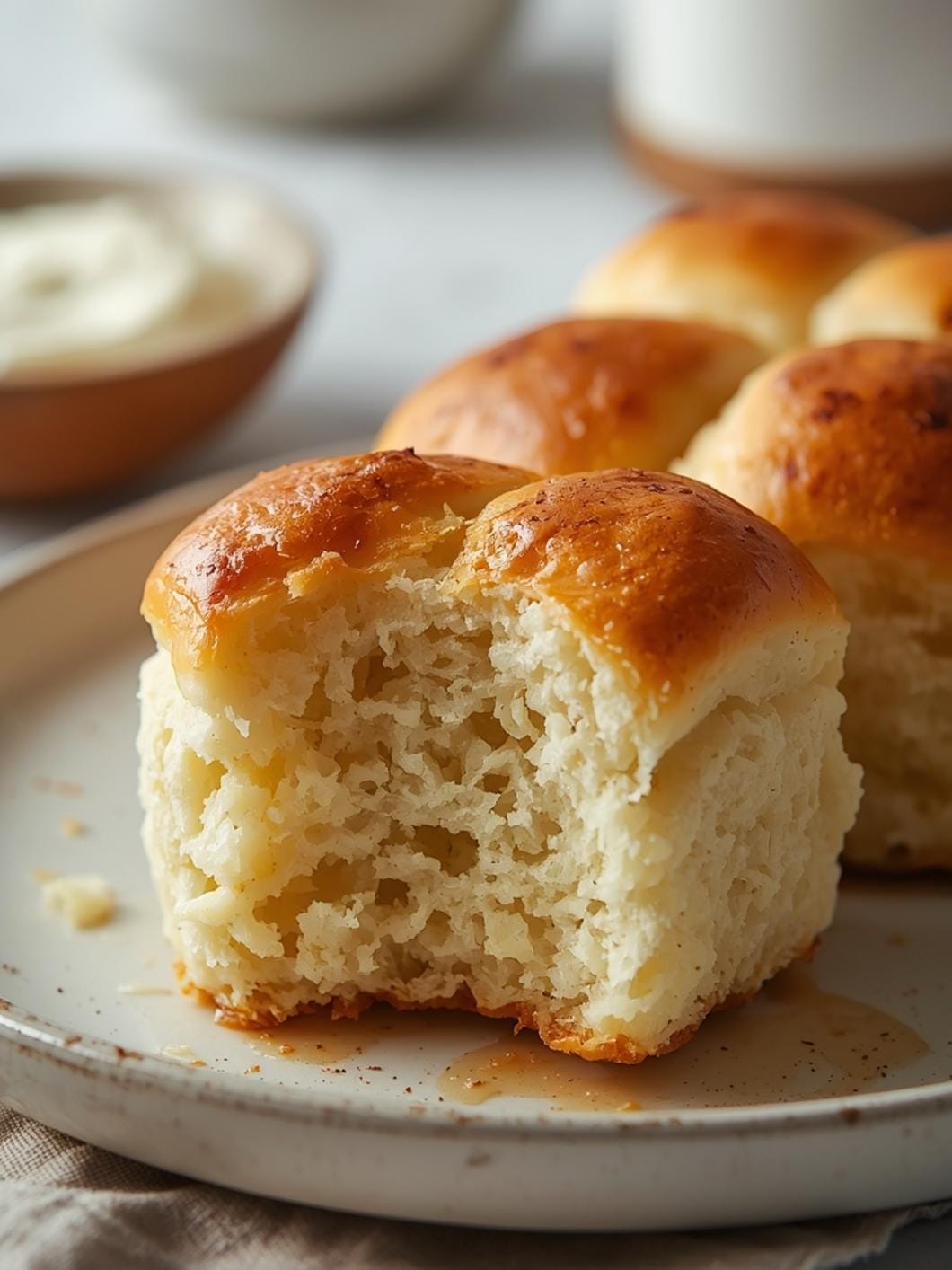

There’s nothing quite like a fresh bagel, and when it’s homemade, the experience is even better.
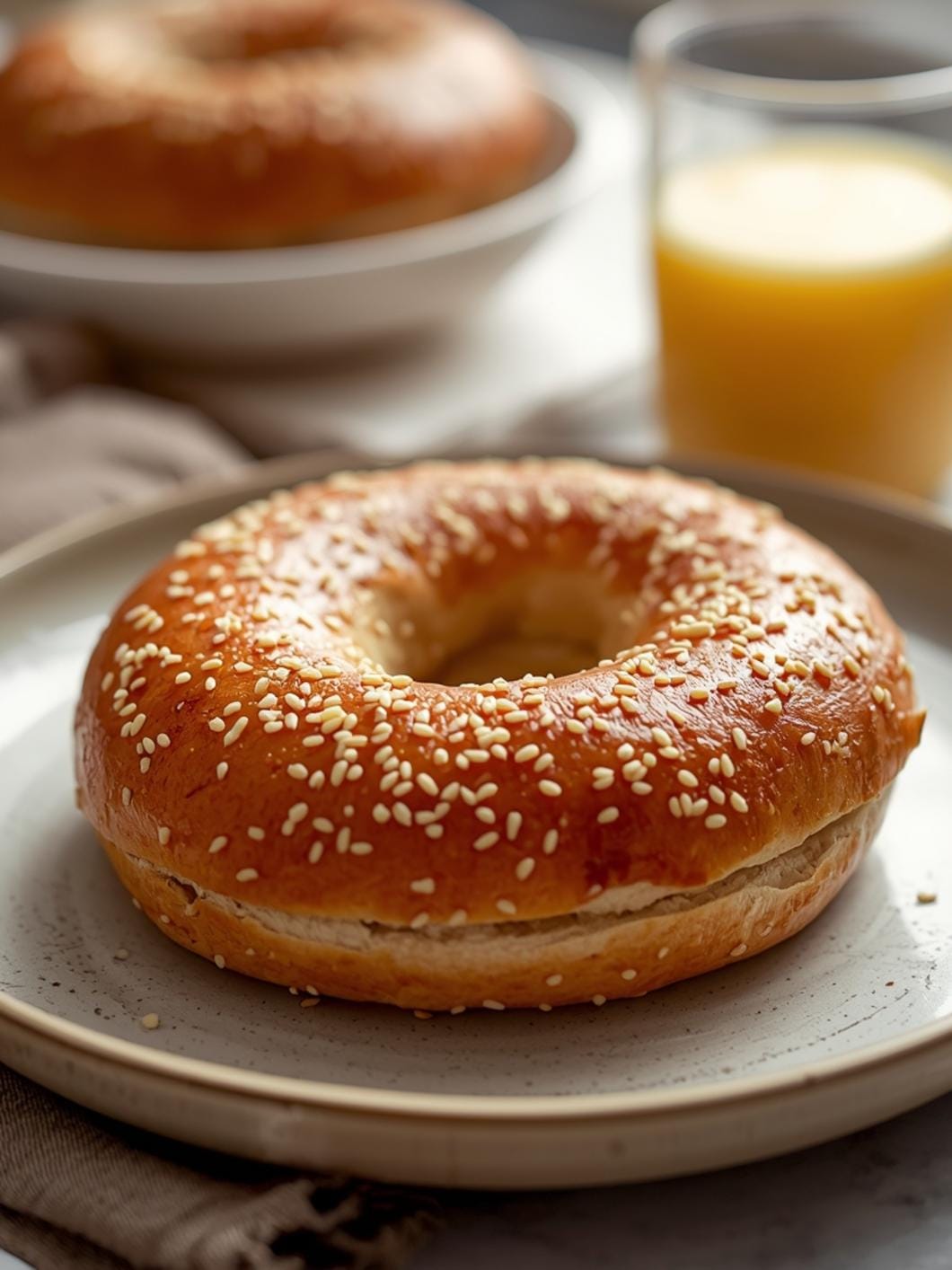
This recipe brings the joy of freshly baked sourdough bagels right into your kitchen, without the fuss you might expect. Imagine biting into a chewy, flavorful bagel that you crafted yourself – it’s a truly satisfying feeling.
This simple guide will walk you through each step to create delicious sourdough bagels from scratch. Whether you’re an experienced baker or just starting your journey with sourdough, you’ll find this recipe approachable and rewarding. Get ready to impress yourself and your family with these incredible homemade treats!

Homemade Sourdough Bagels
- Total Time: 13-19 hours (mostly inactive)
- Yield: 8-10 bagels 1x
Description
This recipe guides you through making delicious, chewy sourdough bagels from scratch, perfect for breakfast, brunch, or a satisfying snack. It simplifies the process, focusing on natural fermentation for complex flavor and texture, and is suitable for both experienced and new sourdough bakers.
Ingredients
Instructions
1. 1. Prepare the Dough (Evening): In a large mixing bowl, combine the active sourdough starter, warm water, bread flour, fine sea salt, and granulated sugar. Mix with a spoon or your hands until a shaggy dough forms and all the flour is incorporated. If using a stand mixer, use the dough hook on low speed for about 5-7 minutes until the dough comes together. Cover the bowl with plastic wrap or a damp towel and let it rest at room temperature for 30 minutes.
2. 2. Perform Stretch and Folds: After the rest, perform a series of “stretch and folds.” With wet hands, grab a portion of the dough from one side, stretch it upwards, and fold it over itself towards the center. Rotate the bowl a quarter turn and repeat this process 3-4 more times until you’ve gone all the way around. Repeat this stretch and fold process every 30 minutes for a total of 3 sets. This builds strength in the dough.
3. 3. Bulk Fermentation (Overnight): After the last set of stretch and folds, cover the bowl again and place it in the refrigerator for 12-18 hours. This slow, cold fermentation develops the sourdough flavor and makes the dough easier to handle. The dough should look slightly puffed and feel more elastic.
4. 4. Shape the Bagels (Morning): Remove the dough from the refrigerator. Divide the dough into 8-10 equal pieces (about 100-120 grams each). Roll each piece into a smooth ball. To create the bagel hole, poke a hole through the center of each ball with your thumb. Gently stretch the hole to about 1-1.5 inches in diameter, trying to keep the thickness even around the ring. Place the shaped bagels on a parchment-lined baking sheet.
5. 5. Boil the Bagels: Preheat your oven to 425 F (220 C). Bring a large pot of water to a rolling boil. Add the barley malt syrup or honey to the boiling water. Carefully drop 2-3 bagels into the boiling water at a time, ensuring they don’t overcrowd the pot. Boil for 30 seconds to 1 minute per side. The longer you boil, the chewier the bagel will be. Use a slotted spoon to remove the bagels from the water, letting excess water drain, and place them back on the parchment-lined baking sheet.
6. 6. Add Toppings and Bake: If desired, sprinkle your chosen toppings (sesame seeds, poppy seeds, everything bagel seasoning, coarse sea salt) onto the boiled bagels while they are still wet. Transfer the baking sheet to the preheated oven. Bake for 20-25 minutes, or until the bagels are golden brown and sound hollow when tapped on the bottom.
7. 7. Cool and Enjoy: Once baked, transfer the bagels to a wire rack to cool completely. This helps prevent them from becoming soggy. Serve warm or at room temperature with your favorite spreads.
- Prep Time: 20 minutes
- Cook Time: 25-30 minutes
- Category: breakfast
- Method: baking
- Cuisine: american
Nutrition
- Serving Size: 1 bagel
Keywords: sourdough, bagels, homemade, baking, breakfast, brunch, chewy, fermented, easy, snack
What You’ll Love About This Quick And Easy Recipe
This recipe for homemade sourdough bagels is a game-changer for anyone who loves the taste and texture of a good bagel but wants to avoid store-bought options. It works because it simplifies the process, focusing on clear steps and achievable results, even for those new to sourdough baking. You’ll appreciate how the natural fermentation of the sourdough starter develops a complex flavor and a wonderfully chewy texture that’s hard to replicate with commercial yeast alone. This recipe is perfect for busy parents looking for a wholesome breakfast or snack option, home cooks who enjoy a rewarding baking project, or anyone eager to expand their baking repertoire. Serve these bagels for a weekend brunch, a hearty breakfast during the week, or as a satisfying snack any time of day. They’re also fantastic for meal prepping, allowing you to enjoy fresh bagels throughout the week with minimal effort each morning.
Everything You Need To Make This Recipe Without Stress
Gathering your ingredients before you start baking makes the whole process smoother and more enjoyable. This recipe uses common pantry staples, with the star being your active sourdough starter. Make sure your starter is bubbly and active, as this is crucial for the rise and flavor of your bagels. You’ll also need a few basic kitchen tools like a large mixing bowl, a stand mixer (optional but helpful), a large pot for boiling, and a baking sheet.
INGREDIENTS:
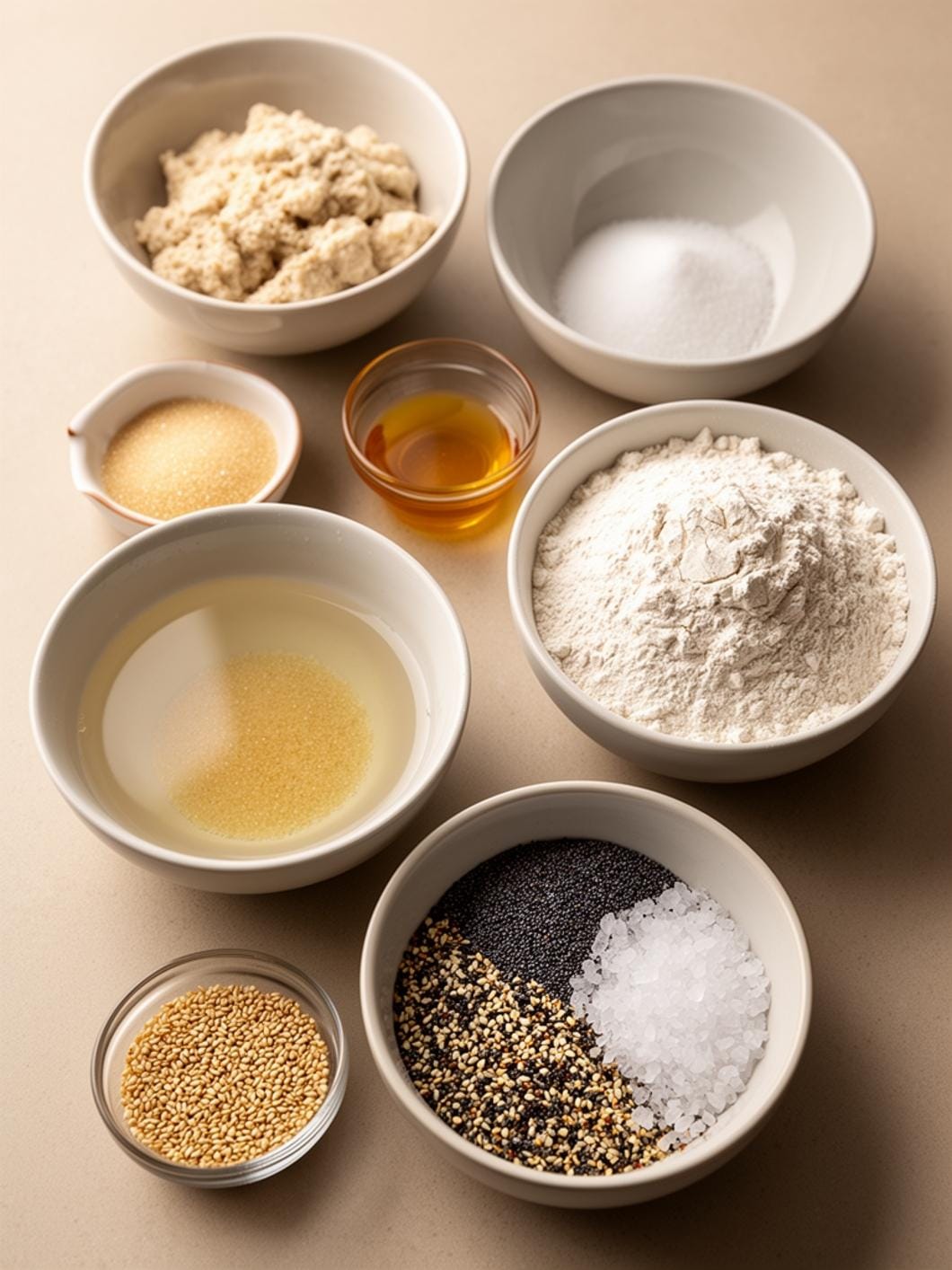
- 150 grams active sourdough starter
- 300 grams warm water (about 90-100°F)
- 500 grams bread flour
- 10 grams fine sea salt
- 1 tablespoon granulated sugar (for the dough)
- 1 tablespoon barley malt syrup or honey (for boiling water)
- Optional toppings: sesame seeds, poppy seeds, everything bagel seasoning, coarse sea salt
For the flour, bread flour is highly recommended due to its higher protein content, which contributes to the characteristic chewiness of bagels. However, if you only have all-purpose flour on hand, you can still use it, though the texture might be slightly less chewy. The barley malt syrup or honey in the boiling water gives the bagels their signature shiny crust and a subtle sweetness; if you don’t have either, you can omit it, but the results will be slightly different. Feel free to experiment with different toppings based on your preference. Everything bagel seasoning is a popular choice and adds a fantastic savory crunch.
Time Needed From Start To Finish
While sourdough baking often implies long waiting times, this recipe streamlines the process to make it manageable for a home baker. The active hands-on time is surprisingly short, with most of the duration dedicated to the natural fermentation process.
- Prep Time: 20 minutes (mixing dough, shaping bagels)
- Proofing Time: 12-18 hours (cold proof in the refrigerator)
- Boiling and Baking Time: 25-30 minutes
- Total Time: Approximately 13-19 hours (mostly inactive proofing time)
The long proofing time in the refrigerator is essential for developing the sourdough flavor and texture, but it’s mostly hands-off, allowing you to prepare the dough one day and bake fresh bagels the next.
How To Make It Step By Step With Visual Cues

Making sourdough bagels might seem intimidating, but by breaking it down into simple steps, you’ll find it quite enjoyable. Pay attention to the dough’s texture and feel; it’s your best guide.
- Prepare the Dough (Evening): In a large mixing bowl, combine the active sourdough starter, warm water, bread flour, fine sea salt, and granulated sugar. Mix with a spoon or your hands until a shaggy dough forms and all the flour is incorporated. If using a stand mixer, use the dough hook on low speed for about 5-7 minutes until the dough comes together. Cover the bowl with plastic wrap or a damp towel and let it rest at room temperature for 30 minutes.
- Perform Stretch and Folds: After the rest, perform a series of “stretch and folds.” With wet hands, grab a portion of the dough from one side, stretch it upwards, and fold it over itself towards the center. Rotate the bowl a quarter turn and repeat this process 3-4 more times until you’ve gone all the way around. Repeat this stretch and fold process every 30 minutes for a total of 3 sets. This builds strength in the dough.
- Bulk Fermentation (Overnight): After the last set of stretch and folds, cover the bowl again and place it in the refrigerator for 12-18 hours. This slow, cold fermentation develops the sourdough flavor and makes the dough easier to handle. The dough should look slightly puffed and feel more elastic.
- Shape the Bagels (Morning): Remove the dough from the refrigerator. Divide the dough into 8-10 equal pieces (about 100-120 grams each). Roll each piece into a smooth ball. To create the bagel hole, poke a hole through the center of each ball with your thumb. Gently stretch the hole to about 1-1.5 inches in diameter, trying to keep the thickness even around the ring. Place the shaped bagels on a parchment-lined baking sheet.
- Boil the Bagels: Preheat your oven to 425°F (220°C). Bring a large pot of water to a rolling boil. Add the barley malt syrup or honey to the boiling water. Carefully drop 2-3 bagels into the boiling water at a time, ensuring they don’t overcrowd the pot. Boil for 30 seconds to 1 minute per side. The longer you boil, the chewier the bagel will be. Use a slotted spoon to remove the bagels from the water, letting excess water drain, and place them back on the parchment-lined baking sheet.
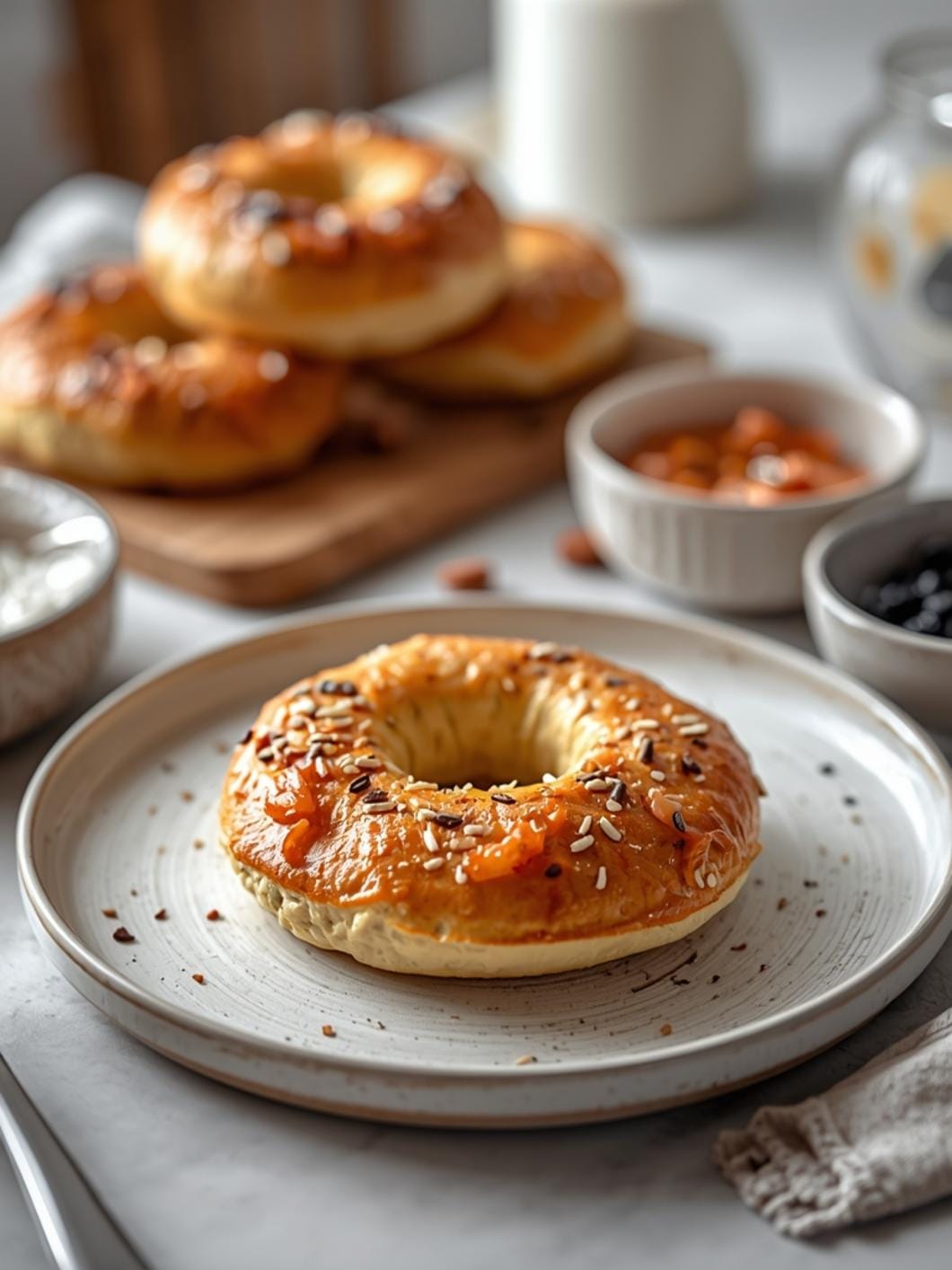
- Add Toppings and Bake: If desired, sprinkle your chosen toppings (sesame seeds, poppy seeds, everything bagel seasoning, coarse sea salt) onto the boiled bagels while they are still wet. Transfer the baking sheet to the preheated oven. Bake for 20-25 minutes, or until the bagels are golden brown and sound hollow when tapped on the bottom.
- Cool and Enjoy: Once baked, transfer the bagels to a wire rack to cool completely. This helps prevent them from becoming soggy. Serve warm or at room temperature with your favorite spreads.
Easy Variations And Serving Ideas That Fit Real Life
These homemade sourdough bagels are incredibly versatile and can be customized to suit any taste or occasion. For a classic experience, simply toast them and spread with cream cheese. To make them kid-friendly, try a simple butter or jam spread, or even a sprinkle of cinnamon sugar after baking. For a heartier breakfast, slice them open and make a breakfast sandwich with eggs, cheese, and bacon or sausage.
You can easily vary the toppings to create different flavors. Try a mix of dried minced garlic and onion for a savory twist, or add some grated Parmesan cheese before baking for a cheesy bagel. For a touch of sweetness, incorporate dried cranberries or blueberries into the dough during the mixing stage. These bagels are also fantastic for a buffet-style brunch; set out a variety of cream cheeses, lox, sliced tomatoes, red onion, and capers, allowing guests to build their own perfect bagel. Don’t forget to offer a choice of spreads like avocado, hummus, or even a homemade nut butter.
Common Slip-Ups And How To Avoid Them
Even experienced bakers can encounter small challenges, and sourdough bagels are no exception. Knowing common pitfalls can help you avoid them.
- Inactive Sourdough Starter: This is perhaps the most critical element. If your starter isn’t active and bubbly, your bagels won’t rise properly. Always feed your starter 4-12 hours before you plan to mix the dough, ensuring it’s at its peak activity.
- Over-flouring the Dough: When mixing, resist the urge to add too much extra flour. Sourdough can be a bit sticky, but adding too much flour will result in dense, dry bagels. The dough should be tacky but manageable after the stretch and folds.
- Not Enough Boiling Time: Boiling is what gives bagels their signature chewy crust. If you boil them for too short a time, they’ll be more like bread rolls. Aim for at least 30 seconds per side.
- Overcrowding the Pot: When boiling, only put 2-3 bagels in the pot at a time. Overcrowding will lower the water temperature, leading to uneven cooking and a less desirable texture.
- Not Cooling Completely: While tempting to slice into a warm bagel, letting them cool on a wire rack is important. This allows the
FAQs
- Can I make these ahead? Yes—prep ahead, refrigerate, then serve when ready.
- How long do leftovers last? Store covered in the fridge for 3–4 days for best texture.
- Can I adjust sweetness? Yes—add more or less sweetener to taste.
- Can I change the fruit? Yes—swap strawberries for blueberries, raspberries, or sliced banana.