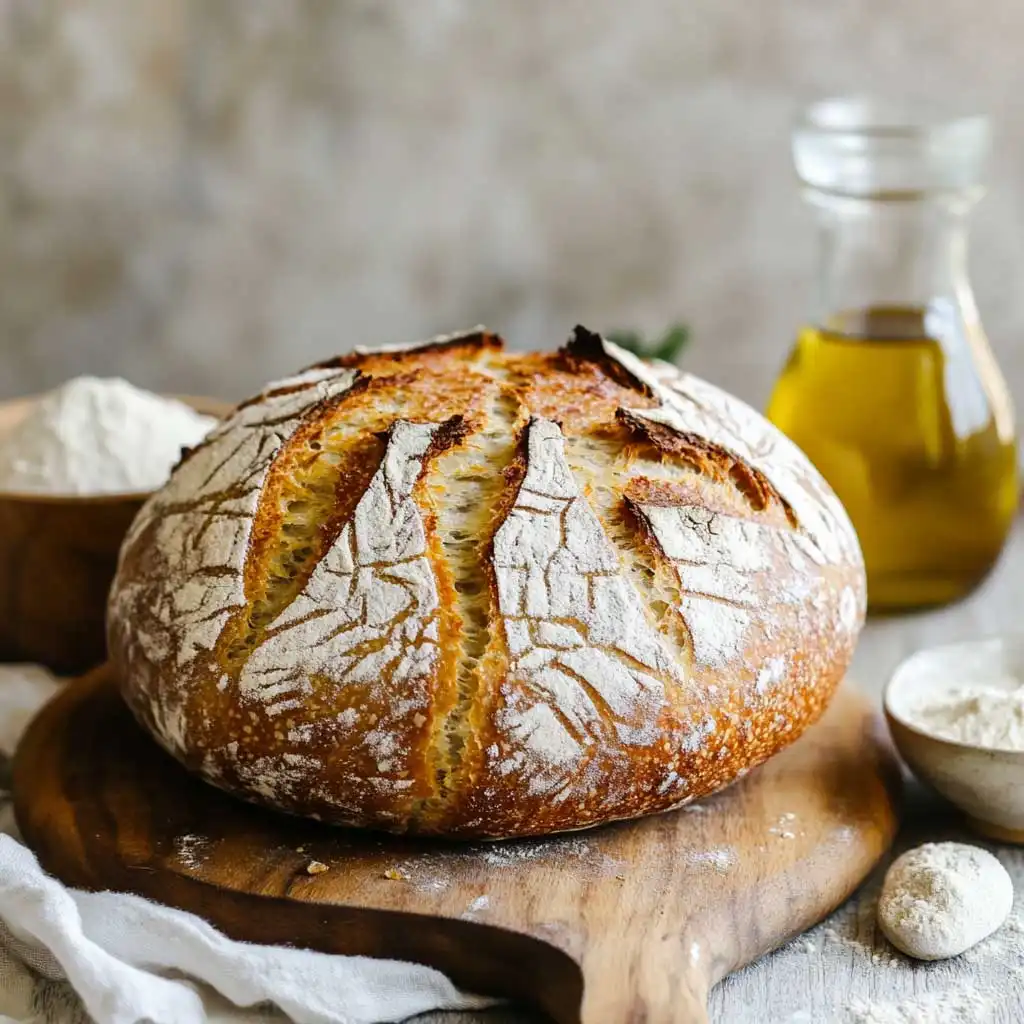

Discover the art of baking homemade sourdough bread with this rustic inspiration, featuring beautiful artisan loaves perfect for any kitchen.
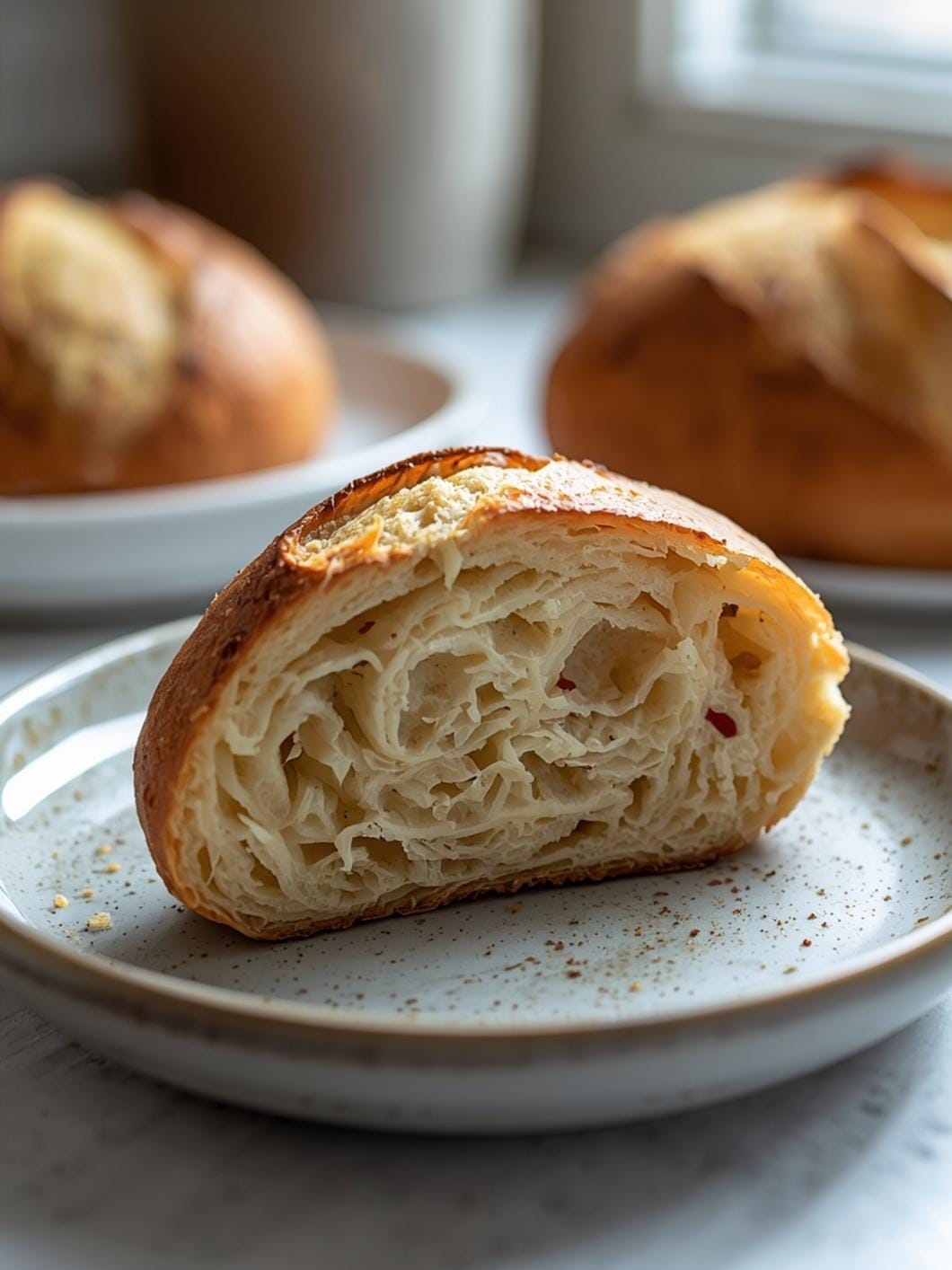
This recipe is designed for those who appreciate the charm of freshly baked bread but might be new to the world of sourdough. We’ll guide you through creating a beautiful, rustic loaf that looks and tastes like it came from a professional bakery, right in your own home.
This approach focuses on simplicity and achieving that classic sourdough look and feel without requiring extensive prior experience or complex equipment. It’s about embracing the joy of baking and bringing that wonderful aroma of fresh bread into your kitchen with minimal fuss.
Table of Contents
- What You’ll Love About This Quick And Easy Recipe
- Everything You Need To Make This Recipe Without Stress
- Time Needed From Start To Finish
- How To Make It Step By Step With Visual Cues
- Easy Variations And Serving Ideas That Fit Real Life
- Common Slip-Ups And How To Avoid Them
- How To Store It And Make It Ahead Without Ruining Texture

Rustic Sourdough Loaf
- Total Time: 2 hours 20 minutes
- Yield: 1 loaf 1x
Description
Discover the art of baking homemade sourdough bread with this rustic inspiration, featuring beautiful artisan loaves perfect for any kitchen. This recipe is designed for those who appreciate the charm of freshly baked bread but might be new to the world of sourdough. We’ll guide you through creating a beautiful, rustic loaf that looks and tastes like it came from a professional bakery, right in your own home. This approach focuses on simplicity and achieving that classic sourdough look and feel without requiring extensive prior experience or complex equipment. It’s about embracing the joy of baking and bringing that wonderful aroma of fresh bread into your kitchen with minimal fuss.
Ingredients
Instructions
1. Activate the Yeast: In a large bowl, combine the warm water, granulated sugar, and active dry yeast. Stir gently and let it sit for 5-10 minutes until the mixture becomes foamy. This foaminess is your visual cue that the yeast is active and ready to work.
2. Combine Wet and Dry Ingredients: To the activated yeast mixture, add the active sourdough starter and olive oil, stirring until well combined. In a separate bowl, whisk together the all-purpose flour and salt. Gradually add the dry ingredients to the wet ingredients, mixing with a wooden spoon or your hands until a shaggy dough forms.
3. Knead the Dough: Turn the dough out onto a lightly floured surface. Knead for about 5-7 minutes until the dough becomes smooth and elastic. It should feel less sticky and spring back slightly when poked. If it’s too sticky, add a tiny bit more flour, a tablespoon at a time.
4. First Rise: Lightly grease the large bowl you used earlier with a little olive oil. Place the kneaded dough in the bowl, turning it once to coat the top. Cover the bowl with plastic wrap or a clean kitchen towel and let it rise in a warm place for 1 hour to 1 hour 30 minutes, or until it has doubled in size. You’ll know it’s ready when it looks puffy and passes the “poke test” (a gentle poke leaves a slight indentation).
5. Shape the Loaf: Gently punch down the risen dough to release the air. Turn it out onto a lightly floured surface and gently shape it into a round or oval loaf. Avoid overworking the dough at this stage. You can place it on a piece of parchment paper for easier transfer to the baking sheet.
6. Prepare for Baking: Preheat your oven to 400 F (200 C) with a baking sheet or Dutch oven inside. If using a baking sheet, carefully transfer the shaped loaf on its parchment paper to the hot sheet. If using a Dutch oven, carefully lower the dough (still on parchment) into the hot Dutch oven. Score the top of the loaf with a sharp knife or razor blade (a simple “X” or a few parallel lines) to allow for expansion during baking.
7. Bake the Bread: Bake for 30-35 minutes, or until the crust is deeply golden brown and the internal temperature reaches 200-210 F (93-99 C). If baking in a Dutch oven, bake covered for the first 20 minutes, then uncover and bake for another 10-15 minutes until golden.
8. Cool Completely: Once baked, transfer the bread to a wire rack to cool completely before slicing. This is crucial for the internal structure and texture to set properly. Slicing too early can result in a gummy interior.
- Prep Time: 20 minutes
- Cook Time: 30-35 minutes
- Category: bread
- Method: baking
- Cuisine: american
Nutrition
- Serving Size: 1 slice
Keywords: sourdough, bread, rustic, artisan, homemade, baking, yeast, easy, beginner, loaf
What You’ll Love About This Quick And Easy Recipe
This recipe is a true gem for anyone looking to dive into the world of sourdough baking without the intimidation factor. You’ll love how straightforward it is, making it perfect for beginners and busy home cooks alike. It’s designed to produce a rustic, artisan-style loaf that boasts a satisfying crust and a soft, chewy interior, ideal for serving with dinner, making sandwiches, or simply enjoying with a smear of butter. This recipe is fantastic for weekend baking projects, impressing guests, or simply elevating your everyday meals. It’s a wonderful way to bring the comforting tradition of homemade bread to your table, creating delicious memories with every slice.
Everything You Need To Make This Recipe Without Stress
Making a beautiful, rustic sourdough loaf doesn’t require a pantry full of obscure ingredients. The beauty of this recipe lies in its simplicity and reliance on basic staples you likely already have on hand. We’ll focus on creating that signature sourdough flavor and texture using accessible components, ensuring a stress-free baking experience.
INGREDIENTS:
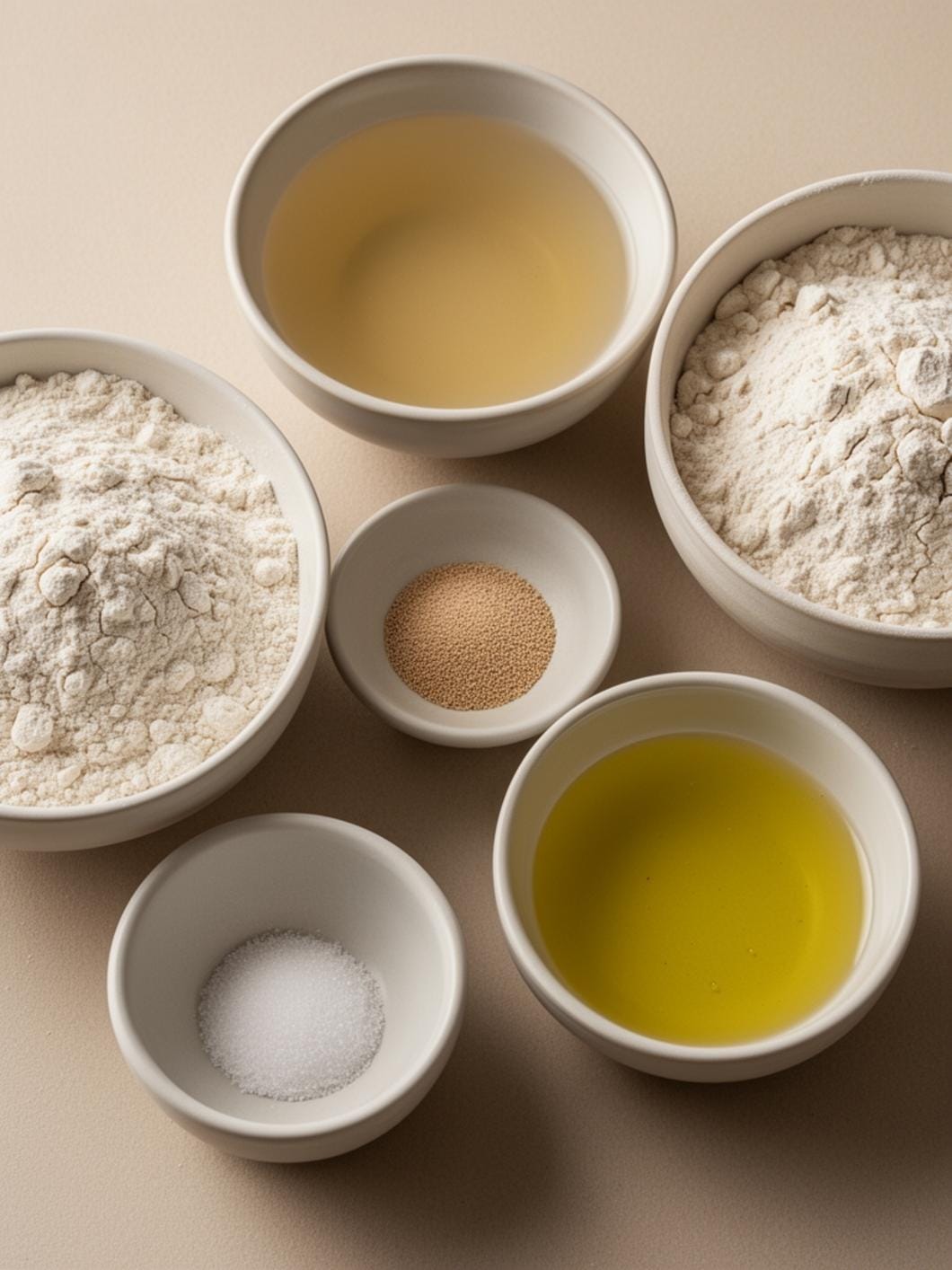
- 1 cup warm water (105-115°F)
- 1 packet active dry yeast (2 1/4 teaspoons)
- 1 teaspoon granulated sugar
- 2 1/2 cups all-purpose flour, plus more for dusting
- 1 teaspoon salt
- 1/4 cup sourdough starter (fed and active)
- 1 tablespoon olive oil
For those looking for simple substitutions, you can certainly use bread flour instead of all-purpose flour for a slightly chewier crumb, though all-purpose works beautifully. If you don’t have active dry yeast, instant yeast can be used; simply mix it directly with the dry ingredients. The olive oil adds a nice richness and helps with crust development, but a neutral vegetable oil can also be used in a pinch. Ensure your sourdough starter is active and bubbly, as this is key to the bread’s flavor and rise.
Time Needed From Start To Finish
This recipe is designed to fit into a realistic home baking schedule, balancing the natural processes of bread making with practical timeframes. While sourdough traditionally involves long fermentation, this approach streamlines the process to get you a delicious loaf without an all-day commitment.
- Preparation Time: 20 minutes
- Rise Time: 1 hour 30 minutes
- Baking Time: 30-35 minutes
- Total Time: Approximately 2 hours 20 minutes
This total time includes the initial mixing, a single rise, and the baking period. It’s a fantastic option for a weekend afternoon project or even a weekday evening if you start early.
How To Make It Step By Step With Visual Cues
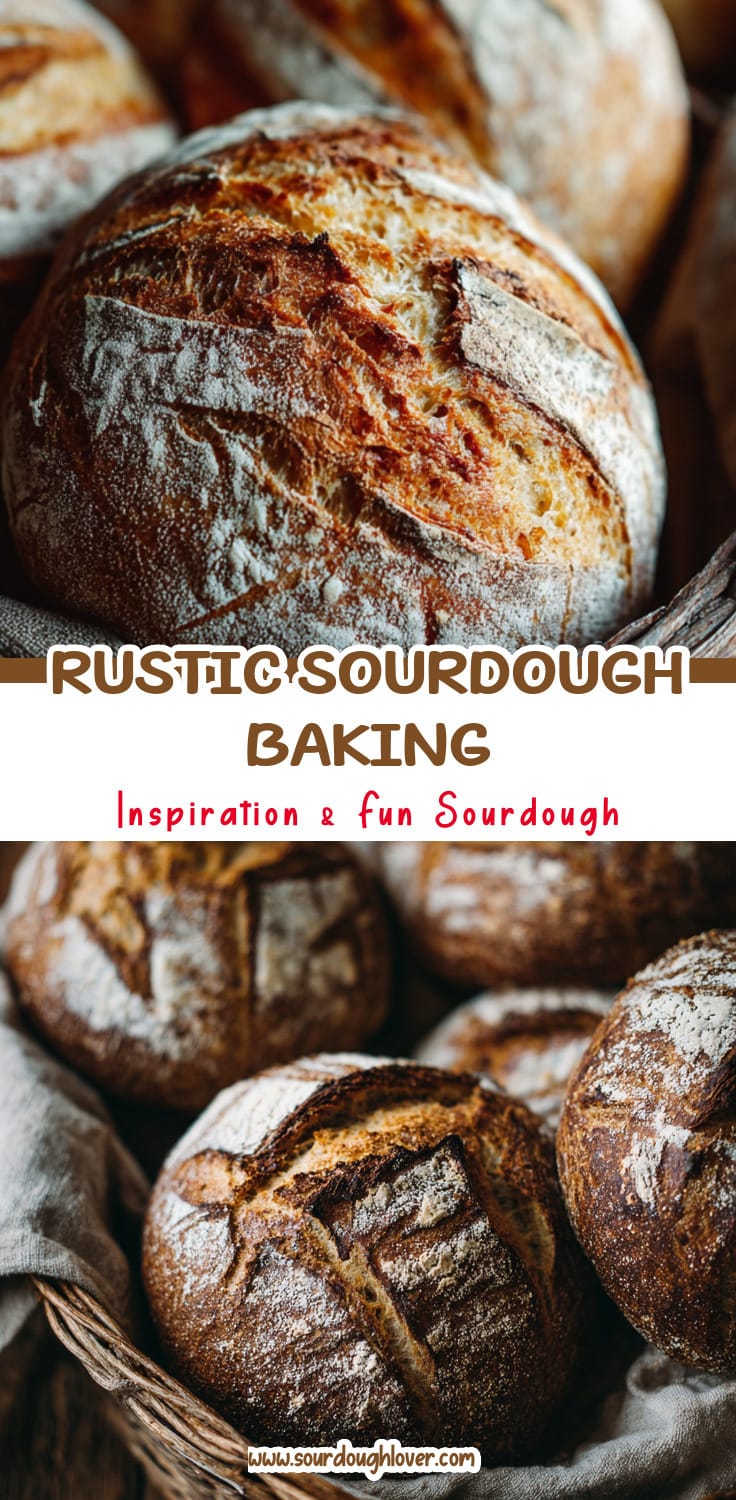
Creating a beautiful rustic sourdough loaf is an incredibly rewarding process. Follow these clear steps to ensure a successful bake, paying attention to the visual cues that will guide you along the way.
- Activate the Yeast: In a large bowl, combine the warm water, granulated sugar, and active dry yeast. Stir gently and let it sit for 5-10 minutes until the mixture becomes foamy. This foaminess is your visual cue that the yeast is active and ready to work.
- Combine Wet and Dry Ingredients: To the activated yeast mixture, add the active sourdough starter and olive oil, stirring until well combined. In a separate bowl, whisk together the all-purpose flour and salt. Gradually add the dry ingredients to the wet ingredients, mixing with a wooden spoon or your hands until a shaggy dough forms.
- Knead the Dough: Turn the dough out onto a lightly floured surface. Knead for about 5-7 minutes until the dough becomes smooth and elastic. It should feel less sticky and spring back slightly when poked. If it’s too sticky, add a tiny bit more flour, a tablespoon at a time.
- First Rise: Lightly grease the large bowl you used earlier with a little olive oil. Place the kneaded dough in the bowl, turning it once to coat the top. Cover the bowl with plastic wrap or a clean kitchen towel and let it rise in a warm place for 1 hour to 1 hour 30 minutes, or until it has doubled in size. You’ll know it’s ready when it looks puffy and passes the “poke test” (a gentle poke leaves a slight indentation).
- Shape the Loaf: Gently punch down the risen dough to release the air. Turn it out onto a lightly floured surface and gently shape it into a round or oval loaf. Avoid overworking the dough at this stage. You can place it on a piece of parchment paper for easier transfer to the baking sheet.
- Prepare for Baking: Preheat your oven to 400°F (200°C) with a baking sheet or Dutch oven inside. If using a baking sheet, carefully transfer the shaped loaf on its parchment paper to the hot sheet. If using a Dutch oven, carefully lower the dough (still on parchment) into the hot Dutch oven. Score the top of the loaf with a sharp knife or razor blade (a simple “X” or a few parallel lines) to allow for expansion during baking.
- Bake the Bread: Bake for 30-35 minutes, or until the crust is deeply golden brown and the internal temperature reaches 200-210°F (93-99°C). If baking in a Dutch oven, bake covered for the first 20 minutes, then uncover and bake for another 10-15 minutes until golden.
- Cool Completely: Once baked, transfer the bread to a wire rack to cool completely before slicing. This is crucial for the internal structure and texture to set properly. Slicing too early can result in a gummy interior.
Easy Variations And Serving Ideas That Fit Real Life
This rustic sourdough loaf is incredibly versatile and can be adapted to suit various tastes and occasions. Its simple, robust flavor makes it a perfect canvas for both savory and sweet accompaniments.
For a savory twist, consider adding 1/2 cup of shredded cheddar cheese and 1/4 cup of chopped jalapeños to the dough during the kneading stage for a cheesy, spicy loaf. Alternatively, incorporate 1/4 cup of chopped fresh rosemary and 2 tablespoons of minced garlic for an aromatic herb bread. For a touch of sweetness, mix in 1/2 cup of dried cranberries and 1/4 cup of chopped walnuts.
This bread is fantastic served warm with a pat of butter, alongside a hearty soup or stew, or as the foundation for gourmet sandwiches. It also makes an excellent base for bruschetta or avocado toast. For a party or buffet, slice it thinly and serve with a platter of cheeses, cured meats, and olives. Kids often love dipping crusty bread into olive oil and balsamic vinegar, or simply enjoying it with their favorite jam. Don’t forget to use any leftover bread to make delicious croutons or breadcrumbs!
Common Slip-Ups And How To Avoid Them
Even with a straightforward recipe, a few common pitfalls can affect your sourdough baking success. Being aware of these can help you achieve a perfect loaf every time.
One common mistake is not activating the yeast properly. If your water isn’t warm enough, or if it’s too hot, the yeast won’t activate or will be killed. Always check the water temperature with a thermometer (105-115°F is ideal). If your yeast mixture doesn’t get foamy after 5-10 minutes, your yeast might be old or inactive, and it’s best to start with fresh yeast.
Another slip-up is over-flouring during kneading. While you need some flour to prevent sticking, adding too much can result in a dense, dry loaf. Add flour sparingly, just enough to make the dough manageable. The dough should still be slightly tacky.
Not allowing enough time for the first rise is another frequent error. Rushing this stage means the yeast hasn’t had enough time to produce sufficient gas, leading to a smaller, denser loaf. Look for the visual cue of the dough doubling in size and passing the poke test. Conversely, over-proofing can also be an issue, leading to a loaf that collapses in the oven. If the dough looks overly puffy and starts to deflate when touched, it might be over-proofed.
Finally, slicing the bread before it has fully cooled is a common mistake. While tempting, slicing hot bread can make the interior gummy and compromise its texture. Always allow your freshly baked loaf to cool completely on a wire rack for at least an hour, or even longer, to ensure the crumb sets properly.
How To Store It And Make It Ahead Without Ruining Texture
Proper storage is key to maintaining the delicious
FAQs
- Can I make these ahead? Yes—prep ahead, refrigerate, then serve when ready.
- How long do leftovers last? Store covered in the fridge for 3–4 days for best texture.
- Can I adjust sweetness? Yes—add more or less sweetener to taste.
- Can I change the fruit? Yes—swap strawberries for blueberries, raspberries, or sliced banana.