
There’s nothing quite like homemade pizza, and when you can elevate it with the tangy depth of sourdough, it becomes an instant family favorite.

This recipe for sourdough pizza crust is designed to be straightforward and uses your sourdough starter discard, making it a fantastic way to utilize that bubbly goodness without waste.
Whether you’re a seasoned sourdough baker or just starting your journey, this easy sourdough pizza recipe will guide you to a delicious, chewy crust that’s perfect for your next family pizza night. Get ready to impress everyone with a homemade pizza that tastes incredible and comes together more simply than you might think.
Table of Contents
- What You’ll Love About This Quick And Easy Recipe
- Everything You Need To Make This Recipe Without Stress
- Time Needed From Start To Finish
- How To Make It Step By Step With Visual Cues
- Easy Variations And Serving Ideas That Fit Real Life
- Common Slip-Ups And How To Avoid Them
- How To Store It And Make It Ahead Without Ruining Texture

Sourdough Discard Pizza Crust
- Total Time: 1 hour 25 minutes to 2 hours 30 minutes
- Yield: 2 medium pizzas 1x
Description
This recipe uses sourdough starter discard to create a delicious, chewy pizza crust with a tangy depth. It’s a straightforward way to make homemade pizza, perfect for family pizza night, and utilizes discard without waste. The process is quicker than traditional sourdough due to using unfed starter, making it ideal for busy schedules.
Ingredients
Instructions
1. In a large mixing bowl, whisk together the sourdough starter discard, warm water, 1 tablespoon of olive oil, sugar, and salt until well combined.
2. Gradually add the all-purpose flour, one cup at a time, mixing with a wooden spoon or your hands until a shaggy dough forms. It will be sticky at first.
3. Turn the dough out onto a lightly floured surface. Knead for 5-7 minutes until the dough becomes smooth and elastic. It should be less sticky and bounce back slightly when poked. If it’s too sticky, add a tiny bit more flour, but be careful not to add too much.
4. Lightly grease a clean bowl with olive oil. Place the dough in the bowl, turning it once to coat all sides. Cover the bowl with plastic wrap or a clean kitchen towel and let it rest in a warm place for 1 to 2 hours, or until it has visibly increased in size (it may not double, but should look puffier). For a deeper flavor, you can refrigerate the dough for 8-24 hours after this step.
5. About 30-45 minutes before you plan to bake, place your pizza stone or steel in the oven and preheat to its highest temperature (usually 475-500 F). This is crucial for a crispy crust.
6. Gently punch down the dough to release the air. Divide it into two equal portions (for two medium pizzas). On a lightly floured surface or a piece of parchment paper dusted with cornmeal, stretch or roll each portion into your desired pizza crust shape, about 1/4 inch thick. Be gentle to maintain some of the air bubbles.
7. Carefully transfer the shaped crust to a pizza peel dusted with cornmeal or semolina (or directly onto parchment paper). Add your favorite pizza sauce, cheese, and toppings. Slide the pizza onto the preheated pizza stone or steel in the oven. Bake for 10-15 minutes, or until the crust is golden brown and the cheese is bubbly and slightly browned.
8. Remove the pizza from the oven and let it cool on a wire rack for a few minutes before slicing and serving. This helps prevent a soggy bottom.
- Prep Time: 15 minutes
- Cook Time: 10-15 minutes
- Category: main dish
- Method: baking
- Cuisine: italian-american
Nutrition
- Serving Size: 1/2 pizza
Keywords: sourdough, pizza, discard, crust, homemade, easy, tangy, baking, family, dinner
What You’ll Love About This Quick And Easy Recipe
This sourdough pizza crust recipe is a game-changer for anyone looking to add a touch of artisanal flavor to their weeknight meals without a lot of fuss. It works beautifully because it leverages the natural leavening power of sourdough discard, which means you don’t have to wait for a long, active rise from a fed starter. This makes the process much quicker and more predictable, ideal for busy parents or anyone who wants a delicious dinner without hours of planning. It’s perfect for a relaxed Friday night dinner, a fun weekend activity with kids, or even a casual gathering with friends. The slight tang from the sourdough adds a wonderful complexity that store-bought crusts simply can’t match, transforming a simple pizza into something truly special.
Everything You Need To Make This Recipe Without Stress
Gathering your ingredients before you start is key to a smooth baking experience. This recipe uses common pantry staples alongside your sourdough discard, ensuring you won’t need to hunt for obscure items. The beauty of using discard is that it’s already fermented, contributing flavor and some leavening without requiring a perfectly active starter.
INGREDIENTS:
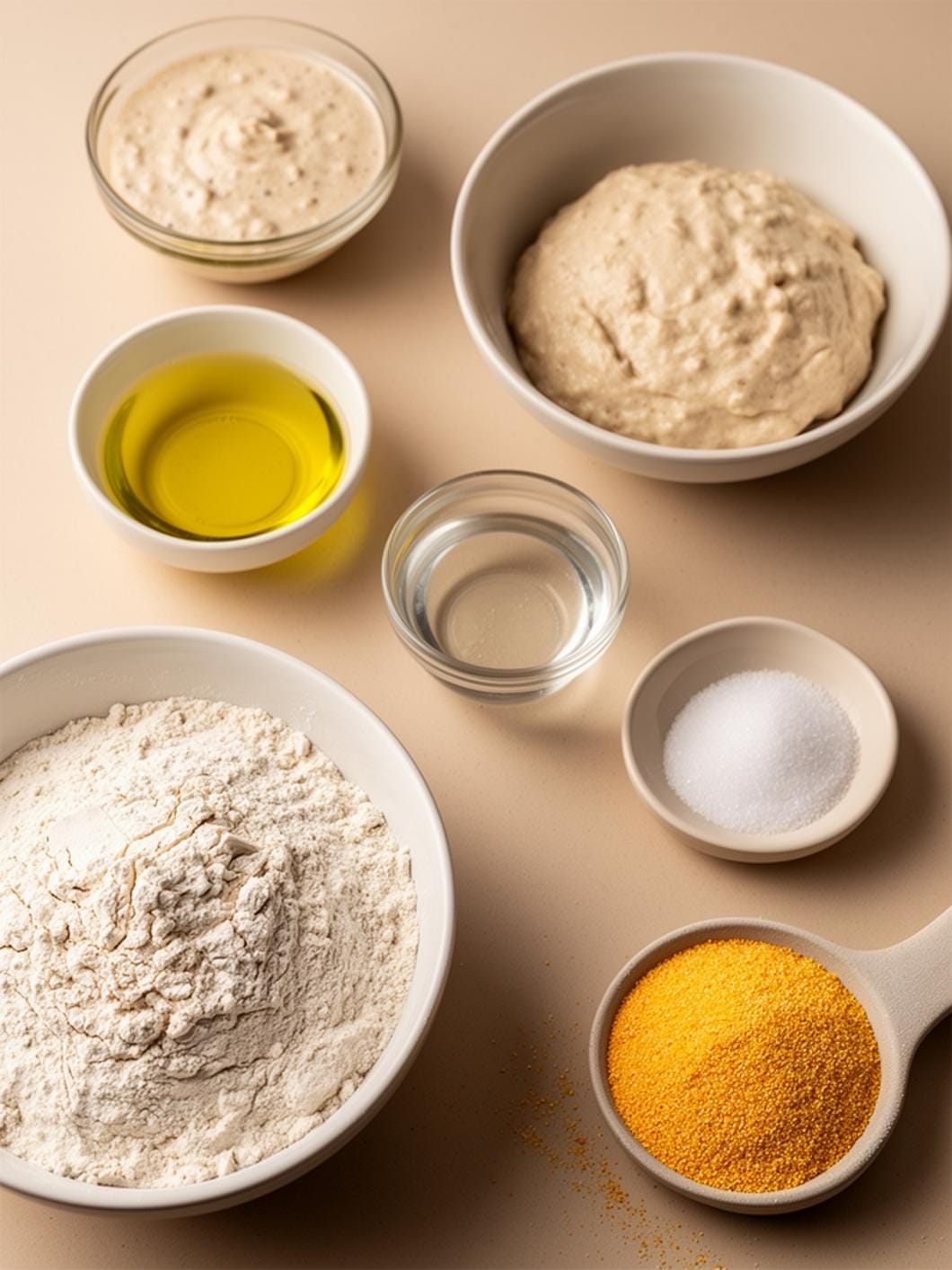
- 1 cup (240g) sourdough starter discard (unfed, from the fridge is fine)
- 1 cup (240ml) warm water (around 95-105°F)
- 1 tablespoon olive oil, plus extra for the bowl
- 1 teaspoon granulated sugar
- 1 teaspoon salt
- 3 cups (360g) all-purpose flour, plus more for dusting
- Cornmeal or semolina, for dusting the pizza peel
For the all-purpose flour, any standard brand will work well. If you prefer a slightly chewier crust, you can substitute up to half of the all-purpose flour with bread flour. The olive oil adds flavor and helps with the crust’s texture, but a neutral oil like vegetable or canola oil can be used in a pinch. The sugar is there to help activate any remaining yeast in the discard and to promote browning, but it can be omitted if you prefer a less sweet crust or are avoiding sugar.
Time Needed From Start To Finish
This recipe is designed for efficiency, allowing you to enjoy homemade sourdough pizza without an all-day commitment. The hands-on time is minimal, with most of the duration dedicated to the dough resting and the baking itself.
- Prep Time: 15 minutes
- Resting Time: 1-2 hours (or longer for more flavor development)
- Cook Time: 10-15 minutes
- Total Time: Approximately 1 hour 25 minutes to 2 hours 30 minutes
The resting time is flexible; if you have more time, letting the dough rest longer in the refrigerator (up to 24 hours) can deepen the sourdough flavor. However, for a quick meal, the shorter rest works perfectly.
How To Make It Step By Step With Visual Cues

Making this sourdough pizza crust is a rewarding process, and these steps will guide you to a perfect result. Pay attention to the texture of the dough, as it’s your best indicator of success.
- Combine Wet Ingredients: In a large mixing bowl, whisk together the sourdough starter discard, warm water, 1 tablespoon of olive oil, sugar, and salt until well combined. The mixture might look a little cloudy, which is normal.
- Add Flour Gradually: Gradually add the all-purpose flour, one cup at a time, mixing with a wooden spoon or your hands until a shaggy dough forms. It will be sticky at first.
- Knead the Dough: Turn the dough out onto a lightly floured surface. Knead for 5-7 minutes until the dough becomes smooth and elastic. It should be less sticky and bounce back slightly when poked. If it’s too sticky, add a tiny bit more flour, but be careful not to add too much.
- First Rise (Bulk Fermentation): Lightly grease a clean bowl with olive oil. Place the dough in the bowl, turning it once to coat all sides. Cover the bowl with plastic wrap or a clean kitchen towel and let it rest in a warm place for 1 to 2 hours, or until it has visibly increased in size (it may not double, but should look puffier). For a deeper flavor, you can refrigerate the dough for 8-24 hours after this step.
- Preheat Oven and Prep Pizza Stone/Steel: About 30-45 minutes before you plan to bake, place your pizza stone or steel in the oven and preheat to its highest temperature (usually 475-500°F). This is crucial for a crispy crust.
- Shape the Crust: Gently punch down the dough to release the air. Divide it into two equal portions (for two medium pizzas). On a lightly floured surface or a piece of parchment paper dusted with cornmeal, stretch or roll each portion into your desired pizza crust shape, about 1/4 inch thick. Be gentle to maintain some of the air bubbles.
- Add Toppings and Bake: Carefully transfer the shaped crust to a pizza peel dusted with cornmeal or semolina (or directly onto parchment paper). Add your favorite pizza sauce, cheese, and toppings. Slide the pizza onto the preheated pizza stone or steel in the oven. Bake for 10-15 minutes, or until the crust is golden brown and the cheese is bubbly and slightly browned.
- Cool and Serve: Remove the pizza from the oven and let it cool on a wire rack for a few minutes before slicing and serving. This helps prevent a soggy bottom.
Easy Variations And Serving Ideas That Fit Real Life
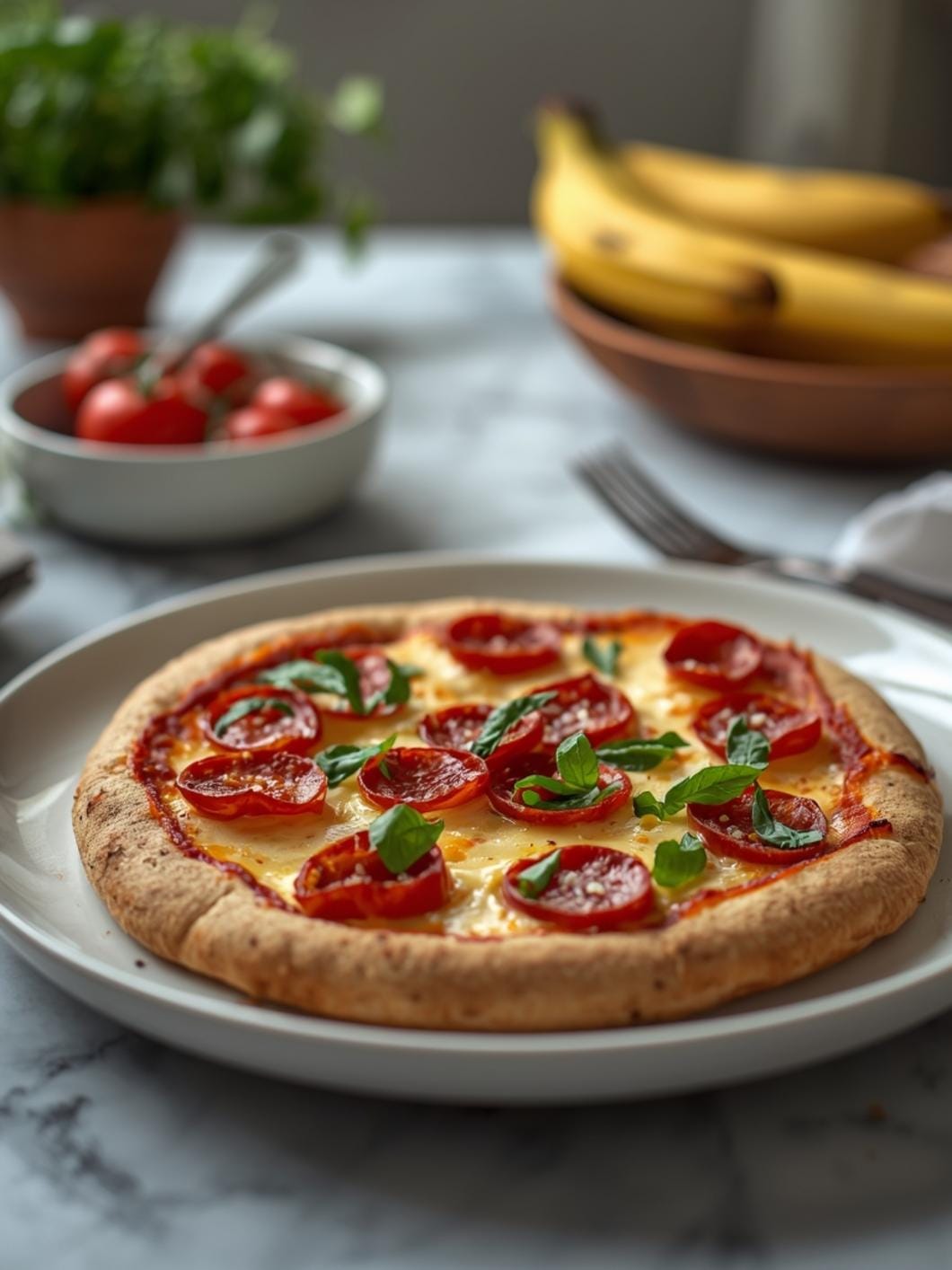
This sourdough pizza crust is incredibly versatile, making it easy to adapt for any occasion or preference. For a quick weeknight dinner, classic pepperoni and mozzarella are always a hit with kids. To make it a fun family activity, set up a “pizza bar” with various toppings: cooked sausage, sliced bell peppers, mushrooms, olives, and different cheeses.
Consider a white pizza with a garlic olive oil base, ricotta, and fresh herbs for a more gourmet feel. For a sweet treat, use the crust for a dessert pizza with Nutella, sliced fruit, and a sprinkle of powdered sugar. You can also make smaller individual pizzas, which are perfect for parties or when everyone wants different toppings. Don’t forget a side salad to round out the meal!
Common Slip-Ups And How To Avoid Them
Even experienced bakers can encounter small challenges, but knowing what to watch out for can save your pizza night.
- Dough that’s too sticky or too dry: If your dough is too sticky to handle, add flour one tablespoon at a time until it’s manageable but still soft. If it’s too dry and crumbly, add water one teaspoon at a time. The ideal dough should be slightly tacky but not stick to your hands excessively.
- Crust that’s not crispy: The most common reason for a non-crispy crust is not preheating your oven and pizza stone/steel long enough. Give it at least 30-45 minutes at the highest temperature. This intense heat creates a shock that crisps the bottom of the crust immediately.
- Difficulty transferring the pizza: If your pizza is sticking to the peel, you haven’t used enough cornmeal or semolina, or you’ve overloaded the pizza with toppings. Be generous with the dusting, and work quickly when adding toppings and transferring. You can also build your pizza directly on parchment paper and slide the parchment paper onto the hot stone.
- Overworking the dough: While kneading is important, overworking the dough can make it tough. Knead until it’s smooth and elastic, then stop. Gentle handling during shaping is also key to a tender crust.
- Uneven baking: Rotate your pizza halfway through baking if you notice one side browning faster than the other, especially if your oven has hot spots.
How To Store It And Make It Ahead Without Ruining Texture
This sourdough pizza dough is excellent for making ahead, which can be a huge time-saver. After the initial bulk fermentation (step 4), you can place the covered bowl of dough in the refrigerator for up to 2-3 days. This slow, cold fermentation actually enhances the sourdough flavor. When you’re ready to make pizza, remove the dough from the fridge about an hour before shaping to allow it to come closer to room temperature.
If you have leftover baked pizza, store it in an airtight container or wrapped tightly in foil in the refrigerator for up to 3-4 days. For reheating, the best methods are in a hot oven (around 375°F
FAQs
- Can I make these ahead? Yes—prep ahead, refrigerate, then serve when ready.
- How long do leftovers last? Store covered in the fridge for 3–4 days for best texture.
- Can I adjust sweetness? Yes—add more or less sweetener to taste.
- Can I change the fruit? Yes—swap strawberries for blueberries, raspberries, or sliced banana.