
Embarking on the journey of homemade sourdough might seem daunting at first, but with this straightforward guide, you’ll discover just how simple it can be.

Creating your own sourdough starter from scratch is a rewarding process that opens the door to incredible homemade bread, and this recipe is specifically designed for beginners to ensure success.
This method focuses on nurturing a young, active starter that’s vibrant and ready to bring its unique flavor and leavening power to your baking. Forget complicated steps or obscure ingredients; we’re breaking it down into easy-to-follow instructions so you can confidently cultivate your very own bubbly, thriving starter right in your kitchen.

Beginner Sourdough Starter
- Total Time: 7-10 days
- Yield: 1 active sourdough starter 1x
Description
This guide simplifies creating a sourdough starter from scratch, focusing on nurturing a vibrant, active starter for homemade bread. It’s designed for beginners, emphasizing minimal ingredients and easy-to-follow instructions to cultivate a bubbly, thriving starter.
Ingredients
Instructions
1. Day 1: The Initial Mix. In a clean, medium-sized glass jar, combine 1/2 cup (120g) unbleached all-purpose flour and 1/2 cup (120g) lukewarm filtered water. Stir vigorously until there are no dry spots and the mixture is smooth, resembling a thick pancake batter. Scrape down the sides of the jar.
2. Cover and Wait. Loosely cover the jar (e.g., with a lid not screwed on tightly, plastic wrap with a few holes, or a clean kitchen towel). Place the jar in a warm spot in your kitchen, ideally between 70-78 F (21-25 C), away from direct sunlight.
3. Day 2: First Observations. On day two, you likely won’t see much activity. Give it a quick stir, re-cover it, and return it to its warm spot.
4. Day 3: The First Feeding. By day three, you might start to see tiny bubbles and a slightly sour, yeasty smell. Discard about half of the starter (approximately 60g or 1/4 cup). Then, feed the remaining starter with 1/2 cup (120g) fresh unbleached flour and 1/2 cup (120g) lukewarm filtered water. Stir well until combined, scrape down the sides, and loosely cover.
5. Days 4-7 (or longer): Daily Feedings. Continue the feeding routine every 24 hours. Each day, discard about half of the starter, then feed it with 1/2 cup (120g) fresh flour and 1/2 cup (120g) fresh water. Your starter is ready when it consistently doubles in size within 4-8 hours after feeding, which usually takes 7-10 days.
6. Maintaining Your Active Starter. Once active, feed it daily if baking frequently. For infrequent baking, feed it, let it sit at room temperature for 1-2 hours, then store it in the refrigerator. When ready to bake, take it out, let it come to room temperature, and feed it 1-2 times over 12-24 hours until active again.
- Prep Time: 5-10 minutes daily
- Cook Time: 7-10 days (development)
- Category: baking
- Method: fermentation
- Cuisine: american
Nutrition
- Serving Size: 1 starter
Keywords: sourdough, starter, baking, homemade, bread, fermentation, yeast, natural, easy, beginner
What You’ll Love About This Quick And Easy Recipe
This recipe is a game-changer for anyone new to the world of sourdough, offering a clear and approachable path to creating your own starter. What makes it so appealing is its simplicity and the minimal number of ingredients required, making it incredibly accessible even for the most novice bakers. You’ll love the hands-on experience of watching your starter come to life, bubbling and growing day by day, knowing that you’re cultivating something truly special. This guide is perfect for individuals or families looking to explore traditional baking methods without the intimidation often associated with sourdough. It’s an ongoing project that fits seamlessly into a daily routine, requiring just a few minutes of attention each day. Once your starter is active, it becomes the heart of countless delicious homemade breads, from rustic loaves to fluffy rolls, making every meal a little more extraordinary.
Everything You Need To Make This Recipe Without Stress
Gathering your supplies for a sourdough starter is surprisingly simple, requiring just a few basic items you likely already have in your pantry. The key is consistency and using good quality ingredients to give your starter the best chance to thrive. Don’t overthink it; the magic happens with minimal fuss.
INGREDIENTS:
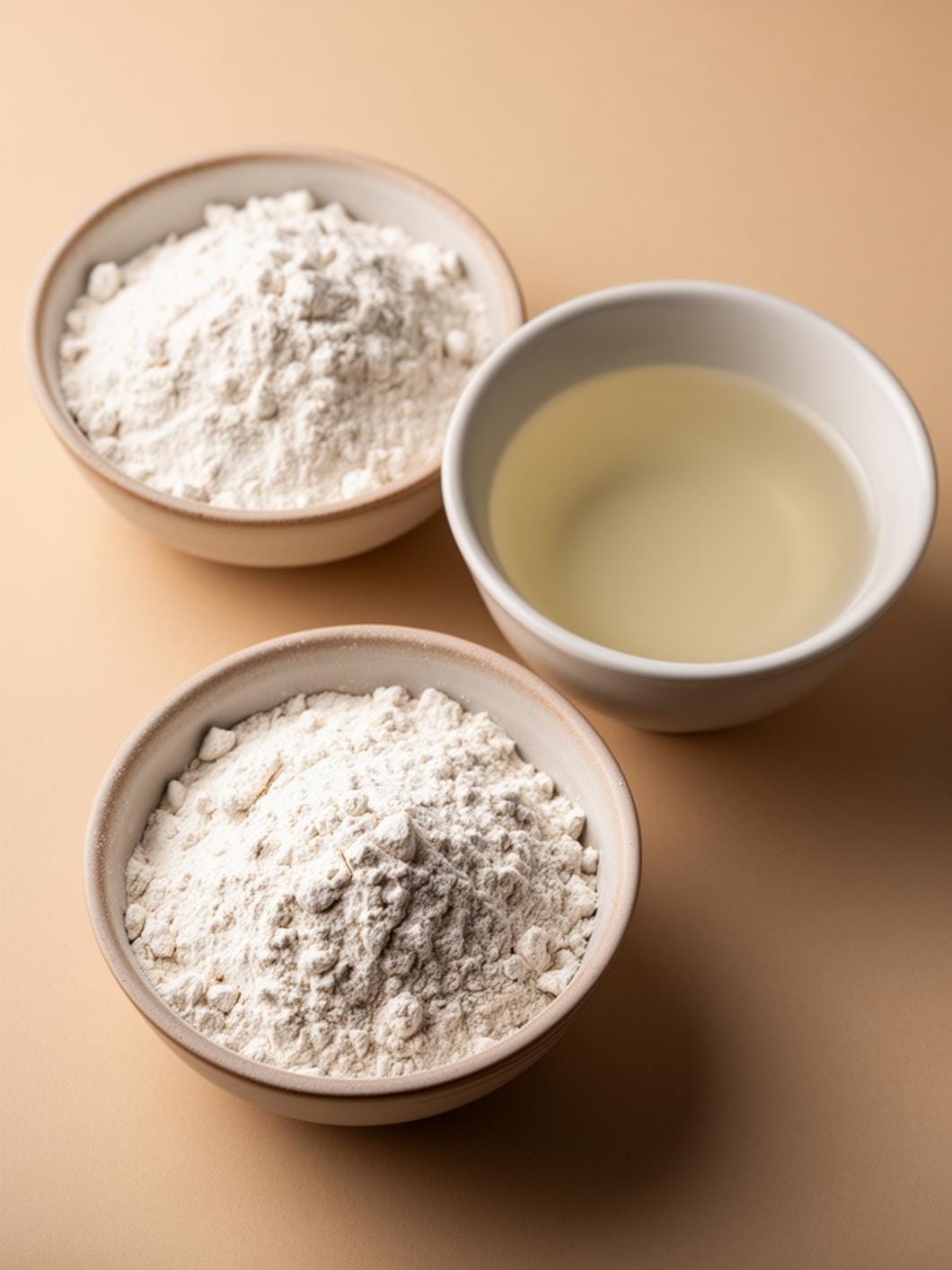
- 1/2 cup (120g) unbleached all-purpose flour or bread flour
- 1/2 cup (120g) lukewarm filtered water
For the flour, unbleached all-purpose flour is a great starting point because it’s widely available and works well for developing a starter. If you have unbleached bread flour, that’s also an excellent choice, as its higher protein content can sometimes give the starter a bit more oomph. The most important thing is to avoid bleached flour, as the bleaching process can interfere with the natural yeasts and bacteria we want to cultivate. As for the water, filtered water is highly recommended. Tap water often contains chlorine or chloramines, which can inhibit the growth of the beneficial microorganisms in your starter. If you don’t have a filter, you can let tap water sit out in an open container for 24 hours to allow the chlorine to dissipate.
Time Needed From Start To Finish
Creating a sourdough starter is more about patience and consistency than intense bursts of activity. While the actual hands-on time each day is very minimal, the overall process takes about a week to establish a healthy, active starter.
- Daily Hands-on Time: 5-10 minutes
- Total Active Development Time: 7-10 days (until consistently active)
This isn’t a recipe you can rush, but the daily commitment is so small that it easily fits into even the busiest schedules. You’ll spend just a few minutes each day feeding your starter and observing its progress, making it a very low-stress endeavor.
How To Make It Step By Step With Visual Cues

Creating a sourdough starter is a journey of daily observation and simple care. Follow these steps to cultivate a thriving starter from scratch.
- Day 1: The Initial Mix. In a clean, medium-sized glass jar (a wide-mouth quart jar works perfectly), combine 1/2 cup (120g) unbleached all-purpose flour and 1/2 cup (120g) lukewarm filtered water. Stir vigorously with a spoon or spatula until there are no dry spots and the mixture is smooth, resembling a thick pancake batter. Scrape down the sides of the jar to keep it tidy.
- Cover and Wait. Loosely cover the jar. You can use a lid that’s not screwed on tightly, plastic wrap with a few holes poked in it, or even a clean kitchen towel secured with a rubber band. This allows air to circulate but keeps out contaminants. Place the jar in a warm spot in your kitchen, ideally between 70-78°F (21-25°C), away from direct sunlight.
- Day 2: First Observations. On day two, you likely won’t see much activity, and that’s perfectly normal. Resist the urge to feed it. Simply give it a quick stir, re-cover it, and return it to its warm spot. This resting period allows the flour and water to meld and the natural yeasts to begin waking up.
- Day 3: The First Feeding. By day three, you might start to see tiny bubbles forming on the surface or along the sides of the jar, and it might have a slightly sour, yeasty smell. This is a good sign! Discard about half of the starter (approximately 60g or 1/4 cup). Then, feed the remaining starter with 1/2 cup (120g) fresh unbleached flour and 1/2 cup (120g) lukewarm filtered water. Stir well until combined, scrape down the sides, and loosely cover.
- Days 4-7 (or longer): Daily Feedings. Continue the feeding routine every 24 hours. Each day, discard about half of the starter, then feed it with 1/2 cup (120g) fresh flour and 1/2 cup (120g) fresh water. You should start to notice more consistent activity: more bubbles, a stronger sour-yeasty aroma, and the starter should rise significantly after feeding, often doubling in size before falling back down. It’s ready when it consistently doubles in size within 4-8 hours after feeding. This usually takes 7-10 days, but sometimes longer depending on your environment.
- Maintaining Your Active Starter. Once your starter is consistently active, you can continue to feed it daily if you plan to bake frequently. If you don’t plan to bake for a few days, you can store it in the refrigerator. To do this, feed it as usual, let it sit at room temperature for 1-2 hours until it shows signs of activity, then place it in the fridge. When you want to bake, take it out, let it come to room temperature, and feed it 1-2 times over 12-24 hours until it’s active and bubbly again.
Easy Variations And Serving Ideas That Fit Real Life
While a sourdough starter isn’t a dish to be served on its own, its variations come in the type of flour you use to feed it, which subtly influences the flavor and activity. For example, using a portion of whole wheat flour in your feedings can make your starter more robust and active due to the extra nutrients in the bran. You could try feeding with 1/4 cup unbleached all-purpose flour and 1/4 cup whole wheat flour, along with the usual water. This adds a deeper, nuttier flavor profile to your eventual bread.
Once your starter is active, the serving ideas are endless! It’s the foundation for a wide array of baked goods. Think beyond just a rustic loaf of bread. You can use it to make fluffy sourdough pancakes or waffles for a weekend breakfast, tangy sourdough pizza dough for a family pizza night, or even sourdough discard crackers for a healthy snack. For a kid-friendly twist, consider using discard (the portion you remove before feeding) to make sourdough discard chocolate chip cookies or quick flatbreads that can be topped with cheese and pepperoni. The beauty of an active starter is its versatility, allowing you to infuse that wonderful sourdough tang into almost any baked good.
Common Slip-Ups And How To Avoid Them
When making a sourdough starter, it’s easy to encounter a few common hiccups, especially if you’re new to the process. Knowing what to look out for can save you frustration and ensure your starter thrives.
One frequent mistake is using chlorinated tap water. Chlorine can kill the beneficial yeasts and bacteria that you’re trying to cultivate, leading to a sluggish or inactive starter. Always use filtered water, or if you only have tap water, let it sit out in an open container for at least 24 hours to allow the chlorine to dissipate.
Another common issue is feeding too much or too little. If you don’t discard enough starter before feeding, you’ll end up with an enormous amount of starter, and the fresh flour and water will be too diluted to properly activate the existing microorganisms. If you discard too much, you might not have enough active culture to kickstart the new feeding. The general rule of thumb is to discard about half before each feeding.
Impatience is also a big one. Sourdough starters don’t always follow a strict timeline. Some might become active in 5 days, others might take 10 or even 14. Don’t get discouraged if you don’t see vigorous bubbling on day 3 or 4. Keep up the consistent feeding schedule, maintain a warm environment, and

FAQs
- Can I make these ahead? Yes—prep ahead, refrigerate, then serve when ready.
- How long do leftovers last? Store covered in the fridge for 3–4 days for best texture.
- Can I adjust sweetness? Yes—add more or less sweetener to taste.
- Can I change the fruit? Yes—swap strawberries for blueberries, raspberries, or sliced banana.