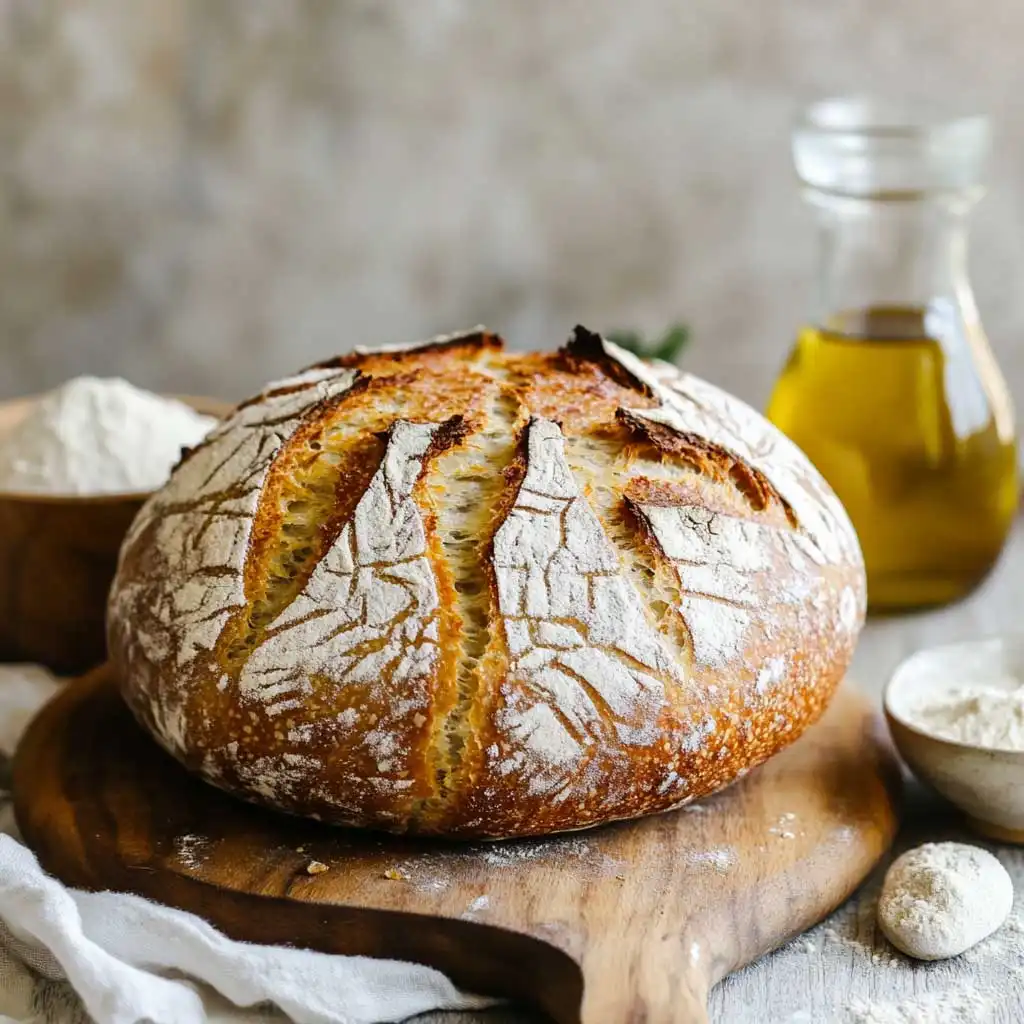

Get ready to bake a truly special loaf that brings together the comforting flavors of honey and the distinct character of rye.
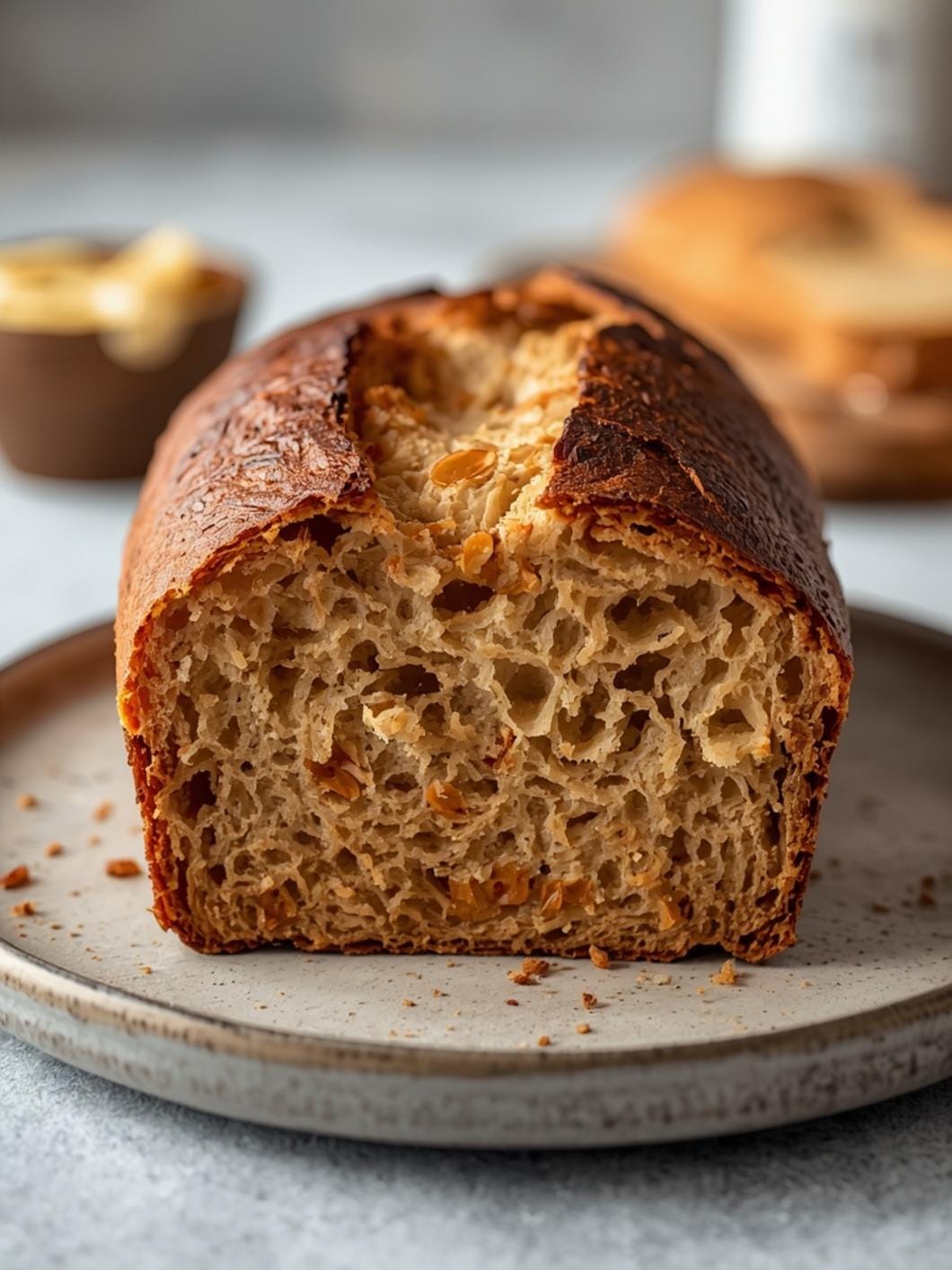
This easy sourdough recipe is designed for home bakers who want to enjoy the satisfaction of homemade bread without the fuss of overly complicated techniques. It’s perfect for adding a touch of rustic charm to any meal.
This recipe focuses on simplicity and delicious results, making it an excellent choice whether you’re new to sourdough baking or a seasoned pro looking for a straightforward, flavorful bread. You’ll love the chewy texture and the subtle sweetness that honey brings to the robust rye flour.

Honey Rye Sourdough Loaf
- Total Time: 6-12 hours
- Yield: 1 loaf 1x
Description
This easy sourdough recipe combines the comforting flavors of honey and the distinct character of rye, perfect for home bakers. It’s designed for simplicity and delicious results, offering a chewy texture and subtle sweetness. Ideal for breakfast, lunch, or dinner, this versatile loaf adds rustic charm to any meal.
Ingredients
Instructions
1. Mixing the Dough (Autolyse): In a large mixing bowl, combine the warm water, active sourdough starter, and honey. Stir gently until the starter is mostly dissolved. Add the bread flour and rye flour, mixing with a wooden spoon or your hands until no dry spots remain. It will be a shaggy, somewhat sticky dough. Cover the bowl with a damp towel or plastic wrap and let it rest for 30 minutes to 1 hour. This resting period, called autolyse, allows the flours to fully hydrate.
2. Adding the Salt and Initial Mixing: After the autolyse, sprinkle the salt over the dough. Using wet hands, gently work the salt into the dough by squeezing and folding it for about 2-3 minutes. The dough will feel a bit more cohesive.
3. Bulk Fermentation with Stretch and Folds: Cover the bowl again. Over the next 3-4 hours, perform a series of “stretch and folds” every 30-45 minutes. To do this, lightly wet your hands, grab a portion of the dough from one side, stretch it upwards, and fold it over to the center. Rotate the bowl and repeat this process 3-4 times until you’ve worked your way around the dough. This builds strength in the dough. You’ll notice the dough becoming smoother and more elastic with each set of folds. After the last set of folds, let the dough rest, covered, until it has increased in volume by about 30-50% and feels bubbly and alive. This is the bulk fermentation.
4. Pre-Shaping the Loaf: Gently turn the dough out onto a lightly floured surface. Avoid deflating it too much. Lightly shape the dough into a round or oblong shape, depending on your desired final loaf. Let it rest, uncovered, for 20-30 minutes. This allows the gluten to relax, making final shaping easier.
5. Final Shaping and Proofing: Lightly flour your hands and the dough. Gently shape the dough into its final form, creating tension on the surface. If using a round banneton, shape it into a boule (round). If using an oval banneton, shape it into a batard (oval). Place the shaped dough seam-side up into a lightly floured banneton or a bowl lined with a floured kitchen towel. Cover the banneton/bowl with plastic wrap or a shower cap. Proof in the refrigerator for 8-12 hours (this is a cold proof, which develops flavor) or at room temperature for 1-3 hours until it looks puffy and springs back slowly when gently poked.
6. Preheating Oven and Baking: About 45 minutes before you’re ready to bake, place a Dutch oven (with its lid) into your oven and preheat to 450 F (232 C). Once preheated, carefully remove the hot Dutch oven. Gently invert the dough from the banneton into the hot Dutch oven. Score the top of the dough with a sharp knife or razor blade (a simple cross or a single slash is common).
7. Baking with and Without Lid: Place the lid back on the Dutch oven and bake for 30 minutes. Remove the lid and continue baking for another 10-15 minutes, or until the crust is deeply golden brown and the internal temperature reaches 200-210 F (93-99 C).
8. Cooling the Loaf: Carefully remove the bread from the Dutch oven and transfer it to a wire rack. Let it cool completely for at least 1-2 hours before slicing. This cooling period is crucial for the internal structure to set and for the flavors to fully develop. Slicing too early can result in a gummy texture.
- Prep Time: 20 minutes
- Cook Time: 45 minutes
- Category: bread
- Method: baking
- Cuisine: european
Nutrition
- Serving Size: 1 slice
Keywords: sourdough, rye bread, honey bread, homemade bread, rustic bread, baking, easy sourdough, bread recipe, fermented bread, artisan bread
What You’ll Love About This Quick And Easy Recipe
This honey rye sourdough loaf recipe is a true gem for several reasons. First, it’s incredibly forgiving, making it perfect for those who might be a little intimidated by sourdough baking. We’re focusing on a process that minimizes complexity while maximizing flavor, ensuring a delicious outcome even if you’re not a bread expert. It works beautifully because it balances the unique qualities of rye flour with the natural sweetness of honey, creating a loaf that is both hearty and subtly sweet. This bread is ideal for a cozy weekend breakfast, a wholesome lunch sandwich, or as an accompaniment to a hearty dinner. It’s designed for busy families who appreciate homemade goodness but don’t have endless hours to spend in the kitchen. Serve it warm with a pat of butter, alongside a bowl of soup, or as the base for an open-faced sandwich. Its rustic appeal and satisfying taste make it a versatile addition to any meal, and it’s sure to impress without requiring advanced baking skills.
Everything You Need To Make This Recipe Without Stress
Gathering your ingredients before you start baking makes the whole process smoother and more enjoyable. You likely have most of these staples in your pantry already, and for those you don’t, they are readily available at any grocery store. We’re focusing on quality ingredients that will contribute to the rich flavor and texture of your honey rye sourdough loaf.
INGREDIENTS:
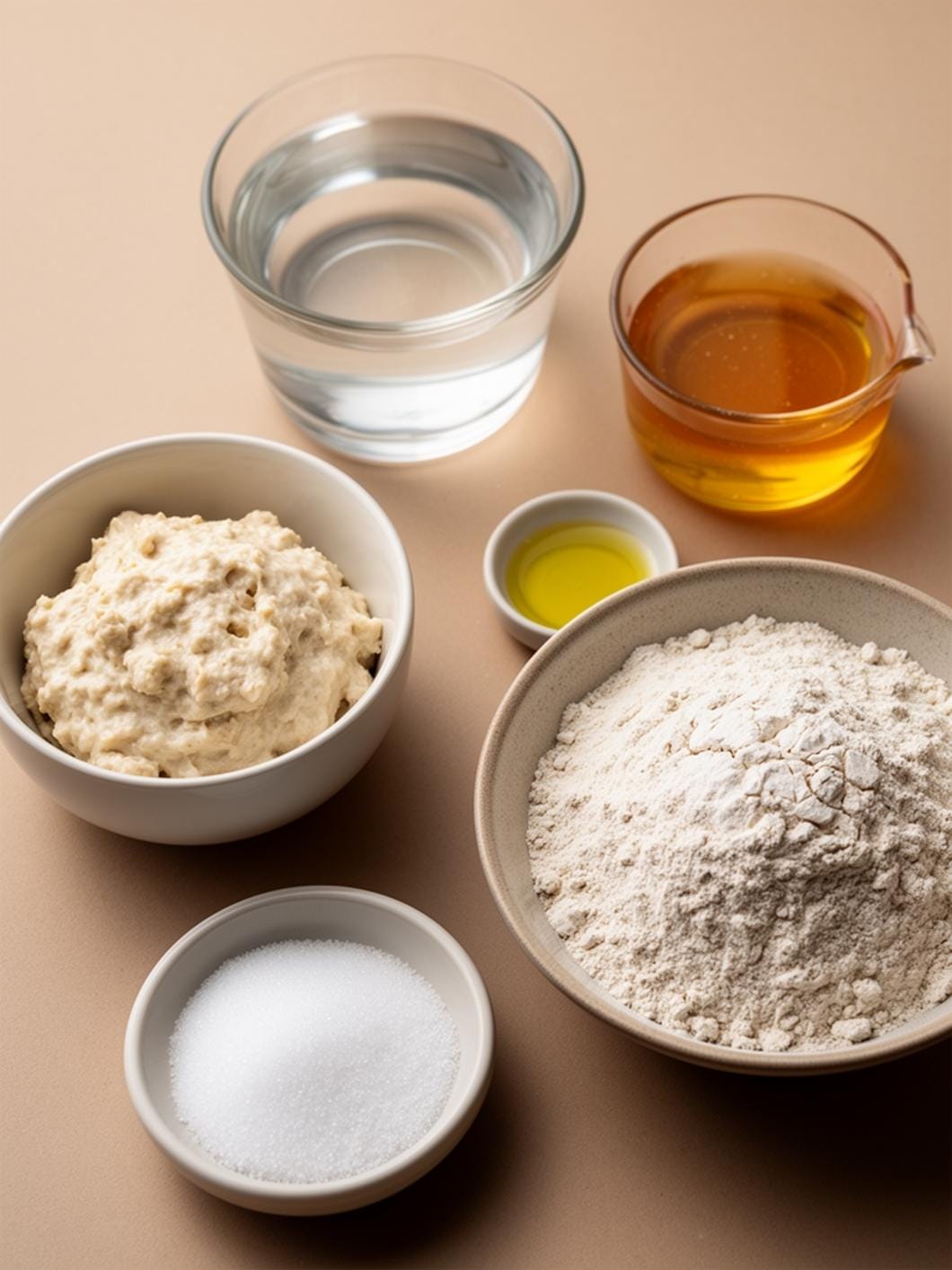
- 100 grams active sourdough starter
- 300 grams warm water (around 90-95°F / 32-35°C)
- 10 grams fine sea salt
- 30 grams honey
- 300 grams bread flour
- 100 grams rye flour
- Olive oil or non-stick spray for greasing
When it comes to substitutions, you have a few practical options. If you don’t have bread flour, all-purpose flour can work in a pinch, though your loaf might be slightly less chewy. For the honey, any good quality honey will do, but a local wildflower honey can add a lovely depth of flavor. If you prefer a less sweet loaf, you can slightly reduce the amount of honey, but it does play a role in the texture and fermentation. As for salt, fine sea salt is recommended for its even distribution, but kosher salt can be used; just be sure to measure by weight for accuracy. For greasing, any neutral oil like vegetable oil or avocado oil will work just as well as olive oil.
Time Needed From Start To Finish
Understanding the timeline for baking this honey rye sourdough loaf will help you plan your day effectively. While sourdough does involve some waiting for fermentation, the active hands-on time is quite minimal, making it a manageable project.
- Active Preparation Time: 15-20 minutes
- Bulk Fermentation (First Rise): 4-6 hours (depending on ambient temperature and starter activity)
- Shaping and Final Proof (Second Rise): 1-3 hours (can be done in the refrigerator overnight for 8-12 hours)
- Baking Time: 40-45 minutes
- Cooling Time: 1-2 hours (crucial for best texture and flavor)
Total Estimated Time: Approximately 6-12 hours, with most of that being passive waiting time. If you opt for an overnight cold proof, the total time will extend, but the active work remains short.
How To Make It Step By Step With Visual Cues
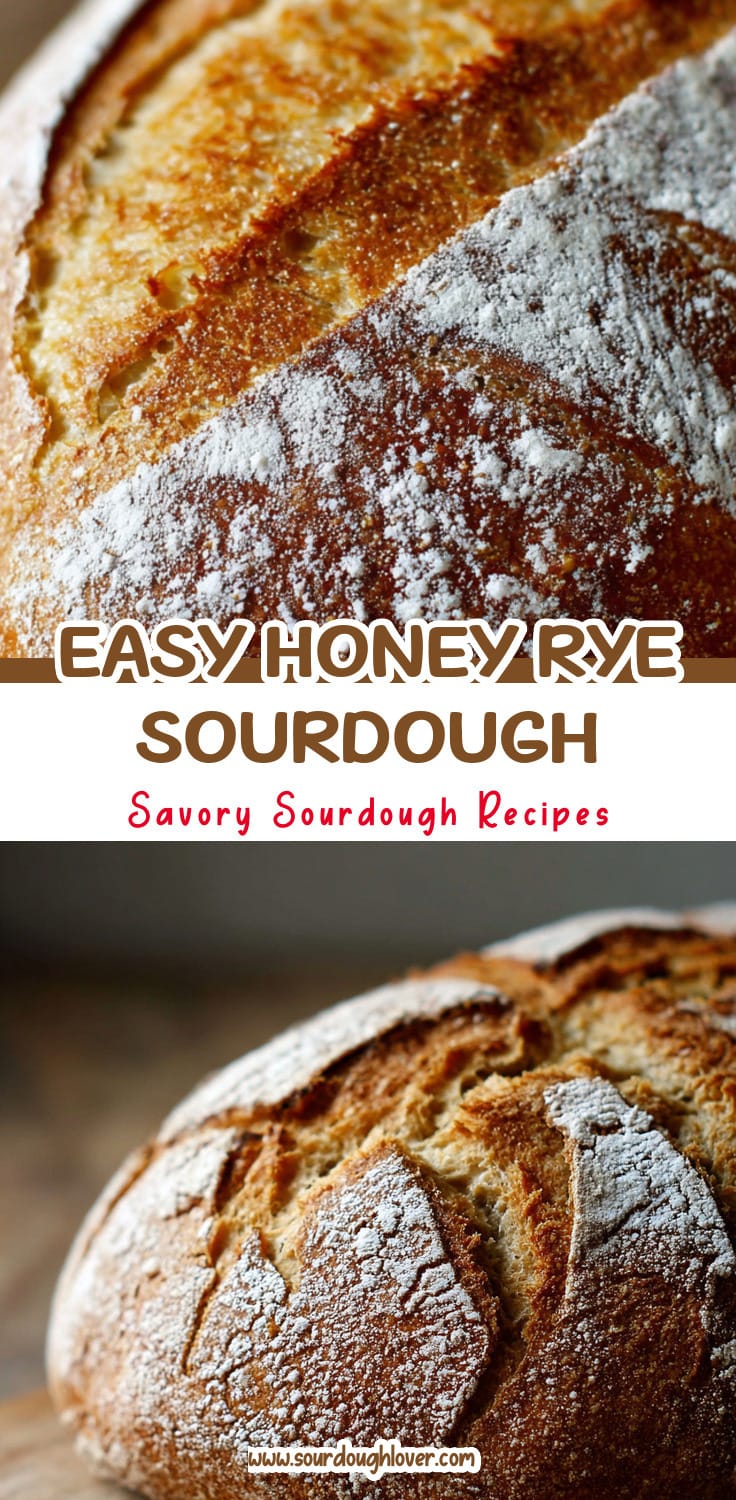
Baking this honey rye sourdough loaf is a rewarding process, and these steps are designed to guide you smoothly from start to finish. Pay attention to the visual cues, as they are often the best indicators of progress in sourdough baking.
- Mixing the Dough (Autolyse): In a large mixing bowl, combine the warm water, active sourdough starter, and honey. Stir gently until the starter is mostly dissolved. Add the bread flour and rye flour, mixing with a wooden spoon or your hands until no dry spots remain. It will be a shaggy, somewhat sticky dough. Cover the bowl with a damp towel or plastic wrap and let it rest for 30 minutes to 1 hour. This resting period, called autolyse, allows the flours to fully hydrate.
- Adding the Salt and Initial Mixing: After the autolyse, sprinkle the salt over the dough. Using wet hands, gently work the salt into the dough by squeezing and folding it for about 2-3 minutes. The dough will feel a bit more cohesive.
- Bulk Fermentation with Stretch and Folds: Cover the bowl again. Over the next 3-4 hours, perform a series of “stretch and folds” every 30-45 minutes. To do this, lightly wet your hands, grab a portion of the dough from one side, stretch it upwards, and fold it over to the center. Rotate the bowl and repeat this process 3-4 times until you’ve worked your way around the dough. This builds strength in the dough. You’ll notice the dough becoming smoother and more elastic with each set of folds. After the last set of folds, let the dough rest, covered, until it has increased in volume by about 30-50% and feels bubbly and alive. This is the bulk fermentation.
- Pre-Shaping the Loaf: Gently turn the dough out onto a lightly floured surface. Avoid deflating it too much. Lightly shape the dough into a round or oblong shape, depending on your desired final loaf. Let it rest, uncovered, for 20-30 minutes. This allows the gluten to relax, making final shaping easier.
- Final Shaping and Proofing: Lightly flour your hands and the dough. Gently shape the dough into its final form, creating tension on the surface. If using a round banneton, shape it into a boule (round). If using an oval banneton, shape it into a batard (oval). Place the shaped dough seam-side up into a lightly floured banneton or a bowl lined with a floured kitchen towel. Cover the banneton/bowl with plastic wrap or a shower cap. Proof in the refrigerator for 8-12 hours (this is a cold proof, which develops flavor) or at room temperature for 1-3 hours until it looks puffy and springs back slowly when gently poked.
- Preheating Oven and Baking: About 45 minutes before you’re ready to bake, place a Dutch oven (with its lid) into your oven and preheat to 450°F (232°C). Once preheated, carefully remove the hot Dutch oven. Gently invert the dough from the banneton into the hot Dutch oven. Score the top of the dough with a sharp knife or razor blade (a simple cross or a single slash is common).
- Baking with and Without Lid: Place the lid back on the Dutch oven and bake for 30 minutes. Remove the lid and continue baking for another 10-15 minutes, or until the crust is deeply golden brown and the internal temperature reaches 200-210°F (93-99°C).
- Cooling the Loaf: Carefully remove the bread from the Dutch oven and transfer it to a wire rack. Let it cool completely for at least 1-2 hours before slicing. This cooling period is crucial for the internal structure to set and for the flavors to fully develop. Slicing too early can result in a gummy texture.
Easy Variations And Serving Ideas That Fit Real Life
This honey rye sourdough loaf is delicious on its own, but there are many ways to adapt it and serve it to fit various tastes and occasions. These ideas are practical and won’t add much extra time or complexity.
For a slightly different texture, you can add a handful of seeds to the dough during the initial mixing stage. Sunflower seeds, pumpkin seeds, or a mix of sesame and flax seeds would all be wonderful. This adds a pleasant crunch and extra nutrients. If you like a hint of spice, a teaspoon of caraway seeds can be incorporated with the flours, which pairs beautifully with rye. For a sweeter loaf, you could gently fold in a quarter cup of dried cranberries or chopped raisins during the pre-shaping step, making it a lovely breakfast bread.
When it comes to serving, this bread is incredibly versatile. It makes fantastic toast, especially with butter and a drizzle of extra honey. For lunch, it’s a sturdy base for open-faced sandwiches with cream cheese and smoked salmon, or a hearty turkey and Swiss. Serve it alongside a comforting bowl of homemade soup or a fresh green salad for a simple yet satisfying meal. For a family dinner, slice it thick and serve it with olive oil for dipping. It also pairs wonderfully with

FAQs
- Can I make these ahead? Yes—prep ahead, refrigerate, then serve when ready.
- How long do leftovers last? Store covered in the fridge for 3–4 days for best texture.
- Can I adjust sweetness? Yes—add more or less sweetener to taste.
- Can I change the fruit? Yes—swap strawberries for blueberries, raspberries, or sliced banana.