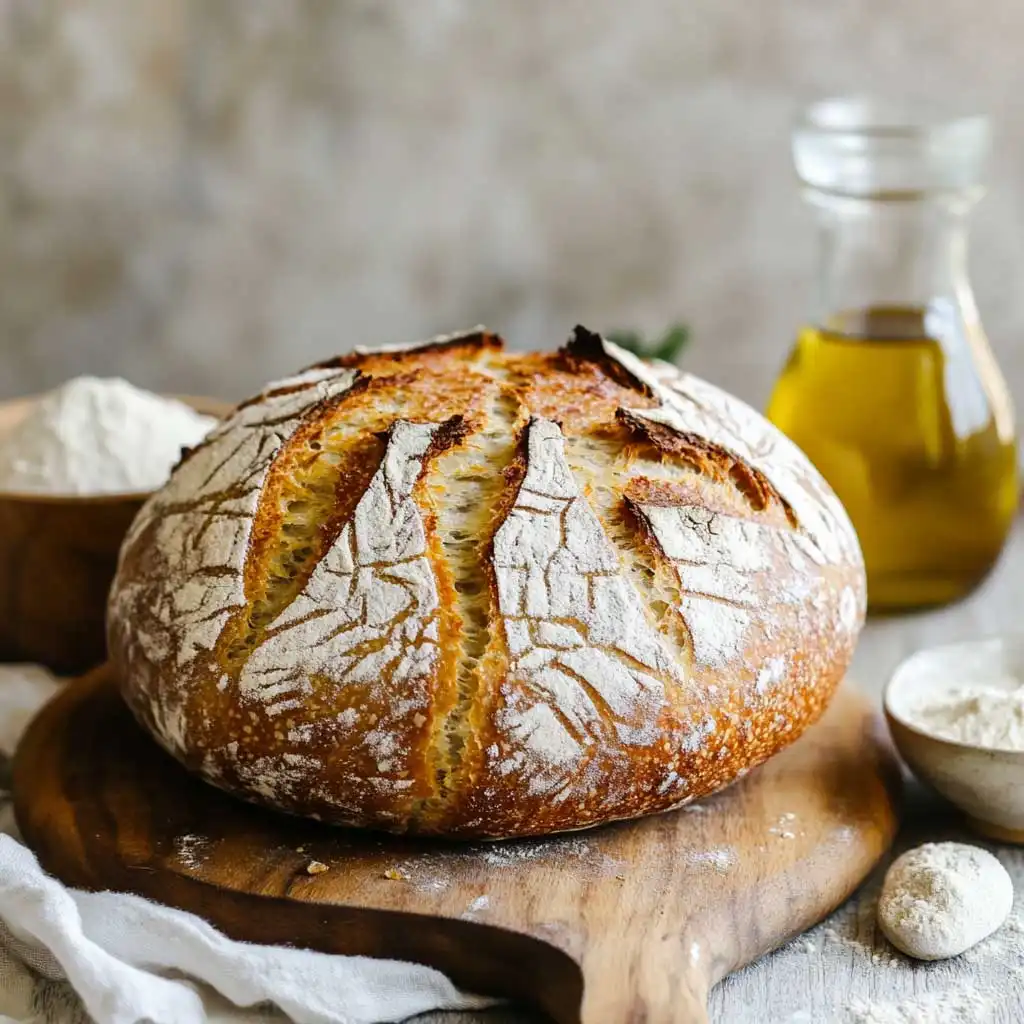

Keeping a sourdough starter happy and healthy is one of the most rewarding parts of homemade baking.

It’s like having a pet that helps you create delicious bread, pancakes, and so much more. But just like any living thing, your starter needs proper care and regular feeding to thrive.
This guide will walk you through the simple, essential steps to feed your sourdough starter correctly. Whether you’re a seasoned baker or just starting your sourdough journey, mastering this fundamental technique will ensure your starter is always bubbly, active, and ready to bring your baking dreams to life.
Table of Contents
- What You’ll Love About This Quick And Easy Recipe
- Everything You Need To Make This Recipe Without Stress
- Time Needed From Start To Finish
- How To Make It Step By Step With Visual Cues
- Easy Variations And Serving Ideas That Fit Real Life
- Common Slip-Ups And How To Avoid Them
- How To Store It And Make It Ahead Without Ruining Texture

How to Feed Your Sourdough Starter
- Total Time: 3-5 minutes (active feeding)
- Yield: 1 active sourdough starter
Description
This guide provides simple, essential steps to feed your sourdough starter correctly, ensuring it is always bubbly, active, and ready for baking. It covers ingredients, tools, and a step-by-step process for maintaining a healthy starter.
Ingredients
Instructions
1. Prepare Your Workspace: Gather your sourdough starter jar, unbleached flour, filtered water, a clean spoon or spatula, and a kitchen scale for accuracy.
2. Assess Your Starter: Look at your starter. Does it have bubbles? Does it smell yeasty and slightly sour, like yogurt? If it’s been a while since its last feed, it might look a bit flat or have a layer of dark liquid (hooch) on top, which is normal.
3. Discard Excess Starter: This is a crucial step to prevent your starter from growing too large and to ensure it gets enough fresh food. Gently stir your starter. Measure out about 20-50 grams (or about 2-4 tablespoons) of your active starter into a clean jar. Discard the rest, or save it for discard recipes like crackers or pancakes.
4. Add Water: To your measured starter, add an equal weight of filtered, room-temperature water. For example, if you kept 30 grams of starter, add 30 grams of water. Stir well with a clean spoon or spatula until the starter is fully dissolved in the water and no lumps remain.
5. Incorporate Flour: Now, add an equal weight of flour to the mixture. If you used 30 grams of starter and 30 grams of water, add 30 grams of flour. Mix thoroughly until all the flour is incorporated and there are no dry spots. The mixture should be thick but pourable, like a thick pancake batter.
6. Scrape Down the Sides: Use your spatula to scrape down any flour or starter clinging to the sides of the jar. This keeps your jar clean and helps prevent mold.
7. Mark the Level: Place a rubber band or use a marker on the outside of the jar to indicate the current level of your freshly fed starter. This will help you visually track its rise and fall, indicating its activity.
8. Cover and Rest: Loosely cover the jar with its lid or plastic wrap. Do not seal it tightly, as the starter needs to breathe. Leave it at room temperature (ideally 70-78 F or 21-26 C) until it doubles or triples in size and is bubbly and active, typically 4-12 hours. Once active, it’s ready to use in your baking or can be refrigerated if you won’t be baking soon.
- Prep Time: 2-3 minutes
- Cook Time: N/A
- Category: baking
- Method: feeding
- Cuisine: american
Nutrition
- Serving Size: N/A
Keywords: sourdough, starter, feeding, baking, bread, maintenance, yeast, flour, water, active
What You’ll Love About This Quick And Easy Recipe
This guide is perfect for anyone who has a sourdough starter and wants to ensure it stays vibrant and ready for action. It’s ideal for beginners who might feel a little intimidated by the process, offering clear, straightforward instructions that demystify feeding. Even experienced bakers can benefit from a refresher on best practices. You’ll love how quickly you can complete this essential task, fitting it easily into a busy day. This isn’t a recipe for a meal, but rather a foundational skill that unlocks countless baking possibilities, ensuring your starter is always at its peak performance for your next loaf of bread, batch of bagels, or stack of fluffy pancakes.
Everything You Need To Make This Recipe Without Stress
Feeding your sourdough starter requires just a few basic ingredients and tools, most of which you likely already have in your kitchen. The key is consistency and using the right proportions to maintain a healthy balance. Don’t worry about fancy equipment; simplicity is often best when it comes to sourdough care.
INGREDIENTS:
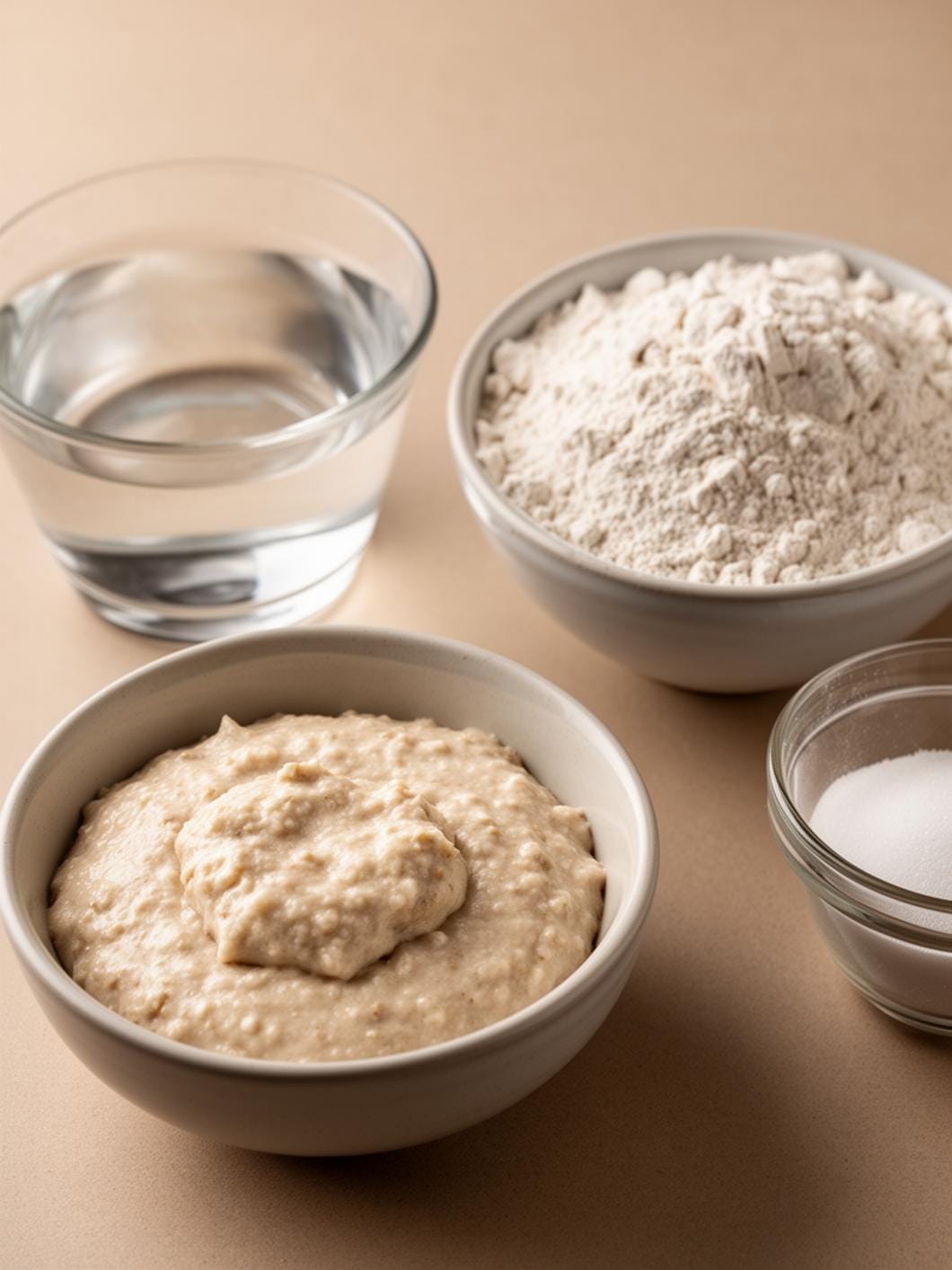
- Sourdough starter
- Unbleached all-purpose flour or bread flour
- Filtered water (room temperature)
For the flour, unbleached all-purpose flour is a great choice for everyday feeding as it’s readily available and provides good nutrition for your starter. Bread flour also works wonderfully, offering a slightly higher protein content that some starters enjoy. Avoid bleached flours, as the bleaching process can sometimes inhibit yeast activity. When it comes to water, filtered water is preferred to avoid chlorine, which can be detrimental to the beneficial microbes in your starter. If you don’t have filtered water, you can leave tap water out in an open container for a few hours to allow the chlorine to dissipate.
Time Needed From Start To Finish
The actual hands-on time for feeding a sourdough starter is incredibly minimal, making it a quick and easy routine to incorporate into your day.
- Prep Time: 2-3 minutes
- Active Feeding Time: 1-2 minutes
- Total Time: 3-5 minutes (for the feeding process itself)
Keep in mind that after feeding, your starter will need several hours (typically 4-12 hours, depending on ambient temperature and starter activity) to become fully active and ready for baking. This “waiting time” is not hands-on, but it’s an important part of the overall process before you can use it.
How To Make It Step By Step With Visual Cues

Feeding your sourdough starter is a simple process once you understand the steps. The goal is to provide fresh “food” (flour and water) to the yeast and bacteria, keeping them active and happy.
- Prepare Your Workspace: Gather your sourdough starter jar, unbleached flour, filtered water, a clean spoon or spatula, and a kitchen scale for accuracy.
- Assess Your Starter: Look at your starter. Does it have bubbles? Does it smell yeasty and slightly sour, like yogurt? If it’s been a while since its last feed, it might look a bit flat or have a layer of dark liquid (hooch) on top, which is normal.
- Discard Excess Starter: This is a crucial step to prevent your starter from growing too large and to ensure it gets enough fresh food. Gently stir your starter. Measure out about 20-50 grams (or about 2-4 tablespoons) of your active starter into a clean jar. Discard the rest, or save it for discard recipes like crackers or pancakes.
- Add Water: To your measured starter, add an equal weight of filtered, room-temperature water. For example, if you kept 30 grams of starter, add 30 grams of water. Stir well with a clean spoon or spatula until the starter is fully dissolved in the water and no lumps remain.
- Incorporate Flour: Now, add an equal weight of flour to the mixture. If you used 30 grams of starter and 30 grams of water, add 30 grams of flour. Mix thoroughly until all the flour is incorporated and there are no dry spots. The mixture should be thick but pourable, like a thick pancake batter.
- Scrape Down the Sides: Use your spatula to scrape down any flour or starter clinging to the sides of the jar. This keeps your jar clean and helps prevent mold.
- Mark the Level: Place a rubber band or use a marker on the outside of the jar to indicate the current level of your freshly fed starter. This will help you visually track its rise and fall, indicating its activity.
- Cover and Rest: Loosely cover the jar with its lid or plastic wrap. Do not seal it tightly, as the starter needs to breathe. Leave it at room temperature (ideally 70-78°F or 21-26°C) until it doubles or triples in size and is bubbly and active, typically 4-12 hours. Once active, it’s ready to use in your baking or can be refrigerated if you won’t be baking soon.
Easy Variations And Serving Ideas That Fit Real Life
While feeding is a standard process, you can adapt your starter’s diet slightly based on your baking needs. For example, if you primarily bake whole wheat bread, you might introduce a small percentage of whole wheat flour into your starter’s feed to help it adapt to that grain. You can also experiment with rye flour, which can give your starter a very robust and active boost.
- Classic Sourdough Bread: The ultimate goal for many sourdough enthusiasts.
- Sourdough Pancakes or Waffles: A fantastic way to use up discard or a small amount of active starter for a tangy breakfast.
- Sourdough Pizza Dough: Creates a wonderfully chewy and flavorful crust.
- Sourdough Discard Crackers: A savory snack that uses up the portion you remove before feeding.
- Sourdough Biscuits or Scones: Adds a delightful tang and tender crumb to these baked goods.
Having a well-fed starter means you’re always just a few steps away from these homemade treats, perfect for family breakfasts, casual dinners, or even a special brunch.
Common Slip-Ups And How To Avoid Them
Even with a simple process like feeding a sourdough starter, there are a few common mistakes beginners often make. Knowing these can help you keep your starter healthy and avoid frustration.
- Using Too Much Starter: A common mistake is not discarding enough starter. If you keep too much, your starter will have too many microbes competing for the limited food you provide, leading to a weak, hungry starter that doesn’t rise well. Always aim for a small amount of “seed” starter for your feed.
- Incorrect Ratios: The 1:1:1 ratio (starter:water:flour by weight) is a great starting point. Deviating too much, especially by adding too much water or not enough flour, can make your starter too runny and slow its activity. Using a kitchen scale is highly recommended for accuracy.
- Using Chlorinated Water: Chlorine in tap water can kill the beneficial bacteria and yeast in your starter. Always use filtered water, or let tap water sit out for several hours to allow the chlorine to dissipate.
- Sealing the Jar Tightly: Sourdough starters produce gases as they ferment. If the jar is sealed tightly, pressure can build up, and in extreme cases, the jar could even burst. Always use a loose-fitting lid or cover with plastic wrap that isn’t airtight.
- Inconsistent Feeding Schedule: Starters thrive on routine. If you’re keeping it at room temperature, feeding it every 12 or 24 hours is ideal. Inconsistent feeding can lead to a sluggish or overly sour starter. If you can’t feed it regularly, store it in the refrigerator (and feed once a week).
- Not Mixing Thoroughly: Dry pockets of flour can become breeding grounds for mold. Ensure you mix your starter, water, and flour until there are no dry streaks or lumps.
How To Store It And Make It Ahead Without Ruining Texture
Proper storage is key to maintaining your sourdough starter’s health and activity, especially if you don’t bake every day.
- Room Temperature Storage (Active Use): If you bake frequently (daily or every other day), you can keep your starter on the counter at room temperature. Feed it every 12-24 hours using the steps outlined above. An active starter kept at room temperature will be ready to use within 4-12 hours after feeding.
- **Refrigerator Storage

FAQs
- Can I make these ahead? Yes—prep ahead, refrigerate, then serve when ready.
- How long do leftovers last? Store covered in the fridge for 3–4 days for best texture.
- Can I adjust sweetness? Yes—add more or less sweetener to taste.
- Can I change the fruit? Yes—swap strawberries for blueberries, raspberries, or sliced banana.