
Embarking on the journey of homemade sourdough might seem daunting, but it’s an incredibly rewarding experience that opens up a world of delicious baking.

This guide is designed specifically for beginners, breaking down the process into simple, manageable steps. You don’t need any special skills or fancy equipment to get started, just a few basic ingredients and a little patience.
Creating your own sourdough starter from scratch is the foundation for incredible artisan bread, pizzas, and so much more. This straightforward recipe will walk you through everything you need to know to cultivate a vibrant, active starter that’s ready to bring life to your baking projects. Get ready to transform simple flour and water into a living, bubbling culture!
Table of Contents
- What You’ll Love About This Quick And Easy Recipe
- Everything You Need To Make This Recipe Without Stress
- Time Needed From Start To Finish
- How To Make It Step By Step With Visual Cues
- Easy Variations And Serving Ideas That Fit Real Life
- Common Slip-Ups And How To Avoid Them
- How To Store It And Make It Ahead Without Ruining Texture

Beginner Sourdough Starter
- Total Time: 7-10 days
- Yield: 1 active sourdough starter 1x
Description
This guide simplifies the process of creating a sourdough starter from scratch, perfect for beginners. It covers everything from initial mixing to daily feeding and maintenance, enabling you to cultivate a vibrant, active starter for various baking projects.
Ingredients
Instructions
1. Day 1: The Beginning: In a clean, clear glass jar (a quart-sized mason jar works well), combine 1/2 cup of unbleached all-purpose or whole wheat flour with 1/4 cup of filtered water. Mix thoroughly with a fork or spatula until there are no dry spots and it forms a thick paste. Scrape down the sides of the jar, cover loosely with a lid, plastic wrap, or a clean kitchen towel (allowing air to circulate), and leave it at room temperature (ideally 70-75 F) for 24 hours.
2. Day 2: First Feeding: Discard about half of your starter. To the remaining starter, add 1/4 cup of flour and 2 tablespoons of filtered water. Mix well, scrape down the sides, cover loosely, and return to room temperature for another 24 hours.
3. Day 3-7: Daily Feedings: Each day, discard about half of the starter, then feed it with 1/4 cup of flour and 2 tablespoons of filtered water. Mix well, cover loosely, and let it sit at room temperature. You should start to see bubbles forming and a yeasty smell.
4. Observing Activity: Your starter should become more active after each feeding, rising, becoming bubbly, and then falling. It should consistently double in size within 4-8 hours after feeding and be full of bubbles.
5. The Float Test (Optional but Helpful): Drop a small spoonful of starter into a glass of water. If it floats, it’s active and ready to bake with. If it sinks, it needs more time and consistent feeding.
6. Maintaining Your Active Starter: If baking frequently, feed daily at room temperature. If baking less often, store in the refrigerator and feed once a week. Remember to take it out, feed it, and let it come to room temperature and become active again before baking.
- Prep Time: 5 minutes per day
- Cook Time: 0 minutes
- Category: baking
- Method: fermentation
- Cuisine: american
Nutrition
- Serving Size: 1 starter
Keywords: sourdough, starter, baking, fermentation, bread, homemade, easy, beginner, flour, water
What You’ll Love About This Quick And Easy Recipe
This recipe is a game-changer for anyone looking to dive into the world of sourdough without feeling overwhelmed. It works because it simplifies what can often seem like a complex process, focusing on consistency and observation rather than intricate techniques. This guide is perfect for new bakers, busy parents, or anyone who wants to enjoy the satisfaction of baking with their own homemade starter. You can start this project any day of the week, fitting it easily into your routine, and in just about a week, you’ll have a thriving starter ready to make incredible bread. It’s a wonderful way to introduce natural fermentation into your kitchen and enjoy healthier, more flavorful baked goods.
Everything You Need To Make This Recipe Without Stress
Making a sourdough starter requires surprisingly few ingredients, most of which you probably already have in your pantry. The key is using good quality, unbleached flour and filtered water to give your starter the best chance to thrive. You’ll also need a few basic kitchen tools.
INGREDIENTS:
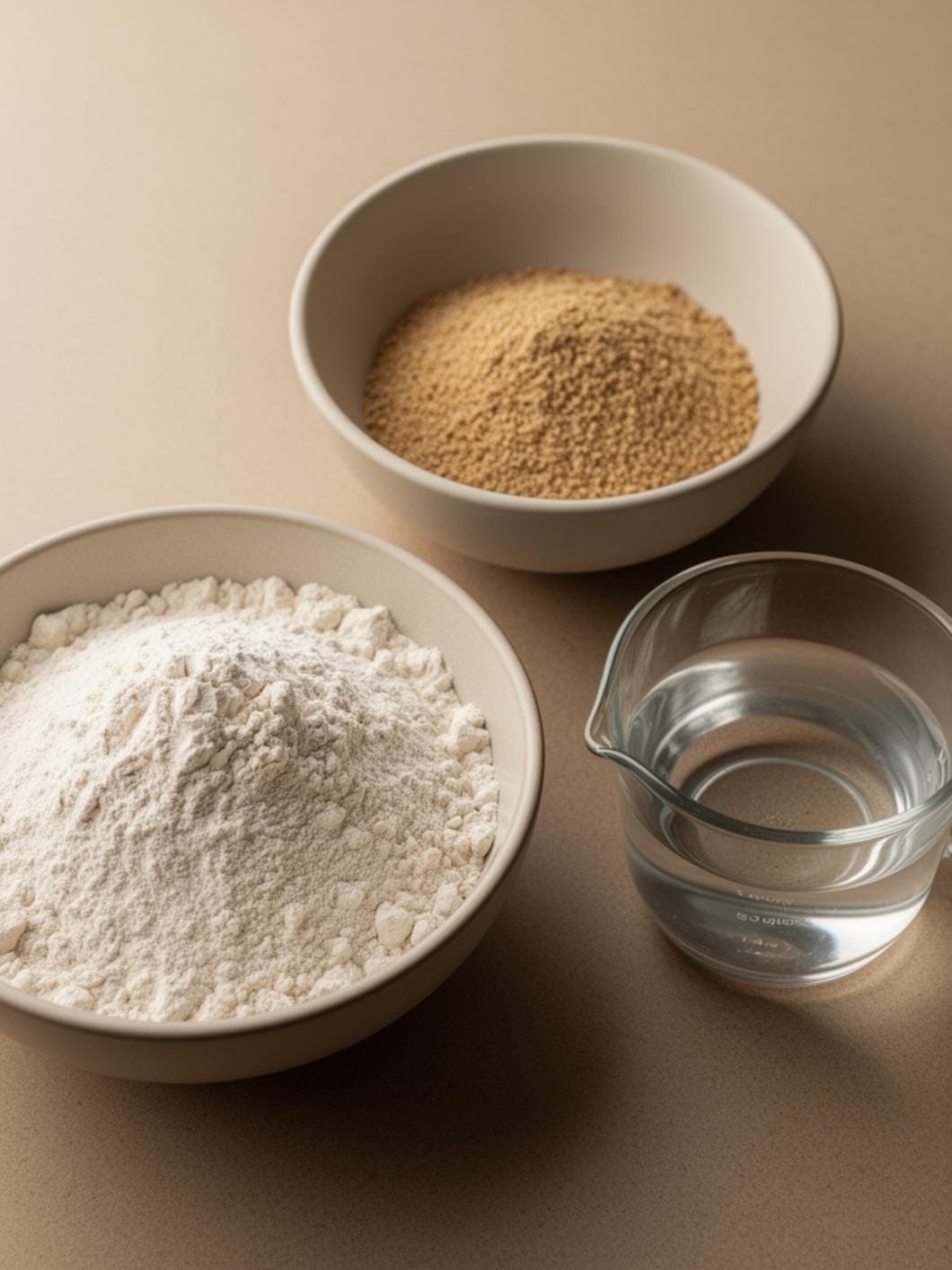
- 1/2 cup unbleached all-purpose flour or whole wheat flour
- 1/4 cup filtered water (room temperature)
For the flour, unbleached all-purpose flour is a great starting point because it’s widely available and easy to work with. Some beginners prefer to start with whole wheat flour for the first few days as it contains more nutrients that can help kickstart fermentation, then transition to all-purpose. Either option works well. For the water, using filtered water is important because chlorine in tap water can inhibit the growth of beneficial bacteria. If you don’t have a filter, you can let tap water sit out in an open container for 24 hours to allow the chlorine to dissipate.
Time Needed From Start To Finish
Creating an active sourdough starter is more about consistent daily feeding than it is about intense hands-on time.
Prep Time: 5 minutes per day Active Time: 5 minutes per day Total Time (to active starter): 7-10 days
While the active time each day is minimal, it’s crucial to commit to the daily feeding schedule for about a week to ten days until your starter is consistently bubbly and active.
How To Make It Step By Step With Visual Cues

Follow these simple steps to cultivate your very own active sourdough starter. Remember, consistency is key!
- Day 1: The Beginning In a clean, clear glass jar (a quart-sized mason jar works well), combine 1/2 cup of unbleached all-purpose or whole wheat flour with 1/4 cup of filtered water. Mix thoroughly with a fork or spatula until there are no dry spots and it forms a thick paste. Scrape down the sides of the jar, cover loosely with a lid, plastic wrap, or a clean kitchen towel (allowing air to circulate), and leave it at room temperature (ideally 70-75°F) for 24 hours.
- Day 2: First Feeding You might not see much activity yet, and that’s perfectly normal. Discard about half of your starter (this helps manage the volume and concentrates the food for the remaining starter). To the remaining starter, add 1/4 cup of flour and 2 tablespoons of filtered water. Mix well, scrape down the sides, cover loosely, and return to room temperature for another 24 hours.
- Day 3-7: Daily Feedings From day 3 onwards, you’ll continue the same feeding routine daily. Each day, discard about half of the starter, then feed it with 1/4 cup of flour and 2 tablespoons of filtered water. Mix well, cover loosely, and let it sit at room temperature. Around day 3 or 4, you might start to see small bubbles forming on the surface and along the sides of the jar, and it might smell slightly yeasty or like ripe fruit. This is a good sign!
- Observing Activity As your starter develops, you should notice it becoming more active after each feeding. It will rise, become bubbly, and then fall back down before the next feeding. A good indicator of readiness is when your starter consistently doubles in size within 4-8 hours after feeding and is full of bubbles.
- The Float Test (Optional but Helpful) Once your starter consistently doubles in size, you can perform a float test. Drop a small spoonful of starter into a glass of water. If it floats, it’s active and ready to bake with! If it sinks, it needs a bit more time and consistent feeding.
- Maintaining Your Active Starter Once your starter is active and ready, you can continue to feed it daily at room temperature if you plan to bake frequently. If you bake less often, you can store your fed starter in the refrigerator. When storing in the fridge, feed it once a week. Remember to take it out, feed it, and let it come to room temperature and become active again for several hours (or overnight) before you plan to bake.
Easy Variations And Serving Ideas That Fit Real Life
While a sourdough starter isn’t a dish to be served, its purpose is to create delicious baked goods. Once your starter is active, the possibilities are endless!
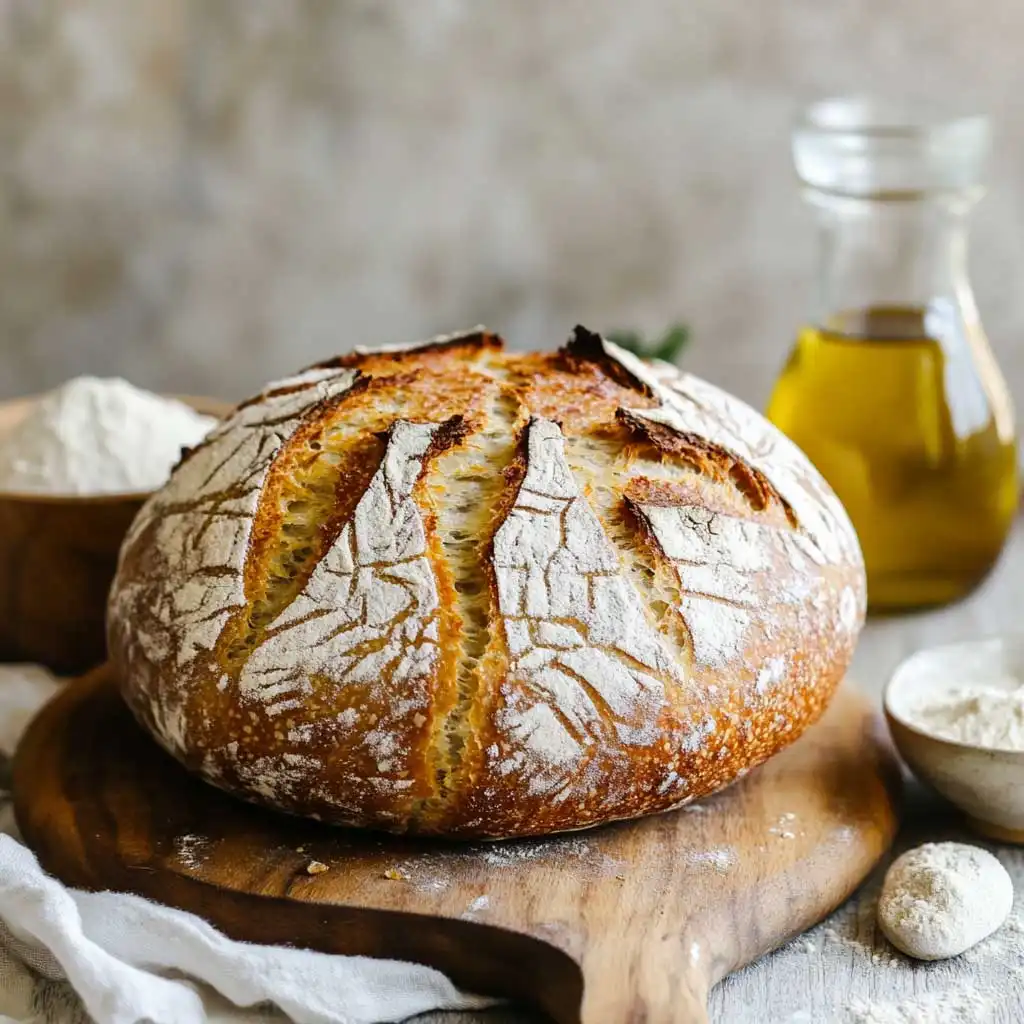
- Classic Sourdough Bread: This is the most obvious and rewarding use. The tangy flavor and chewy texture of homemade sourdough bread are unparalleled.
- Sourdough Pancakes or Waffles: Use your discard (the portion you remove before feeding) to make light, fluffy, and slightly tangy pancakes or waffles. It’s a fantastic way to avoid waste!
- Sourdough Pizza Dough: Elevate your homemade pizza nights with a flavorful sourdough crust. The fermentation adds depth and a wonderful texture.
- Sourdough Crackers: Another great use for discard, these crackers are crispy, savory, and perfect with cheese or dips.
- Sourdough Biscuits: Enjoy tender, flaky biscuits with a subtle sourdough tang, perfect for breakfast or alongside a hearty meal.
- Sourdough Discard Muffins: Add a unique flavor to your favorite muffin recipe by incorporating some unfed sourdough discard.
Common Slip-Ups And How To Avoid Them
Even though making a sourdough starter is simple, there are a few common pitfalls beginners encounter.
- Using Chlorinated Water: Chlorine can kill the beneficial microbes you’re trying to cultivate. Always use filtered or dechlorinated water. If you don’t have a filter, let tap water sit out for 24 hours.
- Not Discarding Enough Starter: Discarding half of your starter before feeding might seem wasteful, but it’s crucial. It ensures the remaining starter has enough food to thrive and prevents it from becoming too acidic or running out of nutrients.
- Inconsistent Feeding Schedule: Sourdough starters thrive on routine. Try to feed your starter around the same time each day, especially in the initial stages.
- Too Cold or Too Hot Environment: Extreme temperatures can hinder activity. Aim for a consistent room temperature between 70-75°F. If your kitchen is cooler, your starter might take longer to become active. If it’s too warm, it might become active too quickly and then “starve.”
- Using Bleached Flour: Bleached flour lacks some of the natural microbes and nutrients found in unbleached flour, which are essential for kickstarting and sustaining your starter. Stick to unbleached varieties.
- Airtight Container: Covering your starter too tightly can prevent air exchange, which is important for the initial fermentation process. Always cover it loosely to allow some air circulation.
- Giving Up Too Soon: Sometimes a starter can seem sluggish for a few days, especially around day 2 or 3. Don’t worry! Keep up with the consistent feeding, and it will usually perk up. Patience is a virtue in sourdough making.
How To Store It And Make It Ahead Without Ruining Texture
Once your sourdough starter is active and consistently doubling after feeding, you have a few options for storage depending on how often you plan to bake.
- Room Temperature Storage (Daily Baking): If you plan to bake frequently (every day or every other day), you can keep your starter on the counter at room temperature. Feed it once every 12-24 hours. This keeps it very active and ready to use at a moment’s notice.
- Refrigerator Storage (Weekly Baking): For less frequent baking (once a week or less), storing your starter in the refrigerator is ideal. Once your starter is active and has been fed, place it in a clean jar, cover it loosely,
FAQs
- Can I make these ahead? Yes—prep ahead, refrigerate, then serve when ready.
- How long do leftovers last? Store covered in the fridge for 3–4 days for best texture.
- Can I adjust sweetness? Yes—add more or less sweetener to taste.
- Can I change the fruit? Yes—swap strawberries for blueberries, raspberries, or sliced banana.