
Keeping your sourdough starter happy and healthy in the fridge is easier than you might think.
This method is perfect for busy bakers who don’t want to feed their starter daily but still want it ready to go for delicious homemade bread.
This guide will walk you through the simple steps to successfully store your sourdough starter in the refrigerator, ensuring it stays vibrant and active for when you’re ready to bake.
Table of Contents
- What You’ll Love About This Quick And Easy Recipe
- Everything You Need To Make This Recipe Without Stress
- Time Needed From Start To Finish
- How To Make It Step By Step With Visual Cues
- Easy Variations And Serving Ideas That Fit Real Life
- Common Slip-Ups And How To Avoid Them
- How To Store It And Make It Ahead Without Ruining Texture
- Questions People Always Ask Before Making This Recipe

How to Store Sourdough Starter in the Fridge
- Total Time: 4-12 hours (including activation)
- Yield: 1 active sourdough starter
Description
Learn the simple steps to successfully store your sourdough starter in the refrigerator, ensuring it stays vibrant and active for when you’re ready to bake. This method is perfect for busy bakers who don’t want to feed their starter daily but still want it ready to go for delicious homemade bread.
Ingredients
Instructions
1. Feed Your Starter: Take your active sourdough starter out of the fridge (if it’s already stored there) or from your counter. Discard all but about 50-100 grams of your starter. This helps maintain a manageable amount and ensures your starter gets a fresh meal.
2. Add Flour and Water: To the remaining starter, add an equal weight of flour and water. For example, if you have 50 grams of starter, add 50 grams of flour and 50 grams of filtered water. Use your kitchen scale for precise measurements.
3. Mix Thoroughly: Stir the mixture well with a rubber spatula or spoon until all the flour is fully incorporated and there are no dry pockets. The mixture should have a consistency similar to thick pancake batter.
4. Let It Activate: Cover your starter loosely with a lid or plastic wrap and let it sit at room temperature for 4-12 hours. You are looking for signs of activity: bubbles forming on the surface, an increase in volume (it should double or almost double), and a pleasant, slightly sour aroma. This step is crucial; you want to refrigerate an active, well-fed starter, not a hungry one.
5. Prepare for Storage: Once your starter has peaked or is very active, give it one last gentle stir. Make sure your storage jar is clean and dry.
6. Transfer to Fridge: Place the loosely covered jar of active starter into the refrigerator. A loose-fitting lid or plastic wrap with a small vent is important to prevent pressure buildup while still protecting it from drying out.
7. Weekly Check-In (Optional but Recommended): While in the fridge, your starter can typically go 1-2 weeks without feeding. However, if you plan to store it for longer, or if you notice a layer of dark liquid (hooch) forming on top, it’s a good idea to take it out, discard some, feed it, let it activate, and then return it to the fridge.
- Prep Time: 10 minutes
- Cook Time: 0 minutes
- Category: baking
- Method: fermentation
- Cuisine: american
Nutrition
- Serving Size: 1 starter
Keywords: sourdough, starter, storage, refrigeration, baking, fermentation, bread, maintenance, easy, homemade
What You’ll Love About This Quick And Easy Recipe
This method is a game-changer for anyone who loves baking with sourdough but struggles with the commitment of daily feedings. It’s perfect for home bakers who bake once a week or even less frequently, allowing you to maintain a robust starter with minimal effort. You’ll love the flexibility it offers, freeing up your time while still keeping your starter alive and ready for action. It’s an ideal solution for managing your starter when you go on vacation or simply need a break from the routine. This approach ensures your starter remains healthy and active, ready to produce beautiful loaves whenever inspiration strikes.
Everything You Need To Make This Recipe Without Stress
Maintaining a healthy sourdough starter in the fridge requires just a few basic items and ingredients. The beauty of this method is its simplicity, relying on common kitchen staples you likely already have on hand.
INGREDIENTS:
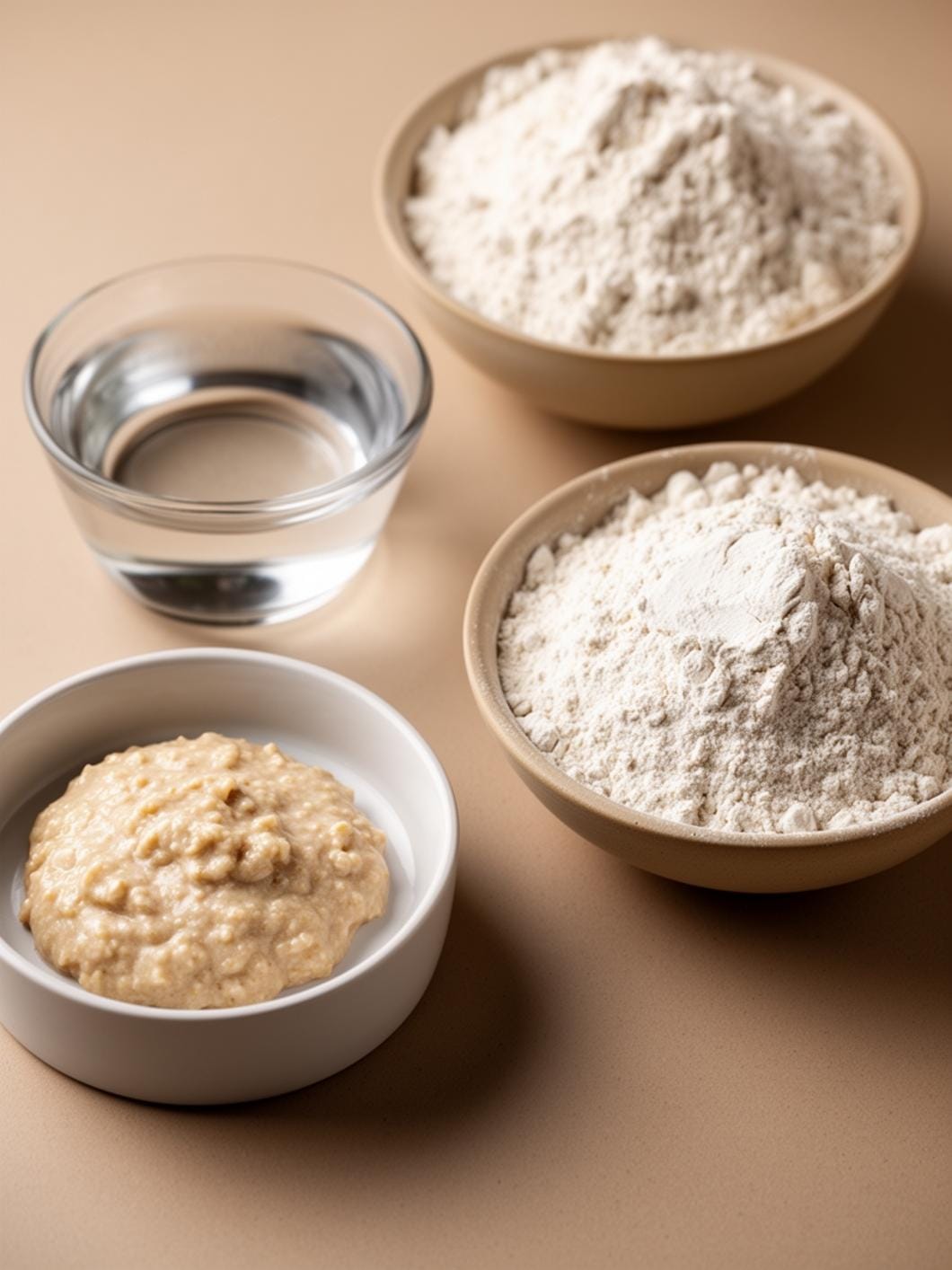
- Active sourdough starter
- All-purpose flour or bread flour
- Filtered water (room temperature)
To ensure success, use good quality flour. All-purpose flour works well, but bread flour can give your starter a bit more strength. Filtered water is always recommended as chlorine in tap water can sometimes inhibit yeast activity. You’ll also need a clean glass jar or container with a loose-fitting lid, a kitchen scale for accurate measurements, and a rubber spatula or spoon for mixing. Avoid using metal utensils or containers for long-term storage, as they can sometimes react with the starter.
Time Needed From Start To Finish
The actual hands-on time for preparing your sourdough starter for refrigeration is very minimal, typically just 5-10 minutes. This includes the feeding process and transferring it to the fridge. However, it’s important to factor in the time it takes for your starter to become active after its feeding, which can be anywhere from 4-12 hours, depending on its vigor and ambient temperature. You want to refrigerate a recently fed and active starter, not one that is hungry or over-fermented. So, while the active prep is quick, the total process from feeding to refrigeration might span half a day.
How To Make It Step By Step With Visual Cues

Preparing your sourdough starter for its refrigerator nap is a straightforward process. Follow these steps to ensure it stays healthy and robust.
- Feed Your Starter: Take your active sourdough starter out of the fridge (if it’s already stored there) or from your counter. Discard all but about 50-100 grams of your starter. This helps maintain a manageable amount and ensures your starter gets a fresh meal.
- Add Flour and Water: To the remaining starter, add an equal weight of flour and water. For example, if you have 50 grams of starter, add 50 grams of flour and 50 grams of filtered water. Use your kitchen scale for precise measurements.
- Mix Thoroughly: Stir the mixture well with a rubber spatula or spoon until all the flour is fully incorporated and there are no dry pockets. The mixture should have a consistency similar to thick pancake batter.
- Let It Activate: Cover your starter loosely with a lid or plastic wrap and let it sit at room temperature for 4-12 hours. You are looking for signs of activity: bubbles forming on the surface, an increase in volume (it should double or almost double), and a pleasant, slightly sour aroma. This step is crucial; you want to refrigerate an active, well-fed starter, not a hungry one.
- Prepare for Storage: Once your starter has peaked or is very active, give it one last gentle stir. Make sure your storage jar is clean and dry.
- Transfer to Fridge: Place the loosely covered jar of active starter into the refrigerator. A loose-fitting lid or plastic wrap with a small vent is important to prevent pressure buildup while still protecting it from drying out.
- Weekly Check-In (Optional but Recommended): While in the fridge, your starter can typically go 1-2 weeks without feeding. However, if you plan to store it for longer, or if you notice a layer of dark liquid (hooch) forming on top, it’s a good idea to take it out, discard some, feed it, let it activate, and then return it to the fridge.
Easy Variations And Serving Ideas That Fit Real Life
While this guide focuses on storing your sourdough starter, the real fun begins when you take it out to bake! A healthy, refrigerated starter can be used for a wide variety of recipes. For a quick family-friendly meal, use your revived starter to make simple sourdough pancakes or waffles on a weekend morning. Kids love helping mix the batter, and the slightly tangy flavor adds a unique twist.
You can also use a portion of your active starter to make sourdough discard recipes, like crackers, flatbreads, or even chocolate chip cookies, which are fantastic for after-school snacks. For a more substantial meal, consider using your starter for a quick focaccia bread to serve alongside dinner. The beauty of having a well-maintained starter is the endless possibilities it opens up for delicious, homemade baked goods.
Common Slip-Ups And How To Avoid Them
Even experienced bakers can encounter issues when storing sourdough starter in the fridge. One common mistake is refrigerating a hungry or inactive starter. If your starter isn’t robust before it goes into cold storage, it may struggle to revive later. Always ensure your starter has been recently fed and is showing strong signs of activity (doubling in size, lots of bubbles) before placing it in the fridge.
Another slip-up is sealing the container too tightly. As your starter ferments, it produces gases. A completely airtight lid can lead to pressure buildup, which can be messy and even dangerous. Always use a lid that allows for some gas exchange, or simply cover it loosely with plastic wrap.
Forgetting about your starter for too long is also a common issue. While the fridge slows down fermentation, it doesn’t stop it entirely. If you leave it for many weeks without feeding, it can become very sluggish or even moldy. Aim to feed it at least every 1-2 weeks if you’re not using it. If you see a thick layer of dark hooch or any mold, it’s best to discard it and start fresh.
How To Store It And Make It Ahead Without Ruining Texture
The refrigerator method is inherently a “make-ahead” strategy for your sourdough starter. By storing it in the fridge, you are essentially pausing its activity, making it ready for baking whenever you are. When you’re ready to bake, simply take your starter out of the fridge, discard all but a small amount (e.g., 50g), and feed it with equal parts flour and water. Let it sit at room temperature, feeding it every 8-12 hours until it’s consistently active and doubling in size again. This usually takes 1-3 feedings, depending on how long it was in the fridge and its initial vigor.
Once it’s active, you can use it in your recipes. Any leftover active starter can then be fed again and returned to the fridge for its next long rest. This cycle ensures you always have a healthy, ready-to-use starter without the daily commitment. There’s no “reheating” involved with starter; it’s about reactivating it to its full potential.
Questions People Always Ask Before Making This Recipe
How long can I store sourdough starter in the fridge? You can typically store a healthy, well-fed sourdough starter in the fridge for 1-2 weeks without needing to feed it. Some robust starters can go longer, up to 3-4 weeks, but regular feeding is recommended for optimal health.
What is “hooch” and what should I do about it? Hooch is the dark liquid that can accumulate on top of your sourdough starter when it’s hungry. It’s a sign that your starter has consumed most of its food. A light-colored hooch is usually fine; just pour it off, discard some starter, and feed it. Dark hooch indicates a very hungry starter, which might need a few extra feedings to revive.
Do I need to feed my starter before putting it in the fridge? Yes, it’s crucial to feed your starter and let it become active before placing it in the fridge. Refrigerating a hungry or inactive starter can make it harder to revive later.
How do I revive my sourdough starter after it’s been in the fridge? Take your starter out of the fridge, discard all but a small amount (e.g., 50g), and feed it with equal parts flour and water. Let it sit at room temperature, feeding it every 8-12 hours until it’s consistently active and doubling in size again. This usually takes 1-3 feedings.
Can I freeze sourdough starter? While it’s possible to freeze sourdough starter, it’s generally not recommended for regular use as it can weaken the yeast

FAQs
- Can I make these ahead? Yes—prep ahead, refrigerate, then serve when ready.
- How long do leftovers last? Store covered in the fridge for 3–4 days for best texture.
- Can I adjust sweetness? Yes—add more or less sweetener to taste.
- Can I change the fruit? Yes—swap strawberries for blueberries, raspberries, or sliced banana.