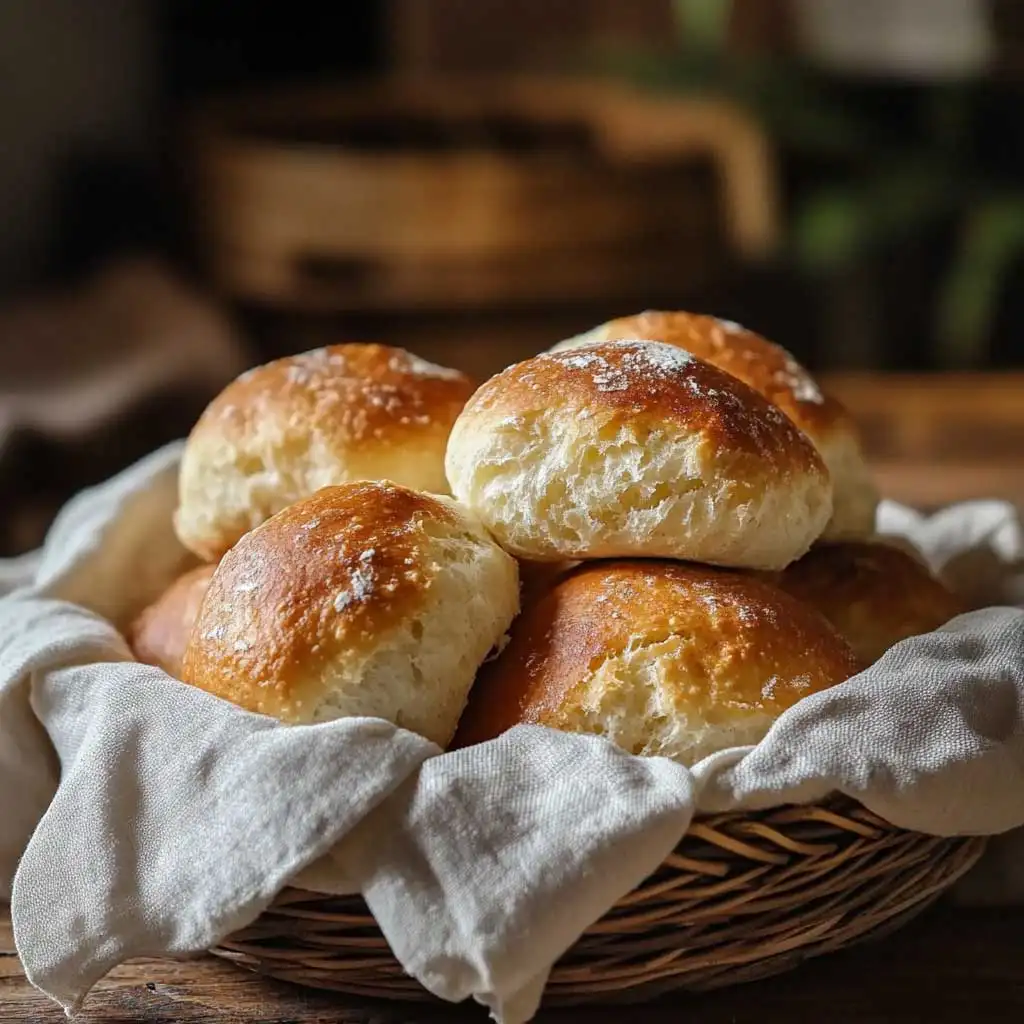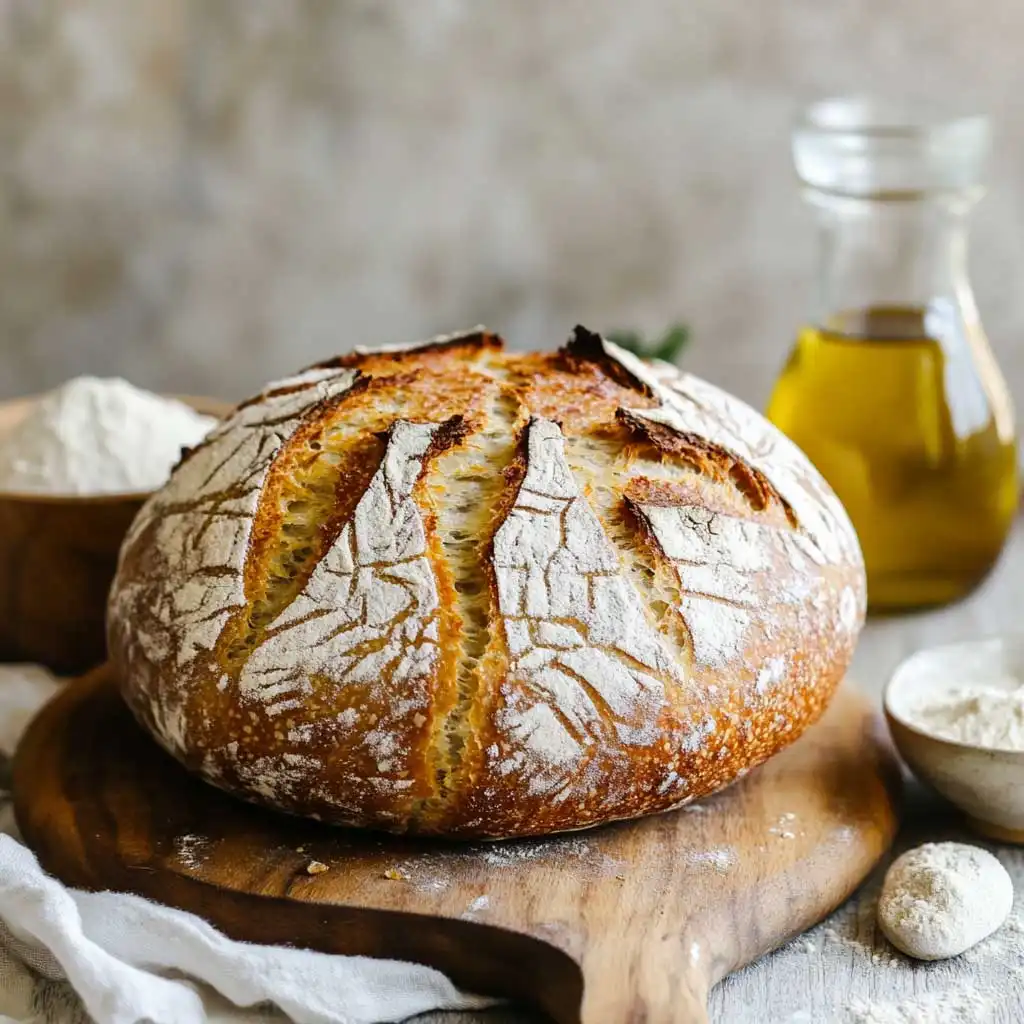

Imagine a warm, comforting bowl of soup, but instead of a ceramic dish, it’s nestled inside a perfectly baked, crusty bread bowl.
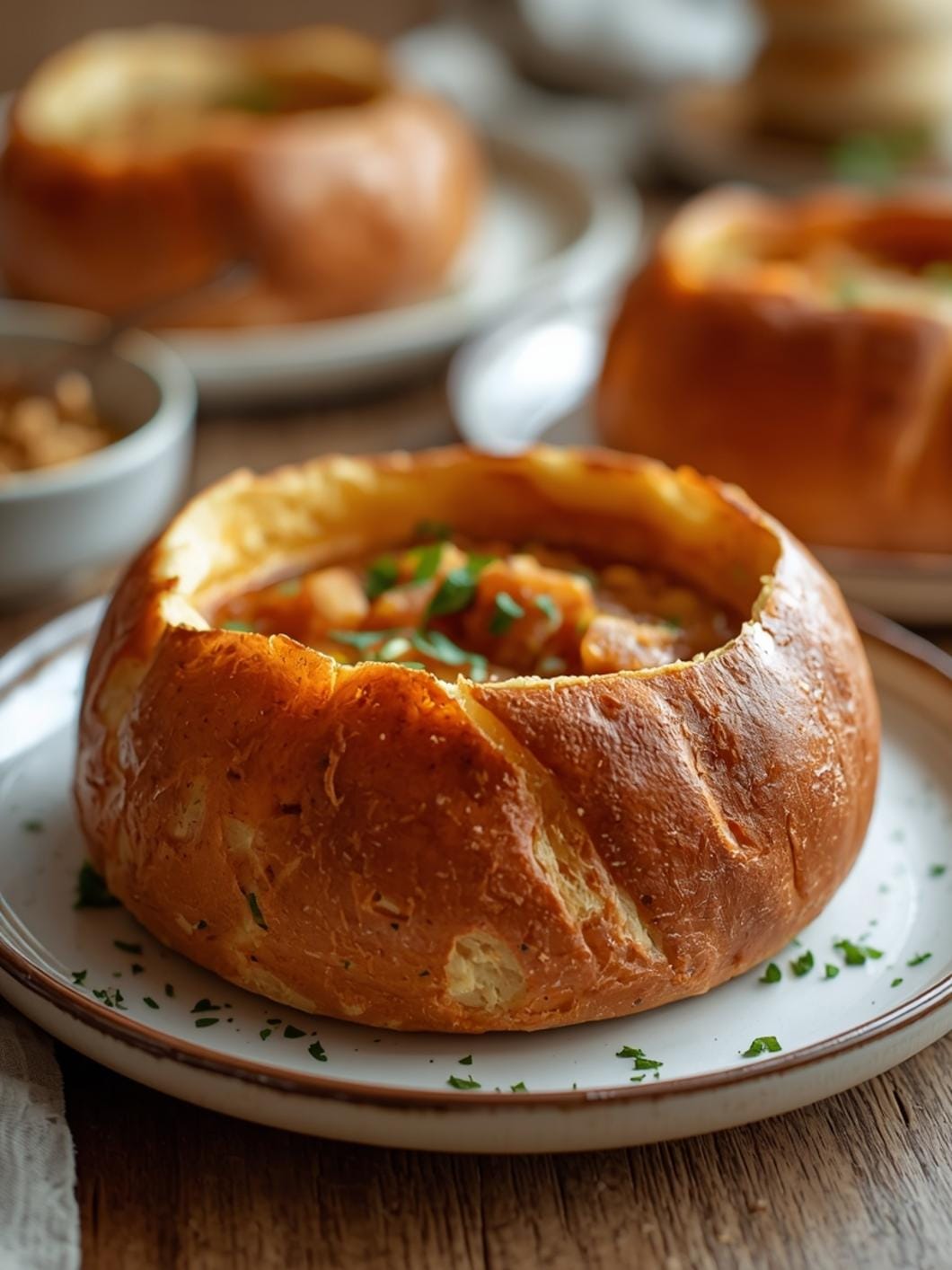
This isn’t just a dream; it’s an easily achievable reality with this simple recipe for large bread bowls that are designed to hold up to even the heartiest stews without getting soggy.
This recipe focuses on creating a sturdy and delicious edible vessel, perfect for family dinners, casual gatherings, or a cozy night in. Forget flimsy bread that collapses under the weight of your favorite chowder – these bowls are built to impress and satisfy.
Table of Contents
- What You’ll Love About This Quick And Easy Recipe
- Everything You Need To Make This Recipe Without Stress
- Time Needed From Start To Finish
- How To Make It Step By Step With Visual Cues
- Easy Variations And Serving Ideas That Fit Real Life
- Common Slip-Ups And How To Avoid Them
- How To Store It And Make It Ahead Without Ruining Texture

Sturdy Bread Bowls for Soup
- Total Time: 1 hour 25 minutes to 1 hour 50 minutes
- Yield: 4 large bread bowls 1x
Description
This recipe provides instructions for making sturdy, delicious bread bowls perfect for serving soups and stews without getting soggy. It’s a simple and efficient way to elevate your meal presentation.
Ingredients
Instructions
1. Activate the Yeast: In a large mixing bowl, combine the warm water, active dry yeast, and granulated sugar. Stir gently and let it sit for 5-10 minutes until the mixture becomes foamy. This foaminess indicates that your yeast is active and ready to work its magic. If it doesn’t foam, your water might have been too hot or too cold, or your yeast might be old, and you’ll need to start again.
2. Form the Dough: Add the salt and 2 tablespoons of olive oil to the yeast mixture. Gradually add 3 1/2 cups of the all-purpose flour, mixing with a wooden spoon or a stand mixer with a dough hook until a shaggy dough forms. If the dough is too sticky, add the remaining 1/2 cup of flour, a little at a time, until it pulls away from the sides of the bowl and forms a soft, slightly tacky ball.
3. Knead the Dough: Turn the dough out onto a lightly floured surface. Knead for 5-7 minutes until the dough is smooth and elastic. You’ll know it’s ready when it springs back slowly after you gently poke it with your finger. This kneading develops the gluten, which is essential for a sturdy bread bowl.
4. First Rise: Lightly grease a clean large bowl with olive oil. Place the dough ball in the bowl, turning it once to coat the top. Cover the bowl with plastic wrap or a clean kitchen towel and let it rise in a warm, draft-free place for 45-60 minutes, or until it has doubled in size. A good spot is often a slightly warm oven (turned off) or near a sunny window.
5. Shape the Bread Bowls: Gently punch down the risen dough to release the air. Divide the dough into 4 equal pieces. On a lightly floured surface, shape each piece into a tight, round ball. Place the shaped dough balls onto a baking sheet lined with parchment paper, leaving plenty of space between them as they will expand.
6. Second Rise and Preheat Oven: Cover the shaped dough balls loosely with plastic wrap or a clean towel and let them rise again for another 15-20 minutes while you preheat your oven to 400 F (200 C). This second, shorter rise helps them get a little extra lift before baking.
7. Egg Wash and Bake: Just before baking, brush the tops of each dough ball with the beaten egg wash. This will give them a beautiful golden-brown, shiny crust. Bake for 20-25 minutes, or until the bread bowls are deeply golden brown and sound hollow when tapped on the bottom.
8. Cool and Prepare for Soup: Remove the bread bowls from the oven and let them cool on a wire rack for at least 15-20 minutes before cutting. Once cooled, use a sharp serrated knife to carefully cut a circle from the top of each bread bowl, creating a lid. Scoop out some of the soft interior bread, leaving a sturdy wall and bottom, to create the perfect cavity for your soup. Save the scooped-out bread for dipping!
- Prep Time: 20 minutes
- Cook Time: 20-25 minutes
- Category: main dish
- Method: baking
- Cuisine: american
Nutrition
- Serving Size: 1 bread bowl
Keywords: bread, bread bowls, soup, stew, baking, homemade, easy, dinner, comfort food, savory
What You’ll Love About This Quick And Easy Recipe
This recipe is a game-changer for anyone who loves soup and wants to elevate their meal presentation without spending hours in the kitchen. It’s perfect for busy parents, new cooks, or anyone looking for a fun and practical way to serve dinner. The beauty of these bread bowls lies in their simplicity and their ability to transform an ordinary soup night into something special. They’re fantastic for chili, creamy chowders, hearty stews, or even a simple tomato soup. Kids especially adore eating their meal right out of the bread, making dinner an interactive and enjoyable experience. You’ll appreciate how quickly these come together, allowing you to focus on your main dish while these bake to golden perfection.
Everything You Need To Make This Recipe Without Stress
Making these sturdy bread bowls requires just a few basic ingredients that you likely already have or can easily find at any grocery store. The key to their structural integrity and delicious flavor comes from a specific type of dough that bakes up with a firm crust and a soft, absorbent interior.
INGREDIENTS:

- 1 ½ cups warm water (105-115°F)
- 2 ¼ teaspoons active dry yeast (one packet)
- 1 tablespoon granulated sugar
- 1 teaspoon salt
- 3 ½ to 4 cups all-purpose flour, plus more for dusting
- 2 tablespoons olive oil, plus extra for greasing
- 1 large egg, beaten (for egg wash)
For the flour, all-purpose works best for achieving the desired texture. You can use bread flour if you prefer a chewier crust, but it’s not necessary. The olive oil adds a nice flavor and helps with the crust development, but any neutral oil like vegetable or canola oil would also work in a pinch. The egg wash is crucial for that beautiful golden-brown crust, but if you have an egg allergy, you can brush the tops with milk or even just water for a slightly less shiny finish.
Time Needed From Start To Finish
This recipe is designed to be efficient, allowing you to have freshly baked bread bowls ready in a reasonable amount of time, perfect for a weeknight meal or weekend project.
- Prep time: 20 minutes
- Rise time: 45-60 minutes
- Cook time: 20-25 minutes
- Total time: Approximately 1 hour 25 minutes to 1 hour 50 minutes
How To Make It Step By Step With Visual Cues

Follow these simple steps to create perfectly sturdy and delicious bread bowls for your next soup night.
- Activate the Yeast: In a large mixing bowl, combine the warm water, active dry yeast, and granulated sugar. Stir gently and let it sit for 5-10 minutes until the mixture becomes foamy. This foaminess indicates that your yeast is active and ready to work its magic. If it doesn’t foam, your water might have been too hot or too cold, or your yeast might be old, and you’ll need to start again.
- Form the Dough: Add the salt and 2 tablespoons of olive oil to the yeast mixture. Gradually add 3 ½ cups of the all-purpose flour, mixing with a wooden spoon or a stand mixer with a dough hook until a shaggy dough forms. If the dough is too sticky, add the remaining ½ cup of flour, a little at a time, until it pulls away from the sides of the bowl and forms a soft, slightly tacky ball.
- Knead the Dough: Turn the dough out onto a lightly floured surface. Knead for 5-7 minutes until the dough is smooth and elastic. You’ll know it’s ready when it springs back slowly after you gently poke it with your finger. This kneading develops the gluten, which is essential for a sturdy bread bowl.
- First Rise: Lightly grease a clean large bowl with olive oil. Place the dough ball in the bowl, turning it once to coat the top. Cover the bowl with plastic wrap or a clean kitchen towel and let it rise in a warm, draft-free place for 45-60 minutes, or until it has doubled in size. A good spot is often a slightly warm oven (turned off) or near a sunny window.
- Shape the Bread Bowls: Gently punch down the risen dough to release the air. Divide the dough into 4 equal pieces. On a lightly floured surface, shape each piece into a tight, round ball. Place the shaped dough balls onto a baking sheet lined with parchment paper, leaving plenty of space between them as they will expand.
- Second Rise and Preheat Oven: Cover the shaped dough balls loosely with plastic wrap or a clean towel and let them rise again for another 15-20 minutes while you preheat your oven to 400°F (200°C). This second, shorter rise helps them get a little extra lift before baking.
- Egg Wash and Bake: Just before baking, brush the tops of each dough ball with the beaten egg wash. This will give them a beautiful golden-brown, shiny crust. Bake for 20-25 minutes, or until the bread bowls are deeply golden brown and sound hollow when tapped on the bottom.
- Cool and Prepare for Soup: Remove the bread bowls from the oven and let them cool on a wire rack for at least 15-20 minutes before cutting. Once cooled, use a sharp serrated knife to carefully cut a circle from the top of each bread bowl, creating a lid. Scoop out some of the soft interior bread, leaving a sturdy wall and bottom, to create the perfect cavity for your soup. Save the scooped-out bread for dipping!
Easy Variations And Serving Ideas That Fit Real Life
These bread bowls are incredibly versatile and can be adapted to fit various meals and preferences.
- Garlic Herb Bowls: Before the second rise, brush the dough balls with melted butter mixed with minced garlic and dried herbs like oregano or Italian seasoning. This adds a fantastic savory flavor to the crust.
- Cheesy Crust: In the last 5 minutes of baking, sprinkle a little shredded Parmesan or cheddar cheese on top of the bread bowls for a cheesy, crispy topping.
- Mini Bread Bowls: For appetizers or smaller portions, divide the dough into 6 or 8 pieces instead of 4. Adjust baking time accordingly, likely reducing it by 5-7 minutes. These are great for serving individual portions of dip or chili at a party.
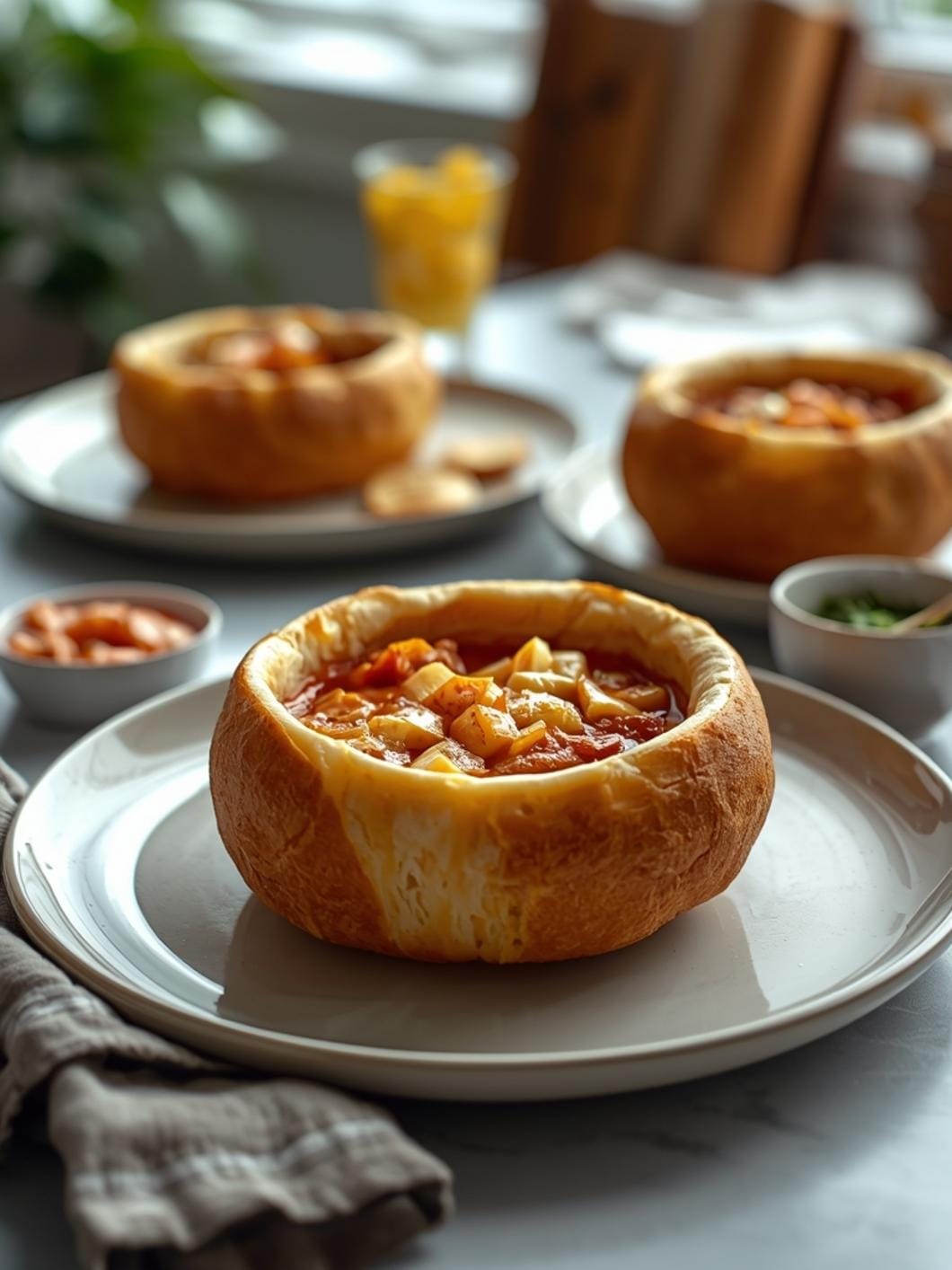
- Serving Suggestions: These bread bowls are perfect for almost any soup or stew. Think creamy tomato soup, hearty beef stew, classic clam chowder, chicken noodle soup, or even a thick chili. Don’t forget to serve the scooped-out bread pieces alongside for dipping! For a fun family meal, set up a “soup bar” with different toppings like shredded cheese, green onions, sour cream, and croutons.
Common Slip-Ups And How To Avoid Them
Even simple recipes can have their pitfalls. Knowing what to watch out for can save you time and ensure a perfect batch of bread bowls every time.
- Soggy Bottoms: The biggest concern with bread bowls! To prevent this, ensure your bread bowls are fully baked and have a firm crust. Also, don’t fill them with soup until just before serving. If you’re serving a particularly thin or watery soup, you can lightly toast the inside of the bread bowl after scooping out the interior, which creates a slight barrier.
- Dense Dough: This usually happens if your yeast isn’t active, or if you added too much flour. Always check your yeast for foaminess in the first step. When adding flour, do it gradually and stop when the dough is soft and slightly tacky, not stiff. Over-kneading can also lead to dense bread, so stick to the recommended 5-7 minutes.
- Cracked Crusts: Sometimes the crust can crack if the dough is too dry or if it rises too quickly in a very hot environment. Ensure your dough has enough moisture and rises in a warm, but not excessively hot, spot. The egg wash also helps create a more pliable crust.
- Uneven Baking: If your oven has hot spots, rotate the baking sheet halfway through the baking time to ensure all sides of the bread bowls brown evenly.
How To Store It And Make It Ahead Without Ruining Texture
These bread bowls are best enjoyed fresh, but you can certainly prepare them in advance or store leftovers if needed.
- Making Ahead (Unbaked): You can prepare the dough up to the end of the first rise. After the first rise, punch down the dough, shape the balls, and then place them on a parchment-lined
FAQs
- Can I make these ahead? Yes—prep ahead, refrigerate, then serve when ready.
- How long do leftovers last? Store covered in the fridge for 3–4 days for best texture.
- Can I adjust sweetness? Yes—add more or less sweetener to taste.
- Can I change the fruit? Yes—swap strawberries for blueberries, raspberries, or sliced banana.