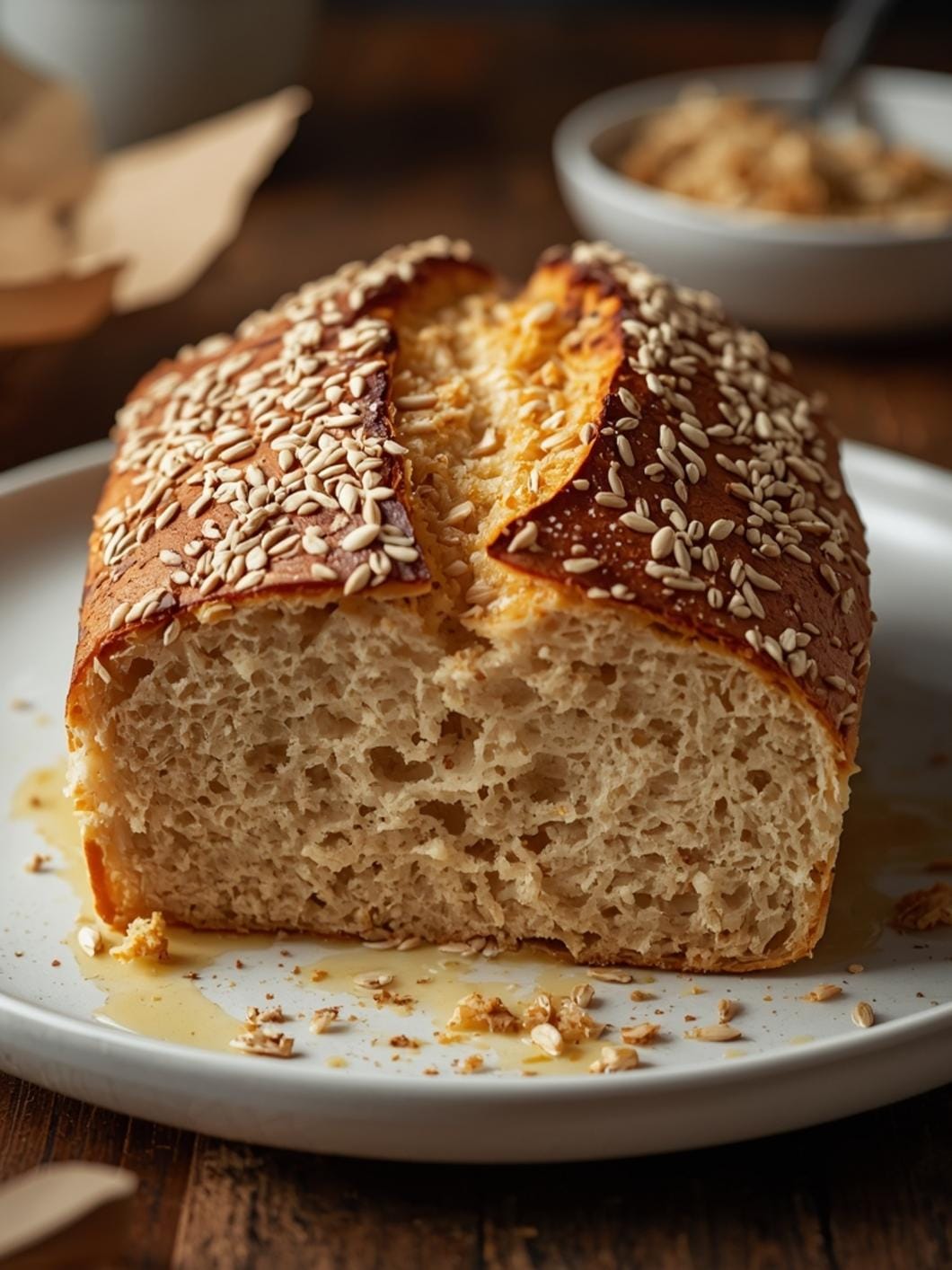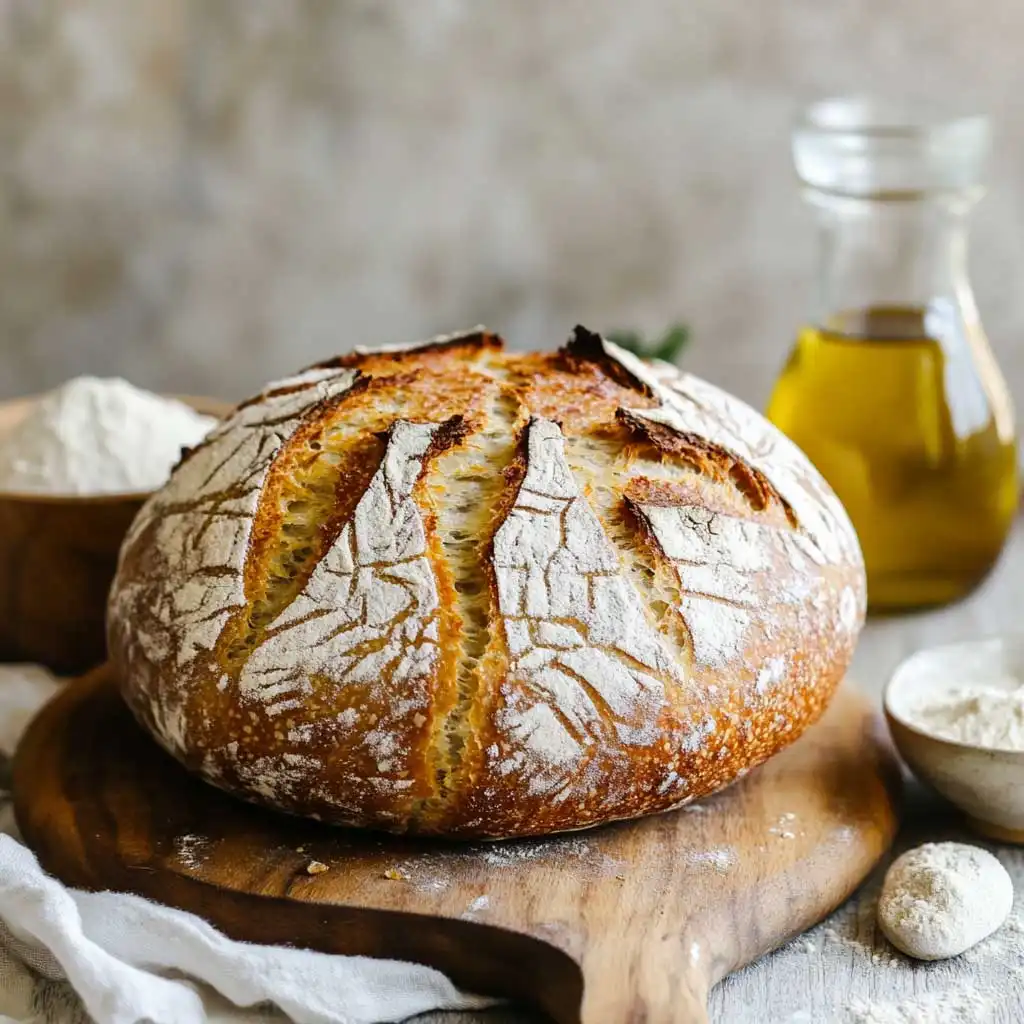

There’s nothing quite like the aroma of freshly baked bread filling your kitchen, especially when it’s infused with bright, zesty lemon and sweet, juicy blueberries.

This recipe for lemon blueberry sourdough bread brings together these delightful flavors in a way that’s both comforting and incredibly satisfying. It’s perfect for a leisurely weekend breakfast or a special brunch, offering a slice of pure joy with every bite.
This loaf is designed to be a true crowd-pleaser, balancing the tangy notes of sourdough with the vibrant additions of fruit. Whether you’re an experienced sourdough baker or just starting your journey, this recipe provides clear guidance to achieve a beautifully flavored and textured bread that will impress everyone at your table.
Table of Contents
- What You’ll Love About This Quick And Easy Recipe
- Everything You Need To Make This Recipe Without Stress
- Time Needed From Start To Finish
- How To Make It Step By Step With Visual Cues
- Easy Variations And Serving Ideas That Fit Real Life
- Common Slip-Ups And How To Avoid Them
- How To Store It And Make It Ahead Without Ruining Texture

Lemon Blueberry Sourdough Bread
- Total Time: 7-12 hours
- Yield: 1 loaf 1x
Description
This recipe for lemon blueberry sourdough bread brings together delightful flavors in a way that’s both comforting and incredibly satisfying. It’s perfect for a leisurely weekend breakfast or a special brunch, offering a slice of pure joy with every bite. This loaf is designed to be a true crowd-pleaser, balancing the tangy notes of sourdough with the vibrant additions of fruit.
Ingredients
Instructions
1. In a large mixing bowl, gently whisk together the active sourdough starter and warm water until the starter is mostly dissolved. The mixture should look milky and slightly bubbly.
2. Add the all-purpose flour, salt, and granulated sugar to the wet mixture. Use a sturdy spoon or your hands to mix until a shaggy dough forms and no dry flour remains. It will be sticky and a bit messy at this stage. Cover the bowl with a clean kitchen towel or plastic wrap and let it rest for 30 minutes (this is called autolyse, and it helps the flour hydrate).
3. After the rest period, uncover the dough. Sprinkle the lemon zest evenly over the dough, then add the blueberries. Gently fold the dough over itself several times to distribute the zest and blueberries throughout. Be careful not to overmix, as this can crush the blueberries.
4. Lightly oil a clean bowl with olive oil or melted butter. Transfer the dough to this bowl, turning it once to coat. Over the next 4-8 hours (or until the dough has visibly increased in size and is bubbly), perform a series of “stretch and folds.” Every 30-60 minutes during the first 2-3 hours, gently stretch a portion of the dough up and fold it over itself towards the center. Rotate the bowl a quarter turn and repeat 3-4 times. This builds strength in the dough.
5. Once the bulk fermentation is complete, gently turn the dough out onto a lightly floured surface. Carefully shape it into a round or oval loaf, being mindful not to deflate it too much. You can do this by gently pulling the edges of the dough towards the center and then flipping it over to create surface tension.
6. Place the shaped dough into a floured banneton basket or a bowl lined with a floured kitchen towel, seam-side up. Cover it loosely with plastic wrap. You can either proof it at room temperature for 1-4 hours (until it passes the “poke test” – springs back slowly) or refrigerate it overnight for 8-12 hours for a deeper flavor and easier handling.
7. Preheat your oven to 450 F (232 C) with a Dutch oven inside for at least 30 minutes. Carefully remove the hot Dutch oven, invert the dough into it, and score the top with a sharp knife or razor blade. Cover and bake for 30 minutes. Remove the lid, reduce the oven temperature to 400 F (200 C), and continue baking for another 15-25 minutes, or until the crust is golden brown and the internal temperature reaches 200-210 F (93-99 C).
8. Transfer the baked loaf to a wire rack and let it cool completely for at least 1-2 hours before slicing. This is crucial for the crumb to set properly and for the flavors to fully develop.
- Prep Time: 20 minutes
- Cook Time: 45-55 minutes
- Category: main dish
- Method: baking
- Cuisine: american
Nutrition
- Serving Size: 1 slice
Keywords: sourdough, lemon, blueberry, bread, breakfast, brunch, homemade, fruit, baking, easy
What You’ll Love About This Quick And Easy Recipe
This lemon blueberry sourdough bread recipe is a fantastic choice for anyone looking to elevate their breakfast or brunch game without a lot of fuss. It’s particularly well-suited for families who appreciate homemade goodness and for busy individuals who want a rewarding baking project that doesn’t demand an entire day. The beauty of this recipe lies in its ability to transform a classic sourdough base into something truly special with the simple addition of fruit and citrus. It’s perfect for serving alongside your morning coffee, as part of a brunch spread, or even as a delightful afternoon snack. The combination of tangy sourdough, sweet blueberries, and bright lemon zest creates a flavor profile that is both sophisticated and incredibly approachable, making it a hit with both adults and children.
Everything You Need To Make This Recipe Without Stress
Gathering your ingredients before you start baking will make the process smooth and enjoyable. This recipe uses readily available items, ensuring you can whip up this delicious loaf without a last-minute trip to the store.
INGREDIENTS:
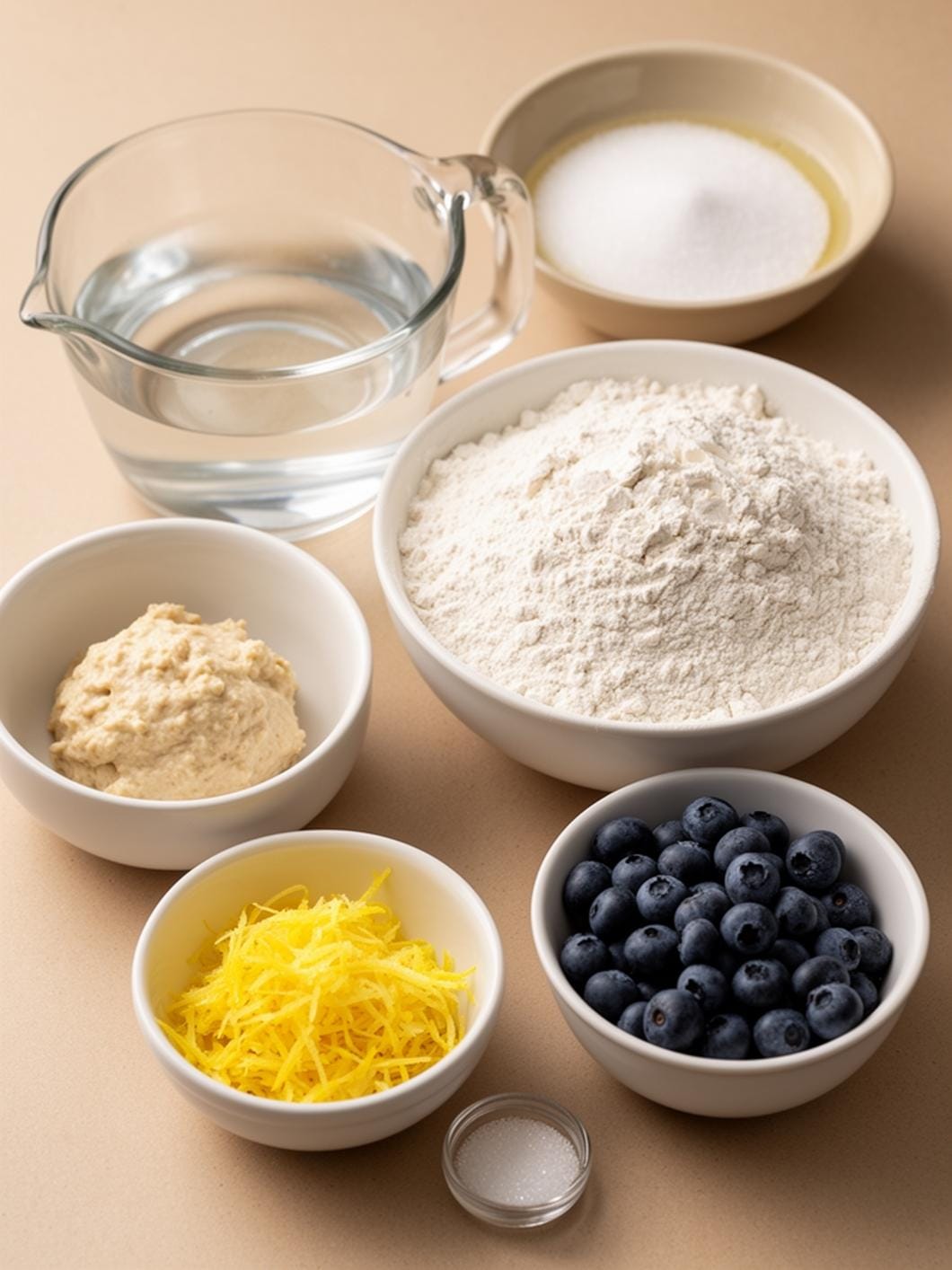
- 1 cup active sourdough starter
- 1 ½ cups warm water (around 90-100°F)
- 4 cups all-purpose flour
- 2 teaspoons salt
- 1/4 cup granulated sugar
- Zest of 2 large lemons
- 1 cup fresh or frozen blueberries (do not thaw if frozen)
- 1 tablespoon olive oil or melted butter (for greasing the bowl)
- Extra flour for dusting
For the flour, while all-purpose works wonderfully, you can also use bread flour for a chewier texture. If you prefer a slightly sweeter loaf, you can increase the granulated sugar by another tablespoon or two. For the blueberries, fresh are always lovely, but frozen blueberries work just as well; just be sure not to thaw them beforehand to prevent them from bleeding too much color into the dough. If you don’t have olive oil, any neutral-flavored oil or melted butter will suffice for greasing your mixing bowl.
Time Needed From Start To Finish
Baking sourdough involves several stages, but the hands-on time for this recipe is quite manageable, making it a rewarding project.
- Prep Time: 20 minutes (mixing ingredients, adding inclusions)
- Bulk Fermentation: 4-8 hours (depending on starter activity and room temperature)
- Shaping & Proofing: 30 minutes active shaping, followed by 1-4 hours at room temperature or 8-12 hours in the refrigerator.
- Bake Time: 45-55 minutes
- Cooling Time: 1-2 hours (crucial for best texture)
- Total Time: Approximately 7-12 hours (including fermentation and cooling), with about 1.5 hours of active hands-on work.
How To Make It Step By Step With Visual Cues

Creating this lemon blueberry sourdough bread is a journey of simple steps, each contributing to the final delicious outcome.
- Combine Wet Ingredients: In a large mixing bowl, gently whisk together the active sourdough starter and warm water until the starter is mostly dissolved. The mixture should look milky and slightly bubbly.
- Add Dry Ingredients (Initial Mix): Add the all-purpose flour, salt, and granulated sugar to the wet mixture. Use a sturdy spoon or your hands to mix until a shaggy dough forms and no dry flour remains. It will be sticky and a bit messy at this stage. Cover the bowl with a clean kitchen towel or plastic wrap and let it rest for 30 minutes (this is called autolyse, and it helps the flour hydrate).
- Incorporate Lemon Zest and Blueberries: After the rest period, uncover the dough. Sprinkle the lemon zest evenly over the dough, then add the blueberries. Gently fold the dough over itself several times to distribute the zest and blueberries throughout. Be careful not to overmix, as this can crush the blueberries.
- Bulk Fermentation with Folds: Lightly oil a clean bowl with olive oil or melted butter. Transfer the dough to this bowl, turning it once to coat. Over the next 4-8 hours (or until the dough has visibly increased in size and is bubbly), perform a series of “stretch and folds.” Every 30-60 minutes during the first 2-3 hours, gently stretch a portion of the dough up and fold it over itself towards the center. Rotate the bowl a quarter turn and repeat 3-4 times. This builds strength in the dough.
- Shape the Loaf: Once the bulk fermentation is complete, gently turn the dough out onto a lightly floured surface. Carefully shape it into a round or oval loaf, being mindful not to deflate it too much. You can do this by gently pulling the edges of the dough towards the center and then flipping it over to create surface tension.
- Final Proofing: Place the shaped dough into a floured banneton basket or a bowl lined with a floured kitchen towel, seam-side up. Cover it loosely with plastic wrap. You can either proof it at room temperature for 1-4 hours (until it passes the “poke test” – springs back slowly) or refrigerate it overnight for 8-12 hours for a deeper flavor and easier handling.
- Bake the Bread: Preheat your oven to 450°F (232°C) with a Dutch oven inside for at least 30 minutes. Carefully remove the hot Dutch oven, invert the dough into it, and score the top with a sharp knife or razor blade. Cover and bake for 30 minutes. Remove the lid, reduce the oven temperature to 400°F (200°C), and continue baking for another 15-25 minutes, or until the crust is golden brown and the internal temperature reaches 200-210°F (93-99°C).
- Cool Completely: Transfer the baked loaf to a wire rack and let it cool completely for at least 1-2 hours before slicing. This is crucial for the crumb to set properly and for the flavors to fully develop.
Easy Variations And Serving Ideas That Fit Real Life
This lemon blueberry sourdough bread is wonderful on its own, but there are many ways to enjoy it and adapt it to your preferences. For a kid-friendly twist, you can reduce the lemon zest slightly or even omit it if you have very sensitive palates, letting the sweetness of the blueberries shine through. A light drizzle of honey or maple syrup over a warm slice is always a hit.
Consider serving this bread toasted with a smear of cream cheese or a dollop of Greek yogurt for a delightful breakfast. It also makes an excellent base for a fruit-filled French toast. For a more indulgent treat, spread it with a little butter and a sprinkle of cinnamon sugar. If you’re hosting a brunch, slices of this bread can be arranged on a platter with fresh berries and a side of whipped cream or a lemon curd for a beautiful presentation. You could also experiment with other fruit inclusions like raspberries or cranberries, or add a touch of almond extract to the dough for a different flavor profile.
Common Slip-Ups And How To Avoid Them
Even experienced bakers can encounter small challenges, but knowing what to watch for can help you achieve perfect results every time.
One common mistake is not using an active sourdough starter. Your starter should be bubbly, have a pleasant sour aroma, and pass the float test (a small spoonful should float in water) before you begin. A weak starter will result in a dense, flat loaf.
Overworking the dough after adding the blueberries can crush them and cause the dough to turn purple. Be gentle when folding in the fruit and zest. The goal is even distribution, not vigorous kneading.
Not allowing enough time for bulk fermentation is another frequent issue. Sourdough relies on time and temperature to develop flavor and rise. If your kitchen is cool, your dough will take longer to ferment. Look for visual cues like increased volume and bubbles rather than strictly adhering to a time frame.
Cutting into the bread too soon is tempting but can lead to a gummy texture. The internal structure of the bread continues to set as it cools, so patience is key for the best crumb. Always let it cool completely on a wire rack.
Finally, not preheating your Dutch oven sufficiently can impact the crust. A very hot Dutch oven creates steam, which is essential for a beautiful, crispy crust and a good oven spring. Make sure it’s preheated for at least 30 minutes.
How To Store It And Make It Ahead Without Ruining Texture
Proper storage is key

FAQs
- Can I make these ahead? Yes—prep ahead, refrigerate, then serve when ready.
- How long do leftovers last? Store covered in the fridge for 3–4 days for best texture.
- Can I adjust sweetness? Yes—add more or less sweetener to taste.
- Can I change the fruit? Yes—swap strawberries for blueberries, raspberries, or sliced banana.