
This Lemon Poppy Seed Sourdough Bread Recipe With Artisan Flavor combines the lively brightness of lemon zest with the nutty crunch of poppy seeds in a beautifully textured, naturally fermented loaf. In this guide, you’ll learn the full recipe plus the artisan baking methods that bring professional flavor and structure to your bread — from fermentation and shaping to perfect scoring. This bakery-style sourdough is achievable right in your home oven using simple tools like a silicone bread sling, Dutch oven, and reliable sourdough starter. Experience the art of creating a tangy, zesty loaf with an irresistible, airy crumb.

The Story Behind Lemon Poppy Seed Sourdough Bread
A Memory That Started With Lemon and Sourdough
The idea for this Lemon Poppy Seed Sourdough Bread Recipe With Artisan Flavor was born on a calm Sunday morning when sunlight spilled across the kitchen counter and the scent of lemon zest filled the air. I had been feeding my sourdough starter for days, waiting for it to reach peak activity, when inspiration struck. The classic pairing of lemon and poppy seeds — often reserved for muffins and cakes — suddenly felt perfect for sourdough bread.
As I stirred the zest into the dough, the citrus aroma brightened the earthy scent of fermented flour. The poppy seeds, tiny yet powerful, added a quiet texture that transformed the loaf from simple to sophisticated. When the bread baked, the kitchen smelled alive with citrus and warmth. It wasn’t just bread rising in the oven; it was the memory of those mornings when baking felt like therapy.
That first loaf introduced me to the joy of crafting Sourdough Bread With Poppy Seeds that carried both rustic depth and cheerful notes of lemon. The crust turned golden and crisp, the crumb open yet chewy — a hallmark of truly artisanal sourdough bread. Each slice offered the clean tang of natural fermentation alongside a subtle crunch and light citrus perfume. It reminded me that innovation in baking doesn’t always mean invention — sometimes, it’s about rediscovering comfort with a creative twist. This memory cemented my love for balancing the freshness of lemon with the soulfulness of sourdough.
Print
Lemon Poppy Seed Sourdough Bread with Artisan Flavor
- Total Time: 13 hours
- Yield: 1 loaf 1x
Description
This lemon poppy seed sourdough loaf combines bright citrus zest and nutty seeds in a tangy, airy artisan bread you can bake at home.
Ingredients
Instructions
1. Combine flour and 310 g water in a bowl, mix until no dry spots remain, and rest for 30–45 minutes (autolyse).
2. Add sourdough starter, salt, remaining water, lemon zest, and poppy seeds; mix gently until incorporated.
3. Perform 3–4 stretch and fold cycles every 30–45 minutes during a 3–5 hour bulk fermentation at 24–26°C.
4. Pre-shape the dough into a rough ball, rest for 15 minutes, then shape into a boule or batard and place seam-side up in a floured proofing basket.
5. Refrigerate the dough for 8–12 hours for a cold proof.
6. Preheat a Dutch oven at 245°C for 45 minutes. Remove dough from fridge, score the top with a lame or razor blade.
7. Transfer dough to the preheated Dutch oven using a silicone sling or parchment, cover, and bake at 245°C for 20–25 minutes.
8. Remove the lid, reduce oven to 230°C, and bake uncovered for another 20–25 minutes until golden brown.
9. Cool the loaf on a wire rack for at least 1–1.5 hours before slicing.
10. Store at room temperature in a breathable bag for up to 3 days or freeze wrapped for up to 2 months.
- Prep Time: 45 minutes
- Cook Time: 50 minutes
- Category: bread
- Method: baking
- Cuisine: american
Nutrition
- Serving Size: 1 slice
Keywords: lemon poppy seed bread, sourdough bread, artisan sourdough, poppy seed bread, lemon bread, homemade sourdough, bread recipe
Why Lemon Poppy Seed Sourdough Captures an Artisan Flavor
There’s something magical about how lemon zest complements the natural tang of sourdough. It bridges acidity and sweetness, giving every bite a clean complexity that stays on the palate. In this Lemon Poppy Seed Sourdough Bread Recipe With Artisan Flavor, the citrus oils lift the bread’s character while fermentation deepens its essence — a harmony that defines artisan baking.
The flecks of poppy seeds speckle each slice like confetti, lending texture and a faint nuttiness that enriches the dough’s structure. These small details turn a homely loaf into something strikingly elegant. What makes this bread truly “artisan” isn’t the ingredients alone, but the thoughtful process behind it — attention to the starter’s vitality, precise hydration, and mindful fermentation.
Artisan bakers know that time is the secret ingredient. A long, cool rise allows enzymes to unlock flavor without bitterness, letting the lemon’s brightness linger naturally. Adjusting dough strength through folds rather than mechanical mixing keeps the crumb open and elastic. These subtle techniques can make your Sourdough Bread With Poppy Seeds stand out with both texture and aroma.
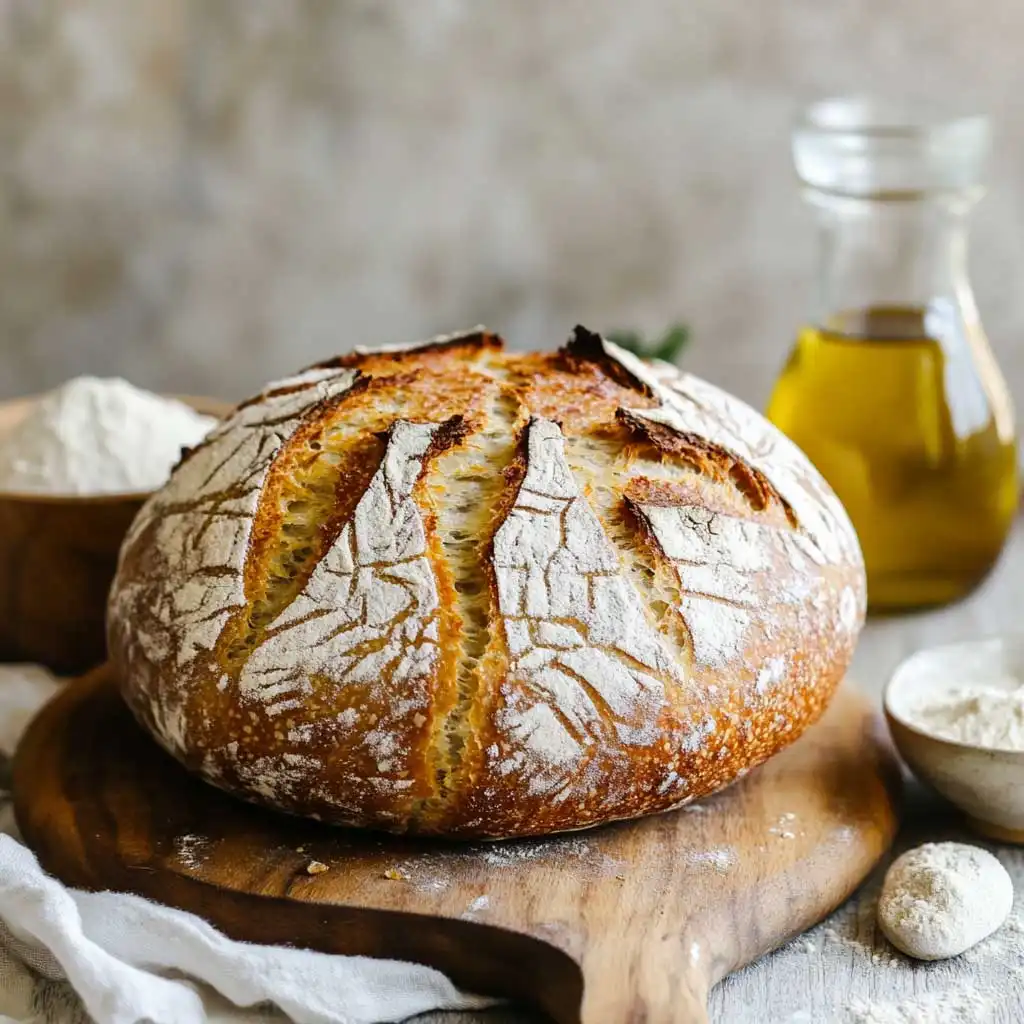
A finished loaf of lemon poppy seed sourdough embodies that hand-crafted quality you see at local bakeries: a rustic, golden crust with pale crumb marbled by lemon zest and dotted with seeds. It’s wholesome yet refined, simple yet impressive. This bread captures the spirit of Sourdough Bread Artisan baking — the satisfaction of producing something beautiful, fragrant, and full of life, right in your own kitchen.
Ingredients and Tools for the Perfect Lemon Poppy Seed Sourdough
Ingredient Breakdown for Flavor and Texture
The success of any Lemon Poppy Seed Sourdough Bread Recipe With Artisan Flavor depends on balancing flavor, texture, and fermentation. Thoughtfully measured, high-quality ingredients build structure and define the loaf’s personality. The combination of bright lemon zest, nutty poppy seeds, and a lively sourdough starter creates a bread that’s both aromatic and full of depth.
| Ingredient | Weight (g) | Volume | Purpose |
|---|---|---|---|
| Bread Flour | 400 g | 3 ¼ cups | Provides protein for structure and chewy crumb |
| Whole Wheat or Spelt Flour (optional) | 100 g | ¾ cup | Adds a nutty, hearty flavor and deeper color |
| Active Sourdough Starter (100% hydration) | 100 g | ½ cup | Naturally ferments the dough, creating tang and lift |
| Water (room temperature) | 330–350 g | 1 ½ cups | Determines dough hydration, affecting crumb openness |
| Fine Sea Salt | 9 g | 1 ½ tsp | Enhances flavor and strengthens gluten |
| Lemon Zest | Zest of 2 lemons | — | Infuses bright citrus aroma and flavor |
| Poppy Seeds | 2 tbsp | — | Adds texture and subtle nuttiness |
| Optional: Honey or Cane Sugar | 1 tbsp | — | Gently rounds out tanginess and amplifies lemon notes |
Each component has a key role in this Recipe for Sourdough Bread With Poppy Seeds. The strong bread flour forms a resilient gluten network that supports the airy artisan crumb. Whole wheat or spelt flour, though optional, introduces nuance — a slightly earthy tone that anchors the light citrus notes. The starter determines the bread’s flavor profile and digestibility. A well-fed, bubbly starter ensures controlled fermentation rather than overpowering sourness.
The poppy seeds introduce a mild crunch and visual speckling that define this bread’s charm, while fresh lemon zest lifts the dough with fragrant oils. The result is a loaf that tastes as vibrant as it looks — a balance of tang, freshness, and artisanal character. When these simple ingredients interact through slow fermentation, the result transcends a typical loaf and becomes an authentic Sourdough Bread Artisan creation.
The Right Tools for Artisan Sourdough Success
Behind every stunning loaf is a set of dependable tools that make home baking easier and more consistent. For this Lemon Poppy Seed Sourdough Bread Recipe With Artisan Flavor, having the right equipment ensures professional results while keeping your process smooth and enjoyable.
- Digital Scale: Precision in sourdough baking is essential for consistent results and crumb texture.
- Mixing Bowls and Dough Scraper: Handle the dough gently to preserve air bubbles that contribute to an open crumb.
- Bench Scraper: Ideal for shaping dough cleanly on the counter and lifting it without tearing.
- Proofing Basket (Banneton): Maintains your dough’s shape while adding that rustic artisan pattern.
- Dutch Oven: Acts as a mini steam chamber, locking in moisture for a golden, crisp crust and beautiful oven spring.
- Silicone Bread Sling: Safely transfers your proofed dough into the hot Dutch oven, preventing burns and sticking.
- Lame or Sharp Blade: Use for scoring to guide expansion and create decorative crust patterns.
- Baking Stone or Steel (optional): Great for added crust crunch and even heat distribution.
- Cooling Rack: Essential for preserving crust crispness while cooling the loaf evenly.
By investing in these basic tools — especially the digital scale, Dutch oven, and silicone bread sling — you bring bakery-level precision into your kitchen. Once your ingredients and tools are prepared, you’re ready to transform simple components into a golden, citrus-flecked loaf through mindful fermentation and careful shaping.
Step-by-Step Guide to Making Lemon Poppy Seed Sourdough Bread
Mixing, Fermenting, and Shaping the Dough
Great sourdough begins with preparation and patience. Before starting, make sure your starter is active, bubbly, and capable of doubling in size within a few hours of feeding — this ensures a lively rise and balanced flavor.
Step 1: Mixing and Autolyse (30–45 minutes)
Combine flour and water, then rest the rough dough 30–45 minutes to hydrate and naturally develop gluten.
Step 2: Adding Starter, Salt, Lemon Zest, and Poppy Seeds
Add your sourdough starter, salt, and reserved water. Mix gently, then fold in lemon zest and poppy seeds until evenly distributed. Adjust consistency as needed with a splash of water or sprinkle of flour.
Step 3: Stretch and Fold (2½–3 hours)
Give the dough three to four stretch-and-fold sessions every 30–45 minutes. This strengthens gluten, producing the open crumb typical of artisanal sourdough bread.
Step 4: Bulk Fermentation (3–5 hours at 24–26°C / 75–78°F)
Let the dough rise until about 50% larger. When gently pressed, it should spring back slowly — a sign of proper fermentation.
Step 5: Pre-shape and Bench Rest (15 minutes)
Tuck edges to form a loose round, rest 15–20 minutes, then move to final shape.
Step 6: Final Shaping and Proofing
Shape into a boule or batard, place seam side up in a floured proofing basket, cover, and refrigerate 8–12 hours for slow flavor development and easy scoring later.
Baking and Achieving the Artisan Finish
Step 1: Preheat and Prepare
Preheat your oven with the Dutch oven inside to 245°C (475°F) for at least 45 minutes. Prep parchment or a silicone sling while the dough warms slightly from the fridge.
Step 2: Scoring the Dough
Turn your dough onto the sling, seam side down, and score confidently with a sharp blade to control the oven spring.
Step 3: Baking With Steam
Bake covered for 20–25 minutes, then uncover and reduce heat to 230°C (450°F) for another 20–25 minutes until golden brown and fragrant with citrus.
Step 4: Cooling
Cool completely on a wire rack for 1–1½ hours before slicing. This ensures moisture balance and a perfect crumb.
Step 5: Troubleshooting Tips
- Dense crumb: Extend fermentation and maintain warm conditions.
- Too sour: Shorten proofing or refresh your starter.
- Pale crust: Bake longer uncovered or extend preheat time.
- Dry loaf: Always cool fully and avoid premature slicing.
Step 6: Finishing Touches
Each slice should reveal tender crumb flecked with lemon zest and seeds. Balanced tang and brightness make it perfect for both sweet and savory accompaniments. This Sourdough Bread With Poppy Seeds showcases your artisan craft with crackly crust and inviting aroma.
FAQs, Tips, and Final Thoughts on Lemon Poppy Seed Sourdough
Common Questions About Sourdough Bread With Poppy Seeds
- Can I use commercial yeast instead of a sourdough starter?
Yes, replace the starter with 1 teaspoon instant yeast and adjust proofing times for quicker rises. Flavor will be milder. - How do I store Lemon Poppy Seed Sourdough Bread?
Store in a linen or cotton bag at room temperature up to three days. Avoid sealed plastic to keep the crust crisp. - Can I freeze the loaf?
Yes. Cool fully, wrap in foil, and freeze up to two months. Reheat at 180°C (350°F) for 10 minutes to refresh crust. - What can I serve with this bread?
Enjoy with honey butter, mascarpone, lemon curd, or smoked salmon and cream cheese. It pairs well with soups or salads too. - Can I use other citrus flavors like orange or lime?
Yes, keep zest ratios the same; orange adds warmth, lime adds tropical sharpness.
Final Thoughts and Serving Inspiration
Baking this Lemon Poppy Seed Sourdough Bread Recipe With Artisan Flavor celebrates creativity, patience, and the pleasure of transforming simple ingredients into extraordinary bread. Each stage — feeding the starter, folding the dough, scoring the crust — reflects the mindful rhythm of artisan baking.
The loaf’s tangy depth and lemon brightness shine whether served toasted with honey butter, spread with ricotta and jam, or as an elegant side to dinner. The process, aroma, and flavor embody the artistry behind true Sourdough Bread Artisan craftsmanship.
Keep experimenting — adjust hydration, swap flours, or play with different citrus. Every loaf teaches you something new. The beauty of sourdough lies not in perfection but in the warmth of creating bread that’s vibrant, nourishing, and entirely your own.