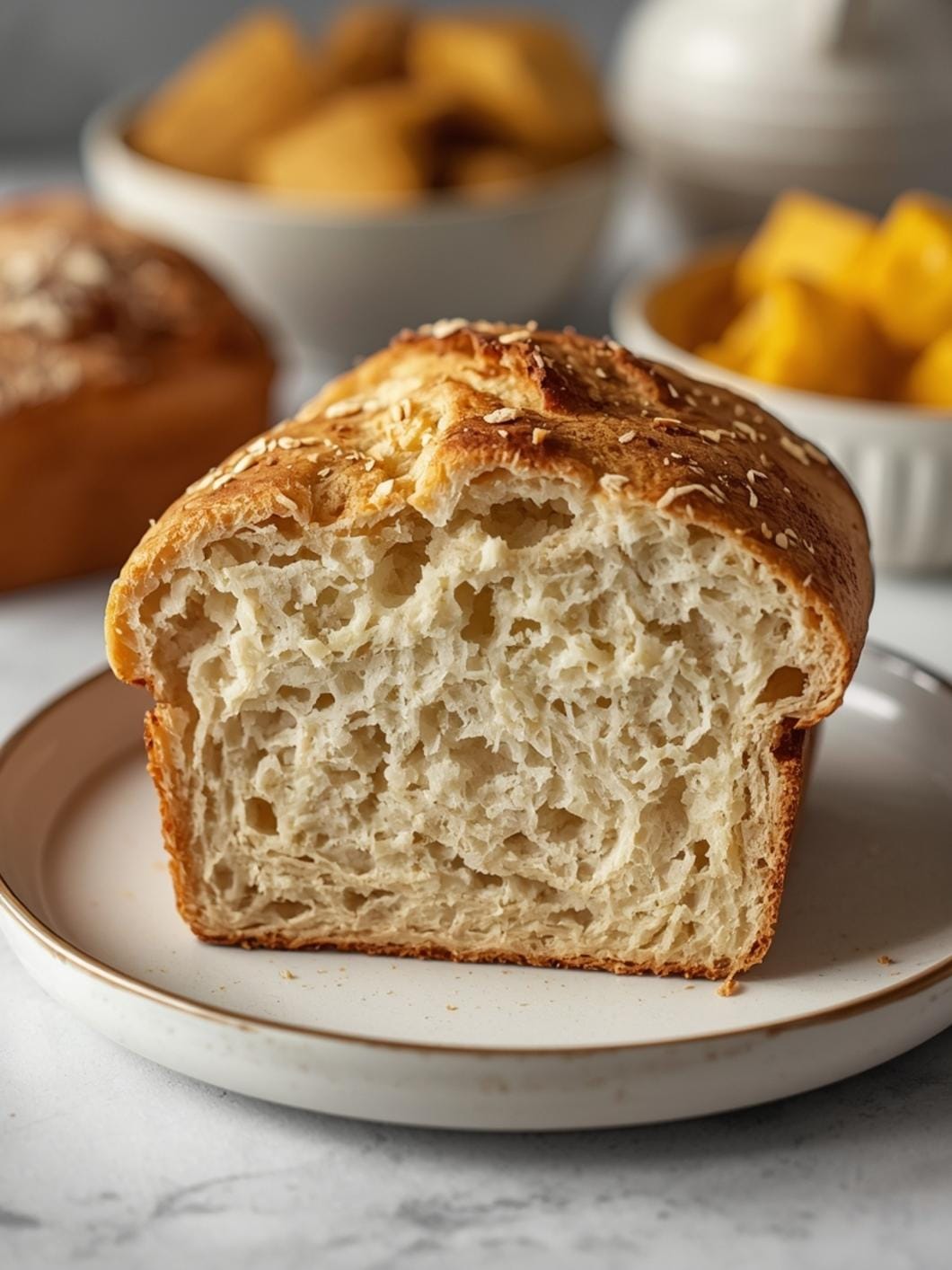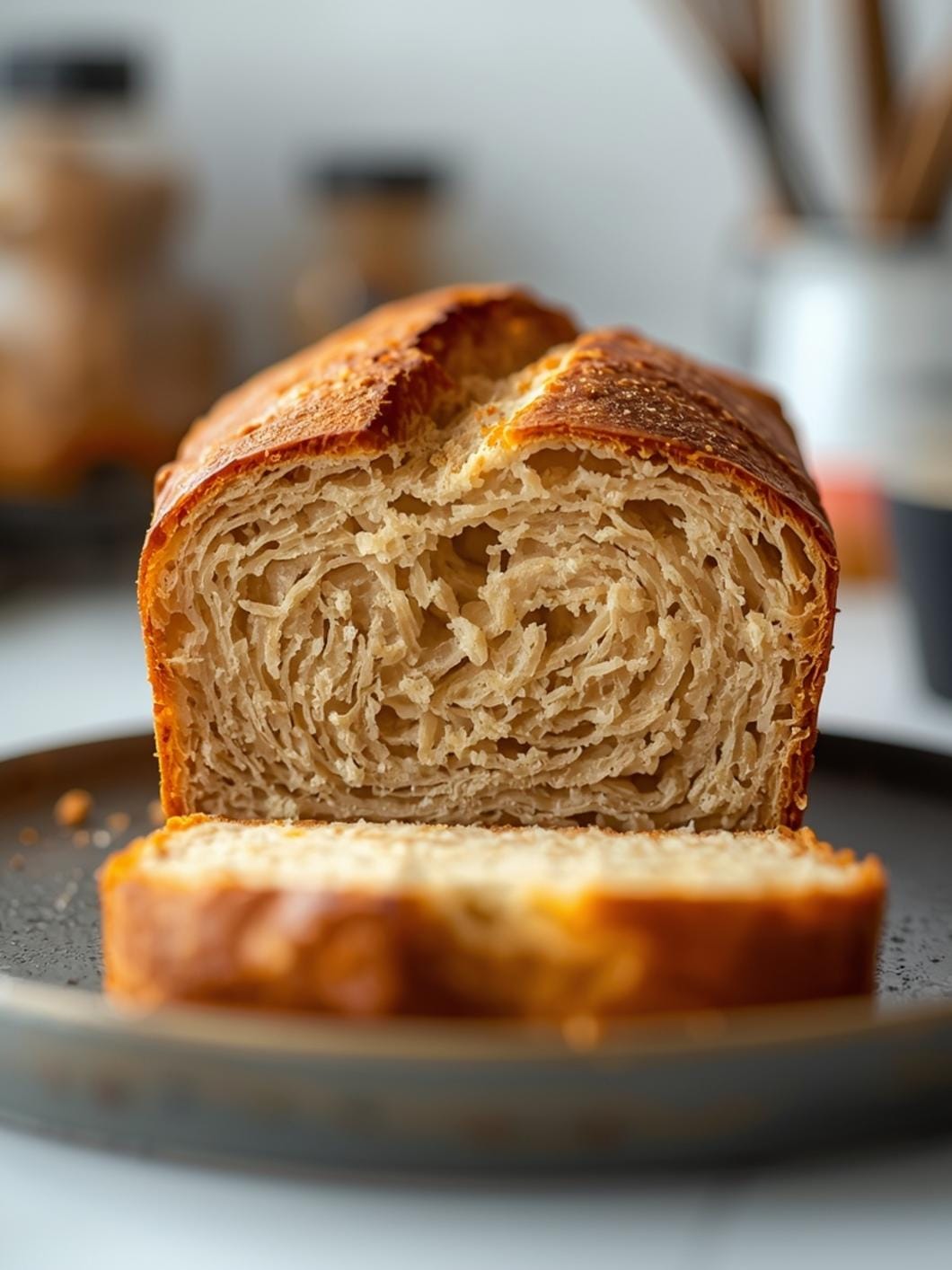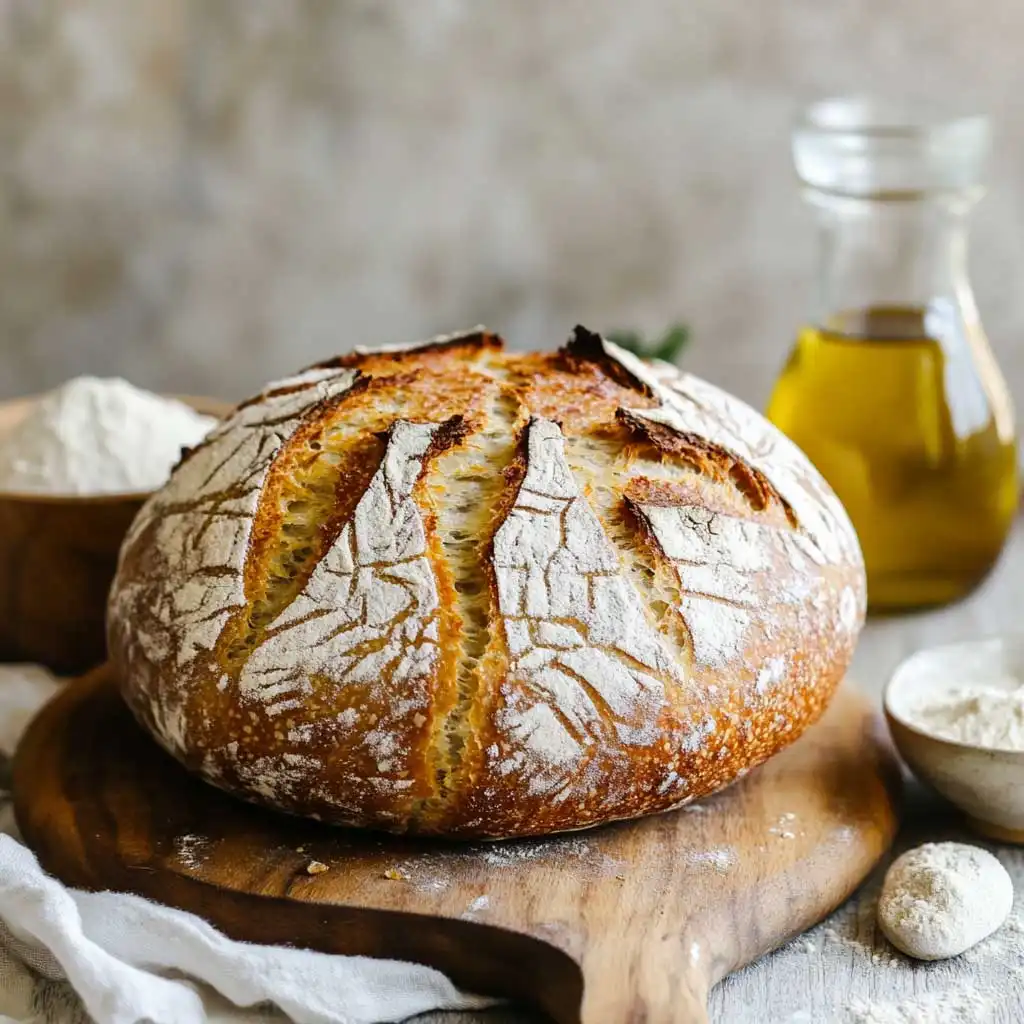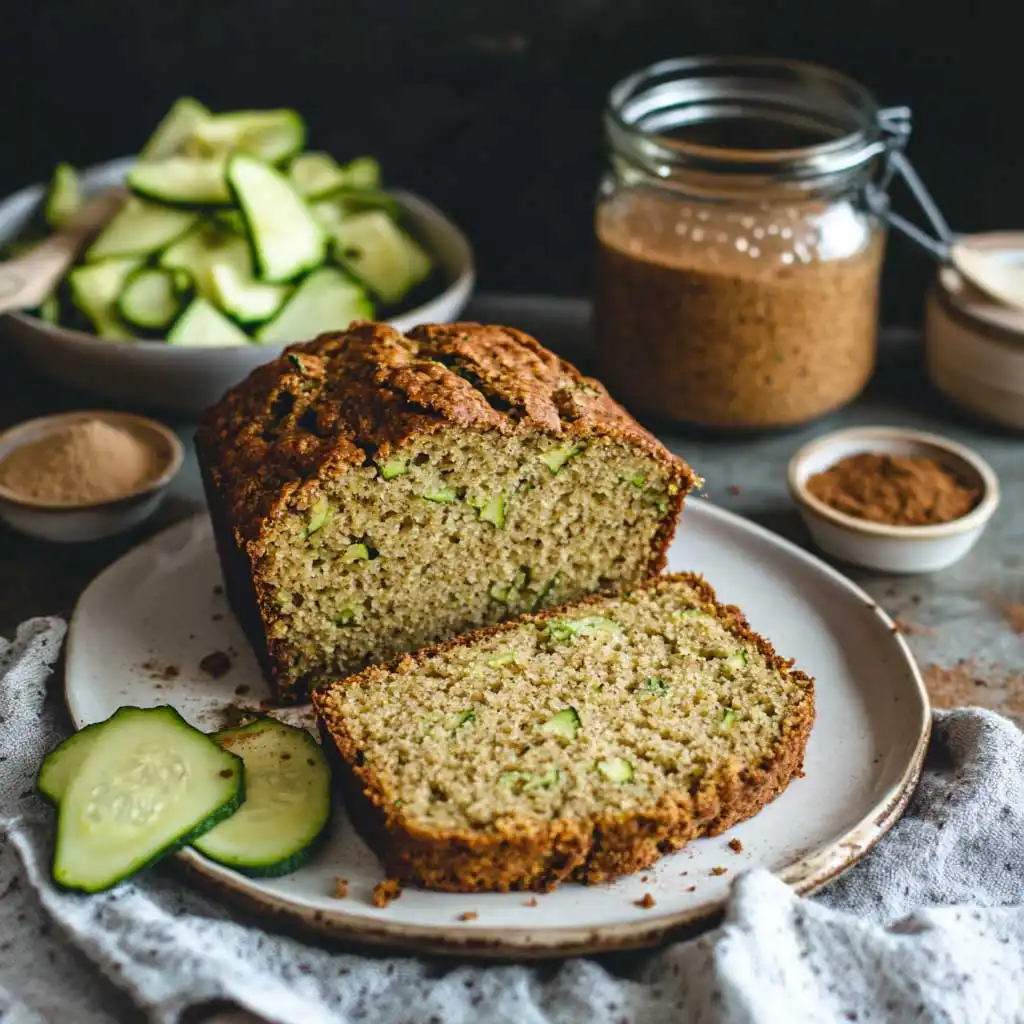

There’s nothing quite like the aroma of freshly baked bread filling your kitchen, especially when it’s infused with the comforting flavors of cinnamon and apple.
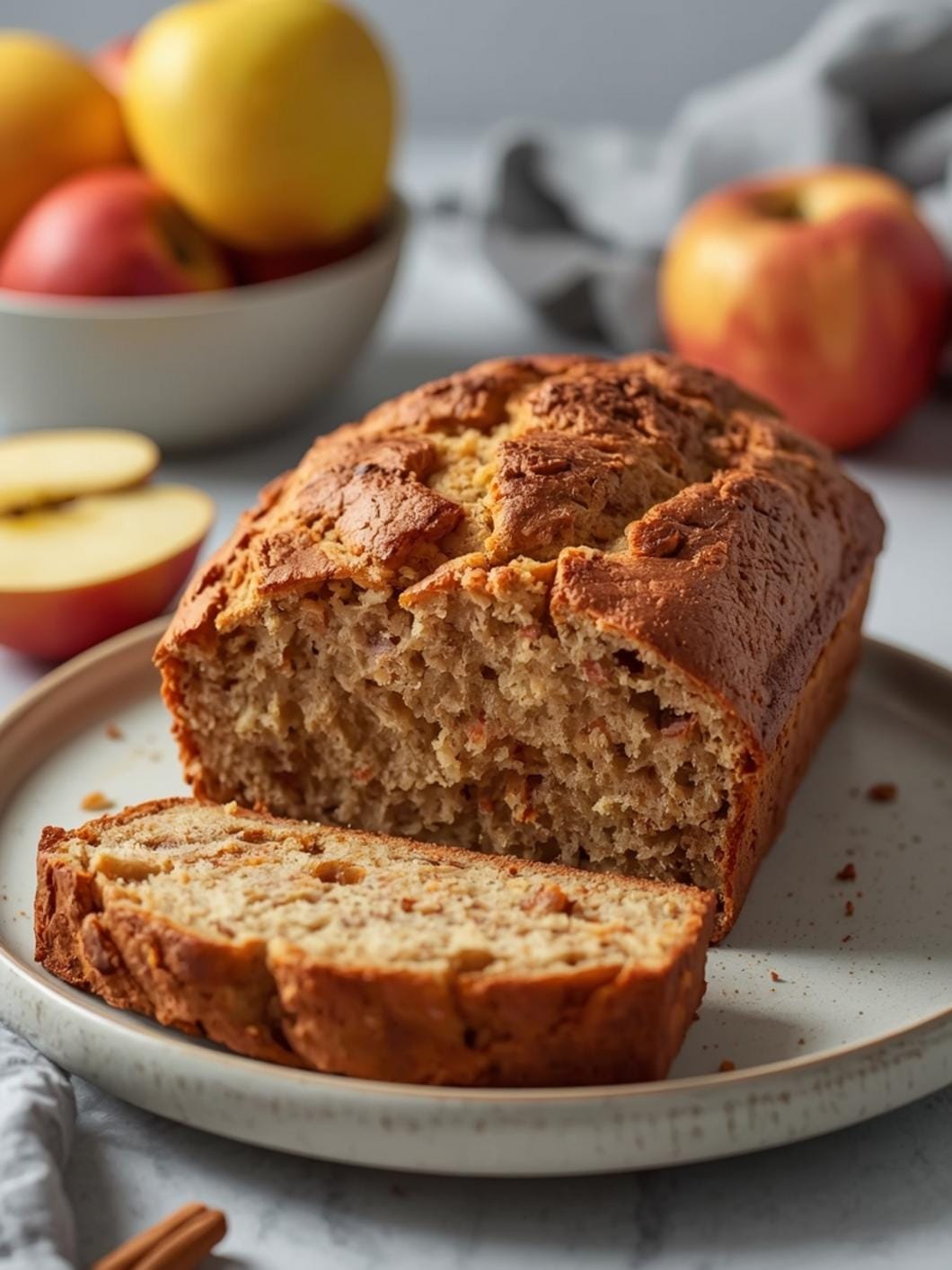
This Low-Sugar Cinnamon Apple Sourdough Bread recipe delivers all that warmth and deliciousness without being overly sweet, making it an ideal choice for any time of day.
Whether you’re looking for a delightful breakfast option, a wholesome snack, or a unique dessert, this sourdough loaf is incredibly versatile. It’s a fantastic way to utilize your active sourdough starter, transforming simple ingredients into a truly special treat that your whole family will adore.
Table of Contents
- What You’ll Love About This Quick And Easy Recipe
- Everything You Need To Make This Recipe Without Stress
- Time Needed From Start To Finish
- How To Make It Step By Step With Visual Cues
- Easy Variations And Serving Ideas That Fit Real Life
- Common Slip-Ups And How To Avoid Them
- How To Store It And Make It Ahead Without Ruining Texture

Low-Sugar Cinnamon Apple Sourdough Bread
- Total Time: 5-7 hours
- Yield: 1 loaf 1x
Description
This Low-Sugar Cinnamon Apple Sourdough Bread recipe delivers all the warmth and deliciousness of freshly baked bread infused with cinnamon and apple, without being overly sweet. It’s a versatile loaf perfect for breakfast, a wholesome snack, or a unique dessert, and a great way to use active sourdough starter.
Ingredients
Instructions
1. 1. Activate the Starter and Yeast: In a large mixing bowl, combine the active sourdough starter, warm water, active dry yeast, granulated sugar, and salt. Stir gently until everything is well combined and the yeast starts to bloom (you’ll see a slight foam on the surface, indicating it’s active).
2. 2. Mix the Dough: Gradually add the all-purpose flour to the wet ingredients, mixing with a wooden spoon or a stand mixer with a dough hook until a shaggy dough forms. Once the flour is mostly incorporated, add the finely diced apples and ground cinnamon. Continue mixing until the dough comes together and the apples and cinnamon are evenly distributed.
3. 3. First Rise (Bulk Fermentation): Cover the bowl with plastic wrap or a damp kitchen towel. Let the dough rise in a warm place for 3-4 hours, or until it has noticeably increased in size and looks bubbly. For a more complex flavor, you can place it in the refrigerator overnight for a slow, cold fermentation.
4. 4. Shape the Loaf: Gently turn the dough out onto a lightly floured surface. Avoid overworking it. Gently shape it into a round or oblong loaf. If using a proofing basket (banneton), lightly flour it and place the dough seam-side up. If not, place it directly on a parchment-lined baking sheet.
5. 5. Second Rise (Proofing): Cover the shaped dough loosely with plastic wrap or a damp towel and let it proof at room temperature for 1-2 hours, or until it looks puffy and springs back slowly when gently poked.
6. 6. Preheat and Prepare for Baking: About 30 minutes before baking, preheat your oven to 400 F (200 C). If using a Dutch oven, place it in the oven to preheat as well. If baking on a baking sheet, ensure it’s lined with parchment paper.
7. 7. Bake the Bread: If using a Dutch oven, carefully transfer the dough into the hot Dutch oven, score the top with a sharp knife or razor blade (a simple “X” or a few parallel lines work well), cover, and bake for 30 minutes. Then, remove the lid and bake for another 10-15 minutes, or until the crust is golden brown and the internal temperature reaches 200-210 F (93-99 C). If baking on a baking sheet, score the dough, brush with melted butter, sprinkle with turbinado sugar (if using), and bake for 35-40 minutes, or until golden brown.
8. 8. Cool Completely: Once baked, transfer the bread to a wire rack to cool completely before slicing. This is crucial for the texture to set properly.
- Prep Time: 20 minutes
- Cook Time: 35-40 minutes
- Category: bread
- Method: baking
- Cuisine: american
Nutrition
- Serving Size: 1 slice
Keywords: sourdough, apple, cinnamon, low sugar, homemade bread, baking, comfort food, breakfast, snack, dessert
What You’ll Love About This Quick And Easy Recipe
This recipe is a true gem for anyone who appreciates homemade bread but also values simplicity and healthier options. It’s perfect for busy parents, new sourdough bakers, or anyone looking to enjoy a delicious, wholesome treat without a sugar overload. The natural sweetness from the apples, combined with the warm spice of cinnamon and the tangy depth of sourdough, creates a flavor profile that is both comforting and sophisticated. You can serve it as a hearty breakfast alongside your morning coffee, a satisfying afternoon snack, or even a light dessert with a dollop of yogurt or a drizzle of honey. It’s also an excellent choice for brunch gatherings or potlucks, sure to impress with its homemade charm.
Everything You Need To Make This Recipe Without Stress
This recipe uses straightforward ingredients you likely already have in your pantry, making it easy to whip up without a special trip to the grocery store. The focus is on quality and balance, ensuring every bite is flavorful and satisfying.
INGREDIENTS:
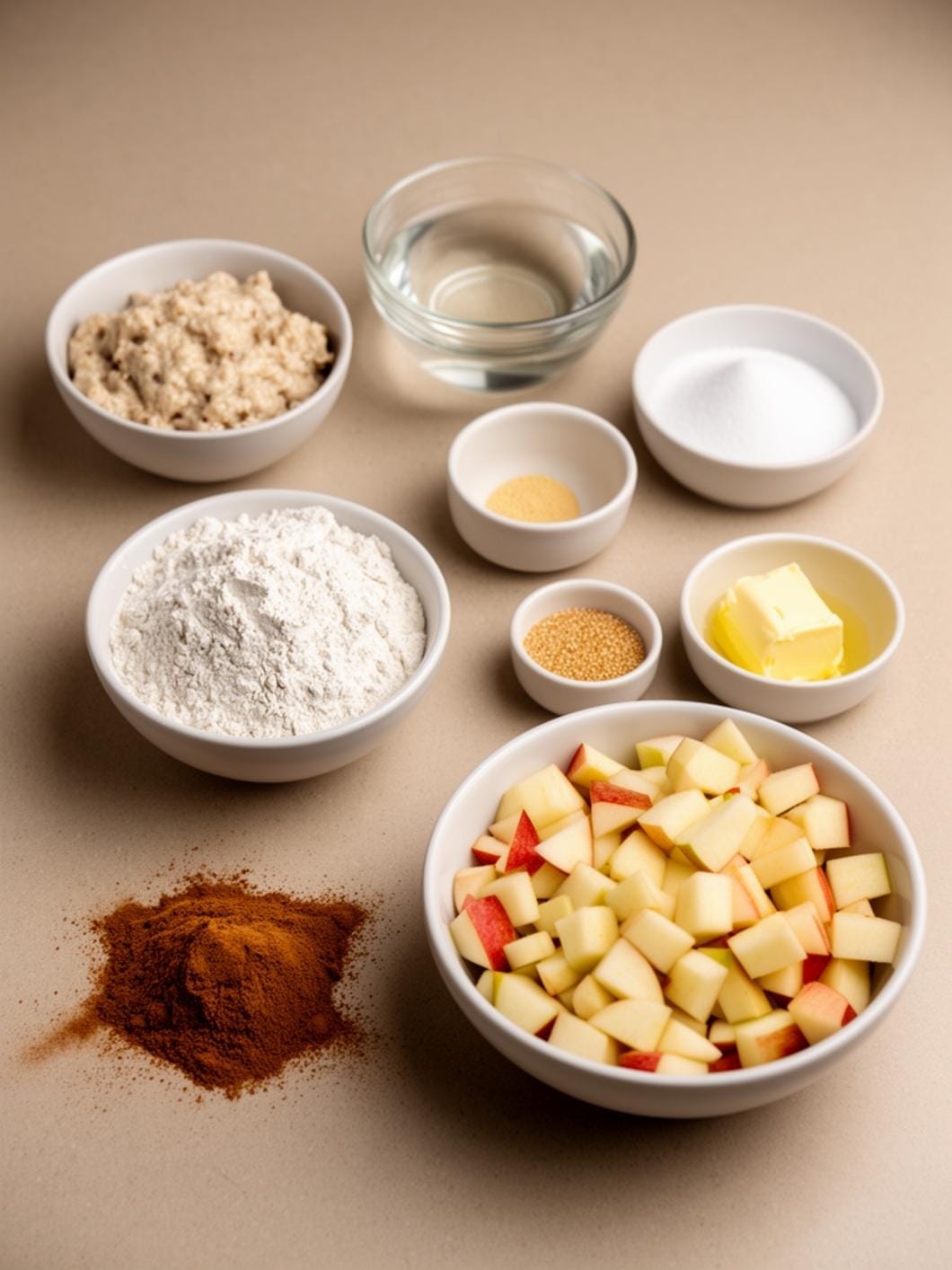
- 1 cup active sourdough starter
- 1 cup warm water (around 95-105°F)
- 1 teaspoon active dry yeast
- 2 tablespoons granulated sugar (or your preferred low-sugar sweetener equivalent)
- 1 teaspoon salt
- 3 cups all-purpose flour, plus more for dusting
- 1 cup finely diced apples (about 1 medium apple, peeled and cored)
- 1 tablespoon ground cinnamon
- 1/4 cup melted unsalted butter, for brushing
- 2 tablespoons turbinado sugar (optional, for topping)
For the apples, choose a firm, slightly tart variety like Honeycrisp, Fuji, or Granny Smith, as they hold their shape well during baking and provide a nice contrast to the sweetness. If you prefer a sweeter loaf, you can increase the amount of granulated sugar slightly, but the goal here is to keep it low-sugar. For the flour, all-purpose works wonderfully, but you can experiment with a portion of whole wheat flour for added nuttiness and fiber.
Time Needed From Start To Finish
This recipe requires a bit of patience due to the sourdough fermentation, but the active hands-on time is quite manageable.
- Prep Time: 20 minutes (includes mixing ingredients and dicing apples)
- Bulk Fermentation (First Rise): 3-4 hours (or overnight in the refrigerator for a deeper flavor)
- Proofing (Second Rise): 1-2 hours
- Bake Time: 35-40 minutes
- Total Estimated Time: 5-7 hours (or longer if cold fermenting), with minimal active involvement.
How To Make It Step By Step With Visual Cues
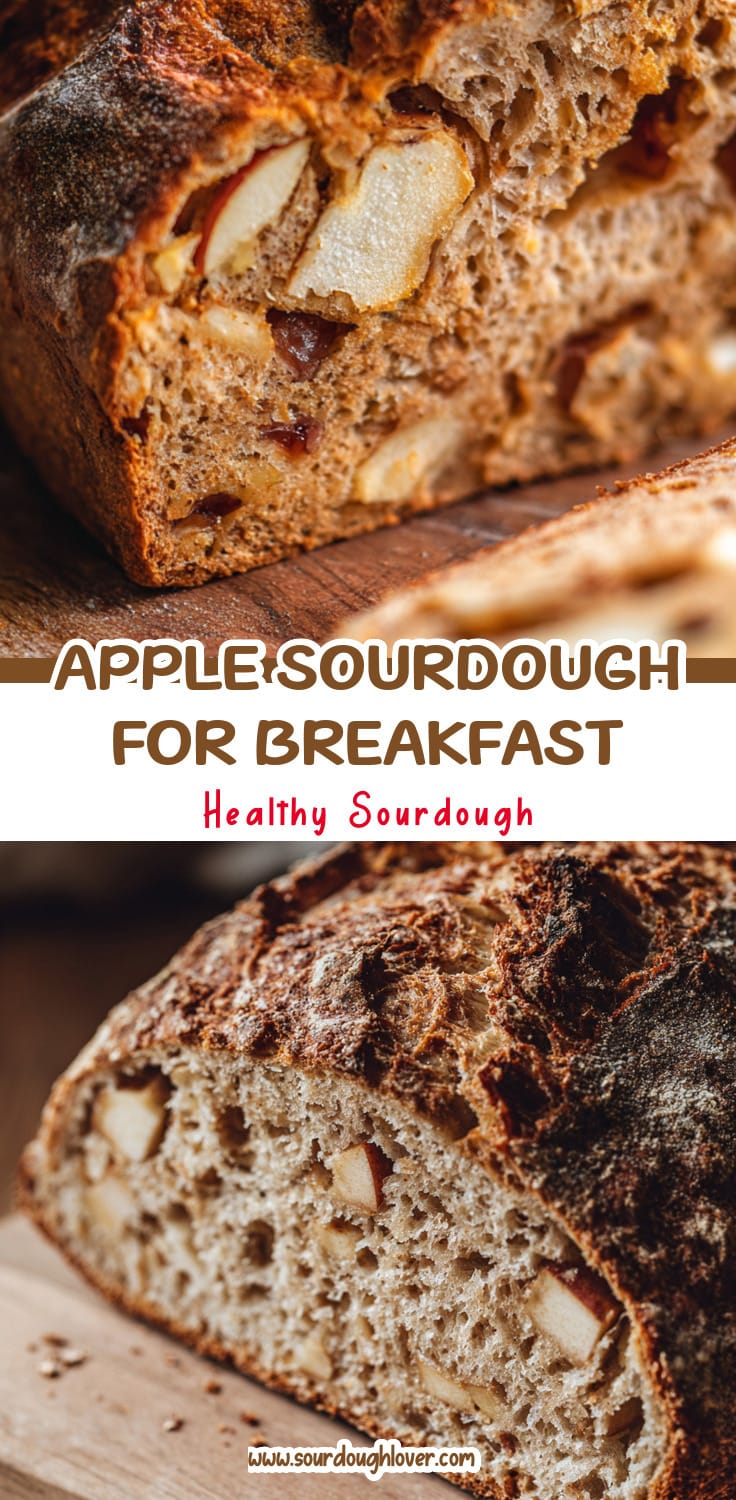
Creating this delicious apple cinnamon sourdough bread is a rewarding process. Follow these steps for a perfect loaf every time.
- Activate the Starter and Yeast: In a large mixing bowl, combine the active sourdough starter, warm water, active dry yeast, granulated sugar, and salt. Stir gently until everything is well combined and the yeast starts to bloom (you’ll see a slight foam on the surface, indicating it’s active).
- Mix the Dough: Gradually add the all-purpose flour to the wet ingredients, mixing with a wooden spoon or a stand mixer with a dough hook until a shaggy dough forms. Once the flour is mostly incorporated, add the finely diced apples and ground cinnamon. Continue mixing until the dough comes together and the apples and cinnamon are evenly distributed.
- First Rise (Bulk Fermentation): Cover the bowl with plastic wrap or a damp kitchen towel. Let the dough rise in a warm place for 3-4 hours, or until it has noticeably increased in size and looks bubbly. For a more complex flavor, you can place it in the refrigerator overnight for a slow, cold fermentation.
- Shape the Loaf: Gently turn the dough out onto a lightly floured surface. Avoid overworking it. Gently shape it into a round or oblong loaf. If using a proofing basket (banneton), lightly flour it and place the dough seam-side up. If not, place it directly on a parchment-lined baking sheet.
- Second Rise (Proofing): Cover the shaped dough loosely with plastic wrap or a damp towel and let it proof at room temperature for 1-2 hours, or until it looks puffy and springs back slowly when gently poked.
- Preheat and Prepare for Baking: About 30 minutes before baking, preheat your oven to 400°F (200°C). If using a Dutch oven, place it in the oven to preheat as well. If baking on a baking sheet, ensure it’s lined with parchment paper.
- Bake the Bread: If using a Dutch oven, carefully transfer the dough into the hot Dutch oven, score the top with a sharp knife or razor blade (a simple “X” or a few parallel lines work well), cover, and bake for 30 minutes. Then, remove the lid and bake for another 10-15 minutes, or until the crust is golden brown and the internal temperature reaches 200-210°F (93-99°C). If baking on a baking sheet, score the dough, brush with melted butter, sprinkle with turbinado sugar (if using), and bake for 35-40 minutes, or until golden brown.
- Cool Completely: Once baked, transfer the bread to a wire rack to cool completely before slicing. This is crucial for the texture to set properly.
Easy Variations And Serving Ideas That Fit Real Life
This apple cinnamon sourdough loaf is wonderfully versatile and can be adapted to suit different tastes and occasions. For a richer flavor, you could add a handful of chopped walnuts or pecans to the dough along with the apples. A touch of grated orange zest would also brighten the apple and cinnamon notes beautifully.
When it comes to serving, this bread shines in many roles. Enjoy a thick slice toasted with a smear of cream cheese or a drizzle of maple syrup for breakfast. For a delightful snack, serve it plain with a cup of tea or coffee. It also makes a fantastic base for a unique French toast, soaking up the custard beautifully. For a party or buffet, slice it and arrange it on a platter with a side of apple butter or a light fruit compote. Kids often love this bread plain or with a little bit of butter, making it a wholesome and satisfying after-school snack.
Common Slip-Ups And How To Avoid Them
Even experienced bakers can encounter small challenges, but knowing what to look out for can make all the difference.
- Inactive Sourdough Starter: If your starter isn’t active and bubbly, your bread won’t rise properly. Make sure your starter has been fed recently and is at its peak activity before using it.
- Over-flouring the Dough: Adding too much flour can result in a dense, dry loaf. Start with the recommended amount and only add more if the dough is excessively sticky. A slightly sticky dough is often a good sign for sourdough.
- Not Dicing Apples Finely Enough: Large chunks of apple can create pockets of moisture in the dough, leading to a gummy texture. Ensure your apples are finely diced (about 1/4-inch pieces) for even distribution and baking.
- Undercooking the Bread: An undercooked loaf will be dense and potentially gummy in the center. Always check for a golden-brown crust and an internal temperature of 200-210°F (93-99°C) to ensure it’s fully baked.
- Slicing Too Soon: It’s tempting to cut into a warm loaf, but cooling the bread completely is vital. This allows the internal structure to set, preventing a gummy texture and ensuring clean slices.
How To Store It And Make It Ahead Without Ruining Texture
Proper storage is key to keeping your homemade sourdough fresh and delicious. Once completely cooled, store the bread in an airtight container or a bread bag at room temperature for up to 3-4 days. You can also wrap it tightly in plastic wrap, then foil, and freeze it for up to 2-3 months. To enjoy from frozen, simply thaw at room temperature or gently reheat slices in a toaster or oven.
If you want to make it ahead, you can prepare the dough through the bulk fermentation stage (first rise) and then place it in the refrigerator overnight (up to 12-18 hours). The cold fermentation will not only enhance the flavor but also slow down the rising process. The next day, simply take it out, let it come to room temperature for about an hour, shape it, and proceed with the second rise and baking.
FAQs
- Can I make these ahead? Yes—prep ahead, refrigerate, then serve when ready.
- How long do leftovers last? Store covered in the fridge for 3–4 days for best texture.
- Can I adjust sweetness? Yes—add more or less sweetener to taste.
- Can I change the fruit? Yes—swap strawberries for blueberries, raspberries, or sliced banana.