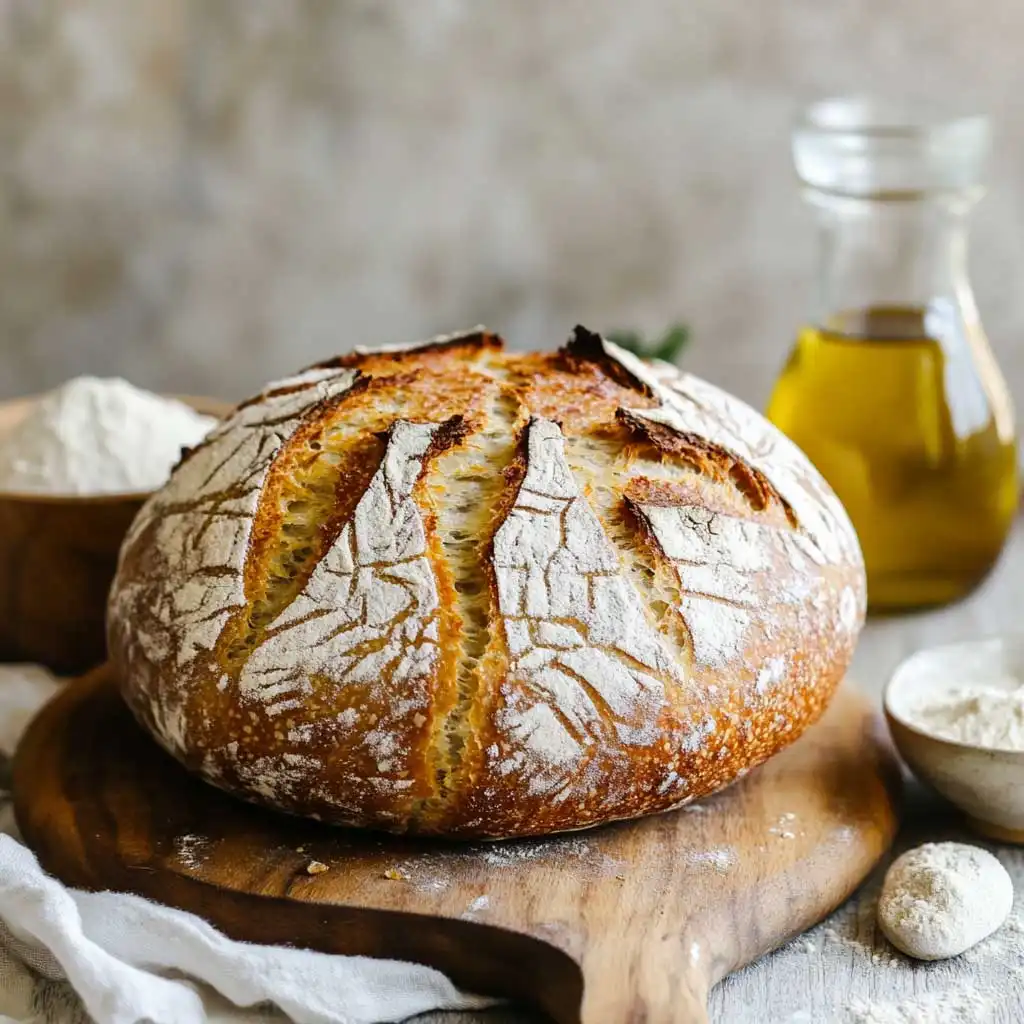

Achieving that perfectly round, beautifully risen sourdough boule might seem like a baker’s secret, but it’s an accessible skill for anyone.
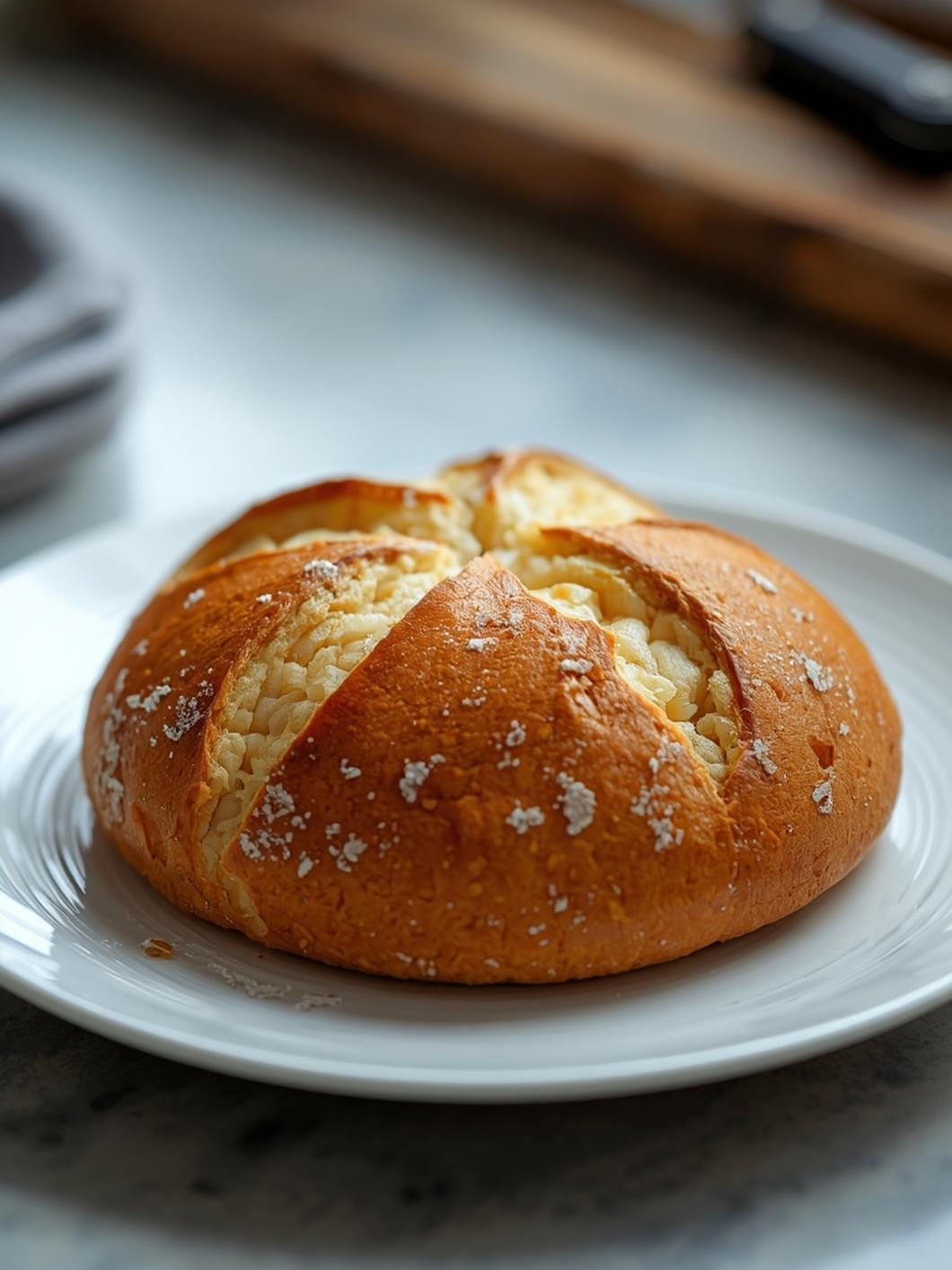
The final shaping of your sourdough loaf is a critical step that impacts not just the appearance but also the crumb structure and overall rise of your bread. It’s about building tension and creating a strong outer skin to support the dough during its final proof and bake.
This guide will walk you through the essential techniques for shaping a sourdough boule, ensuring you get that impressive, professional-looking loaf every time. We’ll focus on practical, easy-to-follow methods that build confidence and deliver consistent results, transforming your homemade sourdough from good to truly exceptional.
Table of Contents
- What You’ll Love About This Quick And Easy Recipe
- Everything You Need To Make This Recipe Without Stress
- Time Needed From Start To Finish
- How To Make It Step By Step With Visual Cues
- Easy Variations And Serving Ideas That Fit Real Life
- Common Slip-Ups And How To Avoid Them
- How To Store It And Make It Ahead Without Ruining Texture

Sourdough Boule Shaping Guide
- Total Time: 10-15 minutes
- Yield: 1 loaf
Description
This guide provides essential techniques for shaping a sourdough boule, focusing on creating tension and a strong outer skin for a professional-looking loaf with improved crumb structure and rise. It demystifies the shaping process, making it accessible for home bakers.
Ingredients
Instructions
1. Prepare Your Work Surface and Dough: Lightly dust your clean work surface with a small amount of rice flour or all-purpose flour. Gently turn your bulk-fermented sourdough dough out onto the floured surface. Try to handle it as little as possible to preserve the air bubbles.
2. Pre-Shape (Rough Rounding): Using a bench scraper or your hands, gently form the dough into a loose round. Let the dough rest on the counter, uncovered, for 10-20 minutes. This rest period, called the bench rest, allows the gluten to relax, making the dough easier to handle and less prone to tearing during the final shaping.
3. Dust Your Proofing Basket: While the dough rests, generously dust your proofing basket (banneton) or floured towel-lined bowl with rice flour or all-purpose flour. This prevents the dough from sticking during its final proof.
4. Final Shaping – The Envelope Fold Method: After the bench rest, gently flip the dough over so the sticky side is facing up. Imagine the dough as a square. Take the top edge and fold it down towards the center. Then, take the bottom edge and fold it up, overlapping the first fold. Next, take one side and fold it in towards the center, then the other side, overlapping to create a rough package.
5. Final Shaping – Creating Tension: Now, flip the dough seam-side down. Using your bench scraper or the palms of your hands, cup the dough and gently pull it towards you across the un-floured part of your work surface. This motion creates tension on the top surface of the dough, tightening the skin. Rotate the dough slightly and repeat this pulling and tucking motion a few times until you have a tight, round boule with a smooth, taut surface. The seam should be gathered at the bottom.
6. Transfer to Proofing Basket: Carefully pick up your shaped boule and place it seam-side up into your prepared, floured proofing basket. The seam-side up placement helps the dough hold its shape and allows for easier scoring later.
7. Final Proof: Cover the proofing basket with a clean kitchen towel or plastic wrap and place it in the refrigerator for its final cold proof (typically 8-12 hours or overnight). This slow, cold proof develops flavor and makes the dough easier to handle and score.
- Prep Time: 10-15 minutes
- Cook Time: N/A
- Category: baking
- Method: shaping
- Cuisine: bread
Nutrition
- Serving Size: 1 slice
Keywords: sourdough, shaping, boule, bread, baking, technique, artisan, dough, fermentation, proofing
What You’ll Love About This Quick And Easy Recipe
This guide isn’t about baking a whole new loaf from scratch; it’s specifically designed to elevate your existing sourdough baking routine by focusing on one of the most crucial steps: shaping. You’ll love it because it demystifies a process that often intimidates home bakers, making it straightforward and achievable. This approach is perfect for anyone who already bakes sourdough but wants to improve their loaf’s structure, rise, and aesthetic appeal. If you’ve ever had a sourdough loaf spread out rather than spring up, or if you’re aiming for that classic, taut-skinned boule, this guide is for you. It’s an essential skill for anyone serious about crafting artisan-quality bread at home, ensuring your efforts in fermentation and mixing truly shine in the final product.
Everything You Need To Make This Recipe Without Stress
Since this guide focuses on the *shaping* of sourdough rather than the *making* of it, the “ingredients” are primarily the tools and the prepared dough itself. You won’t need to buy anything special beyond what you likely already have on hand for sourdough baking. The key is having your well-fermented sourdough dough ready to go.
INGREDIENTS:
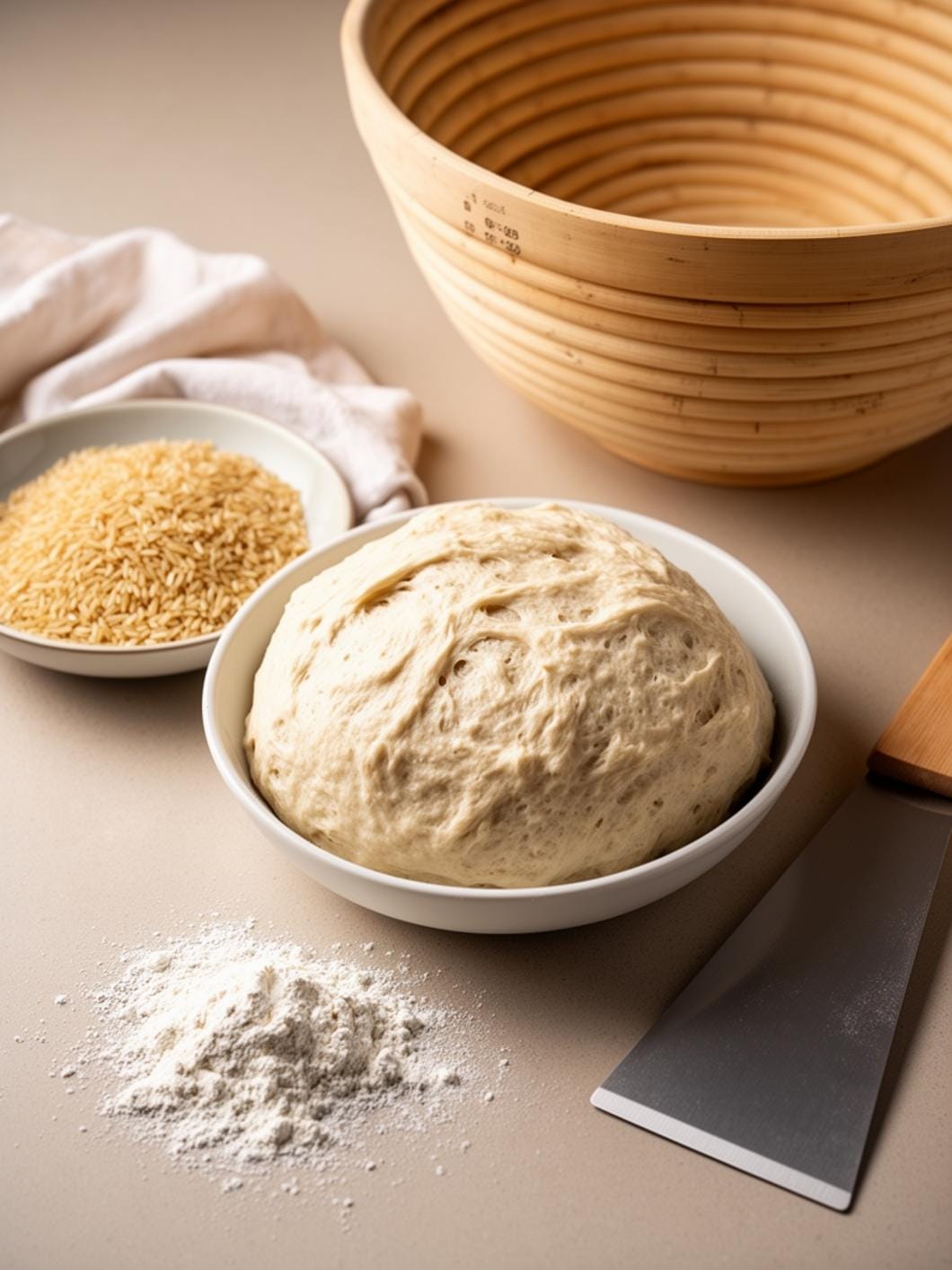
- Your prepared and proofed sourdough dough (typically after bulk fermentation)
- A small amount of rice flour or all-purpose flour for dusting
- A bench scraper or dough scraper
- A proofing basket (banneton) or a bowl lined with a floured kitchen towel
For dusting, rice flour is often preferred because it’s less likely to absorb moisture from the dough, preventing sticking, especially in a banneton. However, regular all-purpose flour works perfectly fine, particularly if you’re using a well-floured kitchen towel in a bowl. You don’t need any fancy equipment; a simple mixing bowl and a clean kitchen towel can serve as an effective proofing basket if you don’t own a banneton.
Time Needed From Start To Finish
The actual shaping process for a sourdough boule is surprisingly quick once you get the hang of it. The time estimates below assume your dough has already completed its bulk fermentation and is ready for the final shaping stage.
- Active Shaping Time: 5-10 minutes
- Total Time (including short rest periods): 10-15 minutes
This timing makes it a very efficient part of your overall sourdough baking schedule, allowing you to quickly move from bulk fermentation to the final proof.
How To Make It Step By Step With Visual Cues
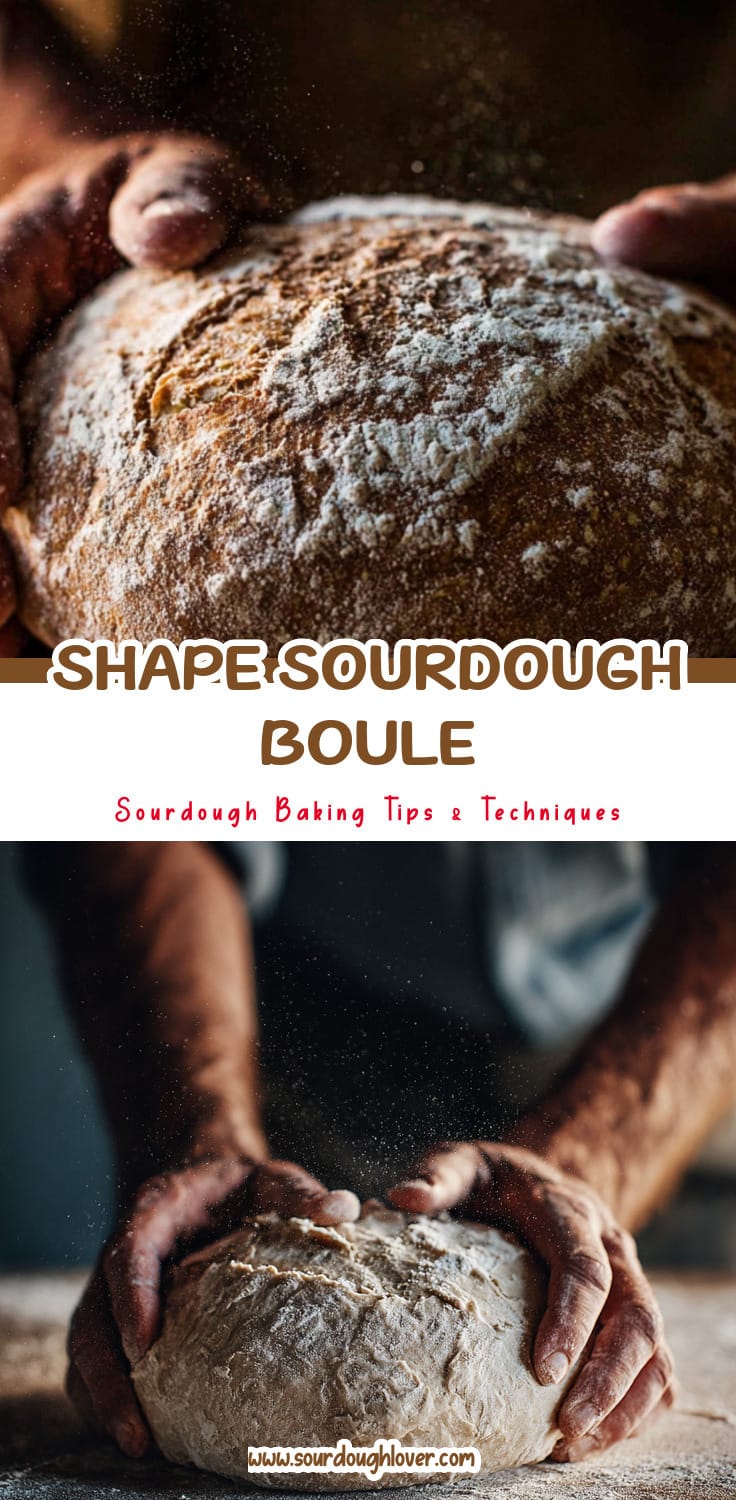
Shaping a sourdough boule is all about creating surface tension and a tight skin. Follow these steps for a perfect round loaf.
- Prepare Your Work Surface and Dough: Lightly dust your clean work surface with a small amount of rice flour or all-purpose flour. Gently turn your bulk-fermented sourdough dough out onto the floured surface. Try to handle it as little as possible to preserve the air bubbles.
- Pre-Shape (Rough Rounding): Using a bench scraper or your hands, gently form the dough into a loose round. The goal here is just to create some initial tension and make it easier for the final shape. Let the dough rest on the counter, uncovered, for 10-20 minutes. This rest period, called the bench rest, allows the gluten to relax, making the dough easier to handle and less prone to tearing during the final shaping.
- Dust Your Proofing Basket: While the dough rests, generously dust your proofing basket (banneton) or floured towel-lined bowl with rice flour or all-purpose flour. This prevents the dough from sticking during its final proof.
- Final Shaping – The Envelope Fold Method: After the bench rest, gently flip the dough over so the sticky side is facing up. Imagine the dough as a square. Take the top edge and fold it down towards the center. Then, take the bottom edge and fold it up, overlapping the first fold. Next, take one side and fold it in towards the center, then the other side, overlapping to create a rough package.
- Final Shaping – Creating Tension: Now, flip the dough seam-side down. Using your bench scraper or the palms of your hands, cup the dough and gently pull it towards you across the un-floured part of your work surface. This motion creates tension on the top surface of the dough, tightening the skin. Rotate the dough slightly and repeat this pulling and tucking motion a few times until you have a tight, round boule with a smooth, taut surface. The seam should be gathered at the bottom.
- Transfer to Proofing Basket: Carefully pick up your shaped boule and place it seam-side up into your prepared, floured proofing basket. The seam-side up placement helps the dough hold its shape and allows for easier scoring later.
- Final Proof: Cover the proofing basket with a clean kitchen towel or plastic wrap and place it in the refrigerator for its final cold proof (typically 8-12 hours or overnight). This slow, cold proof develops flavor and makes the dough easier to handle and score.
Easy Variations And Serving Ideas That Fit Real Life
While shaping is a technique, not a recipe with “variations” in the traditional sense, there are nuances to consider that affect the final look and feel of your boule.
- Different Shaping Techniques: Beyond the envelope fold, you can experiment with the “stitch” method (where you gently pull and tuck edges under the dough) or the “round and tuck” method (using your hands to rotate and tighten the dough against the counter). Each method aims for the same goal: surface tension.
- Adding Inclusions: If you’re adding inclusions like cheese, olives, or herbs, incorporate them during the bulk fermentation or just before the pre-shape. When shaping, be extra gentle to ensure the inclusions don’t tear the delicate gluten network you’re trying to build tension in.
- Serving Your Beautiful Boule: Once baked, a perfectly shaped sourdough boule is a star on its own. Serve it simply with good quality olive oil and balsamic vinegar, or alongside a hearty soup or stew. It’s fantastic for open-faced sandwiches, bruschetta, or just toasted with butter and jam. For a family meal, a well-shaped loaf makes an impressive centerpiece that encourages everyone to tear off a piece.
Common Slip-Ups And How To Avoid Them
Even experienced bakers can encounter issues with shaping. Knowing these common pitfalls can help you avoid them.
- Dough Sticking to the Work Surface: If your dough is too sticky, it’s hard to build tension. Ensure your work surface is lightly floured, but don’t overdo it, as too much flour can prevent the dough from gripping the surface for tension. A bench scraper is your best friend here.
- Tearing the Dough: If you pull too aggressively or if the dough hasn’t rested enough (short bench rest), it can tear. This releases gases and compromises the structure. Be gentle, and ensure your dough is adequately relaxed after the pre-shape.
- Lack of Surface Tension: This is the most common issue. If your boule spreads out rather than holds its shape, it lacks sufficient surface tension. Practice the pulling and tucking motions to create a tight skin. The dough should feel taut and round, not slack.
- Over-flouring the Banneton: Too much flour in the proofing basket can create a thick, unsightly crust of flour on your baked loaf. Dust generously enough to prevent sticking, but tap out any excess. Rice flour helps here as it doesn’t absorb into the dough.
- Dough Sticking in the Banneton: This happens if the banneton isn’t floured enough or if your dough is overly wet. Ensure thorough flouring, and if your dough is very high hydration, a mix of rice flour and all-purpose flour for dusting can be more effective.
How To Store It And Make It Ahead Without Ruining Texture
This guide focuses on the shaping process, which is part of the “make-ahead” aspect of sourdough baking (the cold proof).
- Making Ahead (Cold Proof): After shaping, your sourdough boule is typically placed in the refrigerator for a cold proof. This can range from 8 hours to 24-36 hours, depending on your schedule and desired flavor development. The cold significantly slows down fermentation, allowing you to bake the loaf at your convenience.
- Storing the Baked Loaf: Once your beautifully shaped and baked sourdough boule has cooled completely, store it at room temperature. For the first day or two, simply place it cut-side down on a cutting board or in
FAQs
- Can I make these ahead? Yes—prep ahead, refrigerate, then serve when ready.
- How long do leftovers last? Store covered in the fridge for 3–4 days for best texture.
- Can I adjust sweetness? Yes—add more or less sweetener to taste.
- Can I change the fruit? Yes—swap strawberries for blueberries, raspberries, or sliced banana.