
Mastering sourdough shaping might seem intimidating at first, but with a few simple techniques, you’ll be creating beautifully rustic loaves that look like they came straight from a professional bakery. This guide focuses on practical, easy-to-follow steps to help you achieve that perfect tension and structure in your dough, essential for a great rise and an open crumb.
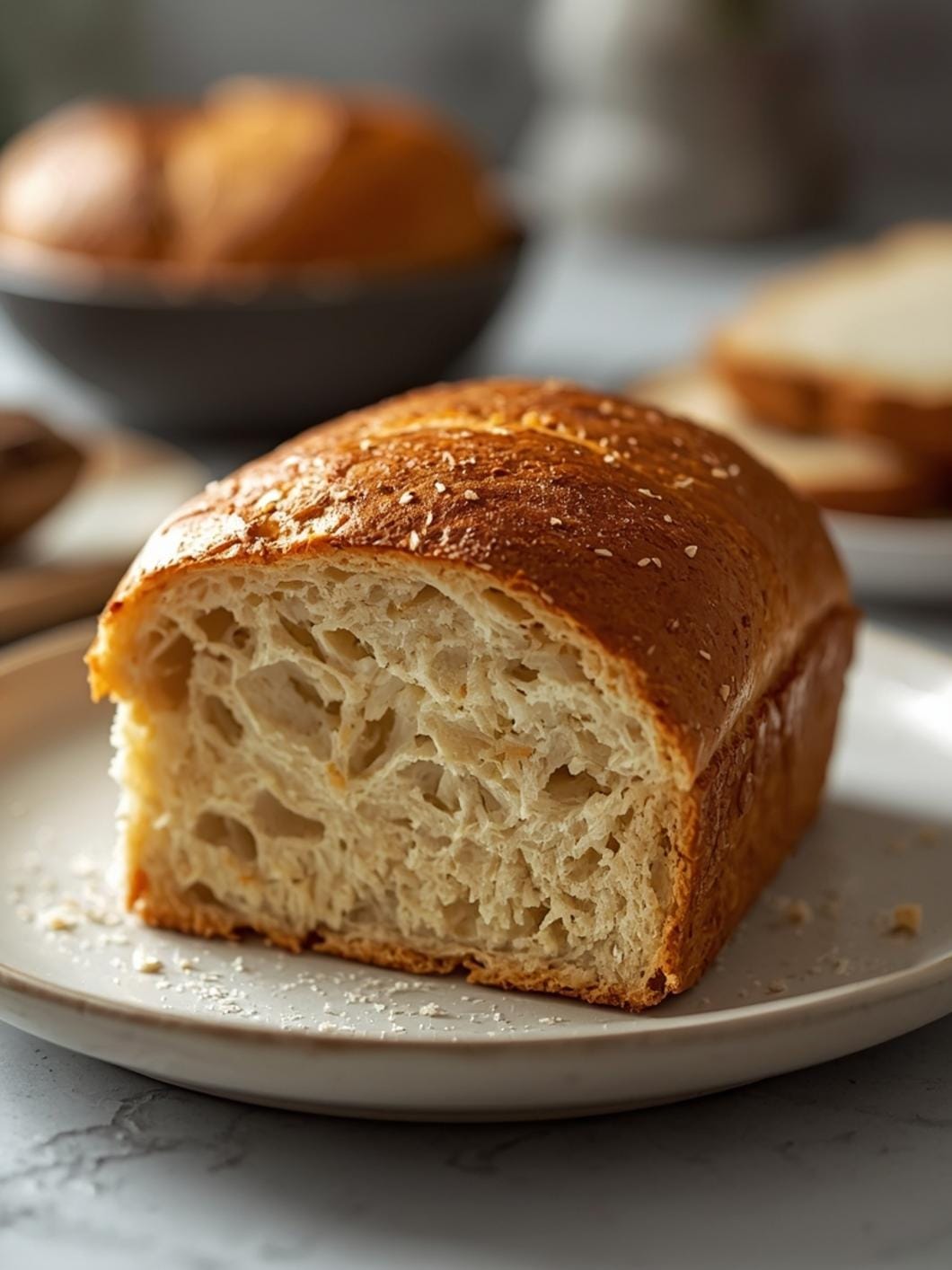
Whether you’re a seasoned sourdough baker or just starting your journey with a vibrant sourdough starter, understanding the art of shaping is key to transforming a sticky mass into a gorgeously taut boule or batard. We’ll break down the process into manageable steps, ensuring your next homemade sourdough bread is a true masterpiece.
Table of Contents
- What You’ll Love About This Quick And Easy Recipe
- Everything You Need To Make This Recipe Without Stress
- Time Needed From Start To Finish
- How To Make It Step By Step With Visual Cues
- Easy Variations And Serving Ideas That Fit Real Life
- Common Slip-Ups And How To Avoid Them
- How To Store It And Make It Ahead Without Ruining Texture

Mastering Sourdough Shaping Techniques
- Total Time: 25-40 minutes
- Yield: 1 loaf
Description
This guide provides practical, easy-to-follow steps for shaping sourdough dough into beautiful boules or batards, focusing on creating tension and structure for an excellent rise and open crumb. It covers pre-shaping, final shaping for both round and oval loaves, and tips for successful proofing.
Ingredients
Instructions
1. 1. Prepare Your Work Surface and Dough: Lightly dust your clean work surface with flour. Gently scrape your fermented sourdough dough out of its bulk fermentation container onto the floured surface. Try to disturb the dough as little as possible to retain the air pockets.
2. 2. Pre-Shape (for Boule or Batard): For a boule (round loaf), gently gather the edges of the dough towards the center, forming a rough ball. Flip it seam-side down and, using the palms of your hands, gently drag the dough towards you across the surface. This action creates surface tension. For a batard (oval loaf), gently form it into a loose rectangle. Let the dough rest, covered, for 20-30 minutes. This is called the “bench rest” and allows the gluten to relax, making the final shaping much easier.
3. 3. Final Shaping for a Boule (Round Loaf): After the bench rest, gently flip the dough over so the sticky side is up. Take the top edge of the dough and fold it down about two-thirds of the way towards the center. Press gently to seal. Then, take the left and right sides and fold them towards the center, overlapping slightly. Finally, take the bottom edge and fold it up and over the previous folds, creating a tight package. Flip the dough seam-side down and, using cupped hands, rotate it while gently dragging it towards you to create a taut, smooth surface. The dough should feel firm and hold its shape.
4. 4. Final Shaping for a Batard (Oval Loaf): After the bench rest, gently flip the dough over. Take the top edge and fold it down about two-thirds of the way. Press gently to seal. Then, take the left side and fold it over about one-third of the way, followed by the right side overlapping the left. You should have a roughly rectangular shape. Starting from the top, tightly roll the dough downwards, tucking the dough in as you go, until you reach the bottom. Pinch the seam closed along the entire length. Gently cup your hands around the ends and roll the batard back and forth a few times to even out the shape and create more tension.
5. 5. Place in Proofing Basket (Banneton): Once shaped, lightly dust your banneton (or a bowl lined with a floured tea towel) with flour. Carefully transfer your shaped dough, seam-side up, into the prepared banneton. The seam-side up placement allows the dough to expand freely during proofing.
6. 6. Final Proofing: Cover the banneton with a clean kitchen towel or plastic wrap and place it in the refrigerator for its final proof (cold proof). This slow proofing develops flavor and makes the dough easier to handle when scoring.
- Prep Time: 5-10 minutes
- Cook Time: 0 minutes
- Category: baking
- Method: shaping
- Cuisine: european
Nutrition
- Serving Size: 1 slice
Keywords: sourdough, shaping, baking, bread, boule, batard, technique, gluten, proofing, homemade
What You’ll Love About This Quick And Easy Recipe
This guide is designed for anyone who wants to elevate their sourdough baking game, from beginners looking to understand fundamental techniques to more experienced bakers seeking to refine their shaping skills. It’s perfect for those moments when you’ve nurtured your sourdough starter, mixed your dough, and now want to ensure all that hard work translates into a loaf with excellent oven spring and a delightful appearance. You’ll love how these techniques transform your dough, making it easier to handle and resulting in a more professional-looking final product. This isn’t a recipe for a specific dish, but rather a crucial skill-building article that applies to almost any sourdough bread recipe you might be following.
Everything You Need To Make This Recipe Without Stress
While this isn’t a traditional ingredient-based recipe, shaping sourdough does require a few basic tools to make the process smoother and more effective. Having these items on hand will ensure you can handle your dough with confidence and achieve the best possible results.
INGREDIENTS:
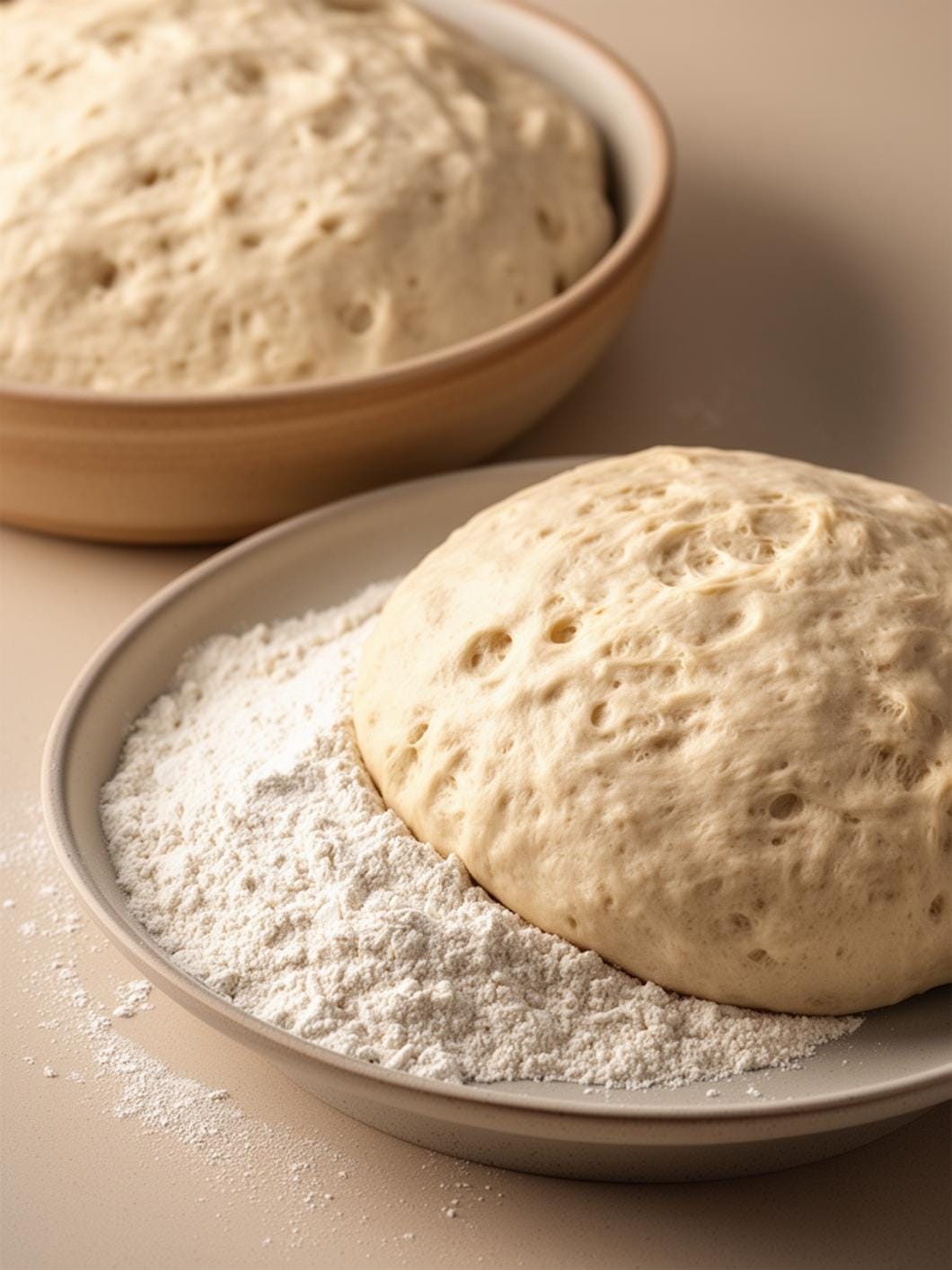
- Your prepared sourdough dough (after bulk fermentation)
- A light dusting of flour (rice flour or all-purpose flour)
You don’t need any fancy or expensive equipment to shape sourdough. The most important “ingredient” here is your prepared dough, which should have completed its bulk fermentation and be ready for its final form. For dusting, a small amount of all-purpose flour works perfectly well. Some bakers prefer rice flour for dusting their bannetons (proofing baskets) because it’s less likely to stick to the dough, but it’s not essential for the shaping process itself.
Time Needed From Start To Finish
- Active Shaping Time: 5-10 minutes per loaf
- Resting Time (Bench Rest): 20-30 minutes (optional, but recommended for easier shaping)
- Total Hands-On Time: Approximately 5-10 minutes
This timing refers specifically to the shaping steps, not the entire sourdough baking process, which includes mixing, bulk fermentation, and final proofing. The bench rest is a crucial step that allows the gluten to relax, making the dough more pliable and easier to work with for the final shaping.
How To Make It Step By Step With Visual Cues

Shaping sourdough involves creating tension on the surface of the dough, which helps it hold its shape during proofing and baking. We’ll focus on two common shapes: a round boule and an oval batard.
- Prepare Your Work Surface and Dough: Lightly dust your clean work surface with flour. Gently scrape your fermented sourdough dough out of its bulk fermentation container onto the floured surface. Try to disturb the dough as little as possible to retain the air pockets.
- Pre-Shape (for Boule or Batard): For a boule (round loaf), gently gather the edges of the dough towards the center, forming a rough ball. Flip it seam-side down and, using the palms of your hands, gently drag the dough towards you across the surface. This action creates surface tension. For a batard (oval loaf), gently form it into a loose rectangle. Let the dough rest, covered, for 20-30 minutes. This is called the “bench rest” and allows the gluten to relax, making the final shaping much easier.
- Final Shaping for a Boule (Round Loaf): After the bench rest, gently flip the dough over so the sticky side is up. Take the top edge of the dough and fold it down about two-thirds of the way towards the center. Press gently to seal. Then, take the left and right sides and fold them towards the center, overlapping slightly. Finally, take the bottom edge and fold it up and over the previous folds, creating a tight package. Flip the dough seam-side down and, using cupped hands, rotate it while gently dragging it towards you to create a taut, smooth surface. The dough should feel firm and hold its shape.
- Final Shaping for a Batard (Oval Loaf): After the bench rest, gently flip the dough over. Take the top edge and fold it down about two-thirds of the way. Press gently to seal. Then, take the left side and fold it over about one-third of the way, followed by the right side overlapping the left. You should have a roughly rectangular shape. Starting from the top, tightly roll the dough downwards, tucking the dough in as you go, until you reach the bottom. Pinch the seam closed along the entire length. Gently cup your hands around the ends and roll the batard back and forth a few times to even out the shape and create more tension.
- Place in Proofing Basket (Banneton): Once shaped, lightly dust your banneton (or a bowl lined with a floured tea towel) with flour. Carefully transfer your shaped dough, seam-side up, into the prepared banneton. The seam-side up placement allows the dough to expand freely during proofing.
- Final Proofing: Cover the banneton with a clean kitchen towel or plastic wrap and place it in the refrigerator for its final proof (cold proof). This slow proofing develops flavor and makes the dough easier to handle when scoring.
Easy Variations And Serving Ideas That Fit Real Life
While shaping itself doesn’t have “variations” in the traditional sense, the type of loaf you shape dictates how you might serve it. A beautifully shaped sourdough loaf is versatile and can be the star of many meals.
- Classic Slices: A well-shaped boule or batard is perfect for slicing and serving alongside soups, stews, or salads. Its sturdy crust and open crumb make it ideal for dipping into olive oil or balsamic vinegar.
- Sandwich Bread: Slice your batard thinly for hearty sandwiches. The slightly denser crumb of a well-shaped loaf holds up beautifully to fillings.
- Crostini or Bruschetta: Leftover sourdough can be sliced, toasted, and topped with various ingredients for elegant appetizers.
- Garlic Bread: Turn your shaped loaf into a delicious garlic bread by slathering it with garlic butter and baking until golden.
- Breakfast Toast: Thick slices of sourdough make excellent toast, perfect with avocado, eggs, or your favorite jam.
- Kid-Friendly Approach: Kids often love tearing into a fresh loaf. Offer them small pieces with butter or their favorite spread. The satisfaction of eating bread they watched you shape can be a fun experience for them.
Common Slip-Ups And How To Avoid Them
Even experienced bakers encounter challenges with shaping. Here are some common issues and how to navigate them for a more successful bake:
- Dough Sticking to the Work Surface: If your dough is too sticky, you might not be using enough flour on your work surface, or your dough might be over-hydrated. Don’t be afraid to use a light dusting of flour, but avoid over-flouring, which can lead to a dry crust. A bench scraper is also your best friend for gently releasing sticky dough.
- Lack of Surface Tension: If your dough feels slack and doesn’t hold its shape after shaping, you haven’t created enough surface tension. The key is to use a gentle but firm dragging motion across the work surface, tucking the dough under itself. Practice makes perfect – you’ll learn to feel when the dough has enough tension.
- Tearing the Dough: If you’re too aggressive with your shaping, you might tear the delicate gluten network. This can lead to a dense crumb. Be gentle and let the dough guide you. If it resists, let it rest for a few minutes (another mini bench rest) before continuing.
- Over-flouring the Dough: While some flour is necessary, too much flour on the dough’s surface can prevent the layers from sealing properly, leading to a less cohesive shape and potentially a less open crumb. Use just enough to prevent sticking.
- Skipping the Bench Rest: This short resting period is crucial. If you try to shape dough that hasn’t rested, the gluten will be too tight, making it spring back and resist your efforts. A relaxed dough is a cooperative dough.
- Not Using a Banneton (or Lined Bowl): A banneton provides crucial support for the dough during its final proof, helping it maintain its shape and tension. Without it, your dough might spread out and lose its structure before baking. If you don’t have a banneton, a colander lined with a well-floured tea towel works beautifully.
How To Store It And Make It Ahead Without Ruining Texture
Once your sourdough is shaped
FAQs
- Can I make these ahead? Yes—prep ahead, refrigerate, then serve when ready.
- How long do leftovers last? Store covered in the fridge for 3–4 days for best texture.
- Can I adjust sweetness? Yes—add more or less sweetener to taste.
- Can I change the fruit? Yes—swap strawberries for blueberries, raspberries, or sliced banana.