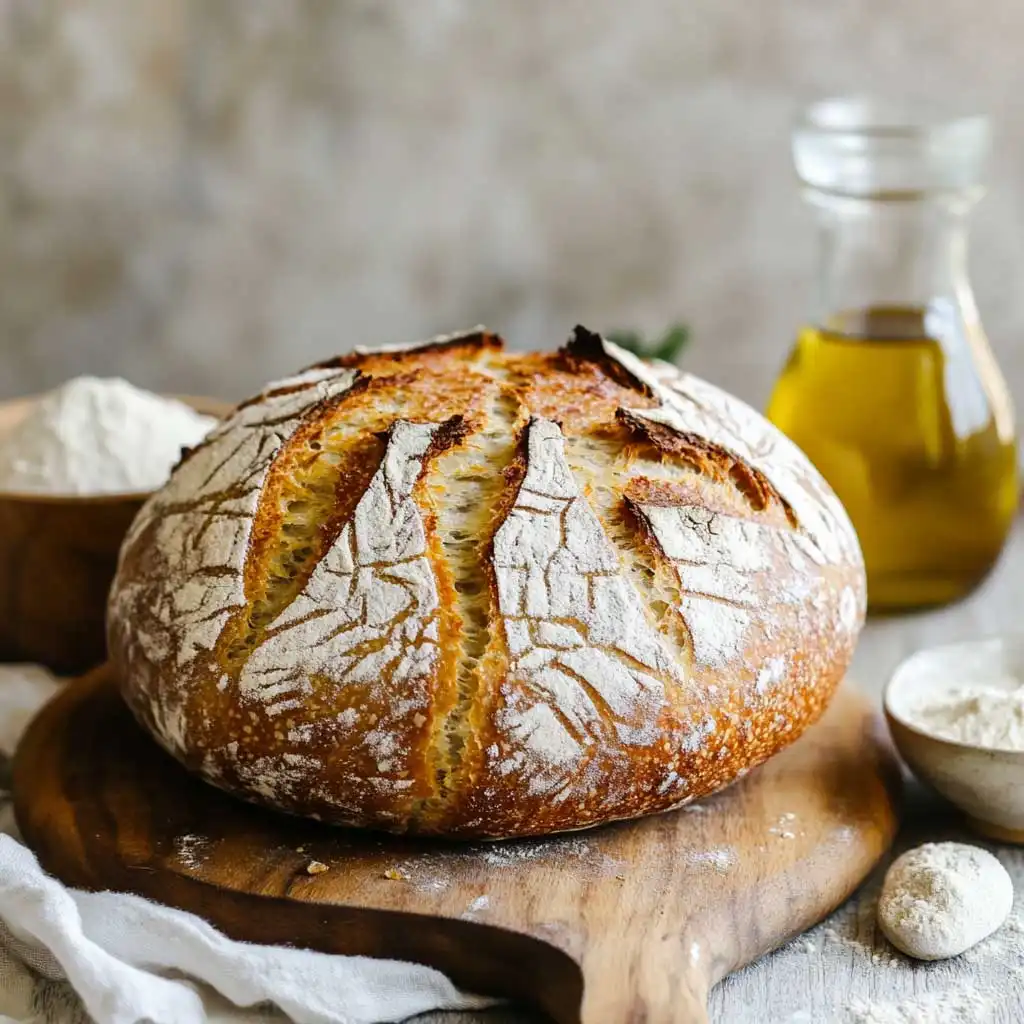

Elevate your homemade bread game with this unique sourdough sandwich bread recipe, featuring the rich, nuanced flavor of olive oil.
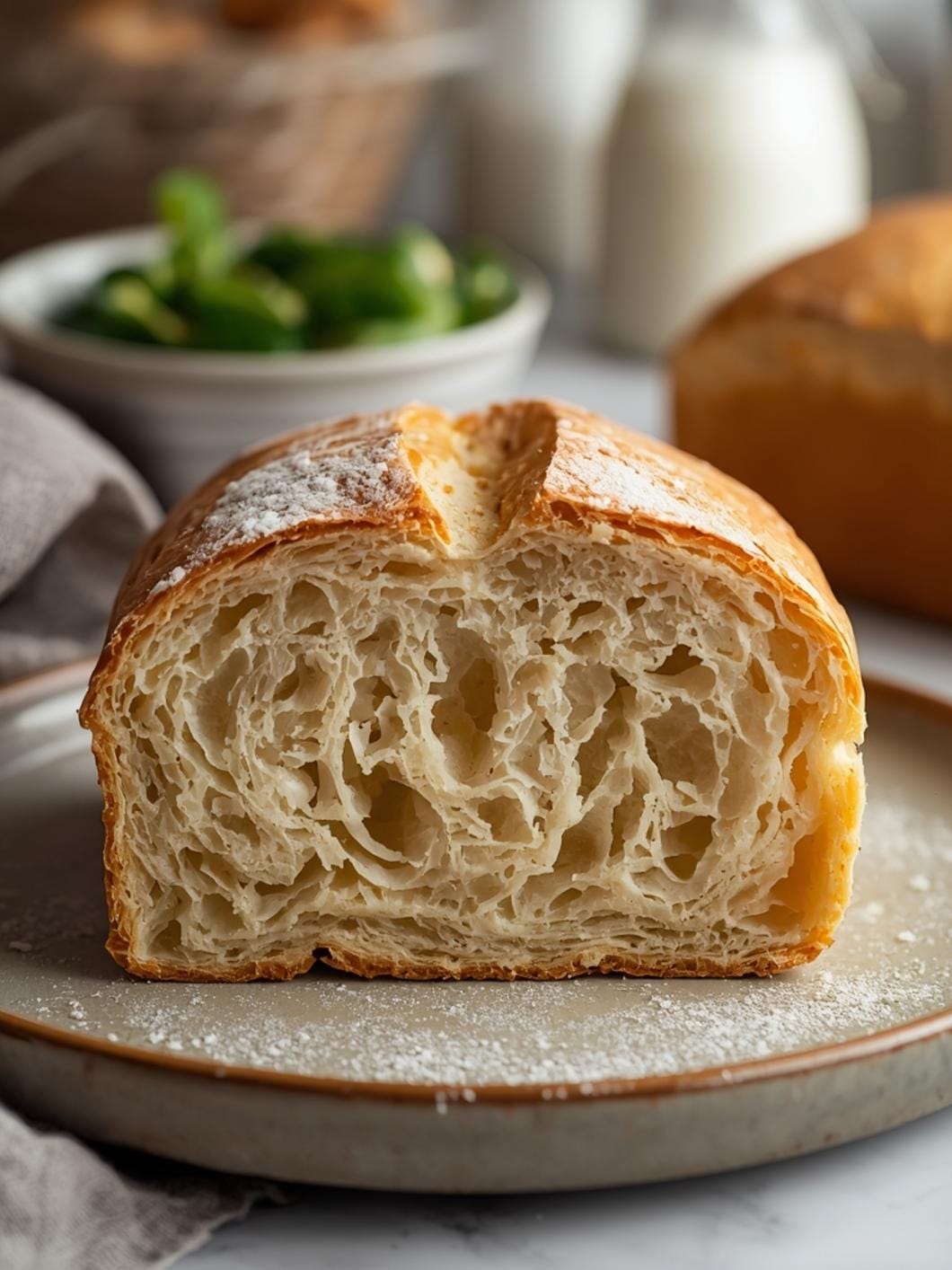
This isn’t just any sourdough; it’s a specialty loaf designed for incredible tenderness and a delightful aroma that will make your kitchen smell amazing. Perfect for everyday sandwiches or toasting, this recipe offers a wonderful twist on a classic.
Discover the joy of baking a truly unique sourdough bread that boasts a soft crumb and a hint of Mediterranean goodness. Whether you’re an experienced sourdough baker or looking to expand your repertoire, this olive oil-infused loaf promises a delicious and satisfying experience.

Olive Oil Sourdough Sandwich Bread
- Total Time: 8-12 hours
- Yield: 1 loaf 1x
Description
Elevate your homemade bread game with this unique sourdough sandwich bread recipe, featuring the rich, nuanced flavor of olive oil. This isn’t just any sourdough; it’s a specialty loaf designed for incredible tenderness and a delightful aroma that will make your kitchen smell amazing. Perfect for everyday sandwiches or toasting, this recipe offers a wonderful twist on a classic.
Ingredients
Instructions
1. 1. Combine the Wet Ingredients: In a large mixing bowl, gently whisk together your active sourdough starter, warm water, salt, and olive oil until well combined. The mixture should look milky and slightly bubbly from the starter. If using, stir in the honey or maple syrup at this stage.
2. 2. Add the Flour and Mix: Gradually add the bread flour to the wet ingredients. Use a sturdy spoon or your hands to mix until all the flour is incorporated and no dry spots remain. The dough will be shaggy and sticky. Cover the bowl with a damp kitchen towel or plastic wrap and let it rest for 30 minutes. This is called autolyse and helps the flour absorb the liquid.
3. 3. Perform Stretch and Folds (Bulk Fermentation): Over the next 2-3 hours, perform a series of “stretch and folds.” Every 30 minutes, lightly wet your hands, grab a portion of the dough from one side, stretch it upwards, and fold it over to the opposite side of the bowl. Rotate the bowl a quarter turn and repeat this process 3-4 times. This builds strength in the dough. After 3-4 sets of stretch and folds, let the dough continue to bulk ferment undisturbed for another 2-3 hours, or until it has noticeably increased in volume (about 30-50%) and looks bubbly.
4. 4. Shape the Loaf: Lightly flour your work surface. Gently turn the dough out onto the surface. Shape the dough into a tight rectangle or oval, depending on your loaf pan size. You want to create tension on the surface of the dough. For a sandwich loaf, flatten the dough into a rectangle, then fold the top third down, and the bottom third up, pressing to seal. Then, roll it tightly from one end to the other to form a log.
5. 5. Proof the Dough: Lightly grease a standard 9×5 inch loaf pan with olive oil. Carefully transfer the shaped dough seam-side down into the prepared pan. Cover the pan loosely with plastic wrap or a damp towel. Let it proof at room temperature for 2-4 hours, or until it has risen significantly and feels light and airy. Alternatively, you can cold proof it in the refrigerator overnight (8-12 hours) for a more developed flavor and easier handling.
6. 6. Preheat Oven and Bake: About 30 minutes before baking, preheat your oven to 425F (220C). If you have a baking stone or steel, place it in the oven to preheat. Once the oven is hot, place the loaf pan directly on the oven rack or on your preheated baking surface. Bake for 35-45 minutes, or until the crust is deeply golden brown and the internal temperature reaches 200-210F (93-99C).
7. 7. Cool Completely: Once baked, immediately remove the bread from the loaf pan and place it on a wire rack to cool completely. This is a crucial step! Resist the urge to slice into it while it’s hot, as it will continue to cook and set as it cools, resulting in a much better texture. Allow at least 1-2 hours for cooling.
- Prep Time: 20 minutes
- Cook Time: 35-45 minutes
- Category: bread
- Method: baking
- Cuisine: american
Nutrition
- Serving Size: 1 slice
Keywords: sourdough, sandwich bread, olive oil, homemade bread, baking, easy sourdough, tender bread, savory bread, artisan bread, bread recipe
What You’ll Love About This Quick And Easy Recipe
This olive oil sourdough sandwich bread is a game-changer for anyone who appreciates homemade bread but desires something a little extra special. It’s perfect for busy families because, despite its gourmet feel, the process is straightforward and manageable. You’ll love the tender, slightly chewy texture that holds up beautifully to all your favorite sandwich fillings, from deli meats to fresh veggies. The subtle fruity notes of the olive oil add a layer of complexity that transforms a simple slice of bread into a culinary delight. This recipe is fantastic for weekend baking, providing fresh bread for the week ahead, or for a special brunch. It’s also incredibly satisfying to pull a warm, fragrant loaf from your own oven, making it an ideal project for a relaxed afternoon.
Everything You Need To Make This Recipe Without Stress
Gathering your ingredients before you start baking is key to a smooth and enjoyable process. This recipe uses common pantry staples alongside your active sourdough starter, ensuring accessibility and ease. The quality of your olive oil will shine through, so opt for a good extra virgin olive oil if possible, but any quality olive oil will work wonderfully.
INGREDIENTS:
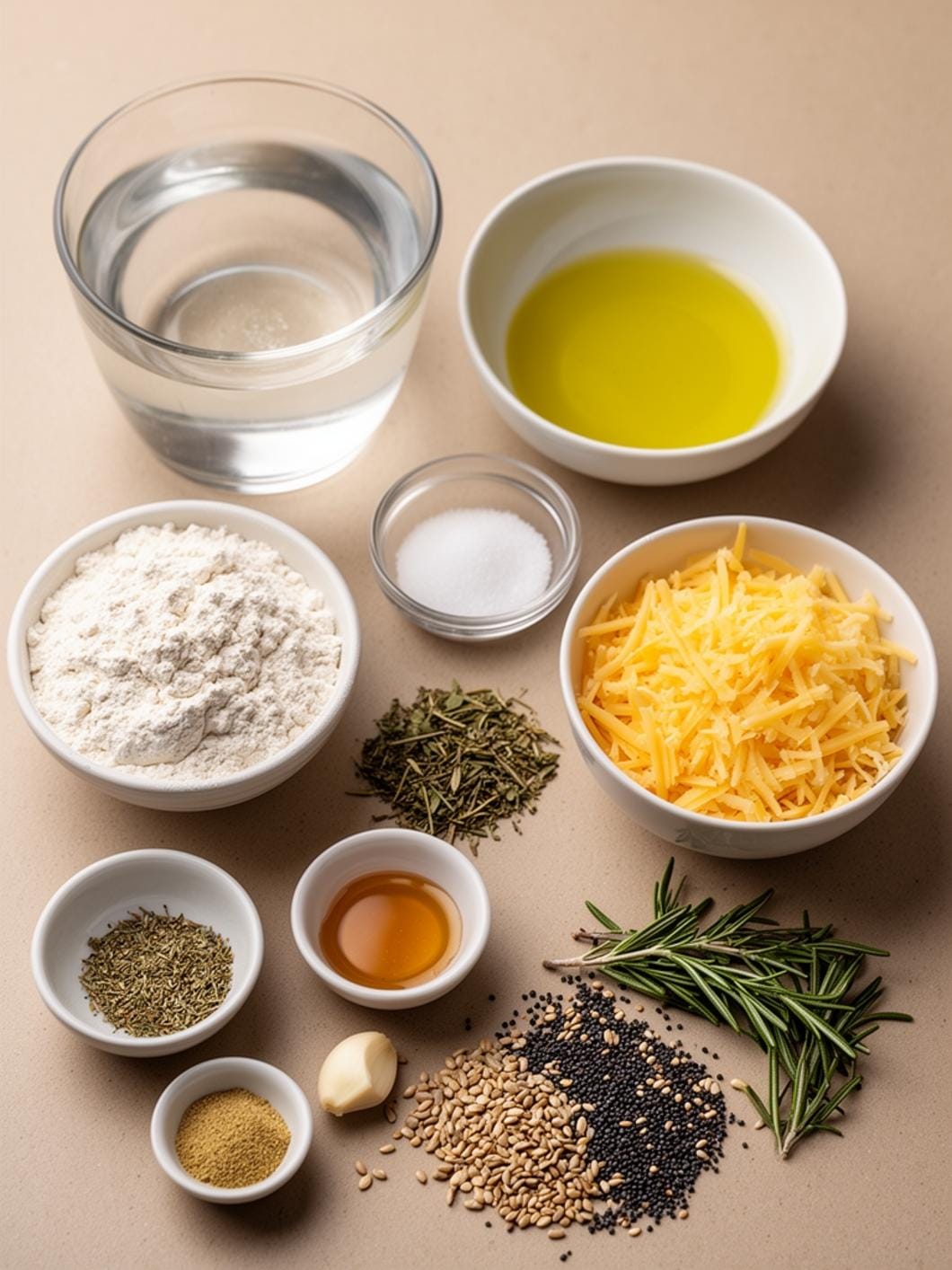
- 150 grams active sourdough starter (fed and bubbly)
- 300 grams warm water (around 90-95°F or 32-35°C)
- 10 grams fine sea salt
- 30 grams extra virgin olive oil, plus more for greasing
- 500 grams bread flour
- Optional: 1 tablespoon honey or maple syrup for a touch of sweetness
For the bread flour, a good quality unbleached bread flour is recommended for its higher protein content, which contributes to a better crumb structure. However, all-purpose flour can be used in a pinch, though the texture might be slightly less chewy. When choosing olive oil, a mild-flavored extra virgin olive oil will impart a lovely, subtle fruitiness without overpowering the sourdough tang. If you prefer a stronger olive oil presence, a more robust variety can be used. The optional honey or maple syrup can be omitted if you prefer a less sweet loaf, but it does help with browning and adds a touch of complexity to the flavor profile.
Time Needed From Start To Finish
While sourdough baking often implies long waiting periods, this recipe is designed to be manageable within a day, or spread over two if preferred. The active hands-on time is surprisingly minimal, making it a great option even on a somewhat busy day.
- Prep Time: 20 minutes (mixing and initial folds)
- Bulk Fermentation: 4-6 hours (depending on ambient temperature and starter activity)
- Proofing: 2-4 hours (or overnight in the fridge)
- Bake Time: 35-45 minutes
- Cooling Time: 1-2 hours (crucial for texture)
- Total Time: Approximately 8-12 hours (including fermentation and cooling)
How To Make It Step By Step With Visual Cues
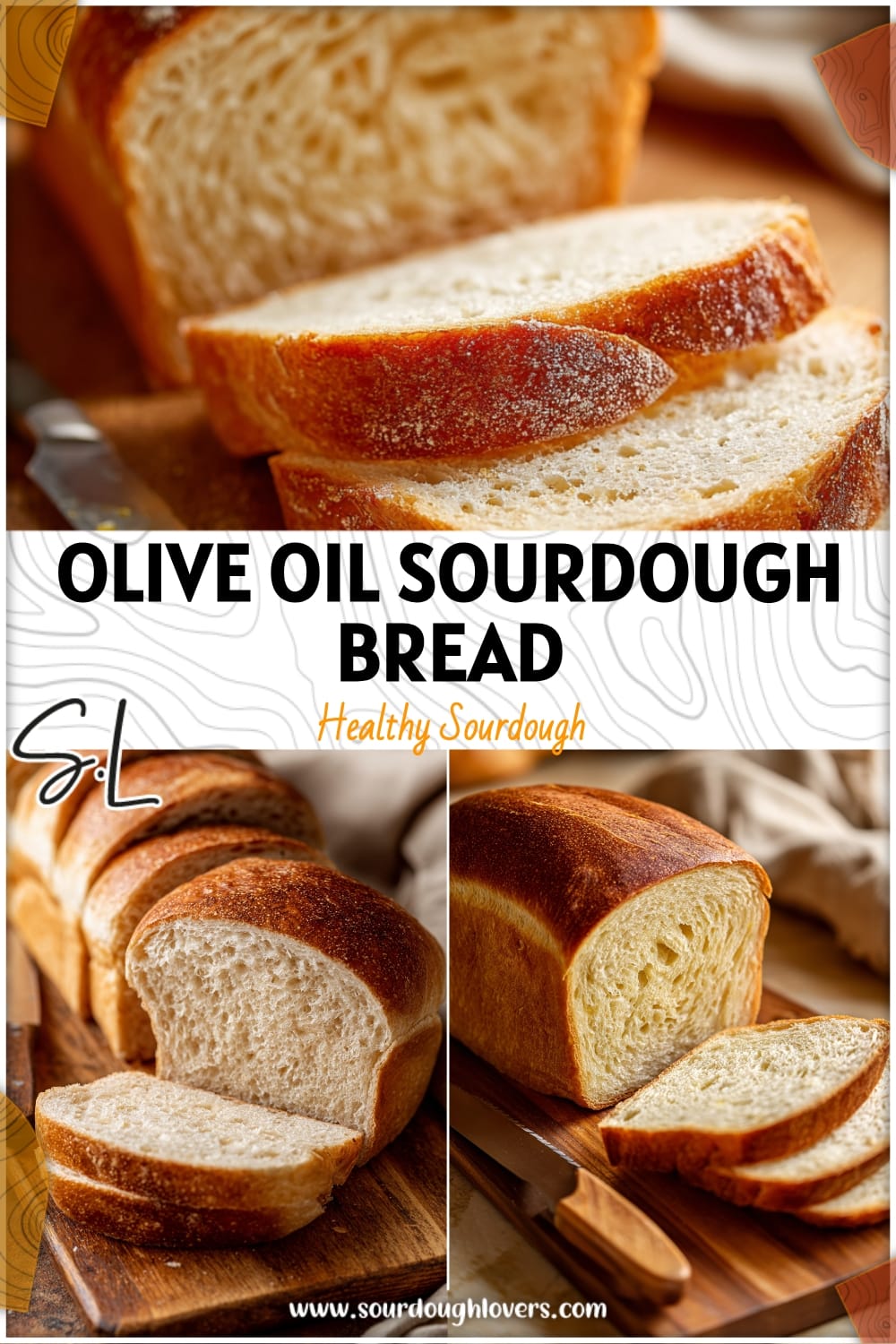
Baking this olive oil sourdough sandwich bread is a rewarding process. Follow these steps carefully, paying attention to the visual cues, and you’ll be enjoying a delicious loaf in no time.
- Combine the Wet Ingredients: In a large mixing bowl, gently whisk together your active sourdough starter, warm water, salt, and olive oil until well combined. The mixture should look milky and slightly bubbly from the starter. If using, stir in the honey or maple syrup at this stage.
- Add the Flour and Mix: Gradually add the bread flour to the wet ingredients. Use a sturdy spoon or your hands to mix until all the flour is incorporated and no dry spots remain. The dough will be shaggy and sticky. Cover the bowl with a damp kitchen towel or plastic wrap and let it rest for 30 minutes. This is called autolyse and helps the flour absorb the liquid.
- Perform Stretch and Folds (Bulk Fermentation): Over the next 2-3 hours, perform a series of “stretch and folds.” Every 30 minutes, lightly wet your hands, grab a portion of the dough from one side, stretch it upwards, and fold it over to the opposite side of the bowl. Rotate the bowl a quarter turn and repeat this process 3-4 times. This builds strength in the dough. After 3-4 sets of stretch and folds, let the dough continue to bulk ferment undisturbed for another 2-3 hours, or until it has noticeably increased in volume (about 30-50%) and looks bubbly.
- Shape the Loaf: Lightly flour your work surface. Gently turn the dough out onto the surface. Shape the dough into a tight rectangle or oval, depending on your loaf pan size. You want to create tension on the surface of the dough. For a sandwich loaf, flatten the dough into a rectangle, then fold the top third down, and the bottom third up, pressing to seal. Then, roll it tightly from one end to the other to form a log.
- Proof the Dough: Lightly grease a standard 9×5 inch loaf pan with olive oil. Carefully transfer the shaped dough seam-side down into the prepared pan. Cover the pan loosely with plastic wrap or a damp towel. Let it proof at room temperature for 2-4 hours, or until it has risen significantly and feels light and airy. Alternatively, you can cold proof it in the refrigerator overnight (8-12 hours) for a more developed flavor and easier handling.
- Preheat Oven and Bake: About 30 minutes before baking, preheat your oven to 425°F (220°C). If you have a baking stone or steel, place it in the oven to preheat. Once the oven is hot, place the loaf pan directly on the oven rack or on your preheated baking surface. Bake for 35-45 minutes, or until the crust is deeply golden brown and the internal temperature reaches 200-210°F (93-99°C).
- Cool Completely: Once baked, immediately remove the bread from the loaf pan and place it on a wire rack to cool completely. This is a crucial step! Resist the urge to slice into it while it’s hot, as it will continue to cook and set as it cools, resulting in a much better texture. Allow at least 1-2 hours for cooling.
Easy Variations And Serving Ideas That Fit Real Life
This olive oil sourdough sandwich bread is incredibly versatile, making it a fantastic base for countless meals and snacks.
- Herb Infusion: For an aromatic twist, knead in 1-2 tablespoons of dried Italian herbs, dried rosemary, or fresh chopped herbs like basil or oregano during the initial mixing stage. This adds a wonderful fragrance and flavor, perfect for savory sandwiches.
- Garlic Lover’s Loaf: Add 1-2 cloves of minced garlic or 1 teaspoon of garlic powder to the dough along with the flour. This creates a delicious garlic-infused bread that’s amazing with pasta or as garlic toast.
- Cheesy Goodness: Fold in 1/2 cup of shredded Parmesan or sharp cheddar cheese during the last set of stretch and folds for a cheesy, savory loaf.
- Seed Power: Incorporate 1/4 cup of mixed seeds like sesame, poppy, or sunflower seeds into the dough for added texture and nutrition. You can also sprinkle some on top before baking.
- Serving Suggestions for Everyday: This bread is perfect for classic sandwiches – think turkey and provolone, or a simple BLT. It also makes incredible toast for breakfast, served with avocado and a fried egg, or with butter and jam. For a quick snack, slice it thin, toast it, and drizzle with a little more olive oil and a sprinkle of sea salt. It’s also sturdy enough for hearty open-faced sandwiches or even as a base for bruschetta.
Common Slip-Ups And How To Avoid Them
Even experienced bakers can encounter issues, but many common sourdough problems are easily preventable with a little knowledge.
- Weak or Inactive Starter: A common mistake is using a starter that isn’t active enough. Your starter should be fed 4-12 hours before use and be visibly bubbly and have doubled in size. If it’s sluggish, feed it a few times until it’s consistently active before baking.
- Under-Proofing: If your bread is dense, has a tight crumb, and doesn’t rise much in the oven (oven spring), it’s likely under-proofed. Give the dough more time during both bulk fermentation and final proofing. Look for visual cues like increased volume and a jiggly, airy

FAQs
- Can I make these ahead? Yes—prep ahead, refrigerate, then serve when ready.
- How long do leftovers last? Store covered in the fridge for 3–4 days for best texture.
- Can I adjust sweetness? Yes—add more or less sweetener to taste.
- Can I change the fruit? Yes—swap strawberries for blueberries, raspberries, or sliced banana.