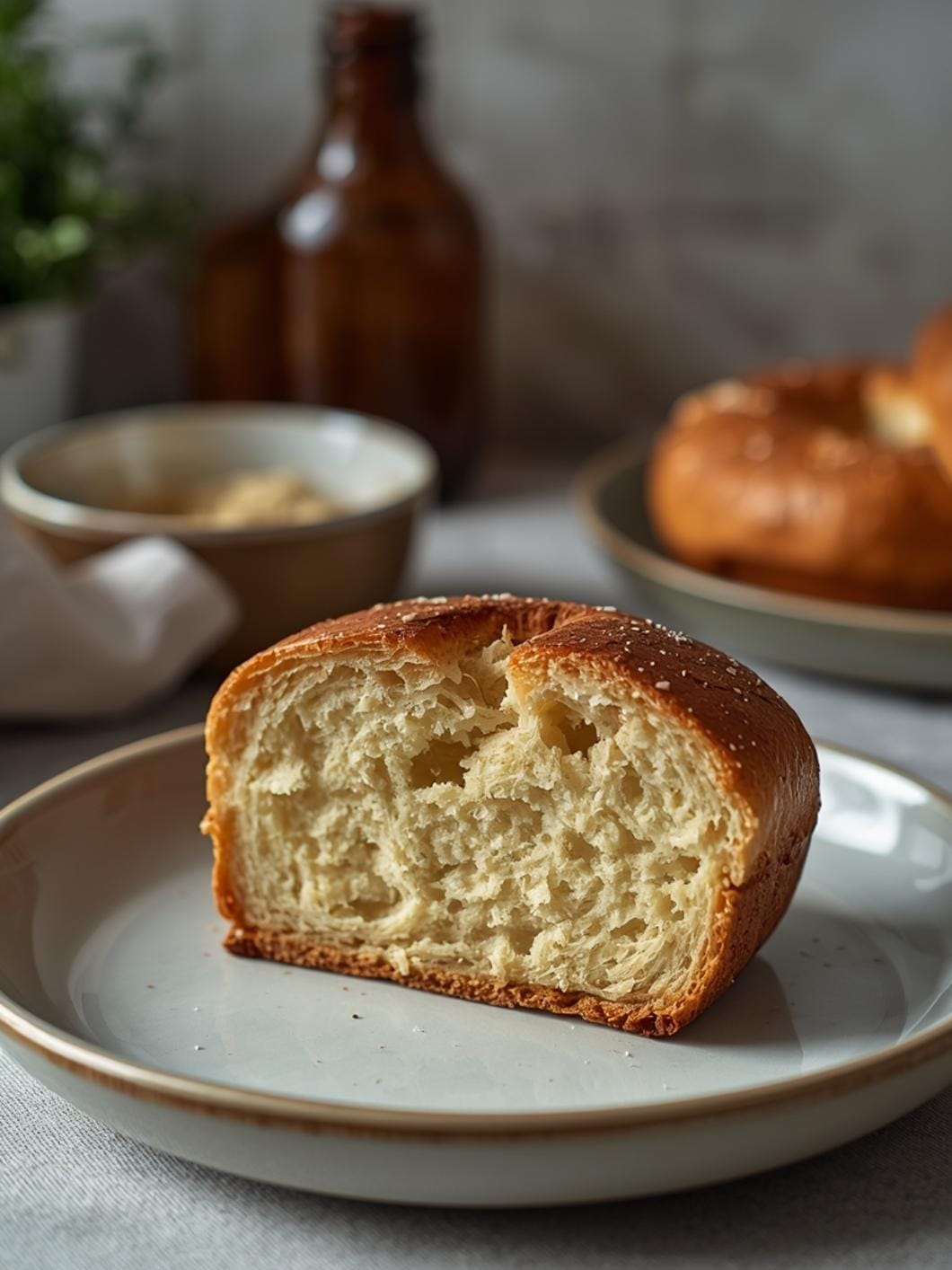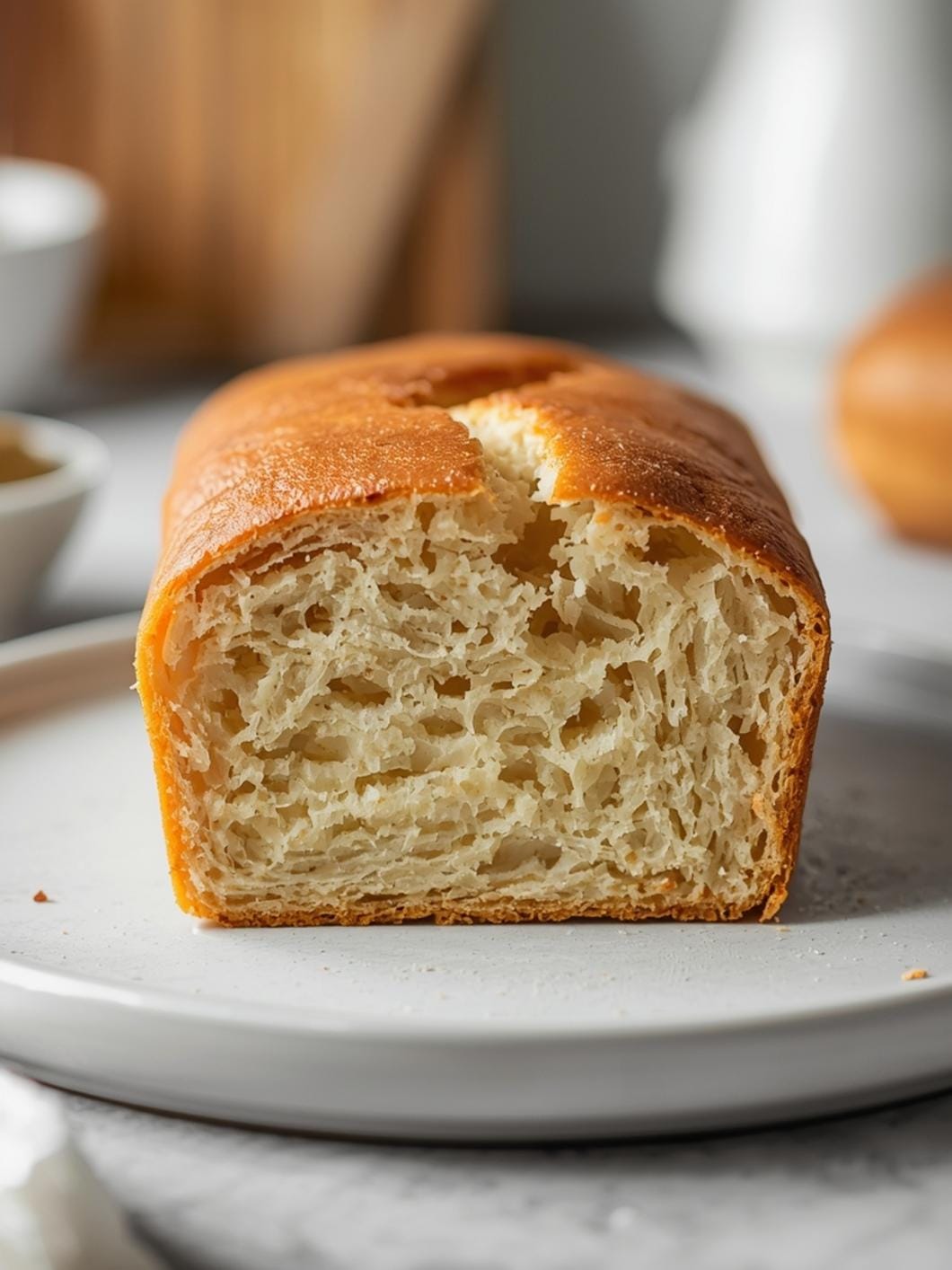

Crafting homemade bagels can seem daunting, but with a little planning, you can achieve delicious results right in your own kitchen.
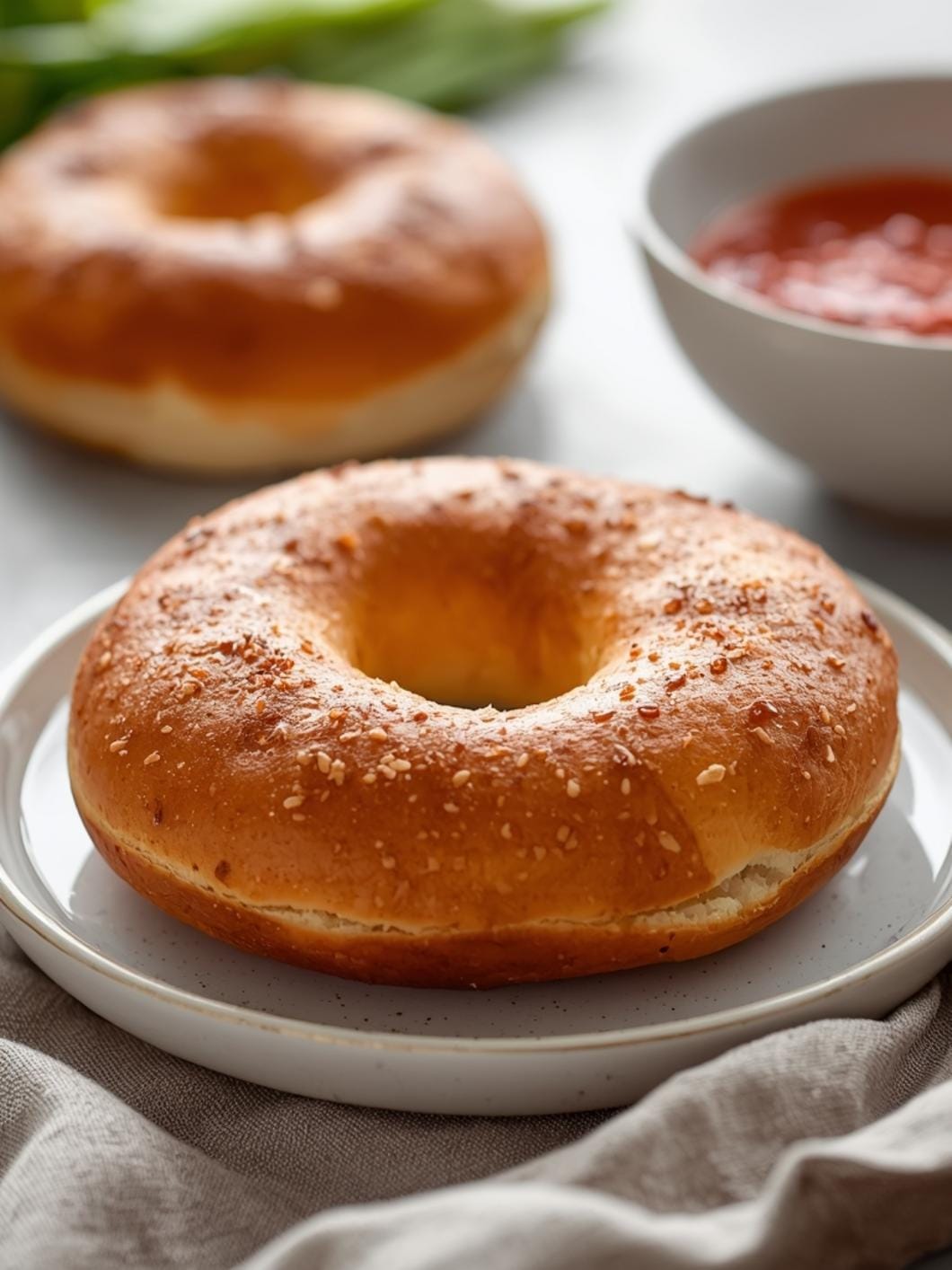
This guide focuses on the crucial step of resting your sourdough discard bagel dough overnight, a technique that develops both flavor and texture, transforming simple ingredients into chewy, satisfying bagels.
Getting the dough rest right is key to a successful bagel. We’ll walk you through everything you need to know to ensure your overnight sourdough discard bagels come out perfectly, ready to be boiled and baked to golden perfection.
Table of Contents
- What You’ll Love About This Quick And Easy Recipe
- Everything You Need To Make This Recipe Without Stress
- Time Needed From Start To Finish
- How To Make It Step By Step With Visual Cues
- Easy Variations And Serving Ideas That Fit Real Life
- Common Slip-Ups And How To Avoid Them
- How To Store It And Make It Ahead Without Ruining Texture

Overnight Sourdough Discard Bagels
- Total Time: 13-19 hours (includes overnight rest)
- Yield: 8-12 bagels 1x
Description
Craft delicious, chewy homemade bagels with this sourdough discard recipe, featuring an essential overnight rest for maximum flavor and texture. Perfect for breakfast or brunch, these bagels are surprisingly easy to make with minimal active effort.
Ingredients
Instructions
1. 1. Combine Wet Ingredients: In a large mixing bowl, whisk together the sourdough discard, warm water, sugar (or malt barley syrup), and salt until well combined. The mixture should look slightly cloudy.
2. 2. Add Flour and Form Dough: Gradually add the bread flour, one cup at a time, mixing with a sturdy spoon or your hands until a shaggy dough forms. Once all the flour is incorporated, turn the dough out onto a lightly floured surface.
3. 3. Knead the Dough: Knead the dough for 8-10 minutes until it becomes smooth and elastic. It should spring back slowly when poked. If using a stand mixer, knead with the dough hook for 6-8 minutes.
4. 4. First Rise (Bulk Fermentation): Place the kneaded dough in a lightly oiled bowl, turning it once to coat. Cover the bowl tightly with plastic wrap or a damp kitchen towel. Let it rise at room temperature for 1-2 hours, or until it has slightly increased in size.
5. 5. Overnight Cold Fermentation (The Essential Rest): After the initial rise, gently punch down the dough to release air. Cover the bowl again and refrigerate for 12-18 hours. This slow, cold fermentation is where the magic happens, developing the signature sourdough flavor and improving the dough’s structure. The dough will continue to rise slowly in the fridge.
6. 6. Shape the Bagels: The next morning, remove the dough from the refrigerator. Divide the dough into 8-12 equal pieces (depending on your desired bagel size). Roll each piece into a smooth ball. Using your thumb, poke a hole in the center of each ball and gently stretch the dough to create a bagel shape with a hole about 1-inch wide. Place the shaped bagels on a parchment-lined baking sheet.
7. 7. Boil the Bagels: Preheat your oven to 425 F (220 C). Bring a large pot of water to a rolling boil and add the baking soda. Carefully drop 2-3 bagels into the boiling water at a time (don’t overcrowd the pot). Boil for 30 seconds to 1 minute per side. This boiling step is crucial for creating the chewy crust.
8. 8. Bake to Golden Perfection: Remove the boiled bagels with a slotted spoon, letting excess water drain, and place them back on the parchment-lined baking sheet. If desired, sprinkle with your chosen toppings. Bake for 18-22 minutes, or until golden brown and cooked through. Let them cool slightly on a wire rack before slicing and enjoying.
- Prep Time: 25 minutes
- Cook Time: 25 minutes
- Category: main dish
- Method: baking
- Cuisine: american
Nutrition
- Serving Size: 1 bagel
Keywords: sourdough, bagels, discard, overnight, breakfast, brunch, homemade, baking, chewy, easy
What You’ll Love About This Quick And Easy Recipe
This recipe is perfect for anyone looking to elevate their breakfast or brunch game with minimal active effort. While it involves an overnight rest, the hands-on time is surprisingly short, making it ideal for busy individuals or families who appreciate the reward of homemade baked goods without spending all day in the kitchen. The overnight rest allows the sourdough discard to work its magic, imparting a subtle tang and incredible depth of flavor that you simply can’t get from a quick-rise dough. It’s a fantastic way to use up that extra sourdough discard, reducing waste and creating something truly special. Serve these warm with your favorite cream cheese, butter, or even as a base for a breakfast sandwich. They’re a guaranteed crowd-pleaser for weekend mornings or a thoughtful addition to any brunch spread.
Everything You Need To Make This Recipe Without Stress
Gathering your ingredients before you begin will make the dough-making process smooth and enjoyable. You likely have most of these staples in your pantry already, making this a budget-friendly option for delicious homemade bagels.
INGREDIENTS:
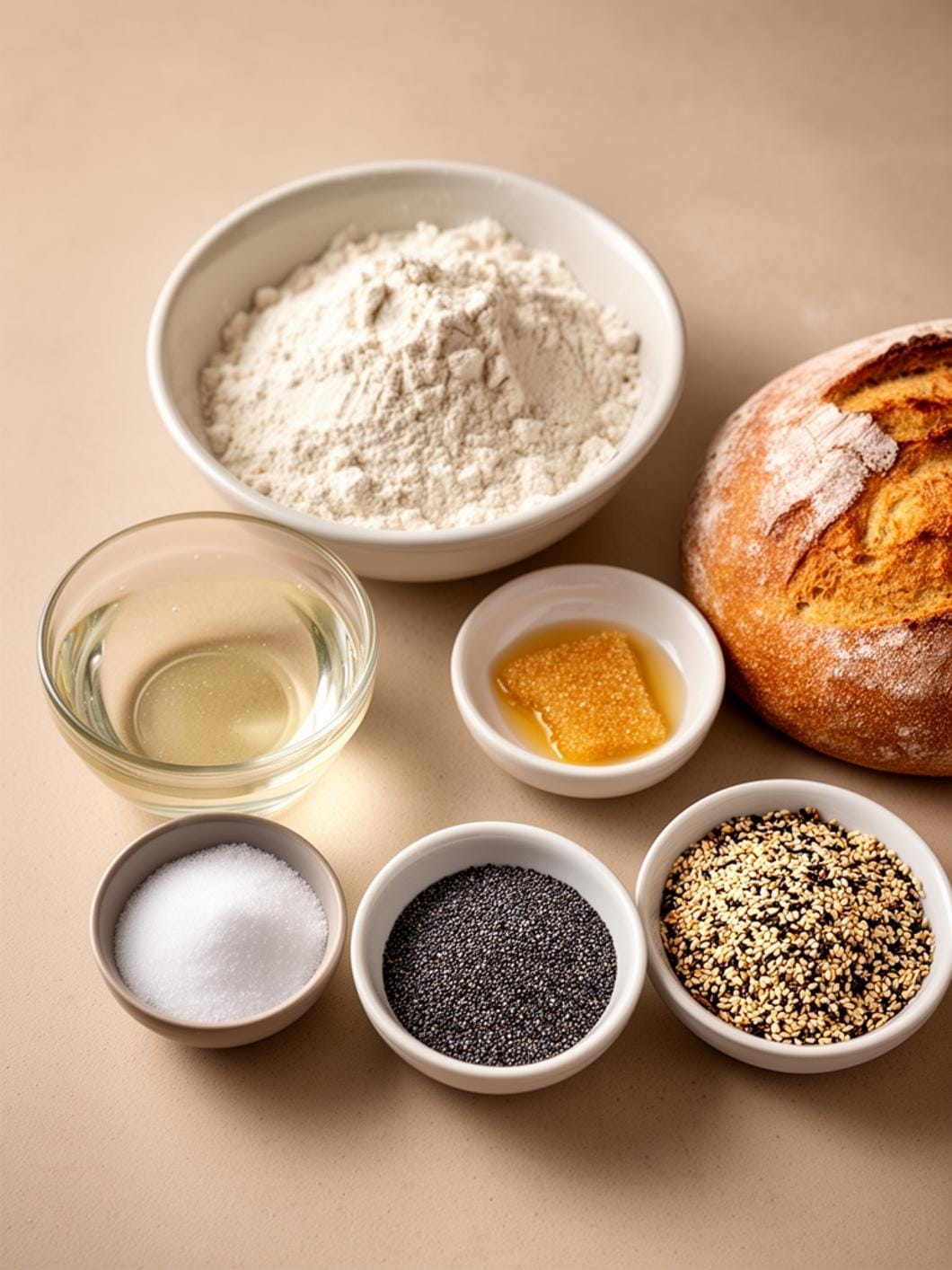
- 1 cup active sourdough discard (unfed, at room temperature)
- 1 1/2 cups warm water (about 100-110°F)
- 1 tablespoon sugar or malt barley syrup
- 1 1/2 teaspoons salt
- 4 1/2 cups bread flour, plus more for dusting
- 1 tablespoon baking soda (for boiling)
- Optional toppings: sesame seeds, poppy seeds, everything bagel seasoning
For the sugar, you can use granulated sugar, brown sugar, or even honey if you prefer. The malt barley syrup adds a classic bagel flavor and chew, but it’s not essential for a good bagel. Bread flour is recommended for its higher protein content, which contributes to the characteristic chewiness of bagels, but all-purpose flour can be used in a pinch, though the texture might be slightly softer.
Time Needed From Start To Finish
- Active Prep Time: 20-25 minutes (for mixing dough and shaping)
- Resting Time: 12-18 hours (overnight in the refrigerator)
- Boiling and Baking Time: 20-25 minutes
- Total Time (spread over two days): Approximately 13-19 hours, with less than an hour of active work.
How To Make It Step By Step With Visual Cues

Creating these delicious sourdough discard bagels involves a few key stages, with the overnight rest being crucial for flavor development.
- Combine Wet Ingredients: In a large mixing bowl, whisk together the sourdough discard, warm water, sugar (or malt barley syrup), and salt until well combined. The mixture should look slightly cloudy.
- Add Flour and Form Dough: Gradually add the bread flour, one cup at a time, mixing with a sturdy spoon or your hands until a shaggy dough forms. Once all the flour is incorporated, turn the dough out onto a lightly floured surface.
- Knead the Dough: Knead the dough for 8-10 minutes until it becomes smooth and elastic. It should spring back slowly when poked. If using a stand mixer, knead with the dough hook for 6-8 minutes.
- First Rise (Bulk Fermentation): Place the kneaded dough in a lightly oiled bowl, turning it once to coat. Cover the bowl tightly with plastic wrap or a damp kitchen towel. Let it rise at room temperature for 1-2 hours, or until it has slightly increased in size.
- Overnight Cold Fermentation (The Essential Rest): After the initial rise, gently punch down the dough to release air. Cover the bowl again and refrigerate for 12-18 hours. This slow, cold fermentation is where the magic happens, developing the signature sourdough flavor and improving the dough’s structure. The dough will continue to rise slowly in the fridge.
- Shape the Bagels: The next morning, remove the dough from the refrigerator. Divide the dough into 8-12 equal pieces (depending on your desired bagel size). Roll each piece into a smooth ball. Using your thumb, poke a hole in the center of each ball and gently stretch the dough to create a bagel shape with a hole about 1-inch wide. Place the shaped bagels on a parchment-lined baking sheet.
- Boil the Bagels: Preheat your oven to 425°F (220°C). Bring a large pot of water to a rolling boil and add the baking soda. Carefully drop 2-3 bagels into the boiling water at a time (don’t overcrowd the pot). Boil for 30 seconds to 1 minute per side. This boiling step is crucial for creating the chewy crust.
- Bake to Golden Perfection: Remove the boiled bagels with a slotted spoon, letting excess water drain, and place them back on the parchment-lined baking sheet. If desired, sprinkle with your chosen toppings. Bake for 18-22 minutes, or until golden brown and cooked through. Let them cool slightly on a wire rack before slicing and enjoying.
Easy Variations And Serving Ideas That Fit Real Life
These sourdough discard bagels are incredibly versatile and can be customized to suit any taste. For a kid-friendly option, simply omit the toppings and serve them plain with cream cheese or jam. You can also make mini bagels by dividing the dough into smaller pieces, which are perfect for little hands or for a party platter.
- Cinnamon Raisin Bagels: Add 1/2 cup of raisins and 1 teaspoon of ground cinnamon to the dough during the kneading stage.
- Garlic and Herb Bagels: Mix 1 tablespoon of dried minced garlic and 1 teaspoon of dried Italian herbs into the dough, or sprinkle on top before baking.
- Cheese Bagels: Top with shredded cheddar or mozzarella cheese during the last 5 minutes of baking for a melty, savory treat.
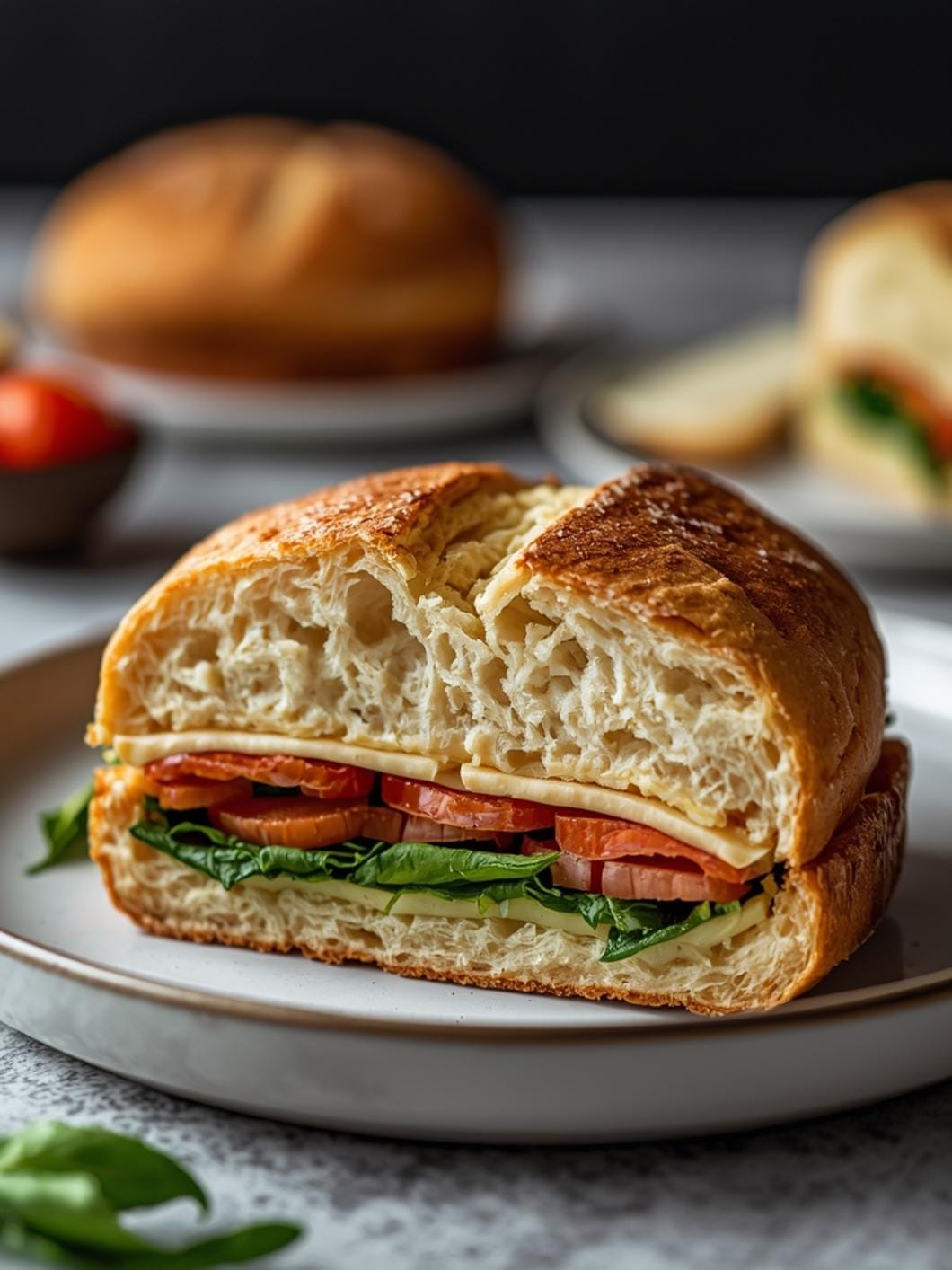
- Breakfast Sandwiches: Split and toast a bagel, then fill it with scrambled eggs, bacon, and cheese for a hearty start to your day.
- Lox and Cream Cheese: A classic combination that never disappoints.
- Pizza Bagels: Top with marinara sauce, mozzarella, and your favorite pizza toppings, then broil until bubbly.
- Bagel Chips: Slice stale bagels thin, brush with olive oil, sprinkle with salt, and bake until crispy for a delicious snack or accompaniment to dips.
Common Slip-Ups And How To Avoid Them
Making bagels, especially with sourdough discard, has a few common pitfalls that are easy to avoid with a little know-how.
- Not Kneading Enough: Under-kneaded dough will result in dense, cake-like bagels rather than chewy ones. Ensure you knead for the full 8-10 minutes until the dough is smooth and elastic. A good test is the “windowpane test”: stretch a small piece of dough; if it stretches thin enough to see light through without tearing, it’s ready.
- Overcrowding the Boiling Pot: Boiling too many bagels at once will drop the water temperature significantly, leading to soggy bagels rather than a chewy crust. Boil only 2-3 bagels at a time.
- Skipping the Baking Soda in the Boil: The baking soda creates an alkaline environment in the boiling water, which is essential for the classic glossy, chewy crust of a bagel. Don’t skip it!
- Not Letting Them Rest Overnight: The overnight cold fermentation is critical for flavor development and dough structure. Rushing this step will result in less flavorful bagels. Plan ahead and give your dough the time it needs.
- Over-flouring During Shaping: While you need some flour to prevent sticking, too much will make the bagels dry and tough. Use just enough to keep the dough manageable.
How To Store It And Make It Ahead Without Ruining Texture
These sourdough discard bagels are best enjoyed fresh, but they can be stored and even made ahead to simplify your routine.
- Storage: Once completely cooled, store bagels in an airtight container or a large zip-top bag at room temperature for up to 2-3 days. For longer storage, freeze them.
- Freezing: Slice cooled bagels in half before freezing for easier toasting later. Place them in a freezer-safe bag, removing as much air as possible, and freeze for up to 3 months. When ready to eat, simply pop a frozen bagel half directly into the toaster.
- Making Ahead: The beauty of this recipe is the overnight rest! You can mix the dough and let it

FAQs
- Can I make these ahead? Yes—prep ahead, refrigerate, then serve when ready.
- How long do leftovers last? Store covered in the fridge for 3–4 days for best texture.
- Can I adjust sweetness? Yes—add more or less sweetener to taste.
- Can I change the fruit? Yes—swap strawberries for blueberries, raspberries, or sliced banana.