
It’s a common scenario for home bakers: you open the fridge, pull out your trusty sourdough starter, and find it looking a little sad, perhaps with a layer of “hooch” on top or just not as bubbly and active as you remember. Don’t despair! This doesn’t mean your starter is ruined; it simply needs a little TLC to get back to its vibrant, bread-making best.

Reviving a sleepy sourdough starter from the refrigerator is a straightforward process that anyone can master. With a few simple steps and a bit of patience, you can bring your starter back to life, ready to create delicious loaves, pancakes, or whatever sourdough delights your heart desires. Let’s get that starter bubbling again!
Table of Contents
- What You’ll Love About This Quick And Easy Recipe
- Everything You Need To Make This Recipe Without Stress
- Time Needed From Start To Finish
- How To Make It Step By Step With Visual Cues
- Easy Variations And Serving Ideas That Fit Real Life
- Common Slip-Ups And How To Avoid Them
- How To Store It And Make It Ahead Without Ruining Texture

How to Revive a Sleepy Sourdough Starter from the Refrigerator
- Total Time: 24-48 hours
- Yield: 1 active sourdough starter
Description
This guide provides simple, step-by-step instructions to revive a dormant sourdough starter from the refrigerator, transforming it into an active, bubbly culture ready for baking. It covers feeding, observation, and troubleshooting common issues, ensuring your sourdough journey continues without interruption.
Ingredients
Instructions
1. Remove your sourdough starter from the fridge. Observe its appearance. If there is a layer of dark liquid (hooch) on top, pour it off, or stir it in if it’s a small amount.
2. Measure out about 2 tablespoons (or 30 grams) of your starter into a clean glass jar. Discard the rest of the old starter (or use it in discard recipes). To the measured starter, add 60 grams (1/4 cup) of warm water and stir until fully combined. Then, add 60 grams (1/2 cup) of all-purpose flour and mix thoroughly until no dry spots remain. The consistency should be like a thick pancake batter.
3. Place a rubber band or use a marker to indicate the initial level of your fed starter on the jar. Cover the jar loosely with a lid or plastic wrap (do not seal tightly). Place it in a warm spot in your kitchen (ideally 70-75 F / 21-24 C).
4. Over the next 8-12 hours, watch for signs of life. You should start to see small bubbles forming on the surface and along the sides of the jar. The starter should also begin to rise above your marked level.
5. Once your starter has shown some activity (even a small rise or a few bubbles), it’s time for another feeding. Repeat step 2: discard down to 2 tablespoons (30 grams), then feed with 60 grams warm water and 60 grams flour. Mark the new level and place it back in a warm spot.
6. Continue this feeding routine every 4-8 hours (or when the starter has risen significantly and just begun to fall) until your starter consistently doubles in size within 4-6 hours after feeding. When it consistently reaches its peak and is full of bubbles, it’s considered active and ready for baking. This usually takes 2-3 feeding cycles.
7. To confirm your starter is ready, drop a small spoonful into a glass of water. If it floats, it’s full of gas and ready to use! If it sinks, it needs another feeding or more time.
- Prep Time: 5 minutes (per feeding)
- Cook Time: N/A
- Category: baking basics
- Method: fermentation
- Cuisine: american
Nutrition
- Serving Size: N/A
Keywords: sourdough, starter, revival, baking, fermentation, bread, feeding, active, hooch, discard
What You’ll Love About This Quick And Easy Recipe
This guide is perfect for anyone who keeps a sourdough starter in the fridge for maintenance and finds it has become sluggish. It’s especially useful for beginners who might be intimidated by the idea of “killing” their starter, offering a clear, reassuring path to revival. You’ll love how simple and effective these steps are, transforming a dormant starter into an active, hungry one without any complex techniques or special equipment. This isn’t a recipe for baking, but rather a foundational skill that allows you to bake whenever inspiration strikes. It’s about empowering you to keep your sourdough journey going strong, ensuring you always have an active starter ready for your next baking adventure.
Everything You Need To Make This Recipe Without Stress
Getting your sourdough starter back to peak activity requires very few items, most of which you likely already have in your kitchen. The key is consistency and using the right ingredients to feed your starter.
INGREDIENTS:
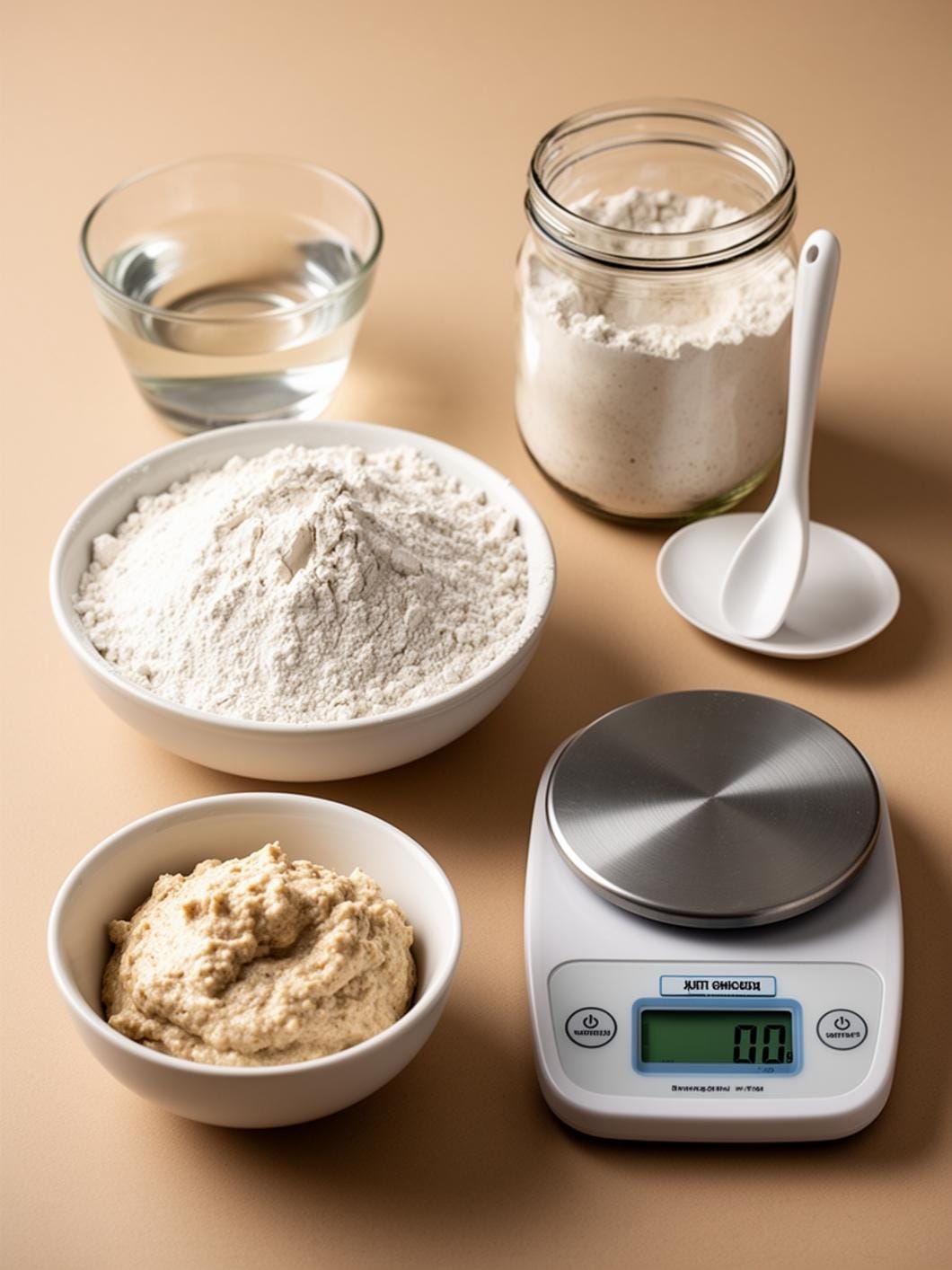
- Sourdough starter (from the refrigerator)
- All-purpose flour (unbleached is preferred, but bleached will work)
- Warm water (filtered or unchlorinated is best, but tap water is usually fine)
- Clean glass jar or container
- Spoon or spatula for mixing
- Kitchen scale (optional, but highly recommended for accuracy)
When it comes to flour, unbleached all-purpose flour is a great choice as it provides the necessary nutrients without any added chemicals that might inhibit yeast activity. Whole wheat flour can also be used, especially if your starter was originally fed with it, as it contains more nutrients that can help kickstart activity. For water, filtered water is often recommended to avoid chlorine, which can sometimes be detrimental to yeast. However, many successful bakers use regular tap water without issues. If you’re concerned about chlorine, simply let your tap water sit out for a few hours to allow the chlorine to dissipate.
Time Needed From Start To Finish
Reviving a sourdough starter isn’t about active “cook time,” but rather a period of feeding and observation. The process typically involves several feeding cycles.
- Initial Prep Time: 5 minutes (to remove from fridge, discard, and feed)
- First Activation Period: 8-12 hours (until first signs of activity)
- Subsequent Feeding Cycles: 2-3 cycles, each taking 4-8 hours (depending on room temperature and starter strength)
- Total Time to Full Revival: 24-48 hours (from the first feeding until it’s consistently active and ready to bake)
This timeline can vary based on how dormant your starter was, your room temperature, and the specific flour and water you use. Patience is key; rushing the process can lead to a less active starter.
How To Make It Step By Step With Visual Cues

Bringing your sleepy sourdough starter back to life is a rewarding process. Follow these steps carefully to ensure a bubbly, active starter ready for baking.
- Remove from the Refrigerator and Assess: Take your sourdough starter out of the fridge. Observe its appearance. Is there a layer of dark liquid (hooch) on top? This is normal for a hungry starter. Pour off the hooch, or stir it in if it’s a small amount and you prefer to retain some acidity.
- Initial Discard and First Feeding: Measure out about 2 tablespoons (or 30 grams) of your starter into a clean glass jar. Discard the rest of the old starter (or use it in discard recipes like crackers or pancakes). To the measured starter, add 60 grams (1/4 cup) of warm water and stir until fully combined. Then, add 60 grams (1/2 cup) of all-purpose flour and mix thoroughly until no dry spots remain. The consistency should be like a thick pancake batter.
- Mark the Level and Let It Rest: Place a rubber band or use a marker to indicate the initial level of your fed starter on the jar. This will help you easily track its rise. Cover the jar loosely with a lid or plastic wrap (don’t seal it tightly, as gas needs to escape). Place it in a warm spot in your kitchen (ideally 70-75°F / 21-24°C).
- Observe for Activity (First Cycle): Over the next 8-12 hours, watch for signs of life. You should start to see small bubbles forming on the surface and along the sides of the jar. The starter should also begin to rise above your marked level. If it’s very sluggish, it might take longer.
- Second Feeding Cycle: Once your starter has shown some activity (even a small rise or a few bubbles), it’s time for another feeding. Repeat step 2: discard down to 2 tablespoons (30 grams), then feed with 60 grams warm water and 60 grams flour. Mark the new level and place it back in a warm spot.
- Continue Feeding Until Active (Third Cycle and Beyond): Continue this feeding routine every 4-8 hours (or when the starter has risen significantly and just begun to fall) until your starter consistently doubles in size within 4-6 hours after feeding. When it consistently reaches its peak and is full of bubbles, it’s considered active and ready for baking. This usually takes 2-3 feeding cycles.
- The Float Test (Optional Confirmation): To confirm your starter is ready, drop a small spoonful into a glass of water. If it floats, it’s full of gas and ready to use! If it sinks, it needs another feeding or more time.
Easy Variations And Serving Ideas That Fit Real Life
While this guide focuses on reviving your starter, the ultimate “serving idea” is using it for delicious baked goods! Once your starter is active, the possibilities are endless.
- Pancakes and Waffles: A slightly less active but still bubbly starter is perfect for a weekend breakfast. Simply incorporate it into your favorite pancake or waffle batter for a tangy depth of flavor.
- Quick Breads: Use your revived starter in recipes for quick breads or muffins. The starter adds a unique flavor dimension even if it’s not the primary leavening agent.
- Sourdough Discard Recipes: While reviving, you’ll have discard. Don’t let it go to waste! Use it for savory crackers, flatbreads, or even as a tangy addition to meatballs.
- Pizza Dough: A strong, active starter makes for an incredible pizza crust. The long fermentation adds flavor and digestibility.
- Classic Sourdough Bread: Of course, the ultimate goal for many is a beautiful loaf of sourdough bread. Once your starter is consistently doubling within 4-6 hours, it’s ready for your favorite bread recipe.
Common Slip-Ups And How To Avoid Them
Reviving a starter is generally forgiving, but a few common mistakes can slow down the process or lead to frustration.
- Not Discarding Enough: It’s crucial to discard most of the old starter before feeding. If you don’t, the new food will be spread too thin among too many microorganisms, making it harder for them to become active. Always aim for a small amount of old starter relative to the new flour and water.
- Using Cold Water: Cold water slows down yeast activity significantly. Always use warm water (around 75-80°F / 24-27°C) to encourage a faster rise and more robust activity.
- Impatience: Sourdough works on its own timeline. Don’t expect instant results, especially if your starter was very dormant. Give it time, warmth, and consistent feeding. If it’s not bubbling after 8 hours, it might just need more time or a slightly warmer spot.
- Sealing the Jar Too Tightly: Starters produce gas as they ferment. A tightly sealed lid can lead to pressure buildup or inhibit the necessary air exchange. Always cover loosely.
- Inconsistent Feeding Schedule: Once you start the revival process, try to feed your starter at consistent intervals (every 4-8 hours) when it’s at its peak or just beginning to fall. This keeps the yeast and bacteria well-fed and active.
- Giving Up Too Soon: Unless your starter shows signs of mold (which is very rare if kept clean), it’s probably not dead. Keep feeding it consistently, and it will almost certainly come back to life.
How To Store It And Make It Ahead Without Ruining Texture
Once your sourdough starter is fully revived and

FAQs
- Can I make these ahead? Yes—prep ahead, refrigerate, then serve when ready.
- How long do leftovers last? Store covered in the fridge for 3–4 days for best texture.
- Can I adjust sweetness? Yes—add more or less sweetener to taste.
- Can I change the fruit? Yes—swap strawberries for blueberries, raspberries, or sliced banana.