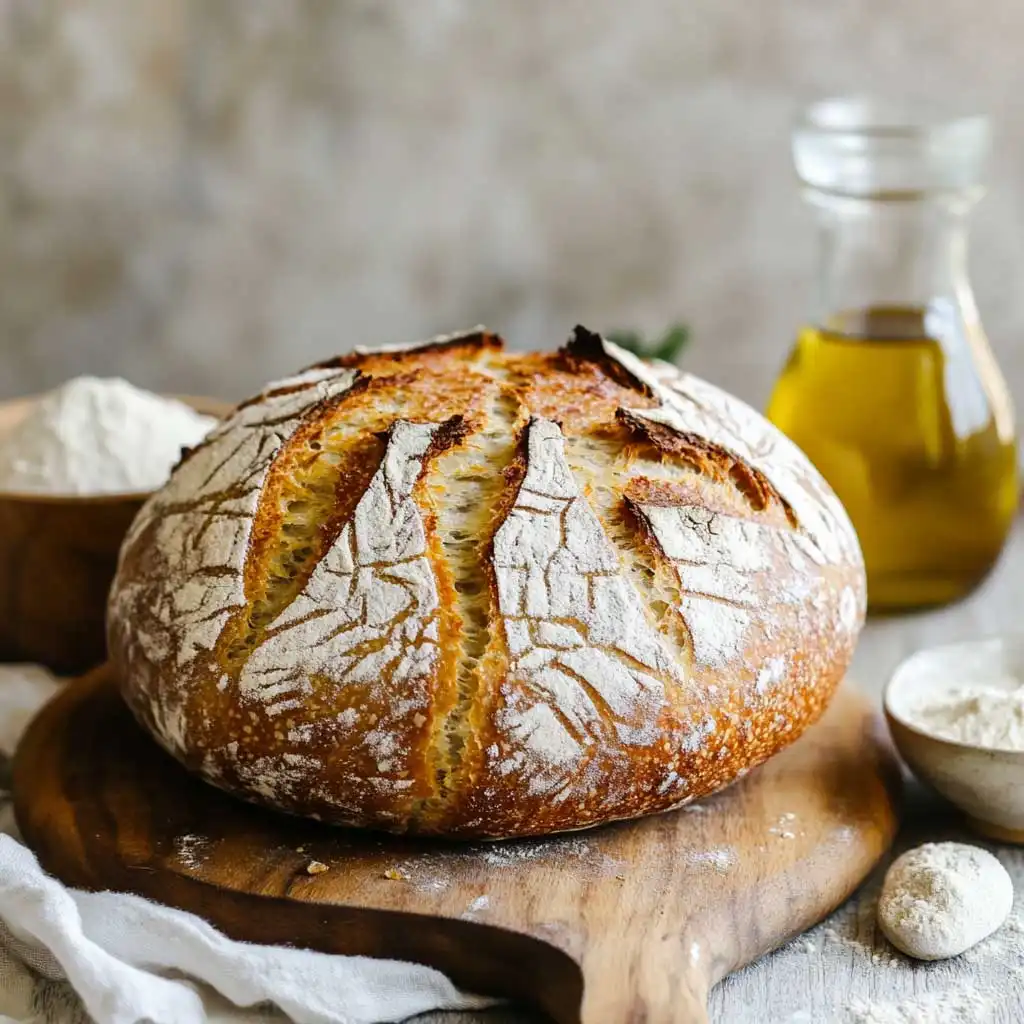

Elevate your homemade bread experience with this incredible rosemary garlic sourdough batard.
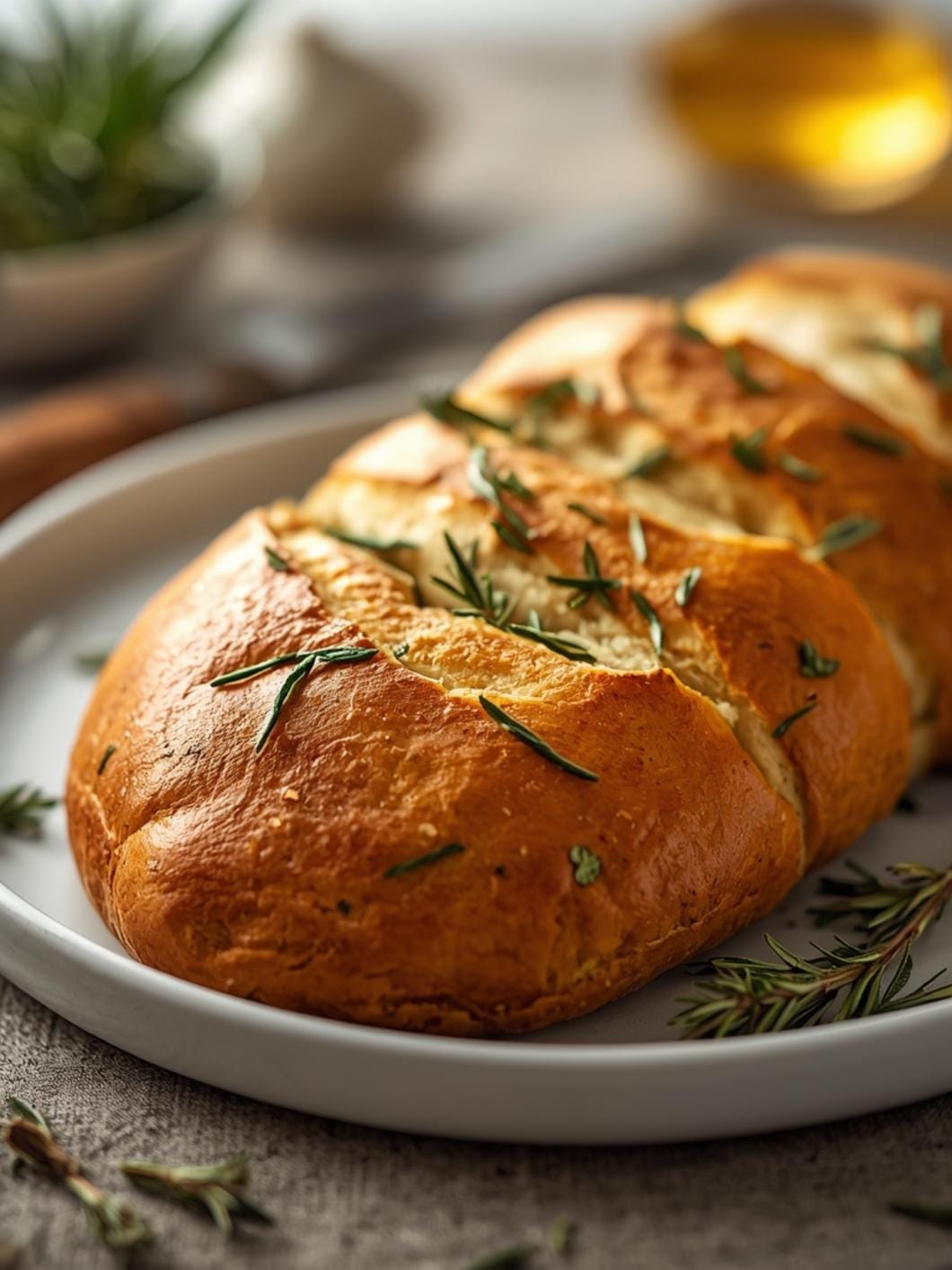
This recipe transforms a simple loaf into something truly special, featuring the deep, savory notes of roasted garlic paired with the aromatic freshness of rosemary. It’s a perfect way to add gourmet flair to any meal without complicated techniques.
This recipe focuses on creating an unforgettable flavor profile within a classic sourdough shape. We’ll guide you through incorporating roasted garlic and fresh herbs, ensuring every slice is packed with deliciousness. Get ready to impress your family and friends with this wonderfully fragrant and flavorful bread.
Table of Contents
- What You’ll Love About This Quick And Easy Recipe
- Everything You Need To Make This Recipe Without Stress
- Time Needed From Start To Finish
- How To Make It Step By Step With Visual Cues
- Easy Variations And Serving Ideas That Fit Real Life
- Common Slip-Ups And How To Avoid Them
- How To Store It And Make It Ahead Without Ruining Texture

Rosemary Garlic Sourdough Batard
- Total Time: 35-40 minutes
- Yield: 1 batard 1x
Description
Elevate your homemade bread experience with this incredible rosemary garlic sourdough batard. This recipe transforms a simple loaf into something truly special, featuring the deep, savory notes of roasted garlic paired with the aromatic freshness of rosemary. It’s a perfect way to add gourmet flair to any meal without complicated techniques.
Ingredients
Instructions
1. Roast the Garlic: Preheat your oven to 400 F (200 C). Slice off the very top of the garlic head, exposing the cloves. Drizzle with 1 tablespoon of olive oil, wrap tightly in aluminum foil, and roast for 30-40 minutes, or until the cloves are very soft and golden brown. Let cool slightly, then squeeze the softened garlic pulp from the skins into a small bowl. Mash it with a fork until smooth. The garlic should be creamy and spreadable.
2. Prepare the Sourdough Batard: While the garlic is roasting, if your sourdough batard is whole, slice it horizontally almost all the way through, creating a “pull-apart” style loaf, or slice it into thick individual pieces if you prefer. You want to create crevices for the garlic mixture to seep into.
3. Create the Flavorful Spread: In the bowl with the mashed roasted garlic, add the finely chopped fresh rosemary, sea salt, and black pepper. If using, stir in the grated Parmesan cheese. Mix everything thoroughly until well combined. The mixture should be fragrant and pasty.
4. Generously Flavor the Bread: Using a small spoon or a butter knife, spread the roasted garlic and rosemary mixture generously into all the cuts and crevices of your sourdough batard. Make sure to get some of the mixture on the top crust as well. Don’t be shy – the more flavor, the better!
5. Bake to Perfection: Place the flavored sourdough batard directly on a baking sheet. Bake in the preheated 400 F (200 C) oven for 15-20 minutes, or until the bread is golden brown, the crust is crispy, and the garlic mixture is fragrant and slightly caramelized. You’ll see the edges of the bread turning a deeper golden color.
6. Serve Warm and Enjoy: Carefully remove the batard from the oven. Let it cool for just a few minutes before serving. The internal steam will be hot. Serve warm, allowing everyone to pull apart their own delicious, garlicky, herbed pieces.
- Prep Time: 15 minutes
- Cook Time: 20-25 minutes
- Category: main dish
- Method: baking
- Cuisine: american
Nutrition
- Serving Size: 8 servings
Keywords: sourdough, garlic, rosemary, bread, batard, savory, appetizer, side dish, easy, flavorful
What You’ll Love About This Quick And Easy Recipe
This recipe is a game-changer for anyone who loves the robust flavor of garlic bread but wants something a little more sophisticated than the usual. It’s perfect for home bakers who already enjoy working with sourdough and are looking for a simple yet impactful way to enhance their loaves. You’ll love how the slow roasting of the garlic mellows its sharpness, turning it into a sweet, creamy paste that blends seamlessly into the dough. The fresh rosemary adds an earthy, fragrant counterpoint that makes each bite incredibly satisfying. This bread is ideal for serving alongside hearty stews, pasta dishes, or as a star player on a cheese board. It’s also fantastic simply toasted with a drizzle of olive oil. It works because it takes an already beloved bread base—sourdough—and infuses it with layers of flavor that feel gourmet but are surprisingly easy to achieve.
Everything You Need To Make This Recipe Without Stress
Gathering your ingredients before you start baking makes the whole process smoother and more enjoyable. This recipe uses readily available items, so you won’t need to hunt for anything exotic. The key is fresh, quality ingredients to ensure the best flavor in your finished batard.
INGREDIENTS:
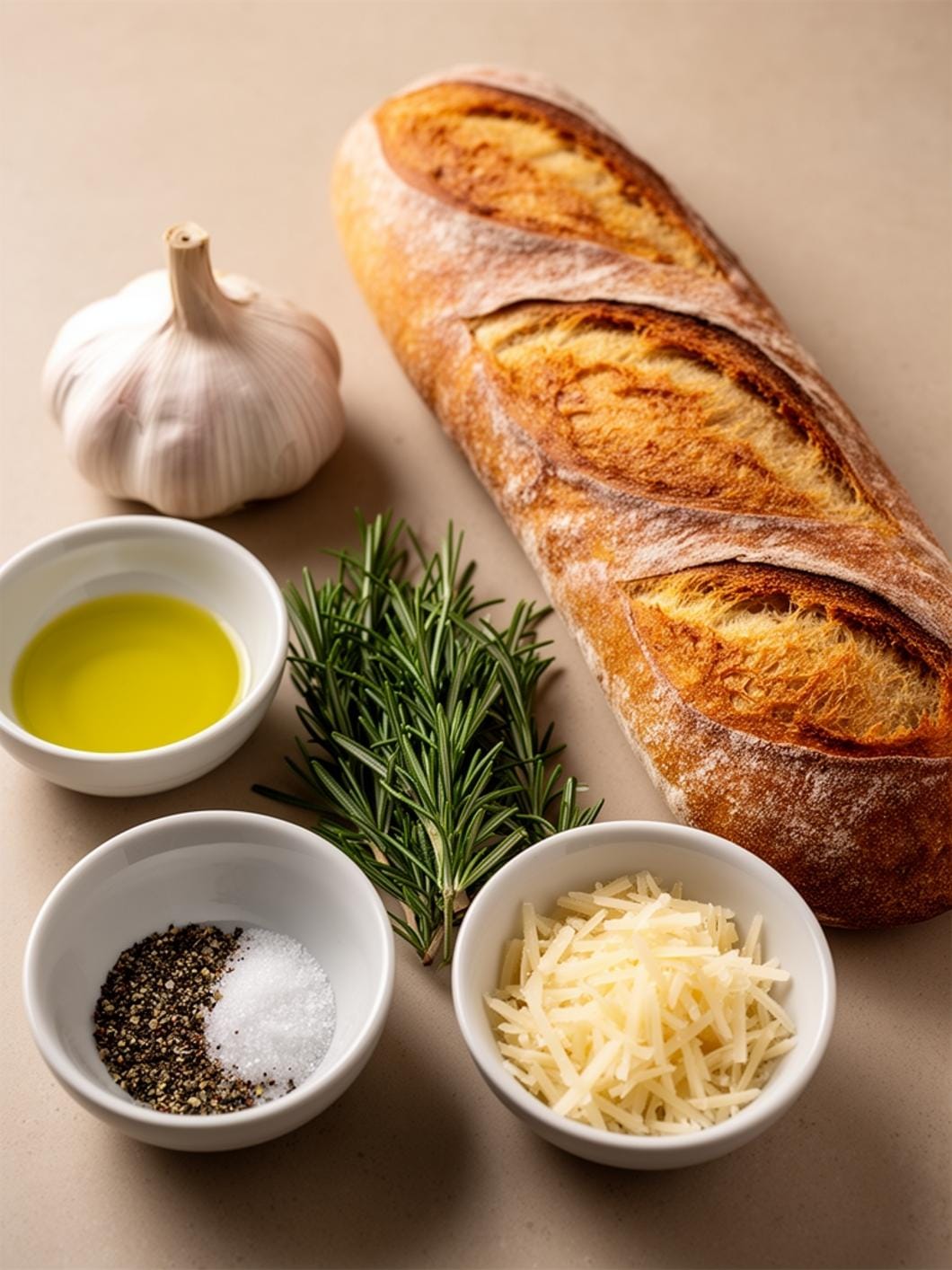
- 1 head of garlic
- 1 tablespoon olive oil, plus more for drizzling
- 1 (20-ounce) sourdough batard (store-bought or homemade, ready for flavoring)
- 2 tablespoons fresh rosemary, finely chopped
- 1/2 teaspoon sea salt, or to taste
- 1/4 teaspoon black pepper, freshly ground
- Optional: 2 tablespoons grated Parmesan cheese
For the sourdough batard, you can use a pre-baked, unflavored loaf from your local bakery or grocery store, or a homemade one that has already gone through its primary fermentation and shaping. The goal here is to infuse an existing bread with amazing flavor, not to bake the sourdough from scratch. If fresh rosemary isn’t available, you can use 1 tablespoon of dried rosemary, but fresh offers a more vibrant flavor. For the olive oil, a good quality extra virgin olive oil will enhance the overall taste. Parmesan cheese is optional but adds a lovely salty, umami depth.
Time Needed From Start To Finish
This recipe is designed to be efficient, focusing on the flavor infusion rather than the long process of sourdough baking itself.
- Prep Time: 15 minutes (mostly for roasting garlic and chopping herbs)
- Cook Time: 20-25 minutes (for warming and crisping the flavored bread)
- Total Time: 35-40 minutes
The bulk of the “active” time is in preparing the garlic and mixing the flavoring agents. The actual baking time is relatively short, making this a perfect addition to a weeknight meal or a quick appetizer for guests.
How To Make It Step By Step With Visual Cues
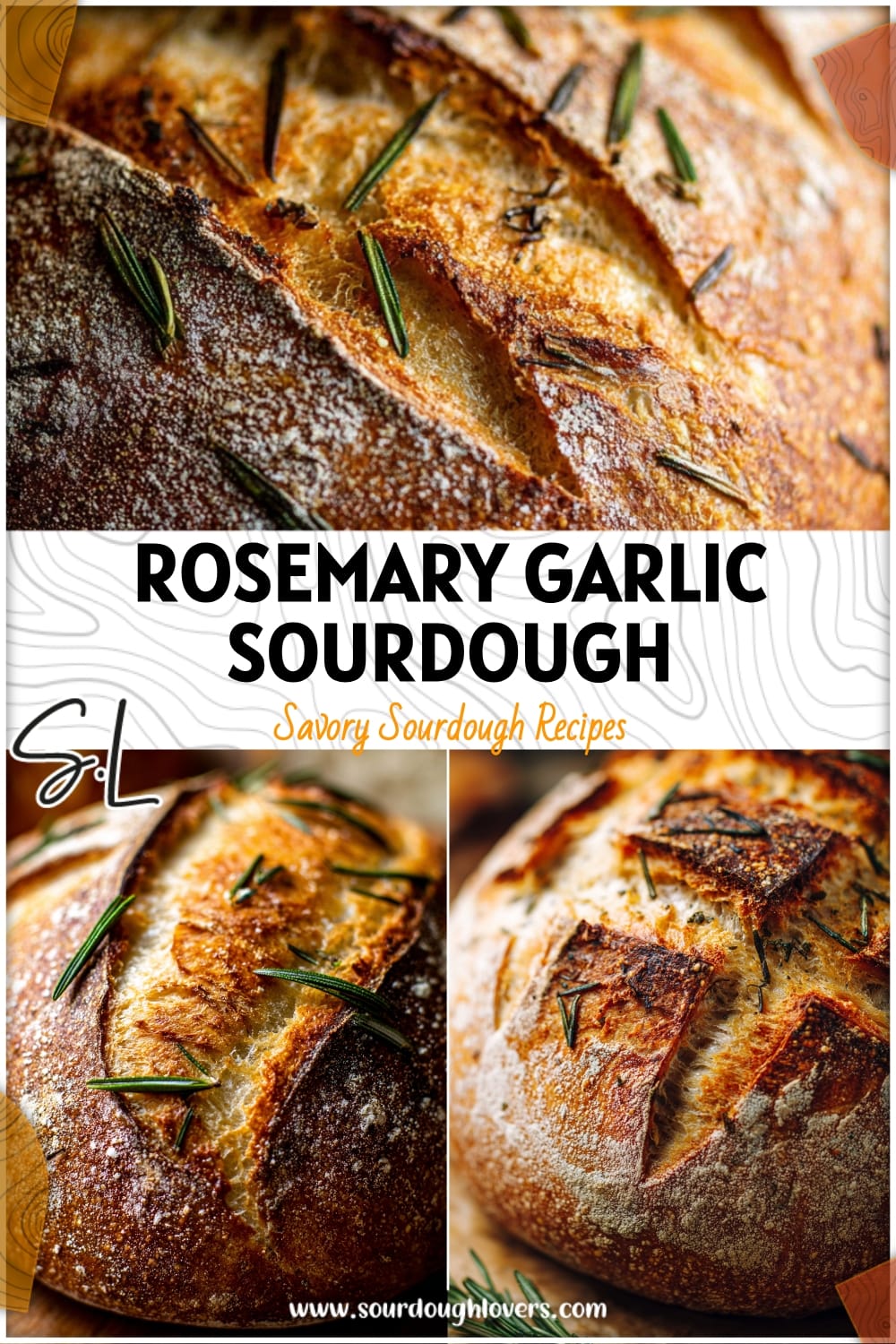
Follow these simple steps to create your delicious rosemary garlic sourdough batard. The process is straightforward, ensuring a fantastic result even for beginners.
- Roast the Garlic: Preheat your oven to 400°F (200°C). Slice off the very top of the garlic head, exposing the cloves. Drizzle with 1 tablespoon of olive oil, wrap tightly in aluminum foil, and roast for 30-40 minutes, or until the cloves are very soft and golden brown. Let cool slightly, then squeeze the softened garlic pulp from the skins into a small bowl. Mash it with a fork until smooth. The garlic should be creamy and spreadable.
- Prepare the Sourdough Batard: While the garlic is roasting, if your sourdough batard is whole, slice it horizontally almost all the way through, creating a “pull-apart” style loaf, or slice it into thick individual pieces if you prefer. You want to create crevices for the garlic mixture to seep into.
- Create the Flavorful Spread: In the bowl with the mashed roasted garlic, add the finely chopped fresh rosemary, sea salt, and black pepper. If using, stir in the grated Parmesan cheese. Mix everything thoroughly until well combined. The mixture should be fragrant and pasty.
- Generously Flavor the Bread: Using a small spoon or a butter knife, spread the roasted garlic and rosemary mixture generously into all the cuts and crevices of your sourdough batard. Make sure to get some of the mixture on the top crust as well. Don’t be shy – the more flavor, the better!
- Bake to Perfection: Place the flavored sourdough batard directly on a baking sheet. Bake in the preheated 400°F (200°C) oven for 15-20 minutes, or until the bread is golden brown, the crust is crispy, and the garlic mixture is fragrant and slightly caramelized. You’ll see the edges of the bread turning a deeper golden color.
- Serve Warm and Enjoy: Carefully remove the batard from the oven. Let it cool for just a few minutes before serving. The internal steam will be hot. Serve warm, allowing everyone to pull apart their own delicious, garlicky, herbed pieces.
Easy Variations And Serving Ideas That Fit Real Life
This rosemary garlic sourdough batard is incredibly versatile and can be adapted to suit different tastes and occasions. For a kid-friendly twist, you might reduce the amount of rosemary slightly or even omit it, focusing purely on the roasted garlic flavor, which tends to be sweeter and milder. You could also add a sprinkle of mozzarella cheese on top during the last 5 minutes of baking for a melty, cheesy version that kids often adore.
Consider swapping out rosemary for other fresh herbs like thyme, oregano, or a mix of Italian herbs for a different aromatic profile. A pinch of red pepper flakes can add a subtle kick if you enjoy a little heat. For a richer flavor, you could mix a tablespoon of softened unsalted butter into the roasted garlic spread before applying it to the bread.
This bread is fantastic as a side dish for almost any meal. It pairs wonderfully with classic Italian pasta dishes like spaghetti and meatballs or lasagna. It’s also a perfect companion to a hearty bowl of soup or chili, especially on a chilly evening. For a party or buffet, arrange the sliced batard on a large platter. It makes a great appetizer alongside a simple marinara dipping sauce or a bowl of good quality olive oil for dipping. You could also serve it with a fresh bruschetta topping for an extra layer of flavor and texture.
Common Slip-Ups And How To Avoid Them
Even with a simple recipe, a few common mistakes can impact your final result. Being aware of these can help you achieve perfect rosemary garlic sourdough every time.
One common slip-up is not roasting the garlic long enough. If the garlic isn’t completely soft and caramelized, it will retain a sharp, pungent flavor rather than the sweet, mellow taste we’re aiming for. Ensure the cloves are very tender and easily mashable before mixing them into your spread. If they’re still firm, put them back in the oven for another 10-15 minutes.
Another mistake is over-saturating the bread with too much olive oil if you’re adding extra. While a little extra drizzle can be nice, too much can make the bread greasy and soggy, especially in the center. Stick to the recommended amount for roasting the garlic, and only add a light drizzle to the bread itself if desired.
Not cutting the batard deeply enough can also be an issue. If your slices aren’t nearly all the way through, the garlic mixture won’t penetrate deeply, leading to uneven flavor distribution. Make sure to create good, deep crevices so the flavor can really get into every bite.
Finally, over-baking the bread can lead to a dry, hard crust. Keep an eye on it during the last few minutes of baking. The goal is golden and crispy, not burnt or overly tough. Every oven is different, so adjust baking times as needed.
How To Store It And Make It Ahead Without Ruining Texture
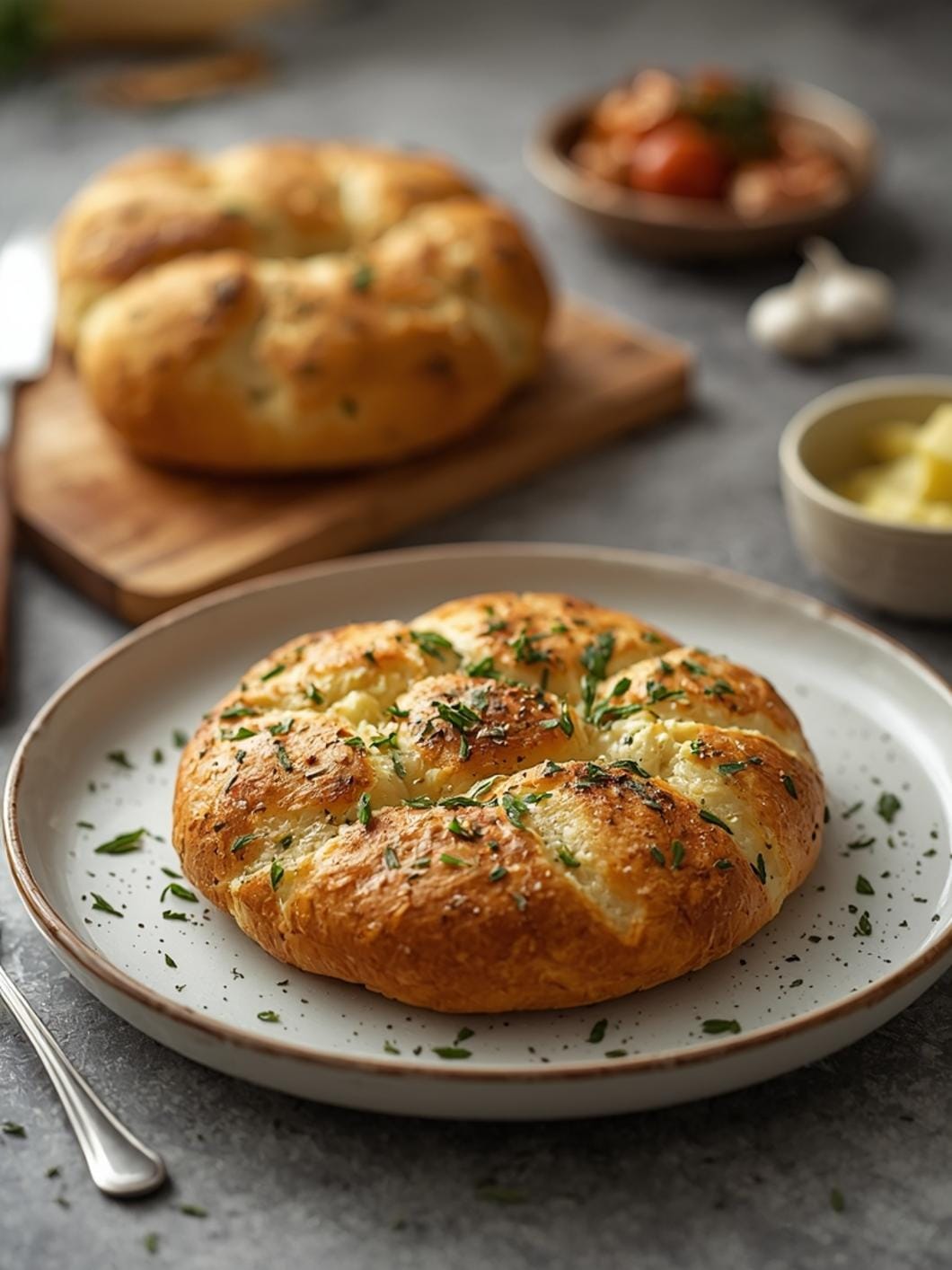
This rosemary garlic sourdough batard is best enjoyed fresh and warm from the oven, when the crust is crisp and the interior is soft and fragrant. However, if you have leftovers or want to get a head start, there are good ways to store and prepare it.
To store leftover baked bread, allow it to cool completely. Wrap it tightly in aluminum foil or plastic wrap, or place it in an airtight container. It will keep at room temperature for 1-2 days. For longer storage, you can freeze individual slices or the whole batard (wrapped well) for up to 1 month.
When reheating, if the bread was at room temperature, simply place it back in a preheated oven at 350°F (175°C) for 5-10 minutes, or until warmed through and the crust has
FAQs
- Can I make these ahead? Yes—prep ahead, refrigerate, then serve when ready.
- How long do leftovers last? Store covered in the fridge for 3–4 days for best texture.
- Can I adjust sweetness? Yes—add more or less sweetener to taste.
- Can I change the fruit? Yes—swap strawberries for blueberries, raspberries, or sliced banana.