
Baking your own sourdough bread might seem like a daunting task, but with the right recipe, it can be a truly rewarding experience.
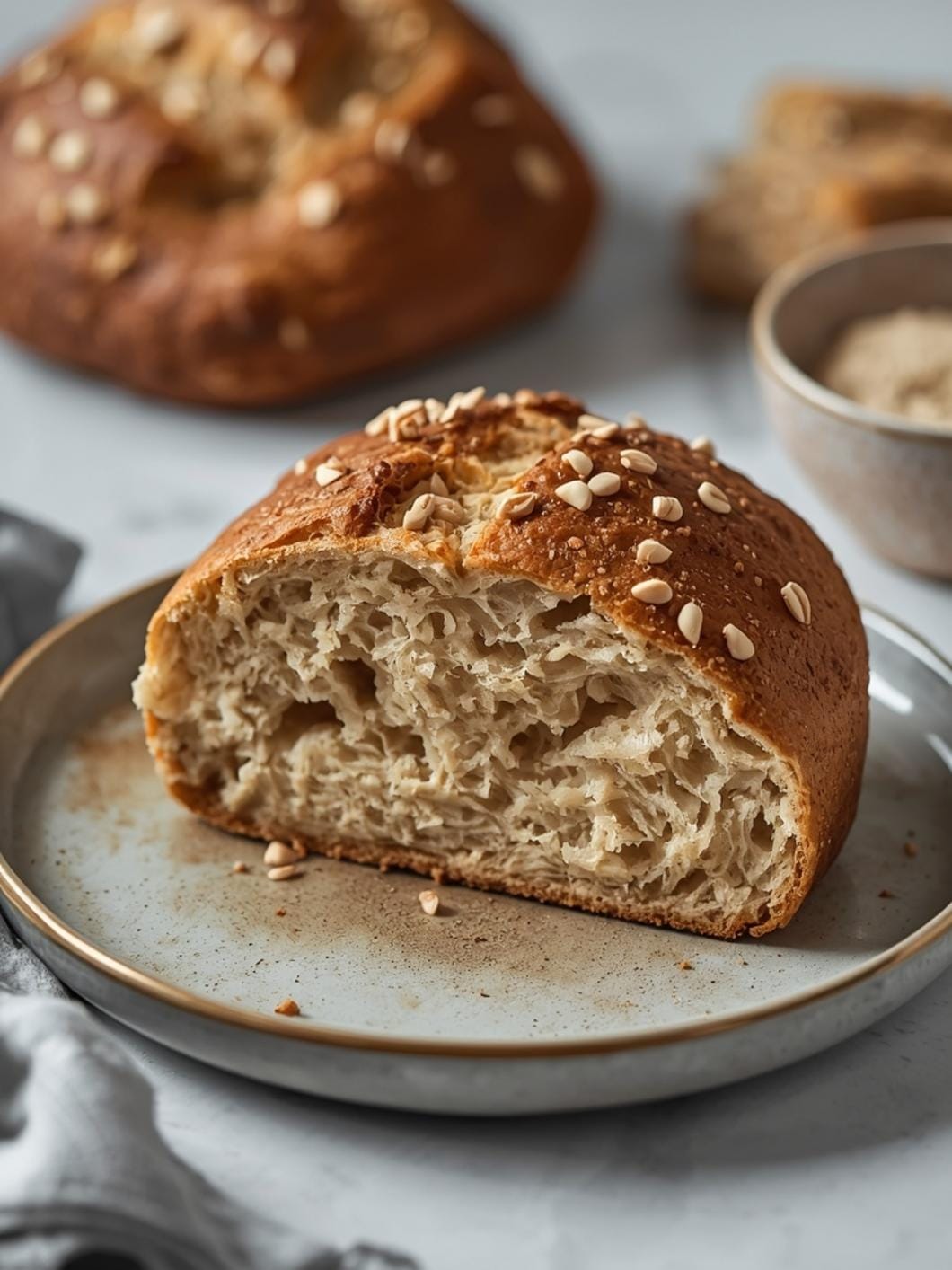
This guide will walk you through creating a beautiful and delicious Einkorn Sourdough Loaf, perfect for home bakers who are just starting their sourdough journey or looking for a more manageable approach to this ancient grain.
Get ready to impress yourself and your loved ones with a rustic, flavorful loaf that boasts a wonderful texture and a delightful tang. We’ll keep things simple and straightforward, ensuring your first (or fiftieth!) einkorn sourdough bake is a resounding success.

Einkorn Sourdough Loaf
- Total Time: 10-14 hours (including fermentation and proofing)
- Yield: 1 loaf 1x
Description
Bake a delicious and rustic Einkorn Sourdough Loaf with this beginner-friendly recipe. This guide simplifies the process, focusing on approachable steps to achieve a flavorful loaf with a wonderful texture and delightful tang, perfect for home bakers.
Ingredients
Instructions
1. Combine Starter and Water: In a large mixing bowl, gently whisk together your active einkorn sourdough starter with the warm water until the starter is mostly dissolved and the mixture appears milky. This ensures an even distribution of the starter’s yeasts and bacteria throughout the dough.
2. Add Flour and Salt: Add the einkorn flour and fine sea salt to the starter mixture. Use a sturdy spoon or your hands to mix until all the flour is hydrated and no dry spots remain. The dough will be shaggy and sticky at this stage. Cover the bowl with a damp kitchen towel or plastic wrap and let it rest for 30 minutes. This resting period, known as autolyse, allows the flour to fully hydrate.
3. Perform Stretch and Folds: After the rest, begin the first set of stretch and folds. With damp hands, grab a portion of the dough from one side, stretch it upwards, and fold it over to the opposite side of the bowl. Rotate the bowl a quarter turn and repeat this process 3-4 more times, working your way around the dough. This builds strength in the dough. Cover and let rest for 30 minutes. Repeat this stretch and fold process 3-4 more times, with 30-minute rests in between each set. You should notice the dough becoming smoother and more elastic with each set.
4. Bulk Fermentation: After the final set of stretch and folds, cover the bowl and let the dough ferment at room temperature (around 70-75 F / 21-24 C) for 6-8 hours. The dough should visibly increase in volume, becoming bubbly and jiggly. If your kitchen is cooler, this process might take longer, or you can place it in a slightly warmer spot. If it’s very warm, it might be quicker.
5. Shape the Loaf: Gently turn the dough out onto a lightly floured surface (use rice flour if you have it). Carefully shape the dough into a round or oval loaf. Avoid deflating it too much. Place the shaped dough seam-side up into a well-floured banneton (proofing basket) or a bowl lined with a floured kitchen towel.
6. Cold Proofing: Cover the banneton or bowl with plastic wrap and place it in the refrigerator for 2-4 hours, or ideally overnight (8-12 hours). Cold proofing slows down fermentation, develops flavor, and makes the dough easier to handle.
7. Preheat Oven and Dutch Oven: About 30-45 minutes before you plan to bake, place a Dutch oven with its lid into your oven and preheat to 450 F (232 C). Getting the Dutch oven very hot is crucial for a great crust.
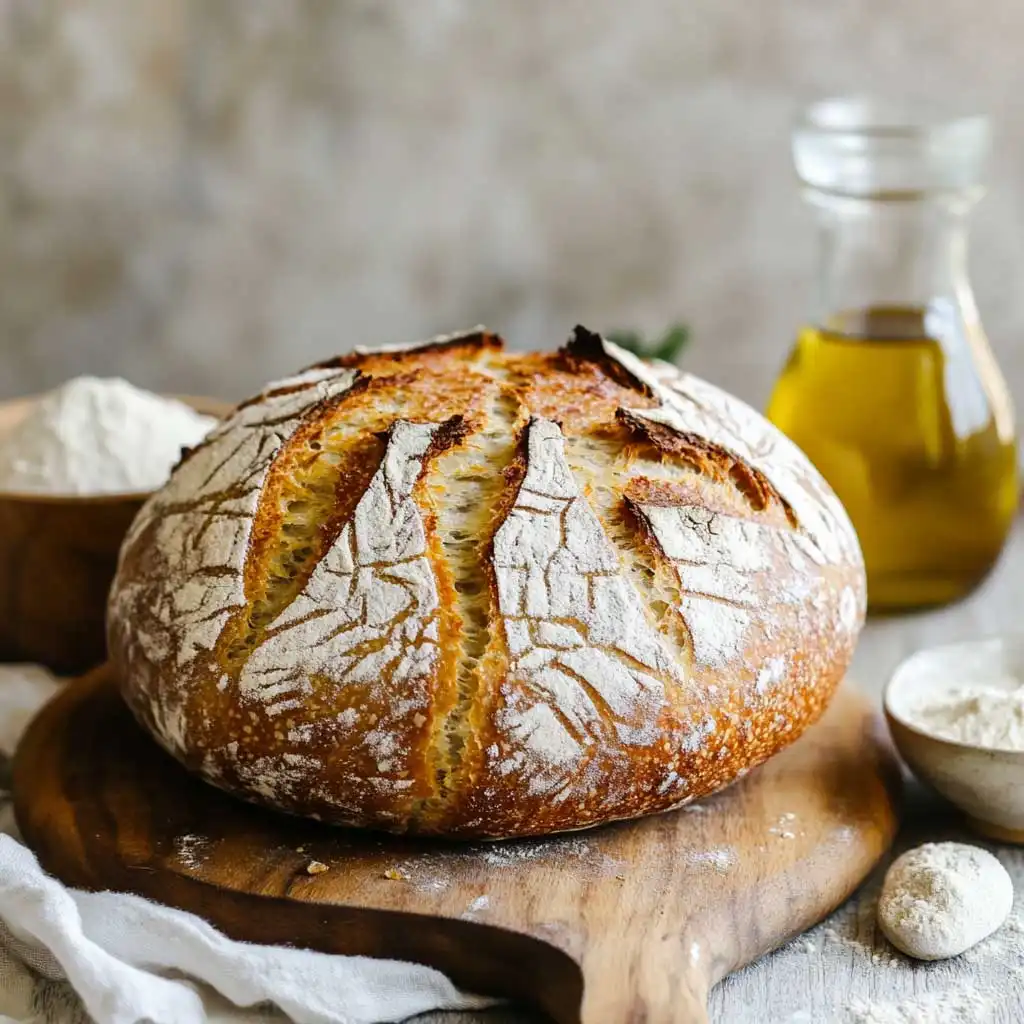
8. Bake the Bread: Carefully remove the hot Dutch oven from the oven. Gently invert the cold dough from the banneton into the hot Dutch oven. Score the top of the dough with a sharp razor blade or knife (a simple cross or a single line works well). Cover the Dutch oven and bake for 30 minutes.
9. Finish Baking: Remove the lid from the Dutch oven and continue baking for another 10-15 minutes, or until the crust is deeply golden brown and sounds hollow when tapped on the bottom.
10. Cool Completely: Carefully remove the bread from the Dutch oven and transfer it to a wire rack. Let it cool completely for at least 1-2 hours before slicing. Slicing warm sourdough can result in a gummy texture.
- Prep Time: 15-20 minutes active
- Cook Time: 40-45 minutes
- Category: bread
- Method: baking
- Cuisine: european
Nutrition
- Serving Size: 1 slice
Keywords: sourdough, einkorn, bread, baking, homemade, rustic, whole grain, fermented, easy, beginner
What You’ll Love About This Quick And Easy Recipe
This recipe is specifically designed for home bakers who want to enjoy the incredible taste and benefits of einkorn sourdough without the advanced techniques often associated with traditional sourdough baking. It’s perfect for beginners because it simplifies the process, focusing on approachable steps that yield consistent results. You don’t need years of sourdough experience or fancy equipment to achieve a beautiful, flavorful loaf. This recipe works wonderfully for a leisurely weekend project, providing a warm, comforting aroma throughout your home. Serve it as a wholesome addition to any meal, from a hearty breakfast with eggs and avocado to a sophisticated dinner alongside soup or a cheese board. It’s also fantastic simply toasted with butter or jam for a satisfying snack. This recipe is all about making sourdough accessible and enjoyable for everyone, proving that delicious, homemade bread is well within your reach.
Everything You Need To Make This Recipe Without Stress
Gathering all your ingredients before you begin is a simple step that can save you a lot of time and hassle during the baking process. This ensures you have everything on hand and can move smoothly from one step to the next without interruption. The beauty of this recipe lies in its relatively short ingredient list, focusing on quality components that contribute to the unique flavor and texture of einkorn sourdough.
INGREDIENTS:
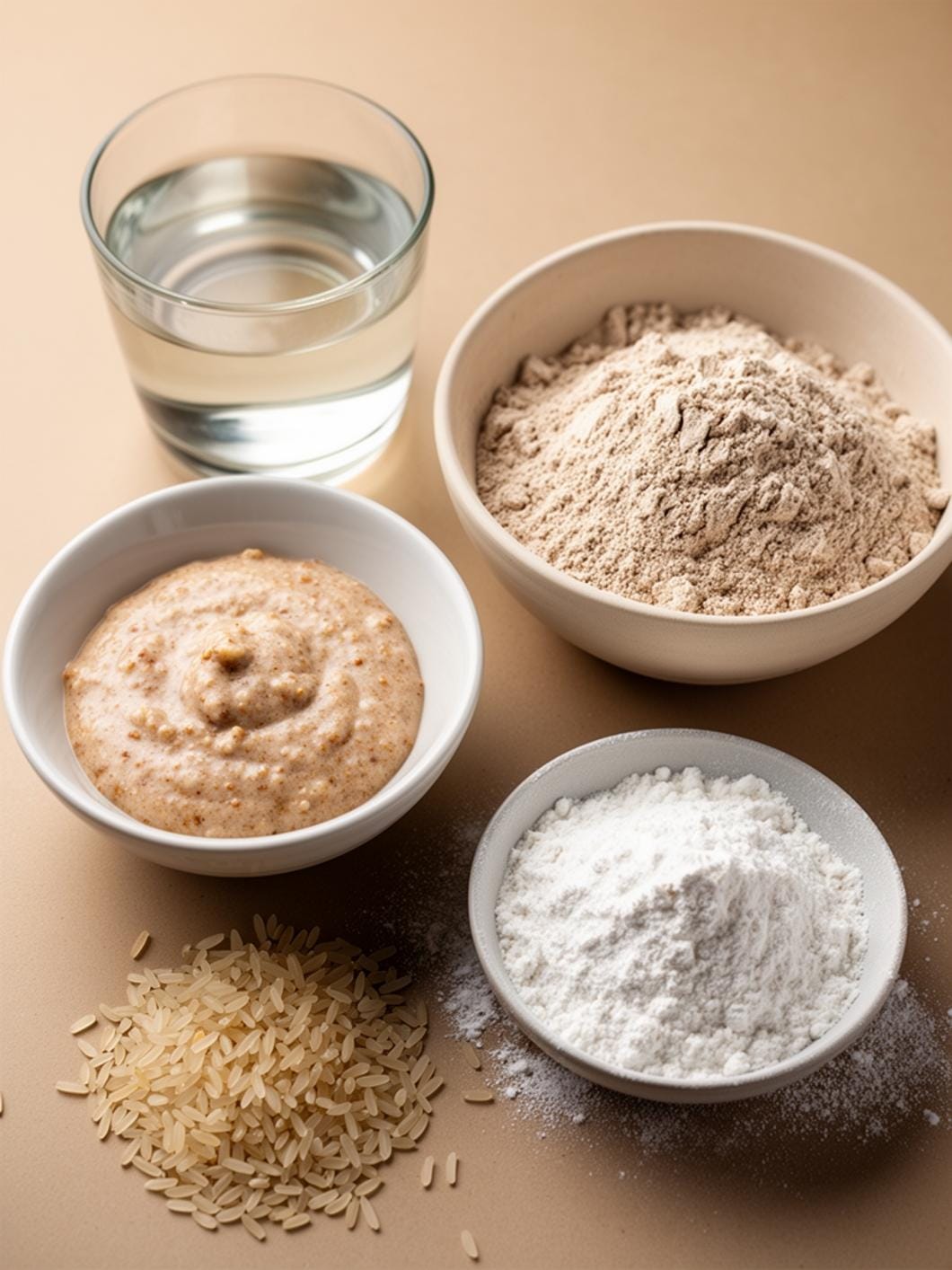
- 150 grams active einkorn sourdough starter
- 300 grams warm water (around 90-95°F / 32-35°C)
- 400 grams whole grain einkorn flour
- 10 grams fine sea salt
- Rice flour or all-purpose flour for dusting
For the einkorn flour, using a good quality whole grain einkorn will give you the best flavor and nutritional benefits. While this recipe specifies whole grain, you can experiment with a blend of whole grain and all-purpose einkorn flour if you prefer a slightly lighter texture, though the whole grain offers a more rustic appeal. When it comes to salt, fine sea salt is recommended as it dissolves easily and distributes evenly throughout the dough. Avoid using iodized table salt, as it can sometimes impart an off-flavor to baked goods. If you don’t have rice flour for dusting, regular all-purpose flour will work just fine to prevent sticking, though rice flour tends to create a crispier crust.
Time Needed From Start To Finish
Understanding the time commitment for any baking project helps you plan your day effectively. While sourdough baking does involve periods of waiting for the dough to ferment, the active hands-on time for this einkorn loaf is surprisingly minimal, making it a great option even for busy schedules.
- Active Preparation Time: 15-20 minutes
- Bulk Fermentation Time: 6-8 hours (or overnight in a cooler spot)
- Proofing Time: 2-4 hours (or overnight in the refrigerator)
- Baking Time: 40-45 minutes
- Cooling Time: 1-2 hours (crucial for texture)
- Total Estimated Time (including fermentation and proofing): Approximately 10-14 hours, with only about 1 hour of active work spread throughout.
How To Make It Step By Step With Visual Cues
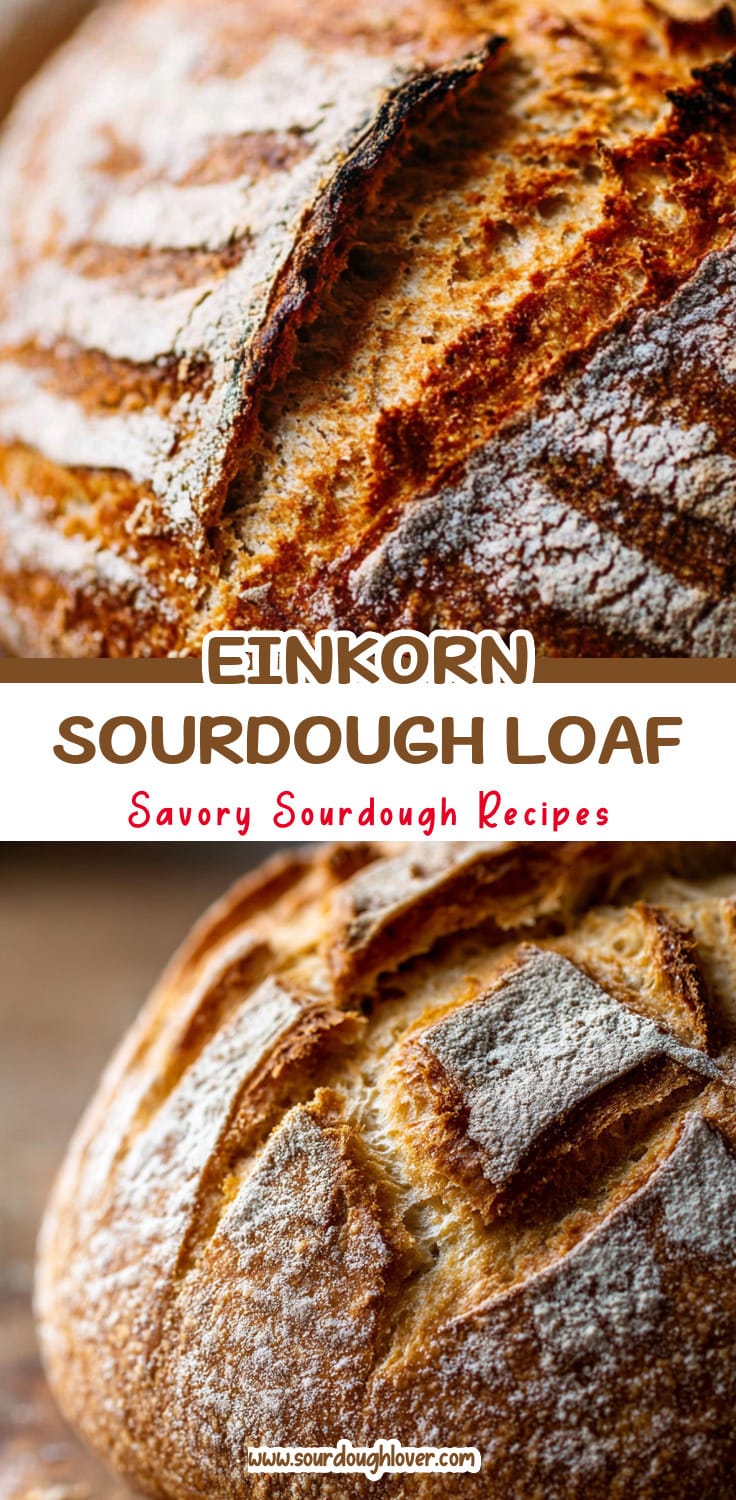
Creating a beautiful einkorn sourdough loaf is a process that builds on simple steps. Following these instructions carefully will guide you to a delicious outcome, even if you’re new to sourdough.
- Combine Starter and Water: In a large mixing bowl, gently whisk together your active einkorn sourdough starter with the warm water until the starter is mostly dissolved and the mixture appears milky. This ensures an even distribution of the starter’s yeasts and bacteria throughout the dough.
- Add Flour and Salt: Add the einkorn flour and fine sea salt to the starter mixture. Use a sturdy spoon or your hands to mix until all the flour is hydrated and no dry spots remain. The dough will be shaggy and sticky at this stage. Cover the bowl with a damp kitchen towel or plastic wrap and let it rest for 30 minutes. This resting period, known as autolyse, allows the flour to fully hydrate.
- Perform Stretch and Folds: After the rest, begin the first set of stretch and folds. With damp hands, grab a portion of the dough from one side, stretch it upwards, and fold it over to the opposite side of the bowl. Rotate the bowl a quarter turn and repeat this process 3-4 more times, working your way around the dough. This builds strength in the dough. Cover and let rest for 30 minutes. Repeat this stretch and fold process 3-4 more times, with 30-minute rests in between each set. You should notice the dough becoming smoother and more elastic with each set.
- Bulk Fermentation: After the final set of stretch and folds, cover the bowl and let the dough ferment at room temperature (around 70-75°F / 21-24°C) for 6-8 hours. The dough should visibly increase in volume, becoming bubbly and jiggly. If your kitchen is cooler, this process might take longer, or you can place it in a slightly warmer spot. If it’s very warm, it might be quicker.
- Shape the Loaf: Gently turn the dough out onto a lightly floured surface (use rice flour if you have it). Carefully shape the dough into a round or oval loaf. Avoid deflating it too much. Place the shaped dough seam-side up into a well-floured banneton (proofing basket) or a bowl lined with a floured kitchen towel.
- Cold Proofing: Cover the banneton or bowl with plastic wrap and place it in the refrigerator for 2-4 hours, or ideally overnight (8-12 hours). Cold proofing slows down fermentation, develops flavor, and makes the dough easier to handle.
- Preheat Oven and Dutch Oven: About 30-45 minutes before you plan to bake, place a Dutch oven with its lid into your oven and preheat to 450°F (232°C). Getting the Dutch oven very hot is crucial for a great crust.
- Bake the Bread: Carefully remove the hot Dutch oven from the oven. Gently invert the cold dough from the banneton into the hot Dutch oven. Score the top of the dough with a sharp razor blade or knife (a simple cross or a single line works well). Cover the Dutch oven and bake for 30 minutes.
- Finish Baking: Remove the lid from the Dutch oven and continue baking for another 10-15 minutes, or until the crust is deeply golden brown and sounds hollow when tapped on the bottom.
- Cool Completely: Carefully remove the bread from the Dutch oven and transfer it to a wire rack. Let it cool completely for at least 1-2 hours before slicing. Slicing warm sourdough can result in a gummy texture.
Easy Variations And Serving Ideas That Fit Real Life
This rustic einkorn sourdough loaf is wonderfully versatile, offering many ways to customize it or enjoy it with different meals. For a subtle flavor variation, you can gently fold in a handful of toasted seeds like sesame, poppy, or sunflower during the last set of stretch and folds. Dried herbs such as rosemary or thyme can also be incorporated for an aromatic twist, especially if you plan to serve the bread with savory dishes. For a touch of sweetness, a small amount of honey or maple syrup (about 1-2 tablespoons) can be added with the water in the initial mixing stage, though this will slightly alter the fermentation time.
When it comes to serving, the possibilities are endless. This einkorn sourdough is fantastic as a simple accompaniment to a bowl of hearty soup or a fresh salad. It makes incredible toast for breakfast, topped with avocado, a fried egg, or your favorite jam. For a more substantial meal, use thick slices to make gourmet sandwiches with roasted vegetables, cheese, and deli meats. It’s also a perfect bread to serve on a charcuterie board, pairing beautifully with various cheeses, cured meats, and olives. For a kid-friendly option, simply serve slices with butter and a sprinkle of flaky sea salt, or turn it into mini pizzas with a little tomato sauce and mozzarella.
Common Slip-Ups And How To Avoid Them
Even with a straightforward recipe, baking sourdough can present a few common challenges for beginners. One frequent issue is an inactive starter. If your starter isn’t bubbly and active (meaning it doubles or triples in size after feeding), your bread won’t rise properly. Always ensure your starter is well-fed and vigorous before beginning the recipe. Another common mistake is over-handling the dough during shaping. While you need to build tension

FAQs
- Can I make these ahead? Yes—prep ahead, refrigerate, then serve when ready.
- How long do leftovers last? Store covered in the fridge for 3–4 days for best texture.
- Can I adjust sweetness? Yes—add more or less sweetener to taste.
- Can I change the fruit? Yes—swap strawberries for blueberries, raspberries, or sliced banana.