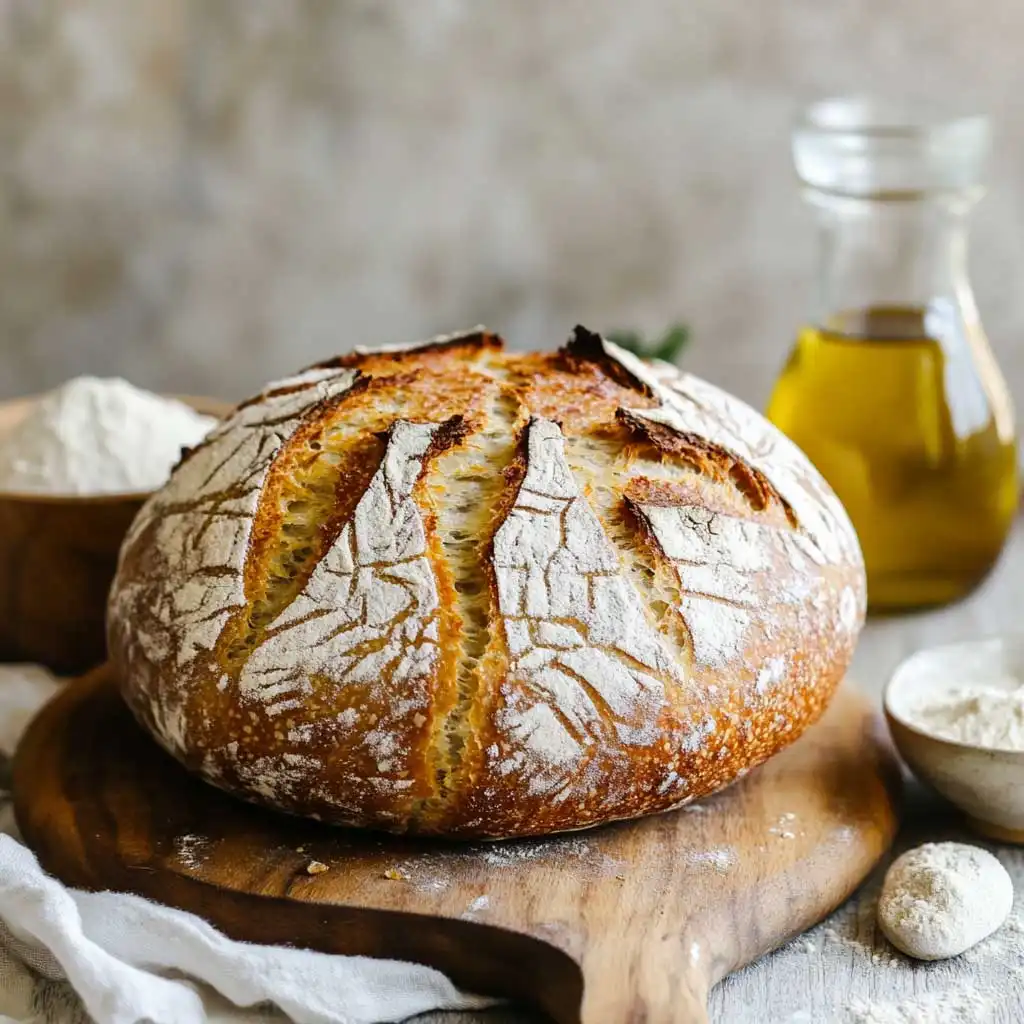

There’s nothing quite like the aroma of freshly baked bread filling your kitchen, especially when it’s a rustic sourdough loaf infused with the savory notes of roasted garlic and fragrant rosemary. This recipe takes the beloved tang of sourdough and elevates it with simple, yet powerful, flavors that make every slice a delight.
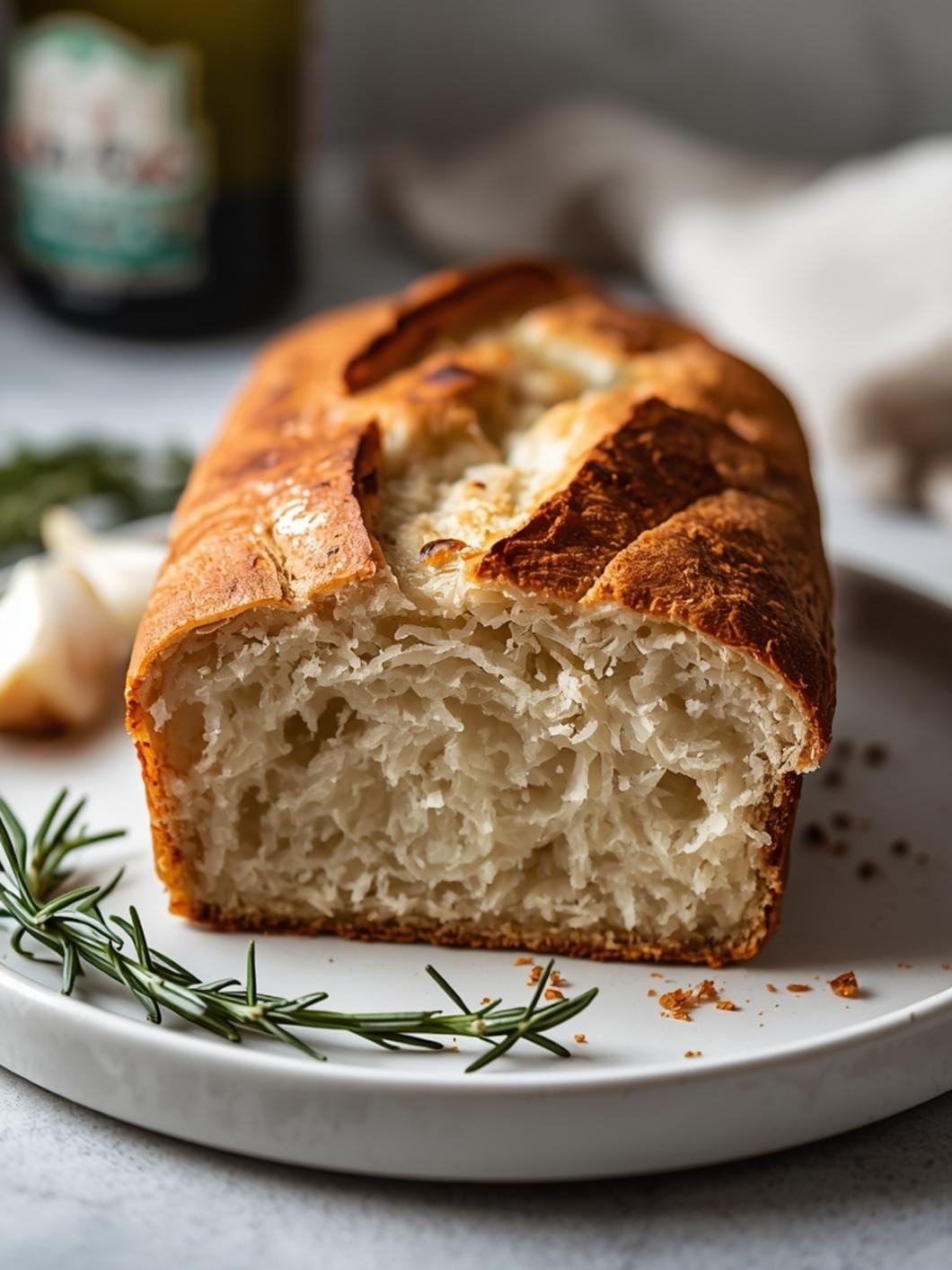
Whether you’re a seasoned sourdough baker or just starting your journey, this easy-to-follow guide will help you create a beautiful, flavorful loaf that’s perfect for sharing with family and friends. Get ready to impress with minimal fuss and maximum flavor!
Table of Contents
- What You’ll Love About This Quick And Easy Recipe
- Everything You Need To Make This Recipe Without Stress
- Time Needed From Start To Finish
- How To Make It Step By Step With Visual Cues
- Easy Variations And Serving Ideas That Fit Real Life
- Common Slip-Ups And How To Avoid Them
- How To Store It And Make It Ahead Without Ruining Texture

Rustic Garlic Rosemary Sourdough Bread
- Total Time: 6-8 hours
- Yield: 1 loaf 1x
Description
This recipe takes the beloved tang of sourdough and elevates it with simple, yet powerful, flavors that make every slice a delight. Whether you’re a seasoned sourdough baker or just starting your journey, this easy-to-follow guide will help you create a beautiful, flavorful loaf that’s perfect for sharing with family and friends.
Ingredients
Instructions
1. Prepare the Roasted Garlic: Preheat your oven to 400 F (200 C). Slice off the top quarter of the garlic head to expose the cloves. Drizzle with a little olive oil, wrap in foil, and roast for 30-40 minutes, or until the cloves are soft and golden brown. Let cool, then squeeze out the softened garlic paste.
2. Combine Starter and Water: In a large mixing bowl, combine the active sourdough starter with the warm water. Stir gently with a spatula or your hand until the starter is mostly dissolved and the mixture is milky.
3. Add Flour and Salt: Add the bread flour and fine sea salt to the starter mixture. Mix with your hand or a sturdy spatula until no dry flour remains and a shaggy dough forms. Cover the bowl with a damp cloth or plastic wrap and let it rest for 30 minutes (this is called autolyse).
4. Incorporate Garlic and Rosemary, Then Stretch and Fold: After the rest, add the roasted garlic paste and chopped fresh rosemary to the dough. Gently fold them in. Perform your first “stretch and fold” by grabbing a portion of the dough from one side, stretching it upwards, and folding it over to the center. Rotate the bowl a quarter turn and repeat this process 3-4 times until the dough tightens slightly. Cover and let rest for 30 minutes. Repeat this stretch and fold process 3-4 more times, every 30 minutes, for a total of 3-4 sets. The dough will become smoother and more elastic with each set.
5. Bulk Fermentation (First Rise): After the final stretch and fold, cover the bowl and let the dough bulk ferment at room temperature for 3-4 hours, or until it has increased in volume by about 30-50% and looks bubbly. The exact time will depend on your kitchen temperature.
6. Shape the Loaf: Gently turn the dough out onto a lightly floured surface. Shape it into a round or oval loaf. For a round loaf, gently pull the edges towards the center, then flip it over and use the tension of the counter to create a tight, smooth surface.
7. Proofing (Second Rise): Place the shaped dough seam-side up into a floured banneton basket or a bowl lined with a floured kitchen towel. Cover with plastic wrap and proof at room temperature for 1-2 hours, or for a deeper flavor and easier handling, place it in the refrigerator overnight (8-12 hours). The dough should feel puffy and slightly springy when gently poked.
8. Bake the Bread: Preheat your oven to 450 F (230 C) with a Dutch oven inside for at least 30 minutes. Carefully remove the hot Dutch oven, invert the dough into it, and score the top with a sharp knife or razor blade. Cover and bake for 25 minutes. Remove the lid and continue baking for another 15-20 minutes, or until the crust is deeply golden brown and the internal temperature reaches 200-210 F (93-99 C). Let the loaf cool completely on a wire rack before slicing.
- Prep Time: 20 minutes
- Cook Time: 40-45 minutes
- Category: bread
- Method: baking
- Cuisine: european
Nutrition
- Serving Size: 1 slice
Keywords: sourdough, bread, garlic, rosemary, rustic, homemade, baking, yeast-free, artisan, comfort food
What You’ll Love About This Quick And Easy Recipe
This recipe is a true gem for anyone who appreciates the depth of flavor in sourdough but wants a straightforward approach to baking. It’s designed for home bakers of all skill levels, making it incredibly accessible. You’ll love how the rich, slightly sweet notes of roasted garlic meld with the earthy, piney aroma of fresh rosemary, creating a bread that’s both comforting and sophisticated. This loaf is fantastic served alongside a hearty soup or stew, as an accompaniment to a cheese board, or simply toasted with a smear of good butter. It’s also an excellent way to use up active sourdough starter, transforming it into something truly special for weekend brunches, weeknight dinners, or even a thoughtful homemade gift.
Everything You Need To Make This Recipe Without Stress
Gathering your ingredients before you begin ensures a smooth and enjoyable baking process. This recipe uses common pantry staples and fresh additions that are easy to find.
INGREDIENTS:
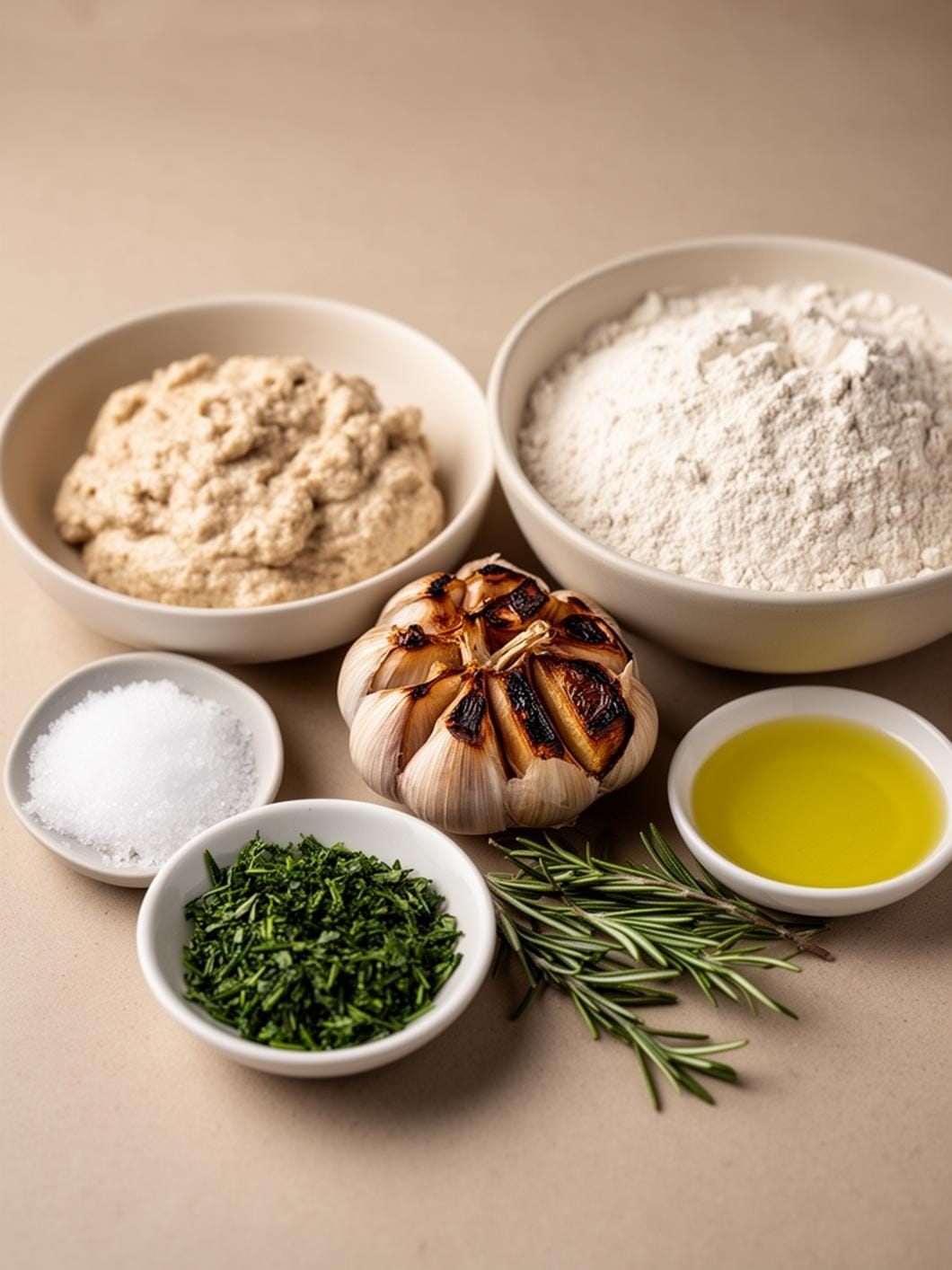
- 100 grams active sourdough starter
- 350 grams warm water (around 90-95°F)
- 500 grams bread flour
- 10 grams fine sea salt
- 1 head garlic, roasted
- 2 tablespoons fresh rosemary, finely chopped
- Olive oil, for roasting garlic
For the roasted garlic, you’ll simply need a head of garlic and a drizzle of olive oil. You can roast it ahead of time to save a few minutes on baking day. If fresh rosemary isn’t available, you can use dried rosemary, but reduce the amount to about 1 tablespoon as dried herbs are more potent. For the flour, bread flour is recommended for its higher protein content, which gives the sourdough its characteristic chew, but all-purpose flour can be used in a pinch, though the texture might be slightly different.
Time Needed From Start To Finish
While sourdough baking often implies a long process, this recipe focuses on efficiency without sacrificing flavor. The bulk of the time is hands-off, allowing the starter and dough to do their work.
- Prep Time: 20 minutes (includes roasting garlic if not done ahead)
- Active Working Time: 15 minutes
- Bulk Fermentation: 3-4 hours
- Proofing: 1-2 hours (or overnight in the fridge)
- Bake Time: 40-45 minutes
- Total Time (Day Of): Approximately 6-8 hours (including hands-off time)
How To Make It Step By Step With Visual Cues
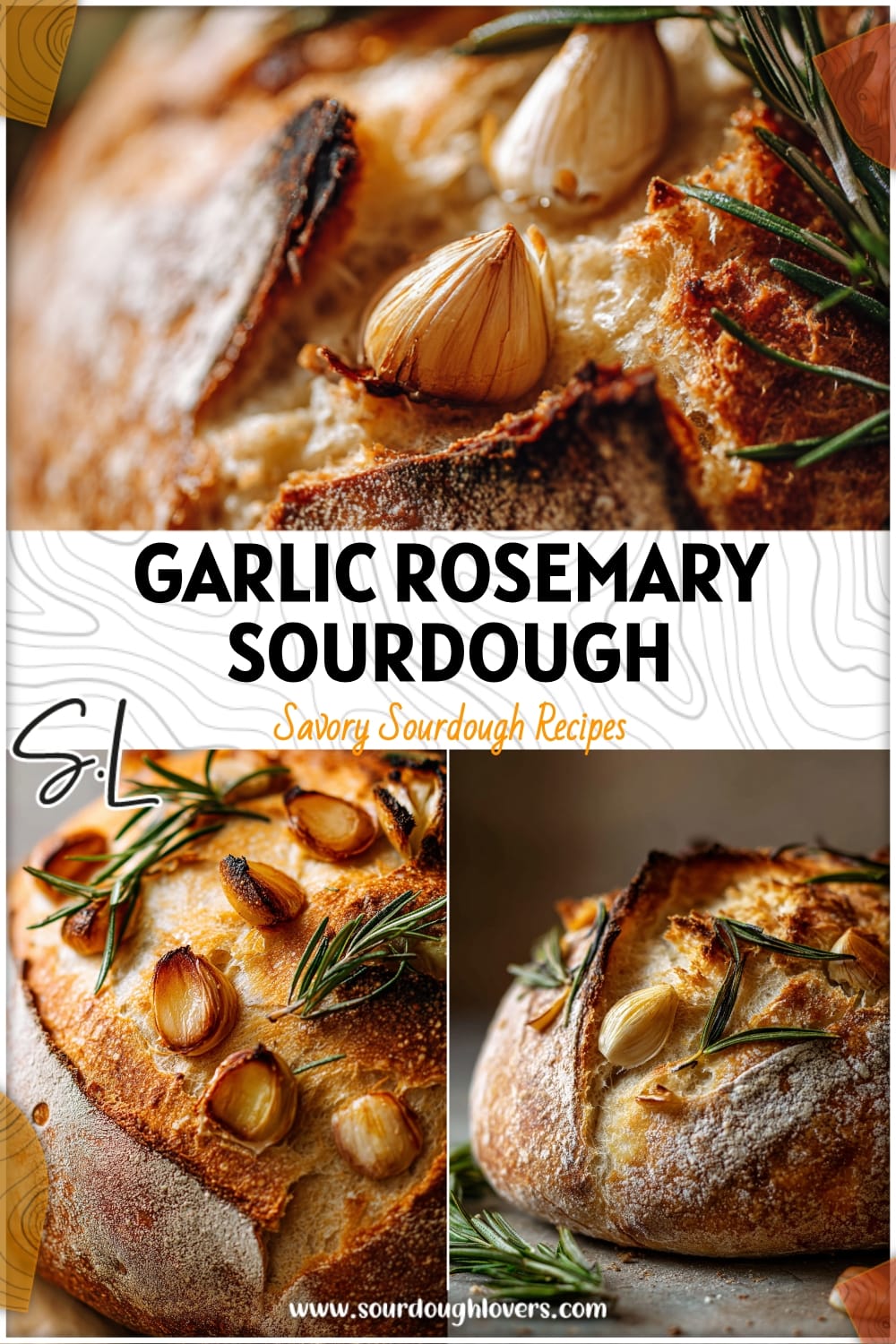
Creating this rustic garlic rosemary sourdough loaf is a rewarding process. Follow these steps for a perfect bake.
- Prepare the Roasted Garlic: Preheat your oven to 400°F (200°C). Slice off the top quarter of the garlic head to expose the cloves. Drizzle with a little olive oil, wrap in foil, and roast for 30-40 minutes, or until the cloves are soft and golden brown. Let cool, then squeeze out the softened garlic paste.
- Combine Starter and Water: In a large mixing bowl, combine the active sourdough starter with the warm water. Stir gently with a spatula or your hand until the starter is mostly dissolved and the mixture is milky.
- Add Flour and Salt: Add the bread flour and fine sea salt to the starter mixture. Mix with your hand or a sturdy spatula until no dry flour remains and a shaggy dough forms. Cover the bowl with a damp cloth or plastic wrap and let it rest for 30 minutes (this is called autolyse).
- Incorporate Garlic and Rosemary, Then Stretch and Fold: After the rest, add the roasted garlic paste and chopped fresh rosemary to the dough. Gently fold them in. Perform your first “stretch and fold” by grabbing a portion of the dough from one side, stretching it upwards, and folding it over to the center. Rotate the bowl a quarter turn and repeat this process 3-4 times until the dough tightens slightly. Cover and let rest for 30 minutes. Repeat this stretch and fold process 3-4 more times, every 30 minutes, for a total of 3-4 sets. The dough will become smoother and more elastic with each set.
- Bulk Fermentation (First Rise): After the final stretch and fold, cover the bowl and let the dough bulk ferment at room temperature for 3-4 hours, or until it has increased in volume by about 30-50% and looks bubbly. The exact time will depend on your kitchen temperature.
- Shape the Loaf: Gently turn the dough out onto a lightly floured surface. Shape it into a round or oval loaf. For a round loaf, gently pull the edges towards the center, then flip it over and use the tension of the counter to create a tight, smooth surface.
- Proofing (Second Rise): Place the shaped dough seam-side up into a floured banneton basket or a bowl lined with a floured kitchen towel. Cover with plastic wrap and proof at room temperature for 1-2 hours, or for a deeper flavor and easier handling, place it in the refrigerator overnight (8-12 hours). The dough should feel puffy and slightly springy when gently poked.
- Bake the Bread: Preheat your oven to 450°F (230°C) with a Dutch oven inside for at least 30 minutes. Carefully remove the hot Dutch oven, invert the dough into it, and score the top with a sharp knife or razor blade. Cover and bake for 25 minutes. Remove the lid and continue baking for another 15-20 minutes, or until the crust is deeply golden brown and the internal temperature reaches 200-210°F (93-99°C). Let the loaf cool completely on a wire rack before slicing.
Easy Variations And Serving Ideas That Fit Real Life
This garlic rosemary sourdough is wonderfully versatile. For a kid-friendly twist, you can reduce the amount of garlic slightly or even omit the rosemary if they’re not keen on herbs.
- Cheese Infusion: Add 1/2 cup of shredded Parmesan or sharp cheddar cheese during the last stretch and fold for a cheesy garlic bread.
- Spicy Kick: A pinch of red pepper flakes mixed in with the garlic and rosemary can add a subtle heat.
- Olive Addition: Chopped Kalamata or green olives can be folded into the dough for a Mediterranean twist.
- Serving Suggestions: This bread is perfect for dipping in olive oil and balsamic vinegar, accompanying a pasta dish, or making gourmet sandwiches. It also makes incredible garlic bread when sliced and toasted with extra butter and garlic. Serve it warm with a bowl of tomato soup or a hearty lentil stew for a comforting meal.
Common Slip-Ups And How To Avoid Them
Even experienced bakers can encounter small challenges. Knowing what to look out for can save you frustration.
- Inactive Starter: If your sourdough starter isn’t active (bubbly and doubling in size after feeding), your bread won’t rise properly. Ensure your starter is fed and vigorous before beginning the recipe.
- Over-flouring: Adding too much flour during shaping can make the dough stiff and dense. Use just enough flour to prevent sticking.
- Under-proofing or Over-proofing: Under-proofed dough will result in a dense loaf with a tight crumb, while over-proofed dough can collapse in the oven. Look for visual cues like increased volume and a springy feel.
- Not Cooling Completely: Slicing into a hot loaf can lead to a gummy texture. Resist the urge and let it cool completely on a wire rack to allow the internal structure to set.
- Not Preheating the Dutch Oven: A properly preheated Dutch oven creates a steamy environment, crucial for a good oven spring and a crispy crust. Don’t skip this step.
How To Store It And Make It Ahead Without Ruining Texture
Proper storage helps maintain the delicious flavor and texture of your homemade sourdough.
- Room Temperature Storage: Once completely cooled, store the loaf in a paper bag or a bread box at room temperature for 2-3 days. This helps keep the crust crisp. Avoid airtight containers, which can make the crust soft.
- Freezing for Longer Storage: For longer storage, slice the cooled loaf and freeze the slices in a freezer-safe bag or airtight container for up to 3 months. You can toast individual slices directly from frozen.
- Make-Ahead Dough: The shaped dough can be proofed in the refrigerator overnight (8-12 hours) in a banneton. This cold proofing develops more flavor and makes the
FAQs
- Can I make these ahead? Yes—prep ahead, refrigerate, then serve when ready.
- How long do leftovers last? Store covered in the fridge for 3–4 days for best texture.
- Can I adjust sweetness? Yes—add more or less sweetener to taste.
- Can I change the fruit? Yes—swap strawberries for blueberries, raspberries, or sliced banana.