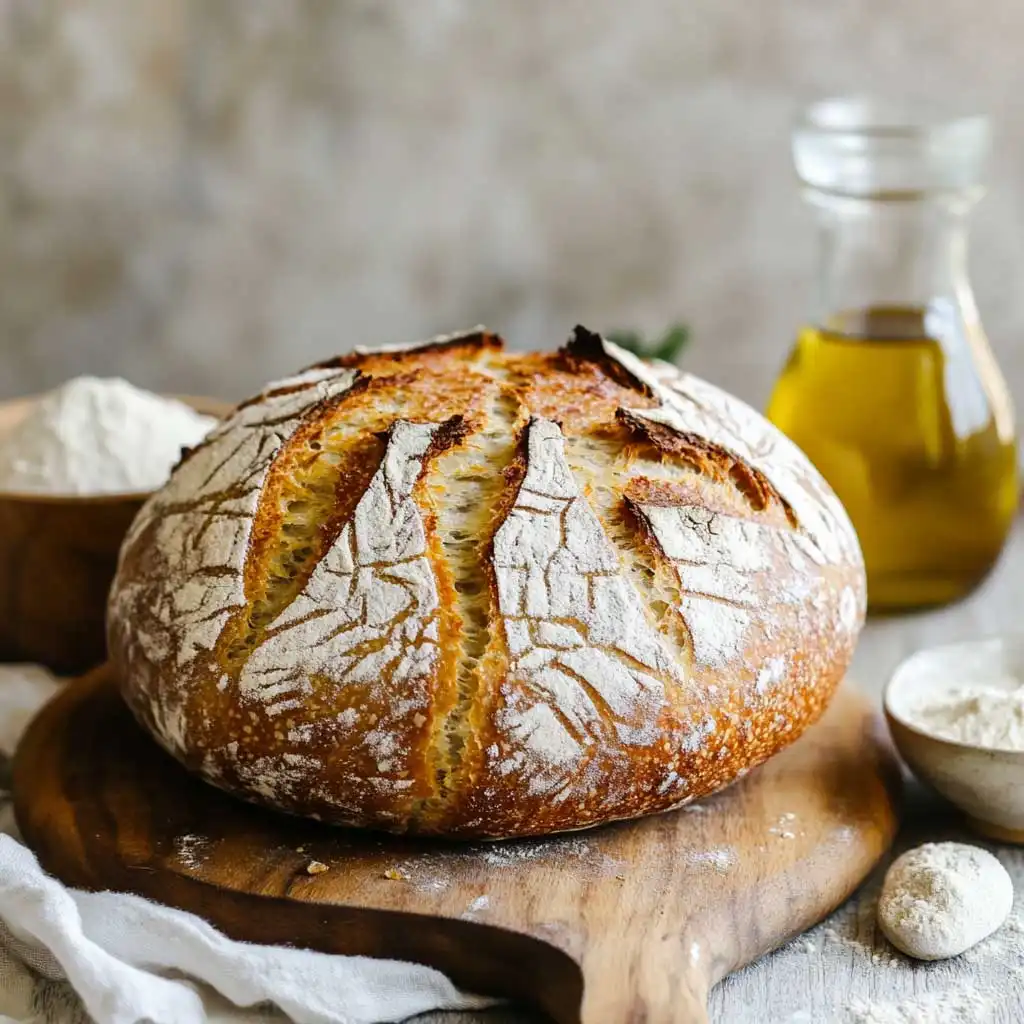

Baking a delicious loaf of bread at home doesn’t have to be complicated, especially when you’re craving that comforting aroma and taste of a rustic honey oat sourdough. This recipe is designed for the home cook, making the often-intimidating world of sourdough approachable and incredibly rewarding.
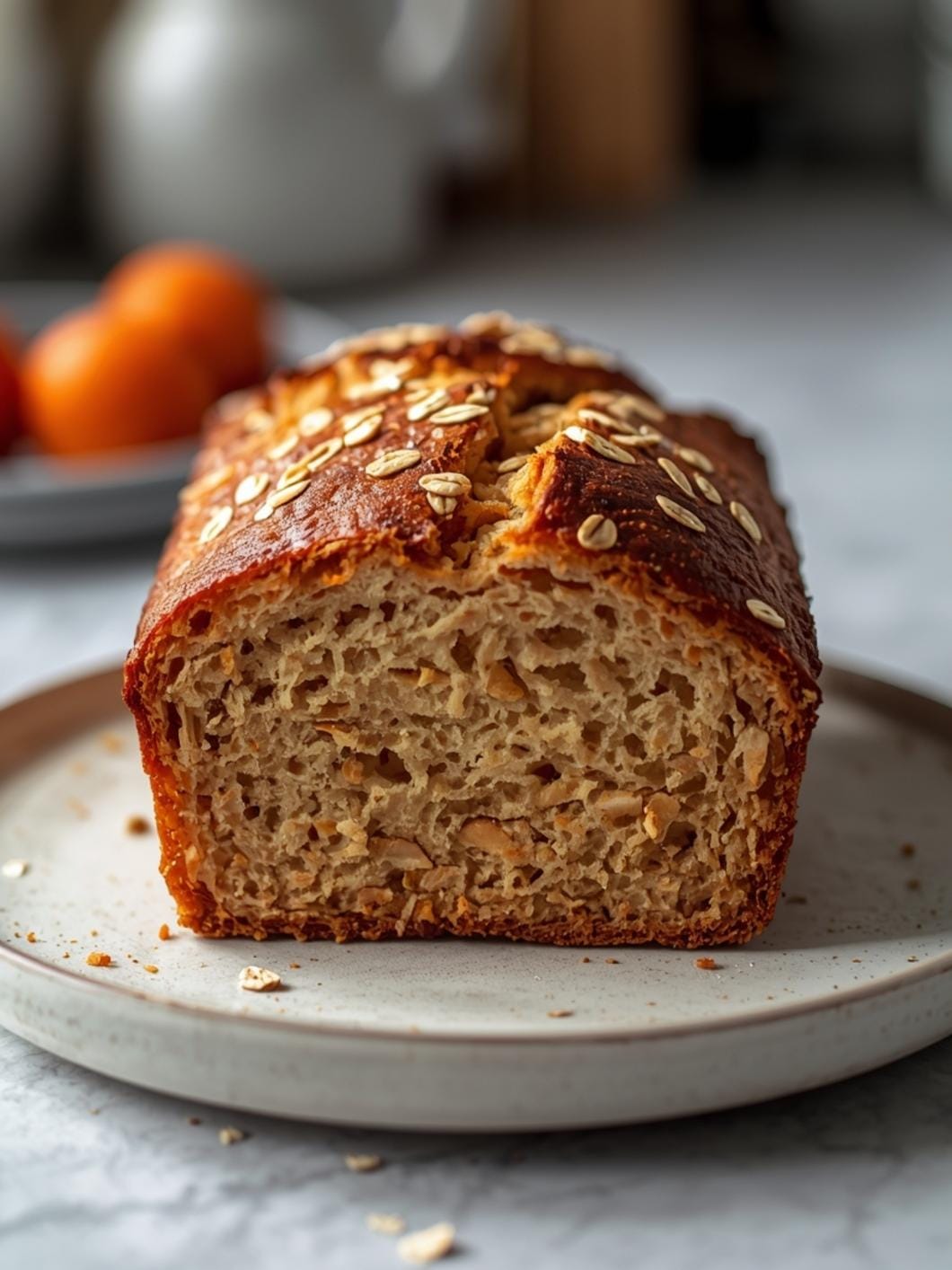
Get ready to create a beautiful, flavorful loaf with a delightful crust and a soft, chewy interior, all without the fuss of extensive kneading. This easy no-knead method ensures a perfect bake every time, bringing the joy of homemade bread to your kitchen with minimal effort.

Rustic Honey Oat Sourdough Bread (No-Knead)
- Total Time: 12-24 hours (mostly passive)
- Yield: 1 loaf 1x
Description
Bake a delicious, rustic honey oat sourdough loaf at home with this easy no-knead recipe. Enjoy a beautiful crust and soft, chewy interior with minimal active effort, perfect for home bakers.
Ingredients
Instructions
1. 1. Prepare the Dough Base: In a large mixing bowl, combine the active sourdough starter, warm water, salt, and honey. Whisk gently until the honey and salt are dissolved and the starter is mostly incorporated. This creates a liquid base for your dough.
2. 2. Add Flours and Oats: Stir in the rolled oats, bread flour, and whole wheat flour. Mix with a sturdy spoon or your hands until all the flour is hydrated and no dry spots remain. The dough will be shaggy and sticky, not smooth. Cover the bowl with a damp cloth or plastic wrap and let it rest for 30 minutes. This resting period, called autolyse, allows the flour to fully absorb the liquid.
3. 3. Perform Stretch and Folds: Over the next 2-3 hours, perform 3-4 sets of stretch and folds. To do this, lightly wet your hands, grab a portion of the dough from the edge of the bowl, stretch it upwards, and fold it over to the center. Rotate the bowl a quarter turn and repeat this process 3-4 times per set. Cover the bowl and let it rest for 30-45 minutes between each set. This builds strength in the dough without kneading.
4. 4. Bulk Fermentation: After the stretch and folds, cover the bowl again and let the dough bulk ferment at room temperature for 8-12 hours, or until it has noticeably increased in volume (about 50-75%) and looks bubbly. Alternatively, you can place it in the refrigerator for a longer, colder fermentation (12-24 hours) for deeper flavor.
5. 5. Shape the Loaf: Gently turn the dough out onto a lightly floured surface. Lightly flour your hands and gently shape the dough into a round or oval. Avoid degassing it too much. If using a banneton (proofing basket), lightly flour it with rice flour (which prevents sticking better than wheat flour) and dust with a few extra oats. Carefully place the shaped dough seam-side up into the banneton.
6. 6. Final Proof: Cover the banneton with plastic wrap or a clean kitchen towel and let it proof at room temperature for 2-4 hours, or until it passes the “poke test” (when gently poked with a floured finger, the dough springs back slowly, leaving a slight indentation). For a more convenient schedule and better oven spring, you can cold proof the dough in the refrigerator for 8-12 hours.
7. 7. Preheat and Bake: About 30-45 minutes before baking, place a Dutch oven with its lid into your oven and preheat to 450 F (232 C). Once preheated, carefully remove the hot Dutch oven. Gently invert the dough from the banneton into the hot Dutch oven. Score the top of the dough with a sharp razor blade or knife (a simple cross or a single slash works well).
8. 8. Bake to Perfection: Cover the Dutch oven and bake for 30 minutes. Remove the lid and continue baking for another 15-20 minutes, or until the crust is a deep golden brown and the internal temperature reaches 200-210 F (93-99 C). Carefully remove the loaf from the Dutch oven and transfer it to a wire rack to cool completely before slicing. This cooling step is crucial for the crumb structure and flavor.
- Prep Time: 20 minutes
- Cook Time: 45-50 minutes
- Category: bread
- Method: baking
- Cuisine: american
Nutrition
- Serving Size: 1 slice
Keywords: sourdough, bread, oat, honey, no-knead, rustic, homemade, baking, easy, fermented
What You’ll Love About This Quick And Easy Recipe
This particular recipe is a game-changer for anyone who loves the idea of homemade bread but feels daunted by complex techniques or a lack of time. It’s perfect for busy parents, new bakers, or anyone looking for a satisfying project that yields delicious results without demanding hours of active work. The no-knead method is truly revolutionary, allowing the long fermentation process of sourdough to do all the heavy lifting, developing incredible flavor and texture while you go about your day. You’ll love the rustic charm of this loaf, with its subtle sweetness from honey and the wholesome texture from oats. It’s fantastic served warm with butter for breakfast, alongside a hearty soup for lunch, or as a delightful accompaniment to any dinner. It’s also an excellent option for a weekend baking project that feels special but fits easily into a relaxed schedule.
Everything You Need To Make This Recipe Without Stress
Gathering your ingredients is the first simple step to creating this wonderful honey oat sourdough loaf. The beauty of this recipe lies in its straightforward components, most of which you likely already have in your pantry. We’re focusing on quality ingredients that contribute to the bread’s rustic flavor and texture, ensuring a delicious outcome every time.
INGREDIENTS:
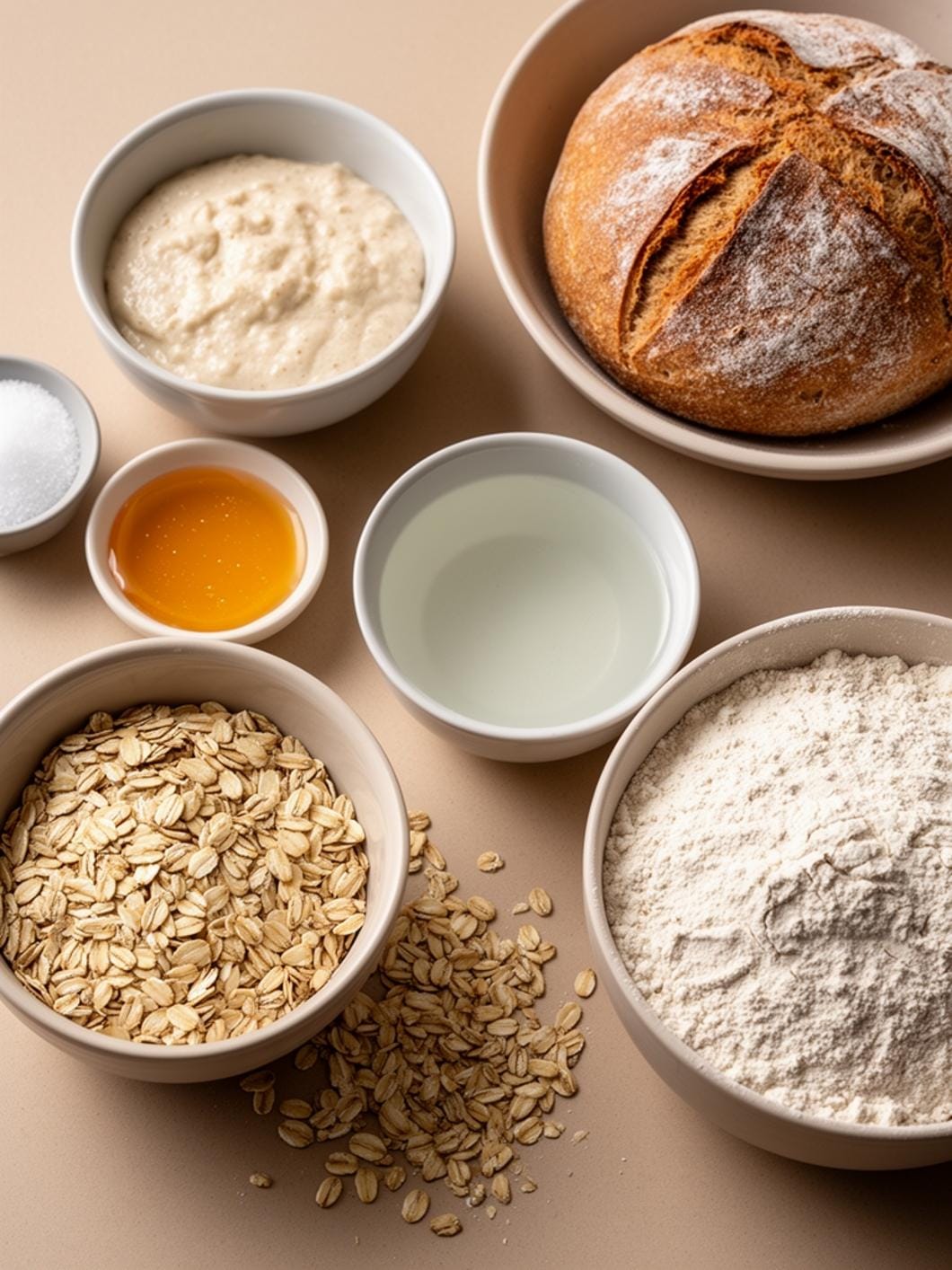
- 150 grams active sourdough starter (fed and bubbly)
- 350 grams warm water (about 95-100°F / 35-38°C)
- 10 grams fine sea salt
- 30 grams honey
- 100 grams rolled oats (plus extra for topping)
- 400 grams bread flour
- 100 grams whole wheat flour
When it comes to ingredients, a few simple substitutions can make this recipe even more flexible. If you don’t have bread flour, all-purpose flour can be used, though the texture might be slightly less chewy. For the whole wheat flour, you can use more bread flour if preferred, but the whole wheat adds a lovely depth of flavor and nutritional boost. Any good quality honey will work; feel free to experiment with local varieties for unique flavor notes. As for oats, old-fashioned rolled oats are ideal, but quick oats can be used in a pinch, though they might absorb liquid differently and result in a slightly softer crumb. Just ensure your sourdough starter is active and bubbly; this is key to a successful rise and flavor.
Time Needed From Start To Finish
While sourdough baking often conjures images of multi-day processes, this no-knead method significantly reduces the active time required. The bulk of the work is passive, allowing the dough to develop flavor and structure on its own.
- Active Preparation Time: 15-20 minutes (mixing ingredients, initial folds)
- Bulk Fermentation Time: 8-12 hours (or overnight, depending on kitchen temperature)
- Shaping Time: 5-10 minutes
- Proofing Time: 2-4 hours (or cold proof in the fridge for 8-12 hours)
- Baking Time: 45-50 minutes
- Cooling Time: 1-2 hours (crucial for texture and flavor)
Total Estimated Time: While the total process spans many hours, much of it is hands-off. The actual time you spend actively working on the bread is less than an hour, making it a very manageable project for a busy schedule.
How To Make It Step By Step With Visual Cues
Creating this rustic honey oat sourdough loaf is a journey of simple steps, each contributing to the final delicious result. Follow these instructions carefully for a perfect bake.
- Prepare the Dough Base: In a large mixing bowl, combine the active sourdough starter, warm water, salt, and honey. Whisk gently until the honey and salt are dissolved and the starter is mostly incorporated. This creates a liquid base for your dough.
- Add Flours and Oats: Stir in the rolled oats, bread flour, and whole wheat flour. Mix with a sturdy spoon or your hands until all the flour is hydrated and no dry spots remain. The dough will be shaggy and sticky, not smooth. Cover the bowl with a damp cloth or plastic wrap and let it rest for 30 minutes. This resting period, called autolyse, allows the flour to fully absorb the liquid.
- Perform Stretch and Folds: Over the next 2-3 hours, perform 3-4 sets of stretch and folds. To do this, lightly wet your hands, grab a portion of the dough from the edge of the bowl, stretch it upwards, and fold it over to the center. Rotate the bowl a quarter turn and repeat this process 3-4 times per set. Cover the bowl and let it rest for 30-45 minutes between each set. This builds strength in the dough without kneading.
- Bulk Fermentation: After the stretch and folds, cover the bowl again and let the dough bulk ferment at room temperature for 8-12 hours, or until it has noticeably increased in volume (about 50-75%) and looks bubbly. Alternatively, you can place it in the refrigerator for a longer, colder fermentation (12-24 hours) for deeper flavor.
- Shape the Loaf: Gently turn the dough out onto a lightly floured surface. Lightly flour your hands and gently shape the dough into a round or oval. Avoid degassing it too much. If using a banneton (proofing basket), lightly flour it with rice flour (which prevents sticking better than wheat flour) and dust with a few extra oats. Carefully place the shaped dough seam-side up into the banneton.
- Final Proof: Cover the banneton with plastic wrap or a clean kitchen towel and let it proof at room temperature for 2-4 hours, or until it passes the “poke test” (when gently poked with a floured finger, the dough springs back slowly, leaving a slight indentation). For a more convenient schedule and better oven spring, you can cold proof the dough in the refrigerator for 8-12 hours.
- Preheat and Bake: About 30-45 minutes before baking, place a Dutch oven with its lid into your oven and preheat to 450°F (232°C). Once preheated, carefully remove the hot Dutch oven. Gently invert the dough from the banneton into the hot Dutch oven. Score the top of the dough with a sharp razor blade or knife (a simple cross or a single slash works well).
- Bake to Perfection: Cover the Dutch oven and bake for 30 minutes. Remove the lid and continue baking for another 15-20 minutes, or until the crust is a deep golden brown and the internal temperature reaches 200-210°F (93-99°C). Carefully remove the loaf from the Dutch oven and transfer it to a wire rack to cool completely before slicing. This cooling step is crucial for the crumb structure and flavor.
Easy Variations And Serving Ideas That Fit Real Life
This honey oat sourdough loaf is incredibly versatile, making it a fantastic addition to any meal or snack time. Here are some easy variations and serving suggestions to make it even more appealing for your family and guests.
For a delightful breakfast, serve slices toasted with a smear of cream cheese and a drizzle of extra honey, or alongside scrambled eggs and fresh fruit. It’s also wonderful as the base for avocado toast. For lunch, this bread makes incredible sandwiches; its sturdy crust holds up well to fillings like turkey and Swiss, or a classic BLT. You can also cube stale bread to make croutons for salads or a rustic bread pudding.
To change up the flavor profile, consider adding some mix-ins during the initial mixing stage. A handful of dried cranberries or chopped walnuts would add a lovely texture and sweetness. For a savory twist, try incorporating a tablespoon of dried rosemary or a sprinkle of garlic powder. A mix of seeds like flax, chia, or sunflower seeds can also be added for extra nutrition and crunch.
When serving for a party or buffet, slice the loaf into thick pieces and arrange them on a platter with a selection of dips like hummus, olive tapenade, or a simple balsamic vinegar and olive oil blend. It pairs beautifully with a cheese board, complementing both mild and sharp cheeses. For a kid-friendly option, simply serve warm slices with butter or jam. The subtle sweetness from the honey makes it a natural hit with little ones.
Common Slip-Ups And How To Avoid Them
Even with a relatively simple recipe like this no-knead sourdough, there are a few common pitfalls that beginners might encounter. Understanding them can help you achieve a perfect loaf every time.
One frequent mistake is using an inactive sourdough starter. If your starter isn’t bubbly
FAQs
- Can I make these ahead? Yes—prep ahead, refrigerate, then serve when ready.
- How long do leftovers last? Store covered in the fridge for 3–4 days for best texture.
- Can I adjust sweetness? Yes—add more or less sweetener to taste.
- Can I change the fruit? Yes—swap strawberries for blueberries, raspberries, or sliced banana.