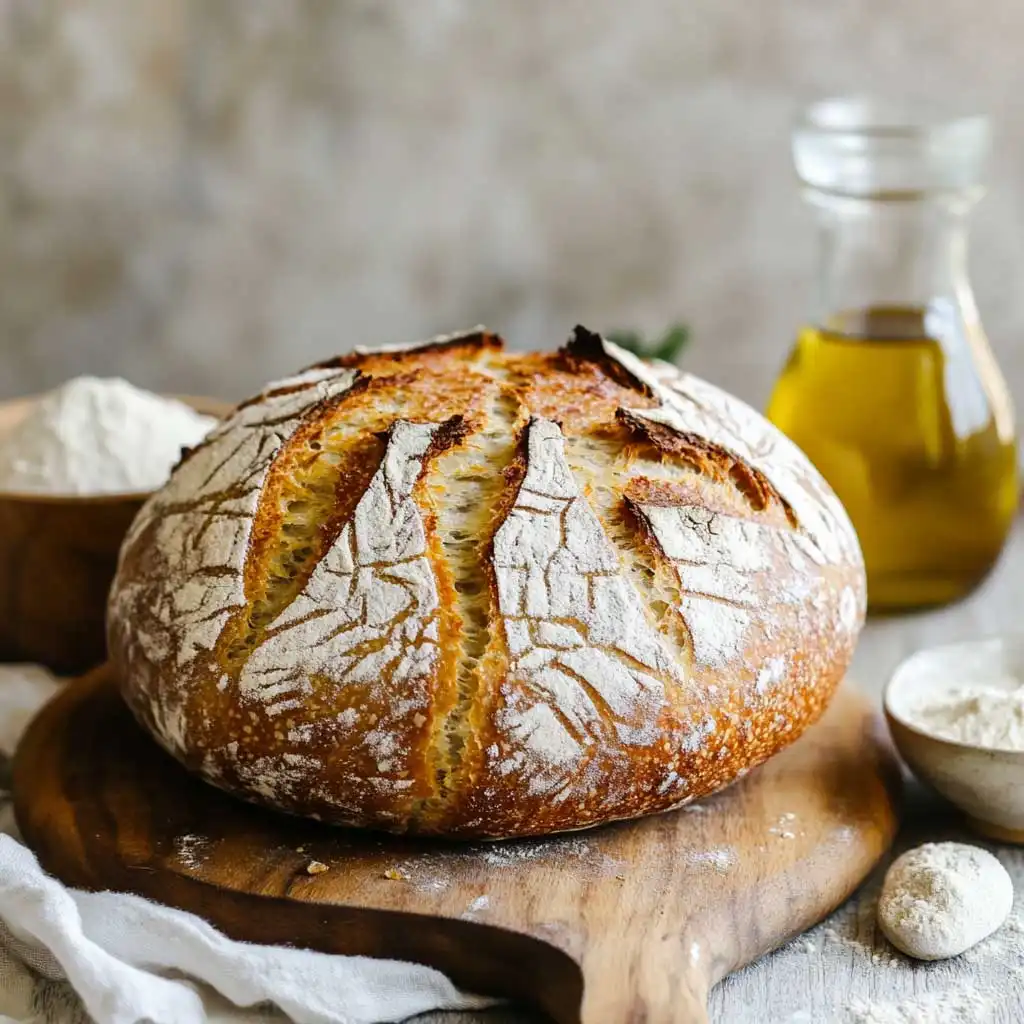

Baking your own sourdough bread can feel like a big undertaking, but with this rustic multigrain batard recipe, you’ll discover just how approachable and rewarding it can be.
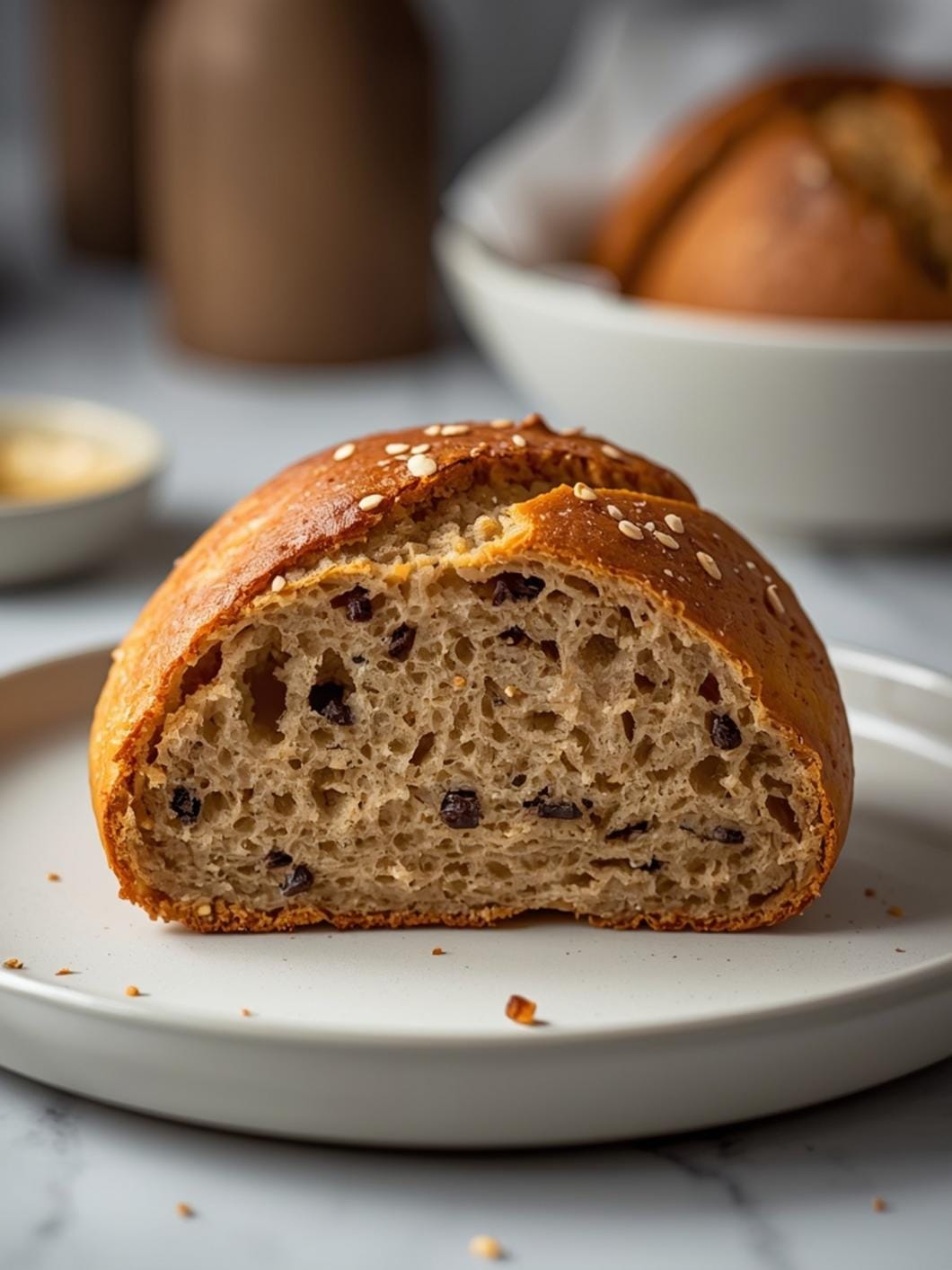
We’re focusing on using freshly milled flour, which adds an incredible depth of flavor and nutrition that store-bought flour simply can’t match. Get ready to fill your kitchen with the irresistible aroma of homemade bread.
This recipe is designed to guide you through each step, ensuring a beautiful loaf with a perfect crust and a tender, flavorful crumb. Whether you’re new to baking with sourdough or looking to incorporate more freshly milled grains into your diet, this sandwich bread is a fantastic place to start.

Rustic Multigrain Sourdough Batard
- Total Time: 13-20 hours (mostly hands-off)
- Yield: 1 loaf 1x
Description
Bake a delicious and wholesome rustic multigrain sourdough batard using freshly milled flours. This recipe guides you through each step to achieve a perfect crust and tender crumb, ideal for sandwiches or as an accompaniment to meals. It’s a rewarding process that demystifies sourdough baking for home bakers.
Ingredients
Instructions
1. 1. Combine Starter and Water: In a large mixing bowl, gently whisk together the active sourdough starter and warm water until the starter is mostly dissolved. This ensures even distribution throughout the dough.
2. 2. Mix in Flours and Seeds: Add the freshly milled whole wheat flour, freshly milled rye flour, bread flour, and mixed seeds to the bowl. Mix with a sturdy spoon or your hands until no dry spots remain and a shaggy dough forms. Cover the bowl with a damp cloth or plastic wrap and let it rest for 30 minutes (this is called autolyse, and it helps the flour hydrate).
3. 3. Incorporate Salt and Begin Folding: After the rest, sprinkle the salt over the dough. With wet hands, gently incorporate the salt by squeezing and folding the dough for a minute or two. Then, perform your first set of “stretch and folds.” Grab a portion of the dough from the edge, stretch it upwards, and fold it over the center. Rotate the bowl a quarter turn and repeat this process 3-4 times until the dough feels slightly more cohesive. Cover and let rest for 30 minutes.
4. 4. Continue with Stretch and Folds: Repeat the stretch and fold process three more times, with 30-minute rest periods in between each set. By the end of the fourth set, the dough should feel stronger, smoother, and more elastic. It will have developed some air pockets.
5. 5. Bulk Fermentation: After the final set of folds, cover the bowl and let the dough bulk ferment at room temperature for 3-5 hours, or until it has increased in volume by about 30-50% and looks bubbly. The exact time will depend on your kitchen’s temperature and the strength of your starter.
6. 6. Shape the Batard: Gently turn the dough out onto a lightly floured surface. Carefully preshape it into a loose round or rectangle, letting it rest for 15-20 minutes. Then, shape it into a batard (an oval shape). To do this, gently flatten the dough into a rectangle, fold the top third down to the middle, then the bottom third up and over the top. Gently roll it into a tight oval, creating tension on the surface.
7. 7. Cold Proofing: Lightly flour a proofing basket (banneton) or a bowl lined with a floured kitchen towel. Carefully transfer the shaped batard, seam-side up, into the basket. Cover it with plastic wrap and refrigerate for 8-12 hours, or up to 24 hours. This cold proofing develops flavor and makes the dough easier to handle.
8. 8. Bake the Bread: Preheat your oven to 450 F (232 C) with a Dutch oven inside for at least 30 minutes. Carefully remove the hot Dutch oven. Gently invert the cold dough from the proofing basket into the Dutch oven. Score the top of the dough with a sharp knife or razor blade (a single slash down the middle is classic for a batard). Cover the Dutch oven and bake for 30 minutes.
9. 9. Finish Baking: Remove the lid from the Dutch oven and continue baking for another 10-15 minutes, or until the crust is deeply golden brown and the internal temperature reaches 200-210 F (93-99 C).
10. 10. Cool Completely: Carefully remove the bread from the Dutch oven and transfer it to a wire rack. Let it cool completely for at least 1-2 hours before slicing. This is crucial for the crumb to set properly and for the flavor to fully develop.
- Prep Time: 20-25 minutes active
- Cook Time: 40-45 minutes
- Category: bread
- Method: baking
- Cuisine: european
Nutrition
- Serving Size: 1 slice
Keywords: sourdough, multigrain, bread, batard, freshly milled, whole wheat, rye, homemade, baking, sandwich bread
What You’ll Love About This Quick And Easy Recipe
This recipe for Rustic Multigrain Sourdough Batard is truly a game-changer for home bakers. You’ll love it because it demystifies the process of baking with sourdough and freshly milled flour, making it accessible even if you’re not an experienced baker. The result is a deeply flavorful, wholesome sandwich bread that’s far superior to anything you can buy. It’s perfect for anyone looking to eat more natural, homemade foods and those who appreciate the unique taste and texture that freshly milled grains bring to bread. This batard is fantastic for everyday sandwiches, toasting for breakfast, or serving alongside a hearty soup or stew for a comforting family dinner. It’s also impressive enough to bring to a potluck or serve when entertaining guests, showcasing your baking prowess without requiring hours of complicated work.
Everything You Need To Make This Recipe Without Stress
Gathering your ingredients before you start is key to a smooth baking experience. This recipe relies on a few core components, with an emphasis on freshly milled grains for superior flavor and texture. Don’t worry if you’re new to milling your own flour; many specialty stores now carry freshly milled options, or a small home mill can be a worthwhile investment for future baking adventures.
INGREDIENTS:
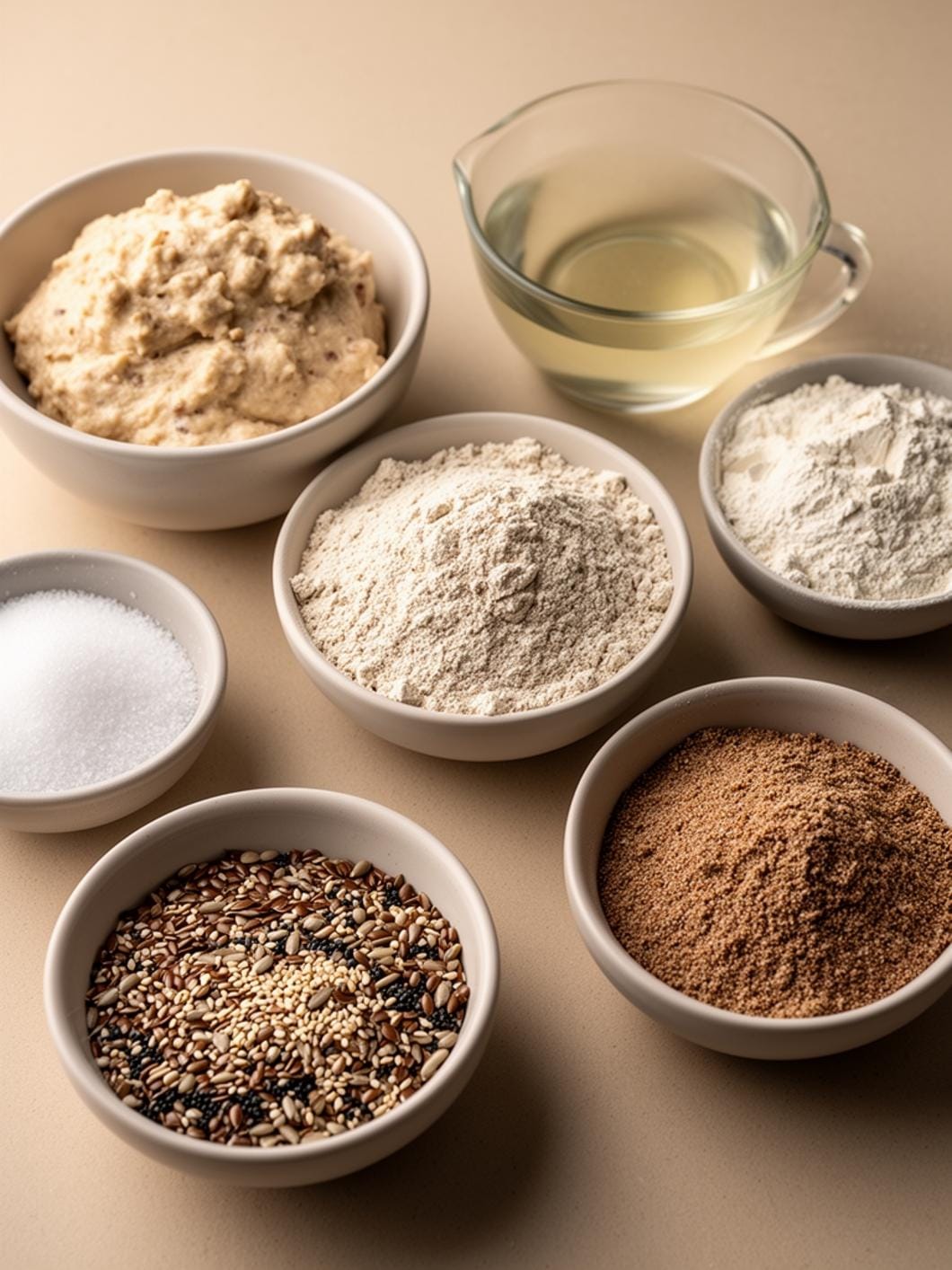
- 150 grams active sourdough starter (fed and bubbly)
- 300 grams warm water (around 90-95°F / 32-35°C)
- 200 grams freshly milled whole wheat flour
- 100 grams freshly milled rye flour
- 200 grams bread flour (unbleached all-purpose can work in a pinch)
- 10 grams fine sea salt
- 1 tablespoon mixed seeds (such as flax, sesame, poppy, or sunflower, plus extra for topping)
- Olive oil or cooking spray for the bowl
For the flours, while freshly milled is highly recommended for the best flavor and nutritional benefits, you can use high-quality store-bought whole wheat and rye flours if milling isn’t an option for you right now. Just ensure they are unbleached. The bread flour provides structure, but if you prefer a denser, more rustic loaf, you can increase the whole wheat or rye flour by a small amount, keeping the total flour weight consistent. The mixed seeds add a wonderful texture and nutty flavor, but feel free to customize them based on your preferences or what you have on hand.
Time Needed From Start To Finish
While sourdough baking does involve several stages, the active hands-on time for this recipe is surprisingly minimal. Most of the time is dedicated to fermentation, which the sourdough starter handles beautifully on its own.
- Active Prep Time: 20-25 minutes (mixing, folding, shaping)
- Bulk Fermentation: 4-6 hours (depending on kitchen temperature and starter activity)
- Cold Proofing: 8-12 hours (or up to 24 hours) in the refrigerator
- Bake Time: 40-45 minutes
- Total Process Time: Approximately 13-20 hours (mostly hands-off)
How To Make It Step By Step With Visual Cues
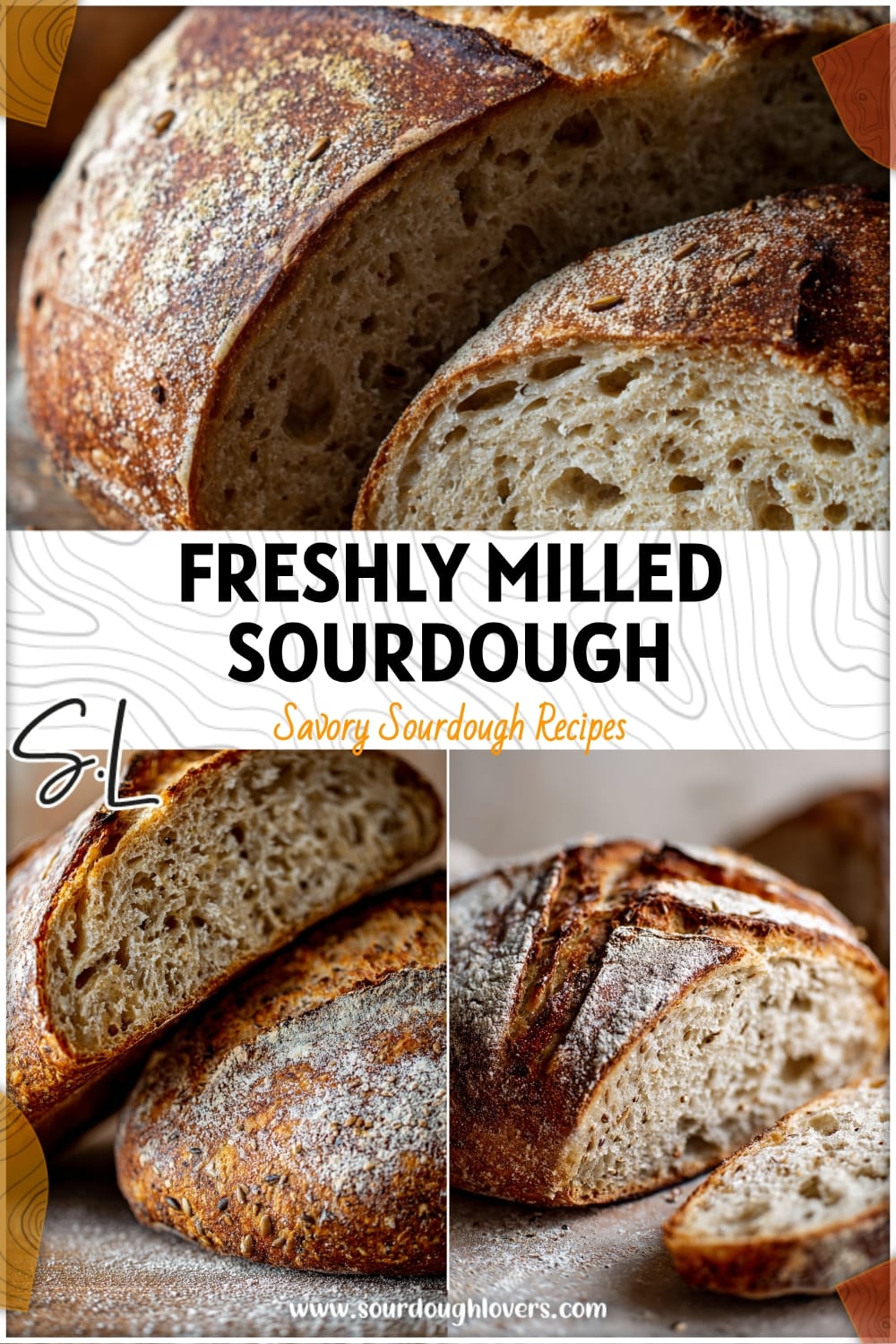
Creating this rustic multigrain sourdough batard is a rewarding process. Follow these steps carefully for a delicious loaf.
- Combine Starter and Water: In a large mixing bowl, gently whisk together the active sourdough starter and warm water until the starter is mostly dissolved. This ensures even distribution throughout the dough.
- Mix in Flours and Seeds: Add the freshly milled whole wheat flour, freshly milled rye flour, bread flour, and mixed seeds to the bowl. Mix with a sturdy spoon or your hands until no dry spots remain and a shaggy dough forms. Cover the bowl with a damp cloth or plastic wrap and let it rest for 30 minutes (this is called autolyse, and it helps the flour hydrate).
- Incorporate Salt and Begin Folding: After the rest, sprinkle the salt over the dough. With wet hands, gently incorporate the salt by squeezing and folding the dough for a minute or two. Then, perform your first set of “stretch and folds.” Grab a portion of the dough from the edge, stretch it upwards, and fold it over the center. Rotate the bowl a quarter turn and repeat this process 3-4 times until the dough feels slightly more cohesive. Cover and let rest for 30 minutes.
- Continue with Stretch and Folds: Repeat the stretch and fold process three more times, with 30-minute rest periods in between each set. By the end of the fourth set, the dough should feel stronger, smoother, and more elastic. It will have developed some air pockets.
- Bulk Fermentation: After the final set of folds, cover the bowl and let the dough bulk ferment at room temperature for 3-5 hours, or until it has increased in volume by about 30-50% and looks bubbly. The exact time will depend on your kitchen’s temperature and the strength of your starter.
- Shape the Batard: Gently turn the dough out onto a lightly floured surface. Carefully preshape it into a loose round or rectangle, letting it rest for 15-20 minutes. Then, shape it into a batard (an oval shape). To do this, gently flatten the dough into a rectangle, fold the top third down to the middle, then the bottom third up and over the top. Gently roll it into a tight oval, creating tension on the surface.
- Cold Proofing: Lightly flour a proofing basket (banneton) or a bowl lined with a floured kitchen towel. Carefully transfer the shaped batard, seam-side up, into the basket. Cover it with plastic wrap and refrigerate for 8-12 hours, or up to 24 hours. This cold proofing develops flavor and makes the dough easier to handle.
- Bake the Bread: Preheat your oven to 450°F (232°C) with a Dutch oven inside for at least 30 minutes. Carefully remove the hot Dutch oven. Gently invert the cold dough from the proofing basket into the Dutch oven. Score the top of the dough with a sharp knife or razor blade (a single slash down the middle is classic for a batard). Cover the Dutch oven and bake for 30 minutes.
- Finish Baking: Remove the lid from the Dutch oven and continue baking for another 10-15 minutes, or until the crust is deeply golden brown and the internal temperature reaches 200-210°F (93-99°C).
- Cool Completely: Carefully remove the bread from the Dutch oven and transfer it to a wire rack. Let it cool completely for at least 1-2 hours before slicing. This is crucial for the crumb to set properly and for the flavor to fully develop.
Easy Variations And Serving Ideas That Fit Real Life
This rustic multigrain sourdough batard is wonderfully versatile! For a slightly different flavor profile, consider swapping out some of the whole wheat or rye flour for spelt or einkorn flour – these ancient grains also mill beautifully and add unique notes. If you want to boost the seed content, you can add up to 2 tablespoons of seeds, or even include some chopped nuts like walnuts or pecans for an extra crunch. For a savory twist, try incorporating 1/4 cup of grated Parmesan cheese or a tablespoon of dried herbs like rosemary or thyme into the dough during the initial mixing stage.
This bread is fantastic for everyday use. Slice it thick for hearty sandwiches with your favorite deli meats, cheeses, and fresh veggies. Toast it and spread with avocado, a fried egg, or your favorite jam for a wholesome breakfast. It also makes an excellent accompaniment to a bowl of chili, a hearty lentil soup, or a fresh garden salad. For a simple appetizer, slice and lightly toast it, then top with bruschetta, a dollop of ricotta and honey, or a simple olive tapenade. Kids often love this bread toasted with butter or as a base for mini pizzas.
Common Slip-Ups And How To Avoid Them
Even experienced bakers can encounter small challenges, but knowing what to look out for can save you a lot of frustration. One common slip-up is using an inactive sourdough starter. If your starter isn’t consistently doubling or tripling in size after feeding, it won’t have the strength to properly leaven your bread, resulting in a dense loaf. Always make sure your starter is active and bubbly before you begin.
Another mistake is over-handling the dough during shaping. While you want to create tension on

FAQs
- Can I make these ahead? Yes—prep ahead, refrigerate, then serve when ready.
- How long do leftovers last? Store covered in the fridge for 3–4 days for best texture.
- Can I adjust sweetness? Yes—add more or less sweetener to taste.
- Can I change the fruit? Yes—swap strawberries for blueberries, raspberries, or sliced banana.