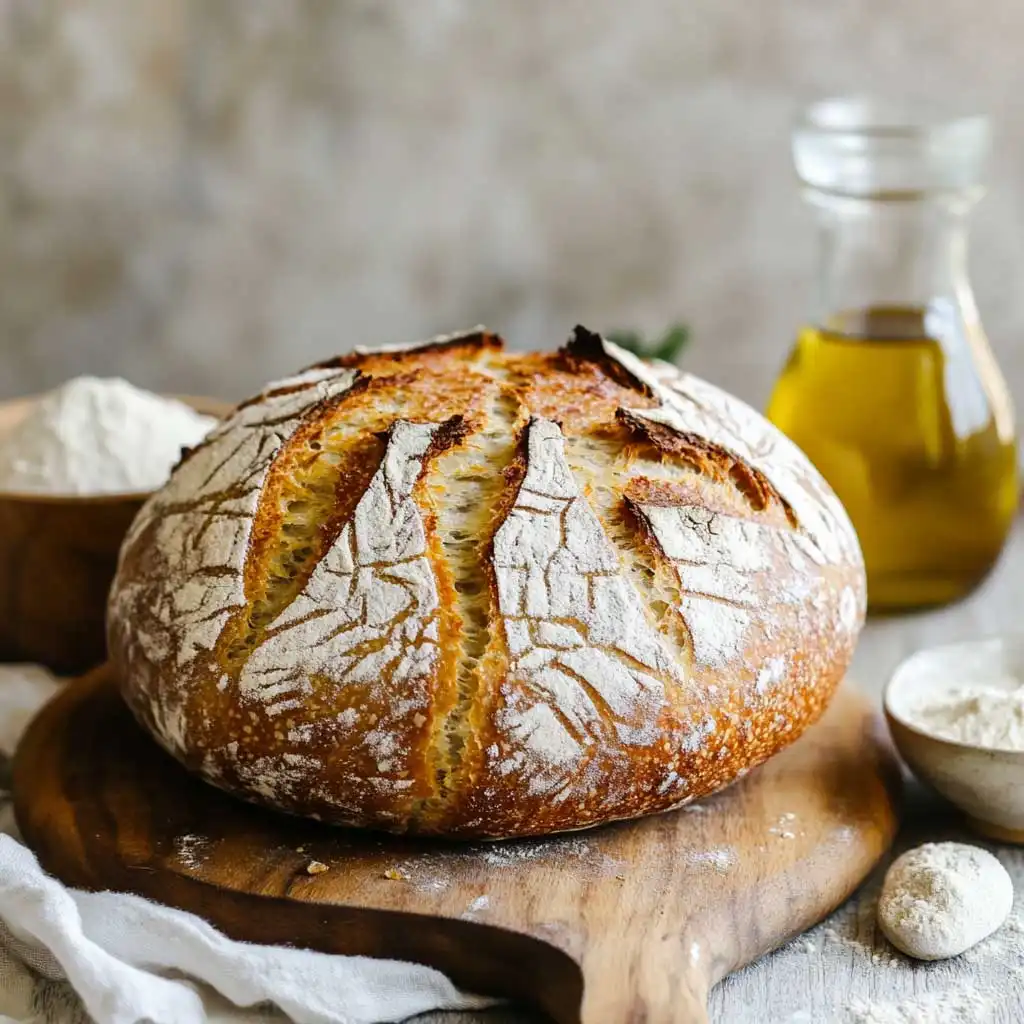

There’s nothing quite like the aroma of freshly baked bread filling your kitchen, and this rustic rye sourdough delivers on that promise with a hearty, flavorful loaf.
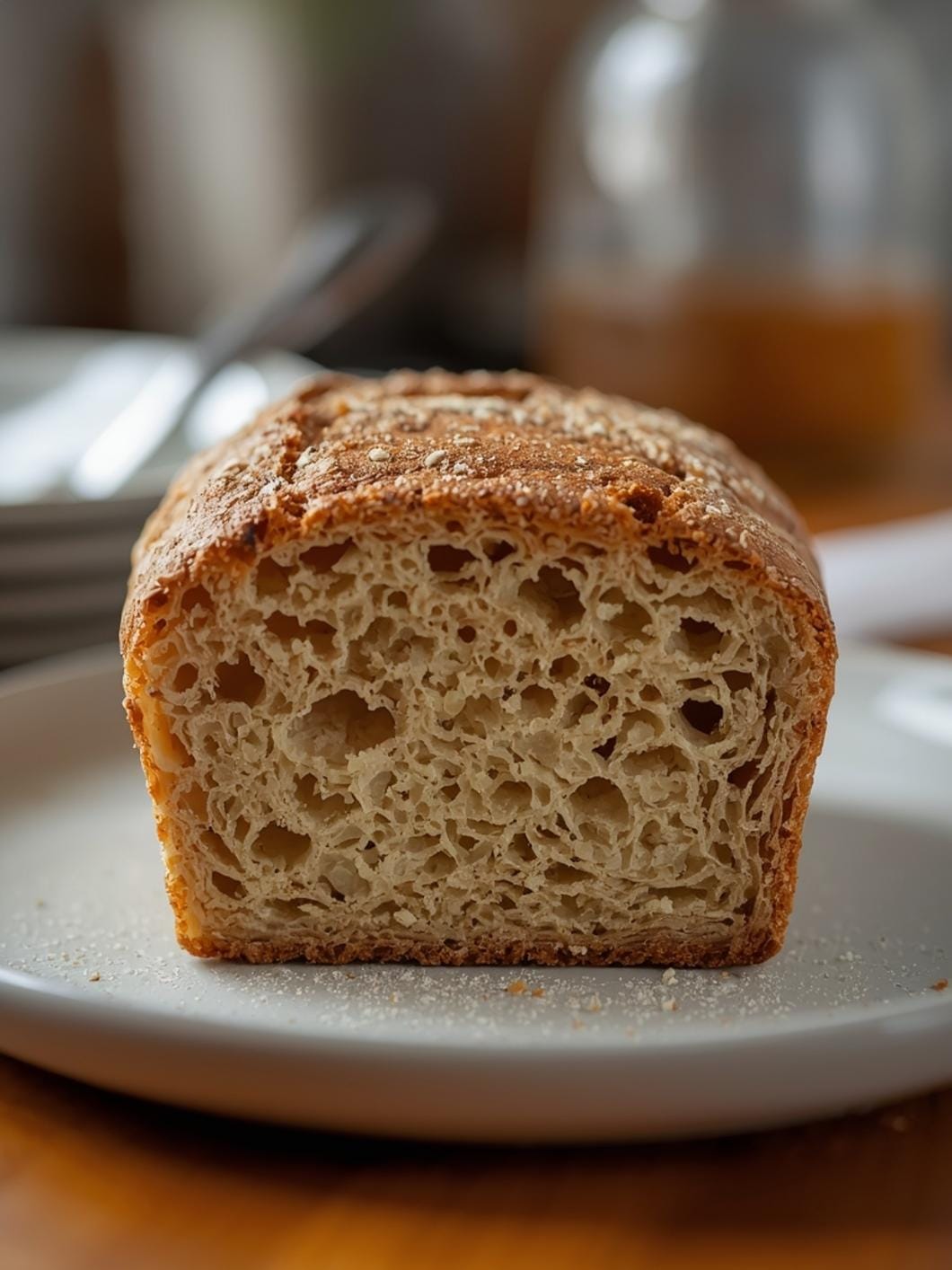
This recipe embraces the slow rise method, allowing the flavors to deepen and develop, resulting in a truly satisfying bread that’s perfect for sandwiches, toast, or alongside a comforting bowl of soup.
While “sourdough” might sound intimidating, this recipe focuses on a straightforward approach to achieve that distinctive tangy rye taste without overly complicated steps. It’s a wonderful way to bring a touch of traditional baking into your home, creating a loaf that’s both rustic in appearance and rich in character.
Table of Contents
- What You’ll Love About This Quick And Easy Recipe
- Everything You Need To Make This Recipe Without Stress
- Time Needed From Start To Finish
- How To Make It Step By Step With Visual Cues
- Easy Variations And Serving Ideas That Fit Real Life
- Common Slip-Ups And How To Avoid Them
- How To Store It And Make It Ahead Without Ruining Texture
- Questions People Always Ask Before Making This Recipe

Rustic Rye Sourdough Bread
- Total Time: 12-19 hours (mostly passive)
- Yield: 1 loaf 1x
Description
This recipe for rustic rye sourdough bread delivers a hearty, flavorful loaf with a distinctive tangy rye taste. It uses a slow-rise method to develop deep flavors and a satisfying texture, perfect for sandwiches, toast, or alongside soup. The process is straightforward, making it accessible for home bakers to create a traditional, rustic loaf.
Ingredients
Instructions
1. Activate Your Starter and Mix the Wet Ingredients: In a large mixing bowl, combine your active rye sourdough starter with the warm water and molasses. Stir well until the starter is mostly dissolved and the molasses is fully incorporated. The mixture should look cloudy and slightly frothy.
2. Combine Dry Ingredients: In a separate bowl, whisk together the rye flour, all-purpose flour, salt, and optional caraway seeds. Make sure the salt is evenly distributed throughout the flours.
3. Form the Dough: Gradually add the dry ingredients to the wet ingredients, mixing with a sturdy spoon or your hands until a shaggy dough forms. It will be sticky, but resist the urge to add more flour at this stage. Once combined, cover the bowl with plastic wrap or a damp kitchen towel.
4. First Rise (Bulk Fermentation): Let the dough rest at room temperature (ideally 68-72 F) for 8 to 12 hours, or until it has noticeably increased in size and looks bubbly. If your kitchen is cooler, it might take longer. This slow rise is essential for flavor development.
5. Shape the Loaf: Gently turn the dough out onto a lightly floured surface. Fold the edges of the dough towards the center a few times to create some tension on the surface, forming a round or oval loaf. Avoid overworking the dough.
6. Second Rise (Proofing): Place the shaped dough into a lightly floured proofing basket (banneton) or a bowl lined with a floured kitchen towel, seam-side up. Cover loosely and let it rise for another 2 to 4 hours, or until it looks puffy and springs back slowly when gently poked.
7. Preheat Oven and Dutch Oven: About 30 minutes before baking, place a Dutch oven with its lid into your oven and preheat to 450 F (232 C). Getting the Dutch oven very hot is key for a great crust.
8. Bake the Bread: Carefully remove the hot Dutch oven from the oven. Gently invert the proofed dough into the hot Dutch oven. Score the top of the dough with a sharp knife or razor blade (a simple cross or a few parallel lines work well). Cover with the lid and bake for 30 minutes. Remove the lid and continue baking for another 10-20 minutes, or until the crust is deep golden brown and the internal temperature reaches 200-210 F (93-99 C).
9. Cool Completely: Transfer the baked loaf to a wire rack and let it cool completely for at least 1-2 hours before slicing. This allows the internal structure to set and prevents a gummy texture.
- Prep Time: 20 minutes
- Cook Time: 40-50 minutes
- Category: bread
- Method: baking
- Cuisine: european
Nutrition
- Serving Size: 1 slice
Keywords: sourdough, rye bread, rustic bread, homemade bread, baking, slow rise, dutch oven, tangy, hearty, sandwich bread
What You’ll Love About This Quick And Easy Recipe
This rustic rye sourdough recipe is a true gem for anyone looking to bake a delicious, substantial bread with a deep flavor profile. It’s perfect for home bakers who appreciate the process of a slow rise, allowing the dough to develop its full potential. The result is a loaf with a wonderful chew and a subtle tang that pairs beautifully with a wide range of meals. You’ll love the satisfaction of pulling a warm, crusty loaf from your oven, knowing you made it from scratch. It’s an ideal bread to serve at family dinners, weekend brunches, or simply to have on hand for everyday sandwiches and toast. The hearty nature of rye makes this bread particularly satisfying, keeping you full and energized.
Everything You Need To Make This Recipe Without Stress
Gathering your ingredients before you begin will make the baking process smooth and enjoyable. This recipe uses readily available items, ensuring you can whip up this delicious loaf without a special trip to a gourmet store.
INGREDIENTS:
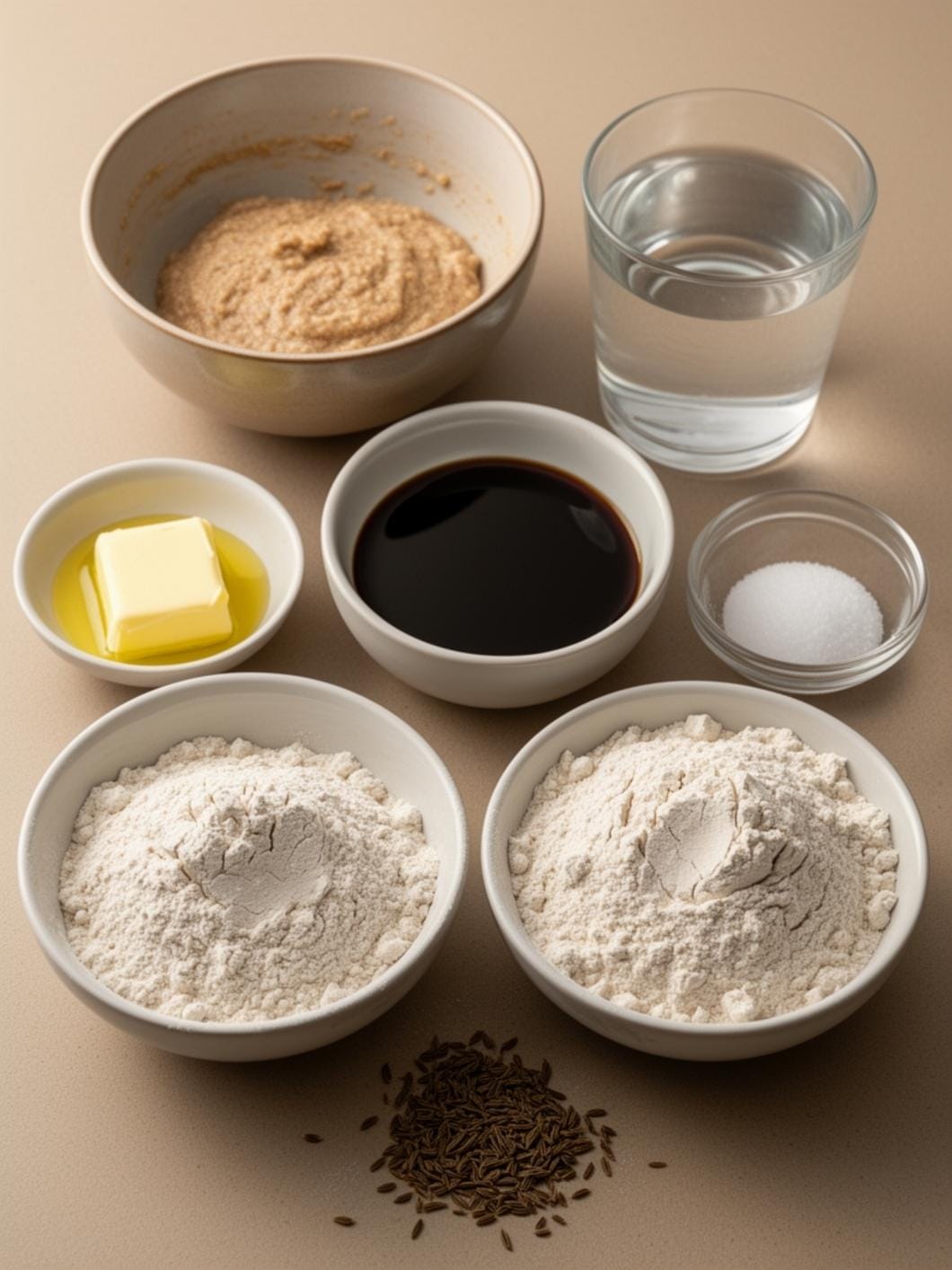
- 1 cup active rye sourdough starter
- 1 ½ cups warm water (around 100-110°F)
- 2 tablespoons molasses
- 2 teaspoons salt
- 2 cups rye flour
- 1 ½ cups unbleached all-purpose flour
- 1 tablespoon caraway seeds (optional)
- Olive oil or butter for greasing the bowl
For the flours, using a good quality rye flour will enhance the flavor of your bread. Unbleached all-purpose flour provides the necessary structure. If you don’t have molasses, you can substitute it with an equal amount of honey or maple syrup for a slightly different, but still delicious, sweetness. Caraway seeds are traditional in many rye breads and add a lovely aromatic touch, but feel free to omit them if they’re not to your taste. Ensure your sourdough starter is active and bubbly, as this is crucial for the rise of your bread.
Time Needed From Start To Finish
- Prep time: 20 minutes
- First Rise (Bulk Fermentation): 8-12 hours (or overnight)
- Second Rise (Proofing): 2-4 hours
- Bake time: 40-50 minutes
- Cooling time: 1-2 hours
- Total Time: Approximately 12-19 hours (mostly passive)
How To Make It Step By Step With Visual Cues
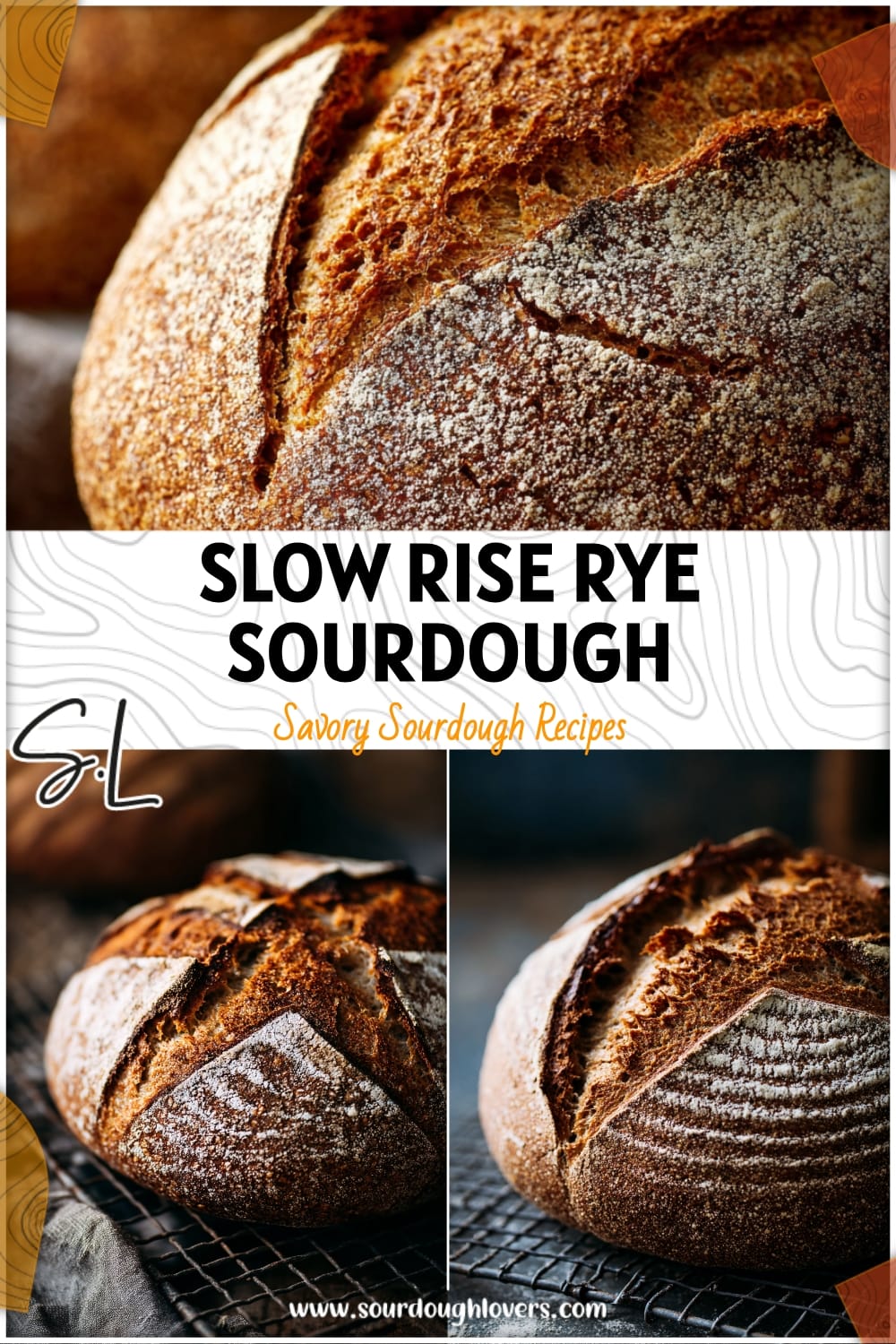
Creating this rustic rye sourdough is a rewarding process. Follow these steps for a perfect loaf every time.
- Activate Your Starter and Mix the Wet Ingredients: In a large mixing bowl, combine your active rye sourdough starter with the warm water and molasses. Stir well until the starter is mostly dissolved and the molasses is fully incorporated. The mixture should look cloudy and slightly frothy.
- Combine Dry Ingredients: In a separate bowl, whisk together the rye flour, all-purpose flour, salt, and optional caraway seeds. Make sure the salt is evenly distributed throughout the flours.
- Form the Dough: Gradually add the dry ingredients to the wet ingredients, mixing with a sturdy spoon or your hands until a shaggy dough forms. It will be sticky, but resist the urge to add more flour at this stage. Once combined, cover the bowl with plastic wrap or a damp kitchen towel.
- First Rise (Bulk Fermentation): Let the dough rest at room temperature (ideally 68-72°F) for 8 to 12 hours, or until it has noticeably increased in size and looks bubbly. If your kitchen is cooler, it might take longer. This slow rise is essential for flavor development.
- Shape the Loaf: Gently turn the dough out onto a lightly floured surface. Fold the edges of the dough towards the center a few times to create some tension on the surface, forming a round or oval loaf. Avoid overworking the dough.
- Second Rise (Proofing): Place the shaped dough into a lightly floured proofing basket (banneton) or a bowl lined with a floured kitchen towel, seam-side up. Cover loosely and let it rise for another 2 to 4 hours, or until it looks puffy and springs back slowly when gently poked.
- Preheat Oven and Dutch Oven: About 30 minutes before baking, place a Dutch oven with its lid into your oven and preheat to 450°F (232°C). Getting the Dutch oven very hot is key for a great crust.
- Bake the Bread: Carefully remove the hot Dutch oven from the oven. Gently invert the proofed dough into the hot Dutch oven. Score the top of the dough with a sharp knife or razor blade (a simple cross or a few parallel lines work well). Cover with the lid and bake for 30 minutes. Remove the lid and continue baking for another 10-20 minutes, or until the crust is deep golden brown and the internal temperature reaches 200-210°F (93-99°C).
- Cool Completely: Transfer the baked loaf to a wire rack and let it cool completely for at least 1-2 hours before slicing. This allows the internal structure to set and prevents a gummy texture.
Easy Variations And Serving Ideas That Fit Real Life
This rustic rye sourdough is wonderfully versatile. For a slightly different flavor, you can add 1/4 cup of sunflower seeds or chopped walnuts to the dough along with the flours. If you prefer a lighter rye, you can increase the ratio of all-purpose flour slightly, though this will change the characteristic rye flavor.
This hearty bread is fantastic served warm with a pat of butter, alongside a robust stew or chili. It makes incredible open-faced sandwiches with smoked salmon and cream cheese, or classic deli-style sandwiches with pastrami and Swiss. For a simple snack, toast slices and top with avocado, a fried egg, or your favorite jam. Kids often enjoy it toasted with a spread of peanut butter and banana. It’s also a wonderful addition to a cheese board, complementing sharp cheddars and creamy bries.
Common Slip-Ups And How To Avoid Them
Even experienced bakers can encounter minor issues, but knowing what to watch for can save your loaf.
- Under-proofing: If your bread doesn’t rise much in the oven (a “dense” crumb), it might have been under-proofed. Ensure your starter is active and allow enough time for both the first and second rises. The dough should look visibly larger and feel airy.
- Over-proofing: Conversely, if your dough rises beautifully but then collapses in the oven, it might be over-proofed. This often happens if your kitchen is too warm or the proofing time is too long. Keep an eye on the dough’s appearance and springiness.
- Sticky Dough: Rye flour can make dough stickier than wheat flour. Resist adding too much extra flour during mixing or shaping, as this can lead to a dry, dense loaf. A lightly floured surface and hands are usually sufficient.
- Gummy Interior: Slicing the bread too soon after baking can result in a gummy texture. It’s crucial to let the loaf cool completely on a wire rack. This allows the starches to set and moisture to redistribute, creating a proper crumb.
- Not Using a Hot Dutch Oven: Baking in a preheated, very hot Dutch oven creates steam that helps the crust develop beautifully and allows for a better oven spring. Don’t skip this step!
How To Store It And Make It Ahead Without Ruining Texture
Once completely cooled, your rustic rye sourdough can be stored at room temperature for 3-4 days. The best way to store it is in a bread box or a paper bag to allow some air circulation while preventing it from drying out too quickly. Avoid airtight plastic bags for long-term storage at room temperature, as this can make the crust soft.
For longer storage, you can freeze the bread. Once cooled, slice the loaf and place the slices in a freezer-safe bag or wrap the whole loaf tightly in plastic wrap, then aluminum foil. It will keep well in the freezer for up to 3 months. To enjoy, simply thaw slices at room temperature or toast directly from frozen. If thawing a whole loaf, let it come to room temperature, then you can refresh it in a 350°F (175°C) oven for 10-15 minutes to crisp up the crust.
Questions People Always Ask Before Making This Recipe
Can I use
FAQs
- Can I make these ahead? Yes—prep ahead, refrigerate, then serve when ready.
- How long do leftovers last? Store covered in the fridge for 3–4 days for best texture.
- Can I adjust sweetness? Yes—add more or less sweetener to taste.
- Can I change the fruit? Yes—swap strawberries for blueberries, raspberries, or sliced banana.