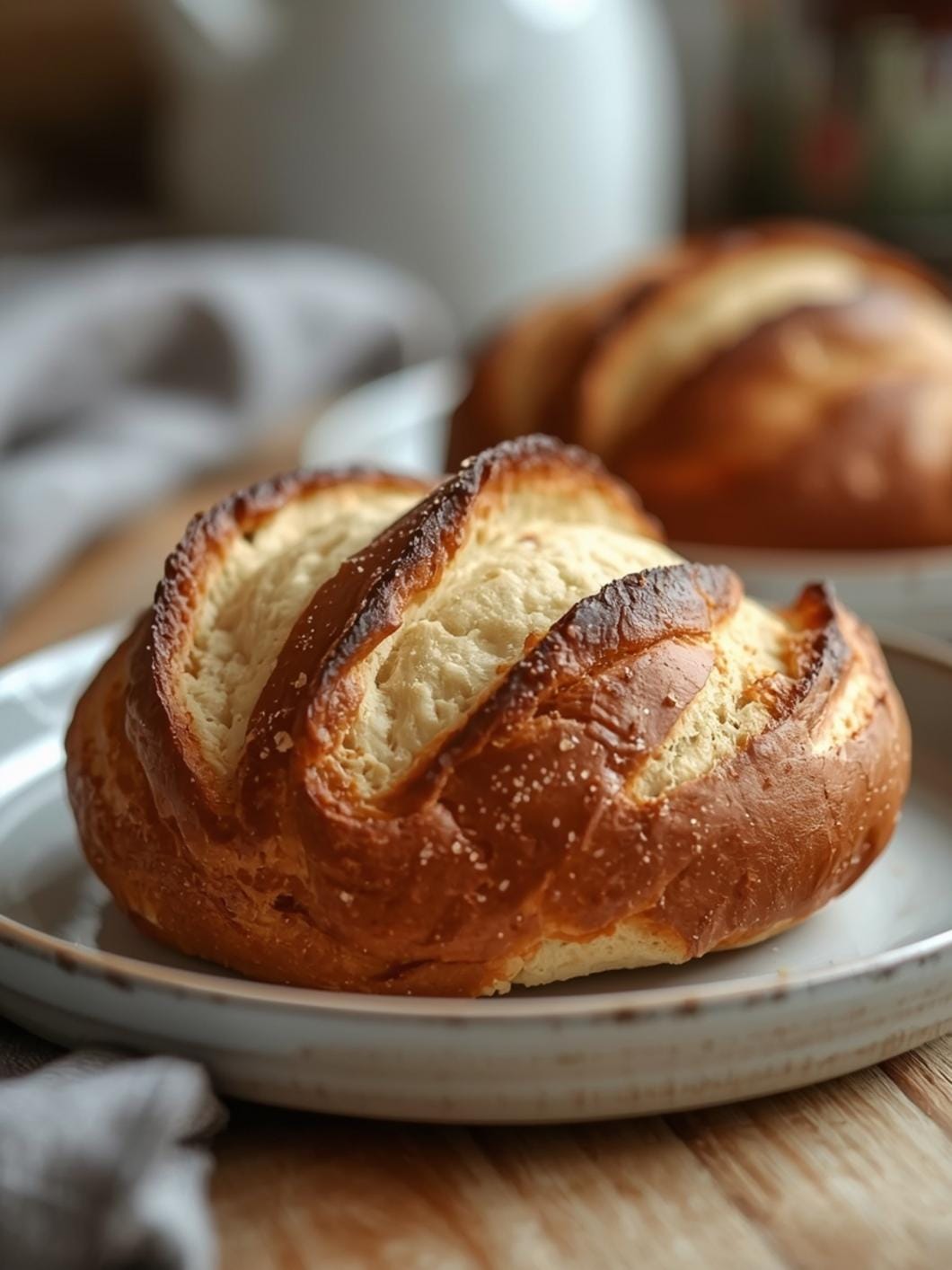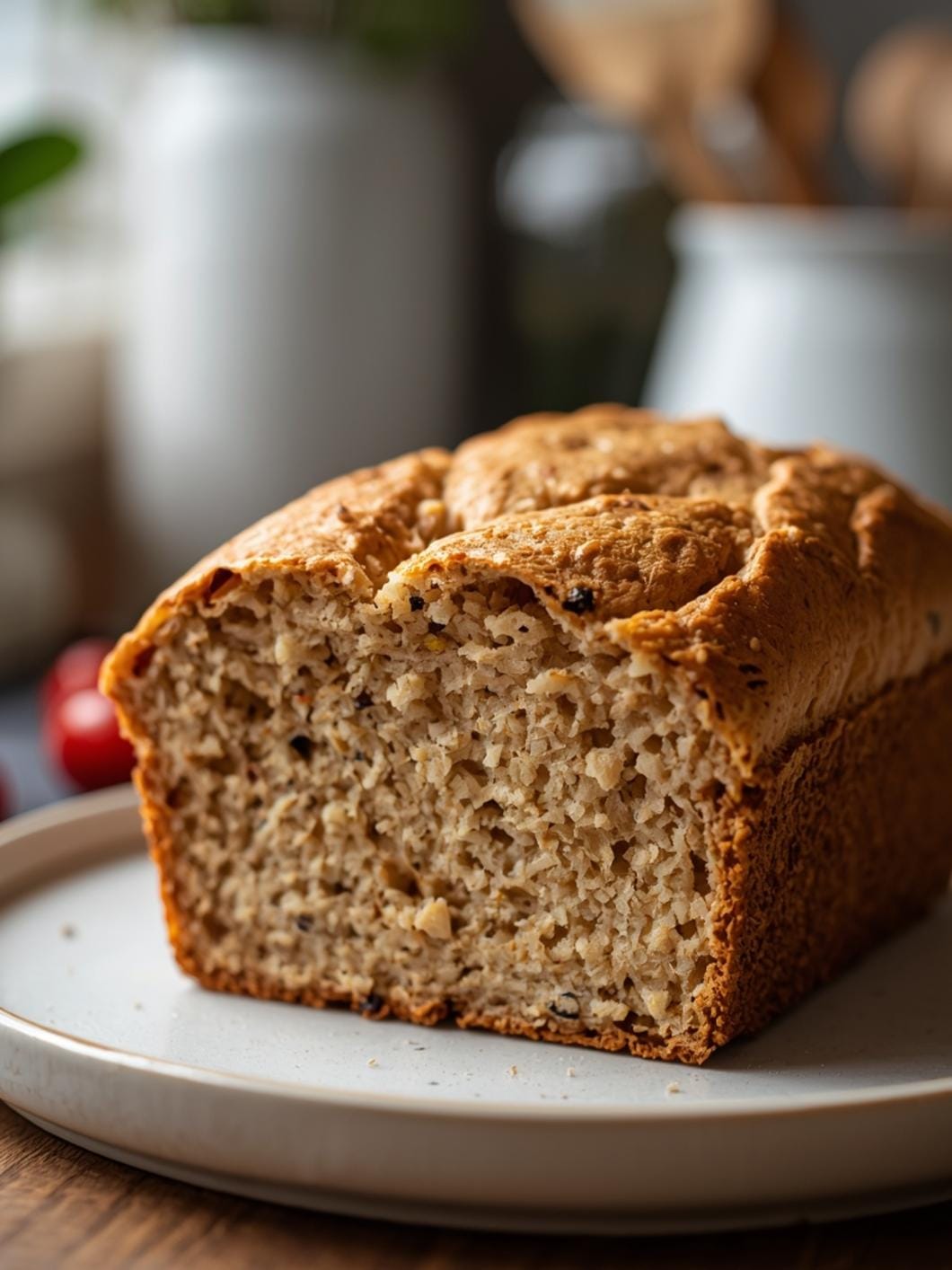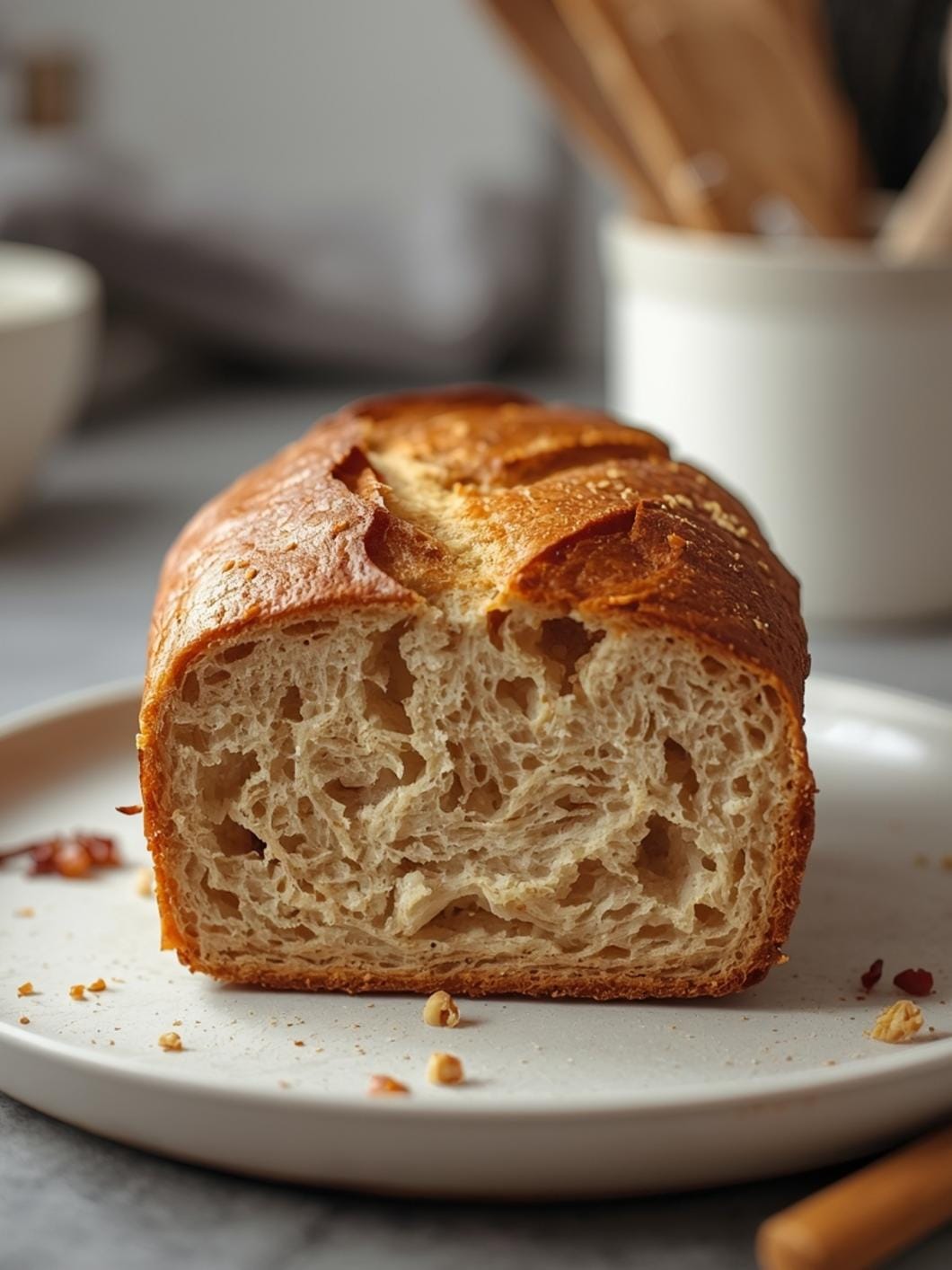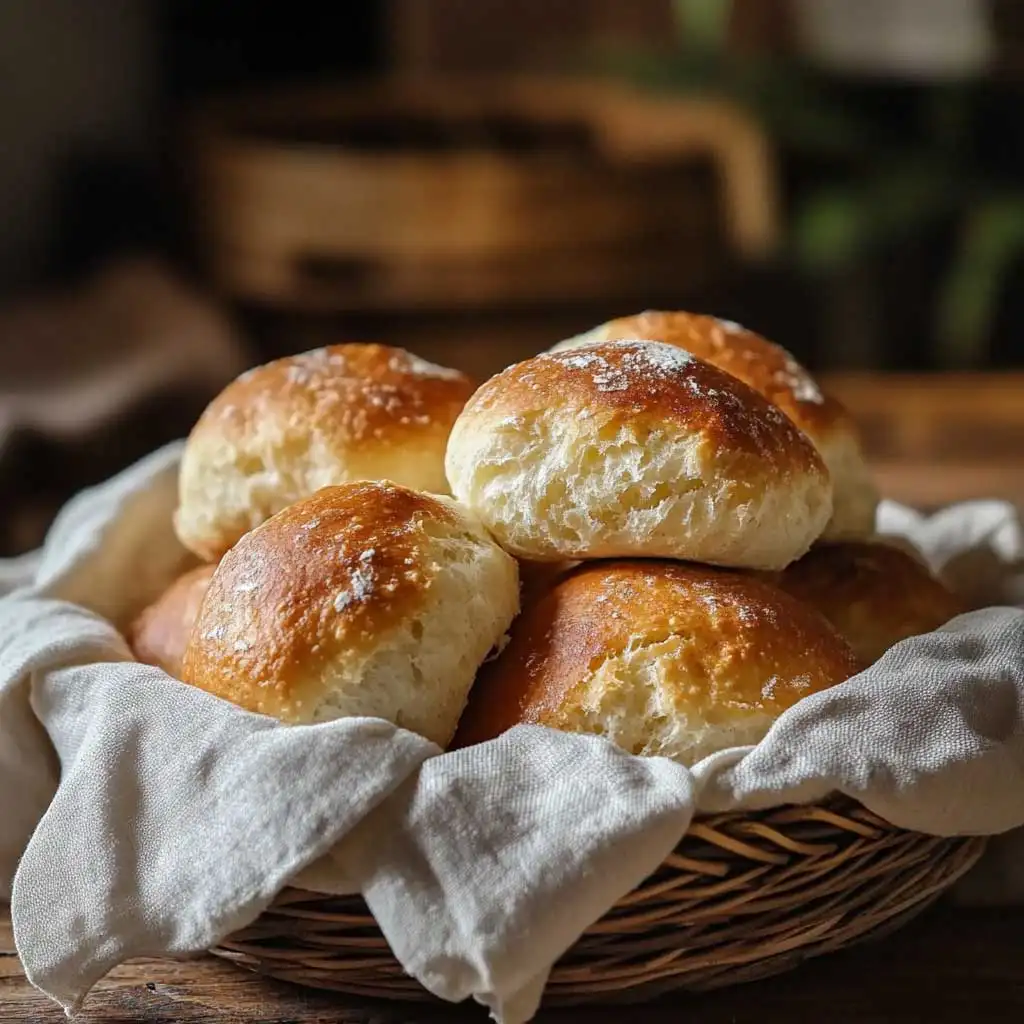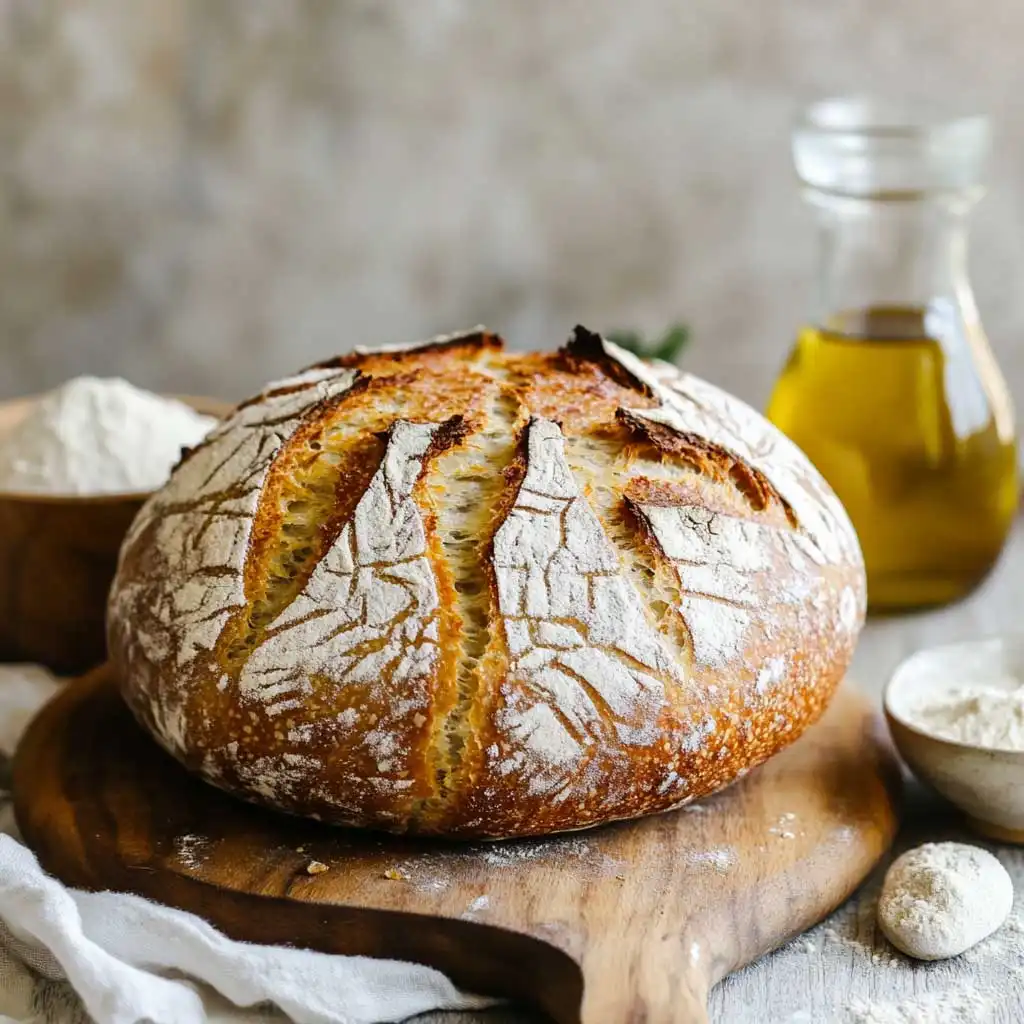

Baking a beautiful, rustic spelt sourdough batard might sound intimidating, but this easy-to-follow recipe is designed for home bakers looking to create delicious brown bread with their sourdough discard. It’s a fantastic way to utilize that leftover starter, transforming it into a hearty loaf that’s perfect for any occasion.
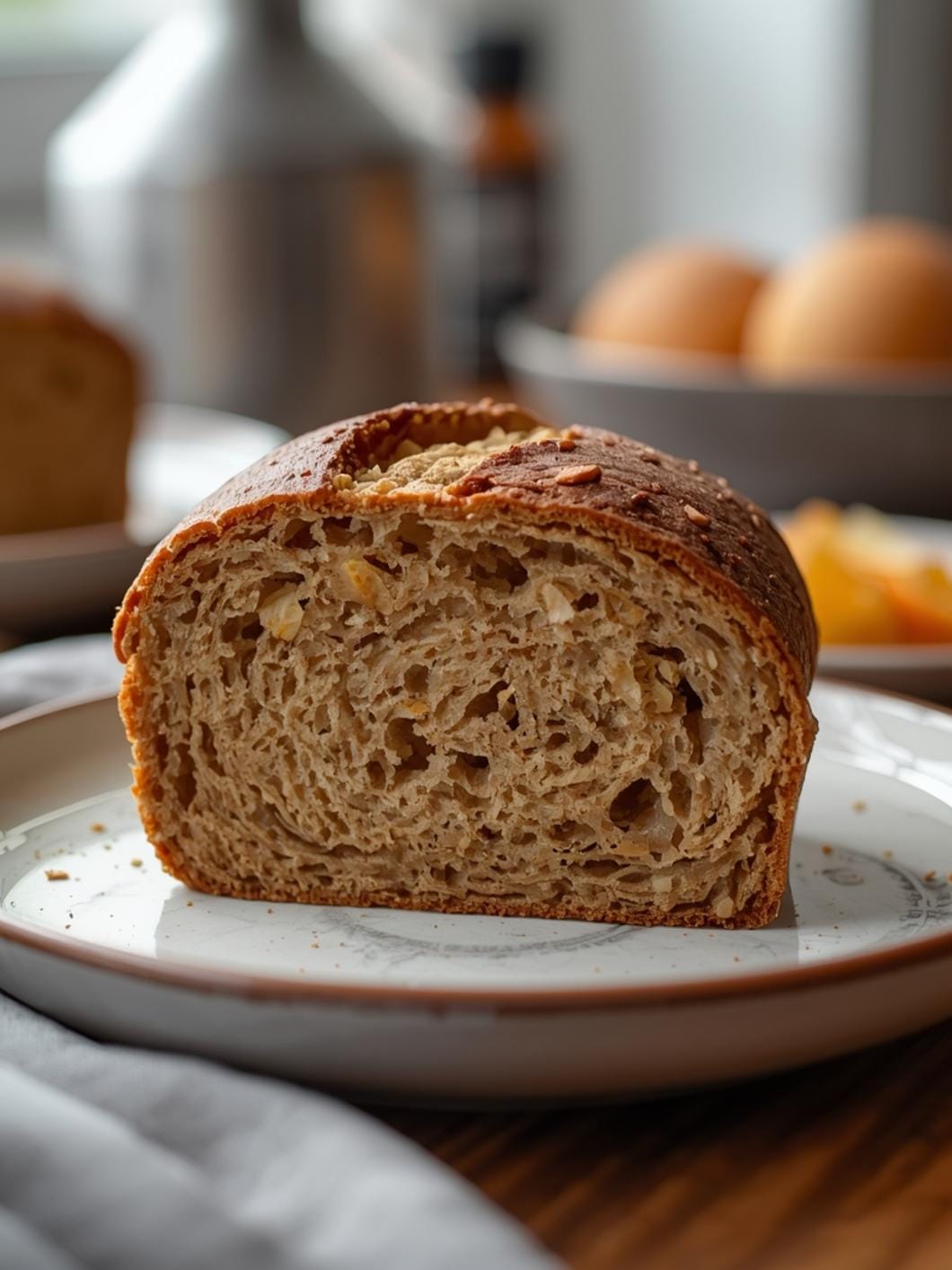
This recipe focuses on simplicity and flavor, ensuring you can achieve a gorgeous, crusty exterior and a soft, chewy interior without complex techniques. Whether you’re new to sourdough or a seasoned pro, you’ll find this brown bread a delightful addition to your kitchen repertoire.
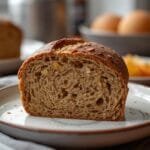
Rustic Spelt Sourdough Batard
- Total Time: 7-12 hours
- Yield: 1 loaf 1x
Description
Bake a beautiful, rustic spelt sourdough batard with this easy-to-follow recipe, perfect for home bakers looking to create delicious brown bread with their sourdough discard. This recipe focuses on simplicity and flavor, ensuring a gorgeous, crusty exterior and a soft, chewy interior without complex techniques. It’s a fantastic way to utilize leftover starter, transforming it into a hearty loaf that’s perfect for any occasion.
Ingredients
Instructions
1. 1. Combine Wet Ingredients: In a large mixing bowl, whisk together the active sourdough discard, warm water, salt, and olive oil until well combined. The mixture might look a little cloudy, which is perfectly normal.
2. 2. Add Dry Ingredients: Gradually add the bread flour, whole spelt flour, and optional instant yeast to the wet ingredients. Mix with a sturdy spoon or your hands until a shaggy dough forms and no dry spots remain. It will be sticky at this stage.
3. 3. Initial Kneading and Bulk Fermentation: Turn the dough out onto a lightly floured surface. Knead for about 5-7 minutes until the dough starts to become smoother and more elastic. It doesn’t need to be perfectly smooth. Lightly grease your mixing bowl with olive oil, place the dough back in, cover with plastic wrap or a damp kitchen towel, and let it rise in a warm place for 4-6 hours, or until it has roughly doubled in size. Alternatively, you can place it in the refrigerator for 8-12 hours for a slower, colder fermentation, which develops more flavor.
4. 4. Shape the Batard: Gently turn the risen dough out onto a lightly floured surface. Avoid deflating it too much. Gently stretch and fold the dough into a rectangular shape. Then, starting from one of the longer sides, roll the dough tightly into a log, pinching the seam closed. Gently cup your hands around the dough and roll it back and forth a few times to create a more even batard shape with tapered ends.
5. 5. Second Rise (Proofing): Lightly dust a proofing basket (banneton) or a bowl lined with a floured kitchen towel with rice flour or all-purpose flour. Carefully transfer the shaped dough, seam-side up, into the prepared basket/bowl. Cover loosely with plastic wrap or a damp towel and let it proof at room temperature for 1-2 hours, or until it looks puffy and springs back slowly when gently poked. If you cold-fermented, you can proof it straight from the fridge for about 30-60 minutes while your oven preheats.
6. 6. Preheat Oven and Bake: About 30 minutes before baking, place a Dutch oven with its lid into your oven and preheat to 450 F (230 C). Once preheated, carefully remove the hot Dutch oven. Gently invert the dough from the proofing basket into the hot Dutch oven. Score the top of the dough with a sharp knife or bread lame (a single slash down the center is classic for a batard).
7. 7. Bake with and without Lid: Cover the Dutch oven and bake for 30 minutes. After 30 minutes, remove the lid and continue baking for another 10-15 minutes, or until the crust is deeply golden brown and the internal temperature reaches 200-210 F (93-99 C).
8. 8. Cool Completely: Carefully remove the bread from the Dutch oven and transfer it to a wire rack to cool completely for at least 1-2 hours before slicing. Slicing too early can result in a gummy texture.
- Prep Time: 20 minutes
- Cook Time: 35-45 minutes
- Category: bread
- Method: baking
- Cuisine: european
Nutrition
- Serving Size: 1/10 loaf
Keywords: sourdough, spelt, bread, batard, rustic, homemade, baking, discard, yeast, brown bread
What You’ll Love About This Quick And Easy Recipe
This rustic spelt sourdough batard recipe is a true winner for several reasons. Firstly, it’s incredibly satisfying to bake your own bread, and this particular loaf offers a deep, earthy flavor thanks to the spelt flour, complemented by the subtle tang of sourdough. It’s perfect for anyone who appreciates real bread and wants to make the most of their sourdough discard, reducing waste and creating something delicious in the process. This recipe is designed to be approachable for beginners, focusing on clear steps and achievable results. You don’t need fancy equipment or advanced skills to get a beautiful loaf. It’s ideal for a weekend baking project or even a weeknight if you plan ahead slightly. Serve it alongside a hearty soup, as the base for an open-faced sandwich, or as a star player on a charcuterie board. Its robust flavor and satisfying texture make it a versatile bread that elevates any meal.
Everything You Need To Make This Recipe Without Stress
Gathering your ingredients before you start baking will make the process much smoother and more enjoyable. This recipe uses common pantry staples, with spelt flour being the star, offering a slightly nutty flavor and a tender crumb. Using sourdough discard adds both flavor and a natural leavening boost, contributing to the bread’s texture and aroma.
INGREDIENTS:
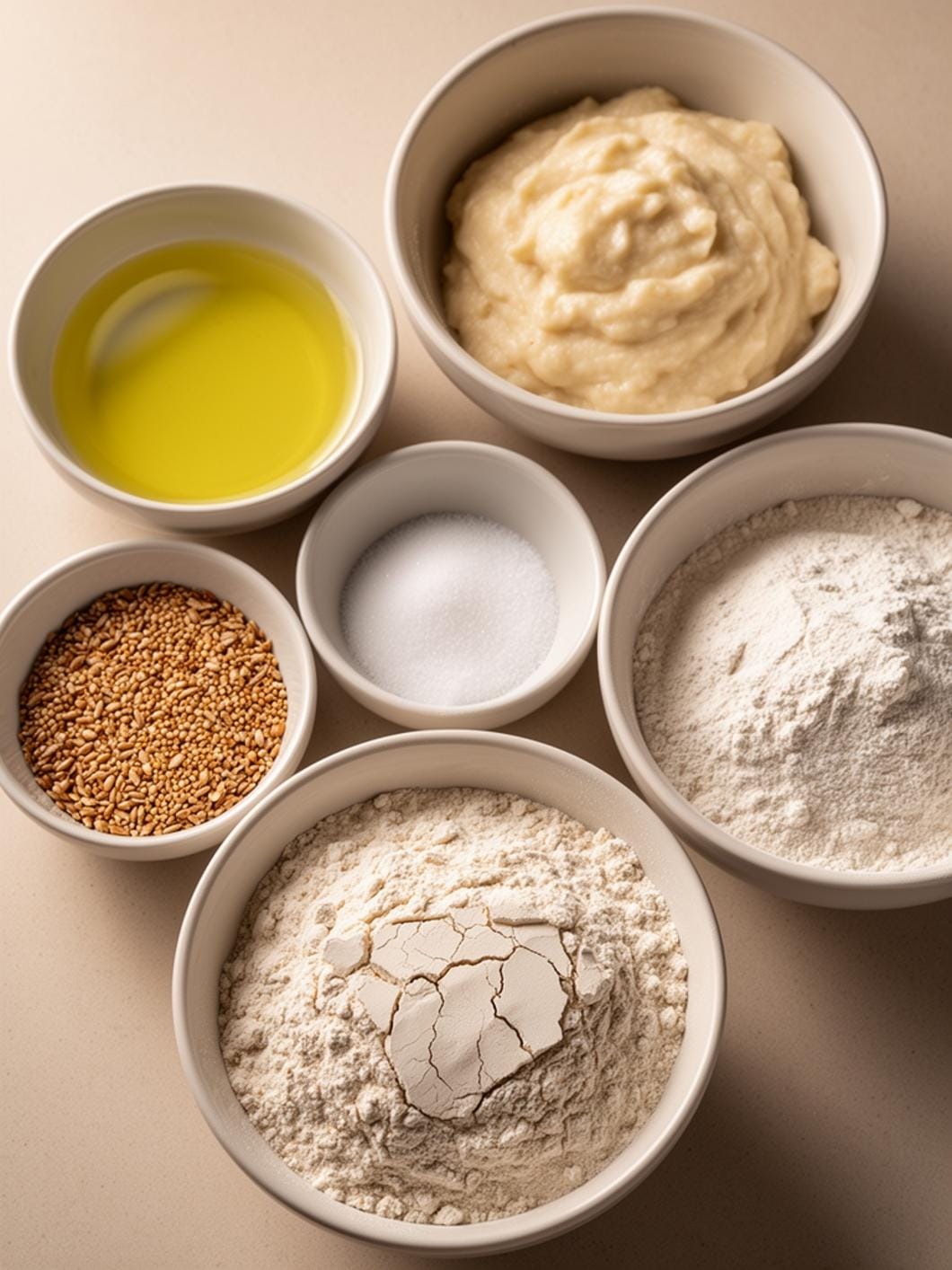
- 1 cup active sourdough discard (fed or unfed, but active is best)
- 1 1/2 cups warm water (around 95-105°F / 35-40°C)
- 2 teaspoons salt
- 1 tablespoon olive oil, plus more for greasing
- 2 cups bread flour
- 1 1/2 cups whole spelt flour
- 1 teaspoon instant yeast (optional, for a quicker rise or if discard is less active)
- Rice flour or all-purpose flour, for dusting
When it comes to substitutions, you can certainly experiment. If you don’t have whole spelt flour, you can use all bread flour for a slightly lighter loaf, though you’ll miss the distinctive spelt flavor. For the bread flour, a good quality unbleached all-purpose flour can work in a pinch, but bread flour offers a better gluten structure. The instant yeast is optional; if your sourdough discard is very active, you might not need it, but it acts as a good insurance policy for a reliable rise, especially for beginners. Feel free to use any neutral-flavored oil if olive oil isn’t on hand.
Time Needed From Start To Finish
While baking bread might seem like a lengthy process, much of the time is hands-off, allowing the dough to develop its flavor and rise. This recipe is designed to be manageable within a typical day.
- Prep Time: 20 minutes (mixing ingredients, initial kneading)
- First Rise (Bulk Fermentation): 4-6 hours (or overnight in the fridge for 8-12 hours)
- Shaping & Second Rise (Proofing): 1-2 hours
- Bake Time: 35-45 minutes
- Cooling Time: 1-2 hours (crucial for texture and flavor)
- Total Active Time: Approximately 30-40 minutes
- Total Recipe Time (including hands-off time): 7-12 hours (or longer if cold fermenting)
How To Make It Step By Step With Visual Cues
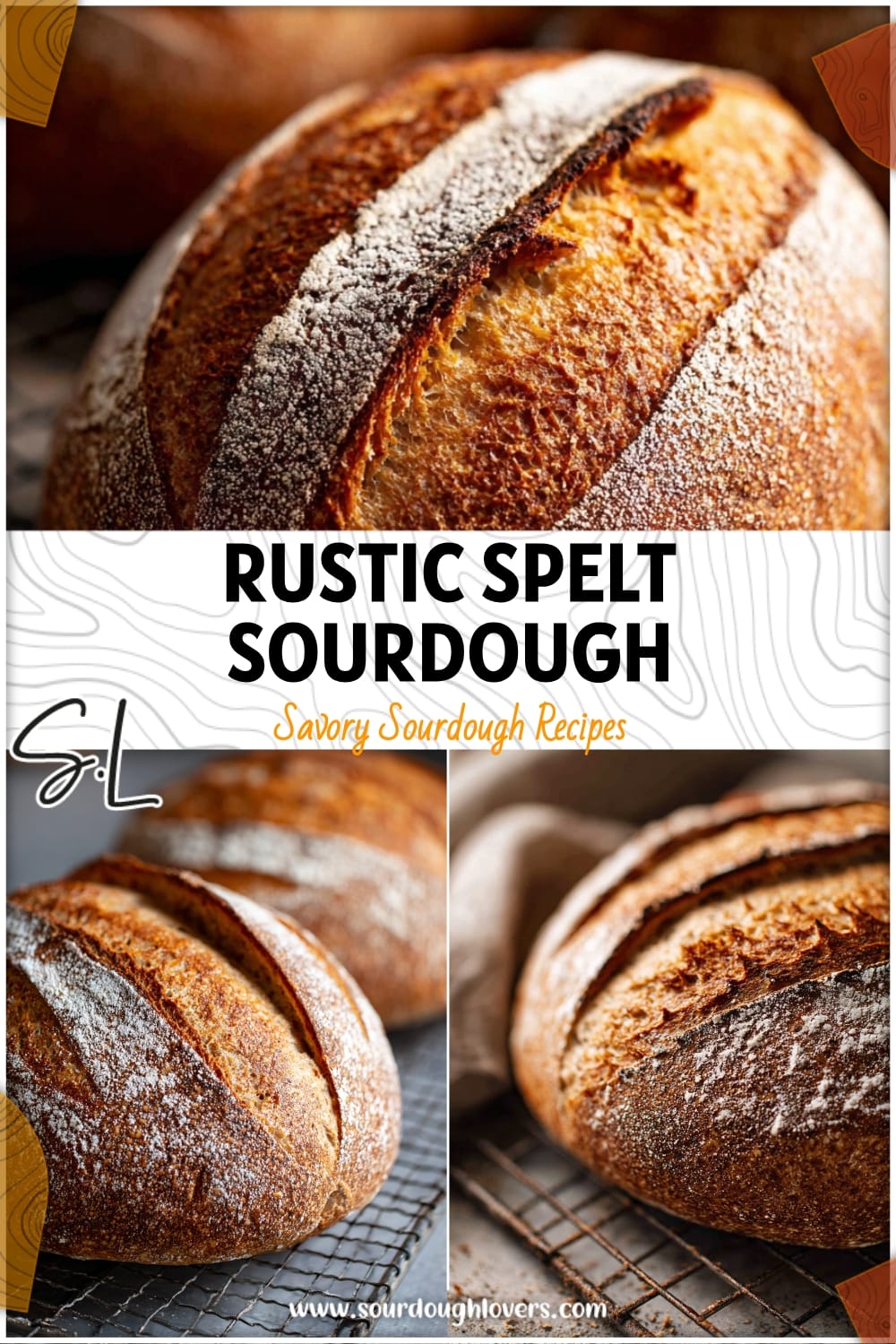
Creating this rustic spelt sourdough batard is a rewarding process. Follow these steps carefully to achieve a beautiful loaf.
- Combine Wet Ingredients: In a large mixing bowl, whisk together the active sourdough discard, warm water, salt, and olive oil until well combined. The mixture might look a little cloudy, which is perfectly normal.
- Add Dry Ingredients: Gradually add the bread flour, whole spelt flour, and optional instant yeast to the wet ingredients. Mix with a sturdy spoon or your hands until a shaggy dough forms and no dry spots remain. It will be sticky at this stage.
- Initial Kneading and Bulk Fermentation: Turn the dough out onto a lightly floured surface. Knead for about 5-7 minutes until the dough starts to become smoother and more elastic. It doesn’t need to be perfectly smooth. Lightly grease your mixing bowl with olive oil, place the dough back in, cover with plastic wrap or a damp kitchen towel, and let it rise in a warm place for 4-6 hours, or until it has roughly doubled in size. Alternatively, you can place it in the refrigerator for 8-12 hours for a slower, colder fermentation, which develops more flavor.
- Shape the Batard: Gently turn the risen dough out onto a lightly floured surface. Avoid deflating it too much. Gently stretch and fold the dough into a rectangular shape. Then, starting from one of the longer sides, roll the dough tightly into a log, pinching the seam closed. Gently cup your hands around the dough and roll it back and forth a few times to create a more even batard shape with tapered ends.
- Second Rise (Proofing): Lightly dust a proofing basket (banneton) or a bowl lined with a floured kitchen towel with rice flour or all-purpose flour. Carefully transfer the shaped dough, seam-side up, into the prepared basket/bowl. Cover loosely with plastic wrap or a damp towel and let it proof at room temperature for 1-2 hours, or until it looks puffy and springs back slowly when gently poked. If you cold-fermented, you can proof it straight from the fridge for about 30-60 minutes while your oven preheats.
- Preheat Oven and Bake: About 30 minutes before baking, place a Dutch oven with its lid into your oven and preheat to 450°F (230°C). Once preheated, carefully remove the hot Dutch oven. Gently invert the dough from the proofing basket into the hot Dutch oven. Score the top of the dough with a sharp knife or bread lame (a single slash down the center is classic for a batard).
- Bake with and without Lid: Cover the Dutch oven and bake for 30 minutes. After 30 minutes, remove the lid and continue baking for another 10-15 minutes, or until the crust is deeply golden brown and the internal temperature reaches 200-210°F (93-99°C).
- Cool Completely: Carefully remove the bread from the Dutch oven and transfer it to a wire rack to cool completely for at least 1-2 hours before slicing. Slicing too early can result in a gummy texture.
Easy Variations And Serving Ideas That Fit Real Life
This rustic spelt sourdough batard is wonderfully versatile, making it easy to adapt for different tastes and occasions.
- Seed Power: For an extra nutritional boost and texture, incorporate 1/4 cup of mixed seeds (like sunflower, pumpkin, or flax seeds) into the dough during the initial mixing stage. This adds a lovely crunch and a nutty flavor.
- Herbaceous Delight: Mix in 1-2 tablespoons of dried herbs such as rosemary, thyme, or a blend of Italian herbs with the dry ingredients for an aromatic loaf that pairs beautifully with savory dishes.
- Cheesy Goodness: Fold in 1/2 cup of shredded Gruyère, cheddar, or Parmesan cheese during the last few minutes of kneading for a savory cheese bread that’s fantastic toasted.
- Kid-Friendly Approach: While the rustic nature of this bread might appeal to some kids, if yours are hesitant, try serving it with their favorite jam, honey, or as grilled cheese sandwiches. The mild tang of the sourdough is often well-received.
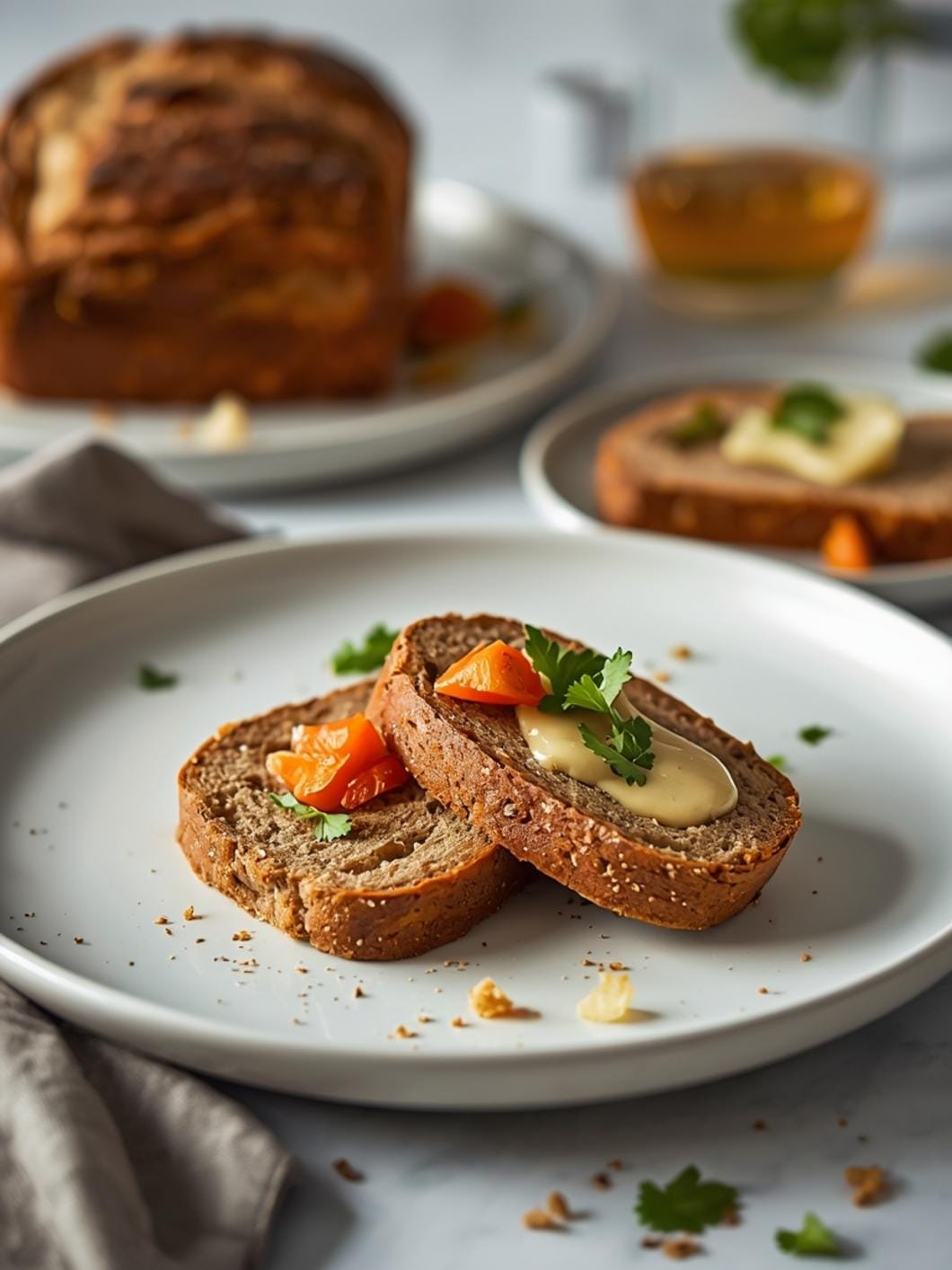
- Party Perfect: Slice the cooled bread into thin rounds and toast lightly. Serve with a variety of toppings like bruschetta, olive tapenade, goat cheese and fig jam, or a simple spread of butter and flaky sea salt for an elegant appetizer. It’s also excellent as part of a cheese and charcuterie board.
- Soup Companion: This bread is the ultimate companion for hearty stews, chili, or creamy tomato soup. Its sturdy crust and soft interior are perfect for soaking up every last drop.
- Sandwich Upgrade: Use thick slices for gourmet sandwiches. Think roasted turkey and cranberry, or a classic BLT, where the bread’s flavor can truly shine.
Common Slip-Ups And How To Avoid Them
Even experienced bakers encounter challenges, but understanding common pitfalls can help you avoid them and achieve a perfect loaf.
- Not Letting the Dough Rise Enough: One of the most frequent mistakes is under-proofing. If your dough doesn
FAQs
- Can I make these ahead? Yes—prep ahead, refrigerate, then serve when ready.
- How long do leftovers last? Store covered in the fridge for 3–4 days for best texture.
- Can I adjust sweetness? Yes—add more or less sweetener to taste.
- Can I change the fruit? Yes—swap strawberries for blueberries, raspberries, or sliced banana.