
Baking a truly satisfying loaf of bread at home doesn’t have to be complicated or intimidating.
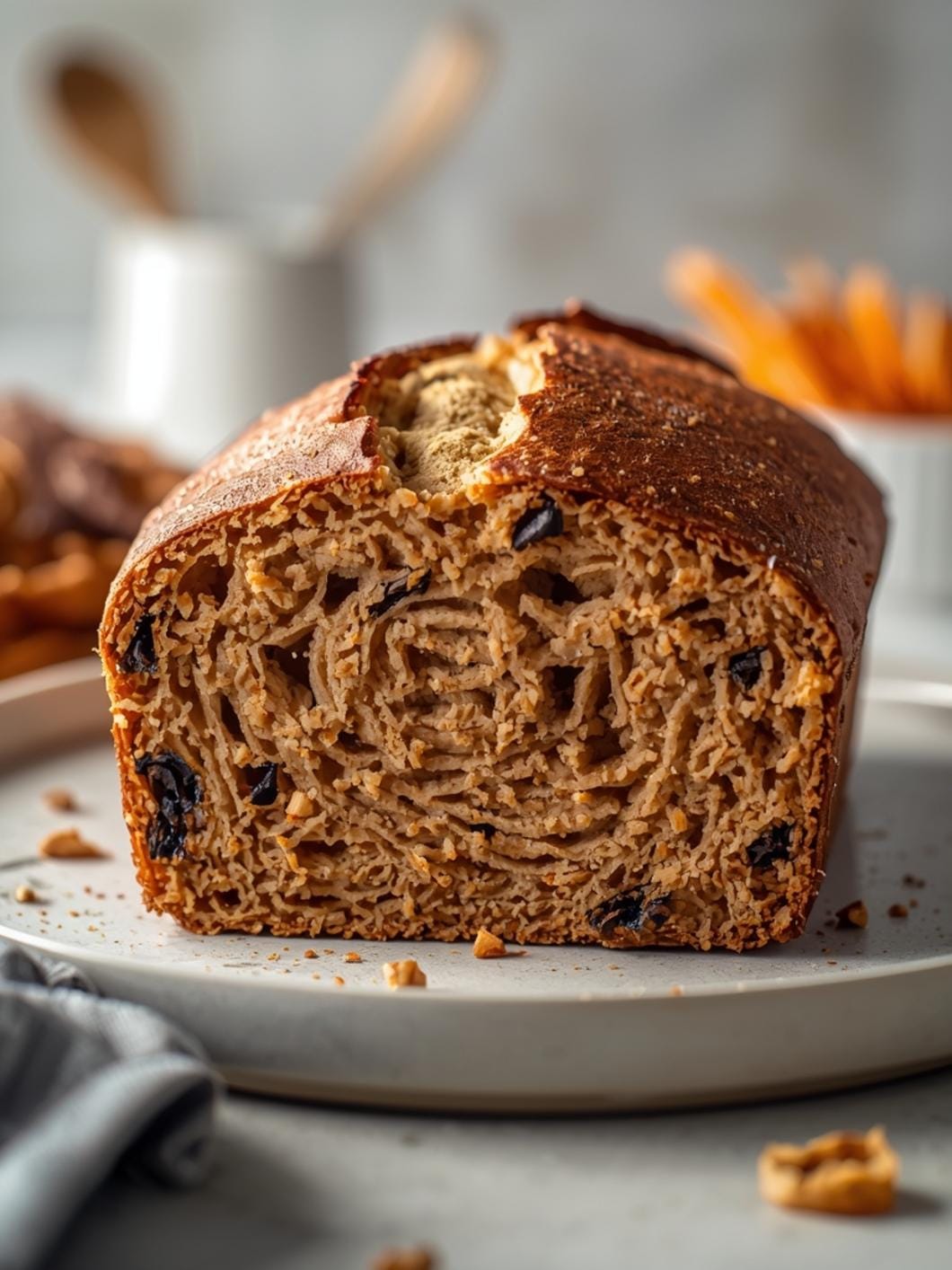
This rustic whole wheat sourdough loaf recipe brings the comforting aroma and hearty texture of homemade bread right into your kitchen with straightforward steps. It’s perfect for anyone looking to enjoy the rich flavor of whole grains in a naturally leavened bread.
Whether you’re a seasoned baker or just starting your sourdough journey, this recipe is designed for success. You’ll end up with a beautiful, crusty loaf that’s ideal for slicing thick for sandwiches, toasting for breakfast, or serving alongside your favorite soups and stews. Get ready to impress yourself and your family with this wholesome and delicious bread.
Table of Contents
- What You’ll Love About This Quick And Easy Recipe
- Everything You Need To Make This Recipe Without Stress
- Time Needed From Start To Finish
- How To Make It Step By Step With Visual Cues
- Easy Variations And Serving Ideas That Fit Real Life
- Common Slip-Ups And How To Avoid Them
- How To Store It And Make It Ahead Without Ruining Texture

Rustic Whole Wheat Sourdough Loaf
- Total Time: 10-15 hours (includes waiting periods)
- Yield: 1 large loaf 1x
Description
Bake a satisfying rustic whole wheat sourdough loaf at home with this straightforward recipe. Perfect for sandwiches, toast, or alongside soups, this naturally leavened bread offers a rich flavor and hearty texture. Designed for success, it’s a game-changer for anyone seeking a reliable and approachable method for delicious whole grain sourdough.
Ingredients
Instructions
1. Combine Starter and Water: In a large mixing bowl, gently whisk together your active whole wheat sourdough starter with the warm water until the starter is mostly dissolved. The mixture should look milky and slightly bubbly.
2. Add Flour and Salt: Add the whole wheat bread flour to the wet mixture, followed by the salt. Use your hands or a sturdy spoon to mix everything until no dry streaks of flour remain and a shaggy dough forms. It will be sticky. Cover the bowl with a clean kitchen towel or plastic wrap and let it rest for 30 minutes (this is called autolyse, which helps the flour hydrate).
3. Perform Stretch and Folds: After the rest, begin the first set of stretch and folds. With wet hands, grab a portion of the dough from one side, stretch it upwards, and fold it over itself towards the center. Rotate the bowl a quarter turn and repeat this process 3-4 more times until you’ve gone all the way around. Cover and rest for 30 minutes. Repeat this stretch and fold process 3-4 more times, with 30-minute rests in between each set. The dough will become smoother and more elastic with each set.
4. Bulk Fermentation: After the final set of stretch and folds, cover the bowl and let the dough bulk ferment at room temperature (ideally 70-75F or 21-24C) for 6-10 hours, or until it has noticeably increased in volume (around 50-75%) and looks puffy and aerated. The exact time will depend on your room temperature and starter activity.
5. Shape the Loaf: Gently turn the dough out onto a lightly floured surface. Carefully pre-shape it into a round or oblong, letting it rest for 20-30 minutes. Then, perform a final shaping, creating tension on the surface of the dough. Place the shaped dough seam-side up into a floured banneton (proofing basket) or a bowl lined with a floured kitchen towel.
6. Cold Proof: Cover the banneton and place it in the refrigerator for 8-16 hours. This cold proof slows down fermentation, develops flavor, and makes the dough easier to score.
7. Preheat Oven and Dutch Oven: About an hour before you’re ready to bake, place your Dutch oven (with its lid) in your oven and preheat to 450F (232C).
8. Bake the Loaf: Carefully remove the hot Dutch oven from the oven. Gently invert the cold dough from the banneton into the hot Dutch oven. Score the top of the dough with a sharp razor blade or knife (a simple cross or a single slash works well). Cover the Dutch oven and bake for 30 minutes.
9. Finish Baking: Remove the lid from the Dutch oven and continue baking for another 15-20 minutes, or until the crust is deeply golden brown and the internal temperature reaches 200-210F (93-99C).
10. Cool Completely: Carefully remove the loaf from the Dutch oven and transfer it to a wire rack to cool completely for at least 1-2 hours before slicing. This step is crucial for the crumb to set and for the flavors to fully develop.
- Prep Time: 15-20 minutes
- Cook Time: 40-50 minutes
- Category: main dish
- Method: baking
- Cuisine: american
Nutrition
- Serving Size: 1 slice
Keywords: sourdough, whole wheat, bread, rustic, homemade, baking, yeast-free, healthy, artisan, comfort food
What You’ll Love About This Quick And Easy Recipe
This recipe is a game-changer for anyone who appreciates the depth of flavor and satisfying chew of whole wheat sourdough but needs a reliable, approachable method. It works beautifully because it focuses on clear instructions and managing the sourdough process in a way that feels achievable, even for busy home cooks. It’s perfect for families who want to incorporate more whole grains into their diet without sacrificing taste or texture. You can serve this loaf at any meal – it elevates a simple weeknight dinner, makes weekend breakfasts feel special, and is an absolute star on any brunch table. The hearty nature of the whole wheat flour means it holds up wonderfully to robust sandwich fillings and provides sustained energy.
Everything You Need To Make This Recipe Without Stress
Gathering your ingredients before you start baking makes the whole process smoother and more enjoyable. This recipe uses common baking staples, with the star being your active sourdough starter and whole wheat flour. Don’t worry if you’re new to sourdough; the key is having a starter that’s lively and ready to go.
INGREDIENTS:
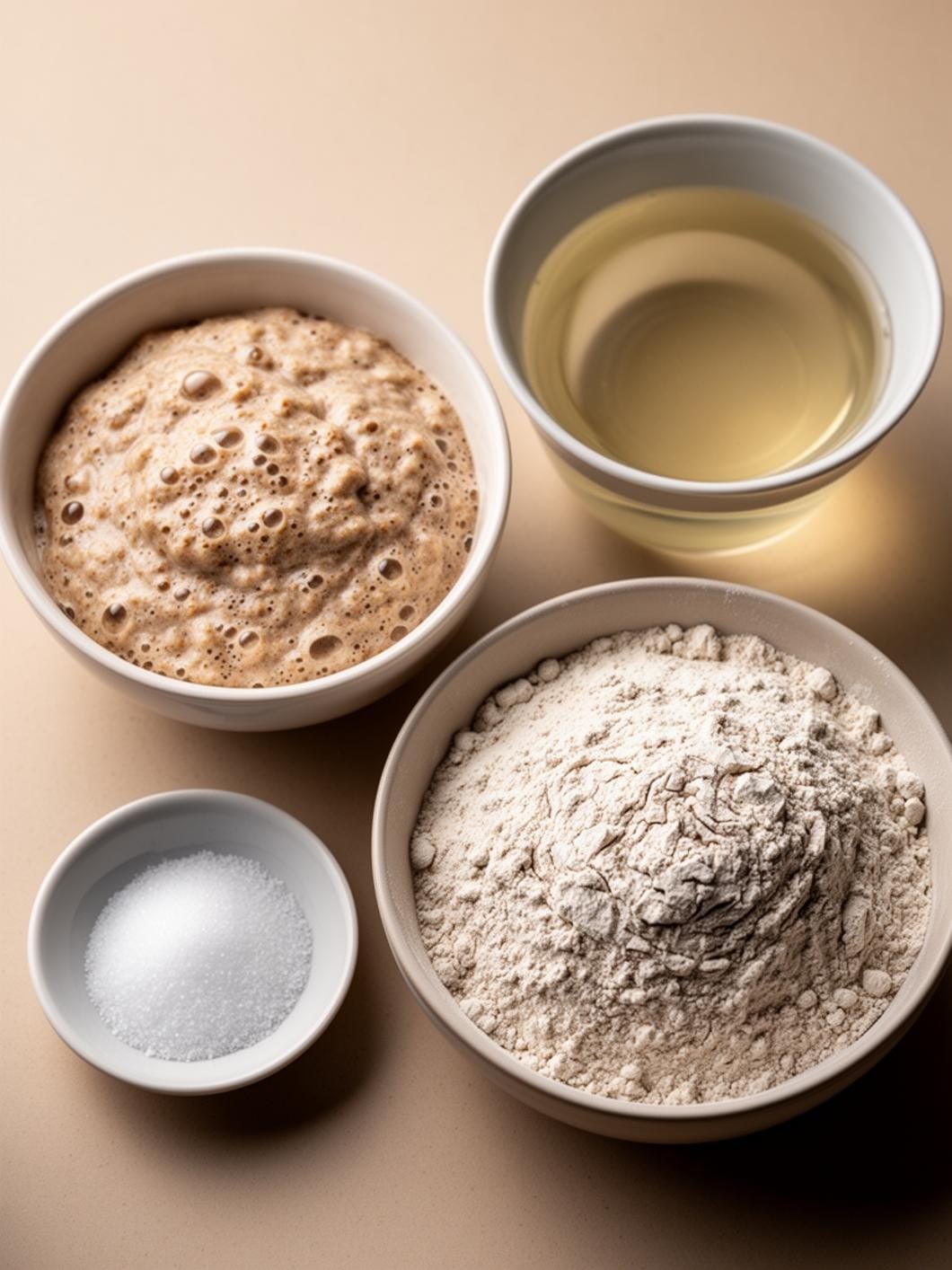
- 100 grams active whole wheat sourdough starter (fed and bubbly)
- 350 grams warm water (around 90-95°F or 32-35°C)
- 500 grams whole wheat bread flour
- 10 grams fine sea salt
For the whole wheat bread flour, look for a good quality brand that specifies “bread flour” as it has a higher protein content, which is excellent for developing gluten in sourdough. If you only have all-purpose whole wheat flour, it will still work, but your loaf might be slightly less structured. As for salt, fine sea salt is preferred for its even distribution and clean flavor, but kosher salt can be used as a substitute; just be sure to adjust the amount if using a different type of salt, as crystal sizes vary.
Time Needed From Start To Finish
While sourdough baking involves periods of waiting, the active hands-on time for this recipe is surprisingly minimal. The key is understanding the rhythm of the process.
- Active Prep Time: 15-20 minutes (mixing, initial folds)
- Bulk Fermentation/Proofing Time: 8-12 hours (this is mostly hands-off waiting)
- Baking Time: 40-50 minutes
- Cooling Time: At least 1-2 hours (crucial for texture and flavor)
- Total Estimated Time: 10-15 hours (including all the waiting periods, but very little active work)
How To Make It Step By Step With Visual Cues

Baking this rustic whole wheat sourdough loaf is a journey, and each step builds towards that incredible finished product. Follow these clear instructions for the best results.
- Combine Starter and Water: In a large mixing bowl, gently whisk together your active whole wheat sourdough starter with the warm water until the starter is mostly dissolved. The mixture should look milky and slightly bubbly.
- Add Flour and Salt: Add the whole wheat bread flour to the wet mixture, followed by the salt. Use your hands or a sturdy spoon to mix everything until no dry streaks of flour remain and a shaggy dough forms. It will be sticky. Cover the bowl with a clean kitchen towel or plastic wrap and let it rest for 30 minutes (this is called autolyse, which helps the flour hydrate).
- Perform Stretch and Folds: After the rest, begin the first set of stretch and folds. With wet hands, grab a portion of the dough from one side, stretch it upwards, and fold it over itself towards the center. Rotate the bowl a quarter turn and repeat this process 3-4 more times until you’ve gone all the way around. Cover and rest for 30 minutes. Repeat this stretch and fold process 3-4 more times, with 30-minute rests in between each set. The dough will become smoother and more elastic with each set.
- Bulk Fermentation: After the final set of stretch and folds, cover the bowl and let the dough bulk ferment at room temperature (ideally 70-75°F or 21-24°C) for 6-10 hours, or until it has noticeably increased in volume (around 50-75%) and looks puffy and aerated. The exact time will depend on your room temperature and starter activity.
- Shape the Loaf: Gently turn the dough out onto a lightly floured surface. Carefully pre-shape it into a round or oblong, letting it rest for 20-30 minutes. Then, perform a final shaping, creating tension on the surface of the dough. Place the shaped dough seam-side up into a floured banneton (proofing basket) or a bowl lined with a floured kitchen towel.
- Cold Proof: Cover the banneton and place it in the refrigerator for 8-16 hours. This cold proof slows down fermentation, develops flavor, and makes the dough easier to score.
- Preheat Oven and Dutch Oven: About an hour before you’re ready to bake, place your Dutch oven (with its lid) in your oven and preheat to 450°F (232°C).
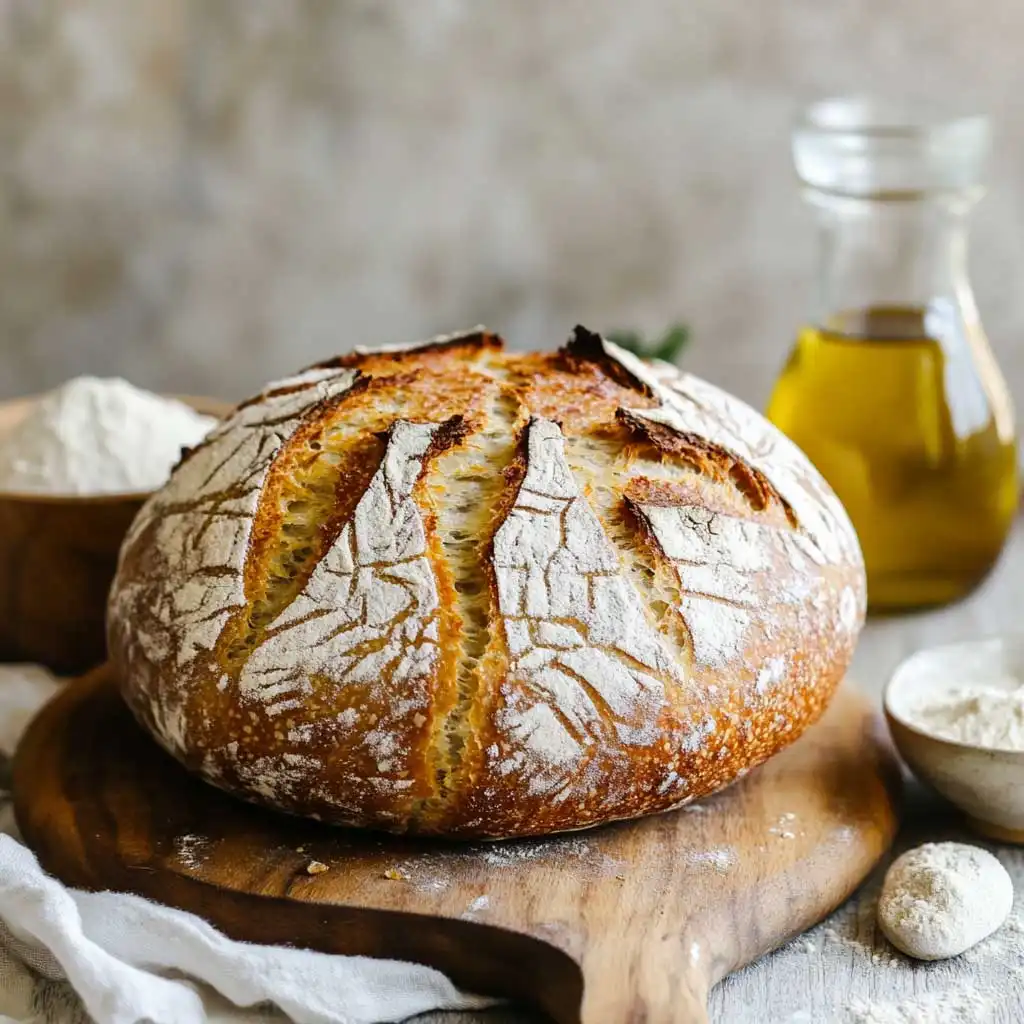
- Bake the Loaf: Carefully remove the hot Dutch oven from the oven. Gently invert the cold dough from the banneton into the hot Dutch oven. Score the top of the dough with a sharp razor blade or knife (a simple cross or a single slash works well). Cover the Dutch oven and bake for 30 minutes.
- Finish Baking: Remove the lid from the Dutch oven and continue baking for another 15-20 minutes, or until the crust is deeply golden brown and the internal temperature reaches 200-210°F (93-99°C).
- Cool Completely: Carefully remove the loaf from the Dutch oven and transfer it to a wire rack to cool completely for at least 1-2 hours before slicing. This step is crucial for the crumb to set and for the flavors to fully develop.
Easy Variations And Serving Ideas That Fit Real Life
This rustic whole wheat sourdough loaf is incredibly versatile. For a slightly different flavor profile, you can incorporate a small amount of rye flour (around 50-100 grams, reducing the whole wheat flour accordingly) for an even deeper, earthier taste. If you’re looking for a softer crumb, you can replace about 50 grams of the whole wheat flour with all-purpose flour, though it will still maintain its hearty character.
When it comes to serving, the possibilities are endless. This bread is fantastic simply toasted with butter and jam for breakfast. For lunch, it makes an unbeatable foundation for hearty sandwiches – think turkey and avocado, or a classic BLT. It’s also wonderful alongside a steaming bowl of homemade soup or a fresh green salad. For a more indulgent treat, slice it thick, brush with olive oil, and grill or toast until golden, then rub with a garlic clove and sprinkle with sea salt for instant bruschetta. Kids often love it torn into pieces and dipped in olive oil or used to sop up gravy from a roast.
Common Slip-Ups And How To Avoid Them
Even experienced bakers encounter challenges, and sourdough can sometimes feel like it has a mind of its own. One common mistake is using an inactive sourdough starter. If your starter isn’t bubbly and active after a recent feeding, your dough won’t rise properly. Make sure your starter has been fed and has doubled or tripled in size before you begin. Another frequent issue is under-proofing or over-proofing the dough during bulk fermentation. Under-proofed dough will be dense and won’t have a good open crumb, while over-proofed dough can collapse and be difficult to handle. Pay close attention to the visual cues: the dough should look puffy and aerated, and pass the “jiggle test” (gently shake the bowl; if it jiggles like jelly, it’s likely ready).
Not cooling the bread completely before slicing is another common error. It’s tempting to cut into a warm loaf, but doing so can result in a gummy texture inside. The internal structure of the bread is still setting as it cools, so patience is key for the best crumb and flavor. Finally, don’t be afraid to experiment with scoring. A dull blade or hesitant hand can lead to a less impressive “ear” on your loaf. Use a very sharp razor blade and make a quick, confident cut.
How To Store It And Make It Ahead Without Ruining Texture
Proper storage is essential to keep your homemade sourdough fresh and
FAQs
- Can I make these ahead? Yes—prep ahead, refrigerate, then serve when ready.
- How long do leftovers last? Store covered in the fridge for 3–4 days for best texture.
- Can I adjust sweetness? Yes—add more or less sweetener to taste.
- Can I change the fruit? Yes—swap strawberries for blueberries, raspberries, or sliced banana.