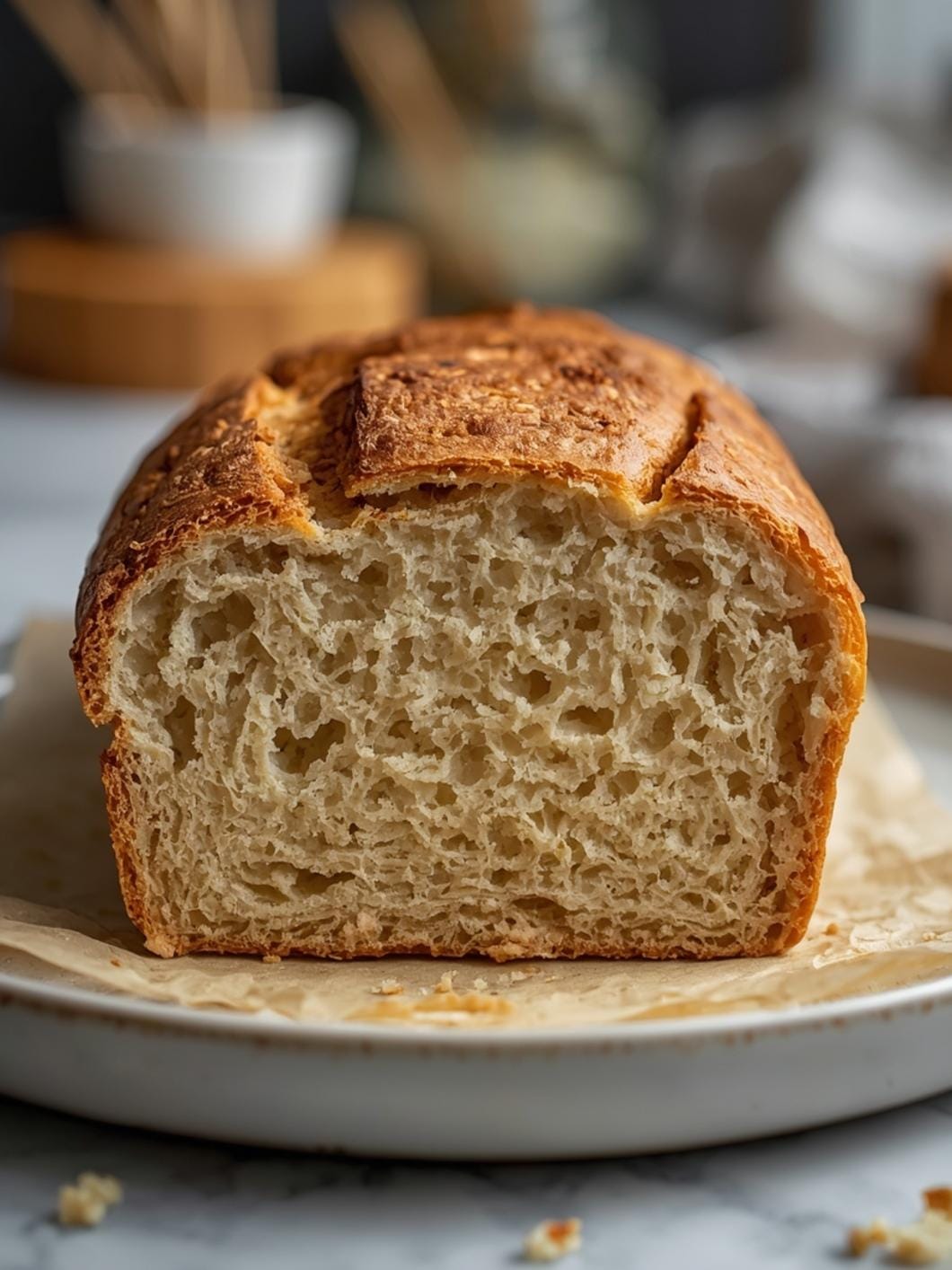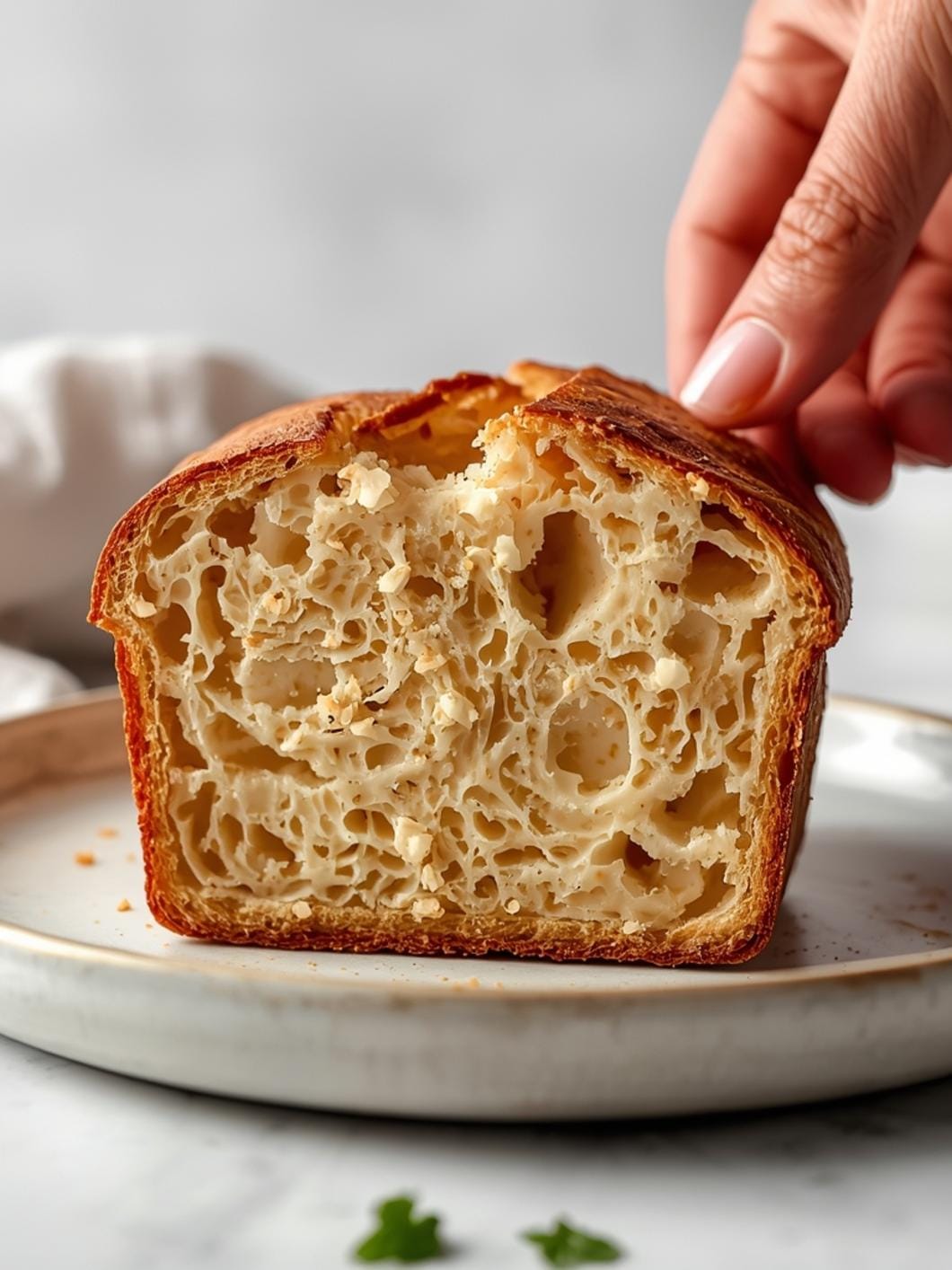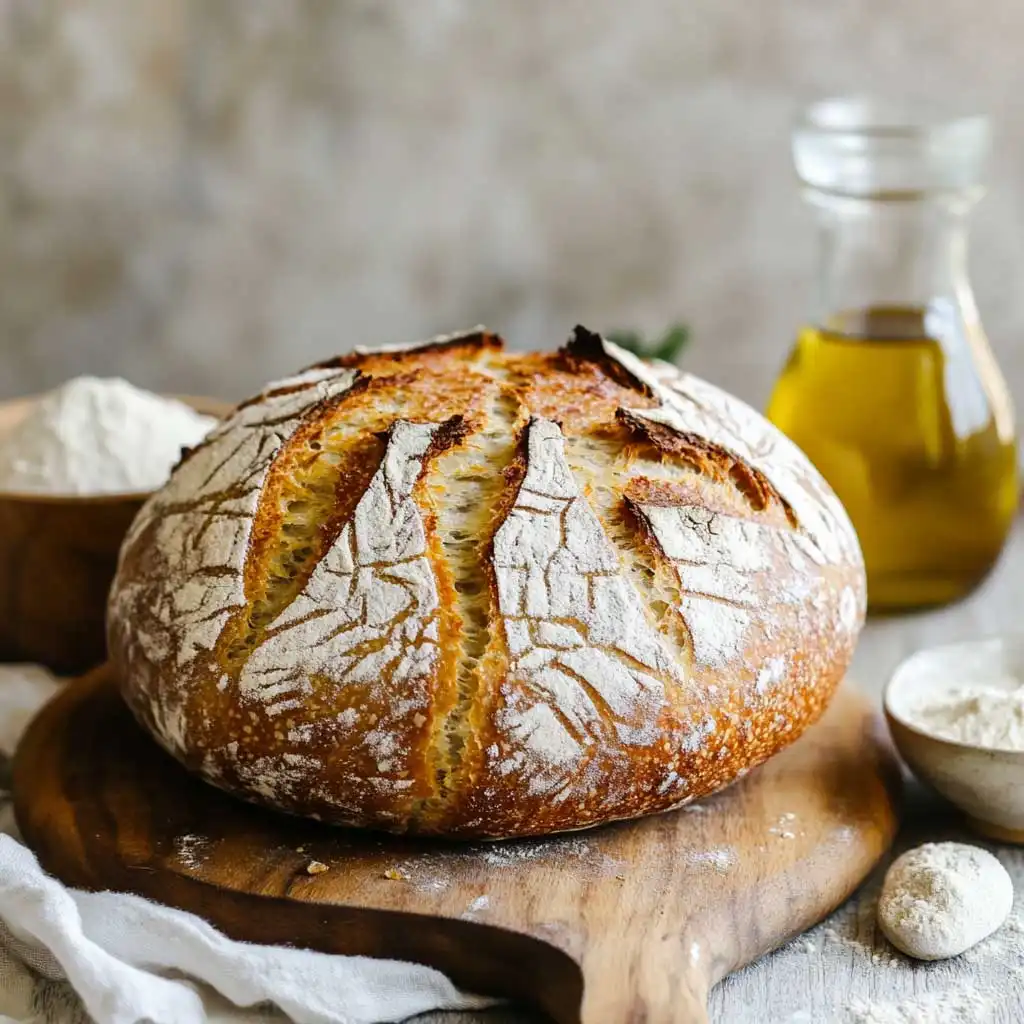

Elevate your homemade sourdough with a delightful mix of seeds for added texture and flavor, perfect for any meal.
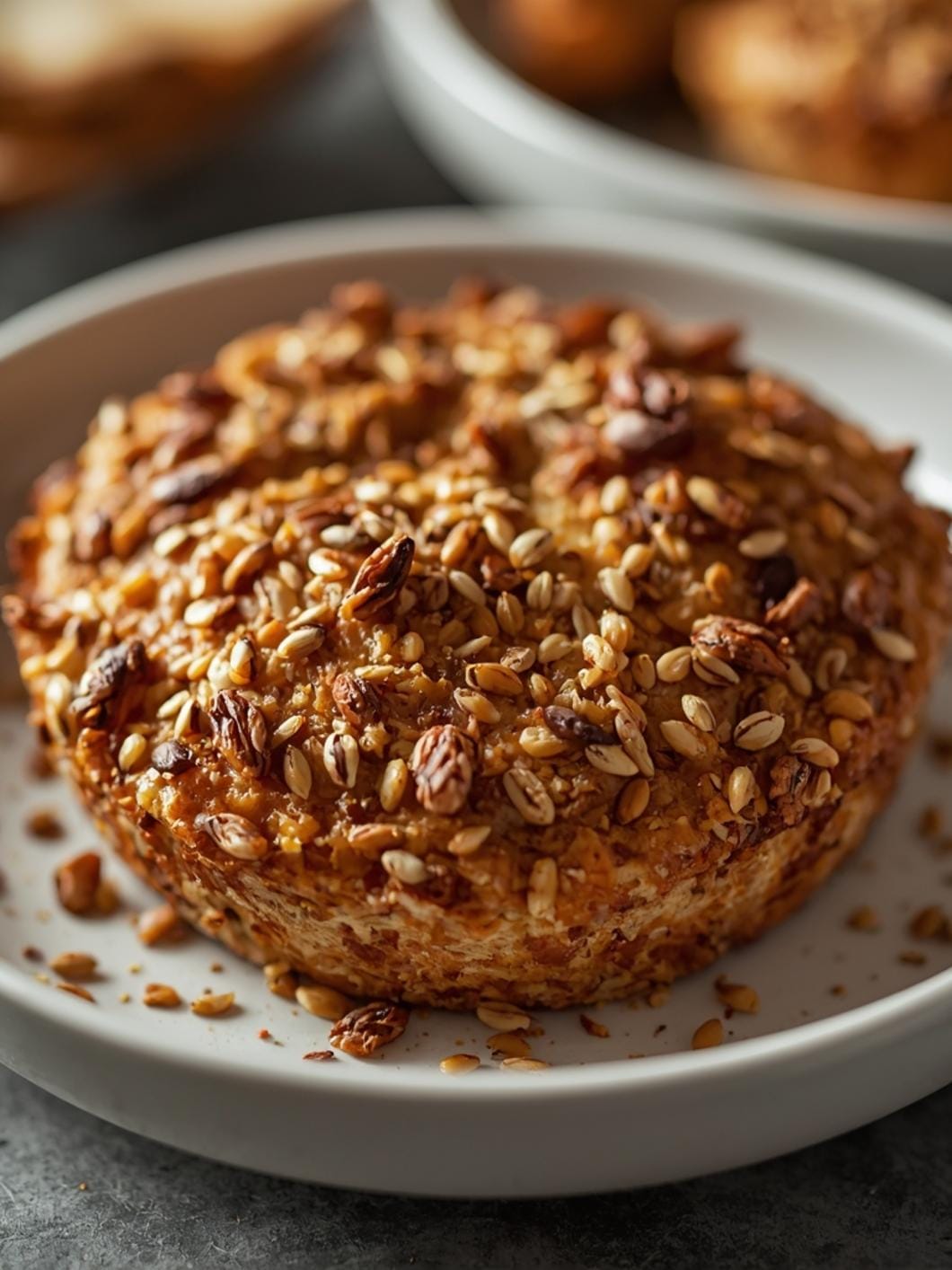
This recipe takes your basic sourdough loaf and infuses it with a savory blend of seeds, creating a bread that’s not only delicious but also visually appealing. It’s a wonderful way to add a new dimension to your baking without overcomplicating the process.
This savory seeded sourdough is fantastic as a side to soups and stews, perfect for dipping in olive oil, or simply enjoyed on its own with a smear of butter. The added seeds provide a satisfying crunch and a nutty depth that complements the tangy sourdough perfectly. Get ready to impress your family and friends with this simple yet sophisticated bread.
Table of Contents
- What You’ll Love About This Quick And Easy Recipe
- Everything You Need To Make This Recipe Without Stress
- Time Needed From Start To Finish
- How To Make It Step By Step With Visual Cues
- Easy Variations And Serving Ideas That Fit Real Life
- Common Slip-Ups And How To Avoid Them
- How To Store It And Make It Ahead Without Ruining Texture
- Questions People Always Ask Before Making This Recipe

Savory Seeded Sourdough Loaf
- Total Time: 35-55 minutes
- Yield: 1 loaf 1x
Description
Elevate your homemade sourdough with a delightful mix of seeds for added texture and flavor, perfect for any meal. This recipe takes your basic sourdough loaf and infuses it with a savory blend of seeds, creating a bread that’s not only delicious but also visually appealing. It’s a wonderful way to add a new dimension to your baking without overcomplicating the process.
Ingredients
Instructions
1. Prepare Your Dough: Ensure your sourdough loaf is shaped and ready for its final proof or baking. If it’s coming out of the fridge after a cold proof, let it sit at room temperature for about 20-30 minutes while you prepare the seeds.
2. Preheat Your Oven and Baking Vessel: Preheat your oven to the temperature specified in your sourdough recipe, usually around 450-500 F (230-260 C). Place your Dutch oven or baking stone inside to preheat as well.
3. Prepare the Seed Mixture: In a small, shallow bowl or plate, combine the pumpkin seeds, sunflower seeds, sesame seeds, and poppy seeds. Stir them gently to ensure an even mix.
4. Moisten the Dough Surface: Lightly brush the top surface of your shaped sourdough loaf with a thin layer of olive oil or water. This acts as a “glue” for the seeds. Don’t overdo it; just enough to make the surface slightly tacky.
5. Apply the Seeds: Carefully invert the dough directly onto the plate of mixed seeds, pressing gently to ensure the seeds adhere. You can also sprinkle the seeds over the top and gently pat them into place if you prefer not to invert the dough.
6. Score the Loaf: Using a sharp lame or razor blade, score the top of your seeded dough with your desired pattern. This helps the bread expand evenly during baking.
7. Bake the Sourdough: Carefully transfer the seeded and scored dough into your preheated Dutch oven or onto your baking stone. Bake according to your sourdough recipe’s instructions, typically covered for the first 20-25 minutes and then uncovered for another 15-20 minutes, until deeply golden brown and cooked through.
8. Cool Completely: Once baked, remove the loaf from the oven and transfer it to a wire rack to cool completely before slicing. This is crucial for the crumb structure and flavor development.
- Prep Time: 5-10 minutes
- Cook Time: 30-45 minutes
- Category: bread
- Method: baking
- Cuisine: european
Nutrition
- Serving Size: 1 slice
Keywords: sourdough, seeded, bread, savory, homemade, baking, easy, crunchy, nutty, appetizer
What You’ll Love About This Quick And Easy Recipe
This recipe is a true winner for anyone looking to enhance their sourdough baking without diving into complex techniques. It’s perfect for home bakers who already have a basic sourdough process down and want to add a little extra flair. The beauty of this seeded sourdough lies in its versatility and the incredible texture it brings to the table. The seeds toast beautifully during baking, releasing their natural oils and infusing the bread with a rich, savory aroma. It’s an ideal bread to serve with a hearty dinner, alongside a cheese board, or even toasted for a gourmet sandwich. Families will appreciate the added nutrition and interesting texture, making it a great way to encourage everyone to enjoy wholesome, homemade bread. This recipe is also fantastic for meal prepping, as a good sourdough loaf can last for several days and be repurposed in many ways.
Everything You Need To Make This Recipe Without Stress
Gathering your ingredients for this savory seeded sourdough is straightforward. Most items are likely already in your pantry if you’re a regular sourdough baker. The key is to choose fresh, high-quality seeds to ensure the best flavor and aroma in your finished loaf. Don’t be afraid to mix and match your favorite seeds to create a truly personalized bread.
INGREDIENTS:
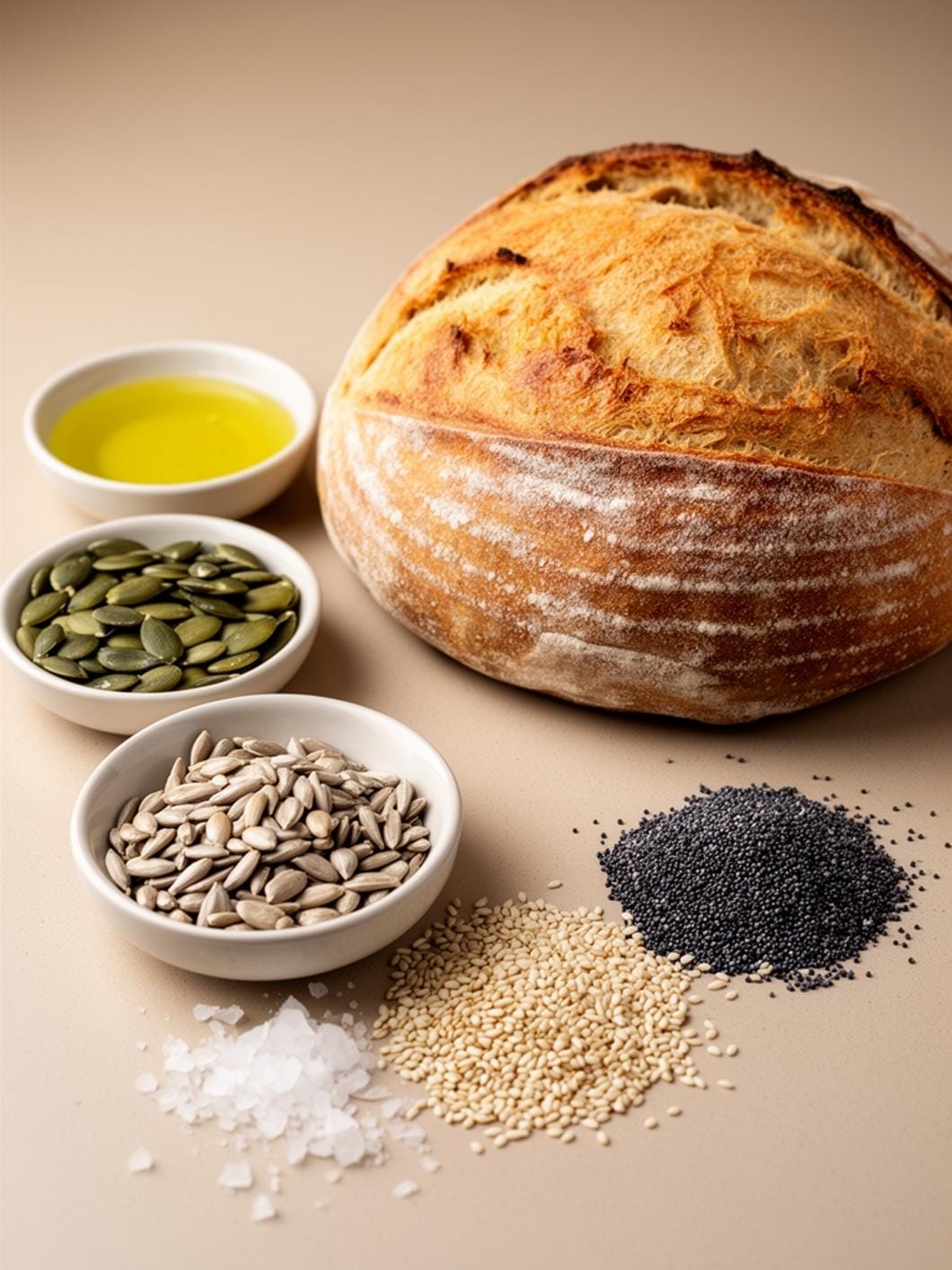
- 1 standard sourdough loaf (already prepared and ready for baking)
- 2 tablespoons pumpkin seeds
- 2 tablespoons sunflower seeds
- 1 tablespoon sesame seeds
- 1 tablespoon poppy seeds
- 1 teaspoon flaky sea salt (optional, for topping)
- 1 tablespoon olive oil or water (for adhesion)
For simple substitutions, feel free to adjust the types of seeds based on what you have on hand or what you prefer. Chia seeds, flax seeds, or even a mixed seed blend designed for baking would work wonderfully. If you don’t have flaky sea salt, regular coarse salt can be used, or you can omit it entirely if you prefer a less salty crust. The olive oil or water is simply to help the seeds adhere to the dough, so either option is perfectly fine.
Time Needed From Start To Finish
This recipe focuses on adding seeds to an already prepared sourdough loaf, meaning the active preparation time is minimal. The bulk of the sourdough process (mixing, rising, shaping) is assumed to be complete before you start this step.
- Prep Time: 5-10 minutes (for applying seeds)
- Cook Time: Varies based on your sourdough recipe (typically 30-45 minutes)
- Total Time: Approximately 35-55 minutes (including baking)
How To Make It Step By Step With Visual Cues
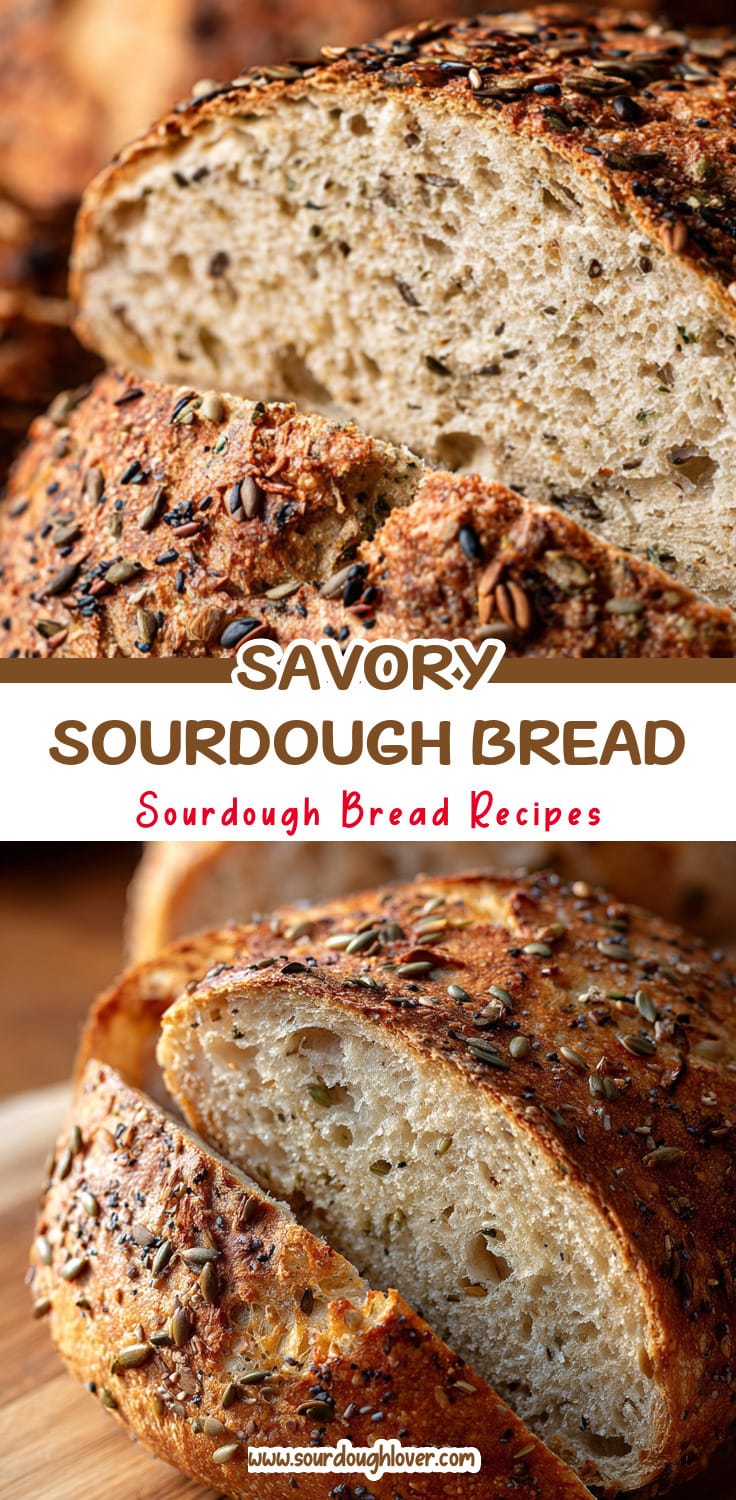
Adding seeds to your sourdough is a simple process that yields impressive results. Follow these steps for a beautifully crusted, savory loaf.
- Prepare Your Dough: Ensure your sourdough loaf is shaped and ready for its final proof or baking. If it’s coming out of the fridge after a cold proof, let it sit at room temperature for about 20-30 minutes while you prepare the seeds.
- Preheat Your Oven and Baking Vessel: Preheat your oven to the temperature specified in your sourdough recipe, usually around 450-500°F (230-260°C). Place your Dutch oven or baking stone inside to preheat as well.
- Prepare the Seed Mixture: In a small, shallow bowl or plate, combine the pumpkin seeds, sunflower seeds, sesame seeds, and poppy seeds. Stir them gently to ensure an even mix.
- Moisten the Dough Surface: Lightly brush the top surface of your shaped sourdough loaf with a thin layer of olive oil or water. This acts as a “glue” for the seeds. Don’t overdo it; just enough to make the surface slightly tacky.
- Apply the Seeds: Carefully invert the dough directly onto the plate of mixed seeds, pressing gently to ensure the seeds adhere. You can also sprinkle the seeds over the top and gently pat them into place if you prefer not to invert the dough.
- Score the Loaf: Using a sharp lame or razor blade, score the top of your seeded dough with your desired pattern. This helps the bread expand evenly during baking.
- Bake the Sourdough: Carefully transfer the seeded and scored dough into your preheated Dutch oven or onto your baking stone. Bake according to your sourdough recipe’s instructions, typically covered for the first 20-25 minutes and then uncovered for another 15-20 minutes, until deeply golden brown and cooked through.
- Cool Completely: Once baked, remove the loaf from the oven and transfer it to a wire rack to cool completely before slicing. This is crucial for the crumb structure and flavor development.
Easy Variations And Serving Ideas That Fit Real Life
This savory seeded sourdough is incredibly versatile and can be adapted for various tastes and occasions. For a kid-friendly twist, you might reduce the amount of poppy seeds, as some children find them less appealing, and focus on the larger, more recognizable seeds like sunflower and pumpkin. You could also add a sprinkle of grated Parmesan cheese along with the seeds for an extra savory, cheesy crust that’s often a hit with younger palates.
For party or buffet serving, slice the cooled bread into thick pieces and arrange them on a platter with a small bowl of high-quality olive oil for dipping, perhaps infused with garlic or herbs. It also pairs wonderfully with a charcuterie board, complementing various cheeses and cured meats. Consider serving it alongside a warm bowl of tomato soup or a hearty lentil stew for a comforting meal. For an easy lunch, use slices of this bread to make gourmet sandwiches – the sturdy crust and flavorful seeds hold up well to fillings. You can also toast slices and top them with avocado, a fried egg, or cream cheese and chives for a delicious breakfast or brunch.
Common Slip-Ups And How To Avoid Them
Even with a simple addition like seeds, a few common mistakes can impact your final loaf. One frequent slip-up is not moistening the dough enough before applying the seeds. If the surface isn’t tacky, the seeds won’t stick properly and will fall off during handling or baking. A light brush of water or olive oil is usually sufficient. Another error is over-moistening the dough, which can make the crust soggy or cause the seeds to clump together unevenly. Aim for a thin, even layer.
Applying too many seeds can also be an issue. While a generous coating is desirable, an excessive amount can prevent proper crust development or even burn during baking, leading to a bitter taste. Stick to the recommended amounts or adjust slightly based on your preference, ensuring a single, even layer. Finally, not allowing the bread to cool completely before slicing is a common mistake with any sourdough. Slicing hot bread can result in a gummy texture and doesn’t allow the internal structure to set properly. Patience is key for the best crumb.
How To Store It And Make It Ahead Without Ruining Texture
Storing your savory seeded sourdough correctly will help maintain its delicious flavor and texture for several days. Once the loaf has cooled completely, store it at room temperature. The best way to keep it fresh is to place it in a paper bag, which allows the crust to remain crisp while preventing the interior from drying out too quickly. For longer storage, you can wrap the bread tightly in plastic wrap or aluminum foil, then place it in a bread box or a large airtight container. This method will keep it fresh for 3-4 days.
If you want to make it ahead for even longer, this bread freezes beautifully. Once completely cooled, slice the loaf and place the slices in a freezer-safe bag or container, separating them with parchment paper to prevent sticking. You can also freeze the whole loaf. When ready to enjoy, simply thaw slices at room temperature or toast them directly from frozen. A whole loaf can be thawed at room temperature, then refreshed in a warm oven (around 350°F or 175°C for 10-15 minutes) to bring back its crisp crust. Freezing is an excellent way to ensure you always have delicious homemade sourdough on hand without compromising its texture.
Questions People Always Ask Before Making This Recipe
Can I use different types of seeds than what are listed?
Absolutely! This recipe is very flexible. Feel free to use any combination of seeds you enjoy, such as flax seeds, chia seeds, caraway seeds, or even a pre-mixed “everything bagel” seasoning blend.Do I need to toast the seeds before adding them to the dough?
No, it’s not necessary. The seeds will toast beautifully during the bread’s baking process, enhancing their flavor
FAQs
- Can I make these ahead? Yes—prep ahead, refrigerate, then serve when ready.
- How long do leftovers last? Store covered in the fridge for 3–4 days for best texture.
- Can I adjust sweetness? Yes—add more or less sweetener to taste.
- Can I change the fruit? Yes—swap strawberries for blueberries, raspberries, or sliced banana.