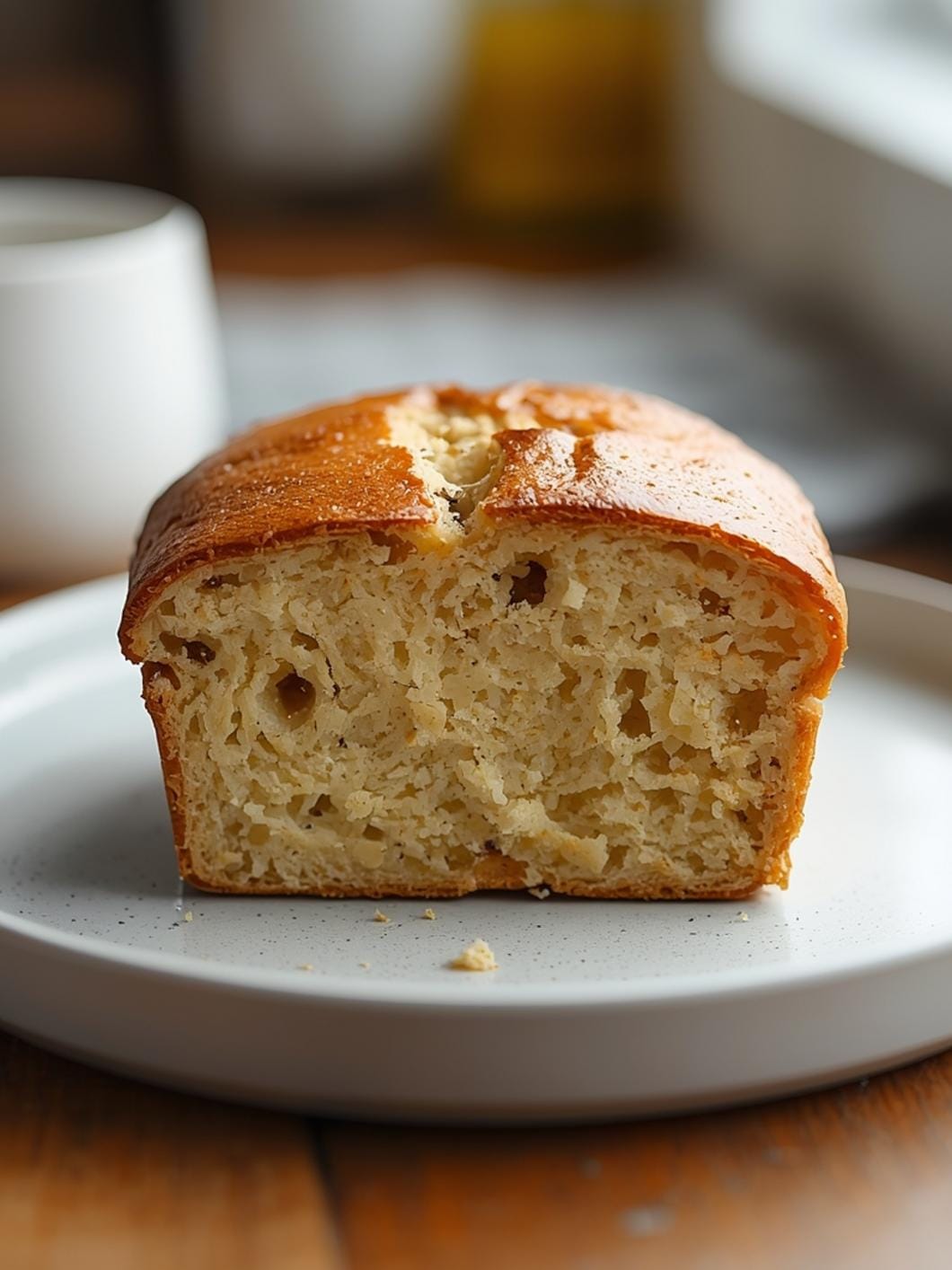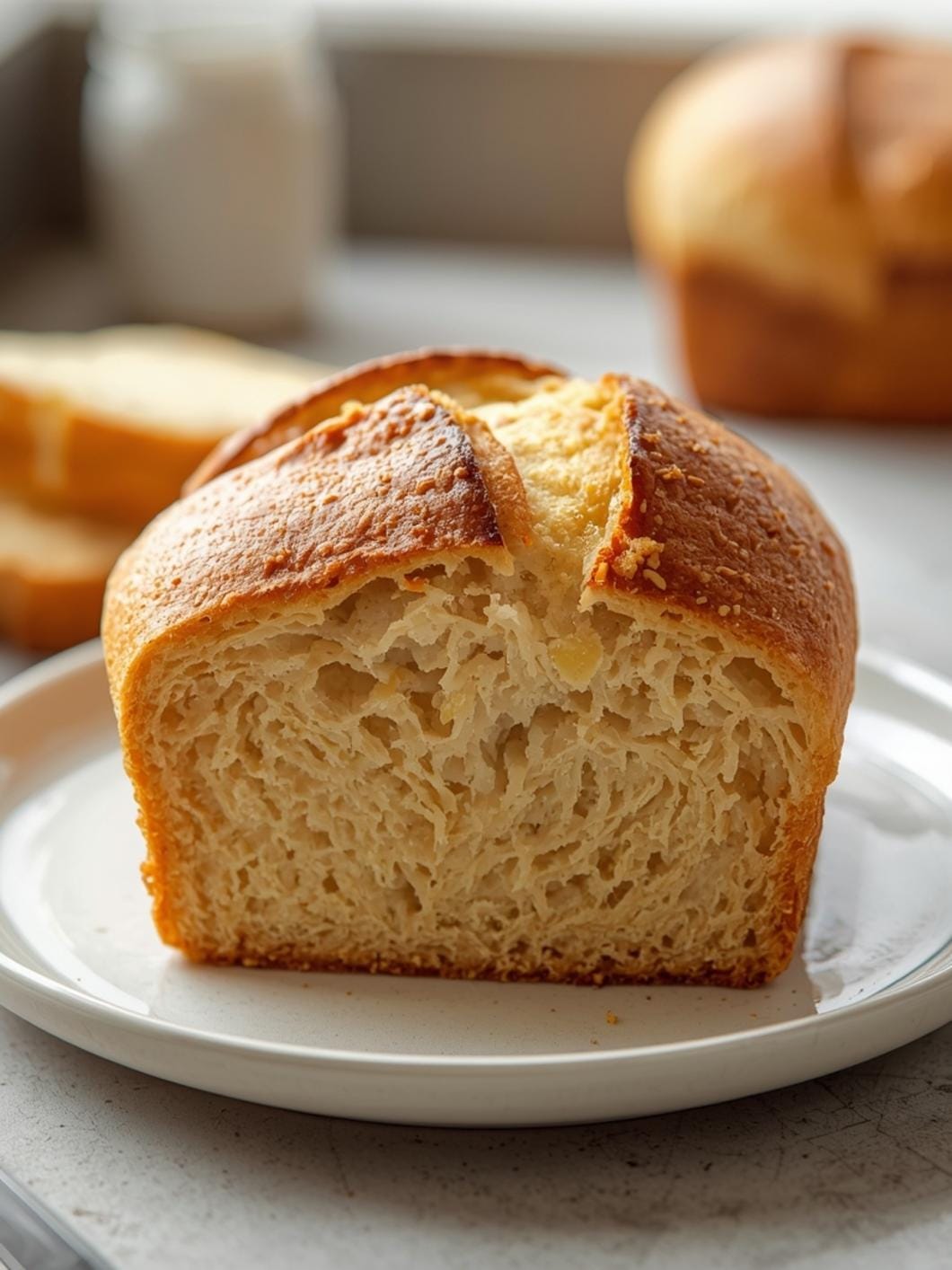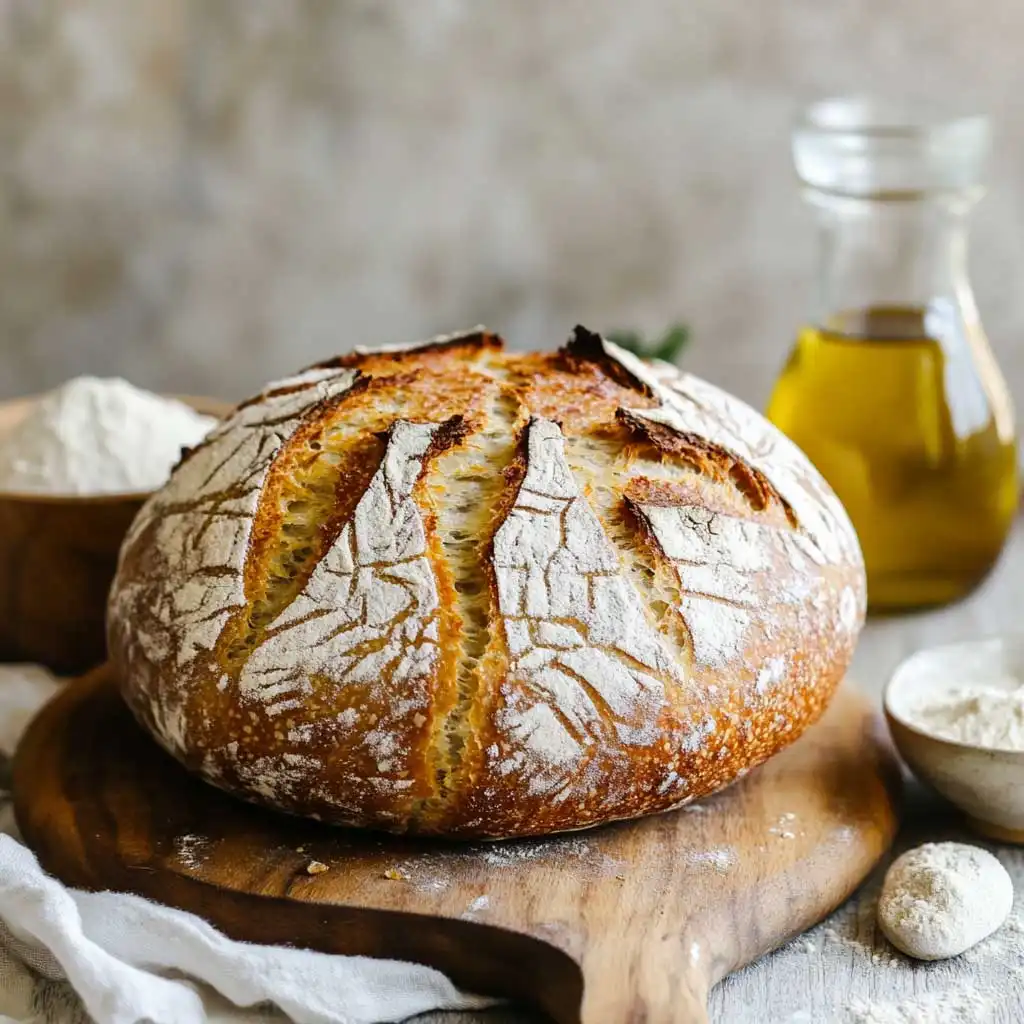

Elevate your homemade bread with this delicious sourdough parmesan bread recipe, perfect for adding a savory twist to your baking. This recipe is a fantastic way to use your sourdough starter and create flavorful loaves that are sure to impress.
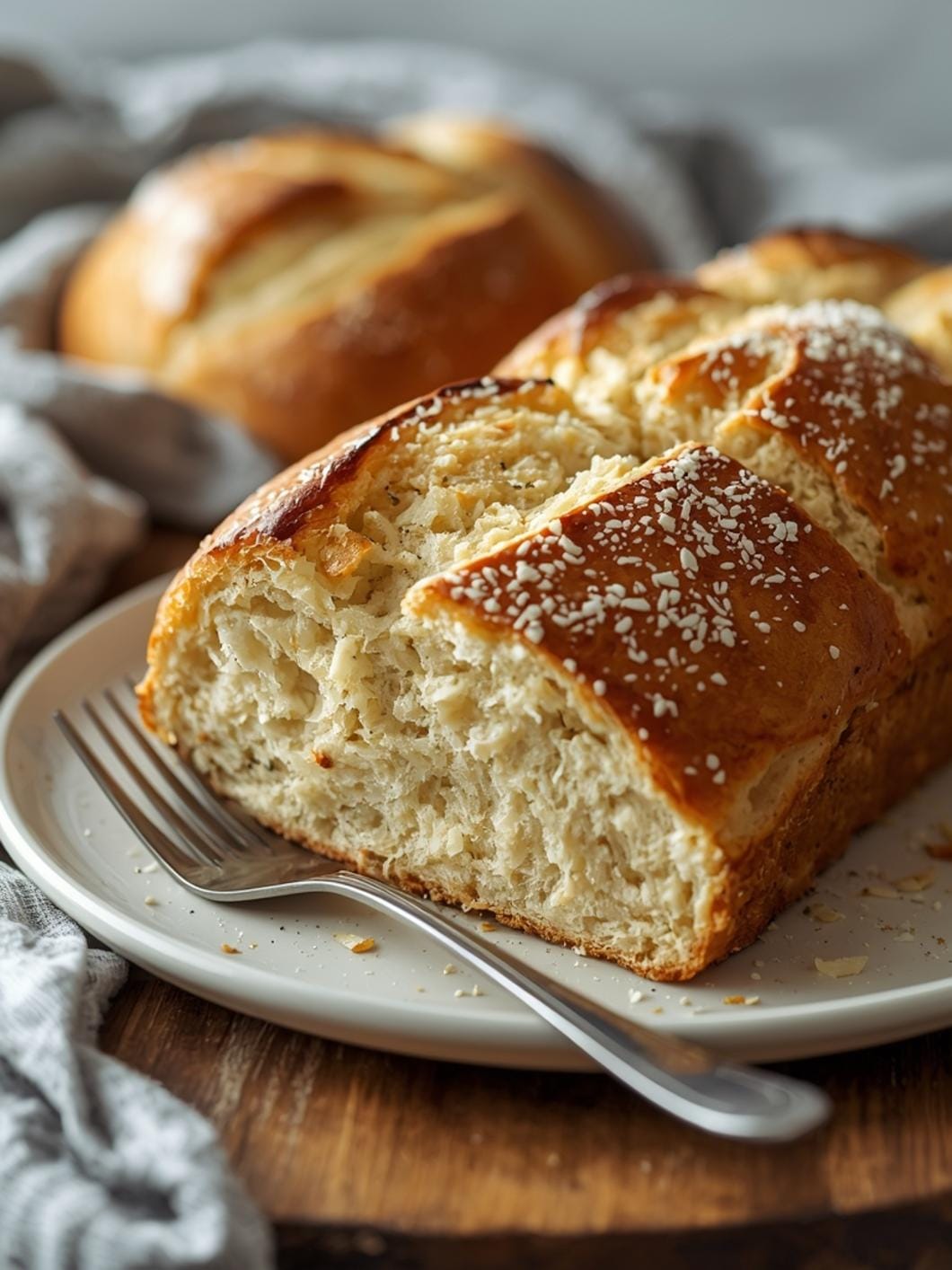
Discover the details on how to bake a truly satisfying and aromatic bread that’s perfect for any meal or snack. It’s simpler than you might think to achieve a professional-looking and tasting loaf right in your own kitchen.
Table of Contents
- What You’ll Love About This Quick And Easy Recipe
- Everything You Need To Make This Recipe Without Stress
- Time Needed From Start To Finish
- How To Make It Step By Step With Visual Cues
- Easy Variations And Serving Ideas That Fit Real Life
- Common Slip-Ups And How To Avoid Them
- How To Store It And Make It Ahead Without Ruining Texture

Sourdough Parmesan Bread
- Total Time: 3-4 hours
- Yield: 1 loaf 1x
Description
Elevate your homemade bread with this delicious sourdough parmesan bread recipe, perfect for adding a savory twist to your baking. This recipe is a fantastic way to use your sourdough starter and create flavorful loaves that are sure to impress. Discover the details on how to bake a truly satisfying and aromatic bread that’s perfect for any meal or snack. It’s simpler than you might think to achieve a professional-looking and tasting loaf right in your own kitchen.
Ingredients
Instructions
1. 1. Activate the Yeast and Combine Wet Ingredients: In a large mixing bowl, combine the warm water and active dry yeast. Stir gently and let it sit for 5 minutes until the yeast becomes foamy. This indicates it’s active. Then, add your active sourdough starter, salt, and olive oil to the bowl. Stir everything together until well combined.
2. 2. Mix in Flour and Parmesan: Gradually add the all-purpose flour, one cup at a time, mixing with a wooden spoon or a stand mixer with a dough hook until a shaggy dough forms. Once most of the flour is incorporated, add 3/4 cup of the grated Parmesan cheese and the chopped rosemary (if using). Continue to mix until the dough comes together and pulls away from the sides of the bowl.
3. 3. Knead the Dough: Turn the dough out onto a lightly floured surface. Knead for 8-10 minutes until the dough is smooth and elastic. It should spring back when gently poked. If using a stand mixer, knead on medium speed for about 6-8 minutes.
4. 4. First Rise (Bulk Fermentation): Lightly grease a clean large bowl with olive oil. Place the kneaded dough into the bowl, turning it once to coat the top. Cover the bowl with plastic wrap or a clean kitchen towel and let it rise in a warm place for 2-3 hours, or until doubled in size. The exact time will depend on the temperature of your kitchen and the activity of your starter.
5. 5. Shape the Loaf and Second Rise: Gently punch down the risen dough to release the air. Turn it out onto a lightly floured surface and shape it into a round or oval loaf. Place the shaped loaf on a baking sheet lined with parchment paper. Sprinkle the remaining 1/4 cup of Parmesan cheese over the top of the loaf. Cover loosely with plastic wrap or a clean towel and let it rise again for 30-45 minutes, or until noticeably puffy.
6. 6. Preheat Oven and Bake: While the dough is on its second rise, preheat your oven to 400 F (200 C). Once the oven is preheated and the loaf has risen, place the baking sheet in the oven. Bake for 30-35 minutes, or until the crust is golden brown and the internal temperature reaches 200-210 F (93-99 C) when checked with an instant-read thermometer.
7. 7. Cool Before Slicing: Once baked, remove the bread from the oven and transfer it to a wire rack to cool completely before slicing. This is crucial for the texture and flavor to fully develop.
- Prep Time: 20 minutes
- Cook Time: 30-35 minutes
- Category: bread
- Method: baking
- Cuisine: american
Nutrition
- Serving Size: 1 slice
Keywords: sourdough, parmesan, bread, savory, homemade, baking, easy, starter, rosemary, cheese
What You’ll Love About This Quick And Easy Recipe
This sourdough parmesan bread recipe is a true winner for anyone looking to add a touch of gourmet flavor to their home baking without a lot of fuss. It’s perfect for both seasoned sourdough bakers and those who are just starting out with their active starter. The addition of parmesan cheese brings a wonderful savory depth and a slightly crispy crust that makes every bite irresistible. You’ll love how this bread transforms a simple meal into something special, whether it’s served alongside a hearty soup, a fresh salad, or simply enjoyed with a smear of butter. It’s also an excellent choice for a weekend brunch or as an appetizer for a casual get-together with friends and family. The aroma alone as it bakes will have everyone gathering in the kitchen!
Everything You Need To Make This Recipe Without Stress
Gathering your ingredients is the first step to creating this delightful savory bread. You’ll find that most of these items are likely already in your pantry or easily accessible at any grocery store. The key is using a good quality parmesan cheese for the best flavor.
INGREDIENTS:
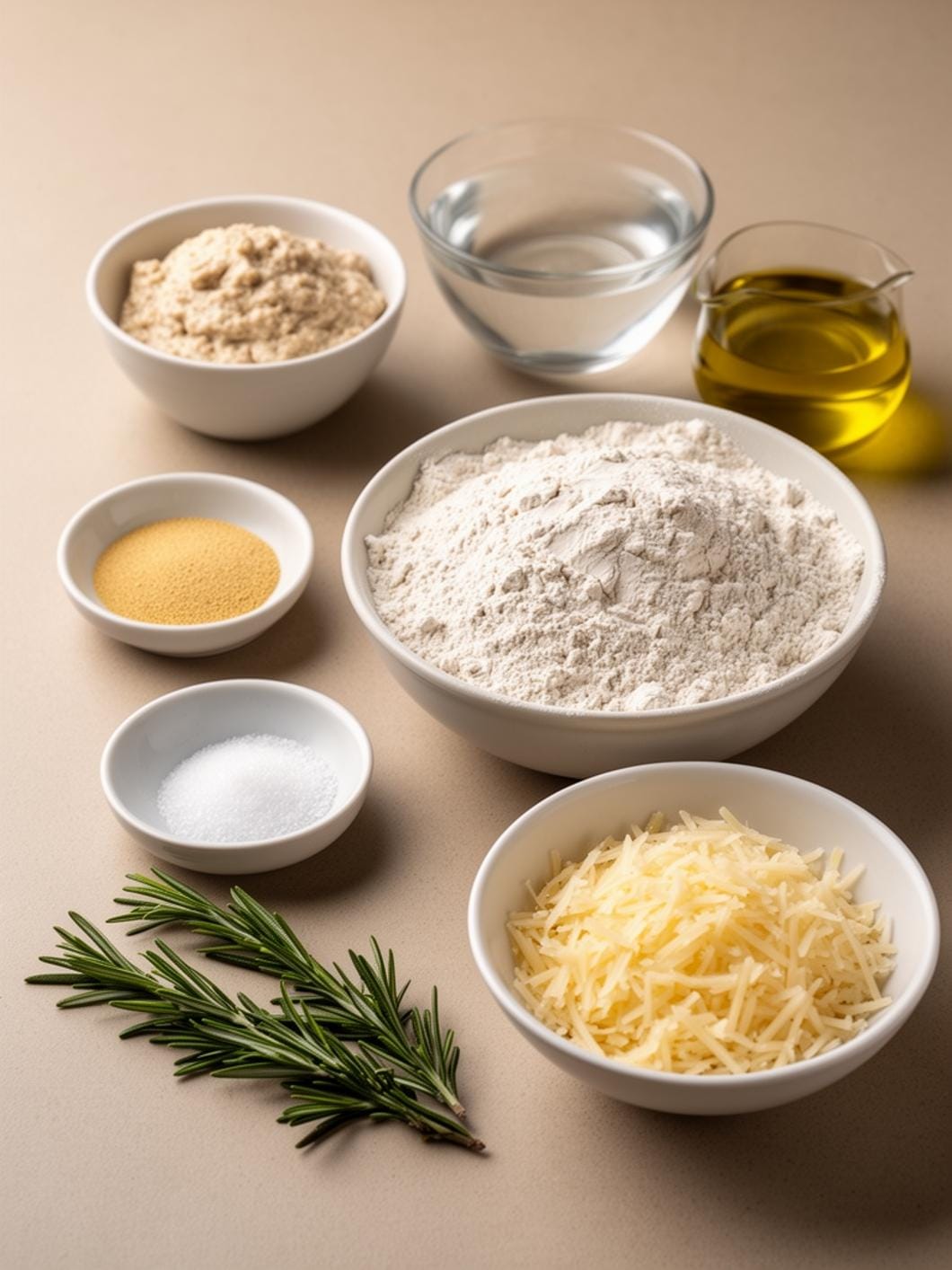
- 1 cup active sourdough starter (fed and bubbly)
- 1 1/2 cups warm water (about 95-105°F)
- 1 teaspoon active dry yeast
- 2 teaspoons salt
- 1 tablespoon olive oil, plus more for greasing
- 4 cups all-purpose flour, plus more for dusting
- 1 cup grated Parmesan cheese, divided
- 1 tablespoon fresh rosemary, chopped (optional)
For the best results, use an active sourdough starter that has been fed within the last 4-8 hours and is showing plenty of bubbles. If you don’t have fresh rosemary, dried rosemary can be used, but reduce the amount to 1 teaspoon. Feel free to experiment with other hard, salty cheeses like Pecorino Romano if parmesan isn’t available, or even a blend for a more complex flavor profile.
Time Needed From Start To Finish
While sourdough baking often implies long waiting times, this recipe is designed to be relatively straightforward and manageable for a busy schedule.
- Prep Time: 20 minutes
- Rise Time: 2-3 hours (first rise), 30-45 minutes (second rise)
- Bake Time: 30-35 minutes
- Total Active Time: Approximately 20 minutes
- Total Overall Time: Approximately 3-4 hours (including rise times)
How To Make It Step By Step With Visual Cues
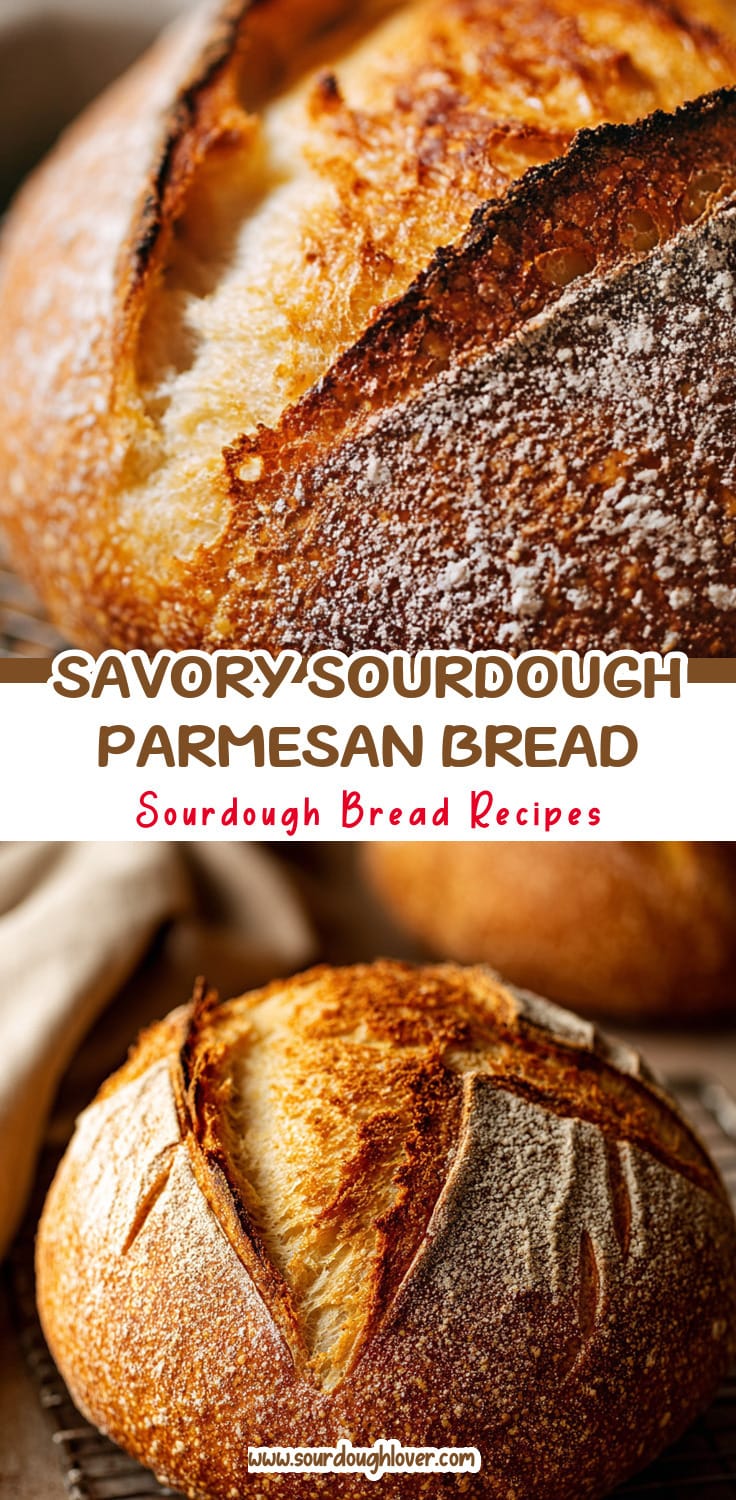
Creating this savory sourdough parmesan bread is a rewarding process. Follow these steps carefully for a delicious loaf.
- Activate the Yeast and Combine Wet Ingredients: In a large mixing bowl, combine the warm water and active dry yeast. Stir gently and let it sit for 5 minutes until the yeast becomes foamy. This indicates it’s active. Then, add your active sourdough starter, salt, and olive oil to the bowl. Stir everything together until well combined.
- Mix in Flour and Parmesan: Gradually add the all-purpose flour, one cup at a time, mixing with a wooden spoon or a stand mixer with a dough hook until a shaggy dough forms. Once most of the flour is incorporated, add 3/4 cup of the grated Parmesan cheese and the chopped rosemary (if using). Continue to mix until the dough comes together and pulls away from the sides of the bowl.
- Knead the Dough: Turn the dough out onto a lightly floured surface. Knead for 8-10 minutes until the dough is smooth and elastic. It should spring back when gently poked. If using a stand mixer, knead on medium speed for about 6-8 minutes.
- First Rise (Bulk Fermentation): Lightly grease a clean large bowl with olive oil. Place the kneaded dough into the bowl, turning it once to coat the top. Cover the bowl with plastic wrap or a clean kitchen towel and let it rise in a warm place for 2-3 hours, or until doubled in size. The exact time will depend on the temperature of your kitchen and the activity of your starter.
- Shape the Loaf and Second Rise: Gently punch down the risen dough to release the air. Turn it out onto a lightly floured surface and shape it into a round or oval loaf. Place the shaped loaf on a baking sheet lined with parchment paper. Sprinkle the remaining 1/4 cup of Parmesan cheese over the top of the loaf. Cover loosely with plastic wrap or a clean towel and let it rise again for 30-45 minutes, or until noticeably puffy.
- Preheat Oven and Bake: While the dough is on its second rise, preheat your oven to 400°F (200°C). Once the oven is preheated and the loaf has risen, place the baking sheet in the oven. Bake for 30-35 minutes, or until the crust is golden brown and the internal temperature reaches 200-210°F (93-99°C) when checked with an instant-read thermometer.
- Cool Before Slicing: Once baked, remove the bread from the oven and transfer it to a wire rack to cool completely before slicing. This is crucial for the texture and flavor to fully develop.
Easy Variations And Serving Ideas That Fit Real Life
This savory sourdough parmesan bread is incredibly versatile and can be adapted to suit various tastes and occasions. For a kid-friendly twist, you can omit the rosemary or add a pinch of garlic powder to the dough for a milder flavor.
- Herb Combinations: Instead of rosemary, try adding dried oregano, thyme, or an Italian herb blend to the dough. Fresh chives or finely chopped green onions would also be delicious.
- Spice It Up: For a little kick, incorporate a pinch of red pepper flakes into the dough.
- Cheesy Crust: Before baking, brush the top of the loaf with a little olive oil and sprinkle with extra Parmesan for an even crispier, cheesier crust.
- Garlic Infusion: Mix 1-2 cloves of minced garlic into the dough along with the Parmesan for a wonderful garlic bread flavor.
- Serving Suggestions: This bread is phenomenal served warm with a bowl of homemade tomato soup or a hearty minestrone. It also makes fantastic grilled cheese sandwiches or croutons for salads. For a simple appetizer, slice it and serve with olive oil and balsamic vinegar for dipping, or alongside a charcuterie board. It’s also perfect for sopping up sauces from pasta dishes.
Common Slip-Ups And How To Avoid Them
Even experienced bakers can encounter small challenges. Here are some common issues and how to steer clear of them for perfect sourdough parmesan bread every time.
- Inactive Sourdough Starter: If your starter isn’t active and bubbly, your bread won’t rise properly. Make sure to feed your starter 4-8 hours before you plan to bake and ensure it’s at its peak activity.
- Over-flouring the Dough: Adding too much flour can result in a dense, dry loaf. Add flour gradually and stop once the dough is no longer excessively sticky and can be handled. The dough should still be slightly tacky.
- Not Enough Kneading: Undern-kneaded dough won’t develop enough gluten, leading to a crumbly texture. Knead until the dough is smooth and elastic.
- Improper Rising Conditions: If your kitchen is too cold, the dough will take much longer to rise, or may not rise sufficiently. Find a warm spot, like near a sunny window, or use your oven with just the light on (not heated) to create a warmer environment.
- Slicing Too Soon: Cutting into hot bread can ruin its texture, making it gummy inside. Always allow the bread to cool completely on a wire rack before slicing to ensure the internal structure sets properly.
- Over-baking or Under-baking: An under-baked loaf will be doughy, while an over-baked one will be dry. Use an instant-read thermometer to check for doneness (200-210°F internal temperature) and rely on the golden-brown crust as a visual cue.
How To Store It And Make It Ahead Without Ruining Texture
Proper storage is key to keeping your sourdough parmesan bread fresh and delicious.
- Room Temperature Storage: Once completely cooled, store the bread in an airtight container or a bread box at room temperature for up to 3-4 days. You can also wrap it tightly in plastic wrap or aluminum foil.
- Freezing for Longer Storage: For longer storage, slice the cooled bread and place the slices in a freezer-safe bag or container, separating layers with parchment paper to prevent sticking. It will keep well in the freezer for up to 3
FAQs
- Can I make these ahead? Yes—prep ahead, refrigerate, then serve when ready.
- How long do leftovers last? Store covered in the fridge for 3–4 days for best texture.
- Can I adjust sweetness? Yes—add more or less sweetener to taste.
- Can I change the fruit? Yes—swap strawberries for blueberries, raspberries, or sliced banana.