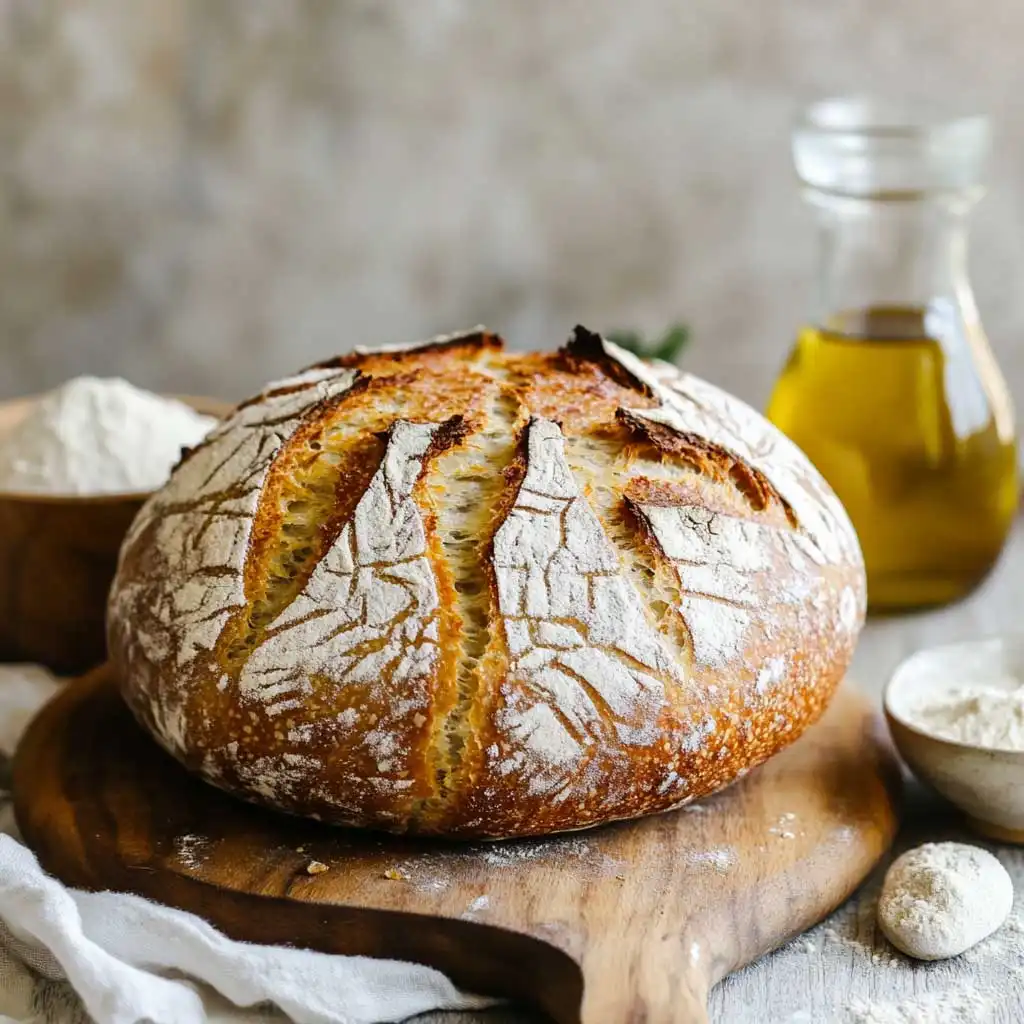

Creating a beautiful and flavorful seeded sourdough bread at home might seem like a daunting task, but with this straightforward recipe, you’ll be baking like a pro in no time. This guide is designed for home bakers who want to achieve that perfect crusty exterior and chewy, airy interior, all studded with delicious seeds.
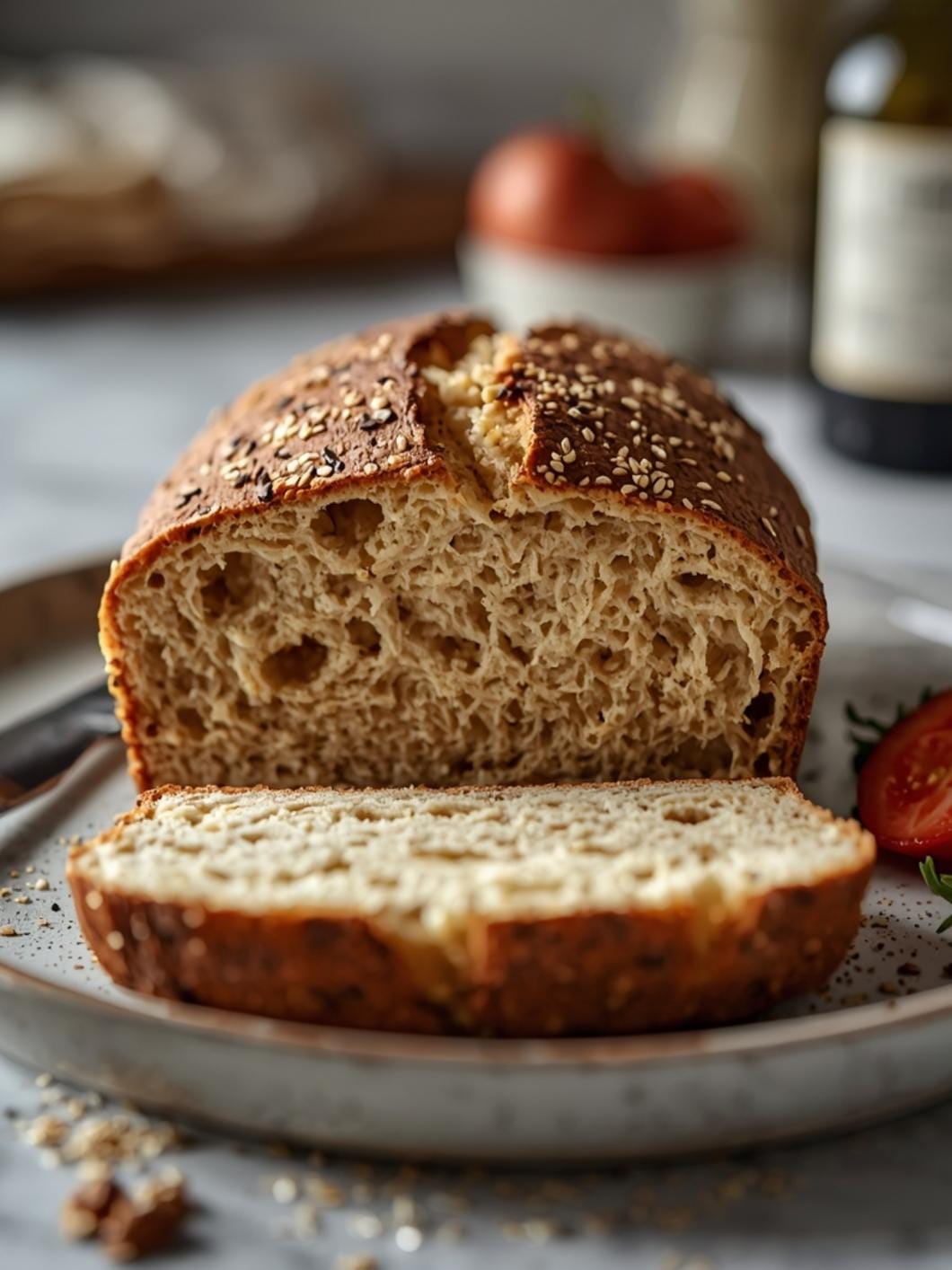
Get ready to fill your kitchen with the irresistible aroma of freshly baked bread. This recipe breaks down the process into easy-to-follow steps, ensuring a successful loaf whether you’re a seasoned sourdough enthusiast or just starting your baking journey.
Table of Contents
- What You’ll Love About This Quick And Easy Recipe
- Everything You Need To Make This Recipe Without Stress
- Time Needed From Start To Finish
- How To Make It Step By Step With Visual Cues
- Easy Variations And Serving Ideas That Fit Real Life
- Common Slip-Ups And How To Avoid Them
- How To Store It And Make It Ahead Without Ruining Texture

Seeded Sourdough Bread
- Total Time: 13-19 hours (mostly passive)
- Yield: 1 loaf 1x
Description
This recipe guides you through baking a beautiful and flavorful seeded sourdough bread with a perfect crusty exterior and chewy, airy interior, studded with delicious seeds. It’s designed for home bakers of all levels, providing easy-to-follow steps for a successful loaf.
Ingredients
Instructions
1. Combine Starter and Water: In a large mixing bowl, gently combine the active sourdough starter with the warm water. Use a Danish dough whisk or your hand to break up the starter until it’s mostly dissolved in the water. The mixture should look milky and slightly frothy.
2. Mix in Flour and Salt: Add the bread flour and fine sea salt to the bowl. Mix with your hand until all the flour is hydrated and no dry spots remain. The dough will be shaggy and sticky. Cover the bowl with a damp kitchen towel or plastic wrap and let it rest for 30 minutes (this is called autolyse, which helps the flour absorb water).
3. Incorporate Seeds and Perform Stretch and Folds: After the rest, sprinkle the mixed seeds over the dough. Begin the first set of “stretch and folds.” With wet hands, grab a portion of the dough from one side, stretch it upwards, and fold it over to the opposite side of the bowl. Rotate the bowl a quarter turn and repeat. Do this 4-6 times until the dough feels slightly stronger. Cover and let rest for 30 minutes. Repeat this stretch and fold process 3-4 more times over the next 2-3 hours, incorporating the seeds evenly and building dough strength.
4. Bulk Fermentation: After the final set of stretch and folds, cover the bowl and let the dough ferment at room temperature for 2-4 more hours, or until it has increased in volume by about 30-50% and looks bubbly. The exact time will depend on your room temperature and starter’s activity.
5. Shape the Dough: Gently turn the dough out onto a lightly floured surface. Shape it into a round or oval. If desired, lightly mist the top of the dough with water and sprinkle with extra seeds for topping, pressing them gently to adhere. Carefully transfer the shaped dough, seam-side up, into a floured banneton basket or a bowl lined with a floured kitchen towel.
6. Cold Proofing: Cover the banneton with plastic wrap or a shower cap and place it in the refrigerator for 8-12 hours, or even up to 24 hours. This cold proofing slows down fermentation, develops flavor, and makes the dough easier to handle.
7. Preheat Oven and Dutch Oven: About an hour before baking, place your Dutch oven (with its lid) into your oven and preheat to 450F (230C). This ensures the Dutch oven is scorching hot, which is crucial for a good crust.
8. Bake the Bread: Carefully remove the hot Dutch oven from the oven. Gently invert the cold dough from the banneton into the hot Dutch oven. Score the top of the dough with a sharp knife or a bread lame (a single slash or a simple pattern works well). Cover with the lid and bake for 30 minutes. Remove the lid and continue to bake for another 10-15 minutes, or until the crust is deeply golden brown and the internal temperature reaches 200-210F (93-99C).
9. Cool Completely: Carefully remove the bread from the Dutch oven and transfer it to a wire rack. Let it cool completely for at least 1-2 hours before slicing. This allows the internal structure to set and prevents a gummy texture.
- Prep Time: 20-25 minutes
- Cook Time: 40-45 minutes
- Category: bread
- Method: baking
- Cuisine: european
Nutrition
- Serving Size: 1 slice
Keywords: sourdough, bread, seeded, homemade, baking, crusty, chewy, artisan, starter, fermented
What You’ll Love About This Quick And Easy Recipe
This seeded sourdough bread recipe is a true winner for anyone looking to bake a hearty and flavorful loaf without unnecessary complications. It’s perfect for busy individuals and families who appreciate homemade goodness but need a reliable, step-by-step approach. You’ll love the satisfying chewiness of the crumb, the delightful crunch from the seeds, and the incredible aroma that fills your home as it bakes. This bread is fantastic for everyday enjoyment, whether you’re making sandwiches, toasting it for breakfast, or serving it alongside a comforting soup or salad for dinner. It’s also an impressive addition to any brunch spread or a thoughtful gift for friends and neighbors.
Everything You Need To Make This Recipe Without Stress
Gathering your ingredients beforehand makes the baking process smooth and enjoyable. This recipe uses common pantry staples along with a vibrant mix of seeds to give your sourdough that extra layer of flavor and texture.
INGREDIENTS:
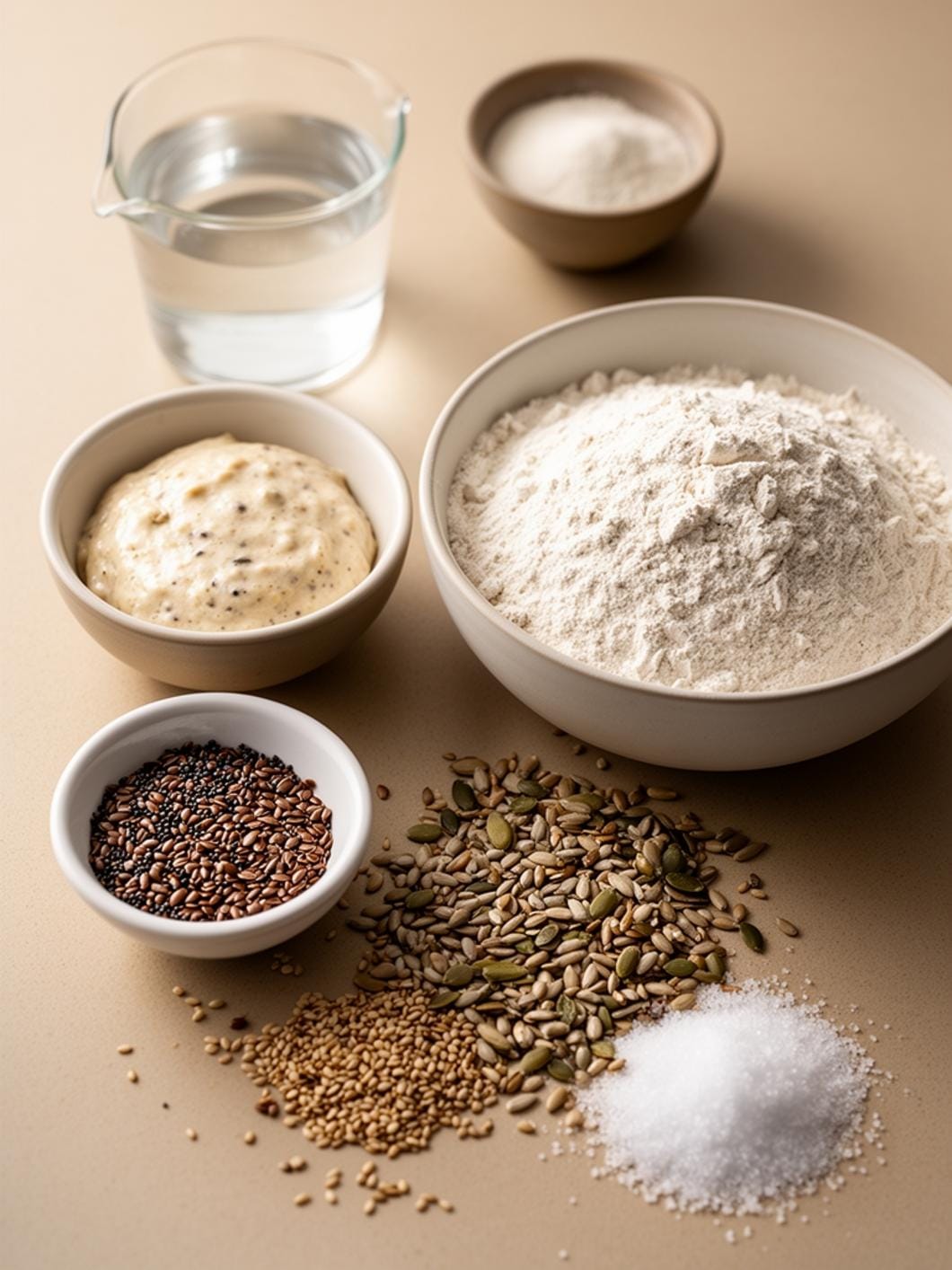
- 150 grams active sourdough starter
- 350 grams warm water (around 90-95°F)
- 500 grams bread flour
- 10 grams fine sea salt
- 2 tablespoons mixed seeds (e.g., flax, sesame, poppy, sunflower, pumpkin)
- Extra seeds for topping (optional)
When it comes to substitutions, feel free to experiment with different types of seeds based on your preference. A blend of flax, sesame, and sunflower seeds works beautifully, but you can also include pumpkin seeds or chia seeds for added nutrition and texture. For the flour, while bread flour is recommended for its higher protein content, which contributes to a chewier crumb, unbleached all-purpose flour can be used in a pinch, though the texture might be slightly different. Ensure your sourdough starter is active and bubbly; this is crucial for a good rise. If you don’t have a scale, you can estimate the water and flour, but for best results, a kitchen scale is highly recommended for sourdough baking.
Time Needed From Start To Finish
While sourdough baking involves several stages, the active hands-on time for this recipe is surprisingly minimal. The bulk of the time is spent waiting for the dough to ferment and proof.
- Active Prep Time: 20-25 minutes (mixing, folding, shaping)
- Bulk Fermentation: 4-6 hours (depending on room temperature and starter activity)
- Cold Proofing: 8-12 hours (or up to 24 hours)
- Bake Time: 40-45 minutes
- Total Time: Approximately 13-19 hours (mostly passive waiting time)
How To Make It Step By Step With Visual Cues

Follow these steps carefully to create a beautiful and delicious seeded sourdough loaf. The key is patience and gentle handling of the dough.
- Combine Starter and Water: In a large mixing bowl, gently combine the active sourdough starter with the warm water. Use a Danish dough whisk or your hand to break up the starter until it’s mostly dissolved in the water. The mixture should look milky and slightly frothy.
- Mix in Flour and Salt: Add the bread flour and fine sea salt to the bowl. Mix with your hand until all the flour is hydrated and no dry spots remain. The dough will be shaggy and sticky. Cover the bowl with a damp kitchen towel or plastic wrap and let it rest for 30 minutes (this is called autolyse, which helps the flour absorb water).
- Incorporate Seeds and Perform Stretch and Folds: After the rest, sprinkle the mixed seeds over the dough. Begin the first set of “stretch and folds.” With wet hands, grab a portion of the dough from one side, stretch it upwards, and fold it over to the opposite side of the bowl. Rotate the bowl a quarter turn and repeat. Do this 4-6 times until the dough feels slightly stronger. Cover and let rest for 30 minutes. Repeat this stretch and fold process 3-4 more times over the next 2-3 hours, incorporating the seeds evenly and building dough strength.
- Bulk Fermentation: After the final set of stretch and folds, cover the bowl and let the dough ferment at room temperature for 2-4 more hours, or until it has increased in volume by about 30-50% and looks bubbly. The exact time will depend on your room temperature and starter’s activity.
- Shape the Dough: Gently turn the dough out onto a lightly floured surface. Shape it into a round or oval. If desired, lightly mist the top of the dough with water and sprinkle with extra seeds for topping, pressing them gently to adhere. Carefully transfer the shaped dough, seam-side up, into a floured banneton basket or a bowl lined with a floured kitchen towel.
- Cold Proofing: Cover the banneton with plastic wrap or a shower cap and place it in the refrigerator for 8-12 hours, or even up to 24 hours. This cold proofing slows down fermentation, develops flavor, and makes the dough easier to handle.
- Preheat Oven and Dutch Oven: About an hour before baking, place your Dutch oven (with its lid) into your oven and preheat to 450°F (230°C). This ensures the Dutch oven is scorching hot, which is crucial for a good crust.
- Bake the Bread: Carefully remove the hot Dutch oven from the oven. Gently invert the cold dough from the banneton into the hot Dutch oven. Score the top of the dough with a sharp knife or a bread lame (a single slash or a simple pattern works well). Cover with the lid and bake for 30 minutes. Remove the lid and continue to bake for another 10-15 minutes, or until the crust is deeply golden brown and the internal temperature reaches 200-210°F (93-99°C).
- Cool Completely: Carefully remove the bread from the Dutch oven and transfer it to a wire rack. Let it cool completely for at least 1-2 hours before slicing. This allows the internal structure to set and prevents a gummy texture.
Easy Variations And Serving Ideas That Fit Real Life
This seeded sourdough is incredibly versatile and can be adapted to suit various tastes and occasions. For a different flavor profile, consider adding dried herbs like rosemary or thyme to the dough along with the seeds. You could also swap out some of the bread flour for whole wheat flour (up to 100 grams) for a nuttier, denser loaf.
For serving, this bread shines in many ways. It makes an exceptional base for avocado toast, topped with a sprinkle of flaky sea salt and red pepper flakes. Use thick slices for hearty sandwiches with your favorite deli meats and cheeses. It’s also wonderful simply dipped in good quality olive oil and balsamic vinegar. For a quick snack, toast a slice and spread it with butter or cream cheese. If you have kids, they often enjoy “soldiers” – strips of toasted sourdough – for dipping into soft-boiled eggs. For a party or buffet, slice the loaf and arrange it with a cheese board, charcuterie, or a selection of dips like hummus or spinach artichoke dip.
Common Slip-Ups And How To Avoid Them
Even experienced bakers can encounter challenges with sourdough, but many common issues are easily preventable. One frequent mistake is not using an active starter. Your starter should be bubbly and double in size after being fed before you use it. If it’s sluggish, feed it a few times until it’s vibrant.
Another common slip-up is over-proofing or under-proofing the dough during bulk fermentation. Over-proofed dough will be very slack and difficult to shape, potentially collapsing in the oven. Under-proofed dough will result in a dense crumb with large, irregular holes. Pay attention to the dough’s volume increase and its texture – it should feel airy and slightly jiggly.
Not preheating your Dutch oven sufficiently can lead to a less-than-crispy crust. Ensure it’s in the oven for at least 45-60 minutes at the full temperature. Lastly, slicing the bread before it has fully cooled is a common mistake. While tempting, cutting into hot sourdough can result in a gummy texture. Patience is key for that perfect crumb!
How To Store It And Make It Ahead Without Ruining Texture
Proper storage is essential to keep your homemade seeded sourdough fresh and delicious. Once completely cooled, store the loaf at room temperature. For the first day or two, simply place it cut-side down on a cutting board or wrap it loosely in a clean kitchen towel. This helps maintain the crust’s crispness. For longer storage, or if you’ve already sliced it, place the bread in an airtight

FAQs
- Can I make these ahead? Yes—prep ahead, refrigerate, then serve when ready.
- How long do leftovers last? Store covered in the fridge for 3–4 days for best texture.
- Can I adjust sweetness? Yes—add more or less sweetener to taste.
- Can I change the fruit? Yes—swap strawberries for blueberries, raspberries, or sliced banana.