
Keeping a sourdough starter happy and healthy doesn’t have to be complicated. In fact, with a consistent routine, it becomes a simple and satisfying part of your day.
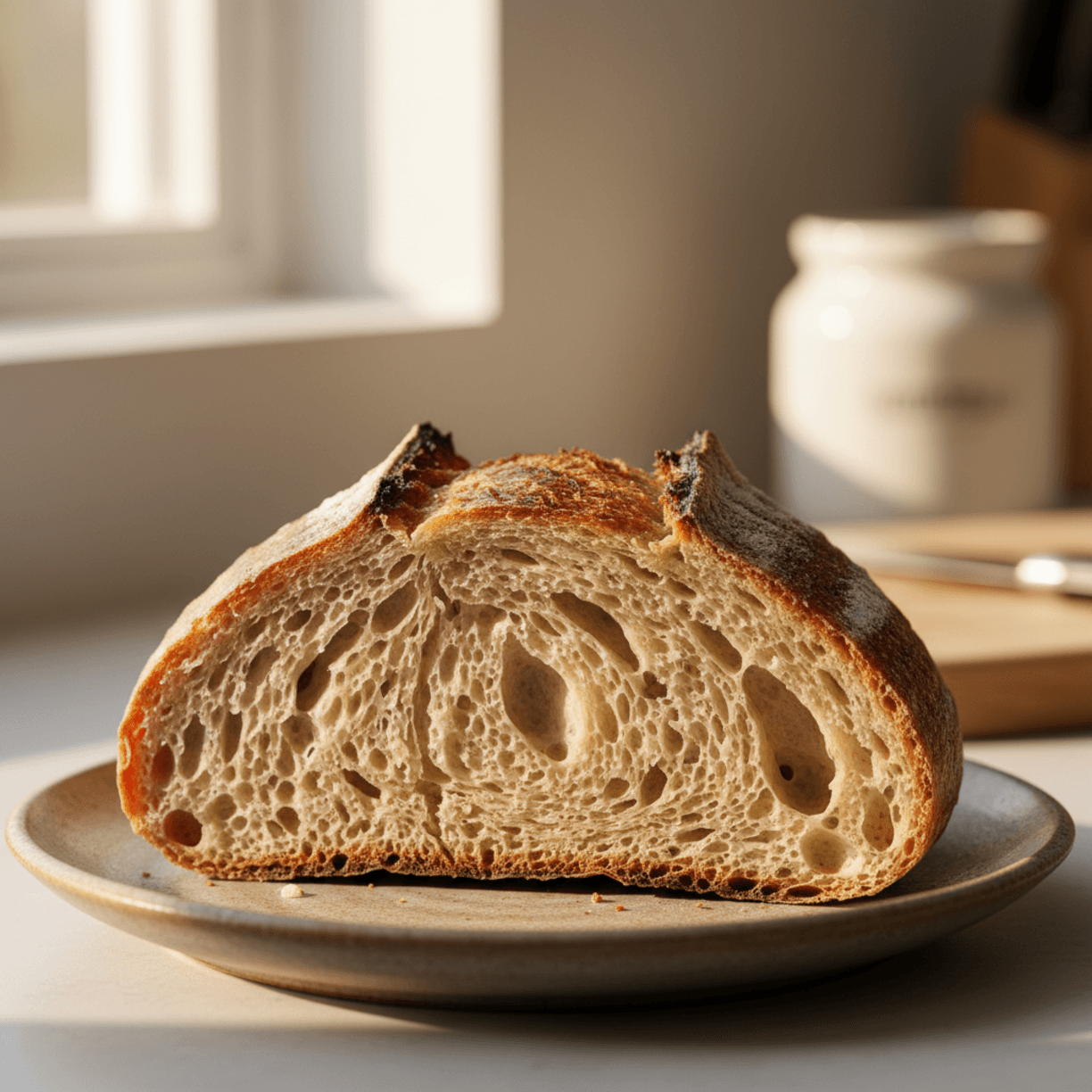
This guide will walk you through a straightforward daily feeding process, ensuring your starter is always vibrant and ready to create delicious, airy sourdough bread.
Whether you’re a seasoned baker or just starting your sourdough journey, mastering the daily feed is key to success. We’ll break down each step, making it easy to understand and integrate into your kitchen rhythm, setting you up for countless loaves of homemade goodness.
Table of Contents
- What You’ll Love About This Quick And Easy Recipe
- Everything You Need To Make This Recipe Without Stress
- Time Needed From Start To Finish
- How To Make It Step By Step With Visual Cues
- Easy Variations And Serving Ideas That Fit Real Life
- Common Slip-Ups And How To Avoid Them
- How To Store It And Make It Ahead Without Ruining Texture
Daily Sourdough Starter Feeding Routine
- Total Time: 2-3 minutes (daily hands-on)
- Yield: 1 active sourdough starter
Description
This guide provides a straightforward daily feeding process for sourdough starter, ensuring it remains vibrant and ready for baking. It covers essential steps, tips for success, and common pitfalls to avoid, making sourdough maintenance simple for all skill levels.
Ingredients
Instructions
1. Assess Your Starter’s Current State: Before feeding, check for bubbles and a pleasant yeasty, slightly sour smell. If flat or smelling strongly of acetone, it needs feeding.
2. Prepare for the Feed: Gather a clean jar, your active starter, flour, and water. A kitchen scale is recommended for precise measurements.
3. Discard Most of the Starter: Scoop out all but about 1-2 tablespoons (20-30 grams) of your active starter. Discard the excess or use it in discard recipes.
4. Add Fresh Water: To the remaining starter, add an equal weight of room temperature filtered water (e.g., 20 grams water to 20 grams starter). Stir well until dissolved and no lumps remain.
5. Incorporate the Flour: Add an equal weight of flour (e.g., 20 grams flour) to the mixture. Mix thoroughly until all flour is incorporated and there are no dry spots. The mixture should be thick but stirrable.
6. Scrape Down the Sides and Mark the Level: Use a spatula to scrape down any flour or starter clinging to the sides of the jar. Mark the current level with a rubber band or dry-erase marker to track its rise.
7. Cover Loosely and Let It Rest: Place a lid loosely on the jar or cover with plastic wrap or a clean kitchen towel. Do not seal tightly. Leave at room temperature (ideally 70-75 F or 21-24 C) for 4-12 hours until bubbly and doubled in size.
- Prep Time: 2-3 minutes
- Cook Time: 0 minutes
- Category: baking
- Method: fermentation
- Cuisine: american
Nutrition
- Serving Size: 1 starter
Keywords: sourdough, starter, feeding, baking, bread, fermentation, daily, routine, maintenance, homemade
What You’ll Love About This Quick And Easy Recipe
This daily sourdough starter feeding routine is a game-changer for anyone who wants to bake with sourdough without the fuss or mystery. It’s perfect for home bakers of all skill levels, especially beginners who might feel intimidated by the idea of keeping a live culture. The beauty of this routine lies in its simplicity and consistency, which are the two most important factors for a thriving starter. You’ll love how quickly you can get through the process each day, fitting it seamlessly into a busy morning or evening schedule. This isn’t about complex measurements or advanced techniques; it’s about establishing a rhythm that keeps your starter robust and active, ready to leaven your dough perfectly every time. It’s ideal for anyone who bakes sourdough regularly, ensuring a strong starter that delivers consistent results for everything from rustic loaves to fluffy focaccia.
Everything You Need To Make This Recipe Without Stress
Maintaining a sourdough starter requires just a few basic ingredients and tools that you likely already have on hand. The key is using good quality flour and filtered water, as these directly impact the health and activity of your starter. Don’t overthink it; simplicity is your friend here.
INGREDIENTS:
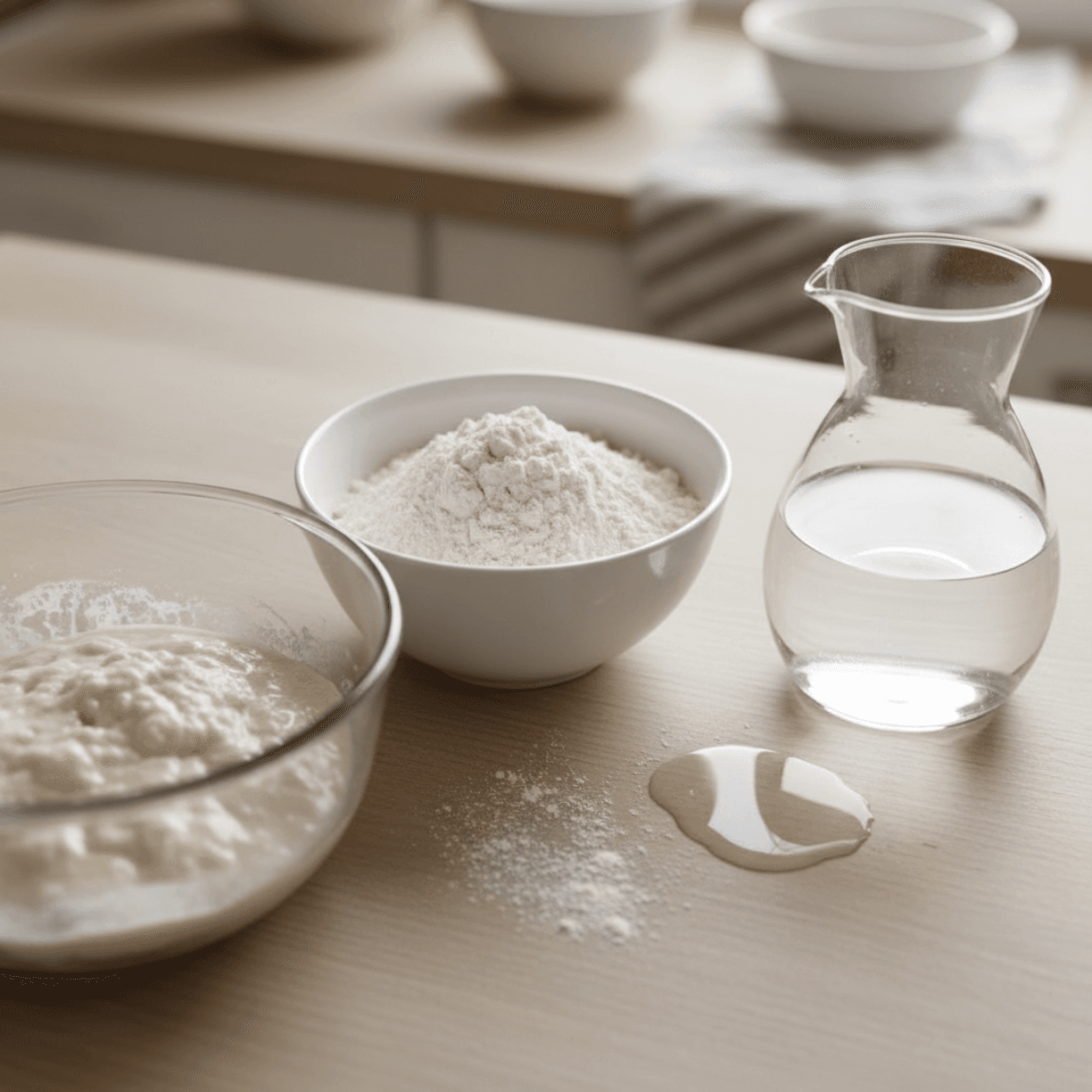
- Active sourdough starter
- Unbleached all-purpose flour or bread flour
- Filtered water (room temperature)
For the flour, while unbleached all-purpose flour works perfectly well, many bakers prefer bread flour for its higher protein content, which can give your starter a bit more strength. You can also experiment with a mix of all-purpose and whole wheat flour (like rye or whole wheat) for a more robust flavor, but for a simple daily feed, stick to one type for consistency. When it comes to water, filtered water is always recommended to avoid any chlorine or chemicals that might inhibit your starter’s activity. If you don’t have a filter, you can leave tap water out in an open container for several hours to allow the chlorine to dissipate.
Time Needed From Start To Finish
The actual hands-on time for feeding your sourdough starter each day is incredibly minimal, making it a quick and easy task to incorporate into your routine.
Prep time: 2-3 minutes Total time: 2-3 minutes (daily hands-on)
While the active time is just a few minutes, remember that your starter will need several hours (typically 4-12 hours, depending on ambient temperature) to become fully active and bubbly after feeding. This “waiting time” isn’t hands-on, but it’s crucial for the starter to ferment and be ready for baking.
How To Make It Step By Step With Visual Cues
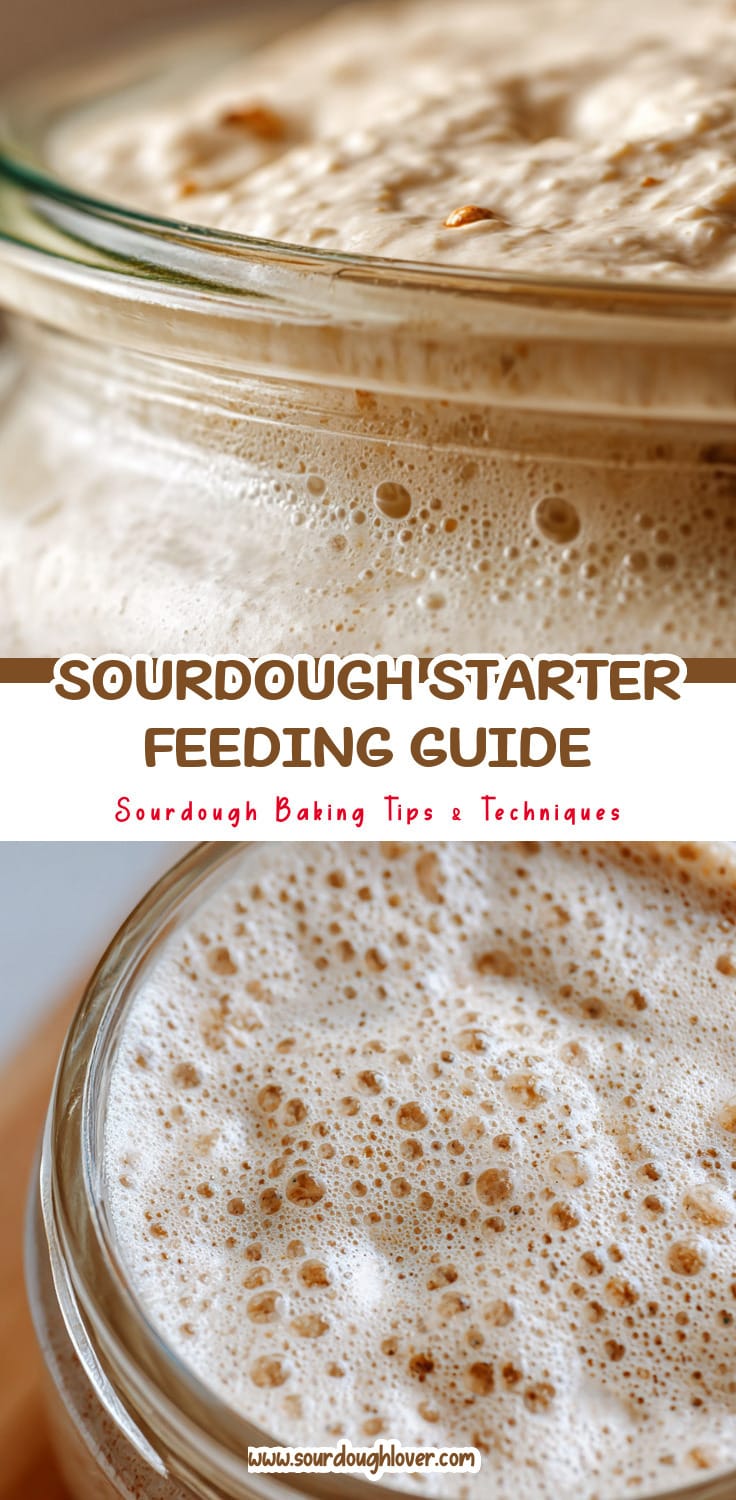
Following these steps daily will ensure your sourdough starter remains strong, active, and ready for baking. The key is consistency and observation.
- Assess Your Starter’s Current State: Before feeding, take a look at your starter. Does it have bubbles on the surface and along the sides of the jar? Does it smell pleasantly yeasty and slightly sour, like ripe fruit or yogurt? If it’s bubbly and smells good, it’s active. If it’s flat and smells strongly of acetone or nail polish remover, it’s very hungry and needs a good feed.
- Prepare for the Feed: You’ll need a clean jar, your active starter, flour, and water. A kitchen scale is highly recommended for precise measurements, especially as you get more comfortable.
- Discard Most of the Starter: This is a crucial step to prevent your starter from growing into an unmanageable quantity and to ensure it has enough fresh food. Scoop out all but about 1-2 tablespoons (or 20-30 grams) of your active starter from its jar. You can discard the excess, use it in discard recipes (like crackers or pancakes), or share it with a friend.
- Add Fresh Water: To the remaining starter in the jar, add an equal weight of room temperature filtered water. For example, if you kept 20 grams of starter, add 20 grams of water. Stir well with a spoon or spatula until the starter is fully dissolved into the water and no lumps remain. It should look like a cloudy liquid.
- Incorporate the Flour: Now, add an equal weight of flour to the mixture. Following our example, add 20 grams of flour. Mix thoroughly until all the flour is incorporated and there are no dry spots. The mixture should be thick but still stirrable, resembling a thick pancake batter or sticky dough.
- Scrape Down the Sides and Mark the Level: Use your spatula to scrape down any flour or starter clinging to the sides of the jar. This keeps your jar clean and helps you observe its rise. Place a rubber band or use a dry-erase marker to indicate the current level of your freshly fed starter. This will be your visual cue to track its activity and how much it has risen.
- Cover Loosely and Let It Rest: Place a lid loosely on your jar or cover it with plastic wrap or a clean kitchen towel. Do not seal it tightly, as your starter needs to breathe. Leave it at room temperature (ideally 70-75°F or 21-24°C) until it becomes bubbly, doubles in size, and is ready for its next feed or for baking. This usually takes 4-12 hours.
Easy Variations And Serving Ideas That Fit Real Life
While this is a routine for feeding your starter, the “serving” comes in the form of the delicious bread you’ll bake! However, there are variations to the feeding itself that can influence your baking. For instance, if you want a milder-tasting sourdough, you can feed your starter with a higher ratio of flour and water (e.g., 1:2:2 starter:water:flour). For a more robust, sour flavor, you might feed it with a lower ratio (e.g., 1:1:1) and let it ferment longer.
For those who bake less frequently, you can store your fed starter in the refrigerator. After feeding, let it sit at room temperature for 1-2 hours to kickstart fermentation, then place it in the fridge. When you’re ready to bake, take it out, let it come to room temperature, and feed it once or twice at room temperature until it’s active again. This is a great way to make sourdough baking fit into a less frequent schedule without daily feeding.
Common Slip-Ups And How To Avoid Them
Even with a simple routine, a few common mistakes can hinder your sourdough starter’s health. Knowing what to watch out for can save you a lot of frustration.
- Not Discarding Enough: This is perhaps the most common mistake. If you don’t discard most of your starter before feeding, you’re essentially diluting the food for the existing microbes, and your starter will become sluggish and eventually starve. Always aim to keep only a small amount (1-2 tablespoons) of mature starter to feed.
- Using Chlorinated Water: Chlorine in tap water can kill the beneficial microbes in your starter. Always use filtered water, or if you must use tap water, let it sit out in an open container for several hours to allow the chlorine to evaporate.
- Sealing the Jar Too Tightly: Your sourdough starter is a living organism that needs oxygen to thrive. Sealing the jar tightly can suffocate it and lead to off-flavors or mold. Always use a loose lid, plastic wrap, or a breathable cloth.
- Inconsistent Feeding Schedule: While a missed feed isn’t the end of the world, a consistent daily (or every other day, if refrigerated) feeding schedule keeps your starter strong and predictable. Try to feed it around the same time each day.
- Ignoring Temperature: Room temperature plays a significant role in your starter’s activity. Too cold, and it will be sluggish; too hot, and it will ferment too quickly and become overly sour. Aim for a consistent room temperature between 70-75°F (21-24°C) for optimal activity.
- Not Mixing Thoroughly: Make sure all the flour is fully incorporated into the water and starter. Dry pockets of flour can lead to inconsistent fermentation and potential mold issues.
How To Store It And Make It Ahead Without Ruining Texture
This routine is about daily maintenance, so “making it ahead” refers to preparing your starter for future baking. If you bake frequently (several times a week), keeping your starter on the counter and feeding it daily is ideal.
- Refrigeration for Infrequent Baking: If you only bake once a week or less, you can store your fed starter in the refrigerator. After a fresh feed, let it sit at room temperature for 1-2
FAQs
- Can I make these ahead? Yes—prep ahead, refrigerate, then serve when ready.
- How long do leftovers last? Store covered in the fridge for 3–4 days for best texture.
- Can I adjust sweetness? Yes—add more or less sweetener to taste.
- Can I change the fruit? Yes—swap strawberries for blueberries, raspberries, or sliced banana.