
Learning how to make your very own sourdough starter from scratch might sound intimidating, but it’s actually a wonderfully simple and rewarding process.
This easy-to-follow guide is designed specifically for beginners, breaking down each step into clear, manageable instructions. You’ll be amazed at how quickly you can cultivate a thriving sourdough starter right in your own kitchen.
Get ready to embark on a delicious journey that will open up a world of homemade bread, pancakes, and so much more. We’ll walk you through everything you need to know to create and maintain a healthy, active starter, ensuring your success from day one.

Beginner Sourdough Starter
- Total Time: 7-10 days
- Yield: 1 active sourdough starter
Description
Learn how to create your own active sourdough starter from scratch with this easy-to-follow, beginner-friendly guide. This simple process requires just flour, water, and patience, opening up a world of homemade bread, pancakes, and more.
Ingredients
Instructions
1. Step 1: The Initial Mix (Day 1): In a clean, clear glass jar (at least 1-quart capacity), combine 1/2 cup (60g) unbleached all-purpose flour and 1/4 cup (60g) unchlorinated water. Stir well with a spoon or spatula until there are no dry spots and the mixture forms a thick, paste-like consistency. Scrape down the sides of the jar. Loosely cover the jar with a lid, plastic wrap, or a clean kitchen towel (allowing air circulation). Place it in a warm spot, ideally between 70-75 F (21-24 C), away from direct sunlight.
2. Step 2: The First Feed (Day 2): You might not see much activity yet, and that’s perfectly normal. Discard about half of your starter (approximately 1/4 cup or 60g). To the remaining starter, add 1/2 cup (60g) unbleached all-purpose flour and 1/4 cup (60g) unchlorinated water. Mix thoroughly until smooth, scrape down the sides, and loosely cover. Return it to your warm spot.
3. Step 3: Continuing Daily Feeds (Days 3-7+): From Day 3 onwards, you will continue the same feeding routine. Each day, around the same time, discard about half of your starter, then feed it with 1/2 cup (60g) flour and 1/4 cup (60g) water. Stir well, cover loosely, and place back in its warm spot.
4. Step 4: Observing Activity and Bubbles: Around Day 3-5, you should start to see some small bubbles forming on the surface and along the sides of the jar. This is a sign that the wild yeasts and bacteria are becoming active! The starter might also develop a slightly sour or yeasty smell. It might rise a bit after feeding and then fall back down.
5. Step 5: Reaching Peak Activity: By Day 7-10, your starter should be consistently active. After feeding, it should double in size within 4-8 hours, be very bubbly throughout, and have a pleasant, tangy aroma. It will also pass the “float test” – drop a small spoonful into a glass of water; if it floats, it’s ready to bake with!
6. Step 6: Maintaining Your Active Starter: Once your starter is active, you can store it in the refrigerator to slow down its activity. Feed it once a week: take it out, let it warm up for an hour, discard half, feed it, let it sit at room temperature for 4-8 hours until bubbly, then return it to the fridge. If you bake frequently, you can keep it on the counter and feed it daily.
- Prep Time: 5-10 minutes daily
- Cook Time: 7-10 days (cultivation)
- Category: baking
- Method: fermentation
- Cuisine: american
Nutrition
- Serving Size: 1 starter
Keywords: sourdough, starter, baking, fermentation, bread, homemade, beginner, easy, flour, water
What You’ll Love About This Quick And Easy Recipe
This tutorial is perfect for anyone who has ever dreamed of baking with sourdough but felt overwhelmed by the process. It’s designed to be beginner-friendly, focusing on simplicity and consistency rather than complex techniques. What you’ll love most is the straightforward approach – no fancy equipment or obscure ingredients needed, just flour, water, and a little patience. This method works because it prioritizes regular feeding and observation, which are the keys to a vigorous starter. It’s ideal for busy home cooks and families who want to enjoy the benefits of sourdough without the stress. You can start this project any day of the week, and once your starter is active, it will be ready to use for all your favorite recipes, transforming everyday meals into something special.
Everything You Need To Make This Recipe Without Stress
Making a sourdough starter requires very few ingredients, making it an incredibly accessible project. The most important thing is to use good quality flour and unchlorinated water, as these are the building blocks for your starter’s health. You’ll also need a few basic kitchen tools that you likely already have on hand.
INGREDIENTS:
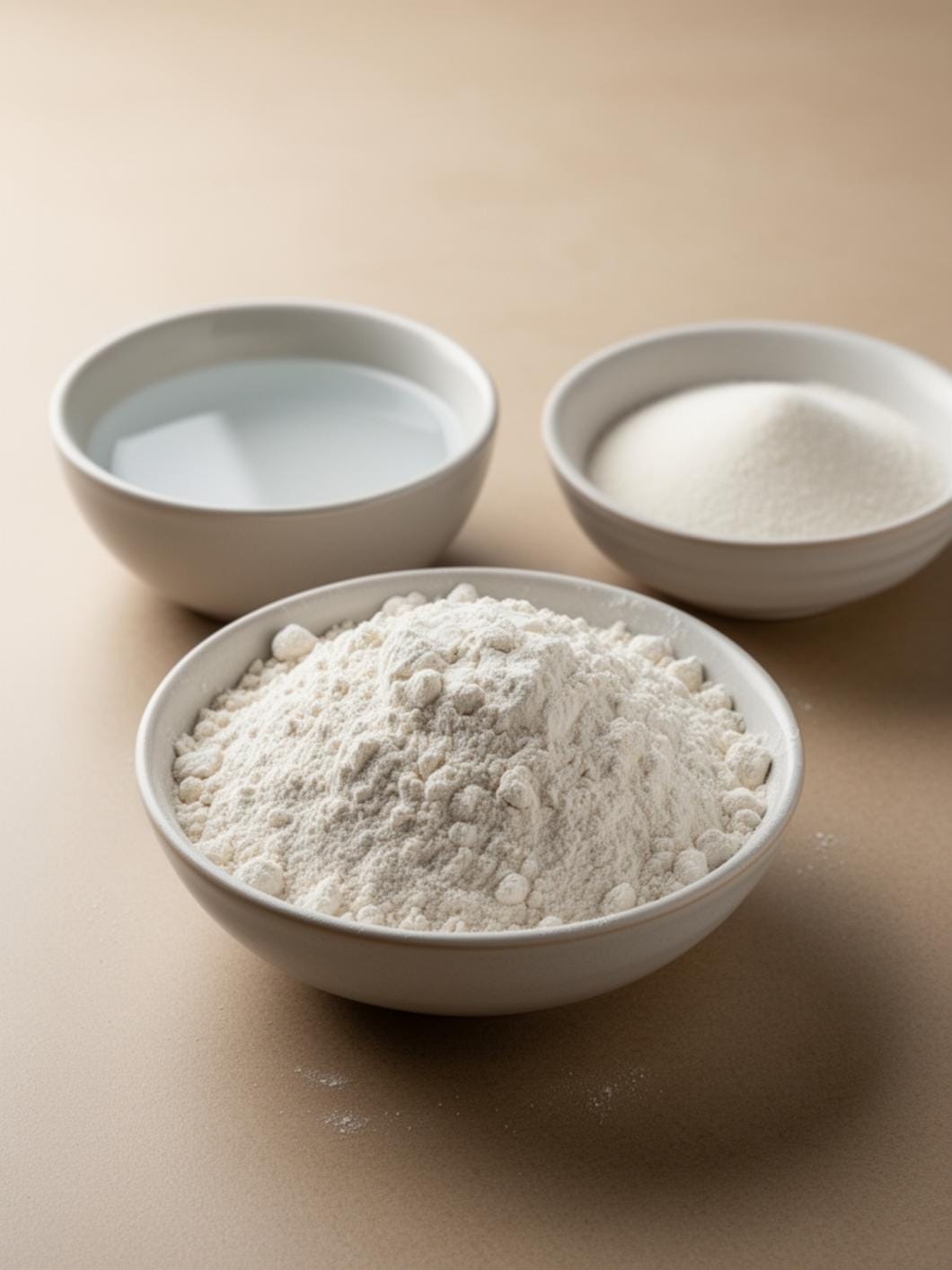
- All-purpose flour (unbleached)
- Water (unchlorinated, filtered, or bottled)
For the flour, unbleached all-purpose flour is a great starting point because it’s widely available and provides enough nutrients for the wild yeasts and bacteria to thrive. You can also use bread flour or even a mix of whole wheat and all-purpose flour if you prefer, but for beginners, sticking to unbleached all-purpose keeps things simple. The key is “unbleached” as the bleaching process can interfere with the natural microbes. When it comes to water, chlorine can inhibit the growth of your starter, so it’s crucial to use filtered water, bottled water, or tap water that has sat out for at least 24 hours to allow the chlorine to dissipate.
Time Needed From Start To Finish
Creating a sourdough starter is more about consistent daily action than a single long cooking session. The active “prep” time each day is minimal, but the overall process takes about a week to ten days before your starter is consistently active and ready for baking.
- Daily Active Prep Time: 5-10 minutes
- Total Cultivation Time: 7-10 days (until consistently active)
This timeline accounts for the daily feeding and observation required to get your starter strong and bubbly. While it’s not an instant gratification recipe, the small daily commitment yields incredible results.
How To Make It Step By Step With Visual Cues
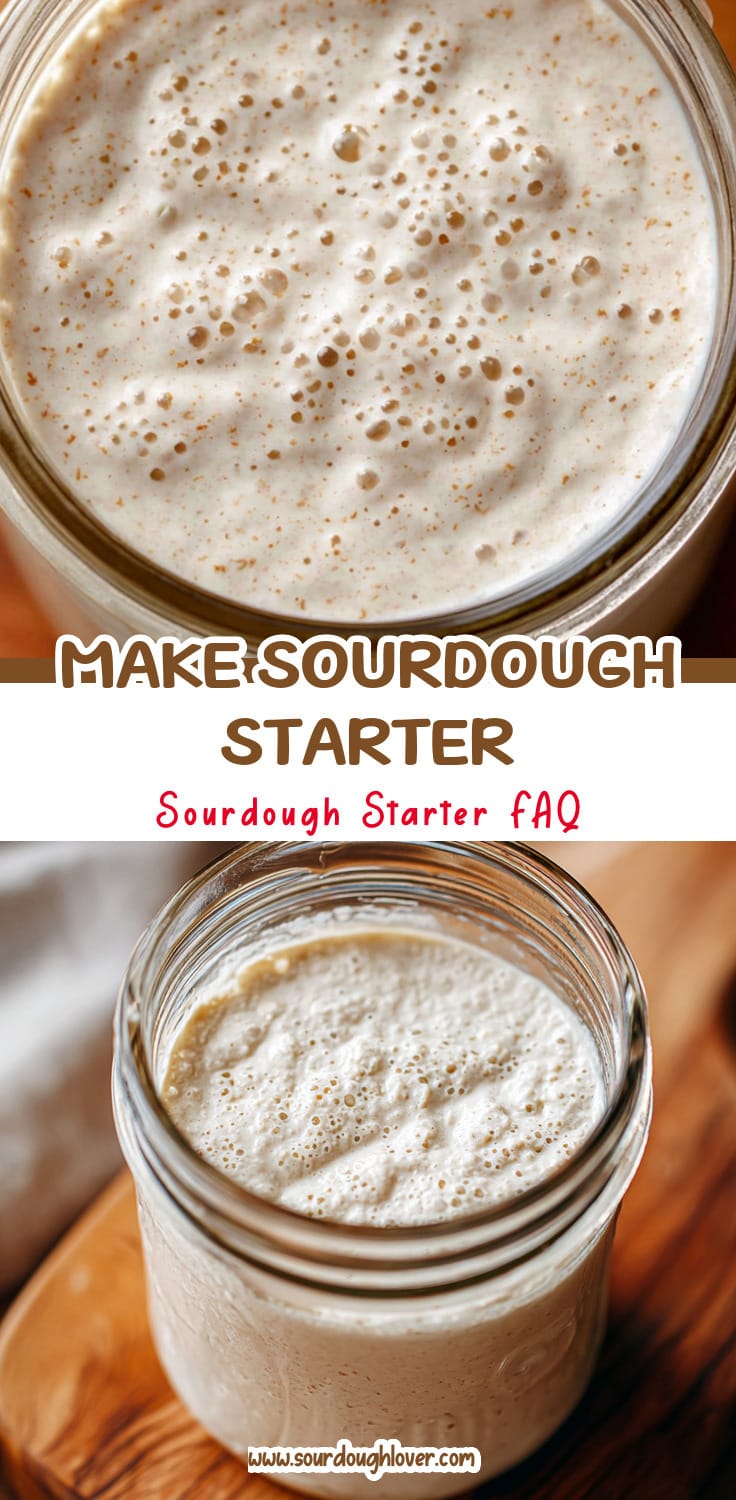
Follow these steps carefully, and you’ll have a vibrant sourdough starter in no time. Consistency is key, especially during the first week.
Step 1: The Initial Mix (Day 1) In a clean, clear glass jar (at least 1-quart capacity), combine 1/2 cup (60g) unbleached all-purpose flour and 1/4 cup (60g) unchlorinated water. Stir well with a spoon or spatula until there are no dry spots and the mixture forms a thick, paste-like consistency. Scrape down the sides of the jar. Loosely cover the jar with a lid, plastic wrap, or a clean kitchen towel (allowing air circulation). Place it in a warm spot, ideally between 70-75°F (21-24°C), away from direct sunlight.
Step 2: The First Feed (Day 2) You might not see much activity yet, and that’s perfectly normal. Discard about half of your starter (approximately 1/4 cup or 60g). To the remaining starter, add 1/2 cup (60g) unbleached all-purpose flour and 1/4 cup (60g) unchlorinated water. Mix thoroughly until smooth, scrape down the sides, and loosely cover. Return it to your warm spot.
Step 3: Continuing Daily Feeds (Days 3-7+) From Day 3 onwards, you will continue the same feeding routine. Each day, around the same time, discard about half of your starter, then feed it with 1/2 cup (60g) flour and 1/4 cup (60g) water. Stir well, cover loosely, and place back in its warm spot.
Step 4: Observing Activity and Bubbles Around Day 3-5, you should start to see some small bubbles forming on the surface and along the sides of the jar. This is a sign that the wild yeasts and bacteria are becoming active! The starter might also develop a slightly sour or yeasty smell. It might rise a bit after feeding and then fall back down.
Step 5: Reaching Peak Activity By Day 7-10, your starter should be consistently active. After feeding, it should double in size within 4-8 hours, be very bubbly throughout, and have a pleasant, tangy aroma. It will also pass the “float test” – drop a small spoonful into a glass of water; if it floats, it’s ready to bake with!
Step 6: Maintaining Your Active Starter Once your starter is active, you can store it in the refrigerator to slow down its activity. Feed it once a week: take it out, let it warm up for an hour, discard half, feed it, let it sit at room temperature for 4-8 hours until bubbly, then return it to the fridge. If you bake frequently, you can keep it on the counter and feed it daily.
Easy Variations And Serving Ideas That Fit Real Life
While a sourdough starter isn’t a dish to be served on its own, it’s the foundation for countless delicious recipes that are perfect for families and everyday meals.
- Kid-Friendly Sourdough Pancakes: Once your starter is active, use the discard (the portion you remove before feeding) to make incredibly light and fluffy sourdough pancakes or waffles. Kids love them, and it’s a great way to use up discard without waste.
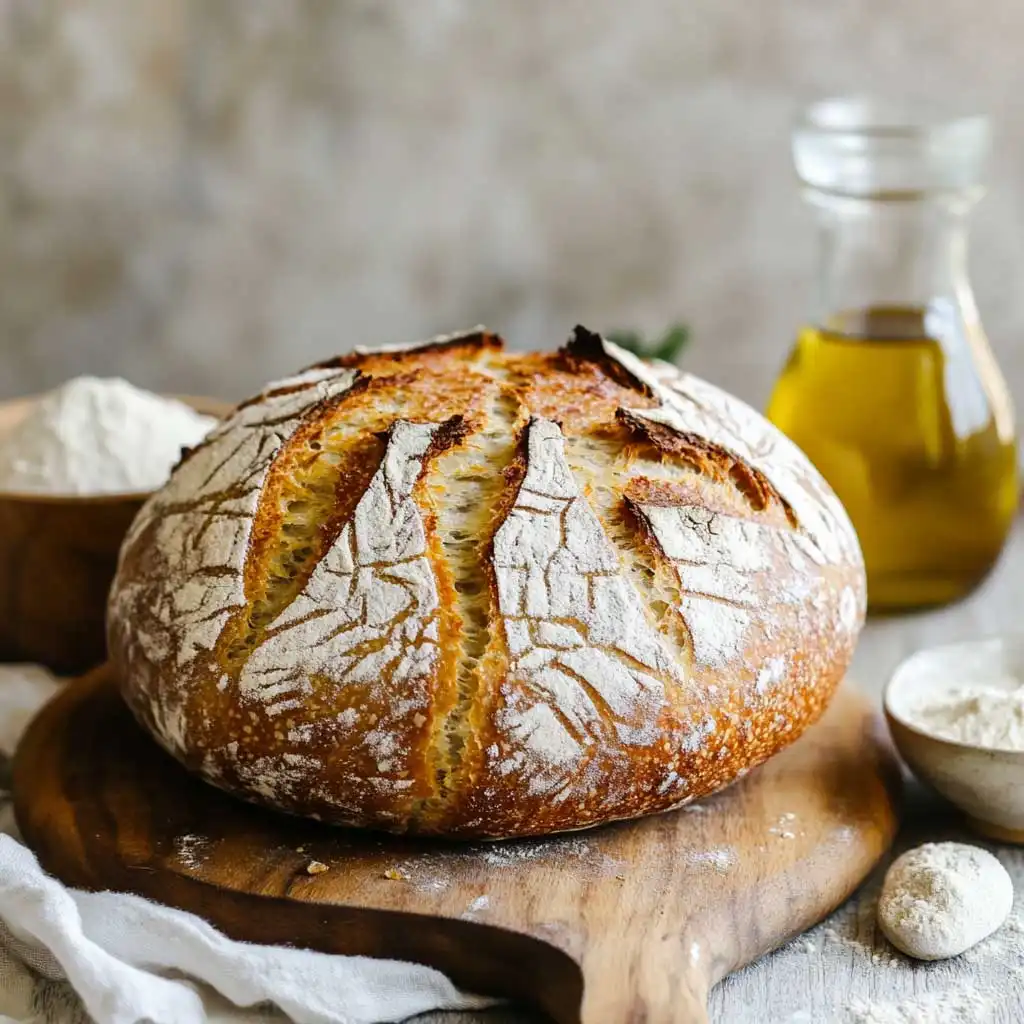
- Simple Sourdough Bread: The most obvious use is, of course, baking a rustic loaf of sourdough bread. Pair it with soup for a comforting family dinner, or use it for sandwiches.
- Sourdough Pizza Dough: Transform your active starter into a flavorful pizza dough. This makes for a fun family pizza night where everyone can customize their own toppings.
- Sourdough Crackers: Another fantastic use for discard is making crispy sourdough crackers. They’re easy to make, can be seasoned any way you like, and are perfect for snacking or serving with cheese.
- Optional Toppings/Dips for Sourdough Bread: If you bake a loaf, serve it simply with good quality olive oil and a sprinkle of sea salt, or with a delicious homemade garlic herb butter. For a heartier option, a warm spinach and artichoke dip is always a crowd-pleaser.
Common Slip-Ups And How To Avoid Them
Even though making a sourdough starter is simple, a few common beginner mistakes can cause frustration. Knowing what to watch out for can save you a lot of trouble.
- Using Chlorinated Water: Chlorine kills the beneficial microbes your starter needs to thrive. Always use filtered, bottled, or pre-boiled and cooled tap water. If using tap water, let it sit out in an open container for 24 hours to allow the chlorine to evaporate.
- Not Discarding Enough: Discarding half of your starter before each feed is crucial. It ensures that the remaining starter has enough food to grow strong and prevents it from becoming too acidic or developing off-flavors. Don’t worry, the “discard” isn’t waste – it can be used in many recipes!
- Not Feeding Consistently: Especially in the first week, try to feed your starter at roughly the same time each day. This builds a strong, predictable feeding cycle and encourages robust growth.
- Keeping It Too Cold or Too Hot: A consistent warm temperature (70-75°F or 21-24°C) is ideal for starter activity. If it’s too cold, it will be sluggish; if it’s too hot, it can become overly acidic or develop unwanted bacteria. Find a stable spot in your kitchen.
- Sealing the Jar Too Tightly: Your starter needs to breathe! Always cover it loosely to allow gases to escape and air to circulate. A tight lid can cause pressure to build up and potentially lead to an explosion (though rare, it’s best to avoid).
- Giving Up Too Soon: Some starters take longer to become active than others. Don’t get discouraged if you don’t see bubbles on day

FAQs
- Can I make these ahead? Yes—prep ahead, refrigerate, then serve when ready.
- How long do leftovers last? Store covered in the fridge for 3–4 days for best texture.
- Can I adjust sweetness? Yes—add more or less sweetener to taste.
- Can I change the fruit? Yes—swap strawberries for blueberries, raspberries, or sliced banana.