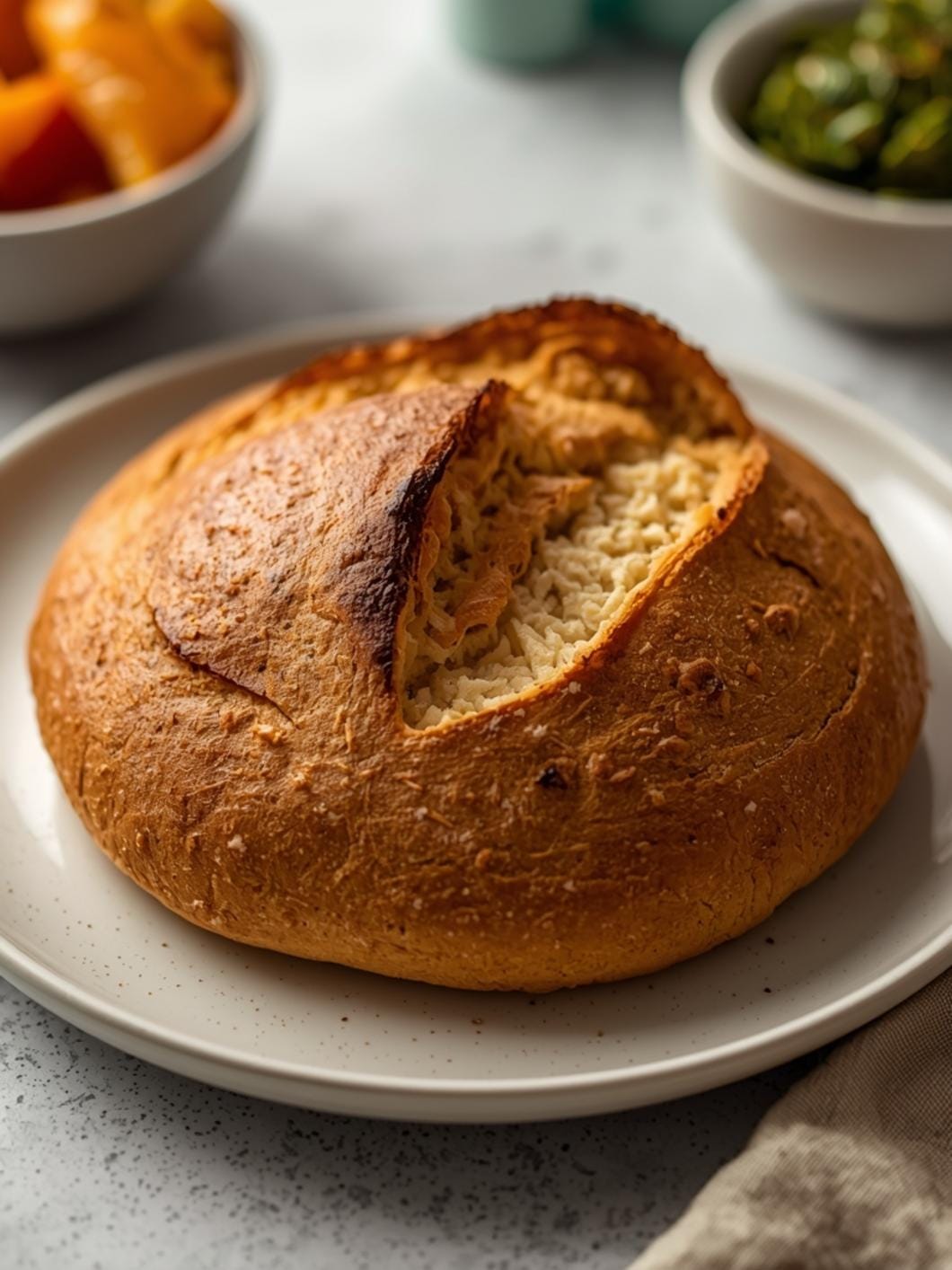

Baking homemade bread can feel like a big undertaking, but with a reliable recipe, it becomes a rewarding and surprisingly simple process.
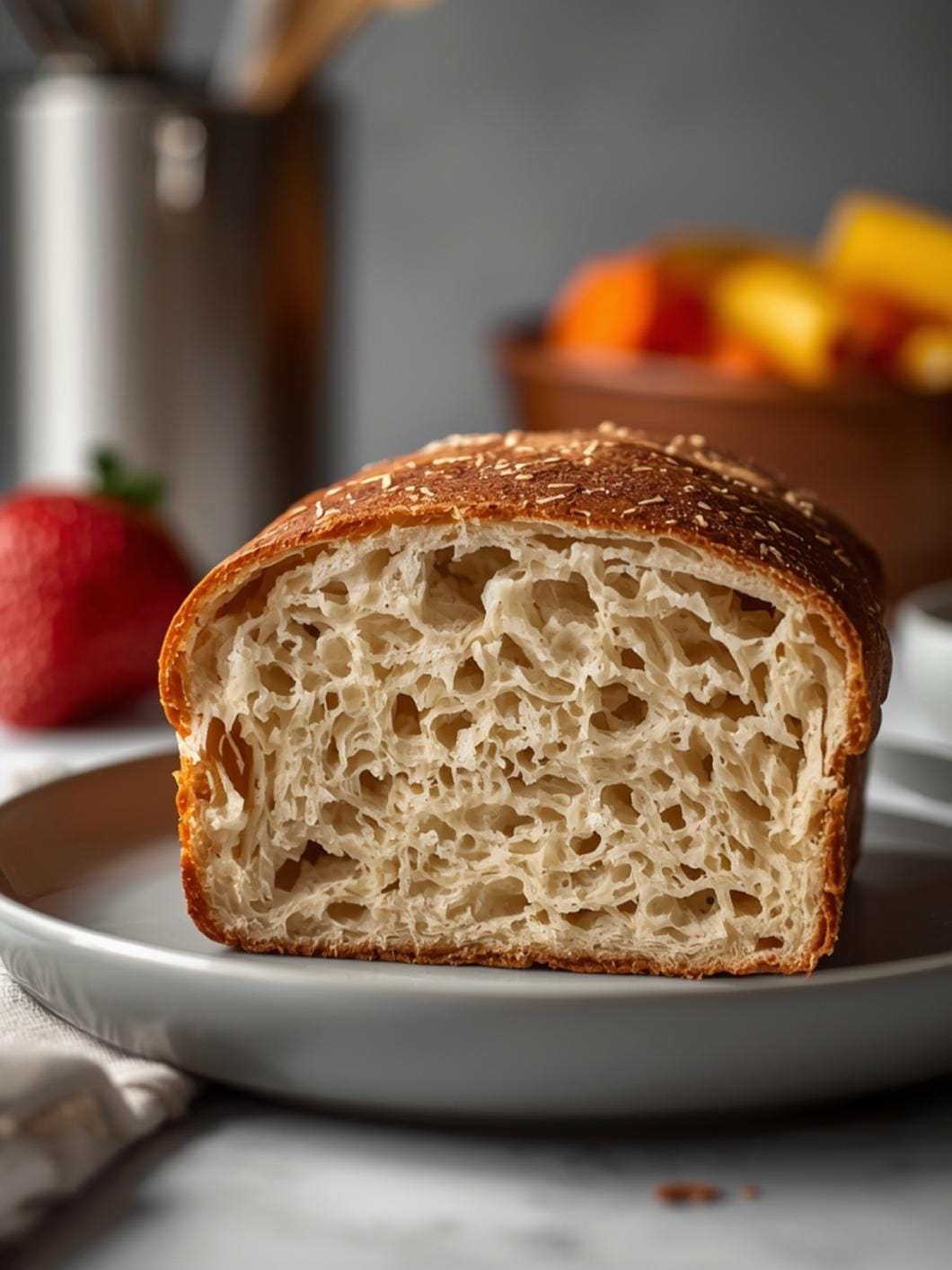
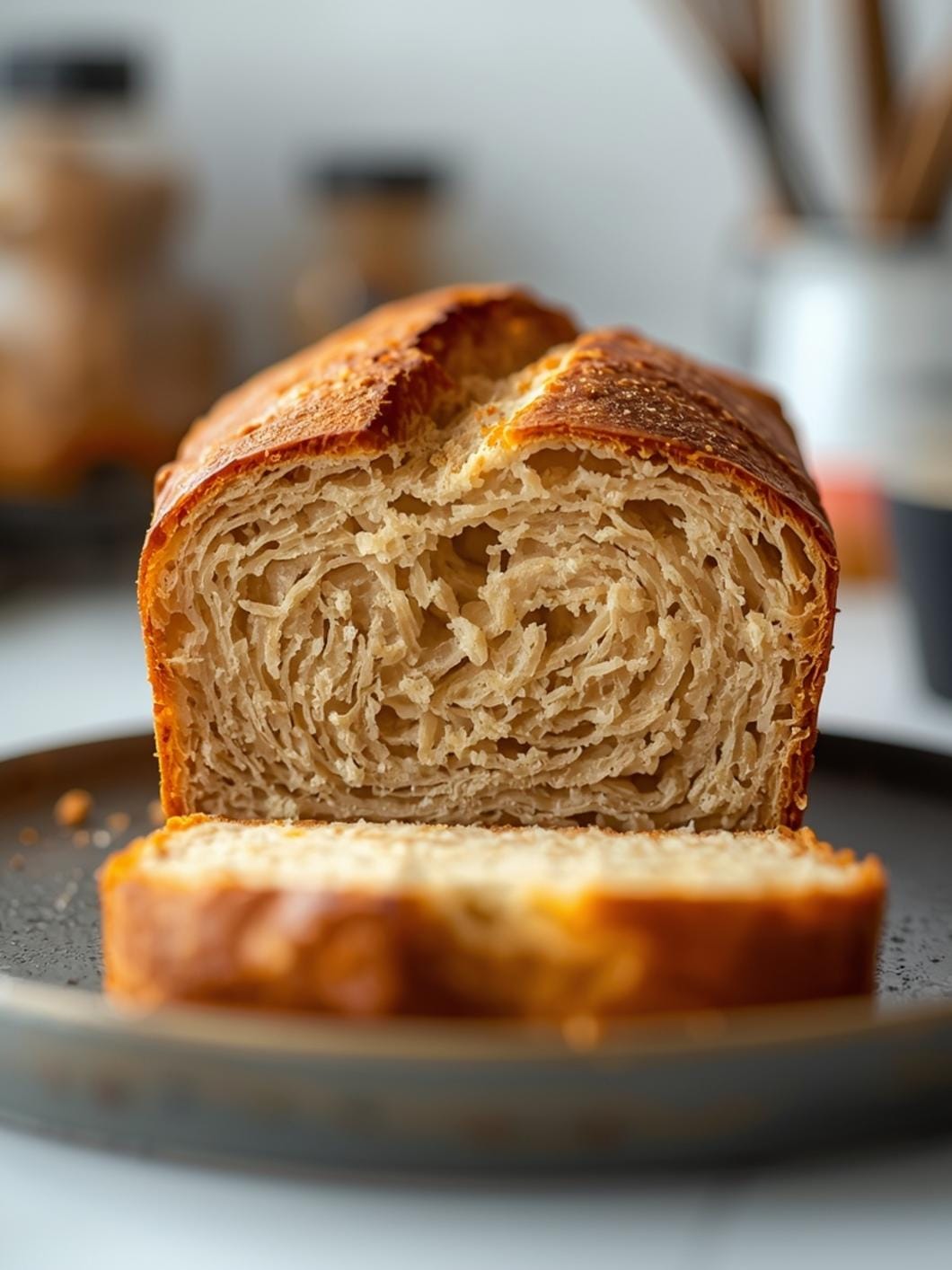
This soft crumb sourdough sandwich bread is designed for busy home cooks who want to enjoy the wholesome goodness of a freshly baked loaf without spending all day in the kitchen. It’s perfect for everything from everyday sandwiches to morning toast.
Using your active sourdough starter, this recipe guides you through creating a tender, flavorful loaf that’s far superior to anything you’ll find at the store. The soft texture makes it ideal for little hands and grown-up palates alike, ensuring it will become a staple in your household.

Soft Crumb Sourdough Sandwich Bread
- Total Time: 5-10 hours (including rising)
- Yield: 1 loaf 1x
Description
This recipe for soft crumb sourdough sandwich bread uses an active sourdough starter to create a tender, flavorful loaf perfect for sandwiches, toast, and more. It’s designed for home cooks seeking a wholesome, homemade bread without extensive effort, offering a rewarding baking experience with simple steps.
Ingredients
Instructions
1. 1. Combine Wet Ingredients and Starter: In a large mixing bowl, combine your active sourdough starter, warm water, granulated sugar, salt, and olive oil. Whisk everything together until the starter is mostly dissolved and the mixture is well combined. It should look milky and slightly bubbly from the starter.
2. 2. Add Flour and Mix the Dough: Gradually add the all-purpose flour to the wet ingredients, along with the optional instant yeast if you’re using it. Mix with a sturdy spoon or your hands until a shaggy dough forms. It doesn’t need to be perfectly smooth at this stage, just ensure all the flour is incorporated.
3. 3. Knead the Dough: Turn the dough out onto a lightly floured surface. Knead for 8-10 minutes until the dough becomes smooth, elastic, and passes the windowpane test (you should be able to stretch a small piece thin enough to see light through it without tearing). If the dough is too sticky, add a tiny bit more flour, but be careful not to add too much.
4. 4. First Rise (Bulk Fermentation): Lightly grease your mixing bowl with olive oil. Place the kneaded dough in the bowl, turning it once to coat all sides with oil. Cover the bowl with plastic wrap or a damp kitchen towel. Let it rise in a warm spot for 4-8 hours, or until it has at least doubled in size. Alternatively, you can place it in the refrigerator overnight (8-12 hours) for a slower, more flavorful rise.
5. 5. Shape the Loaf: Gently punch down the risen dough to release the air. Turn it out onto a lightly floured surface. Shape the dough into a tight log that will fit comfortably into your loaf pan. To do this, flatten the dough into a rectangle, then fold the top third down to the center, and the bottom third up over that. Pinch the seam closed, then roll the dough into a cylinder, tucking the ends under to create tension on the surface.
6. 6. Second Rise (Proofing): Lightly grease a 9×5-inch loaf pan. Place the shaped dough into the prepared pan. Cover loosely with plastic wrap or a damp towel and let it rise in a warm spot for 1-2 hours, or until it has nearly doubled in size and looks puffy. It should just crest over the top of the loaf pan.
7. 7. Preheat Oven and Bake: While the dough is on its second rise, preheat your oven to 375 F (190 C). Once the dough has risen sufficiently, place the loaf pan in the preheated oven. Bake for 35-40 minutes, or until the crust is golden brown and the internal temperature reaches 200-210 F (93-99 C) when measured with an instant-read thermometer.
8. 8. Cool Completely: Remove the bread from the oven and immediately turn it out onto a wire rack. Allow the loaf to cool completely for at least 1-2 hours before slicing. Slicing too early can result in a gummy texture.
- Prep Time: 15 minutes
- Cook Time: 35-40 minutes
- Category: bread
- Method: baking
- Cuisine: american
Nutrition
- Serving Size: 1 slice
Keywords: sourdough, sandwich bread, homemade bread, soft crumb, baking, starter, easy bread, yeast, comfort food, family friendly
What You’ll Love About This Quick And Easy Recipe
This sourdough sandwich bread recipe is a true gem for several reasons, making it a fantastic addition to any home baker’s repertoire. First and foremost, it delivers a wonderfully soft crumb, which is exactly what you want in a sandwich bread. No tough crusts or dense interiors here – just a tender, pliable slice perfect for holding all your favorite fillings. It’s also incredibly satisfying to make something so delicious from scratch, especially when you’re using your own active sourdough starter. This recipe is designed to be approachable, even if you’re relatively new to sourdough baking. It streamlines the process, focusing on practical steps that yield excellent results without requiring advanced techniques or specialized equipment. You’ll find it works beautifully for everyday meals, whether it’s for school lunches, a hearty breakfast toast, or a simple dinner side. It truly elevates the experience of eating a sandwich, turning a mundane meal into something special.
Everything You Need To Make This Recipe Without Stress
Gathering your ingredients before you begin ensures a smooth and enjoyable baking process. This recipe uses common pantry staples alongside your active sourdough starter to create a delicious loaf.
INGREDIENTS:
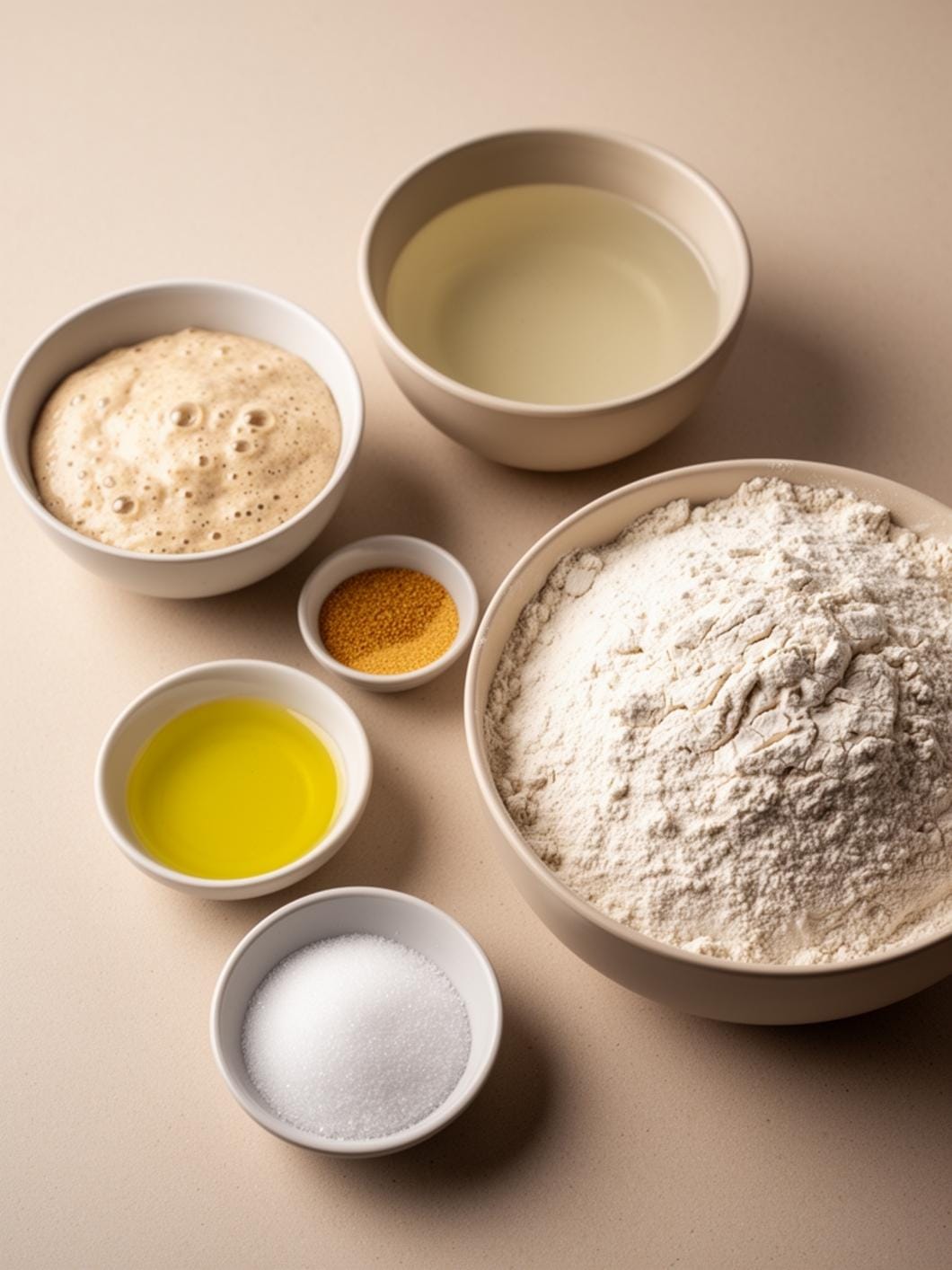
- 1 cup active sourdough starter (fed and bubbly)
- 1 ½ cups warm water (about 90-100°F)
- 1 tablespoon granulated sugar
- 2 teaspoons salt
- 2 tablespoons olive oil, plus more for greasing
- 4 cups all-purpose flour, plus more for dusting
- 1 teaspoon instant yeast (optional, for a faster rise)
For the all-purpose flour, any standard brand will work well. If you prefer, you can substitute up to half of the all-purpose flour with bread flour for a slightly chewier texture, though it’s not necessary for a soft crumb. The olive oil can be replaced with another neutral-flavored oil, such as vegetable or canola oil, if that’s what you have on hand. The instant yeast is included as an optional ingredient to help speed up the rising process, which can be particularly helpful if your kitchen is cool or if you’re short on time. If you prefer a purely sourdough rise, you can omit the instant yeast entirely; just be prepared for a longer fermentation period.
Time Needed From Start To Finish
Understanding the timeline for this sourdough sandwich bread will help you plan your baking day effectively. While the hands-on time is quite minimal, the dough does require some patience for rising.
- Prep Time: 15 minutes
- Active Working Time: 15 minutes
- First Rise (Bulk Fermentation): 4-8 hours (or overnight in the fridge)
- Second Rise (Proofing): 1-2 hours
- Bake Time: 35-40 minutes
- Total Time (excluding long fermentation): Approximately 1 hour hands-on, plus 5-10 hours rising/baking
Please note that the rising times are estimates and can vary significantly based on the activity of your sourdough starter, the temperature of your kitchen, and whether you choose to use the optional instant yeast.
How To Make It Step By Step With Visual Cues

Creating this soft crumb sourdough sandwich bread is a straightforward process. Follow these steps carefully to achieve a perfect loaf every time.
- Combine Wet Ingredients and Starter: In a large mixing bowl, combine your active sourdough starter, warm water, granulated sugar, salt, and olive oil. Whisk everything together until the starter is mostly dissolved and the mixture is well combined. It should look milky and slightly bubbly from the starter.
- Add Flour and Mix the Dough: Gradually add the all-purpose flour to the wet ingredients, along with the optional instant yeast if you’re using it. Mix with a sturdy spoon or your hands until a shaggy dough forms. It doesn’t need to be perfectly smooth at this stage, just ensure all the flour is incorporated.
- Knead the Dough: Turn the dough out onto a lightly floured surface. Knead for 8-10 minutes until the dough becomes smooth, elastic, and passes the windowpane test (you should be able to stretch a small piece thin enough to see light through it without tearing). If the dough is too sticky, add a tiny bit more flour, but be careful not to add too much.
- First Rise (Bulk Fermentation): Lightly grease your mixing bowl with olive oil. Place the kneaded dough in the bowl, turning it once to coat all sides with oil. Cover the bowl with plastic wrap or a damp kitchen towel. Let it rise in a warm spot for 4-8 hours, or until it has at least doubled in size. Alternatively, you can place it in the refrigerator overnight (8-12 hours) for a slower, more flavorful rise.
- Shape the Loaf: Gently punch down the risen dough to release the air. Turn it out onto a lightly floured surface. Shape the dough into a tight log that will fit comfortably into your loaf pan. To do this, flatten the dough into a rectangle, then fold the top third down to the center, and the bottom third up over that. Pinch the seam closed, then roll the dough into a cylinder, tucking the ends under to create tension on the surface.
- Second Rise (Proofing): Lightly grease a 9×5-inch loaf pan. Place the shaped dough into the prepared pan. Cover loosely with plastic wrap or a damp towel and let it rise in a warm spot for 1-2 hours, or until it has nearly doubled in size and looks puffy. It should just crest over the top of the loaf pan.
- Preheat Oven and Bake: While the dough is on its second rise, preheat your oven to 375°F (190°C). Once the dough has risen sufficiently, place the loaf pan in the preheated oven. Bake for 35-40 minutes, or until the crust is golden brown and the internal temperature reaches 200-210°F (93-99°C) when measured with an instant-read thermometer.
- Cool Completely: Remove the bread from the oven and immediately turn it out onto a wire rack. Allow the loaf to cool completely for at least 1-2 hours before slicing. Slicing too early can result in a gummy texture.
Easy Variations And Serving Ideas That Fit Real Life
This soft crumb sourdough sandwich bread is fantastic on its own, but it also lends itself beautifully to various simple variations and serving ideas that fit seamlessly into busy family life. For a subtle flavor twist, you can add 1-2 tablespoons of dried herbs like oregano, basil, or rosemary to the dough when you add the flour. This makes for a wonderful savory loaf, perfect for garlic bread or accompanying Italian-inspired meals. For a touch of sweetness, consider adding 1/4 cup of honey or maple syrup along with the sugar, and perhaps a sprinkle of cinnamon, to the wet ingredients. This creates a slightly sweeter bread that’s lovely for breakfast toast or French toast.
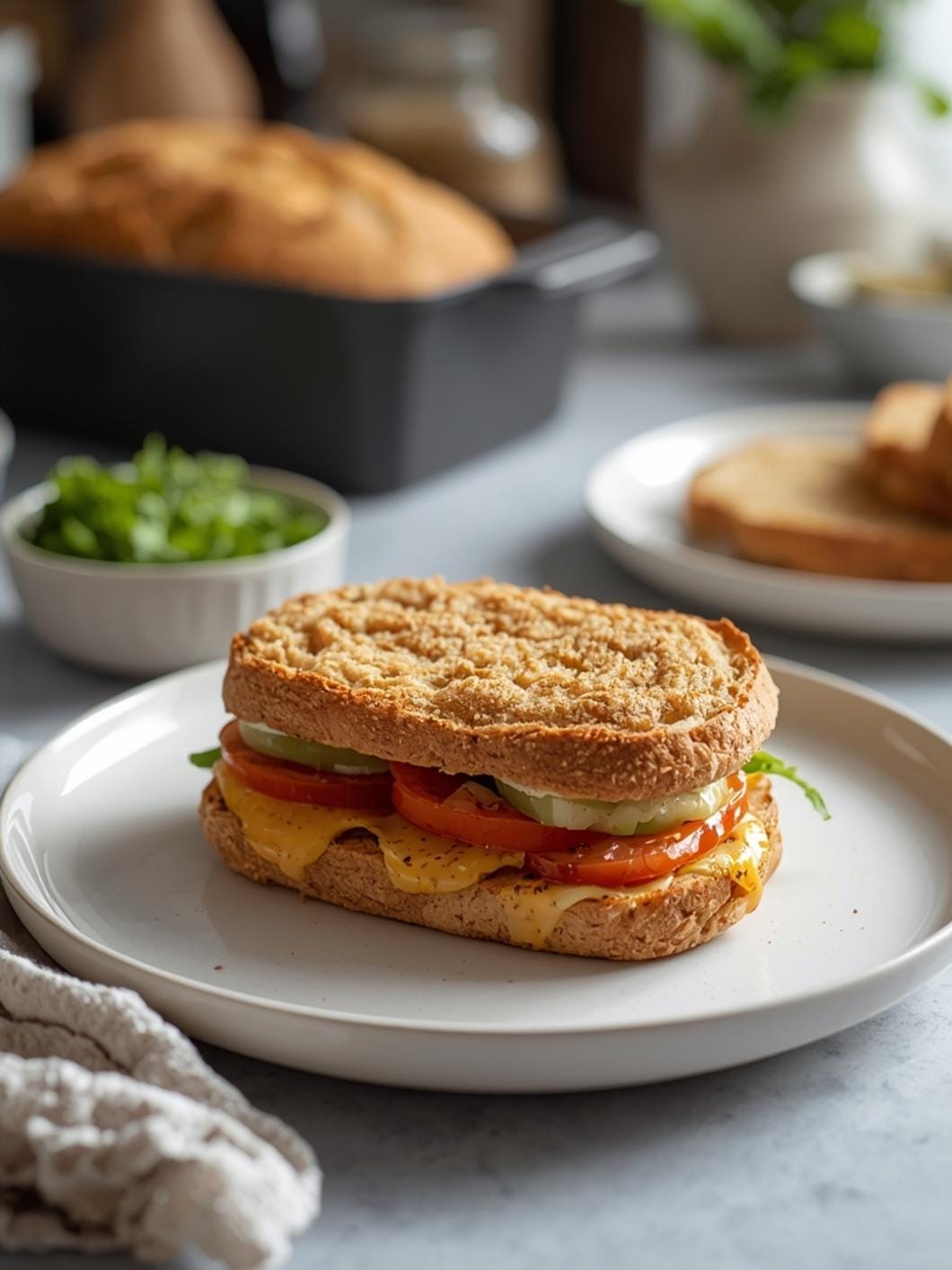
When it comes to serving, the possibilities are endless. Of course, it’s ideal for classic sandwiches – think turkey and cheese, peanut butter and jelly, or a hearty BLT. For a quick snack, simply toast a slice and spread with butter and jam. It also makes excellent homemade croutons for salads or breadcrumbs for coating chicken or fish. For a kid-friendly option, cut slices into fun shapes with cookie cutters before toasting, or serve with a side of hummus for dipping. This bread is also a wonderful accompaniment to soups and stews, perfect for soaking up every last drop.
Common Slip-Ups And How To Avoid Them
Even experienced bakers can encounter small challenges, but knowing what to look out for can save your loaf. One common issue is an inactive sourdough starter. If your starter isn’t bubbly and active (meaning it has been fed recently and is showing signs of life), your bread won’t rise properly. Always make sure your starter is fed and at its peak activity before you begin. Another frequent slip-up is adding too much flour during kneading. While it’s tempting to keep adding flour to sticky dough, this can result in a dense, dry loaf. Resist the urge and trust the kneading process; the dough will become less sticky as gluten develops.
Under-proofing or over-proofing are also common pitfalls. If your dough doesn’t rise enough during the first or second fermentation, your bread will be dense. If it rises too much, it can collapse in the oven, leading to a gummy texture. Pay close attention to the visual cues – the dough should at least double in size for the first rise and look puffy
FAQs
- Can I make these ahead? Yes—prep ahead, refrigerate, then serve when ready.
- How long do leftovers last? Store covered in the fridge for 3–4 days for best texture.
- Can I adjust sweetness? Yes—add more or less sweetener to taste.
- Can I change the fruit? Yes—swap strawberries for blueberries, raspberries, or sliced banana.