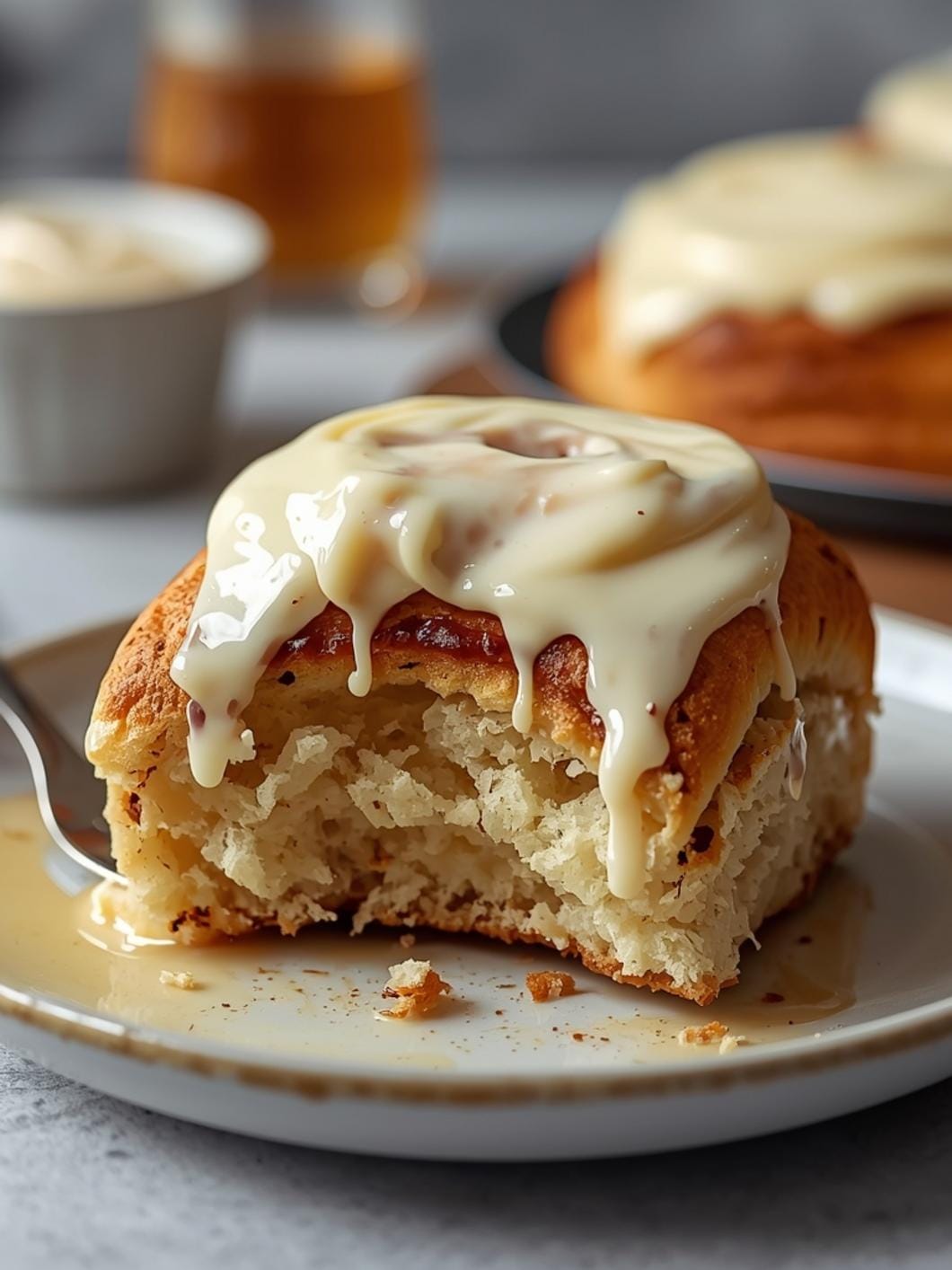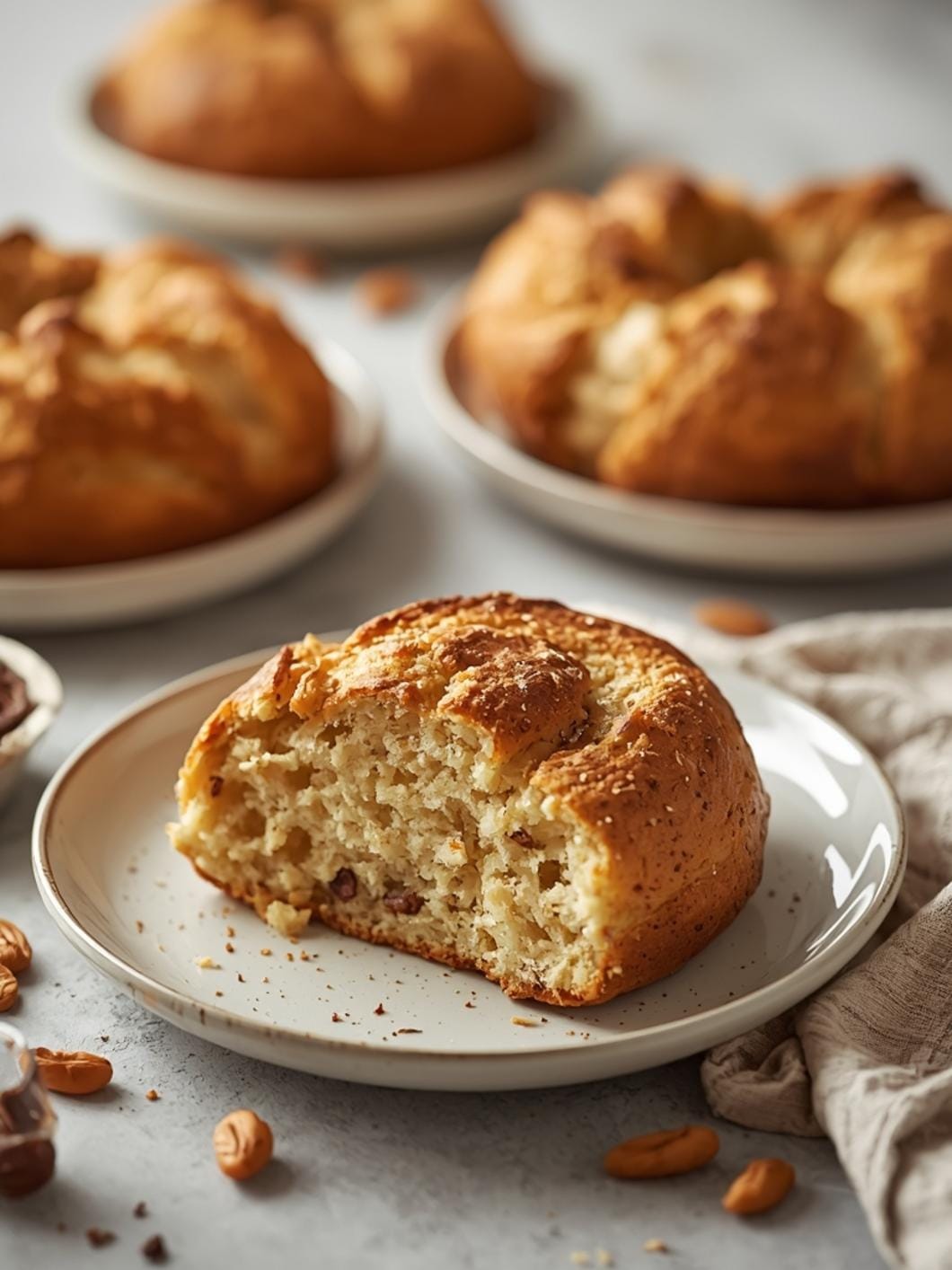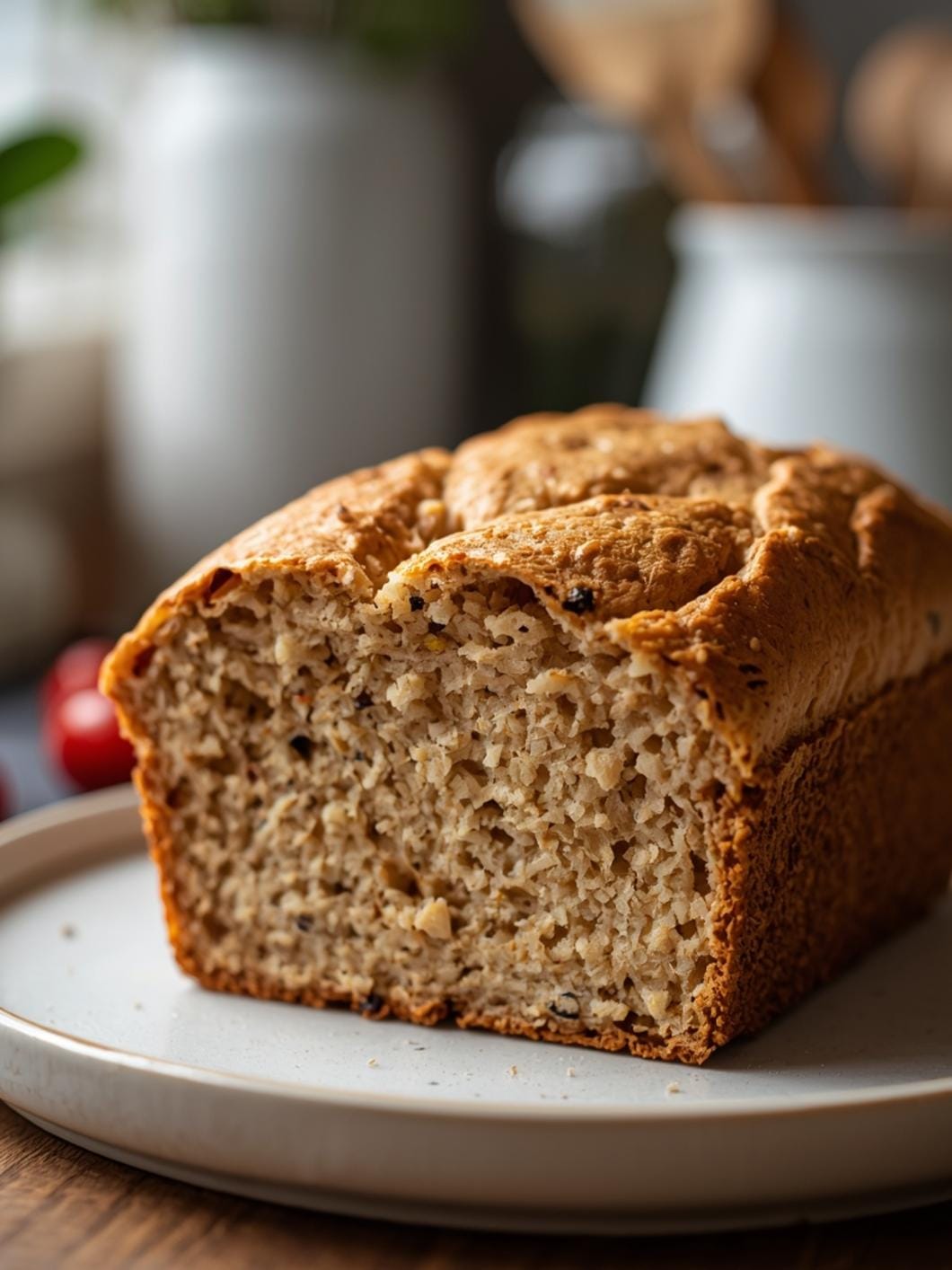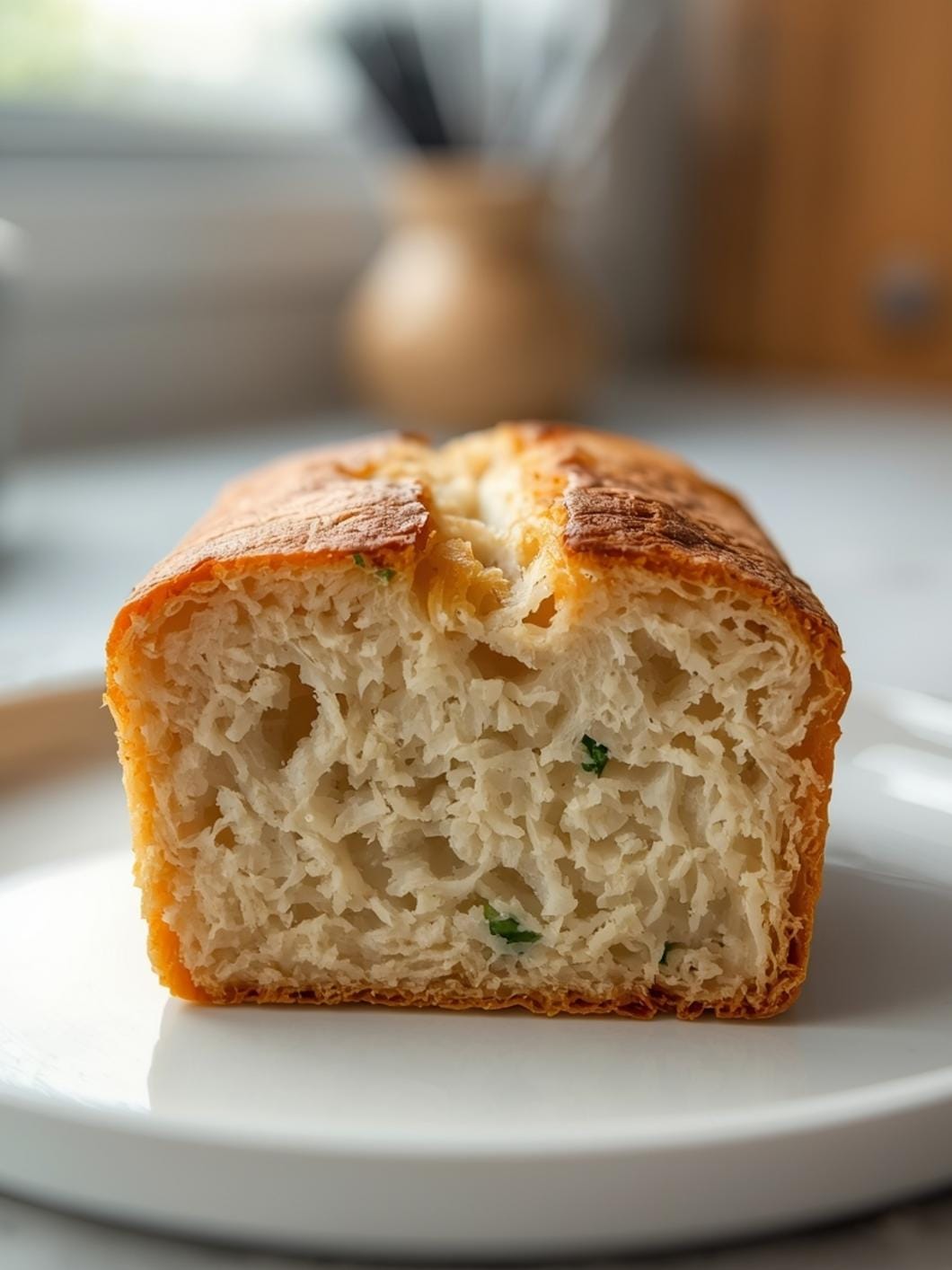

There’s nothing quite like the aroma of freshly baked bagels filling your kitchen, especially when they boast that signature chewy texture and golden crust.
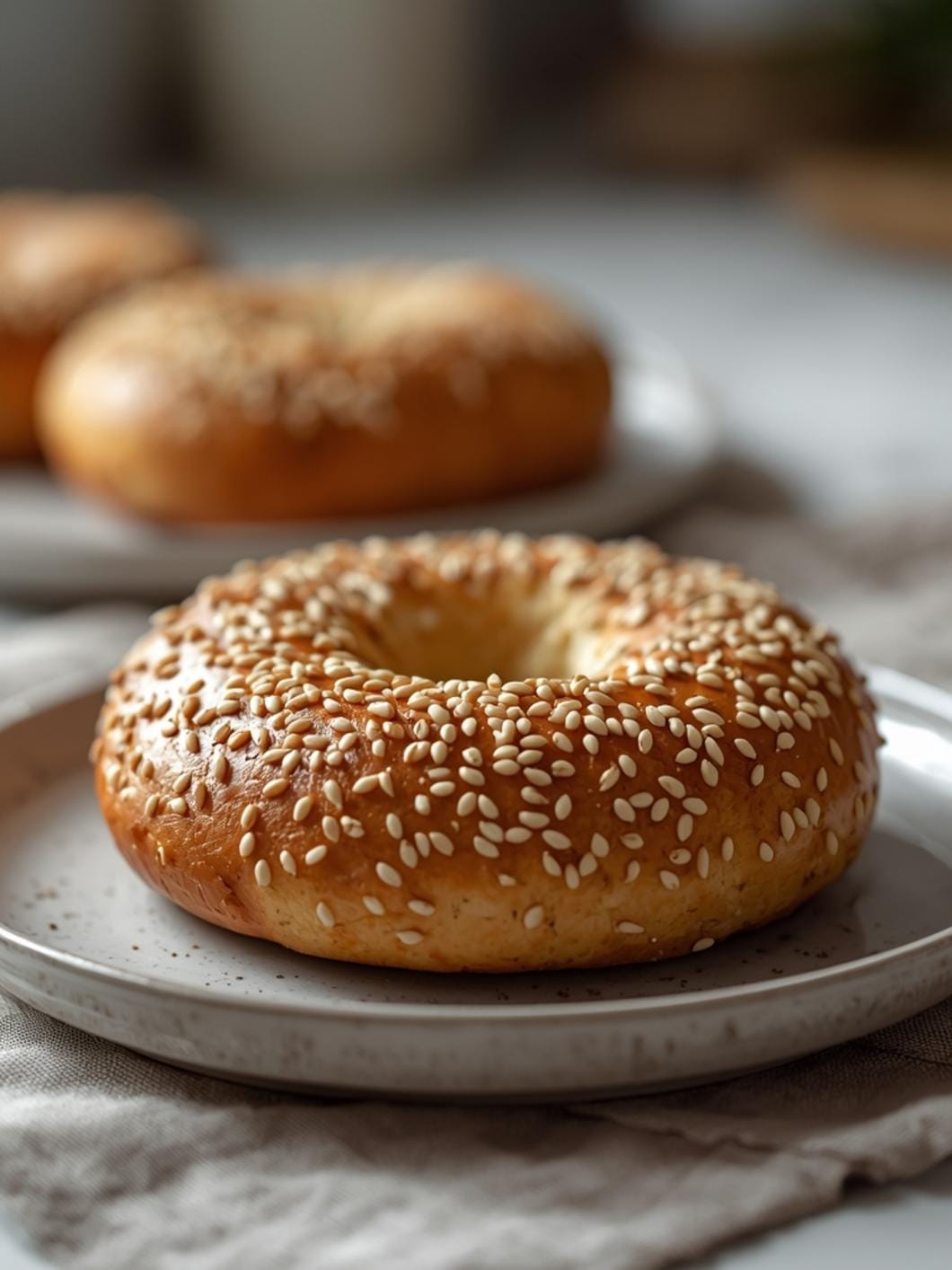
This recipe for soft sourdough bagels delivers all that and more, using only your active sourdough starter. You won’t need any commercial yeast, making this a truly authentic sourdough experience.
Get ready to impress your family and friends with these homemade bagels. They’re perfect for a weekend breakfast, a satisfying lunch sandwich, or even a quick snack. The process is straightforward, and the results are truly cookbook-worthy.
Table of Contents
- What You’ll Love About This Quick And Easy Recipe
- Everything You Need To Make This Recipe Without Stress
- Time Needed From Start To Finish
- How To Make It Step By Step With Visual Cues
- Easy Variations And Serving Ideas That Fit Real Life
- Common Slip-Ups And How To Avoid Them
- How To Store It And Make It Ahead Without Ruining Texture

Soft Sourdough Bagels
- Total Time: 7-12 hours
- Yield: 8-10 bagels 1x
Description
This recipe for soft sourdough bagels delivers a signature chewy texture and golden crust using only active sourdough starter, without commercial yeast. Perfect for home bakers of all skill levels, these bagels offer a subtle tang and incredible depth of flavor, making them ideal for breakfast, lunch, or snacks.
Ingredients
Instructions
1. 1. Combine the Starter and Water: In a large mixing bowl, gently whisk together your active sourdough starter and the warm water until the starter is mostly dissolved and the mixture is cloudy. This ensures even distribution of the starter throughout the dough.
2. 2. Mix the Dough Ingredients: Add the bread flour, salt, and 10 grams of granulated sugar to the wet mixture. Mix with a wooden spoon or your hands until a shaggy dough forms and no dry streaks of flour remain. Cover the bowl with a damp cloth or plastic wrap and let it rest for 30 minutes (autolyse). This step helps the flour hydrate.
3. 3. Perform Stretch and Folds: After the rest, perform a series of stretch and folds. With wet hands, grab a portion of the dough from one side, stretch it upwards, and fold it over itself towards the center. Rotate the bowl a quarter turn and repeat this process 3-4 more times until you’ve worked your way around the dough. Repeat this set of stretch and folds every 30 minutes for 2 hours. The dough will become smoother and more elastic with each set.
4. 4. Bulk Fermentation: After the stretch and folds, cover the bowl and let the dough bulk ferment at room temperature for 2-4 hours, or until it has increased in volume by about 30-50% and feels light and airy. Alternatively, you can place it in the refrigerator for 8-12 hours for a slower, colder fermentation, which can develop more flavor.
5. 5. Shape the Bagels: Turn the dough out onto a lightly floured surface. Divide it into 8-10 equal pieces (about 100-120 grams each). Shape each piece into a tight ball, then poke a hole through the center with your thumb and gently stretch the hole to about 1-1.5 inches in diameter. Place the shaped bagels on a parchment-lined baking sheet, leaving some space between them.
6. 6. Proof the Bagels: Cover the baking sheet loosely with plastic wrap or a damp cloth and let the bagels proof at room temperature for 1-2 hours, or until they feel slightly puffy. For best results, cold proofing overnight in the refrigerator (8-12 hours) is highly recommended. This firms up the bagels, making them easier to handle and contributing to a better crust.
7. 7. Boil and Bake: Preheat your oven to 425 F (220 C) with a baking stone or inverted baking sheet inside. Bring a large pot of water to a rolling boil, then add the 2 tablespoons of granulated sugar and the baking soda. Carefully drop 2-3 bagels into the boiling water at a time, ensuring they don’t overcrowd the pot. Boil for 30-60 seconds per side. Using a slotted spoon, remove the bagels, drain excess water, and place them back on the parchment-lined baking sheet. Sprinkle generously with sesame seeds.
8. 8. Final Bake: Transfer the baking sheet to the preheated oven. Bake for 18-25 minutes, or until the bagels are golden brown and sound hollow when tapped on the bottom. Let them cool on a wire rack before slicing and serving.
- Prep Time: 20 minutes
- Cook Time: 25-30 minutes
- Category: bread
- Method: baking
- Cuisine: american
Nutrition
- Serving Size: 1 bagel
Keywords: sourdough, bagels, bread, breakfast, homemade, chewy, tangy, baking, starter, easy
What You’ll Love About This Quick And Easy Recipe
This recipe is a game-changer for anyone who loves sourdough and wants to expand their baking repertoire beyond loaves of bread. It’s perfect for home bakers of all skill levels, from beginners just getting comfortable with their sourdough starter to experienced bakers looking for a new challenge. You’ll love how the active sourdough starter imparts a subtle tang and incredible depth of flavor that is simply unmatched by yeast-based bagels. These bagels offer a wonderful chewiness on the inside with a beautifully golden, slightly crisp exterior, making them a fantastic addition to any breakfast or brunch spread. They’re also incredibly versatile, serving as a delicious base for sweet or savory toppings, making them ideal for busy mornings or a leisurely weekend meal.
Everything You Need To Make This Recipe Without Stress
Gathering your ingredients before you begin is a great way to ensure a smooth baking process. This recipe relies on common pantry staples, with your active sourdough starter being the star.
INGREDIENTS:

- 150 grams active sourdough starter (fed and bubbly)
- 300 grams warm water (around 90-95°F / 32-35°C)
- 500 grams bread flour
- 10 grams fine sea salt
- 10 grams granulated sugar (for the dough)
- 2 tablespoons granulated sugar (for the boiling water)
- 1 teaspoon baking soda (for the boiling water)
- Sesame seeds, for topping
For the flour, using bread flour is highly recommended as its higher protein content contributes to the desired chewy texture of the bagels. If you don’t have bread flour, all-purpose flour can be used, but the texture might be slightly less chewy. Fine sea salt is preferred for its even distribution and flavor. For the granulated sugar, any standard white sugar will work perfectly. When it comes to sesame seeds, feel free to use white, black, or a mix of both for visual appeal and flavor.
Time Needed From Start To Finish
While sourdough baking often implies long waits, the active hands-on time for these bagels is surprisingly manageable. The bulk fermentation and proofing periods are where most of the waiting occurs, but these are largely passive times.
- Prep Time: 20 minutes (mixing dough, shaping)
- Bulk Fermentation: 4-6 hours (at room temperature, or overnight in the fridge)
- Proofing: 2-4 hours (at room temperature, or overnight in the fridge)
- Boiling & Baking Time: 25-30 minutes
- Total Time: Approximately 7-12 hours (depending on fermentation and proofing times, much of which is hands-off)
How To Make It Step By Step With Visual Cues
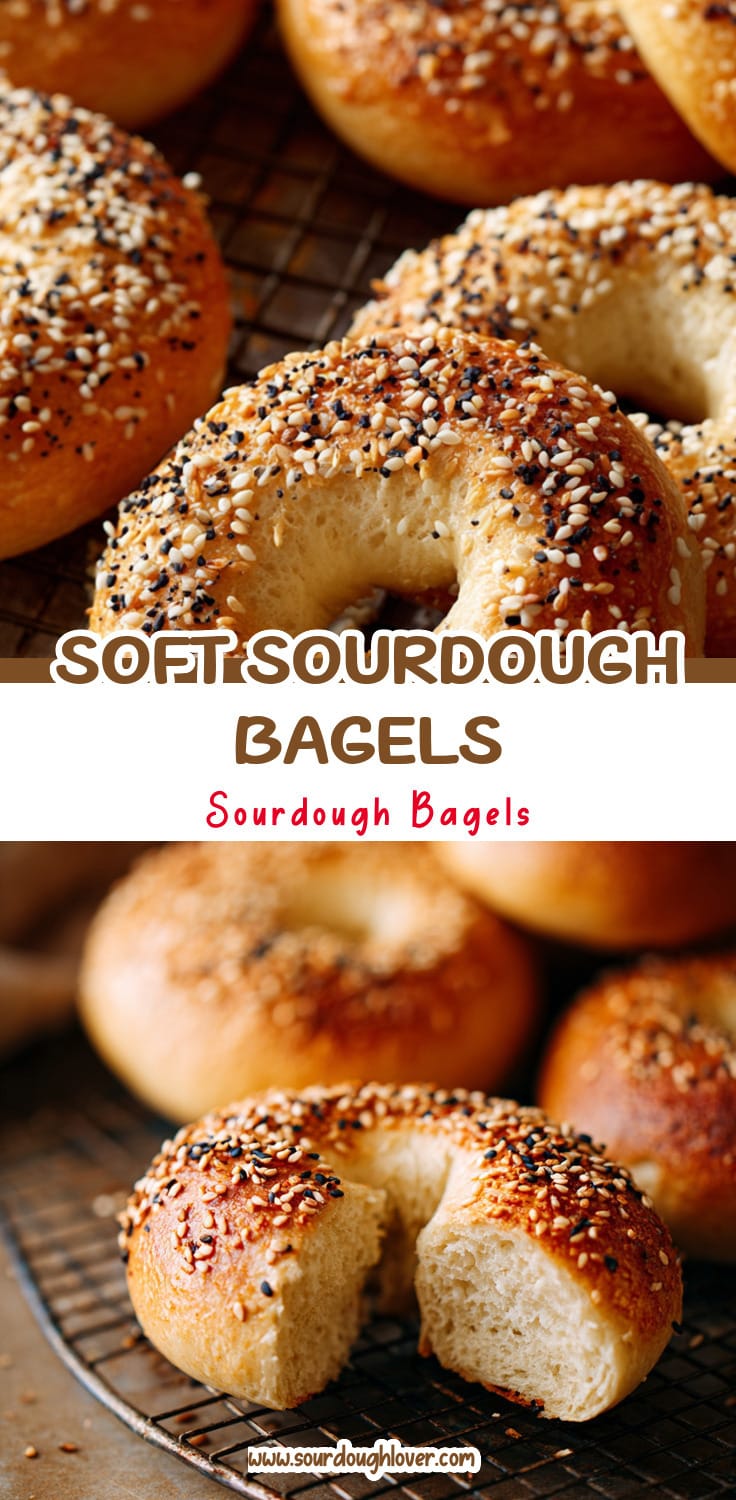
Creating these soft sourdough bagels is a rewarding process. Follow these steps for perfect results every time.
- Combine the Starter and Water: In a large mixing bowl, gently whisk together your active sourdough starter and the warm water until the starter is mostly dissolved and the mixture is cloudy. This ensures even distribution of the starter throughout the dough.
- Mix the Dough Ingredients: Add the bread flour, salt, and 10 grams of granulated sugar to the wet mixture. Mix with a wooden spoon or your hands until a shaggy dough forms and no dry streaks of flour remain. Cover the bowl with a damp cloth or plastic wrap and let it rest for 30 minutes (autolyse). This step helps the flour hydrate.
- Perform Stretch and Folds: After the rest, perform a series of stretch and folds. With wet hands, grab a portion of the dough from one side, stretch it upwards, and fold it over itself towards the center. Rotate the bowl a quarter turn and repeat this process 3-4 more times until you’ve worked your way around the dough. Repeat this set of stretch and folds every 30 minutes for 2 hours. The dough will become smoother and more elastic with each set.
- Bulk Fermentation: After the stretch and folds, cover the bowl and let the dough bulk ferment at room temperature for 2-4 hours, or until it has increased in volume by about 30-50% and feels light and airy. Alternatively, you can place it in the refrigerator for 8-12 hours for a slower, colder fermentation, which can develop more flavor.
- Shape the Bagels: Turn the dough out onto a lightly floured surface. Divide it into 8-10 equal pieces (about 100-120 grams each). Shape each piece into a tight ball, then poke a hole through the center with your thumb and gently stretch the hole to about 1-1.5 inches in diameter. Place the shaped bagels on a parchment-lined baking sheet, leaving some space between them.
- Proof the Bagels: Cover the baking sheet loosely with plastic wrap or a damp cloth and let the bagels proof at room temperature for 1-2 hours, or until they feel slightly puffy. For best results, cold proofing overnight in the refrigerator (8-12 hours) is highly recommended. This firms up the bagels, making them easier to handle and contributing to a better crust.
- Boil and Bake: Preheat your oven to 425°F (220°C) with a baking stone or inverted baking sheet inside. Bring a large pot of water to a rolling boil, then add the 2 tablespoons of granulated sugar and the baking soda. Carefully drop 2-3 bagels into the boiling water at a time, ensuring they don’t overcrowd the pot. Boil for 30-60 seconds per side. Using a slotted spoon, remove the bagels, drain excess water, and place them back on the parchment-lined baking sheet. Sprinkle generously with sesame seeds.
- Final Bake: Transfer the baking sheet to the preheated oven. Bake for 18-25 minutes, or until the bagels are golden brown and sound hollow when tapped on the bottom. Let them cool on a wire rack before slicing and serving.
Easy Variations And Serving Ideas That Fit Real Life
These soft sourdough bagels are fantastic on their own, but they also serve as a wonderful canvas for creativity. For a classic approach, simply slice them in half and toast them, then spread with cream cheese. To make them kid-friendly, offer a variety of sweet spreads like jam, honey, or even chocolate hazelnut spread. For a savory twist, try them with avocado and everything bagel seasoning, or turn them into mini breakfast sandwiches with scrambled eggs and cheese.
You can easily vary the toppings before baking. Instead of sesame seeds, consider poppy seeds, everything bagel seasoning, dried minced garlic, dried minced onion, or a sprinkle of coarse sea salt. For a sweet option, a cinnamon-sugar topping can be added after boiling. These bagels are also excellent for a buffet-style brunch; simply slice them and arrange them with different cream cheeses, smoked salmon, capers, and red onion for a gourmet spread.
Common Slip-Ups And How To Avoid Them
Even experienced bakers can encounter small challenges, but knowing what to look out for can save your bagels. One common mistake is using an inactive sourdough starter. If your starter isn’t bubbly and active, your bagels won’t rise properly. Always feed your starter 4-12 hours before you plan to mix your dough to ensure it’s at its peak. Another slip-up is over-flouring your work surface during shaping, which can make the dough tough. Use just enough flour to prevent sticking.
Not boiling the bagels long enough can result in a less chewy crust, while boiling them for too long can make them dense. Aim for 30-60 seconds per side. Overcrowding the pot during boiling will also drop the water temperature too much, affecting the texture. Boil only a few at a time. Finally, ensure your oven is fully preheated, especially if using a baking stone, as a hot oven is crucial for that beautiful golden crust and proper rise.
How To Store It And Make It Ahead Without Ruining Texture
Freshly baked bagels are always best, but you can certainly store these to enjoy later. Once completely cooled, store your sourdough bagels in an airtight container or a sealed plastic bag at room temperature for up to 2-3 days. For longer storage, bagels freeze beautifully. Slice them in half first, then place them in a freezer-safe bag, removing as much air as possible. They will keep well in the freezer for up to 2-3 months.
To enjoy frozen bagels, simply pop a sliced half directly into the toaster from the freezer. If storing at room temperature, a quick toast will refresh their texture and bring back some of that fresh-baked crispness. You can also make the dough ahead of time by extending the cold proofing
FAQs
- Can I make these ahead? Yes—prep ahead, refrigerate, then serve when ready.
- How long do leftovers last? Store covered in the fridge for 3–4 days for best texture.
- Can I adjust sweetness? Yes—add more or less sweetener to taste.
- Can I change the fruit? Yes—swap strawberries for blueberries, raspberries, or sliced banana.