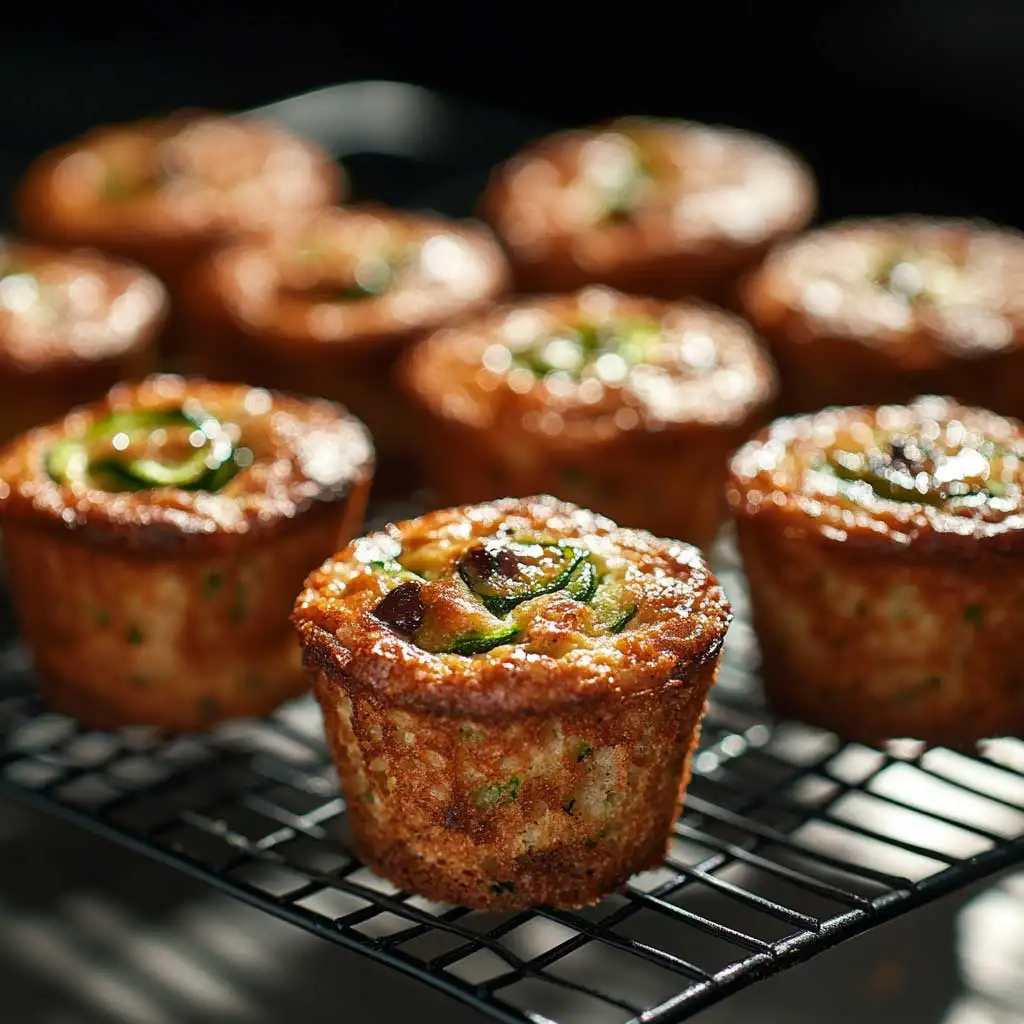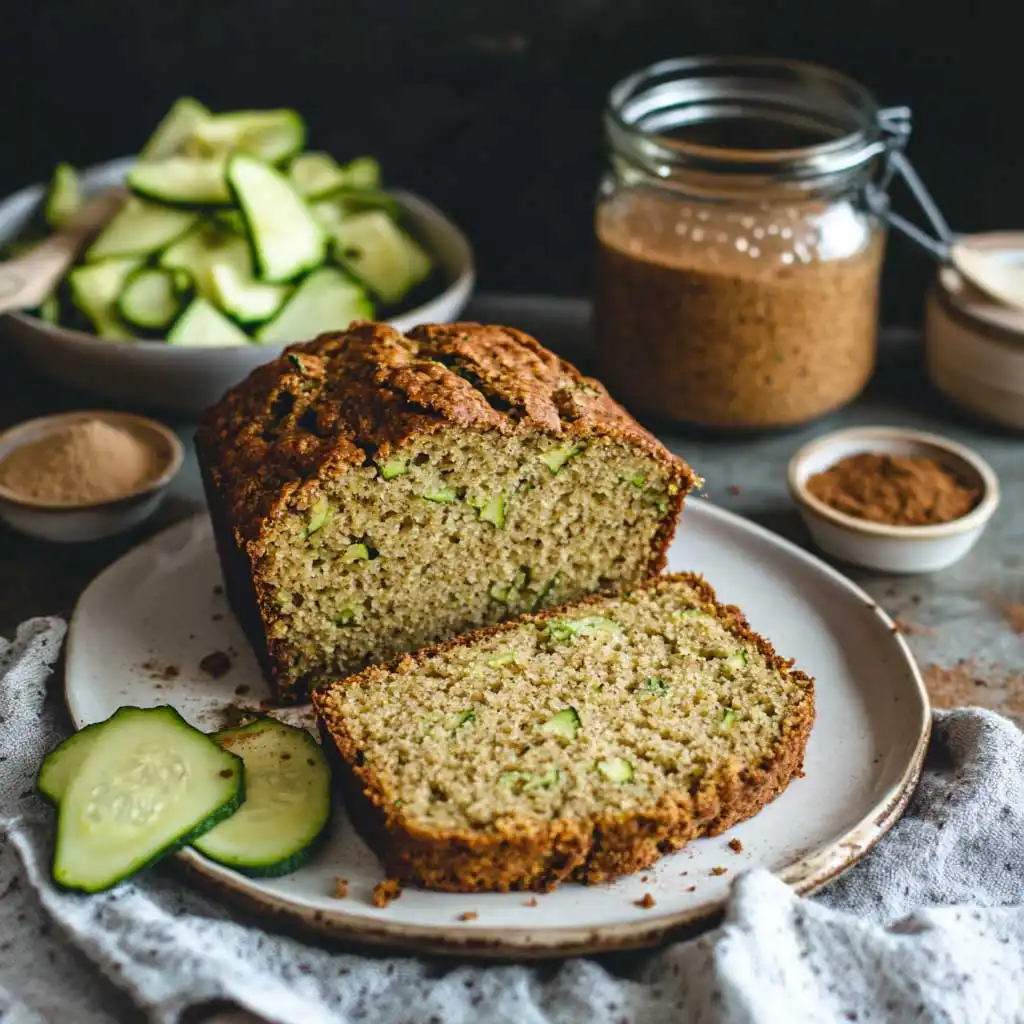

There’s something incredibly comforting about a warm, soft dinner roll, especially when it has that distinctive sourdough tang.

These soft sourdough dinner rolls are the perfect accompaniment to almost any meal, from a hearty weeknight stew to a festive holiday spread. They’re surprisingly simple to make, even for those new to baking with sourdough starter.
This recipe focuses on creating light, fluffy rolls with a delightful chew, all while harnessing the unique flavor profile that only a well-fed sourdough starter can provide. Get ready to impress your family and friends with these homemade beauties that are sure to become a new favorite at your dinner table.

Soft Sourdough Dinner Rolls
- Total Time: 7-13 hours
- Yield: 12-16 rolls 1x
Description
These soft sourdough dinner rolls are the perfect accompaniment to almost any meal, from a hearty weeknight stew to a festive holiday spread. They’re surprisingly simple to make, even for those new to baking with sourdough starter. This recipe focuses on creating light, fluffy rolls with a delightful chew, all while harnessing the unique flavor profile that only a well-fed sourdough starter can provide.
Ingredients
Instructions
1. Activate the Starter and Combine Wet Ingredients: In a large mixing bowl, combine your active sourdough starter, warm milk, granulated sugar, melted butter, and the egg. Whisk these ingredients together until they are well combined and the sugar has dissolved. If you’re using instant yeast, sprinkle it over this mixture and let it sit for 5 minutes until foamy.
2. Mix in Dry Ingredients to Form Dough: Add the salt and 3 cups of the all-purpose flour to the wet mixture. Mix with a wooden spoon or a stand mixer with a dough hook until a shaggy dough forms. Gradually add the remaining 1/2 cup of flour, a little at a time, until the dough comes together and is no longer excessively sticky. It should be soft and slightly tacky, but not sticking to your hands or the sides of the bowl.
3. Knead the Dough for Development: Turn the dough out onto a lightly floured surface. Knead for 8-10 minutes until the dough is smooth, elastic, and passes the “windowpane test” (you can stretch a small piece thin enough to see light through it without tearing). If using a stand mixer, knead with the dough hook on medium speed for 6-8 minutes.
4. First Rise (Bulk Fermentation): Lightly grease a clean bowl with a little oil. Place the dough in the bowl, turning it once to coat. Cover the bowl with plastic wrap or a damp kitchen towel. Let the dough rise in a warm place for 4-8 hours, or until it has doubled in size. Alternatively, for a longer, colder ferment that develops more flavor, you can place it in the refrigerator overnight (8-12 hours).
5. Shape the Dinner Rolls: Gently punch down the risen dough to release the air. Turn it out onto a lightly floured surface. Divide the dough into 12-16 equal pieces, depending on your desired roll size. Roll each piece into a smooth, tight ball. Arrange the shaped rolls in a lightly greased 9×13 inch baking dish, leaving a little space between them.
6. Second Rise (Proofing): Cover the baking dish loosely with plastic wrap or a damp towel. Let the rolls rise in a warm place for 1-2 hours, or until they look puffy and have nearly doubled in size. They should be soft and spring back slowly when gently poked.
7. Bake Until Golden Brown: Preheat your oven to 375 F (190 C). Once preheated, remove the cover from the rolls and place the baking dish in the oven. Bake for 18-22 minutes, or until the tops are golden brown and the rolls sound hollow when tapped on the bottom.
8. Finish with Butter and Serve: As soon as the rolls come out of the oven, brush the tops with the 2 tablespoons of melted butter. This adds flavor, shine, and helps keep them soft. Let them cool slightly in the pan before serving warm.
- Prep Time: 20 minutes
- Cook Time: 18-22 minutes
- Category: bread
- Method: baking
- Cuisine: american
Nutrition
- Serving Size: 1 roll
Keywords: sourdough, dinner rolls, bread, homemade, baking, comfort food, side dish, yeast
What You’ll Love About This Quick And Easy Recipe
This recipe for soft sourdough dinner rolls is a true winner for many reasons. First, it’s designed with the home cook in mind, making the process straightforward and achievable without requiring advanced baking skills. If you’ve been curious about baking with sourdough but felt intimidated, this is an excellent entry point. The result is a batch of rolls that are incredibly soft, with a delicate crust and that signature sourdough depth of flavor that elevates any meal. They’re perfect for busy families looking for a wholesome, homemade side dish that feels a little special. You can serve them alongside a simple roast chicken, a big bowl of soup, or even as a base for mini sandwiches. They’re versatile enough for a casual family dinner or a more formal gathering, always adding a touch of homemade goodness to the table.
Everything You Need To Make This Recipe Without Stress
Gathering your ingredients before you begin is a great way to ensure a smooth baking experience. This recipe uses common pantry staples, with the star, of course, being your active sourdough starter. Make sure your starter is bubbly and fed for the best results.
INGREDIENTS:
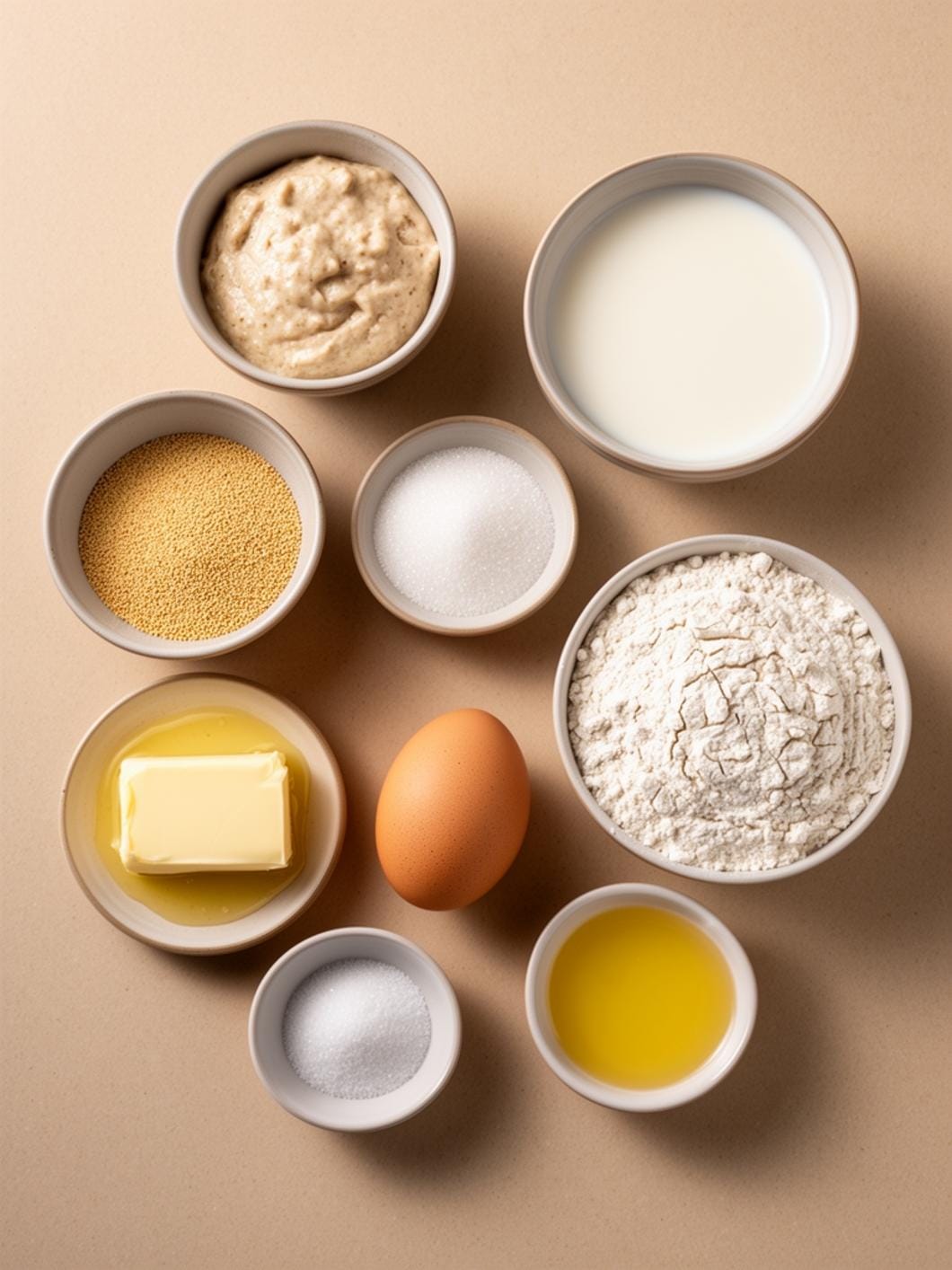
- 1 cup active sourdough starter (fed and bubbly)
- 1 cup warm milk (around 100-110°F)
- 1/4 cup granulated sugar
- 1/4 cup unsalted butter, melted
- 1 large egg
- 1 teaspoon salt
- 3 1/2 cups all-purpose flour, plus more for dusting
- 1 teaspoon instant yeast (optional, for a faster rise)
- 2 tablespoons melted butter, for brushing
For the milk, whole milk tends to give the richest flavor and softest texture, but 2% milk will also work well. If you don’t have unsalted butter, you can use salted butter and reduce the added salt in the recipe by about half a teaspoon. The instant yeast is an optional addition that can help speed up the rising process, which is particularly helpful if your kitchen is cool or your starter isn’t as vigorous as you’d like. It’s not strictly necessary for the sourdough flavor, but it can make the process more predictable and quicker.
Time Needed From Start To Finish
Making these soft sourdough dinner rolls requires a bit of patience for the rising times, but the active hands-on work is quite manageable.
- Prep Time: 20 minutes (includes mixing dough)
- First Rise (Bulk Fermentation): 4-8 hours (or overnight in the fridge)
- Shaping Time: 15 minutes
- Second Rise (Proofing): 1-2 hours
- Bake Time: 18-22 minutes
- Total Time: Approximately 7-13 hours (depending on rise times), with about 45 minutes of active work.
The longer rise times are where the sourdough magic happens, developing those complex flavors. Don’t be intimidated by the total time; most of it is hands-off waiting.
How To Make It Step By Step With Visual Cues

Follow these steps carefully to achieve perfectly soft and delicious sourdough dinner rolls. Pay attention to the dough’s texture and appearance at each stage.
- Activate the Starter and Combine Wet Ingredients: In a large mixing bowl, combine your active sourdough starter, warm milk, granulated sugar, melted butter, and the egg. Whisk these ingredients together until they are well combined and the sugar has dissolved. If you’re using instant yeast, sprinkle it over this mixture and let it sit for 5 minutes until foamy.
- Mix in Dry Ingredients to Form Dough: Add the salt and 3 cups of the all-purpose flour to the wet mixture. Mix with a wooden spoon or a stand mixer with a dough hook until a shaggy dough forms. Gradually add the remaining 1/2 cup of flour, a little at a time, until the dough comes together and is no longer excessively sticky. It should be soft and slightly tacky, but not sticking to your hands or the sides of the bowl.
- Knead the Dough for Development: Turn the dough out onto a lightly floured surface. Knead for 8-10 minutes until the dough is smooth, elastic, and passes the “windowpane test” (you can stretch a small piece thin enough to see light through it without tearing). If using a stand mixer, knead with the dough hook on medium speed for 6-8 minutes.
- First Rise (Bulk Fermentation): Lightly grease a clean bowl with a little oil. Place the dough in the bowl, turning it once to coat. Cover the bowl with plastic wrap or a damp kitchen towel. Let the dough rise in a warm place for 4-8 hours, or until it has doubled in size. Alternatively, for a longer, colder ferment that develops more flavor, you can place it in the refrigerator overnight (8-12 hours).
- Shape the Dinner Rolls: Gently punch down the risen dough to release the air. Turn it out onto a lightly floured surface. Divide the dough into 12-16 equal pieces, depending on your desired roll size. Roll each piece into a smooth, tight ball. Arrange the shaped rolls in a lightly greased 9×13 inch baking dish, leaving a little space between them.
- Second Rise (Proofing): Cover the baking dish loosely with plastic wrap or a damp towel. Let the rolls rise in a warm place for 1-2 hours, or until they look puffy and have nearly doubled in size. They should be soft and spring back slowly when gently poked.
- Bake Until Golden Brown: Preheat your oven to 375°F (190°C). Once preheated, remove the cover from the rolls and place the baking dish in the oven. Bake for 18-22 minutes, or until the tops are golden brown and the rolls sound hollow when tapped on the bottom.
- Finish with Butter and Serve: As soon as the rolls come out of the oven, brush the tops with the 2 tablespoons of melted butter. This adds flavor, shine, and helps keep them soft. Let them cool slightly in the pan before serving warm.
Easy Variations And Serving Ideas That Fit Real Life
These soft sourdough dinner rolls are incredibly versatile and can be adapted to suit various tastes and occasions. For a savory twist, you can mix in a half cup of shredded cheddar cheese and a tablespoon of chopped chives or dried herbs like rosemary or thyme into the dough during the kneading stage. This makes them fantastic with soups or stews. For a touch of sweetness, brush the baked rolls with a honey-butter glaze instead of plain melted butter.
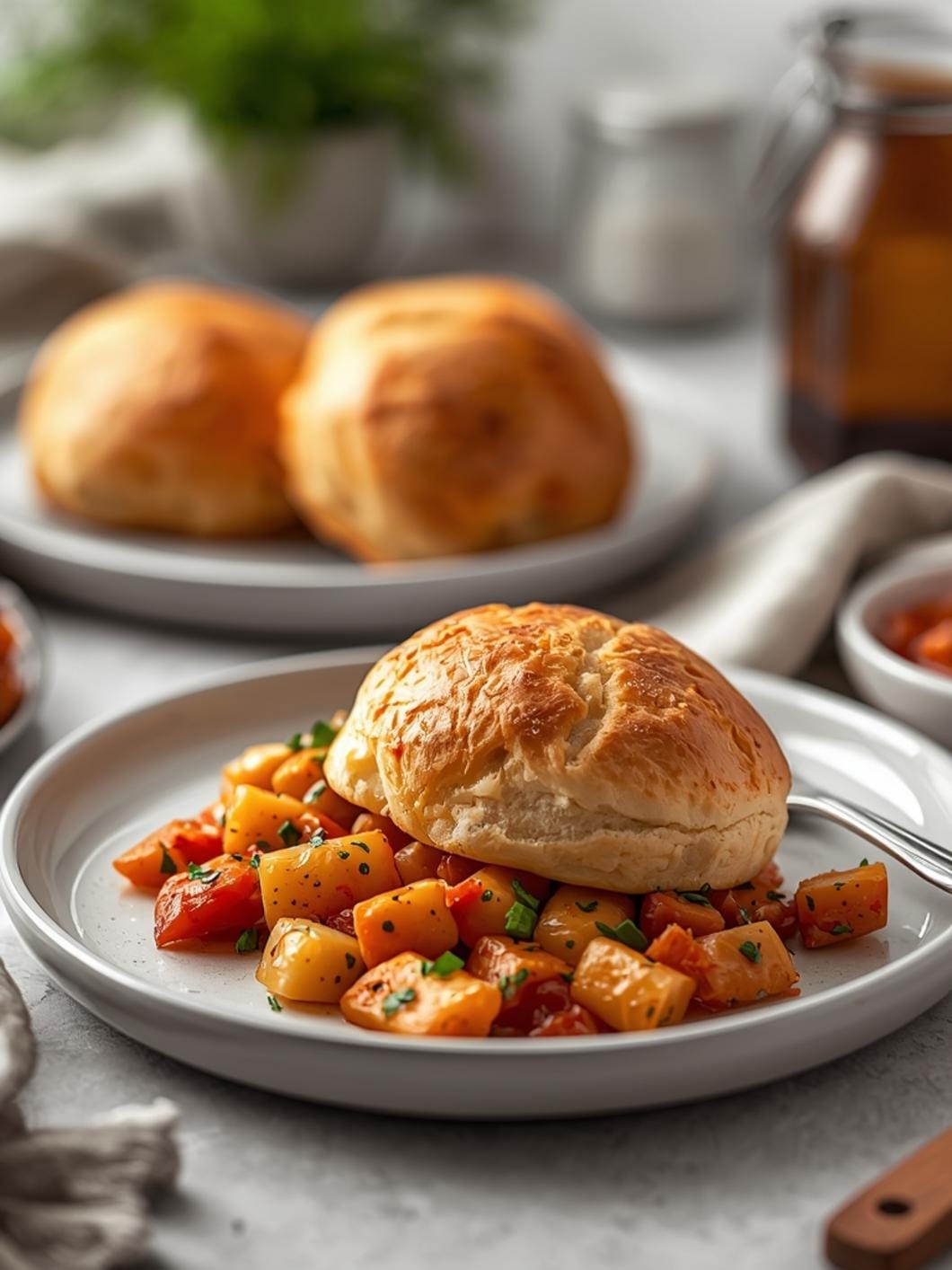
When serving, these rolls are perfect as a simple side with almost any main course, from roasted chicken to pasta dishes. They’re also excellent for soaking up gravies or sauces. For a party or buffet, arrange them in a basket with a small dish of herbed butter or a fancy olive oil for dipping. Kids often love these rolls plain, but you can also make mini sandwiches with deli meat and cheese for a quick lunchbox idea. They also make fantastic sliders for a casual get-together.
Common Slip-Ups And How To Avoid Them
Even experienced bakers can encounter small issues, but knowing what to watch for can help you avoid common mistakes with these sourdough dinner rolls.
- Using an inactive starter: If your sourdough starter isn’t bubbly and active, your rolls won’t rise properly. Always feed your starter 4-12 hours before you plan to bake and ensure it’s at its peak activity before using.
- Adding too much flour: A common mistake is adding too much flour, which results in dense, dry rolls. The dough should be soft and slightly tacky, not stiff. Resist the urge to keep adding flour if the dough is just a little sticky; kneading will help develop the gluten and make it less sticky.
- Not kneading enough: Insufficient kneading means the gluten won’t be properly developed, leading to rolls that are crumbly rather than soft and chewy. Knead until the dough is smooth and elastic.
- Improper rising conditions: If your kitchen is too cold, the dough will take much longer to rise, or might not rise fully. Find a warm spot, like near a sunny window or in an oven with just the light on, to encourage rising. Conversely, if it’s too hot, the dough can overproof and develop an off-flavor.
- Overbaking: Baking the rolls for too long will dry them out. Keep an eye on them towards the end of the baking time. They should be golden brown on top and sound hollow when
FAQs
- Can I make these ahead? Yes—prep ahead, refrigerate, then serve when ready.
- How long do leftovers last? Store covered in the fridge for 3–4 days for best texture.
- Can I adjust sweetness? Yes—add more or less sweetener to taste.
- Can I change the fruit? Yes—swap strawberries for blueberries, raspberries, or sliced banana.