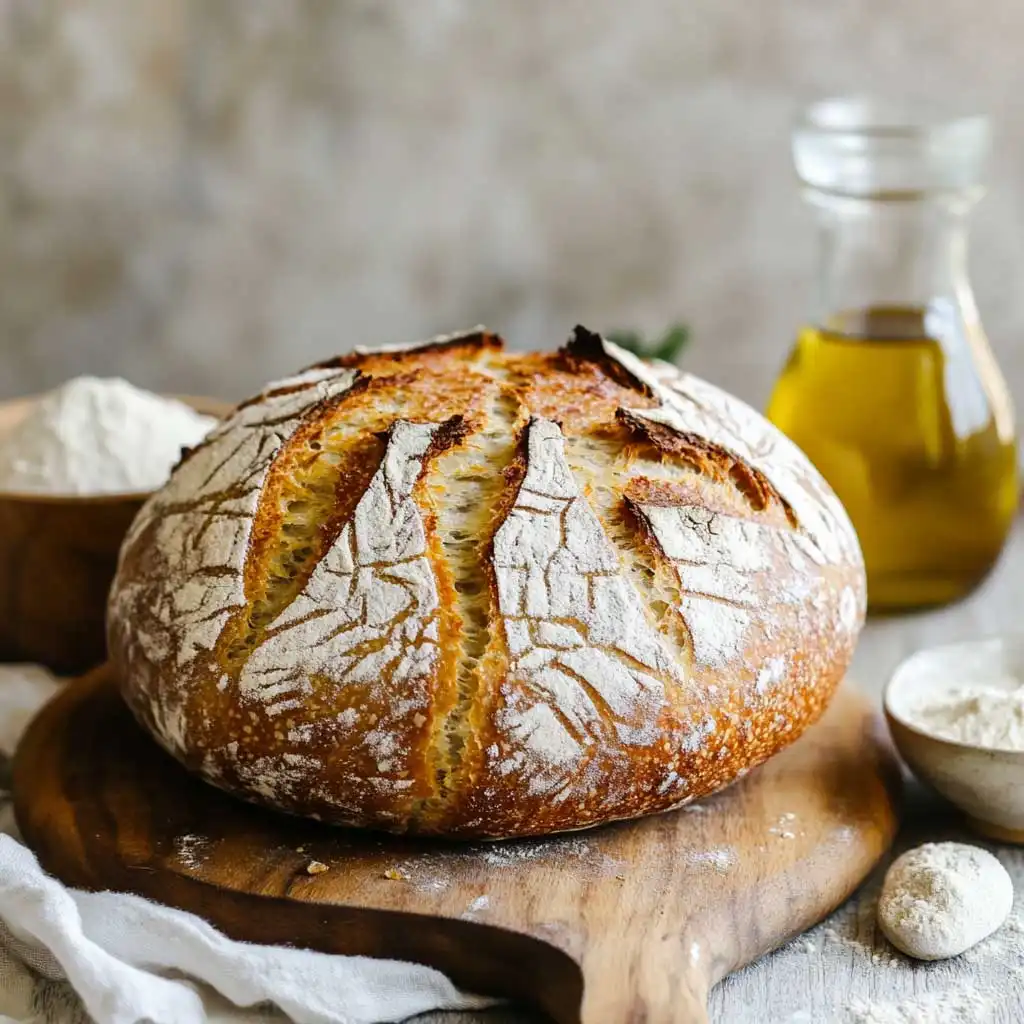

Bake the best sourdough dinner rolls with this easy overnight recipe, perfect for a soft and fluffy texture.

These homemade sourdough rolls are made with a starter and a touch of yeast for a quicker rise, ensuring you get that delightful sourdough tang without the super long wait.
This recipe is designed for home bakers who love the idea of fresh, warm bread on their table but need a practical approach. The overnight bulk fermentation makes it incredibly convenient, allowing you to fit baking into a busy schedule.
Table of Contents
- What You’ll Love About This Quick And Easy Recipe
- Everything You Need To Make This Recipe Without Stress
- Time Needed From Start To Finish
- How To Make It Step By Step With Visual Cues
- Easy Variations And Serving Ideas That Fit Real Life
- Common Slip-Ups And How To Avoid Them
- How To Store It And Make It Ahead Without Ruining Texture

Overnight Sourdough Dinner Rolls
- Total Time: 11-15 hours (mostly inactive)
- Yield: 12-16 rolls 1x
Description
Bake the best sourdough dinner rolls with this easy overnight recipe, perfect for a soft and fluffy texture. These homemade sourdough rolls are made with a starter and a touch of yeast for a quicker rise, ensuring you get that delightful sourdough tang without the super long wait. This recipe is designed for home bakers who love the idea of fresh, warm bread on their table but need a practical approach. The overnight bulk fermentation makes it incredibly convenient, allowing you to fit baking into a busy schedule.
Ingredients
Instructions
1. Combine Wet Ingredients: In a large mixing bowl, whisk together the active sourdough starter, warm water, granulated sugar, and lightly beaten egg until well combined. The mixture will look a bit cloudy.
2. Add Dry Ingredients: Add the all-purpose flour, instant yeast, and fine sea salt to the wet ingredients. Mix with a wooden spoon or a Danish dough whisk until a shaggy dough forms and no dry streaks of flour remain.
3. Knead the Dough: Turn the dough out onto a lightly floured surface. Knead for 8-10 minutes until the dough is smooth, elastic, and passes the windowpane test (you can stretch a small piece thin enough to see light through it without tearing). Alternatively, use a stand mixer with a dough hook for 6-8 minutes on medium speed.
4. First Rise (Overnight Bulk Fermentation): Place the kneaded dough in a lightly oiled bowl, turning it once to coat. Cover the bowl tightly with plastic wrap or a damp kitchen towel. Refrigerate for 8-12 hours, or overnight. This slow, cold fermentation develops flavor and makes the dough easier to handle.
5. Shape the Rolls: The next day, remove the dough from the refrigerator. It should have risen significantly. Gently punch down the dough to release the air. Turn it out onto a lightly floured surface and divide it into 12-16 equal pieces (about 60-70 grams each for 12 rolls). Shape each piece into a tight ball by pulling the edges under and rolling it against the counter with the palm of your hand.
6. Second Rise (Proofing): Arrange the shaped rolls in a lightly greased 9×13 inch baking dish, leaving a little space between them. Cover the dish loosely with plastic wrap or a clean kitchen towel and let them rise in a warm place for 1-2 hours, or until they are visibly puffy and almost doubled in size. They should feel light and airy.
7. Bake the Rolls: Preheat your oven to 375 F (190 C) during the last 20 minutes of the second rise. Just before baking, brush the tops of the rolls with melted butter. Bake for 20-25 minutes, or until the rolls are golden brown on top and cooked through. An internal temperature of 200-210 F (93-99 C) indicates they are done.
8. Cool and Serve: Once baked, remove the rolls from the oven. Brush them again with a little more melted butter for extra shine and flavor. Let them cool in the pan for 5-10 minutes before serving warm.
- Prep Time: 35 minutes
- Cook Time: 20-25 minutes
- Category: bread
- Method: baking
- Cuisine: american
Nutrition
- Serving Size: 1 roll
Keywords: sourdough, dinner rolls, bread, overnight, fluffy, homemade, yeast, tangy, easy, baking
What You’ll Love About This Quick And Easy Recipe
This recipe is a true game-changer for anyone who wants to enjoy the rich flavor and soft texture of sourdough dinner rolls without dedicating an entire day to the process. It’s perfect for home cooks who appreciate good food but also value their time. The combination of active sourdough starter and a small amount of instant yeast gives you the best of both worlds: the complex flavor development of sourdough and a reliable, quicker rise. You’ll find these rolls are incredibly soft, fluffy, and have a beautiful golden crust, making them ideal for any meal. They’re fantastic alongside a hearty stew, perfect for soaking up gravy from a roast, or simply enjoyed with butter as a snack. This recipe is designed to be approachable, even if you’re relatively new to sourdough baking, and it fits seamlessly into a weeknight dinner plan or a weekend gathering.
Everything You Need To Make This Recipe Without Stress
Gathering your ingredients before you start baking makes the whole process smoother and more enjoyable. This recipe uses common pantry staples alongside your active sourdough starter. Make sure your starter is fed and bubbly, as this is key to the rolls’ flavor and rise.
INGREDIENTS:
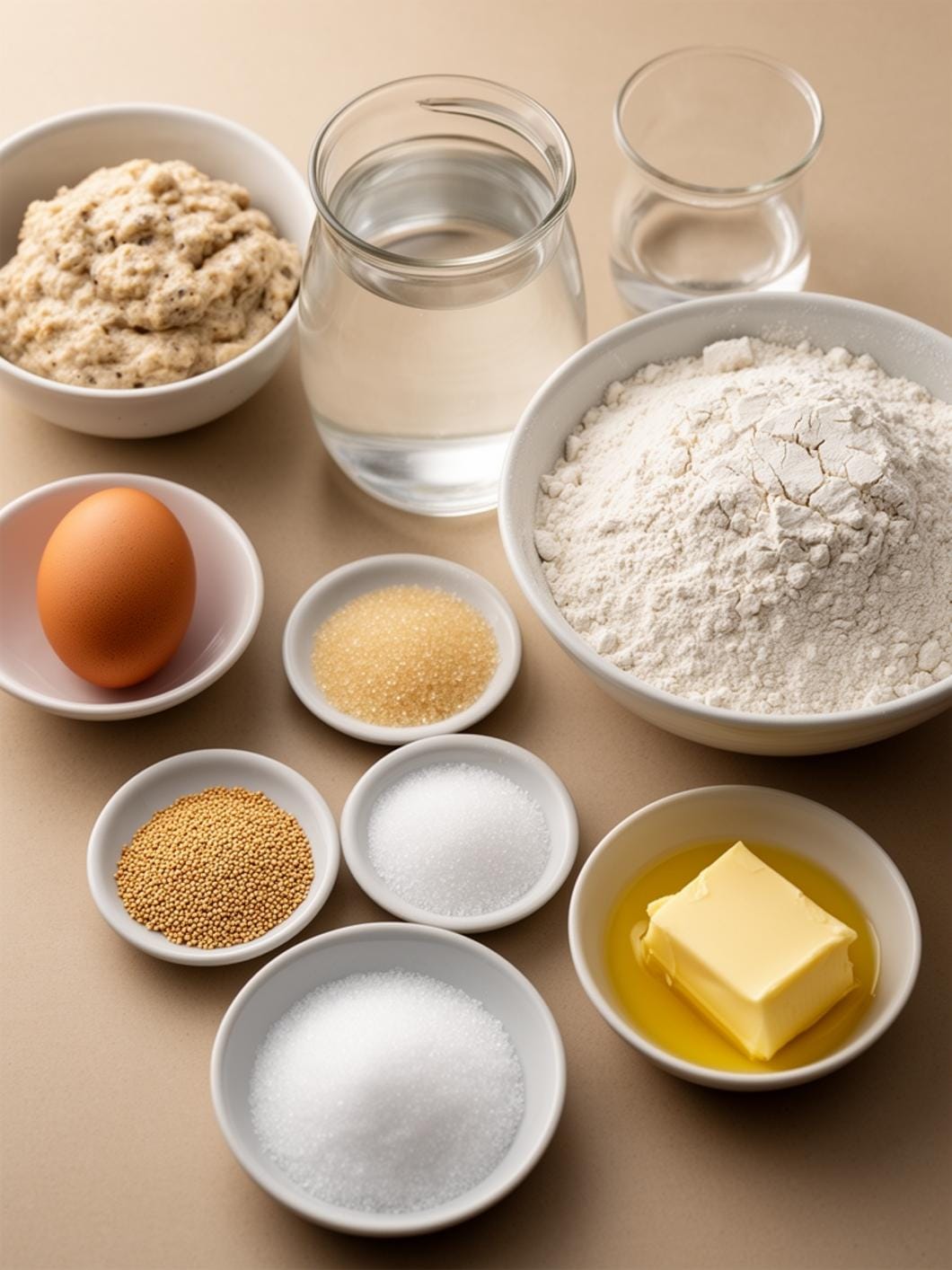
- 100 grams active sourdough starter (fed 4-12 hours prior)
- 300 grams warm water (around 95-105°F / 35-40°C)
- 30 grams granulated sugar
- 1 large egg, lightly beaten
- 500 grams all-purpose flour
- 1 teaspoon instant yeast
- 10 grams fine sea salt
- 50 grams unsalted butter, melted and cooled, plus extra for brushing
When it comes to substitutions, you can certainly use bread flour instead of all-purpose flour for a slightly chewier roll, though all-purpose works beautifully for a soft texture. If you don’t have instant yeast, you can use active dry yeast; just be sure to bloom it in a small portion of the warm water with a pinch of sugar for 5-10 minutes before adding it to the rest of the ingredients. For a dairy-free option, use a plant-based milk or water instead of the egg wash and a dairy-free butter substitute or olive oil for brushing.
Time Needed From Start To Finish
This recipe is designed to be spread out, making it manageable even on a busy day. The actual hands-on time is quite minimal, with most of the work being done by your sourdough starter and yeast during the overnight rise.
- Active Preparation Time: 20 minutes
- First Rise (Bulk Fermentation): 8-12 hours (overnight in the refrigerator)
- Shaping Time: 15 minutes
- Second Rise (Proofing): 1-2 hours
- Baking Time: 20-25 minutes
- Total Time (Spread Over Two Days): Approximately 11-15 hours (mostly inactive)
How To Make It Step By Step With Visual Cues

Making these soft sourdough dinner rolls is a rewarding process. Follow these steps for delicious results.
- Combine Wet Ingredients: In a large mixing bowl, whisk together the active sourdough starter, warm water, granulated sugar, and lightly beaten egg until well combined. The mixture will look a bit cloudy.
- Add Dry Ingredients: Add the all-purpose flour, instant yeast, and fine sea salt to the wet ingredients. Mix with a wooden spoon or a Danish dough whisk until a shaggy dough forms and no dry streaks of flour remain.
- Knead the Dough: Turn the dough out onto a lightly floured surface. Knead for 8-10 minutes until the dough is smooth, elastic, and passes the windowpane test (you can stretch a small piece thin enough to see light through it without tearing). Alternatively, use a stand mixer with a dough hook for 6-8 minutes on medium speed.
- First Rise (Overnight Bulk Fermentation): Place the kneaded dough in a lightly oiled bowl, turning it once to coat. Cover the bowl tightly with plastic wrap or a damp kitchen towel. Refrigerate for 8-12 hours, or overnight. This slow, cold fermentation develops flavor and makes the dough easier to handle.
- Shape the Rolls: The next day, remove the dough from the refrigerator. It should have risen significantly. Gently punch down the dough to release the air. Turn it out onto a lightly floured surface and divide it into 12-16 equal pieces (about 60-70 grams each for 12 rolls). Shape each piece into a tight ball by pulling the edges under and rolling it against the counter with the palm of your hand.
- Second Rise (Proofing): Arrange the shaped rolls in a lightly greased 9×13 inch baking dish, leaving a little space between them. Cover the dish loosely with plastic wrap or a clean kitchen towel and let them rise in a warm place for 1-2 hours, or until they are visibly puffy and almost doubled in size. They should feel light and airy.
- Bake the Rolls: Preheat your oven to 375°F (190°C) during the last 20 minutes of the second rise. Just before baking, brush the tops of the rolls with melted butter. Bake for 20-25 minutes, or until the rolls are golden brown on top and cooked through. An internal temperature of 200-210°F (93-99°C) indicates they are done.
- Cool and Serve: Once baked, remove the rolls from the oven. Brush them again with a little more melted butter for extra shine and flavor. Let them cool in the pan for 5-10 minutes before serving warm.
Easy Variations And Serving Ideas That Fit Real Life
These soft sourdough dinner rolls are incredibly versatile and can be adapted to suit various tastes and occasions. For a savory twist, you can mix in 1/2 cup of shredded cheddar cheese and 2 tablespoons of chopped fresh chives into the dough during the kneading stage. Another delicious option is to add 1/4 cup of everything bagel seasoning to the dough, or sprinkle it on top before baking for a flavorful crust.
For serving, these rolls are a natural fit for almost any meal. They’re perfect alongside a Sunday roast, a hearty chili, or a comforting soup. Kids often love them simply with butter or jam. For a party or buffet, arrange them in a basket with a variety of spreads like herb butter, honey butter, or even a savory dip like spinach artichoke. You can also turn them into mini sliders by slicing them horizontally and filling them with pulled pork, shredded chicken, or ham and cheese. Don’t forget they make excellent small sandwiches for lunchboxes too!
Common Slip-Ups And How To Avoid Them
Even experienced bakers can encounter small challenges. Knowing what to watch out for can help ensure your sourdough dinner rolls turn out perfectly every time.
- Using an Inactive Sourdough Starter: If your starter isn’t bubbly and active, your rolls won’t rise properly. Always feed your starter 4-12 hours before you plan to mix the dough and ensure it has at least doubled in size.
- Over-flouring During Kneading: Adding too much extra flour during kneading can make the rolls tough and dry. Use just enough flour to prevent sticking, and rely on the kneading action to develop gluten.
- Not Kneading Enough: Under-kneaded dough won’t develop sufficient gluten, leading to dense, crumbly rolls. Knead until the dough is smooth, elastic, and passes the windowpane test.
- Not Allowing Enough Time for Proofing: Rushing the second rise (proofing) will result in small, dense rolls. Let the rolls rise until they are visibly puffy and light. The “poke test” (gently poke the dough; if the indentation slowly springs back, it’s ready) can be helpful.
- Baking at the Wrong Temperature: An oven that’s too cool will result in pale, dry rolls, while one that’s too hot can burn the crust before the inside is cooked. Use an oven thermometer to ensure accuracy.
- Over-baking the Rolls: Baking for too long can dry out the rolls and make them tough. Keep an eye on them; they should be golden brown and sound hollow when tapped on the bottom.
How To Store It And Make It Ahead Without Ruining Texture
These sourdough dinner rolls are best enjoyed fresh and warm from the oven, but they also store well for a few days.
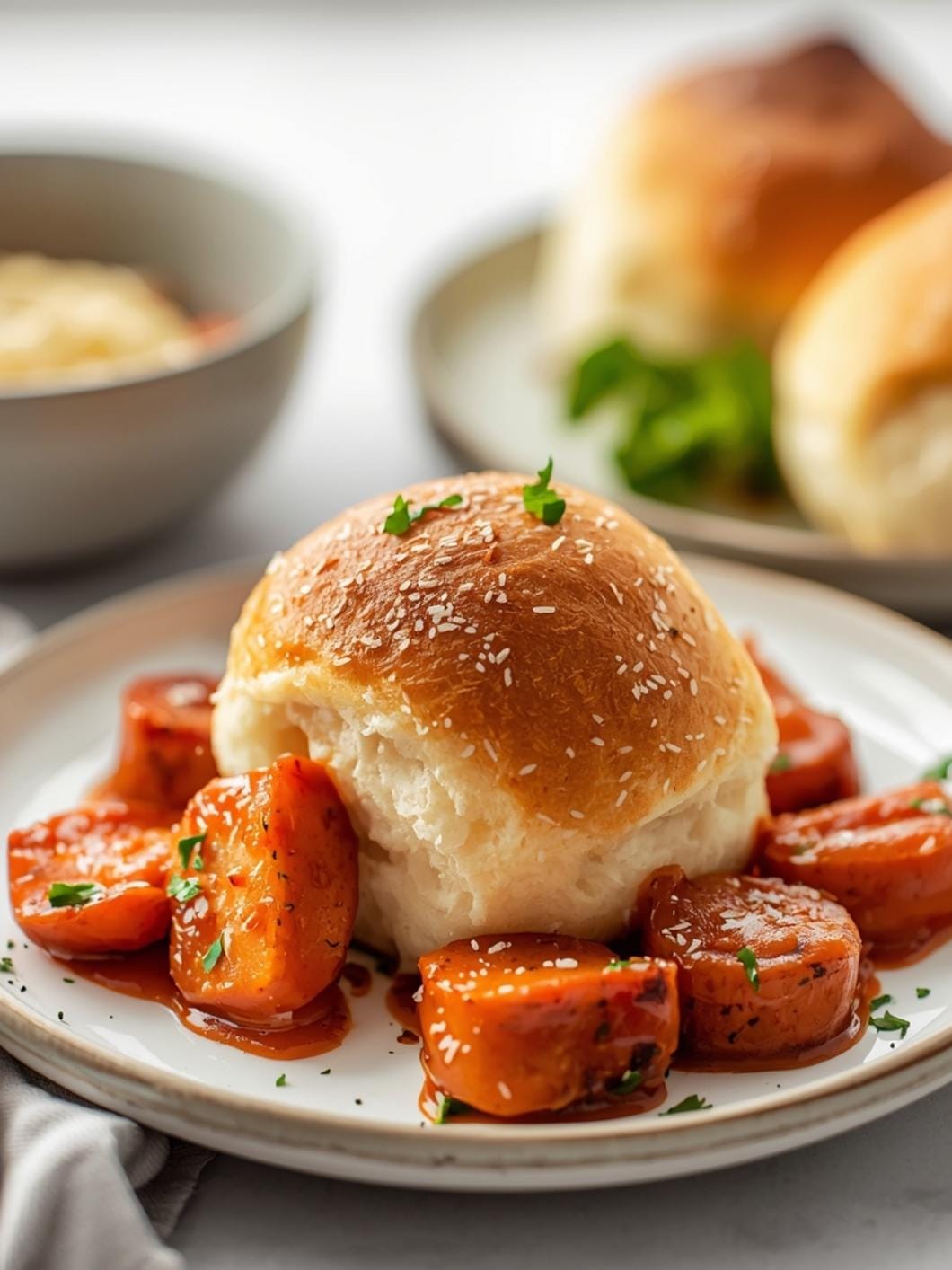
To store leftover rolls, place them in an airtight container or a resealable plastic bag at room temperature for up to 2-3 days. This helps maintain their softness. For
FAQs
- Can I make these ahead? Yes—prep ahead, refrigerate, then serve when ready.
- How long do leftovers last? Store covered in the fridge for 3–4 days for best texture.
- Can I adjust sweetness? Yes—add more or less sweetener to taste.
- Can I change the fruit? Yes—swap strawberries for blueberries, raspberries, or sliced banana.