
There’s something magical about the aroma of freshly baked bread wafting through your kitchen—the warm, herby scent of soft sourdough herb rolls is a feeling that calls everyone to the table. In this beginner’s guide to sourdough baking, we’ll walk through the simple joy of crafting rustic, fragrant rolls from your own sourdough bread starter. This is the ultimate recipe using sourdough starter—easy, rewarding, and perfect for first-time bakers. Whether you’ve nurtured your starter for weeks or just received a bubbling jar of culture, these rolls will show you why homemade sourdough is worth every moment of care and patience.

My first encounter with sourdough baking wasn’t in a professional kitchen—it was in my grandmother’s cozy cottage, where the air always smelled of warm dough and fresh rosemary. I still remember standing on a stool beside her rustic wooden counter as she showed me how to stretch and fold the soft dough for our soft sourdough herb rolls. There was no rush, just laughter, stories, and that comforting hum of something timeless unfolding.
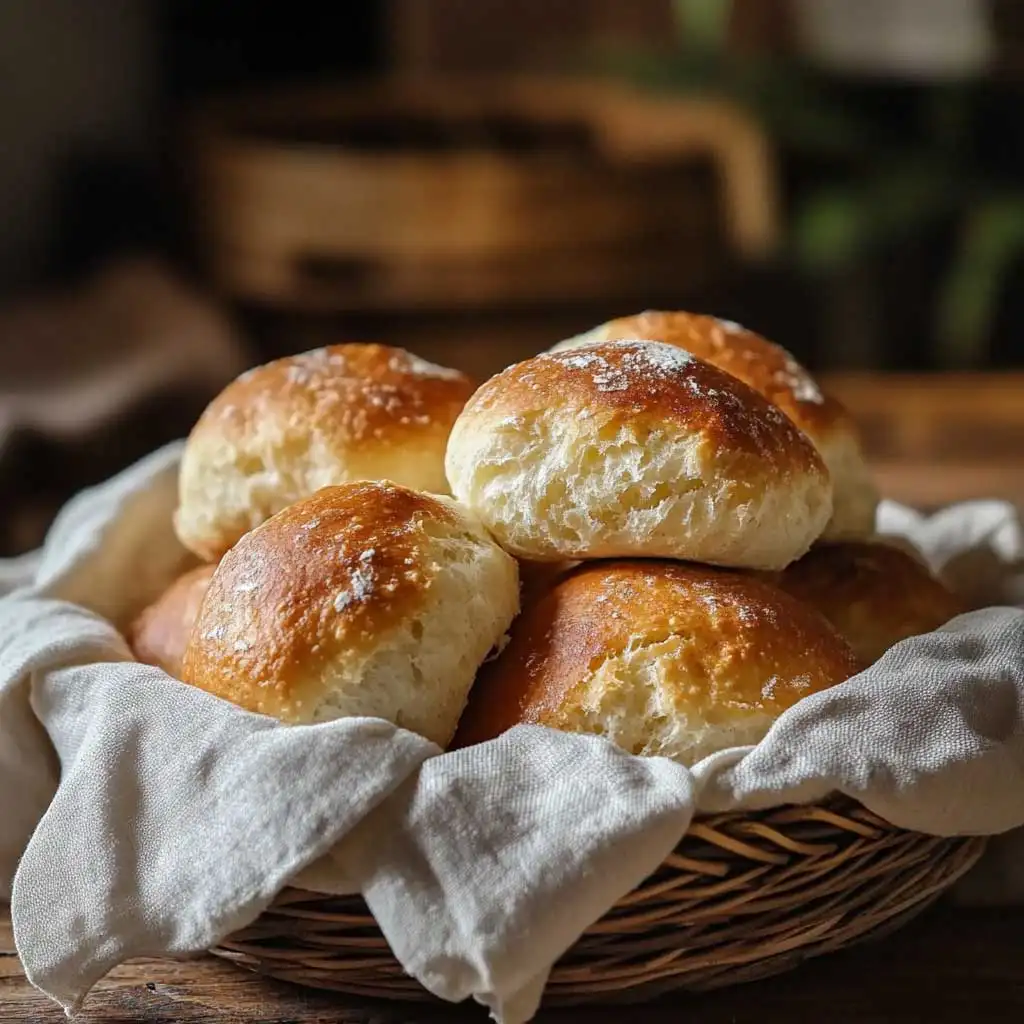
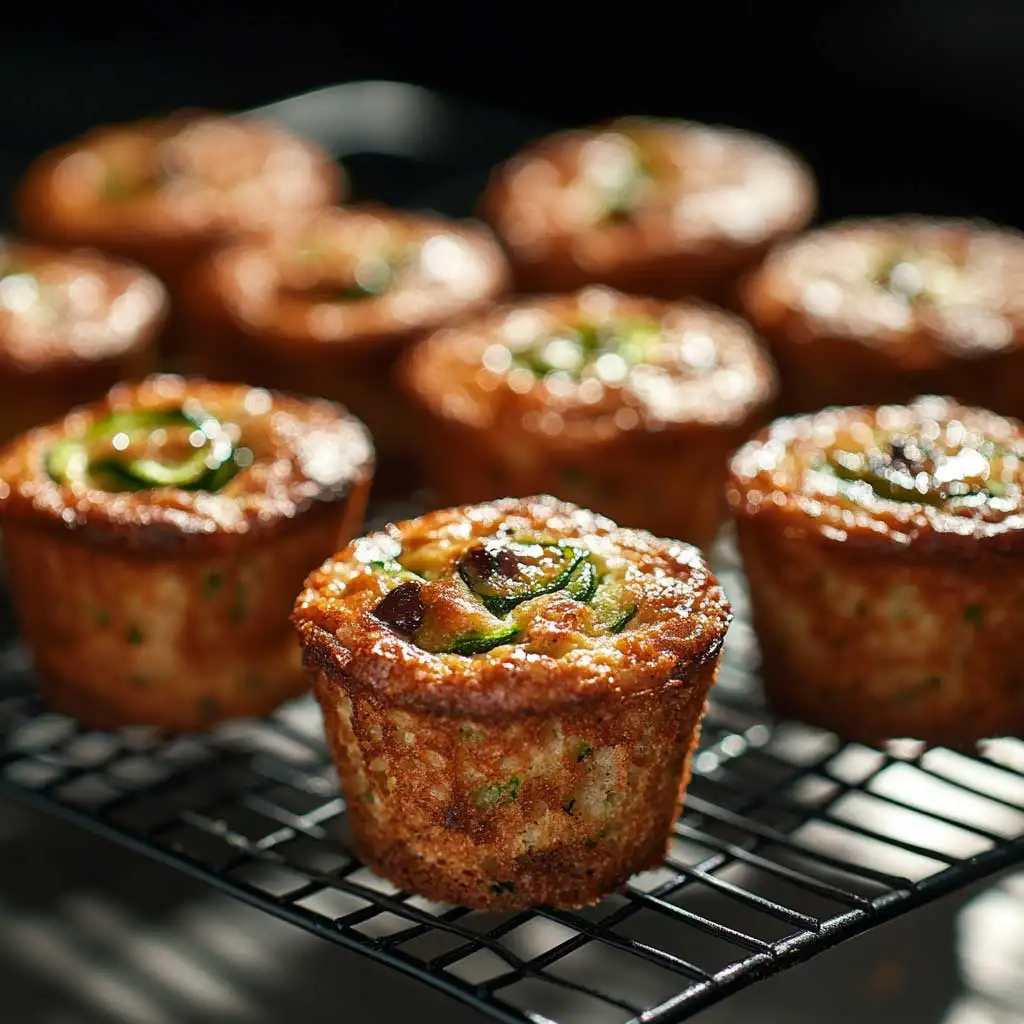
When the rolls emerged from the oven, their golden crust cracked slightly, revealing a tender, aromatic crumb flecked with herbs from her garden. The taste was earthy and tangy—the kind of flavor that only a well-loved sourdough bread starter can give. That memory has stayed with me ever since, reminding me that baking isn’t just about flour and fermentation—it’s about connection, patience, and the simple beauty of sharing food made by hand.
As I recreate those same soft sourdough herb rolls today, I still follow her rhythm: feed the starter, mix by hand, let time do its quiet work. Each bake is a return to that warm kitchen, proving that even in our busy modern lives, rustic baking can ground us in something wonderfully real.
Print
Soft Sourdough Herb Rolls
- Total Time: 8 hours
- Yield: 8-10 rolls 1x
Description
Warm, fluffy sourdough rolls infused with fresh herbs. This beginner-friendly recipe guides you through mixing, fermenting, shaping, and baking using your active sourdough bread starter to create rustic, aromatic rolls.
Ingredients
Instructions
1. Combine sourdough starter, warm water, and olive oil in a bowl and whisk to combine
2. In a separate bowl, mix flours, salt, and chopped herbs
3. Stir dry ingredients into wet mixture until a shaggy dough forms
4. Cover and let dough rest (autolyse) for 30 minutes
5. Perform stretch and fold every 30 minutes for three folds
6. Cover and bulk ferment at room temperature for 3–4 hours until doubled
7. Turn dough onto a lightly floured surface and divide into 8–10 pieces
8. Pre-shape pieces into loose balls and rest 10 minutes
9. Shape into smooth rolls and place on a parchment-lined tray
10. Cover and proof for 2–3 hours at room temperature or refrigerate overnight
11. Preheat oven to 220°C with a tray of water for steam
12. Bake rolls for 20–25 minutes until golden brown
13. Cool on a wire rack for at least 15 minutes before serving
14. Optional: brush warm rolls with melted butter or oil for extra shine
- Prep Time: 20 minutes
- Cook Time: 20 minutes
- Category: bread
- Method: baking
- Cuisine: european
Nutrition
- Serving Size: 1 roll
Keywords: soft sourdough herb rolls, beginner sourdough, sourdough starter, sourdough rolls, rustic baking, homemade rolls, step-by-step sourdough
The Heart of Soft Sourdough Herb Rolls
Why Sourdough Rolls Are the Perfect Beginner’s Recipe
If you’re new to sourdough, there’s no better introduction than soft, herby rolls. Unlike large loaves that demand long bulk ferments or perfect scoring, these petite rounds are forgiving and rewarding for beginners. Their dough is soft and pliable—easy to shape and full of grace for small mistakes.
The sourdough bread starter does most of the heavy lifting, transforming simple flour and water into beautifully risen rolls with natural lightness and depth of flavor. The flexible proofing time also fits neatly around your schedule—if life gets in the way, the dough can rest a little longer without spoiling your bake.
This step-by-step sourdough guide takes the mystery out of the process, showing you exactly how to mix, fold, and proof until you have trays of beautifully soft sourdough herb rolls ready for baking. The aroma that fills your home will be your first reward; the golden, buttery taste your second. For those ready to begin their journey, these rustic rolls are the perfect, confidence-building first step into the world of sourdough baking.
Step-by-Step Sourdough Guide for Beginners
Getting to Know Your Sourdough Bread Starter
Before you begin mixing your first batch of soft sourdough herb rolls, it’s important to understand the beating heart of every sourdough bake—the sourdough bread starter. This simple mixture of flour and water is home to wild yeasts and natural bacteria that together create the lift, structure, and flavour unique to sourdough bread. Think of it as your living baking partner—one that rewards care and consistency.
A healthy starter should smell pleasantly tangy, not sour or alcoholic. It should bubble gently after feeding, indicating active fermentation. Typically, when your starter has doubled in size within four to six hours of feeding and shows a spongy, aerated texture, it’s ready for baking. Understanding these signs removes the mystery that often intimidates beginners.
| Starter Readiness Signs | What It Means |
|---|---|
| Doubled in size within 4–6 hours | Highly active and ready to use for baking |
| Bubbling surface, small air pockets | Fermentation is healthy and yeast is thriving |
| Mildly tangy aroma (like yoghurt or fruit) | Balanced acidity – perfect for soft sourdough herb rolls |
| Collapsed or deflated after peak | It has passed its prime – feed again before using |
| No bubbles and dense texture | Starter is asleep – needs a feeding and warmth |
If your sourdough bread starter isn’t yet rising predictably, give it a few more feedings at room temperature. Consistency is key; feed with equal parts flour and water by weight, stir well, and keep it covered lightly. Once your starter reliably doubles and passes “the float test” (a teaspoonful floats in water), you can confidently incorporate it into any recipe using sourdough starter.
Essential Ingredients and Tools for Soft Sourdough Herb Rolls
Now that your sourdough bread starter is ready and lively, it’s time to prepare the rest of your ingredients and tools. Rustic baking thrives on simplicity—these soft sourdough herb rolls require only a handful of pantry staples and a few fresh herbs.
Essential Ingredients
- Active sourdough starter: 100g, bubbly and refreshed within the last 6 hours.
- Strong white bread flour: 400g – the high protein content helps develop structure.
- Wholemeal or rye flour (optional): up to 50g for nutty flavour.
- Warm water: 230–250ml, adjusting slightly depending on flour absorption.
- Sea salt: 8g for balanced seasoning.
- Olive oil or melted butter: 20g for supple texture.
- Fresh herbs: rosemary, thyme, or parsley finely chopped.
- Honey or maple syrup (optional): 10g for a touch of sweetness.
Try basil and oregano for Mediterranean flair, or chives and dill for a lighter, springtime roll. Substitute dried herbs if fresh aren’t available—use about one-third as they’re more concentrated.
Recommended Tools
- Large mixing bowl
- Kitchen scale
- Bench scraper or dough spatula
- Tea towel or reusable dough cover
- Baking tray or Dutch oven
- Oven thermometer
If you don’t have bread flour, combine all-purpose flour with a tablespoon of vital wheat gluten. No Dutch oven? Place a heatproof bowl of water in the oven to create steam—it helps the rolls rise and develop a thin, golden crust.
Step-by-Step Recipe Using Sourdough Starter
Mixing and Folding the Dough
Now that your ingredients and sourdough bread starter are ready, it’s time to bring everything together. Mixing dough for soft sourdough herb rolls follows a gentle rhythm of resting and folding—essential in any recipe using sourdough starter.
- Combine the Wet and Dry Ingredients: In a bowl, whisk together your starter, warm water, and oil. In another, combine flours, salt, and herbs. Stir until no dry patches remain.
- Rest (Autolyse): Cover and let rest 30 minutes. This allows the flour to hydrate and gluten to form naturally.
- Stretch and Fold: With damp hands, stretch one side of the dough upward and fold over. Rotate and repeat four times. Rest 30 minutes; repeat twice more. The dough becomes smooth and elastic.
- Bulk Fermentation: Cover and ferment at room temperature for 3–4 hours until doubled, bubbly, and domed.
Shaping, Proofing, and Baking
- Divide and Pre-shape: Gently turn out the dough, divide into 8–10 pieces, and fold each into a loose ball. Rest 10 minutes.
- Final Shaping: Roll gently to create tension and form smooth rounds. Arrange on a parchment-lined tray.
- Proofing: Cover and allow to rise 2–3 hours until puffy. Optionally refrigerate overnight for deeper flavour.
- Baking: Preheat oven to 220°C (425°F). Brush tops with olive oil or egg wash and bake 20–25 minutes until golden. The base should sound hollow when tapped.
- Cooling: Cool on a wire rack 15 minutes. Brush with melted butter or herb oil for extra fragrance.
Each roll emerges with a delicately crisp crust and an airy crumb flecked with herbs—simple, hearty, and irresistible. The humble process of mixing and waiting transforms into the joy of sharing freshly baked bread, proof that rustic baking is about time and care as much as ingredients.
Perfecting Your Beginner’s Sourdough Baking Journey
Creative Ways to Serve Soft Sourdough Herb Rolls
Fresh from the oven, these soft sourdough herb rolls deserve to take centre stage at your table. Pair them with a steaming bowl of tomato soup or serve alongside a crisp salad drizzled with olive oil and lemon. Their herby tang complements roasts, pastas, or grilled vegetables, making them ideal for both weekday meals and festive dinners.
Spread them with salted butter or creamy goat’s cheese while still warm—thanks to their light, airy crumb, they absorb toppings beautifully. Store in an airtight bag for up to two days, or freeze. To refresh, sprinkle lightly with water and warm for 5–7 minutes at 180°C (350°F) to restore that fresh-baked softness.
FAQ + Conclusion
1. How long do sourdough rolls stay fresh?
Best within 2–3 days; refresh or freeze for longer storage.
2. Can I use dried herbs instead of fresh?
Yes—use about one-third the amount of fresh herbs.
3. Why is my dough too sticky?
Sourdough doughs are hydrated. Keep hands damp or use a scraper. Add minimal extra flour.
4. Can I refrigerate the dough overnight?
Absolutely. Cold proofing enhances flavour; allow time to reach room temperature before baking.
5. What if my sourdough starter isn’t bubbly enough?
Feed regularly, keep warm, and use only once it doubles predictably after feeding.
Baking soft sourdough herb rolls is more than following a recipe—it’s about slowing down and embracing the rhythm of fermentation. With your sourdough bread starter thriving and your confidence growing, every bake becomes easier and more rewarding. This beginner’s guide to sourdough baking shows that with patience and care, anyone can transform a humble recipe using sourdough starter into rustic, fragrant rolls shared with love at the table.