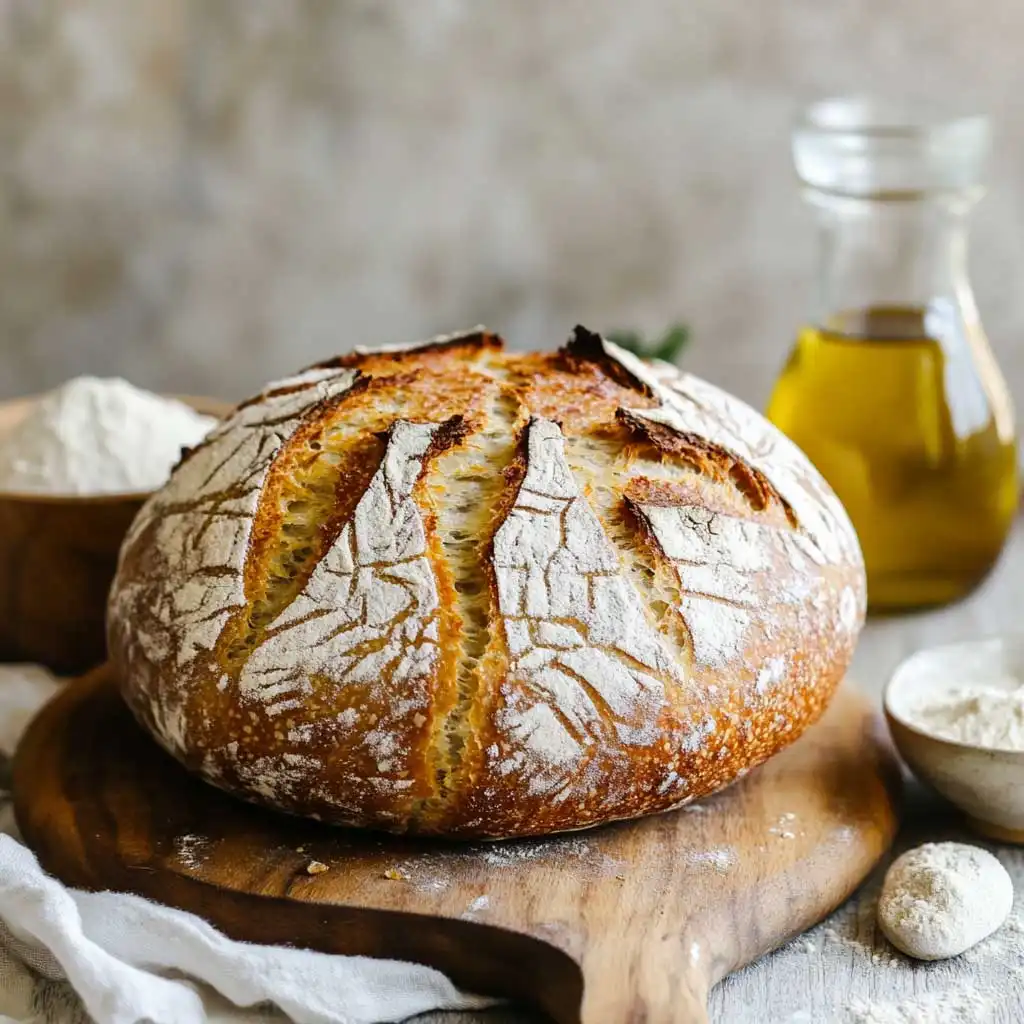

Bake a delicious, buttery sourdough sandwich bread with this easy overnight recipe, perfect for soft, sliced loaves.
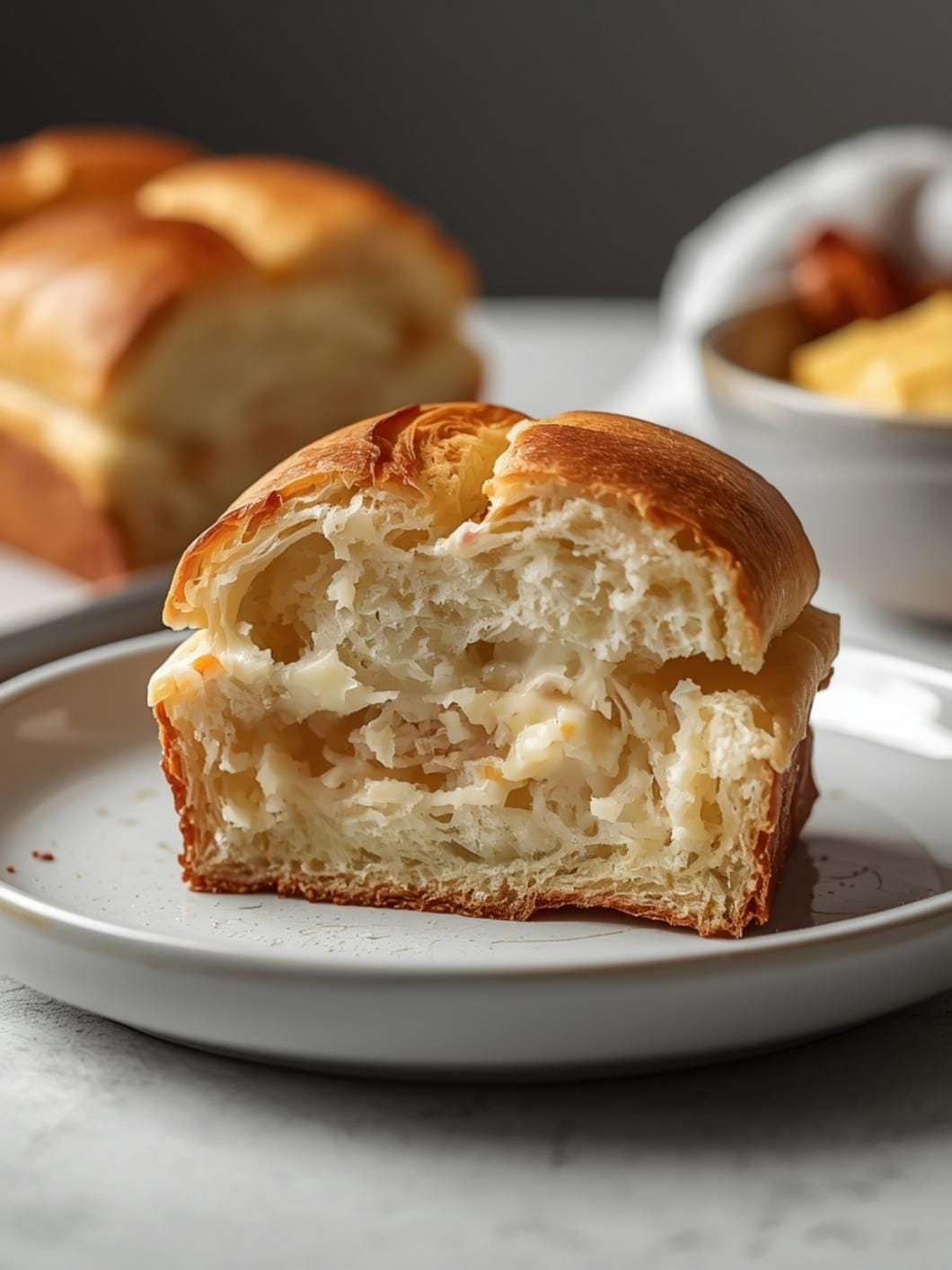
This recipe is designed for home bakers who want the incredible flavor of sourdough without the fuss of a multi-day process. You’ll get a tender crumb and a lovely crust, ideal for all your favorite sandwiches.
This overnight method means you do most of the work the evening before, letting time do the heavy lifting. Wake up to the delightful aroma of fresh bread, ready to be baked into a golden loaf that will impress everyone at your breakfast or lunch table.

Overnight Sourdough Sandwich Bread
- Total Time: 12-18 hours
- Yield: 1 loaf 1x
Description
Bake a delicious, buttery sourdough sandwich bread with this easy overnight recipe, perfect for soft, sliced loaves. This recipe is designed for home bakers who want the incredible flavor of sourdough without the fuss of a multi-day process. You’ll get a tender crumb and a lovely crust, ideal for all your favorite sandwiches. This overnight method means you do most of the work the evening before, letting time do the heavy lifting. Wake up to the delightful aroma of fresh bread, ready to be baked into a golden loaf that will impress everyone at your breakfast or lunch table.
Ingredients
Instructions
1. Prepare the Dough (Evening): In a large mixing bowl, combine the active sourdough starter and warm water. Stir until the starter is mostly dissolved. Add the bread flour, salt, and sugar. Mix with a wooden spoon or your hands until a shaggy dough forms and no dry flour remains. It will be quite sticky. Cover the bowl with a damp kitchen towel or plastic wrap and let it rest for 30 minutes at room temperature. This is called autolyse, and it helps the flour hydrate.
2. Incorporate the Butter and Knead Lightly: After the rest, add the softened unsalted butter to the dough. Using your hands, gently work the butter into the dough until it’s fully incorporated. The dough might feel a bit messy at first, but keep folding and squeezing until the butter is absorbed. Then, perform a few sets of “stretch and folds” in the bowl: grab a portion of the dough, stretch it up, and fold it over itself. Rotate the bowl and repeat 4-6 times. This builds gluten strength.
3. Overnight Bulk Fermentation: Lightly oil a clean large bowl with olive oil. Transfer the dough to the oiled bowl, turning it once to coat. Cover the bowl tightly with plastic wrap or a lid. Place the bowl in the refrigerator for 8-12 hours, or overnight. This slow, cold fermentation develops flavor and makes the dough easier to handle.
4. Shape the Loaf (Morning): The next morning, remove the dough from the refrigerator. It will have risen slightly and feel bubbly. Gently turn the dough out onto a lightly floured surface. Gently pat it into a rectangle. Fold the top third of the dough down to the center, then fold the bottom third up over that. Rotate the dough 90 degrees, then roll it up tightly from one end to the other, creating a log shape. Pinch the seam closed.
5. Final Proofing: Grease a standard 9×5-inch loaf pan. Carefully place the shaped dough seam-side down into the prepared loaf pan. Cover the loaf pan loosely with plastic wrap or a damp kitchen towel. Let it proof at room temperature for 1-2 hours, or until it has visibly increased in size and looks puffy. You can test if it’s ready by gently poking it with a floured finger; if the indentation slowly springs back, it’s ready to bake.
6. Bake the Bread: Preheat your oven to 375 F (190 C) with a rack in the middle. Once the oven is preheated and the dough is proofed, place the loaf pan in the oven. Bake for 35-40 minutes, or until the crust is golden brown and the internal temperature reaches 200-210 F (93-99 C) when measured with an instant-read thermometer. If the top is browning too quickly, you can loosely tent it with aluminum foil.
7. Cool Completely: Remove the loaf from the oven and immediately turn it out onto a wire cooling rack. This is crucial to prevent the bottom from becoming soggy. Let the bread cool completely for at least 1-2 hours before slicing. Slicing hot bread can lead to a gummy texture.
- Prep Time: 30 minutes
- Cook Time: 35-40 minutes
- Category: bread
- Method: baking
- Cuisine: american
Nutrition
- Serving Size: 1 slice
Keywords: sourdough, bread, sandwich, overnight, homemade, easy, baking, loaves, soft, buttery
What You’ll Love About This Quick And Easy Recipe
This recipe is a game-changer for anyone who loves homemade bread but doesn’t have hours to dedicate to baking on a single day. It’s perfect for busy parents, weekend bakers, or anyone looking to elevate their sandwich game. The overnight fermentation not only deepens the sourdough flavor but also makes the dough incredibly easy to handle the next morning. You’ll appreciate how forgiving this recipe is, making it suitable even for those new to sourdough baking. Serve it for everyday sandwiches, toast with butter and jam, or as a side with your favorite soup. Its soft texture makes it a family favorite, and the subtle tang of sourdough adds a gourmet touch to any meal.
Everything You Need To Make This Recipe Without Stress
Gathering your ingredients ahead of time makes the baking process smooth and enjoyable. You’ll find that most of these items are pantry staples, making this a convenient recipe to whip up whenever the craving for fresh bread strikes.
INGREDIENTS:
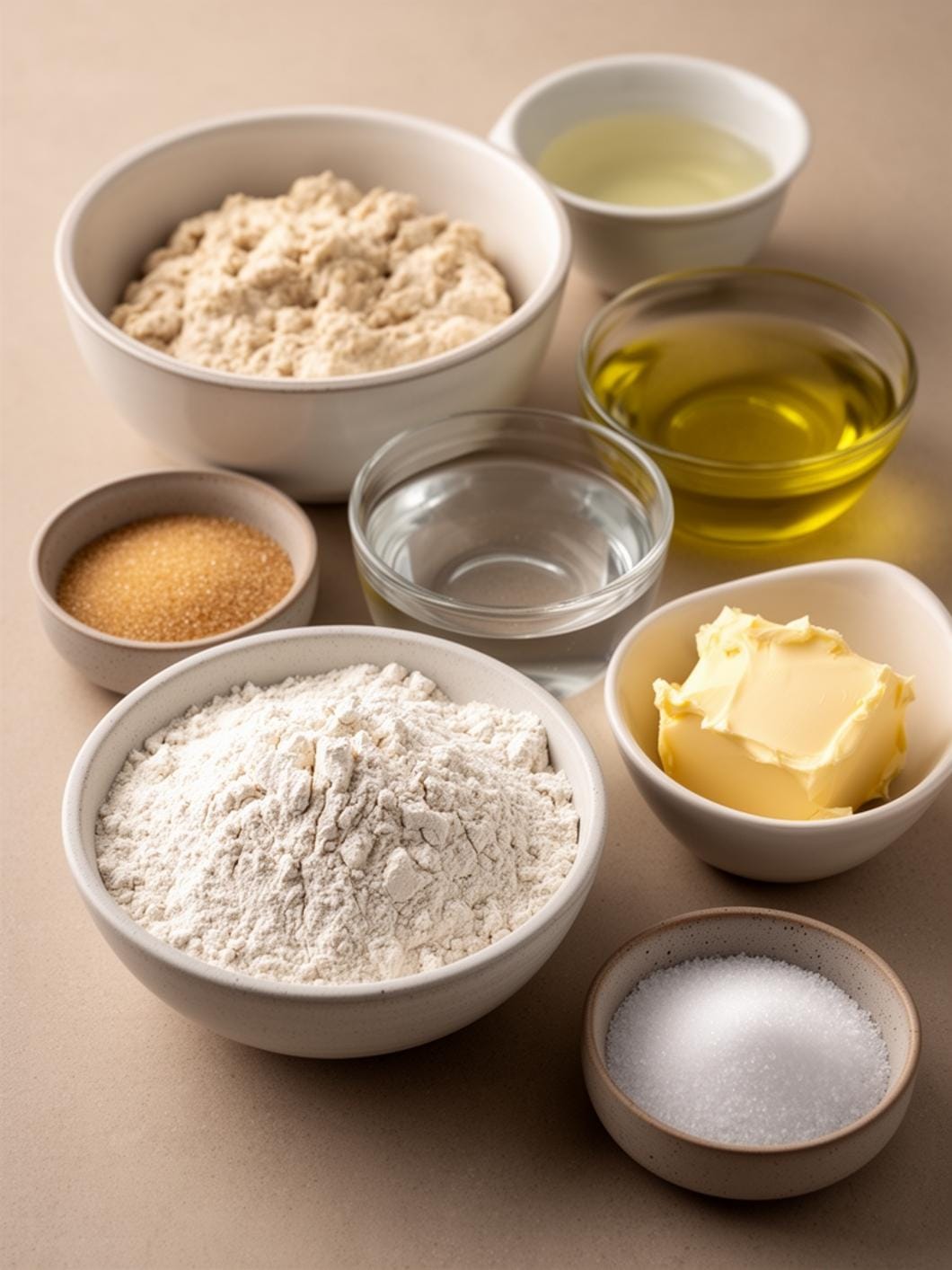
- 150 grams active sourdough starter (fed and bubbly)
- 350 grams warm water (around 90-95°F / 32-35°C)
- 500 grams bread flour
- 10 grams fine sea salt
- 30 grams unsalted butter, softened
- 1 tablespoon granulated sugar
- 1 tablespoon olive oil (for greasing the bowl)
For the bread flour, a good quality unbleached bread flour will give you the best results, providing a strong gluten structure for a lofty loaf. If you don’t have bread flour, all-purpose flour can work in a pinch, though the texture might be slightly less chewy. Fine sea salt is preferred for its even distribution and clean taste, but kosher salt can be used as a substitute; just be sure to measure by weight if possible, as crystal sizes vary. For the butter, unsalted is best as it gives you control over the salt content, but if you only have salted, you can slightly reduce the added salt in the recipe.
Time Needed From Start To Finish
This recipe is designed for convenience, spreading the work over two days without requiring constant attention.
- Active Prep Time (Day 1 Evening): 15-20 minutes
- Bulk Fermentation (Overnight): 8-12 hours (hands-off)
- Active Prep Time (Day 2 Morning): 10-15 minutes (shaping)
- Proofing (Day 2 Morning): 1-2 hours (hands-off)
- Baking Time: 35-40 minutes
- Cooling Time: 1-2 hours (essential for best texture)
Total Time: Approximately 12-18 hours, but with very minimal active involvement.
How To Make It Step By Step With Visual Cues

Follow these simple steps to create a beautiful, soft sourdough sandwich loaf.
- Prepare the Dough (Evening): In a large mixing bowl, combine the active sourdough starter and warm water. Stir until the starter is mostly dissolved. Add the bread flour, salt, and sugar. Mix with a wooden spoon or your hands until a shaggy dough forms and no dry flour remains. It will be quite sticky. Cover the bowl with a damp kitchen towel or plastic wrap and let it rest for 30 minutes at room temperature. This is called autolyse, and it helps the flour hydrate.
- Incorporate the Butter and Knead Lightly: After the rest, add the softened unsalted butter to the dough. Using your hands, gently work the butter into the dough until it’s fully incorporated. The dough might feel a bit messy at first, but keep folding and squeezing until the butter is absorbed. Then, perform a few sets of “stretch and folds” in the bowl: grab a portion of the dough, stretch it up, and fold it over itself. Rotate the bowl and repeat 4-6 times. This builds gluten strength.
- Overnight Bulk Fermentation: Lightly oil a clean large bowl with olive oil. Transfer the dough to the oiled bowl, turning it once to coat. Cover the bowl tightly with plastic wrap or a lid. Place the bowl in the refrigerator for 8-12 hours, or overnight. This slow, cold fermentation develops flavor and makes the dough easier to handle.
- Shape the Loaf (Morning): The next morning, remove the dough from the refrigerator. It will have risen slightly and feel bubbly. Gently turn the dough out onto a lightly floured surface. Gently pat it into a rectangle. Fold the top third of the dough down to the center, then fold the bottom third up over that. Rotate the dough 90 degrees, then roll it up tightly from one end to the other, creating a log shape. Pinch the seam closed.
- Final Proofing: Grease a standard 9×5-inch loaf pan. Carefully place the shaped dough seam-side down into the prepared loaf pan. Cover the loaf pan loosely with plastic wrap or a damp kitchen towel. Let it proof at room temperature for 1-2 hours, or until it has visibly increased in size and looks puffy. You can test if it’s ready by gently poking it with a floured finger; if the indentation slowly springs back, it’s ready to bake.
- Bake the Bread: Preheat your oven to 375°F (190°C) with a rack in the middle. Once the oven is preheated and the dough is proofed, place the loaf pan in the oven. Bake for 35-40 minutes, or until the crust is golden brown and the internal temperature reaches 200-210°F (93-99°C) when measured with an instant-read thermometer. If the top is browning too quickly, you can loosely tent it with aluminum foil.
- Cool Completely: Remove the loaf from the oven and immediately turn it out onto a wire cooling rack. This is crucial to prevent the bottom from becoming soggy. Let the bread cool completely for at least 1-2 hours before slicing. Slicing hot bread can lead to a gummy texture.
Easy Variations And Serving Ideas That Fit Real Life
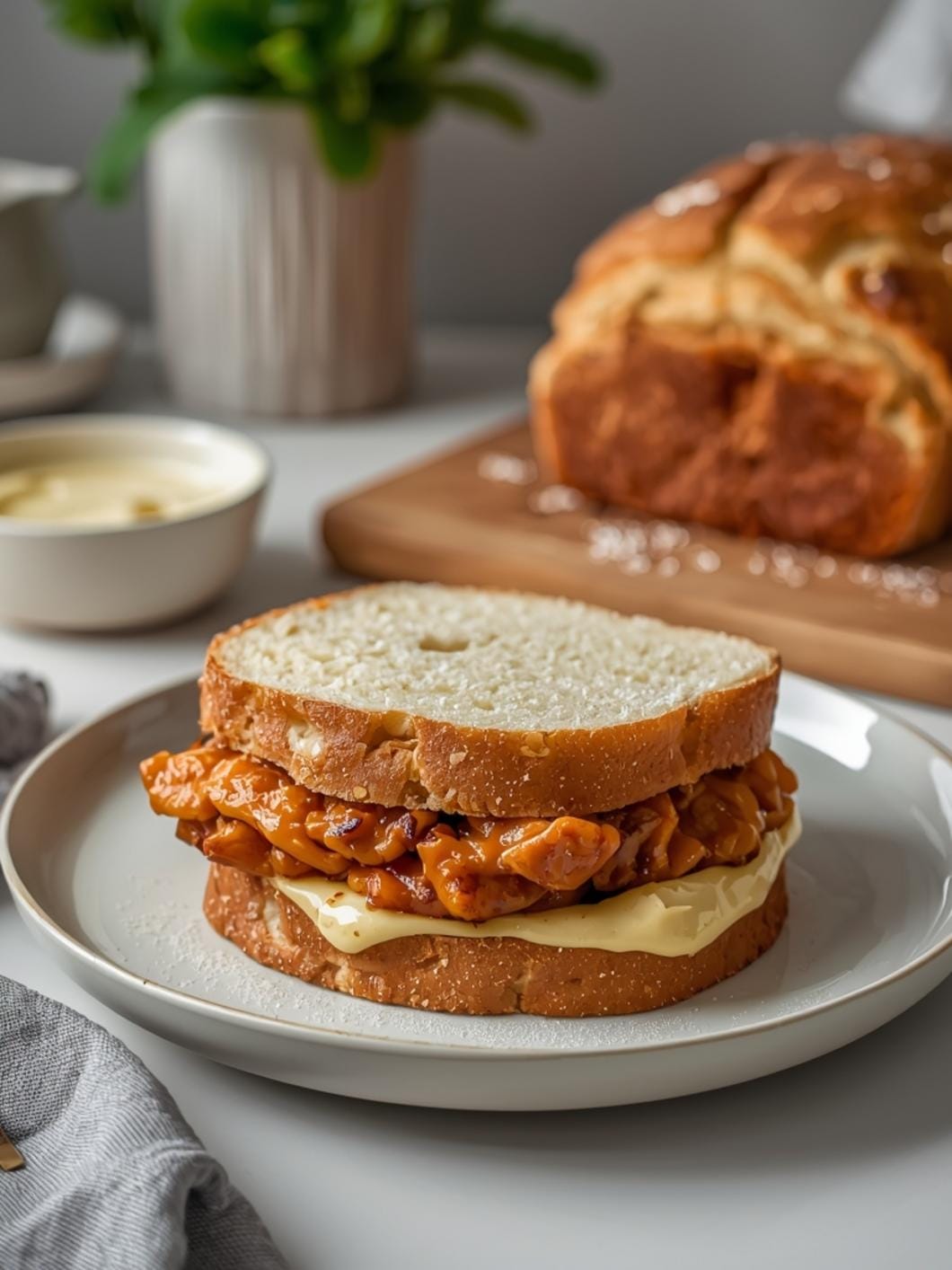
This soft sourdough sandwich bread is incredibly versatile and can be enjoyed in many ways. For a simple breakfast, toast slices and spread with butter, jam, or avocado. It makes fantastic grilled cheese sandwiches, holding up well to the heat and fillings. For a heartier meal, use it for deli-style sandwiches with your favorite meats and cheeses.
To add a little extra flavor, you can sprinkle the top of the loaf with sesame seeds, poppy seeds, or even a dash of everything bagel seasoning before baking. For a slightly sweeter loaf, you could add a handful of raisins or dried cranberries to the dough during the initial mixing stage. If you want to make it kid-friendly, cut the slices into fun shapes with cookie cutters before making mini sandwiches. It’s also wonderful served alongside a warm bowl of soup or stew, perfect for soaking up all the delicious broth.
Common Slip-Ups And How To Avoid Them
Even experienced bakers can encounter small issues, but knowing how to troubleshoot them makes all the difference.
- Dough Not Rising Enough: This is often due to an inactive sourdough starter. Ensure your starter is fed and bubbly, doubling in size within a few hours before you use it. Also, make sure your water isn’t too hot (which can kill the yeast) or too cold (which slows fermentation).
- Dense or Gummy Bread: Slicing the bread before it has fully cooled is a common culprit. The internal structure of the bread is still setting as it cools, and cutting into it too early can compress the crumb, leading to a dense, gummy texture. Always allow at least 1-2 hours for cooling.
- Over-Proofing the Dough: If your dough rises too much during the final proofing, it can collapse in the oven, resulting in a flat loaf. Keep an eye on the dough during the final proof; it should look puffy and spring back slowly when gently poked, not deflate immediately. A cooler room temperature can slow down proofing if needed.
- Dry or Crumbly Bread: This can happen if you use too much flour during mixing or shaping. Resist the urge to add excessive flour, especially when shaping. A lightly floured surface is all you need. Also, ensure your measurements are accurate, preferably using a kitchen scale for flour and water.
- Burnt Crust: If your crust is browning too quickly before the inside is cooked, your oven might be running hot, or the loaf is too close to the top heating element. Tent the loaf loosely with aluminum foil
FAQs
- Can I make these ahead? Yes—prep ahead, refrigerate, then serve when ready.
- How long do leftovers last? Store covered in the fridge for 3–4 days for best texture.
- Can I adjust sweetness? Yes—add more or less sweetener to taste.
- Can I change the fruit? Yes—swap strawberries for blueberries, raspberries, or sliced banana.