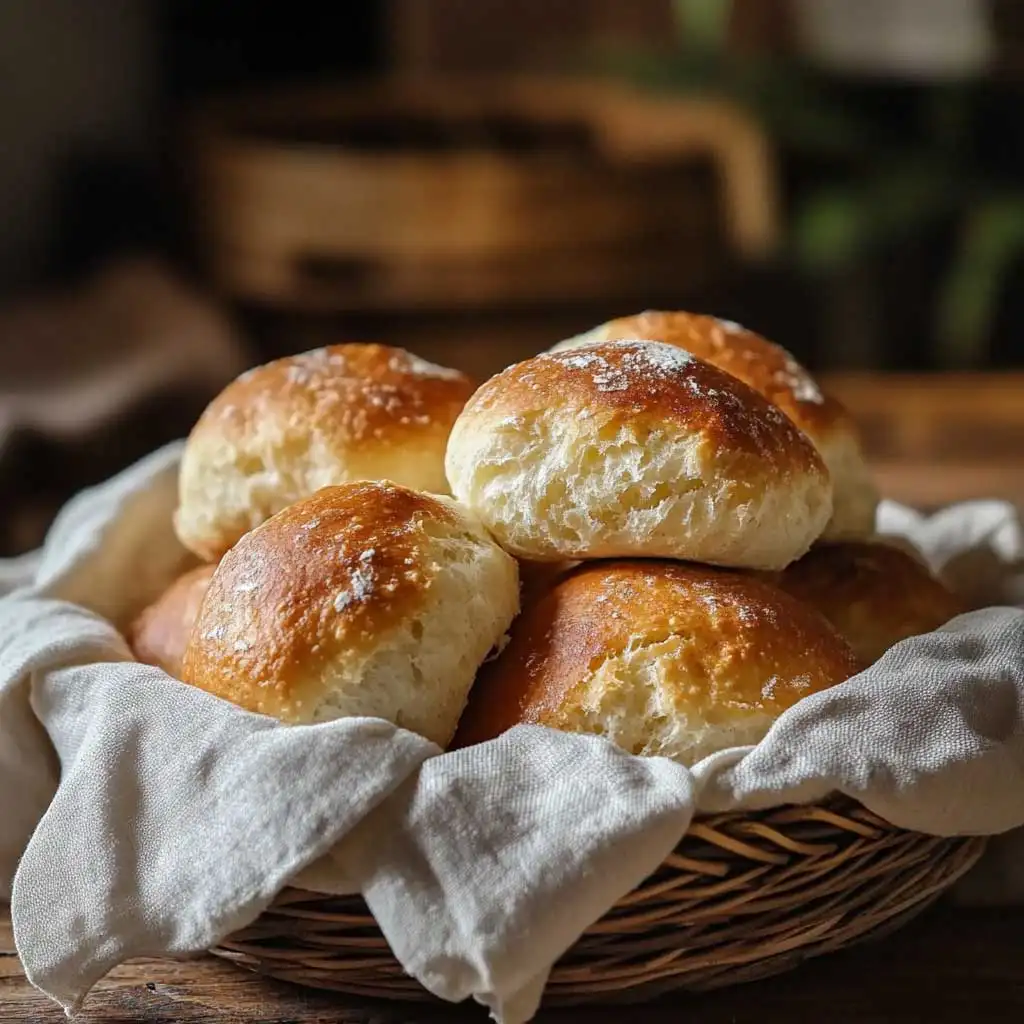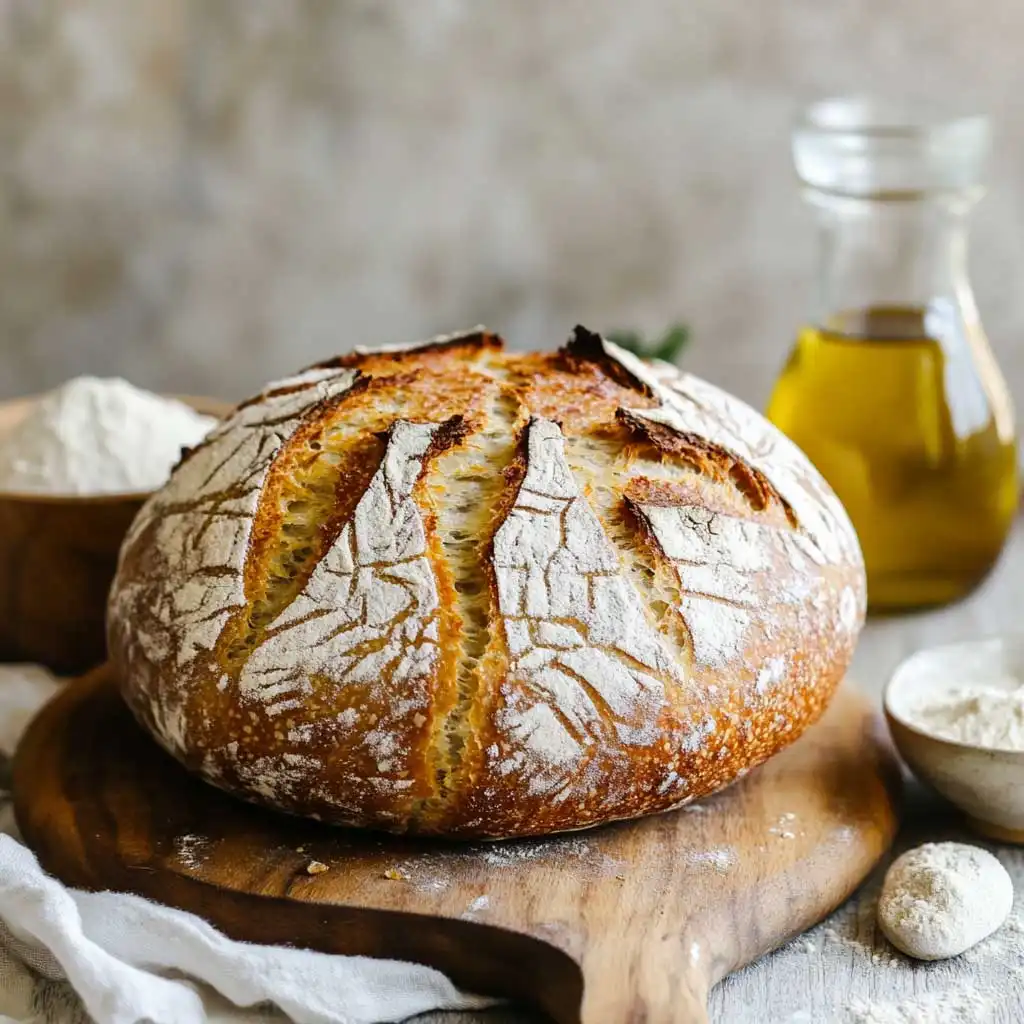

Making homemade sourdough bagels is a rewarding experience, transforming simple ingredients into chewy, flavorful delights.
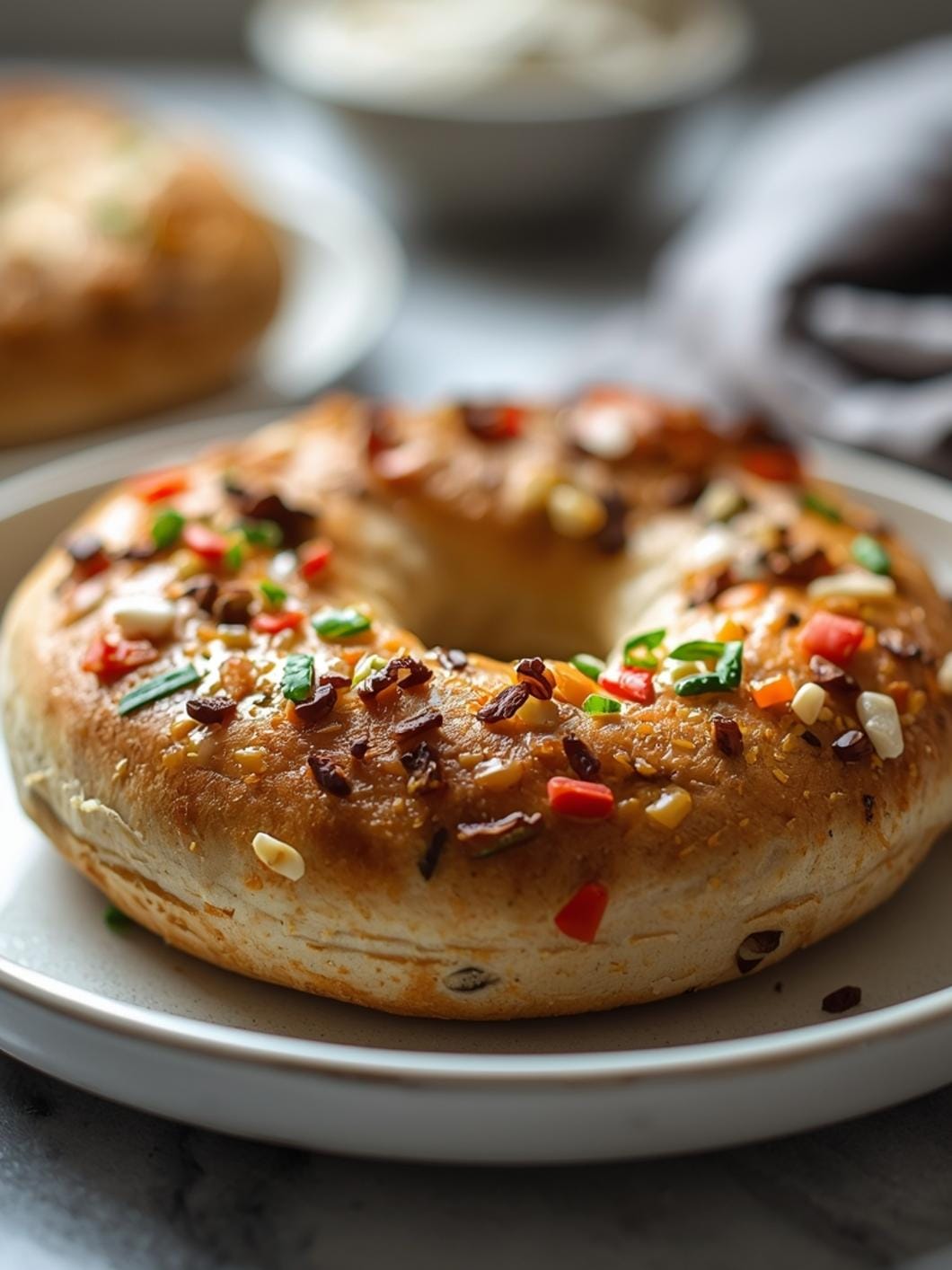
But the magic doesn’t stop once your dough is perfectly proofed. The boiling stage is a crucial step that sets bagels apart, creating that signature crust and chew.
This guide focuses on the often-overlooked secret weapon of bagel making: boil add-ins. These simple additions to your boiling water can dramatically enhance the flavor, texture, and overall appeal of your homemade sourdough bagels, taking them from good to absolutely extraordinary.
Table of Contents
- What You’ll Love About This Quick And Easy Recipe
- Everything You Need To Make This Recipe Without Stress
- Time Needed From Start To Finish
- How To Make It Step By Step With Visual Cues
- Easy Variations And Serving Ideas That Fit Real Life
- Common Slip-Ups And How To Avoid Them
- How To Store It And Make It Ahead Without Ruining Texture
- Questions People Always Ask Before Making This Recipe
- A Friendly Wrap-Up And The Best Way To

Sourdough Bagel Boil Add-Ins
- Total Time: 5-10 minutes
- Yield: 12 bagels
Description
Elevate your homemade sourdough bagels with crucial boil add-ins like baking soda, barley malt syrup, and salt. This guide focuses on enhancing flavor, texture, and crust during the boiling stage, transforming good bagels into extraordinary ones with minimal effort.
Ingredients
Instructions
1. Fill a large pot with water: Choose a pot large enough to comfortably submerge 2-3 bagels at a time without overcrowding. Fill it about two-thirds full with water.
2. Add the baking soda: For every 8 cups of water, stir in 1-2 tablespoons of baking soda. This creates the alkaline environment crucial for the bagel’s crust and chew. You’ll notice the water might look a little cloudy.
3. Incorporate the barley malt syrup (or alternative): Add 1-2 tablespoons of barley malt syrup (or honey/molasses) for every 8 cups of water. Stir well to ensure it fully dissolves. This contributes to the rich color and subtle sweetness of the bagel.
4. Add a pinch of salt: A small pinch (about 1/2 teaspoon per 8 cups of water) of salt can enhance the overall flavor.
5. Bring the water to a rolling boil: Heat the pot over high heat until the water reaches a vigorous, rolling boil. It’s important to maintain this temperature throughout the boiling process.
6. Gently place bagels into the boiling water: Using a slotted spoon or spider, carefully lower 2-3 bagels into the boiling water. Do not overcrowd the pot, as this will lower the water temperature and result in less-than-ideal texture.
7. Boil for the recommended time: Boil each side of the bagel for 30 seconds to 1 minute. For a chewier bagel, boil for the longer duration. Flip them gently using your slotted spoon.
8. Remove and drain: Once boiled, carefully remove the bagels from the water, allowing excess water to drain off. Place them directly onto a prepared baking sheet (lined with parchment paper or a silicone mat) for baking.
- Prep Time: 2 minutes
- Cook Time: 2-4 minutes
- Category: baked goods
- Method: boiling
- Cuisine: american
Nutrition
- Serving Size: 1 bagel
Keywords: sourdough, bagels, boiling, baking soda, barley malt syrup, homemade, chewy, crust, breakfast, snack
What You’ll Love About This Quick And Easy Recipe
This guide is perfect for anyone who loves making sourdough bagels at home and wants to elevate their results with minimal extra effort. It’s ideal for home bakers looking to add a professional touch to their creations, whether you’re making bagels for a weekend brunch, meal prepping for the week, or simply enjoying a delicious homemade treat. The beauty of focusing on boil add-ins is that it doesn’t require altering your existing sourdough bagel recipe, making it an easy and practical way to enhance what you already love to do. These simple additions can transform your bagels into something truly special, impressing family and friends with their enhanced flavor and texture.
Everything You Need To Make This Recipe Without Stress
This section focuses on the simple ingredients you’ll need to enhance your bagel boiling water. Remember, these are additions to your existing sourdough bagel recipe ingredients.
INGREDIENTS:

- Water (for boiling)
- Baking soda
- Barley malt syrup (or honey/molasses)
- Salt
For the most authentic bagel flavor and texture, barley malt syrup is highly recommended. It provides a distinct sweetness and helps create that beautiful glossy brown crust. However, if you don’t have it on hand, honey or molasses can be used as suitable alternatives, each offering a slightly different flavor profile. Baking soda is essential for creating an alkaline environment, which contributes to the bagel’s characteristic chew and crust. A pinch of salt in the boiling water can also subtly enhance the overall flavor of the bagels.
Time Needed From Start To Finish
This guide focuses on the boiling stage of bagel making, so the times listed here are specifically for preparing and executing the boil, assuming your sourdough bagel dough is already proofed and ready.
- Prep Time for Boil Add-Ins: 2 minutes
- Active Boiling Time per Batch of Bagels: 2-4 minutes
- Total Time for Boil Preparation and Execution: 5-10 minutes (depending on batch size)
How To Make It Step By Step With Visual Cues
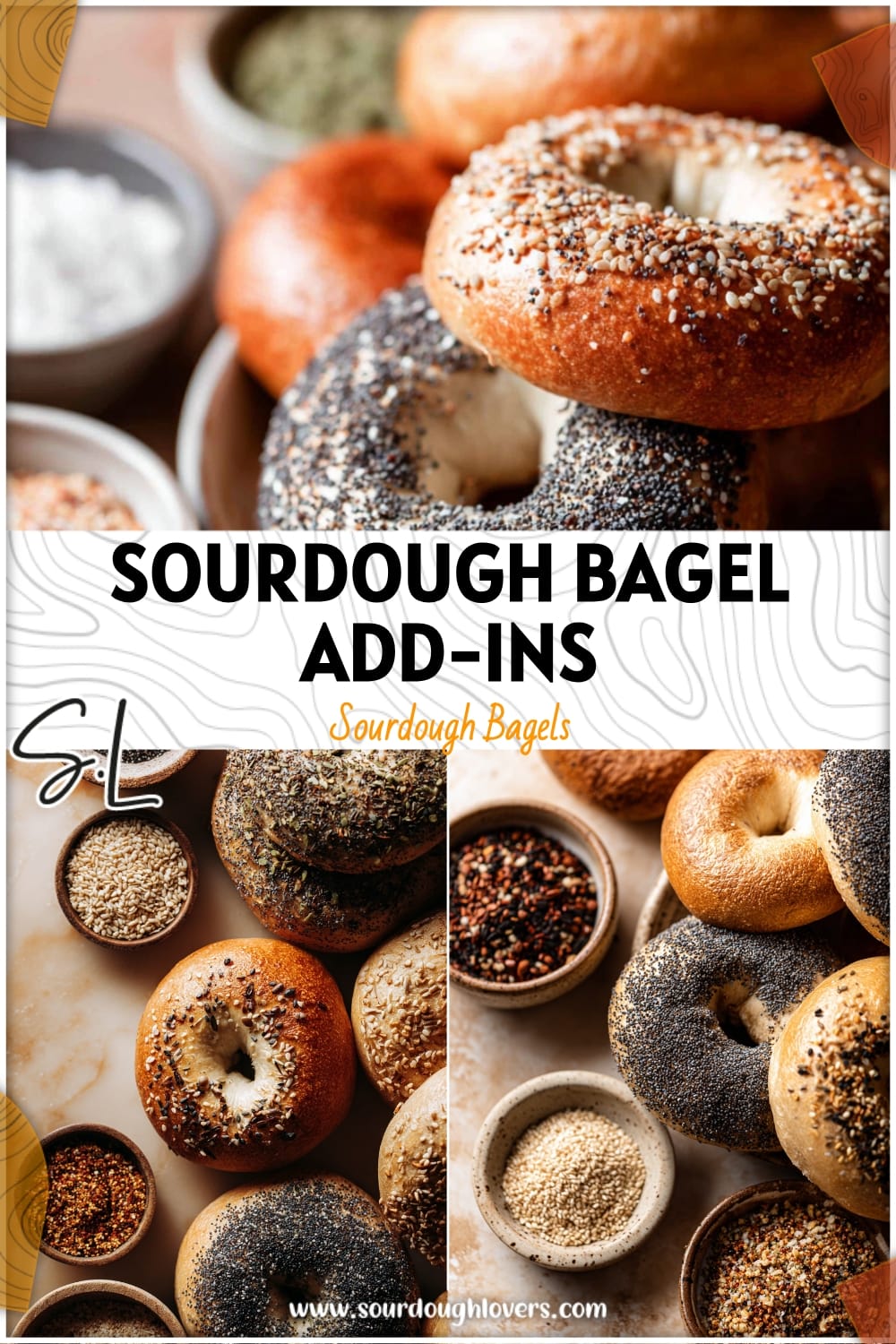
Preparing your boiling water with the right add-ins is a straightforward process that makes a big difference in your final sourdough bagels.
- Fill a large pot with water: Choose a pot large enough to comfortably submerge 2-3 bagels at a time without overcrowding. Fill it about two-thirds full with water.
- Add the baking soda: For every 8 cups of water, stir in 1-2 tablespoons of baking soda. This creates the alkaline environment crucial for the bagel’s crust and chew. You’ll notice the water might look a little cloudy.
- Incorporate the barley malt syrup (or alternative): Add 1-2 tablespoons of barley malt syrup (or honey/molasses) for every 8 cups of water. Stir well to ensure it fully dissolves. This contributes to the rich color and subtle sweetness of the bagel.
- Add a pinch of salt: A small pinch (about 1/2 teaspoon per 8 cups of water) of salt can enhance the overall flavor.
- Bring the water to a rolling boil: Heat the pot over high heat until the water reaches a vigorous, rolling boil. It’s important to maintain this temperature throughout the boiling process.
- Gently place bagels into the boiling water: Using a slotted spoon or spider, carefully lower 2-3 bagels into the boiling water. Do not overcrowd the pot, as this will lower the water temperature and result in less-than-ideal texture.
- Boil for the recommended time: Boil each side of the bagel for 30 seconds to 1 minute. For a chewier bagel, boil for the longer duration. Flip them gently using your slotted spoon.
- Remove and drain: Once boiled, carefully remove the bagels from the water, allowing excess water to drain off. Place them directly onto a prepared baking sheet (lined with parchment paper or a silicone mat) for baking.
Easy Variations And Serving Ideas That Fit Real Life
Once you’ve mastered the basic boil add-ins, you can experiment with subtle variations to your boiling water or the bagels themselves. For a slightly sweeter bagel, increase the amount of barley malt syrup. If you prefer a less sweet profile, you can reduce it or omit it entirely, though you’ll miss some of that classic bagel flavor and color.
For serving, freshly boiled and baked sourdough bagels are fantastic on their own, or with a simple schmear of cream cheese. Consider offering a variety of toppings for a bagel bar: different flavored cream cheeses, butter, jam, sliced avocado, smoked salmon, or even a fried egg for a hearty breakfast sandwich. For kids, a plain bagel with cream cheese or peanut butter is always a hit. These bagels are also excellent for packing in lunchboxes or enjoying as a quick and satisfying snack.
Common Slip-Ups And How To Avoid Them
Even with simple boil add-ins, a few common mistakes can impact your bagel’s final texture and appearance.
- Overcrowding the pot: Putting too many bagels in the boiling water at once will drop the water temperature significantly. This prevents the bagels from cooking properly and developing their characteristic chewy crust. Always boil in small batches, typically 2-3 bagels at a time.
- Not maintaining a rolling boil: If the water isn’t boiling vigorously, the bagels won’t achieve the desired texture. Keep the heat high and ensure a consistent rolling boil throughout the process.
- Boiling for too short a time: Boiling is crucial for the chewiness. If you boil for too short a period, your bagels might be more bread-like than bagel-like. Aim for at least 30 seconds per side.
- Boiling for too long: While boiling is important, over-boiling can make your bagels overly dense or rubbery. Stick to the 30-60 second per side guideline.
- Forgetting the baking soda: The baking soda is key to the alkaline environment that creates the crisp, chewy crust. Omitting it will result in a softer, less authentic bagel texture.
How To Store It And Make It Ahead Without Ruining Texture
Freshly baked bagels are always best, but you can certainly enjoy your homemade sourdough bagels over a few days.
- Storing Baked Bagels: Once completely cooled, store your bagels in an airtight container or a large zip-top bag at room temperature for up to 2-3 days. For longer storage, bagels can be frozen.
- Freezing Baked Bagels: To freeze, slice the bagels in half first (if desired) and then place them in a freezer-safe bag or container. They will keep well for up to 3 months.
- Reheating: To enjoy frozen bagels, you can toast them directly from the freezer. For room temperature bagels, a quick toast in a toaster or oven will bring back some of their fresh-baked crispness. If reheating in the oven, a light spritz of water before a quick warm-up can help revive the crust.
Questions People Always Ask Before Making This Recipe
Q: Can I use regular sugar instead of barley malt syrup? A: While you can use regular sugar, barley malt syrup (or honey/molasses) provides a unique depth of flavor and helps create a more authentic bagel crust and color. Sugar won’t give quite the same results.
Q: How much baking soda should I use? A: A good ratio is 1-2 tablespoons of baking soda for every 8 cups of water. This creates the necessary alkaline environment.
Q: What if I don’t have a large pot for boiling? A: If your pot is smaller, simply boil fewer bagels at a time to avoid overcrowding and maintain the water temperature.
Q: Do I need to flip the bagels while boiling? A: Yes, it’s important to boil each side of the bagel for an even cook and to develop the crust on both sides. Gently flip them halfway through the boiling time.
Q: My bagels are coming out too soft. What am I doing wrong? A: This could be due to not boiling them long enough or not using enough baking soda in the boiling water. Ensure a vigorous boil and the correct amount of baking soda.
Q: Can I add flavorings to the boiling water, like garlic or onion powder? A: While you can experiment, it’s generally best to add flavorings like garlic or onion powder as toppings *after* boiling and before baking, as they won’t infuse much flavor into the bagel through the boiling water.
Q: Is it okay if the water looks cloudy after adding baking soda? A: Yes, the water will appear cloudy, which is completely normal and indicates the baking soda is dissolved and doing its job.
A Friendly Wrap-Up And The Best Way To
FAQs
- Can I make these ahead? Yes—prep ahead, refrigerate, then serve when ready.
- How long do leftovers last? Store covered in the fridge for 3–4 days for best texture.
- Can I adjust sweetness? Yes—add more or less sweetener to taste.
- Can I change the fruit? Yes—swap strawberries for blueberries, raspberries, or sliced banana.