
Achieving the perfect chewy texture in homemade sourdough bagels can feel like a baking enigma, but the secret often lies in understanding dough hydration.
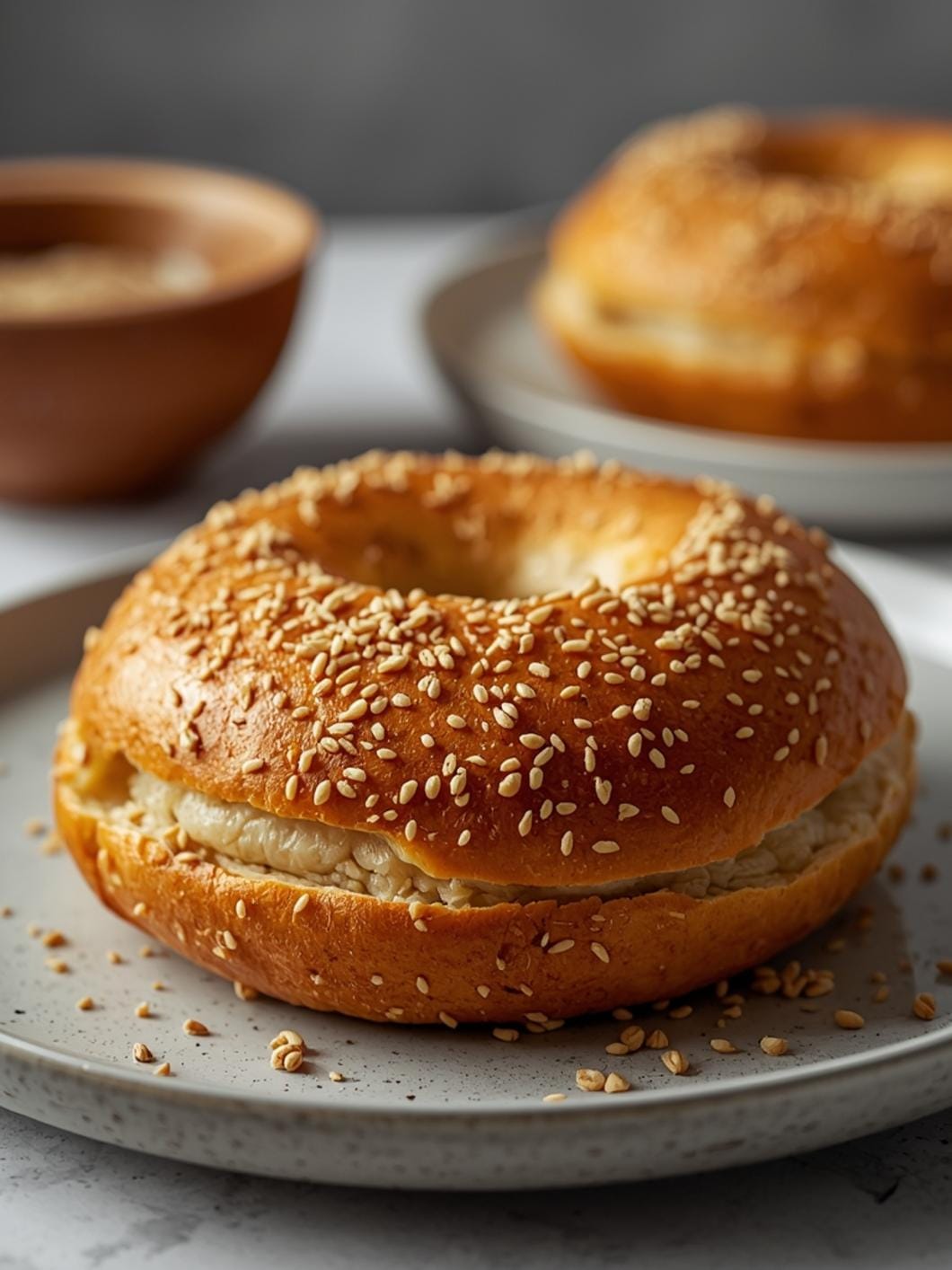
This guide will demystify the process, helping you master the art of high hydration sourdough for bagels that are delightfully chewy on the inside with a satisfying crust. Forget dense, dry bagels; we’re aiming for that classic New York-style chew right in your own kitchen.
Whether you’re a seasoned sourdough baker or just starting your journey, focusing on dough hydration is a game-changer. It impacts everything from the workability of your dough to the final texture of your baked goods. Let’s dive into the specifics of how adjusting your water content can elevate your sourdough bagel game, ensuring perfectly chewy results every single time.
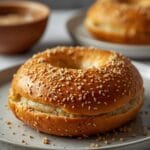
High Hydration Sourdough Bagels
- Total Time: 6-8 hours (active time over two days if cold fermenting)
- Yield: 8-10 bagels 1x
Description
Master the art of high hydration sourdough to create perfectly chewy, New York-style bagels at home. This recipe focuses on dough hydration for a satisfying crust and interior, suitable for both seasoned and new sourdough bakers.
Ingredients
Instructions
1. 1. Combine the Wet Ingredients and Starter: In a large mixing bowl, combine the active sourdough starter, 250 grams of water, and barley malt syrup. Whisk gently until the starter is mostly dissolved and the mixture is well combined. This ensures even distribution of your starter.
2. 2. Add Flour and Salt to Form a Shaggy Dough: Add the bread flour and salt to the wet ingredients. Mix with a Danish dough whisk or a sturdy spoon until no dry flour remains and a shaggy dough forms. At this stage, the dough will be quite sticky due to the higher hydration. Cover the bowl with a damp cloth or plastic wrap and let it rest for 30 minutes (autolyse). This allows the flour to fully hydrate.
3. 3. Perform Initial Stretch and Folds: After the rest, begin your first set of stretch and folds. With wet hands, grab a portion of the dough from one side, stretch it upwards, and fold it over itself towards the center. Rotate the bowl a quarter turn and repeat this process 3-4 times until all sides have been stretched and folded. The dough will start to develop some strength. Cover and rest for 30 minutes.
4. 4. Continue Developing Dough Strength with More Folds: Repeat the stretch and fold process every 30 minutes for another 3-4 rounds. As you progress, you’ll notice the dough becoming smoother, more elastic, and less sticky. If the dough still feels too dry or stiff after the initial water, you can gradually add the remaining 30 grams of water, a tablespoon at a time, during these folds until you reach your desired consistency. The goal is a dough that is still tacky but holds its shape.
5. 5. Bulk Fermentation and Shaping the Bagels: After the last set of folds, cover the bowl and allow the dough to bulk ferment at room temperature for 2-4 hours, or until it has increased in volume by about 30-50% and shows signs of activity (small bubbles). Gently turn the dough out onto a lightly floured surface. Divide the dough into 8-10 equal pieces (about 100-120 grams each). Shape each piece into a tight ball, then use your thumb to poke a hole in the center, gently stretching it to form a bagel shape about 1-inch in diameter. Place the shaped bagels on a parchment-lined baking sheet.
6. 6. Cold Fermentation (Optional but Recommended): For best flavor and texture, cover the shaped bagels loosely with plastic wrap and refrigerate overnight (8-12 hours). This cold fermentation slows down the yeast activity, deepening the flavor and making the bagels easier to handle.
7. 7. Boil and Bake the Bagels: Preheat your oven to 450 F (230 C) with a baking stone or inverted baking sheet inside. Bring a large pot of water to a rolling boil, then add the barley malt syrup and baking soda. Carefully drop 2-3 bagels into the boiling water (don’t overcrowd the pot). Boil for 30-60 seconds per side. The longer they boil, the chewier the crust will be. Remove with a slotted spoon, letting excess water drip off, and place them back on the parchment-lined baking sheet. If desired, sprinkle with toppings immediately.
8. 8. Bake Until Golden Brown: Transfer the baking sheet to the preheated oven. Bake for 18-22 minutes, or until the bagels are deeply golden brown and have a firm, chewy crust. Let them cool completely on a wire rack before slicing and enjoying.
- Prep Time: 20-30 minutes
- Cook Time: 25-35 minutes
- Category: bread
- Method: baking
- Cuisine: american
Nutrition
- Serving Size: 1 bagel
Keywords: sourdough, bagels, chewy, high hydration, homemade, new york style, bread, baking, fermented, breakfast
What You’ll Love About This Quick And Easy Recipe
This approach to sourdough bagels is perfect for anyone who has ever dreamed of making bakery-quality bagels at home but felt intimidated by the technicalities. It works because we break down the crucial concept of dough hydration into understandable steps, focusing on how it directly impacts the chewiness of your bagels. This recipe is for the home baker who wants to elevate their sourdough game, moving beyond basic loaves to create something truly special and satisfying. You’ll love the sense of accomplishment that comes with pulling a batch of perfectly chewy, golden-brown bagels from your oven. It’s ideal for weekend baking projects, special breakfasts, or simply to enjoy fresh, homemade bagels any day of the week.
Everything You Need To Make This Recipe Without Stress
Getting started with high hydration sourdough bagels doesn’t require a pantry full of obscure ingredients. The beauty of sourdough baking is its simplicity, relying on a few core components to create something truly magical. Focus on quality ingredients, and your bagels will thank you.
INGREDIENTS:
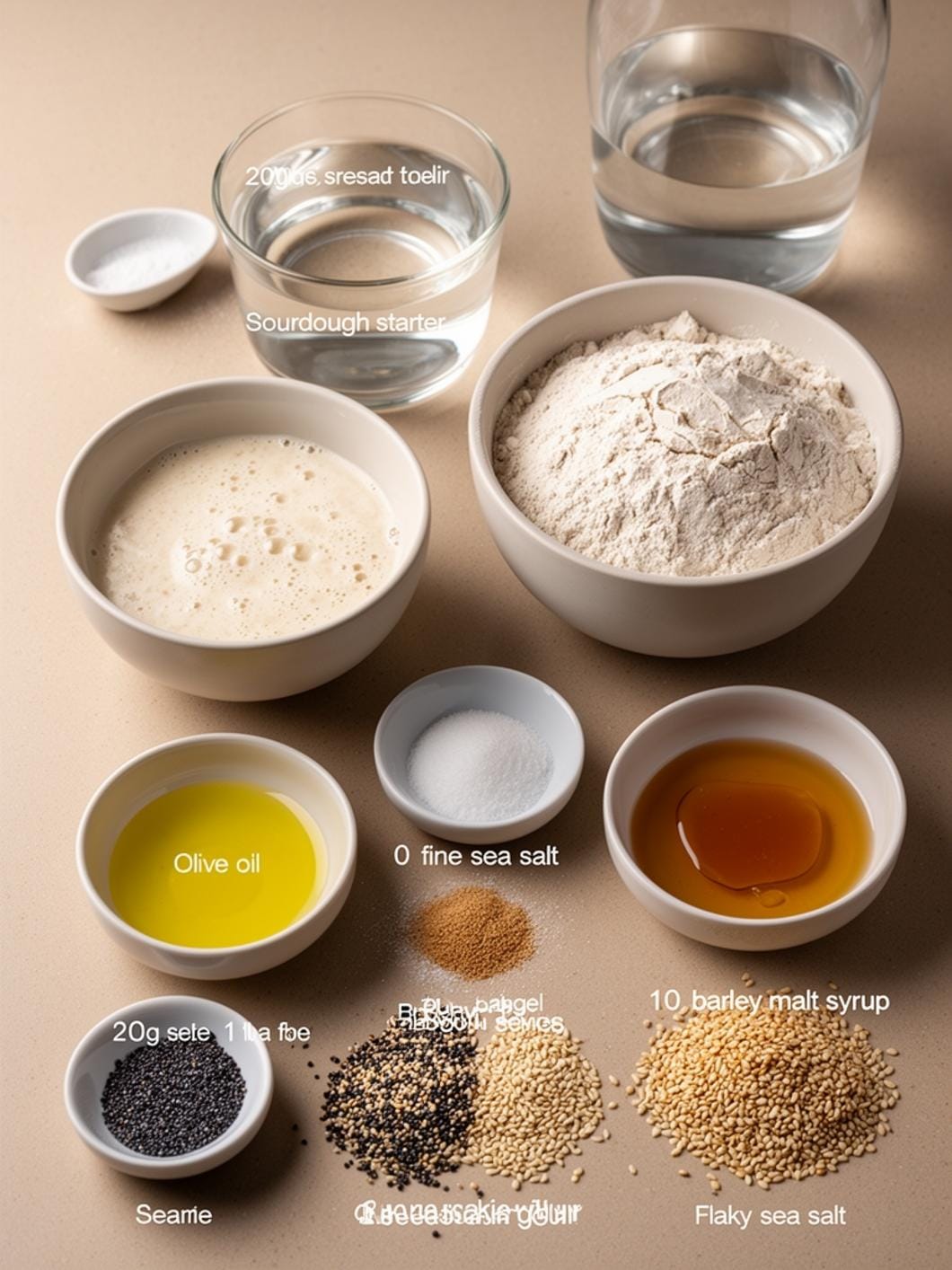
- 200 grams active sourdough starter (fed and bubbly)
- 400 grams bread flour (high protein content is key)
- 250-280 grams water (filtered is best)
- 10 grams fine sea salt
- 10 grams barley malt syrup (or honey)
- 1 tablespoon olive oil (for greasing the bowl)
- 2 liters water
- 2 tablespoons barley malt syrup (or brown sugar)
- 1 teaspoon baking soda
- Everything bagel seasoning
- Sesame seeds
- Poppy seeds
- Flaky sea salt
When selecting your ingredients, prioritize bread flour with a higher protein content (around 12-14%). This extra protein helps develop the strong gluten network necessary for that signature chewy bagel texture, especially with higher hydration doughs. If you don’t have barley malt syrup, honey or even a touch of brown sugar can be used as a substitute in both the dough and the boiling bath, though barley malt syrup offers a unique flavor and sheen. Filtered water is always recommended for sourdough to avoid any chlorine or impurities that might negatively impact your starter’s activity.
Time Needed From Start To Finish
Understanding the timeline for sourdough bagels, especially with higher hydration, helps in planning your baking schedule. While the active hands-on time is relatively short, the fermentation process requires patience.
- Prep Time: 20-30 minutes (mixing dough, initial folds)
- Bulk Fermentation: 4-6 hours (or overnight cold ferment)
- Shaping & Proofing: 30-60 minutes
- Boiling & Baking: 25-35 minutes
- Total Time: Approximately 6-8 hours active time spread over two days (if cold fermenting) or 5-7 hours in one day.
How To Make It Step By Step With Visual Cues

Creating high hydration sourdough bagels is a rewarding process. Follow these steps carefully to ensure a perfect chewy result.
- Combine the Wet Ingredients and Starter: In a large mixing bowl, combine the active sourdough starter, 250 grams of water, and barley malt syrup. Whisk gently until the starter is mostly dissolved and the mixture is well combined. This ensures even distribution of your starter.
- Add Flour and Salt to Form a Shaggy Dough: Add the bread flour and salt to the wet ingredients. Mix with a Danish dough whisk or a sturdy spoon until no dry flour remains and a shaggy dough forms. At this stage, the dough will be quite sticky due to the higher hydration. Cover the bowl with a damp cloth or plastic wrap and let it rest for 30 minutes (autolyse). This allows the flour to fully hydrate.
- Perform Initial Stretch and Folds: After the rest, begin your first set of stretch and folds. With wet hands, grab a portion of the dough from one side, stretch it upwards, and fold it over itself towards the center. Rotate the bowl a quarter turn and repeat this process 3-4 times until all sides have been stretched and folded. The dough will start to develop some strength. Cover and rest for 30 minutes.
- Continue Developing Dough Strength with More Folds: Repeat the stretch and fold process every 30 minutes for another 3-4 rounds. As you progress, you’ll notice the dough becoming smoother, more elastic, and less sticky. If the dough still feels too dry or stiff after the initial water, you can gradually add the remaining 30 grams of water, a tablespoon at a time, during these folds until you reach your desired consistency. The goal is a dough that is still tacky but holds its shape.
- Bulk Fermentation and Shaping the Bagels: After the last set of folds, cover the bowl and allow the dough to bulk ferment at room temperature for 2-4 hours, or until it has increased in volume by about 30-50% and shows signs of activity (small bubbles). Gently turn the dough out onto a lightly floured surface. Divide the dough into 8-10 equal pieces (about 100-120 grams each). Shape each piece into a tight ball, then use your thumb to poke a hole in the center, gently stretching it to form a bagel shape about 1-inch in diameter. Place the shaped bagels on a parchment-lined baking sheet.
- Cold Fermentation (Optional but Recommended): For best flavor and texture, cover the shaped bagels loosely with plastic wrap and refrigerate overnight (8-12 hours). This cold fermentation slows down the yeast activity, deepening the flavor and making the bagels easier to handle.
- Boil and Bake the Bagels: Preheat your oven to 450°F (230°C) with a baking stone or inverted baking sheet inside. Bring a large pot of water to a rolling boil, then add the barley malt syrup and baking soda. Carefully drop 2-3 bagels into the boiling water (don’t overcrowd the pot). Boil for 30-60 seconds per side. The longer they boil, the chewier the crust will be. Remove with a slotted spoon, letting excess water drip off, and place them back on the parchment-lined baking sheet. If desired, sprinkle with toppings immediately.
- Bake Until Golden Brown: Transfer the baking sheet to the preheated oven. Bake for 18-22 minutes, or until the bagels are deeply golden brown and have a firm, chewy crust. Let them cool completely on a wire rack before slicing and enjoying.
Easy Variations And Serving Ideas That Fit Real Life
Once you’ve mastered the basic high hydration sourdough bagel, the possibilities for variations are endless. For a quick and easy breakfast, serve them simply toasted with cream cheese. For a heartier meal, they make fantastic sandwich bases.
- Savory Toppings: Beyond the classic everything bagel seasoning, try topping your boiled bagels with grated Parmesan cheese and black pepper, dried minced garlic and onion, or even a sprinkle of za’atar before baking.
- Sweet Options: For a sweeter bagel, mix cinnamon-sugar into the dough during the last set of folds, or sprinkle it on top after boiling. A blueberry or cranberry bagel can be made by gently folding in dried fruit after the bulk fermentation.
- Kid-Friendly Fun: Let kids choose their own toppings! Offer a variety of sprinkles, mini chocolate chips (if making sweet bagels), or different seeds. They’ll love personalizing their own bagel.
- Party Platter Perfection: Slice bagels into quarters and arrange them with a variety of cream cheese flavors (plain, chive, smoked salmon), lox, capers, and red onion for an impressive brunch spread. Mini bagels can also be made by dividing the dough into smaller portions for easy appetizers.
- Sandwich Stars: Use your homemade bagels for breakfast sandwiches with egg, cheese, and bacon, or for lunch with turkey, avocado, and tomato. Their sturdy, chewy texture holds up beautifully to fillings.
Common Slip-Ups And How To Avoid Them
Even experienced bakers can encounter challenges, especially when working with higher hydration doughs. Knowing what to look out for can save you frustration.
- Dough is Too Sticky to Handle: High hydration dough is naturally sticky. Don’t be afraid to use wet hands or a light dusting of flour on your work surface and hands during shaping. Over-flouring will dry out your dough, so use it sparingly. The cold ferment also
FAQs
- Can I make these ahead? Yes—prep ahead, refrigerate, then serve when ready.
- How long do leftovers last? Store covered in the fridge for 3–4 days for best texture.
- Can I adjust sweetness? Yes—add more or less sweetener to taste.
- Can I change the fruit? Yes—swap strawberries for blueberries, raspberries, or sliced banana.