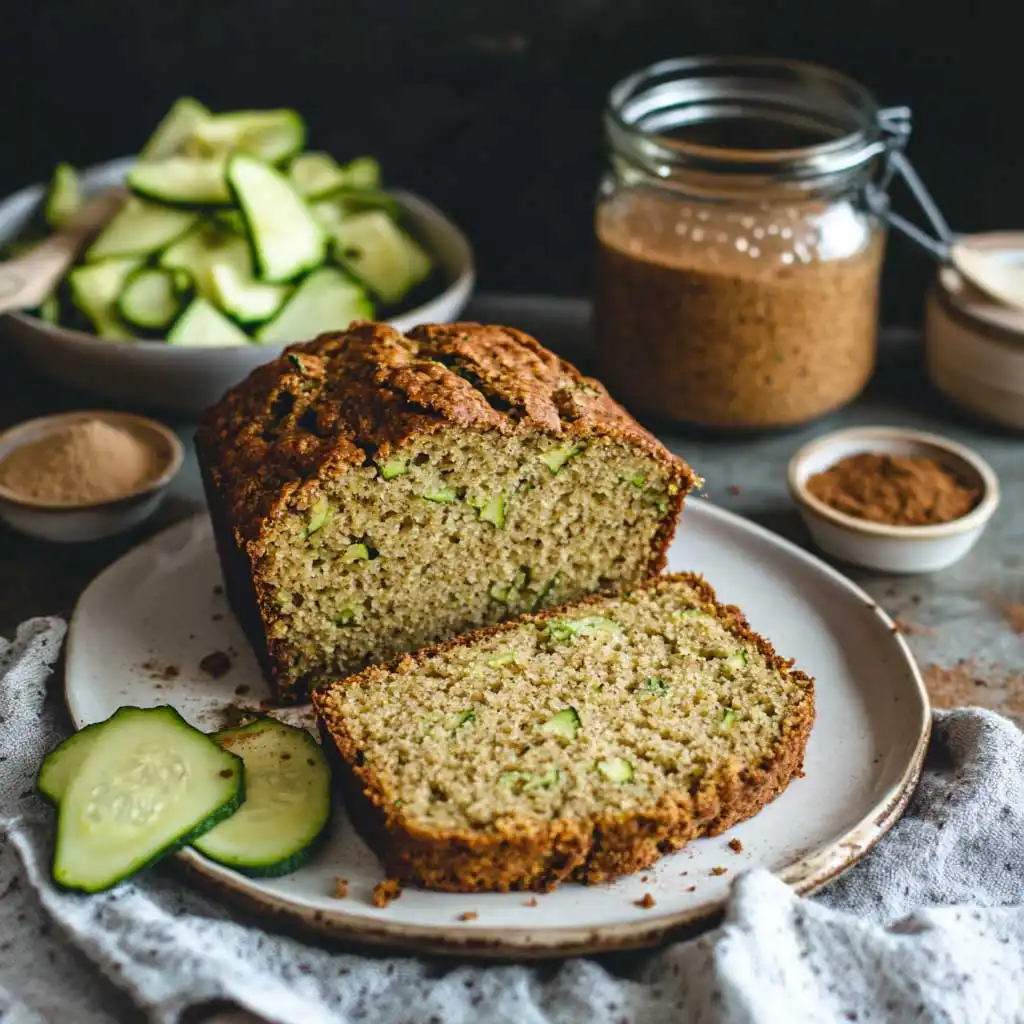

Mastering sourdough bagel proofing can feel like a complex puzzle, but with the right guidance, you can achieve that perfect chew and crust every time.
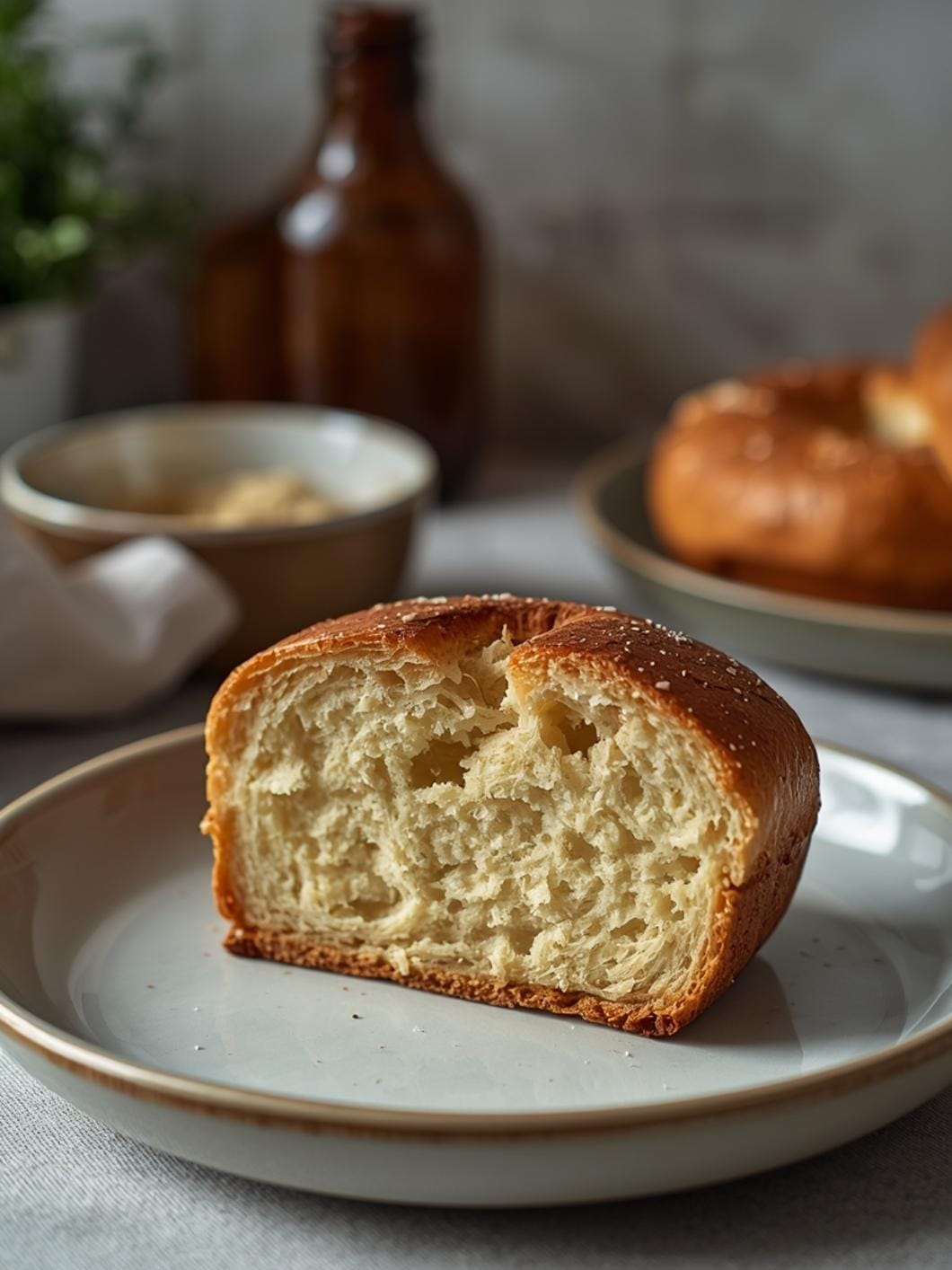
This guide is designed to demystify the process, helping you understand the nuances of fermentation and how to troubleshoot common issues that arise during proofing.
Whether you’re a seasoned sourdough baker or just starting your journey, these practical tips will equip you to create artisan-quality sourdough bagels that are both delicious and beautiful. Say goodbye to dense, flat bagels and hello to perfectly risen, flavorful creations.
Table of Contents
- What You’ll Love About This Quick And Easy Recipe
- Everything You Need To Make This Recipe Without Stress
- Time Needed From Start To Finish
- How To Make It Step By Step With Visual Cues
- Easy Variations And Serving Ideas That Fit Real Life
- Common Slip-Ups And How To Avoid Them
- How To Store It And Make It Ahead Without Ruining Texture

Sourdough Bagel Proofing Troubleshooting Guide
- Total Time: 16-32 hours (includes proofing)
- Yield: 12 bagels
Description
Mastering sourdough bagel proofing can feel like a complex puzzle, but with the right guidance, you can achieve that perfect chew and crust every time. This guide is designed to demystify the process, helping you understand the nuances of fermentation and how to troubleshoot common issues that arise during proofing. Whether you’re a seasoned sourdough baker or just starting your journey, these practical tips will equip you to create artisan-quality sourdough bagels that are both delicious and beautiful. Say goodbye to dense, flat bagels and hello to perfectly risen, flavorful creations.
Ingredients
Instructions
1. 1. Assessing Your Sourdough Starter’s Activity: Before you even mix your dough, ensure your sourdough starter is active and bubbly. Feed it 4-12 hours before you plan to mix, and it should double in size and pass the float test (a small dollop floats in water). If your starter isn’t active, your dough won’t rise properly, leading to under-proofed bagels.
2. 2. Monitoring Bulk Fermentation (First Rise): After mixing your dough, allow it to undergo bulk fermentation. Look for a noticeable increase in volume, typically 30-50%. The dough should feel airy and slightly jiggly. If it’s not rising enough, your kitchen might be too cold; try moving it to a warmer spot or using a proofing box. If it’s rising too quickly and becoming overly bubbly and slack, it might be too warm, indicating potential over-proofing.
3. 3. Shaping and The Finger Dent Test: Once shaped into bagels, they need a second proof. The “finger dent test” is crucial here. Gently press a floured finger into the side of a bagel. If the indentation springs back immediately, it’s under-proofed. If it stays indented and doesn’t spring back at all, it’s likely over-proofed. The ideal is a slow spring-back, leaving a slight indentation.
4. 4. Observing Cold Proofing in the Refrigerator: Cold proofing slows down fermentation, developing flavor and making the bagels easier to handle. After cold proofing (usually 12-24 hours), your bagels should look slightly puffy but not overly expanded. They should feel firm but still have some give. If they are very slack and spread out, they might have over-proofed in the fridge due to a too-warm refrigerator or too long a proof.
5. 5. The Float Test for Proofed Bagels: A reliable way to check if your shaped bagels are ready for boiling is the float test. Drop a bagel into a bowl of cool water. If it floats within 10-20 seconds, it’s perfectly proofed and ready to boil. If it sinks, it’s under-proofed and needs more time. If it floats immediately and looks very airy, it might be slightly over-proofed, but still salvageable.
6. 6. Boiling and Baking Cues: When boiling, perfectly proofed bagels will puff up slightly and maintain their shape. If they collapse or wrinkle, they were likely over-proofed. During baking, a well-proofed bagel will brown evenly and develop a beautiful crust. Under-proofed bagels might be dense, while over-proofed ones can be flatter and less chewy.
- Prep Time: 15 minutes
- Cook Time: 20 minutes
- Category: bread
- Method: baking
- Cuisine: american
Nutrition
- Serving Size: 1 bagel
Keywords: sourdough, bagels, proofing, baking, troubleshooting, fermentation, bread, artisan, homemade, chewy
What You’ll Love About This Quick And Easy Recipe
This guide isn’t a recipe in the traditional sense, but rather a comprehensive troubleshooting manual for anyone making sourdough bagels. You’ll love it because it takes the guesswork out of a crucial step in sourdough baking: proofing. It’s perfect for home bakers who are passionate about sourdough and want to consistently produce high-quality bagels. This information is invaluable for anyone who has experienced frustrating proofing issues like over-proofed, under-proofed, or oddly textured bagels. Understanding these details will elevate your baking skills and ensure a more satisfying outcome with every batch. It’s about building confidence and knowledge, leading to consistently excellent results.
Everything You Need To Make This Recipe Without Stress
While this article focuses on troubleshooting the proofing stage rather than providing a full bagel recipe, understanding the basic components of a sourdough bagel dough is essential. The “ingredients” here refer to the elements that influence proofing and the tools you’ll need to monitor the process effectively.
INGREDIENTS:
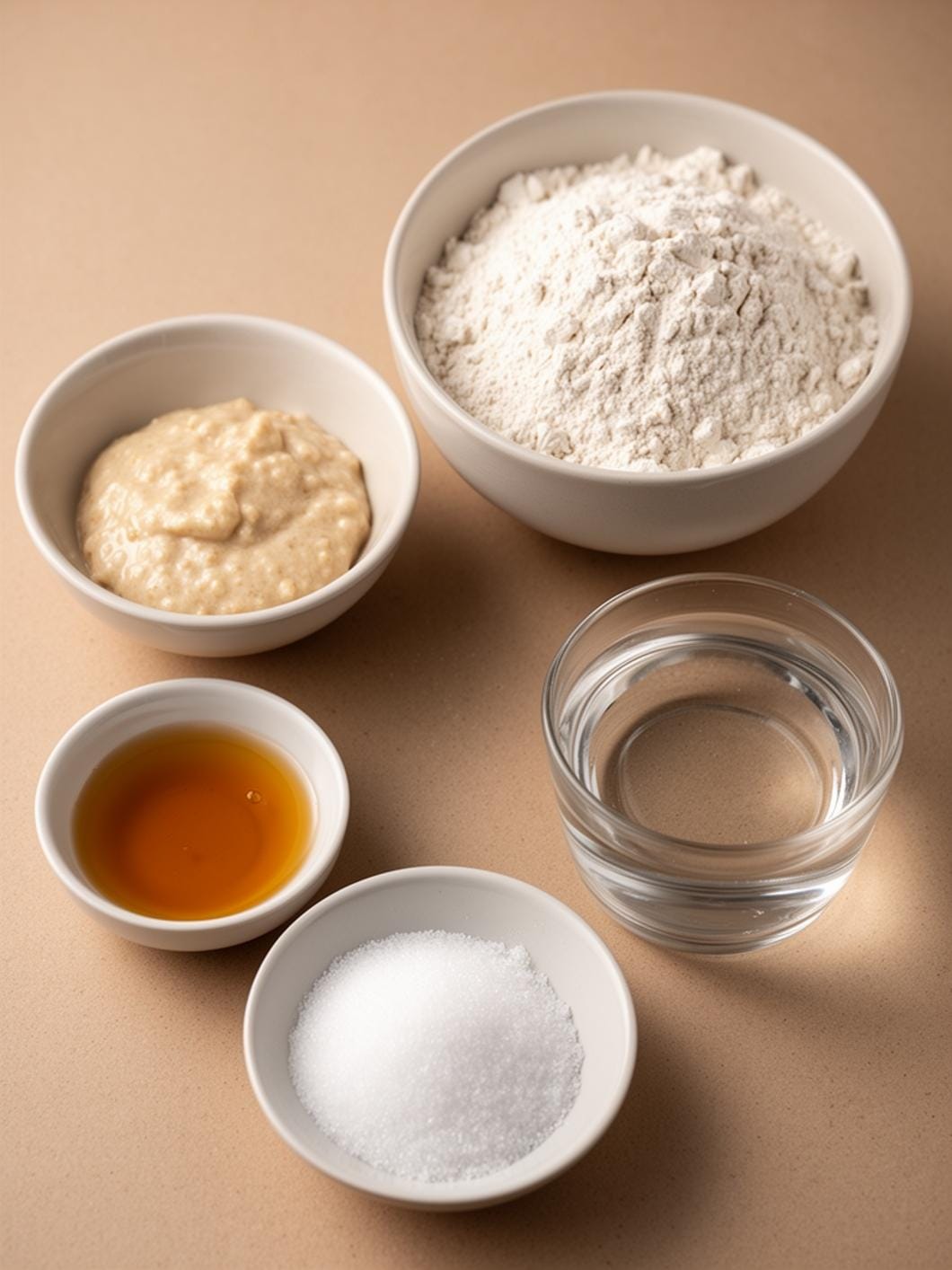
- Active sourdough starter
- High-protein bread flour
- Water (filtered, ideally)
- Salt
- Malt syrup or sugar (for dough and boiling water)
Beyond the basic dough components, you’ll need a few simple tools to help you troubleshoot your proofing process. These include a kitchen scale for accurate measurements, a dough scraper, and proofing baskets or a baking sheet lined with parchment paper. A reliable kitchen thermometer can also be useful for monitoring ambient temperature, which significantly impacts proofing. For the boiling stage, a large pot and a slotted spoon are essential. For baking, a baking steel or stone can help achieve a fantastic crust, though a regular baking sheet works perfectly well.
Time Needed From Start To Finish
Since this guide is about troubleshooting the proofing stage, the “time” involved is more about observation and understanding rather than a fixed preparation or cooking duration. The actual proofing time for sourdough bagels can vary significantly based on several factors, including the strength of your sourdough starter, the ambient temperature of your kitchen, and the hydration of your dough.
Typically, the bulk fermentation (first proof) can range from 4 to 8 hours at room temperature, or even longer if done in a cooler environment. The cold proof (second proof) in the refrigerator usually takes 12 to 24 hours. Therefore, the “total time” for proofing is highly variable, often spanning overnight for the cold proof, which is a critical step for flavor development and easier handling.
How To Make It Step By Step With Visual Cues
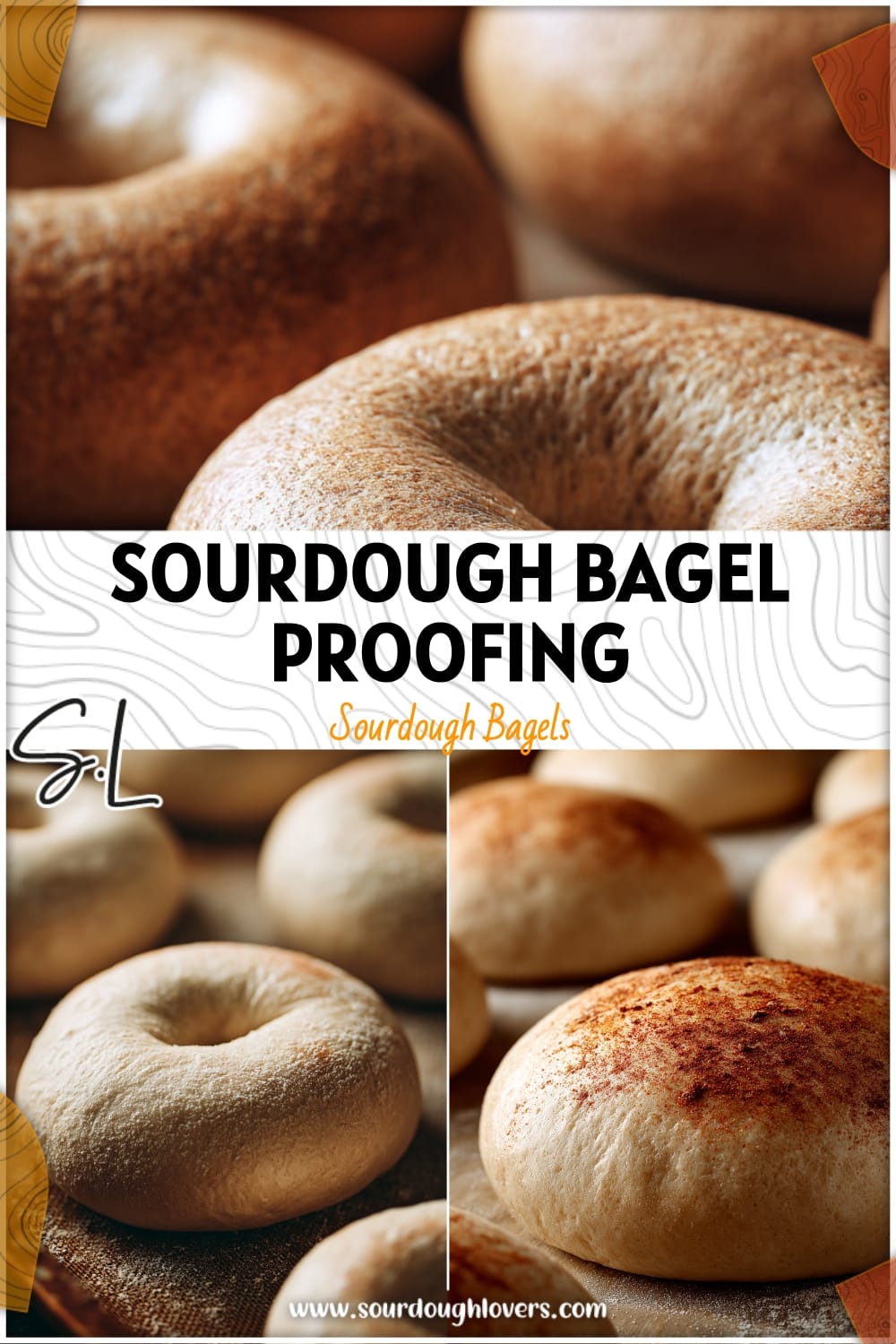
Troubleshooting sourdough bagel proofing involves careful observation and understanding what to look for at each stage. Here’s a step-by-step guide to identifying and solving common issues:
- Assessing Your Sourdough Starter’s Activity: Before you even mix your dough, ensure your sourdough starter is active and bubbly. Feed it 4-12 hours before you plan to mix, and it should double in size and pass the float test (a small dollop floats in water). If your starter isn’t active, your dough won’t rise properly, leading to under-proofed bagels.
- Monitoring Bulk Fermentation (First Rise): After mixing your dough, allow it to undergo bulk fermentation. Look for a noticeable increase in volume, typically 30-50%. The dough should feel airy and slightly jiggly. If it’s not rising enough, your kitchen might be too cold; try moving it to a warmer spot or using a proofing box. If it’s rising too quickly and becoming overly bubbly and slack, it might be too warm, indicating potential over-proofing.
- Shaping and The Finger Dent Test: Once shaped into bagels, they need a second proof. The “finger dent test” is crucial here. Gently press a floured finger into the side of a bagel. If the indentation springs back immediately, it’s under-proofed. If it stays indented and doesn’t spring back at all, it’s likely over-proofed. The ideal is a slow spring-back, leaving a slight indentation.
- Observing Cold Proofing in the Refrigerator: Cold proofing slows down fermentation, developing flavor and making the bagels easier to handle. After cold proofing (usually 12-24 hours), your bagels should look slightly puffy but not overly expanded. They should feel firm but still have some give. If they are very slack and spread out, they might have over-proofed in the fridge due to a too-warm refrigerator or too long a proof.
- The Float Test for Proofed Bagels: A reliable way to check if your shaped bagels are ready for boiling is the float test. Drop a bagel into a bowl of cool water. If it floats within 10-20 seconds, it’s perfectly proofed and ready to boil. If it sinks, it’s under-proofed and needs more time. If it floats immediately and looks very airy, it might be slightly over-proofed, but still salvageable.
- Boiling and Baking Cues: When boiling, perfectly proofed bagels will puff up slightly and maintain their shape. If they collapse or wrinkle, they were likely over-proofed. During baking, a well-proofed bagel will brown evenly and develop a beautiful crust. Under-proofed bagels might be dense, while over-proofed ones can be flatter and less chewy.
Easy Variations And Serving Ideas That Fit Real Life
While this article focuses on the technical aspects of proofing, understanding how proofing affects the final product opens up a world of possibilities for variations and serving. A perfectly proofed sourdough bagel is a canvas for endless creativity.
Once you’ve mastered the proofing, consider adding different toppings before baking. Everything bagel seasoning, sesame seeds, poppy seeds, dried garlic, or dried onion are classic choices. For a sweeter twist, cinnamon sugar or even a sprinkle of shredded cheese can be added.
Serving ideas are equally versatile. A classic cream cheese schmear is always a hit. For a heartier meal, pile on smoked salmon, capers, and red onion. Avocado toast gets an upgrade when served on a toasted sourdough bagel. For a quick family breakfast, spread with butter and jam. Leftover bagels can be sliced and made into mini pizzas or used as the base for open-faced sandwiches. The robust flavor of sourdough bagels pairs wonderfully with both sweet and savory toppings, making them suitable for any meal.
Common Slip-Ups And How To Avoid Them
Even experienced bakers encounter proofing issues. Knowing the common pitfalls can help you avoid them.
One frequent slip-up is using an inactive sourdough starter. If your starter isn’t robust, your dough won’t rise. Always ensure your starter is fed and active before beginning your bagel dough.
Another common mistake is incorrect temperature control. Sourdough fermentation is highly sensitive to temperature. A too-cold environment will lead to very slow or no rise (under-proofing), while a too-warm environment can cause rapid fermentation, leading to over-proofing and a slack, hard-to-handle dough. Use a consistent spot in your kitchen or a proofing box.
Over-proofing is a major issue. This happens when the yeast and bacteria consume too much of the sugars in the dough, leading to a loss of structure. The dough will feel very slack, spread out, and might even smell overly sour or alcoholic. When boiled, over-proofed bagels often collapse or wrinkle. To avoid this, pay close attention to the finger dent test and the float test, and adjust proofing times based on your kitchen’s temperature.
Conversely, under-proofing results in dense, heavy bagels with a tight crumb. This occurs when the dough hasn’t had enough time to develop sufficient gas. If your bagels sink in the water test or feel very firm and don’t expand much during boiling, they are likely under-proofed. Give them more time, especially in cooler conditions.
Finally, over-handling the dough during shaping can degas it too much, leading to a poorer rise. Be gentle when shaping your bagels to preserve the air bubbles created during fermentation.
How To Store It And Make It Ahead Without Ruining Texture
While this guide focuses on the proofing stage, proper storage of your finished sourdough bagels is key to enjoying your hard work. Freshly baked sourdough bagels are best enjoyed on the day they are made.
For short-term storage, keep cooled bagels in a paper bag at room temperature for 1-2 days. This helps maintain their crust while preventing them from becoming soggy. For longer storage, bagels freeze exceptionally well. Once completely cooled, slice them in half (if desired) and place them in an airtight freezer bag. They can be frozen for up to 3 months.
To enjoy frozen bagels, simply remove them from the freezer and toast them directly, or allow them to thaw

FAQs
- Can I make these ahead? Yes—prep ahead, refrigerate, then serve when ready.
- How long do leftovers last? Store covered in the fridge for 3–4 days for best texture.
- Can I adjust sweetness? Yes—add more or less sweetener to taste.
- Can I change the fruit? Yes—swap strawberries for blueberries, raspberries, or sliced banana.