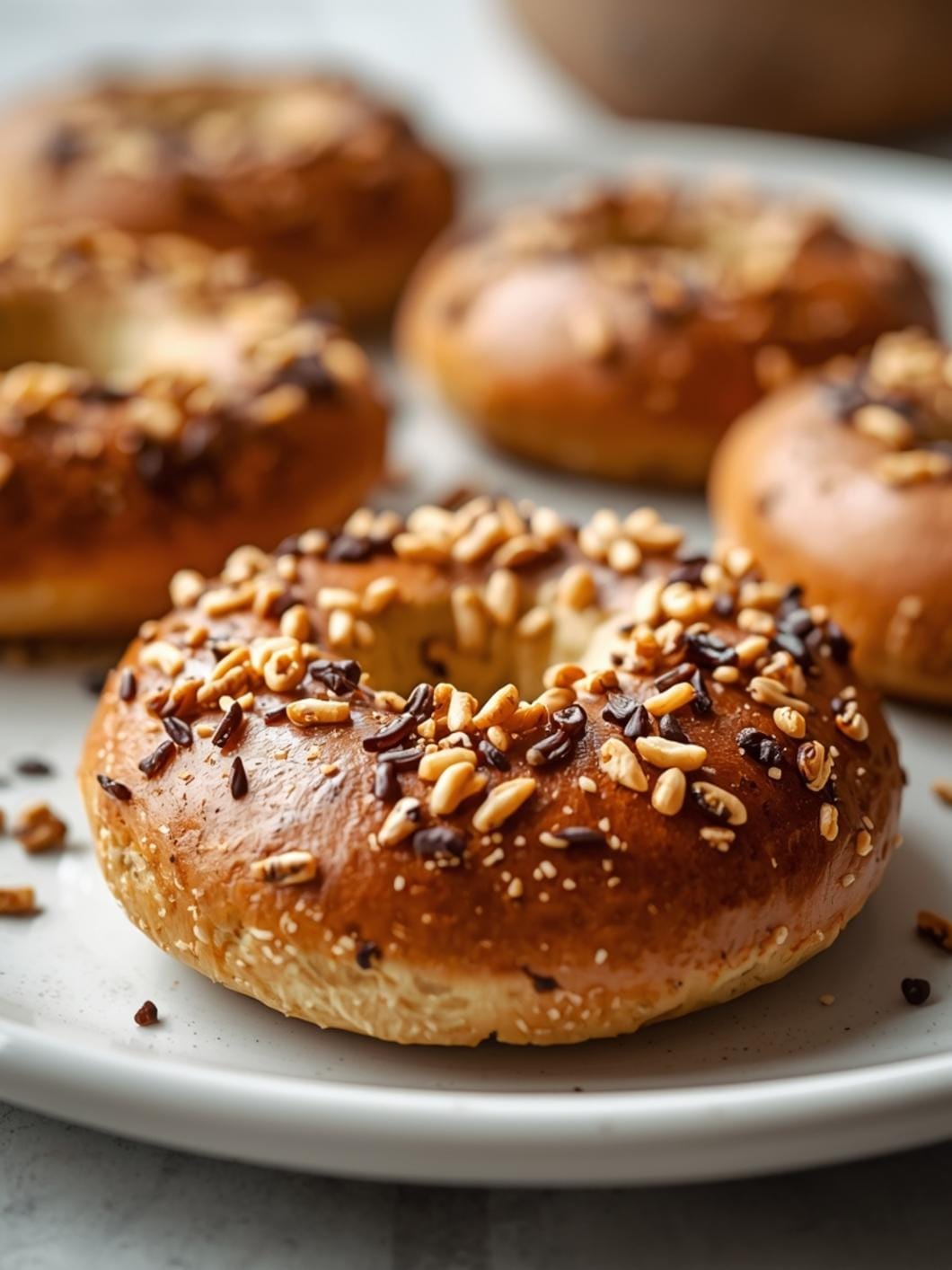

Crafting the perfect homemade sourdough bagel can feel like a culinary Everest, especially when it comes to shaping.
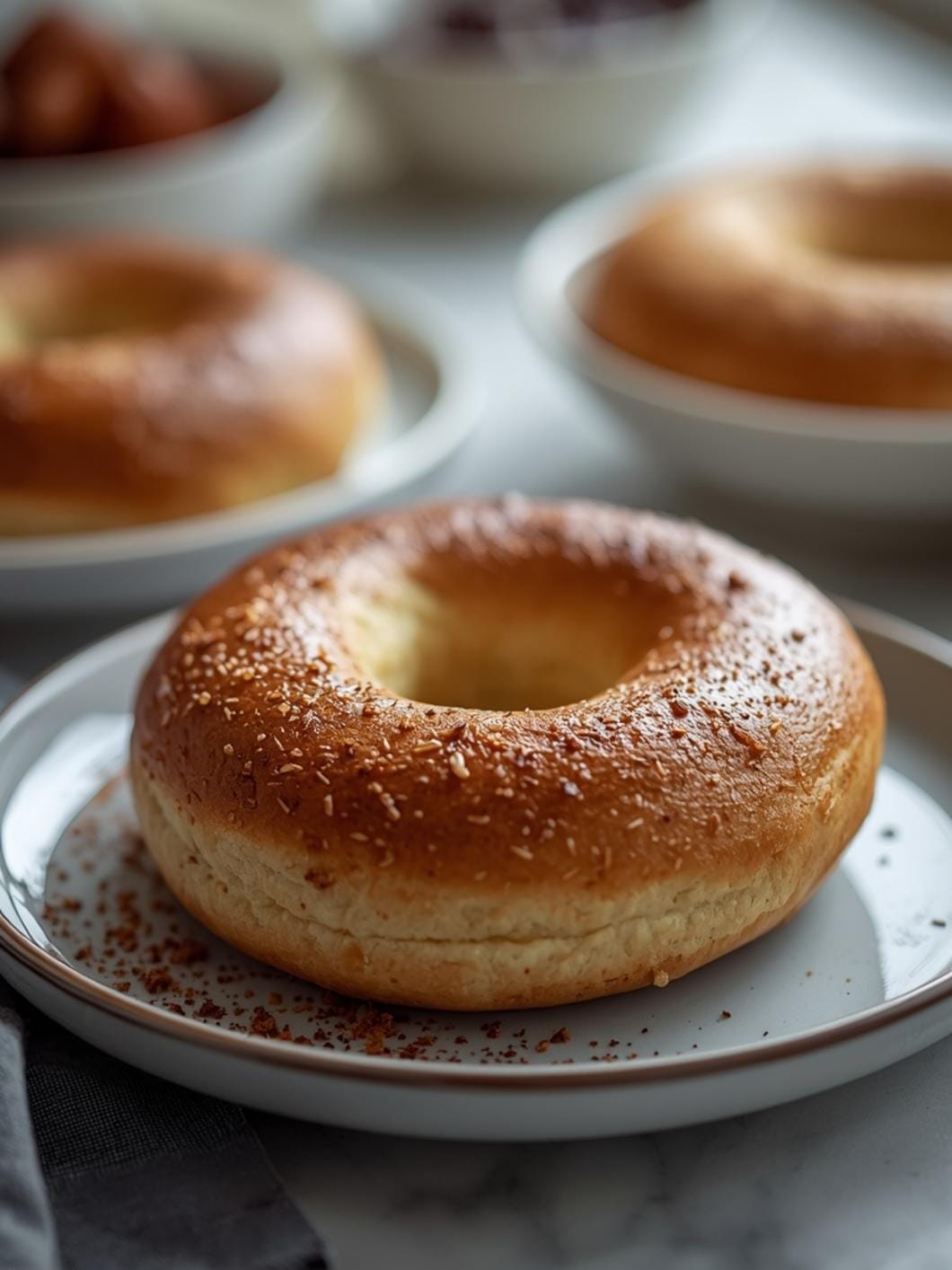
Many home bakers find themselves frustrated by bagels that are misshapen, dense, or simply don’t have that classic chewy texture and inviting hole in the middle. The good news is that most shaping woes stem from a few common, easily fixable mistakes.
This guide will walk you through the typical pitfalls encountered when shaping sourdough bagels and provide clear, actionable advice to help you achieve beautifully formed, consistently delicious results every time you bake. Say goodbye to lopsided bagels and hello to your new favorite breakfast staple!
Table of Contents
- What You’ll Love About This Quick And Easy Recipe
- Everything You Need To Make This Recipe Without Stress
- Time Needed From Start To Finish
- How To Make It Step By Step With Visual Cues
- Easy Variations And Serving Ideas That Fit Real Life
- Common Slip-Ups And How To Avoid Them
- How To Store It And Make It Ahead Without Ruining Texture
- Questions People Always Ask Before Making This Recipe

Sourdough Bagel Shaping Guide
- Total Time: 15-25 minutes
- Yield: 12 bagels
Description
This guide provides essential tips and techniques for shaping sourdough bagels, addressing common mistakes to help bakers achieve perfectly formed, chewy bagels with a classic hole. It focuses on demystifying the shaping process for consistent, professional-looking results.
Ingredients
Instructions
1. Prepare Your Dough and Work Surface: Once your bulk fermentation is complete, gently turn your dough out onto a lightly floured surface. Avoid adding too much flour, as this can dry out the dough. Divide your dough into equal portions, typically 3-4 ounces per bagel, using a bench scraper for clean cuts.
2. Pre-Shaping into Rounds (The Ball Method): Take each dough portion and gently form it into a tight ball. The goal here is to create surface tension. Cup your hand over the dough on the counter and move it in a circular motion, allowing the dough to grip the surface and tighten into a smooth, round shape. Avoid pressing too hard or tearing the dough. This step helps create a uniform crumb structure.
3. The Poke-A-Hole Method: This is a popular and straightforward method. Once you have a well-rounded ball of dough, use your floured thumb to gently press a hole through the center.
4. Stretching the Hole Evenly: Once the hole is made, gently stretch the dough by rotating it around your thumbs or index fingers. The key is to stretch it evenly so the hole doesn’t close up during proofing or baking. Aim for a hole that’s about 1.5 to 2 inches in diameter, as it will shrink. Avoid overstretching or creating thin spots, which can lead to uneven baking.
5. The Rope Method (Alternative Shaping): For a different approach, roll each dough portion into a rope about 8-10 inches long, tapering the ends slightly.
6. Forming the Ring (Rope Method): Overlap the tapered ends of the rope by about an inch. Place the overlapped section in the palm of your hand and roll it firmly on your work surface, applying gentle pressure to seal the ends together. This creates a strong seam that won’t come apart during boiling. Ensure the seam is well-sealed but not overly thick.
7. Final Check for Uniformity: Before proofing, quickly inspect each bagel. Are they roughly the same size? Are the holes centered and open enough? This is your last chance to make minor adjustments.
- Prep Time: 15-25 minutes
- Category: baking
- Method: shaping
- Cuisine: american
Nutrition
- Serving Size: 1 bagel
Keywords: sourdough, bagel, shaping, baking, technique, dough, homemade, breakfast, bread, guide
What You’ll Love About This Quick And Easy Recipe
This guide isn’t a recipe in itself, but rather a crucial companion to any sourdough bagel recipe, designed to elevate your baking success. You’ll love how it demystifies the often-intimidating shaping process, making it accessible for even beginner bakers. It’s perfect for anyone who has struggled with achieving that iconic bagel look and texture, transforming frustration into confidence. This information is invaluable for weekend baking projects, meal prepping for the week, or simply impressing friends and family with your newfound bagel-making prowess. By understanding and avoiding these common shaping errors, you’ll consistently produce professional-looking bagels that taste as good as they look.
Everything You Need To Make This Recipe Without Stress
While this article focuses on shaping techniques rather than a full ingredient list for sourdough bagels, the foundational elements for successful shaping are primarily your prepared sourdough bagel dough and a clean, lightly floured work surface. Having a bench scraper can also be incredibly helpful for handling and dividing the dough without overworking it.
INGREDIENTS:
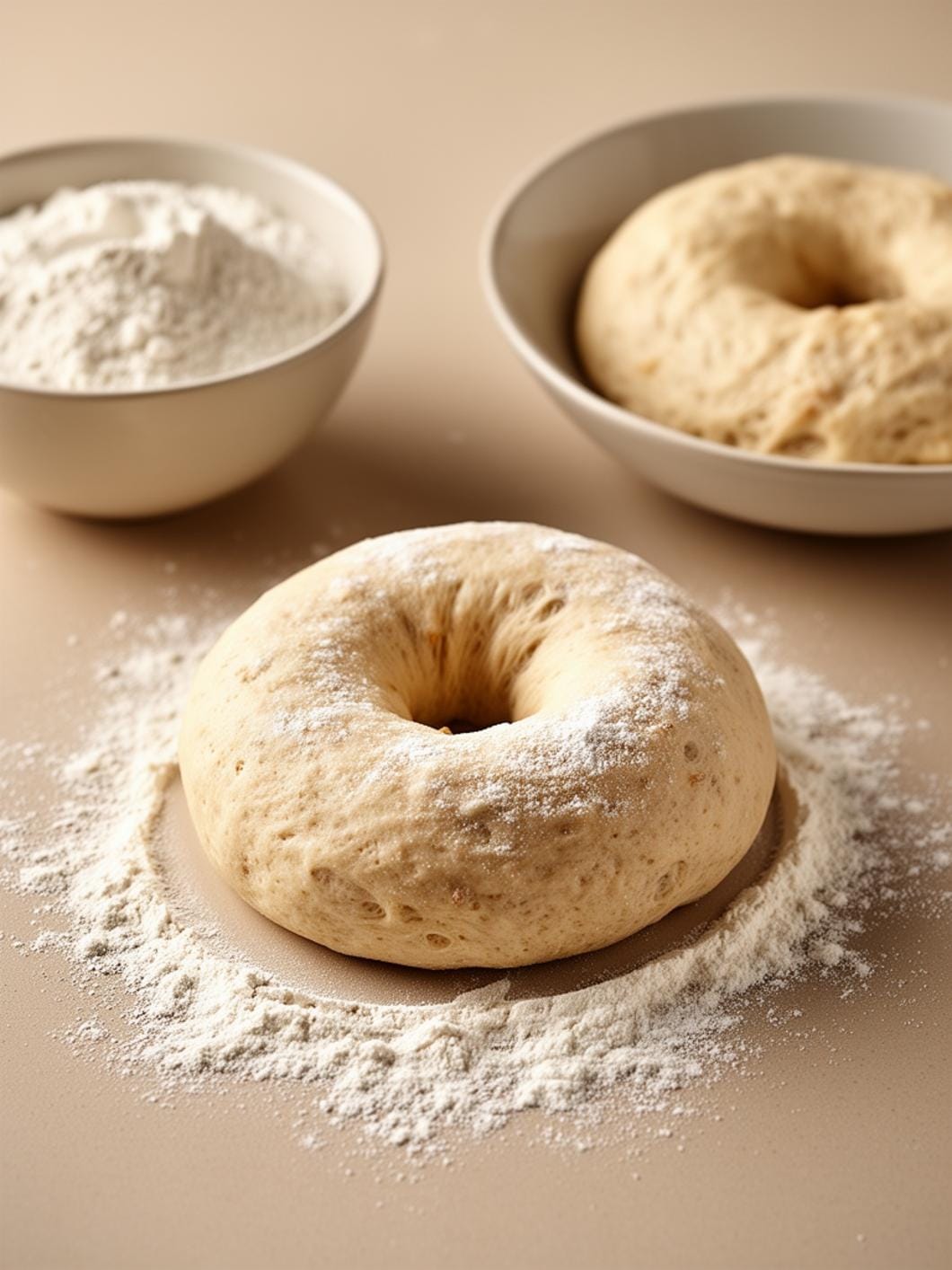
- Prepared sourdough bagel dough
- Light dusting of flour (for your work surface and hands)
For your sourdough bagel dough, ensure it has completed its bulk fermentation and is properly proofed. The consistency of your dough—not too sticky, not too stiff—is paramount for easy and effective shaping. If your dough is too wet, it will be difficult to handle and maintain its shape. If it’s too dry, it will resist shaping and may tear. Adjusting the hydration slightly during the initial mixing phase of your bagel recipe can significantly impact its shapability.
Time Needed From Start To Finish
The time required for shaping your sourdough bagels will vary depending on your experience level and the batch size. For a typical batch of 8-12 bagels, expect the actual shaping process to take approximately 15-25 minutes once your dough is ready. This does not include the time for bulk fermentation, proofing, or boiling and baking, but focuses solely on the hands-on time dedicated to forming each bagel.
How To Make It Step By Step With Visual Cues

Mastering sourdough bagel shaping involves a few key techniques. Here’s a breakdown of common methods and how to execute them correctly, avoiding typical mistakes.
- Prepare Your Dough and Work Surface: Once your bulk fermentation is complete, gently turn your dough out onto a lightly floured surface. Avoid adding too much flour, as this can dry out the dough. Divide your dough into equal portions, typically 3-4 ounces per bagel, using a bench scraper for clean cuts.
- Pre-Shaping into Rounds (The Ball Method): Take each dough portion and gently form it into a tight ball. The goal here is to create surface tension. Cup your hand over the dough on the counter and move it in a circular motion, allowing the dough to grip the surface and tighten into a smooth, round shape. Avoid pressing too hard or tearing the dough. This step helps create a uniform crumb structure.
- The Poke-A-Hole Method: This is a popular and straightforward method. Once you have a well-rounded ball of dough, use your floured thumb to gently press a hole through the center.
- Stretching the Hole Evenly: Once the hole is made, gently stretch the dough by rotating it around your thumbs or index fingers. The key is to stretch it evenly so the hole doesn’t close up during proofing or baking. Aim for a hole that’s about 1.5 to 2 inches in diameter, as it will shrink. Avoid overstretching or creating thin spots, which can lead to uneven baking.
- The Rope Method (Alternative Shaping): For a different approach, roll each dough portion into a rope about 8-10 inches long, tapering the ends slightly.
- Forming the Ring (Rope Method): Overlap the tapered ends of the rope by about an inch. Place the overlapped section in the palm of your hand and roll it firmly on your work surface, applying gentle pressure to seal the ends together. This creates a strong seam that won’t come apart during boiling. Ensure the seam is well-sealed but not overly thick.
- Final Check for Uniformity: Before proofing, quickly inspect each bagel. Are they roughly the same size? Are the holes centered and open enough? This is your last chance to make minor adjustments.
Easy Variations And Serving Ideas That Fit Real Life
While shaping is about form, the end result is all about delicious enjoyment! Once your perfectly shaped sourdough bagels are baked, the possibilities are endless. Serve them warm from the oven with a generous smear of cream cheese – plain, flavored with chives, or a sweet berry blend. For a heartier option, make classic bagel sandwiches with smoked salmon, capers, and red onion, or a breakfast sandwich with eggs, cheese, and bacon.
For kid-friendly serving, toasted bagel halves with butter and jam, or even a sprinkle of cinnamon sugar, are always a hit. You can also turn day-old bagels into crunchy bagel chips for dipping in hummus or a savory spread. Don’t forget to experiment with toppings before baking, such as sesame seeds, poppy seeds, everything bagel seasoning, or even dried minced garlic and onion for a savory twist.
Common Slip-Ups And How To Avoid Them
Even experienced bakers can encounter issues with bagel shaping. Here are the most common mistakes and how to sidestep them for consistently great results:
- Dough That’s Too Sticky or Too Dry: If your dough is excessively sticky, it will be hard to handle and will lose its shape easily. This often means your dough is over-hydrated. If it’s too dry, it will resist shaping and tear, indicating under-hydration. The fix is often in the initial recipe, but a light dusting of flour for sticky dough or slightly dampening your hands for dry dough can help during shaping.
- Not Creating Enough Surface Tension: When forming the initial dough balls, failing to create a tight, smooth surface can lead to lumpy, uneven bagels. Always cup your hand over the dough and roll it against the counter to create tension.
- Holes That Close Up: This is a classic problem. If the hole in your bagel is too small or not stretched enough, it will often close up during proofing or baking. Ensure you stretch the hole to at least 1.5-2 inches in diameter, remembering it will shrink.
- Uneven Bagel Thickness: If you stretch one side of the bagel more than the other, you’ll end up with a lopsided bagel. Aim for uniform thickness around the entire ring.
- Weak Seams (Rope Method): If using the rope method, a poorly sealed seam will come apart during boiling, resulting in open-faced bagels. Make sure to firmly roll the overlapped ends together to create a strong, invisible seam.
- Overworking the Dough During Shaping: While you want to create tension, avoid excessive handling or kneading during the shaping process. This can develop too much gluten, making the bagels tough. Be gentle and efficient.
- Not Enough Flour on Hands/Surface (or Too Much): A light dusting of flour prevents sticking, but too much flour can dry out the dough’s surface, making it harder to seal and potentially leading to a floury crust. Find the right balance.
How To Store It And Make It Ahead Without Ruining Texture
Once your beautifully shaped sourdough bagels are baked, proper storage is key to maintaining their texture and freshness. For immediate enjoyment, bagels are best eaten within 24 hours. To store them for a few days, place cooled bagels in an airtight container or a large, sealable plastic bag at room temperature. They will typically stay fresh for 2-3 days this way.
For longer storage, freezing is your best option. Once the bagels are completely cool, slice them in half (if desired for easier toasting later) and place them in a freezer-safe bag. Remove as much air as possible before sealing. They can be frozen for up to 3 months. When you’re ready to enjoy, simply pop a frozen bagel half directly into the toaster, or let a whole bagel thaw at room temperature before toasting or warming in the oven. Avoid refrigerating bagels, as this can actually make them stale faster.
Questions People Always Ask Before Making This Recipe
Q: My dough is too sticky to shape. What can I do? A: If your dough is very sticky, try dusting your hands and work surface with a little more flour. You can also lightly oil your hands. If it’s consistently too sticky, your dough might be over-hydrated; consider reducing the water slightly in your next batch.
**Q: My bagel holes keep closing
FAQs
- Can I make these ahead? Yes—prep ahead, refrigerate, then serve when ready.
- How long do leftovers last? Store covered in the fridge for 3–4 days for best texture.
- Can I adjust sweetness? Yes—add more or less sweetener to taste.
- Can I change the fruit? Yes—swap strawberries for blueberries, raspberries, or sliced banana.