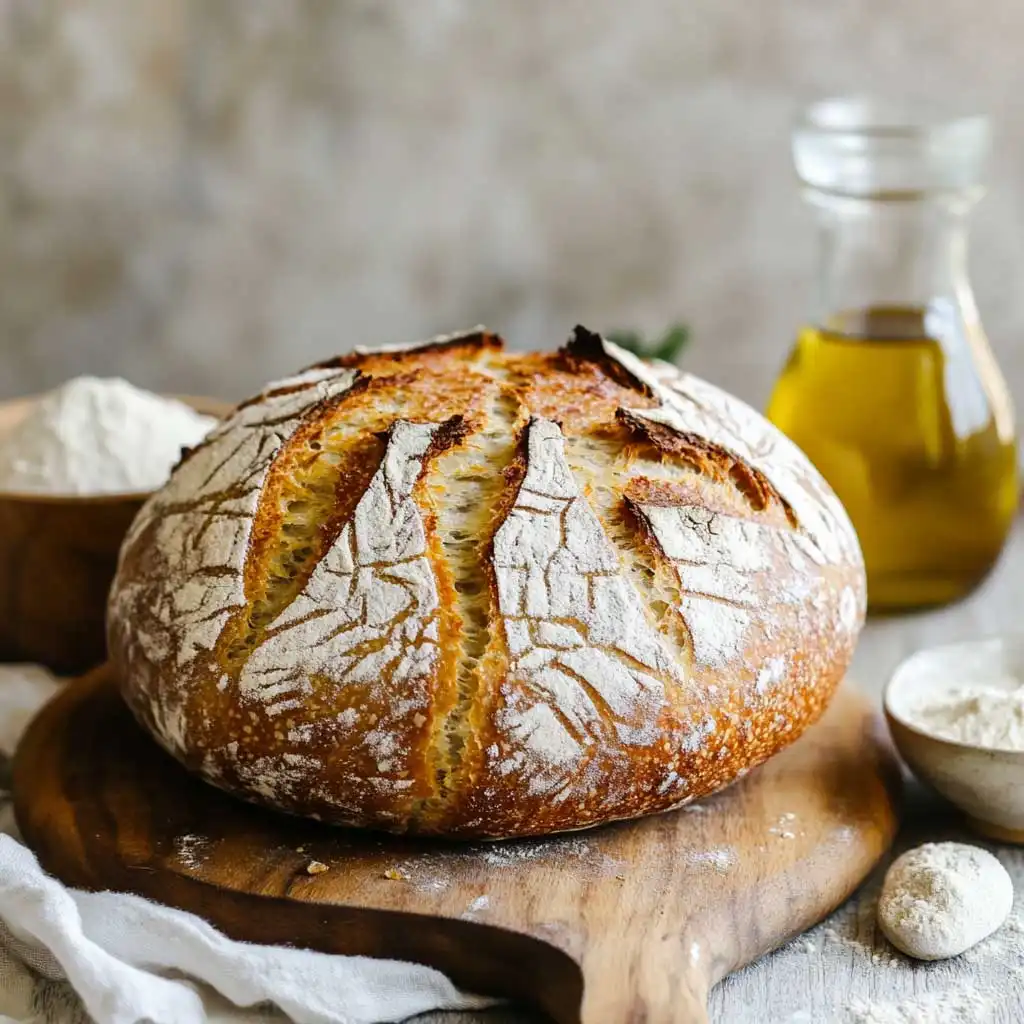

There’s nothing quite as disheartening as pulling a beautiful loaf of sourdough bread from the oven, only to discover its bottom is scorched.
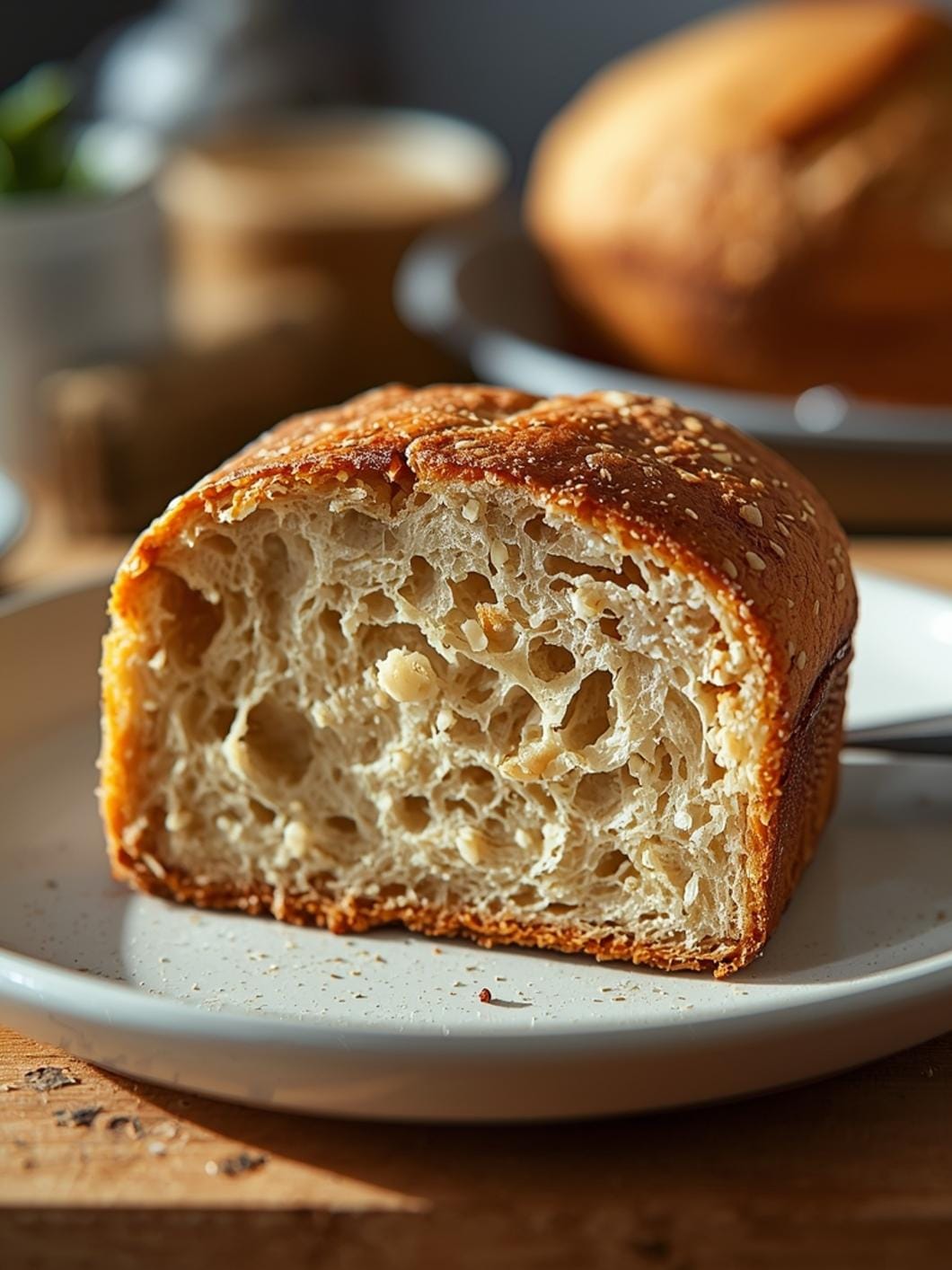
This common baking mishap can turn a triumph into a disappointment, leaving you wondering where you went wrong. But don’t despair – a burnt sourdough bottom is a problem with clear solutions, and understanding the causes is the first step to achieving that perfectly golden crust all around.
This guide is designed to help you troubleshoot and prevent those pesky burnt bottoms, ensuring your sourdough loaves are evenly baked and delicious from top to bottom. We’ll explore the reasons behind this issue and provide practical, easy-to-implement strategies to safeguard your bread for future bakes.
Table of Contents
- What You’ll Love About This Quick And Easy Recipe
- Everything You Need To Make This Recipe Without Stress
- Time Needed From Start To Finish
- How To Make It Step By Step With Visual Cues
- Easy Variations And Serving Ideas That Fit Real Life
- Common Slip-Ups And How To Avoid Them
- How To Store It And Make It Ahead Without Ruining Texture

Preventing Burnt Sourdough Bottoms
- Total Time: 45-55 minutes
- Yield: 1 loaf
Description
This guide helps troubleshoot and prevent burnt sourdough bottoms, ensuring evenly baked loaves with a perfectly golden crust. It provides practical strategies for bakers of all levels.
Ingredients
Instructions
1. Assess Your Oven Temperature Accuracy: Before you even start baking, place an oven thermometer inside your oven. Preheat your oven to your desired baking temperature (e.g., 450 F or 230 C) for at least 30-60 minutes. Compare the thermometer reading to your oven’s display. If there’s a significant difference (more than 25 F or 15 C), you’ll need to adjust your oven’s setting accordingly for future bakes. A hotter-than-accurate oven can quickly scorch the bottom.
2. Evaluate Your Baking Surface: If you’re baking directly on a preheated baking steel or pizza stone, consider its placement. If the bottom is consistently burning, the heat source from the bottom element might be too intense. Try moving your baking surface to a higher rack in the oven.
3. Introduce a Heat Shield: For the first part of your bake (often when covered, if using a Dutch oven), place a layer of aluminum foil or an empty baking sheet on the rack below your baking surface. This acts as a barrier, deflecting some of the direct heat from the bottom element away from your loaf.
4. Use Parchment Paper Effectively: Always bake your sourdough on parchment paper. This not only makes transferring the dough easier but also provides a slight insulating layer between the dough and your hot baking surface. Ensure the parchment paper extends slightly beyond the base of the loaf.
5. Monitor During the Bake: Once your loaf is in the oven, keep an eye on it. Around halfway through the baking time, or when you remove the lid if using a Dutch oven, carefully check the color of the bottom crust. If it’s already looking significantly darker than the top or sides, it’s time to intervene.
6. Insulate the Bottom During Baking: If you notice the bottom browning too quickly, carefully slide a second piece of parchment paper or a small piece of aluminum foil under the loaf for the remainder of the bake. Alternatively, you can place the entire loaf (still on its original parchment) onto a baking sheet for the latter half of the baking time. This provides an additional buffer from the direct heat.
7. Adjust Oven Rack Position Mid-Bake (if safe): If the top is browning perfectly but the bottom is still too dark, and you haven’t used a heat shield, you can carefully move the entire baking vessel or loaf to a higher rack for the final 10-15 minutes of baking. Be cautious when doing this to avoid burns.
8. Cool Properly: Once baked, immediately transfer your sourdough loaf to a wire cooling rack. This allows air to circulate around the entire loaf, preventing moisture from condensing on the bottom and softening the crust, and also stops residual heat from the baking surface from continuing to cook (and potentially burn) the bottom.
- Prep Time: 5 minutes
- Cook Time: 40-50 minutes
- Category: baking
- Method: baking
- Cuisine: american
Nutrition
- Serving Size: 1 slice
Keywords: sourdough, baking, bread, troubleshooting, burnt bottom, oven, technique, crust, homemade, guide
What You’ll Love About This Quick And Easy Recipe
This guide isn’t a recipe in the traditional sense, but rather a troubleshooting manual that will save your sourdough bakes from a common pitfall. You’ll love its practical, no-nonsense approach to tackling burnt bottoms, making your baking experience less stressful and more rewarding. It’s perfect for any sourdough baker, from beginners just starting their journey to more experienced enthusiasts who occasionally encounter this issue. By understanding and implementing these simple fixes, you’ll consistently achieve beautifully baked loaves with a perfectly golden, unburnt crust, making every slice a joy to eat. This knowledge is invaluable for anyone who wants to elevate their sourdough game and avoid wasted effort and ingredients.
Everything You Need To Make This Recipe Without Stress
While this isn’t a traditional recipe requiring ingredients, understanding the tools and environmental factors involved in sourdough baking is crucial for preventing burnt bottoms. The “ingredients” here are more about your baking setup and techniques.
INGREDIENTS:
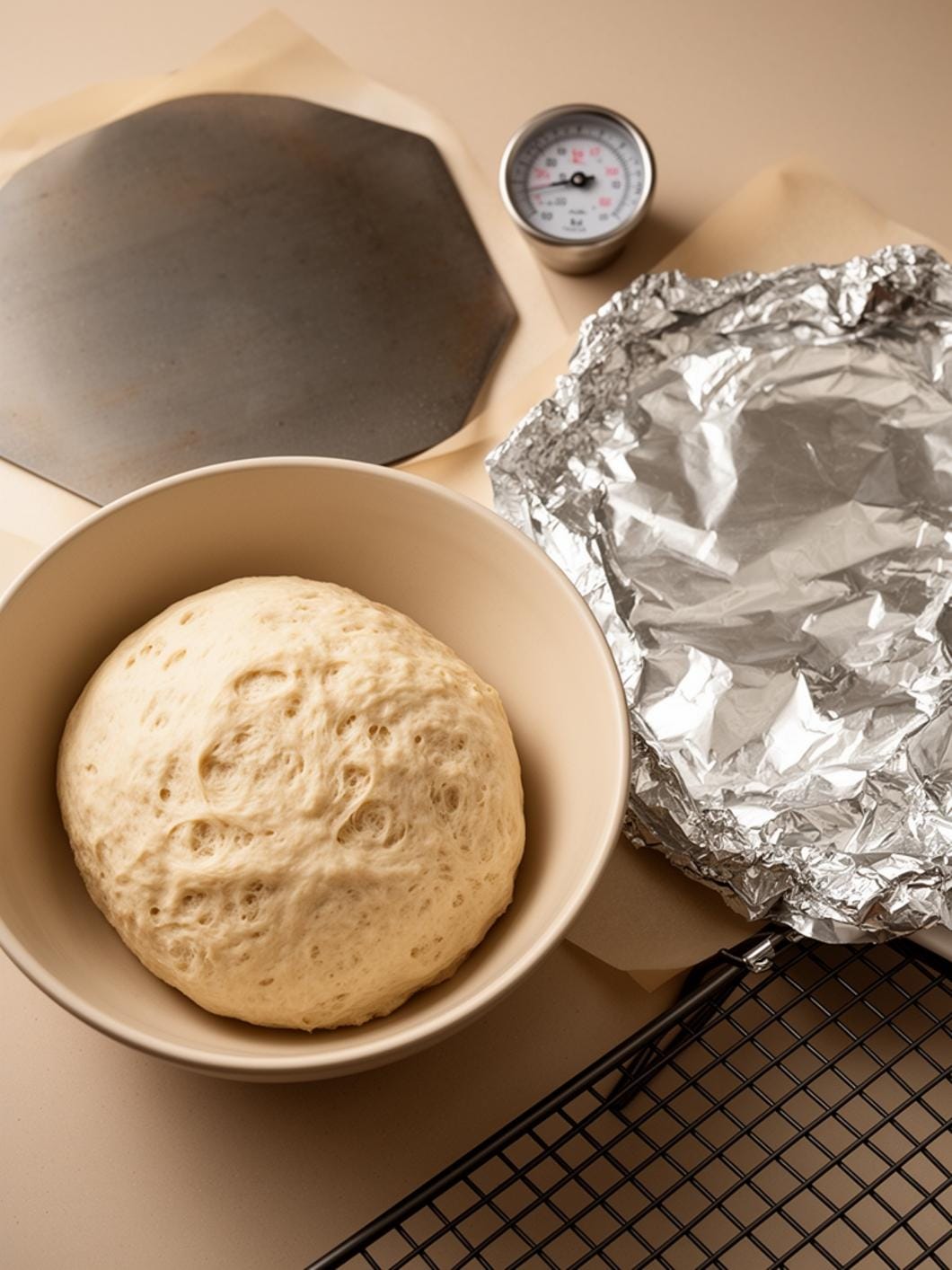
- Baking steel or pizza stone
- Oven thermometer
- Parchment paper
- Aluminum foil
- Baking sheet or cooling rack
- Your sourdough dough (prepared according to your favorite recipe)
You won’t be adding new ingredients to your sourdough dough itself, but rather adjusting how you use your existing baking equipment. For instance, if you don’t have a baking steel or pizza stone, a heavy-duty baking sheet can sometimes offer a similar, though less effective, heat barrier. An oven thermometer is crucial, as many ovens can fluctuate significantly from their set temperature, impacting baking consistency. Ensure you have good quality parchment paper that can withstand high temperatures.
Time Needed From Start To Finish
Addressing a burnt sourdough bottom isn’t about a specific prep or cook time, but rather adjustments made *during* your regular sourdough baking process. The “time” involved is primarily observational and reactive.
Observation/Adjustment Time: 5-10 minutes (during preheating and baking) Total Impact on Baking Time: Minimal, if any. The goal is to improve the outcome without significantly altering your recipe’s timeline.
How To Make It Step By Step With Visual Cues
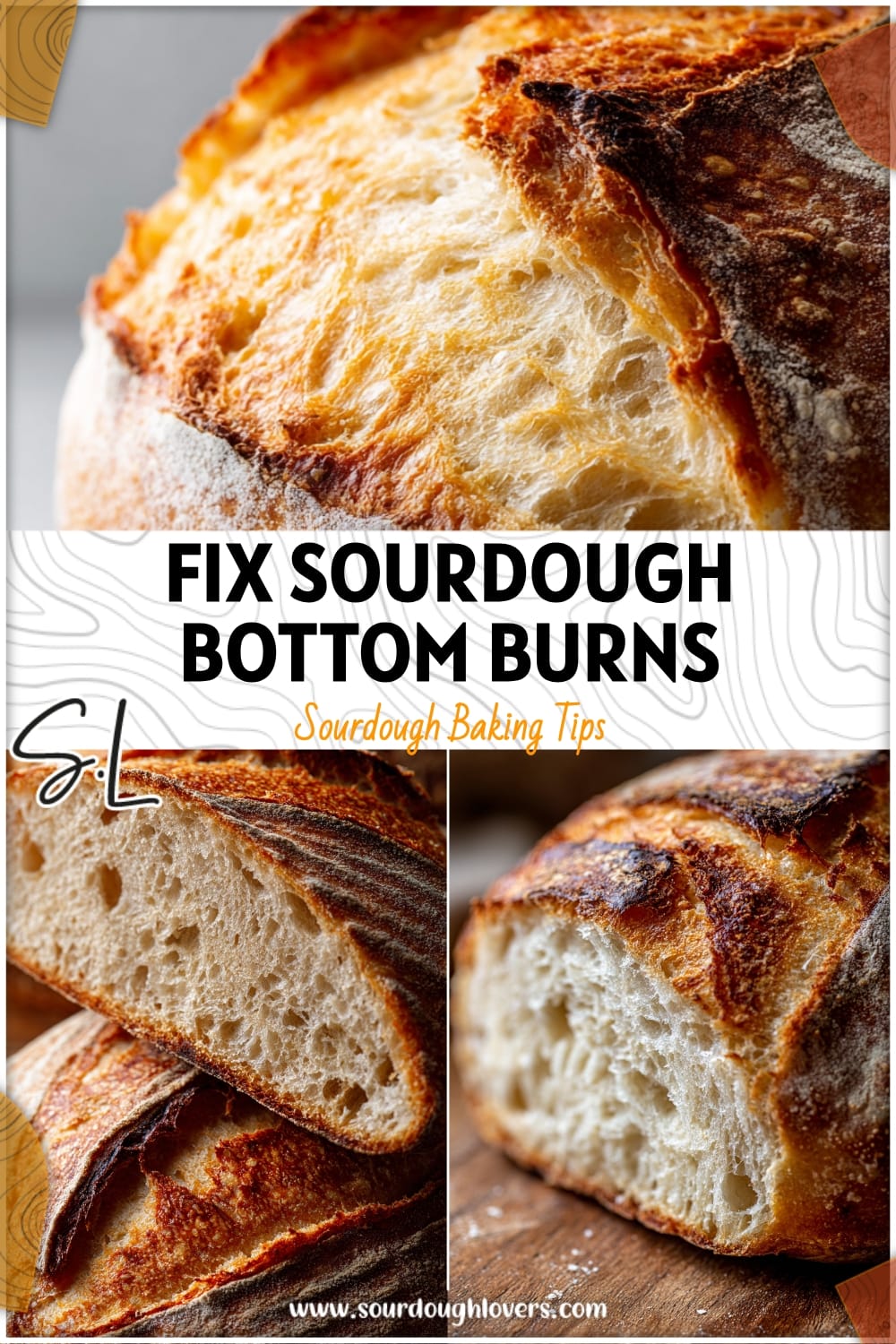
Preventing a burnt sourdough bottom involves a series of adjustments and observations during your baking process. Here’s how to approach it:
- Assess Your Oven Temperature Accuracy: Before you even start baking, place an oven thermometer inside your oven. Preheat your oven to your desired baking temperature (e.g., 450°F or 230°C) for at least 30-60 minutes. Compare the thermometer reading to your oven’s display. If there’s a significant difference (more than 25°F or 15°C), you’ll need to adjust your oven’s setting accordingly for future bakes. A hotter-than-accurate oven can quickly scorch the bottom.
- Evaluate Your Baking Surface: If you’re baking directly on a preheated baking steel or pizza stone, consider its placement. If the bottom is consistently burning, the heat source from the bottom element might be too intense. Try moving your baking surface to a higher rack in the oven.
- Introduce a Heat Shield: For the first part of your bake (often when covered, if using a Dutch oven), place a layer of aluminum foil or an empty baking sheet on the rack *below* your baking surface. This acts as a barrier, deflecting some of the direct heat from the bottom element away from your loaf.
- Use Parchment Paper Effectively: Always bake your sourdough on parchment paper. This not only makes transferring the dough easier but also provides a slight insulating layer between the dough and your hot baking surface. Ensure the parchment paper extends slightly beyond the base of the loaf.
- Monitor During the Bake: Once your loaf is in the oven, keep an eye on it. Around halfway through the baking time, or when you remove the lid if using a Dutch oven, carefully check the color of the bottom crust. If it’s already looking significantly darker than the top or sides, it’s time to intervene.
- Insulate the Bottom During Baking: If you notice the bottom browning too quickly, carefully slide a second piece of parchment paper or a small piece of aluminum foil *under* the loaf for the remainder of the bake. Alternatively, you can place the entire loaf (still on its original parchment) onto a baking sheet for the latter half of the baking time. This provides an additional buffer from the direct heat.
- Adjust Oven Rack Position Mid-Bake (if safe): If the top is browning perfectly but the bottom is still too dark, and you haven’t used a heat shield, you can carefully move the entire baking vessel or loaf to a higher rack for the final 10-15 minutes of baking. Be cautious when doing this to avoid burns.
- Cool Properly: Once baked, immediately transfer your sourdough loaf to a wire cooling rack. This allows air to circulate around the entire loaf, preventing moisture from condensing on the bottom and softening the crust, and also stops residual heat from the baking surface from continuing to cook (and potentially burn) the bottom.
Easy Variations And Serving Ideas That Fit Real Life
While this guide focuses on fixing a baking problem, the result is a perfectly baked sourdough loaf, which is incredibly versatile for serving.
- Classic Toast: Slice your perfectly baked sourdough and toast it, then spread with butter, jam, or avocado for a simple, satisfying breakfast or snack.
- Hearty Sandwiches: The sturdy crust and chewy interior of sourdough make it ideal for sandwiches. Think grilled cheese, deli meat and cheese, or a robust veggie sandwich.
- Bruschetta or Crostini: Slice thinly, toast lightly, and top with fresh tomatoes, basil, garlic, and olive oil for a delicious appetizer.
- Soup Dippers: A crusty slice of sourdough is the perfect companion for any soup or stew, soaking up all the delicious broth.
- Garlic Bread: Brush slices with garlic butter and bake until golden for an irresistible side dish with pasta or pizza.
- Kid-Friendly Options: Kids often love sourdough toast with a little cream cheese or peanut butter and banana. Cut into fun shapes for an extra touch.
- Party Platter: Arrange slices of sourdough with a variety of cheeses, cured meats, olives, and spreads for an impressive and easy entertaining option.
Common Slip-Ups And How To Avoid Them
Even with the best intentions, a few common mistakes can lead to a burnt sourdough bottom. Knowing these can help you avoid them.
- Ignoring Oven Hot Spots: Ovens often have uneven heating. If your oven consistently burns the bottom, it likely has a hot spot there. Always use an oven thermometer to verify the temperature and consider rotating your bread or using a heat shield.
- Baking Too Low in the Oven: Placing your baking surface on the very bottom rack puts it in direct line with the heating element, leading to quick scorching. Always aim for the middle or slightly above-middle rack position.
- Over-Preheating Your Baking Surface: While a hot baking steel or stone is good, sometimes it can get *too* hot, especially if left in a very hot oven for an extended period. Ensure your preheating time is sufficient but not excessive, and use a temperature gun if you have one to check the surface temperature.
- Not Using a Dutch Oven or Lid Effectively: If you’re baking in a Dutch oven, the cast iron can transfer intense heat to the bottom of the loaf. Ensure you’re not leaving it covered for too long, as the steam trapped inside also contributes to heat transfer. Removing the lid at the appropriate time can help prevent over-browning.
- Lack of Insulation: Baking directly on a very hot surface without any form of insulation (like parchment paper or a secondary baking sheet underneath) is a direct path to a burnt bottom. Always use parchment paper.
- Not Checking Mid-Bake: Waiting until the very end of the bake to check the bottom is often too late. A quick peek halfway through allows you to intervene before serious burning occurs.
How To Store It And Make It Ahead Without Ruining Texture
Once you’ve successfully baked a sourdough loaf without a burnt bottom, proper storage is key to maintaining its texture and freshness.
- Storing at Room Temperature: For optimal freshness, store your sourdough loaf at room temperature for 2-3 days. The best way to do this is to place it cut-side down on a cutting board, or wrap it loosely in a clean kitchen towel. Avoid airtight containers for whole loaves, as they can trap moisture and make the crust soft.
- **For

FAQs
- Can I make these ahead? Yes—prep ahead, refrigerate, then serve when ready.
- How long do leftovers last? Store covered in the fridge for 3–4 days for best texture.
- Can I adjust sweetness? Yes—add more or less sweetener to taste.
- Can I change the fruit? Yes—swap strawberries for blueberries, raspberries, or sliced banana.