
Achieving that perfect, open, and airy crumb in sourdough bread can sometimes feel like a magical feat.
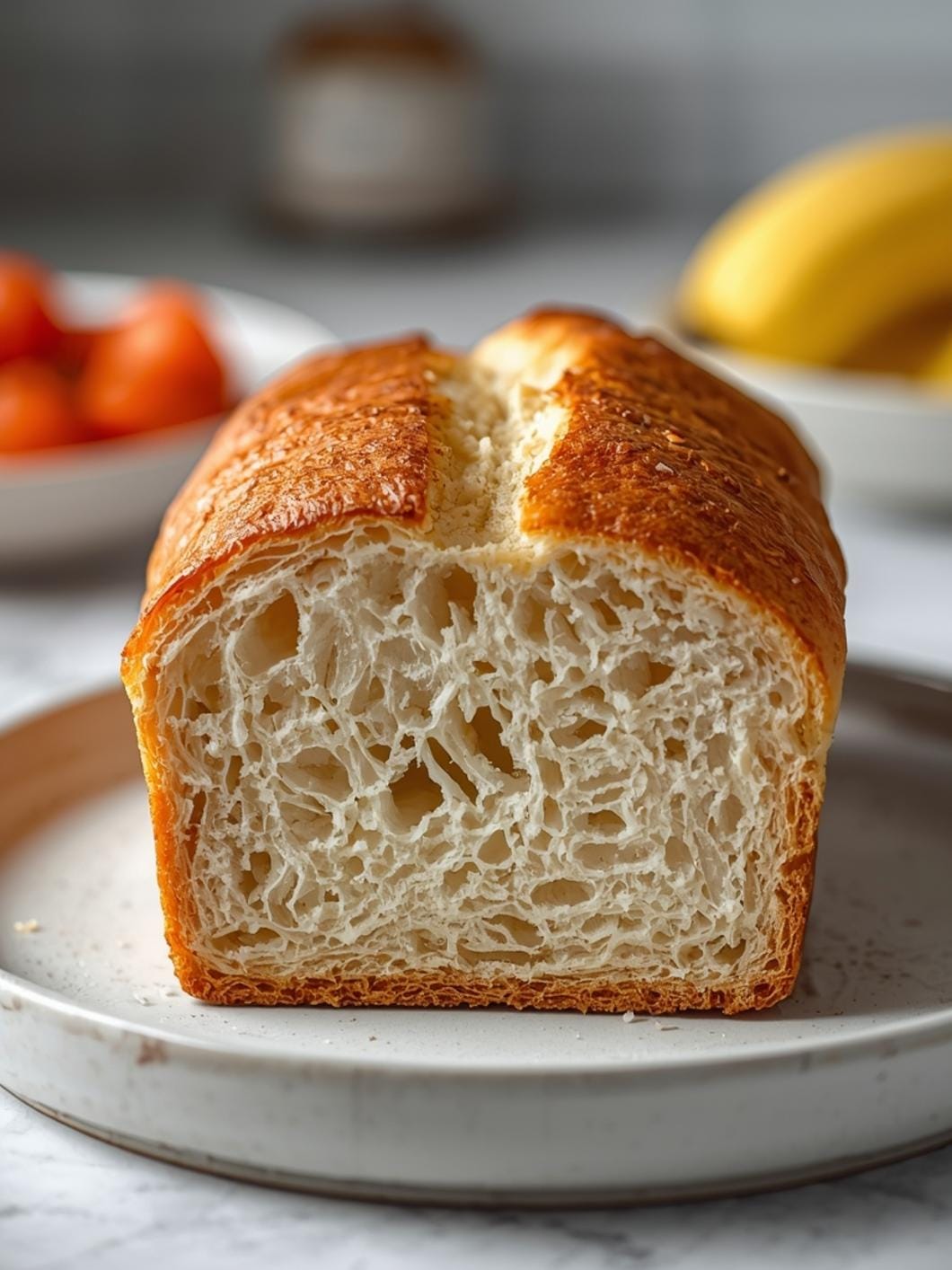
Many home bakers strive for it, yet often end up with a denser, tighter crumb than desired. This can be frustrating, especially after all the effort that goes into nurturing a starter and carefully mixing dough.
The good news is that a tight crumb isn’t a permanent sentence for your sourdough journey. With a few targeted adjustments to your technique and understanding what might be going wrong, you can consistently bake loaves with the beautiful, open structure you’re dreaming of. Let’s dive into the common culprits and practical solutions to transform your sourdough from dense to delightful.

Sourdough Crumb Troubleshooting Guide
- Total Time: 18-36 hours
- Yield: 1 loaf
Description
This guide helps home bakers achieve an open, airy crumb in sourdough bread by addressing common issues like weak starter, insufficient hydration, poor gluten development, under-fermentation, and inadequate steam during baking. It provides practical tips and adjustments to transform dense sourdough into a delightful loaf.
Ingredients
Instructions
1. 1. Assess Your Sourdough Starter’s Activity: Before mixing, ensure your starter is robust and active. Feed it and wait until it has doubled or tripled in size and is full of bubbles. Perform the ‘float test’: drop a small spoonful of starter into water. If it floats, it’s ready. If it sinks, it needs more time or another feeding. A weak starter is a primary cause of a tight crumb.
2. 2. Adjust Your Hydration Levels Carefully: If your dough is too stiff, the gluten network won’t expand properly. Try increasing your water content by 5-10% in your next bake. Your dough should feel tacky but not overly sticky, and stretch easily without tearing. If it feels like a brick, add more water.
3. 3. Refine Your Mixing and Kneading Technique: Proper gluten development is key. During initial mixing, ensure all flour is hydrated. Use 4-6 sets of stretch and folds over 2-3 hours during bulk fermentation to build strength. The dough should become smooth, elastic, and pass the ‘windowpane test’ (stretch thin enough to see light through without tearing).
4. 4. Master the Bulk Fermentation (First Rise): Under-fermentation causes tight crumbs. Watch the dough, not just the clock. It should increase significantly in volume (30-50% or more), feel airy, and have a domed top. If it still feels dense and hasn’t grown much, let it ferment longer.
5. 5. Perfect Your Shaping Technique: Create good surface tension without degassing the dough too much. The goal is a tight ‘skin’ on the outside to help it hold shape and expand upwards. Avoid tearing the dough during shaping.
6. 6. Ensure Adequate Steam During Baking: Steam in the initial baking phase allows the crust to remain pliable, enabling maximum oven spring and a more open crumb. Bake in a Dutch oven with the lid on for the first 20-25 minutes, or use a pan of hot water in your oven.
- Prep Time: 5-15 minutes
- Cook Time: 30-45 minutes
- Category: baking
- Method: baking
- Cuisine: american
Nutrition
- Serving Size: 1 slice
Keywords: sourdough, baking, troubleshooting, crumb, bread, fermentation, gluten, hydration, starter, oven spring
What You’ll Love About This Quick And Easy Recipe
This guide is designed for any home baker who has experienced the disappointment of a dense sourdough loaf and wants to understand why it happened and how to fix it. It’s perfect for those who are just starting their sourdough adventure or even seasoned bakers looking to refine their technique. You’ll love that these tips are practical, easy to implement, and don’t require any fancy equipment or advanced baking degrees. This isn’t a recipe to “make” sourdough, but rather a troubleshooting guide to improve the sourdough you’re already baking. It works because it addresses the most common issues directly, offering clear, actionable steps. This information is always relevant, whether you’re baking for a weekend brunch, a family dinner, or simply enjoying a slice with your morning coffee.
Everything You Need To Make This Recipe Without Stress
Since this article focuses on troubleshooting and adjusting your sourdough baking process rather than a specific recipe, there isn’t a traditional ingredient list in the same way you’d find for a cake or cookies. Instead, we’ll discuss the “ingredients” of a successful sourdough bake in terms of the components you’re already using and how to optimize them.
INGREDIENTS:
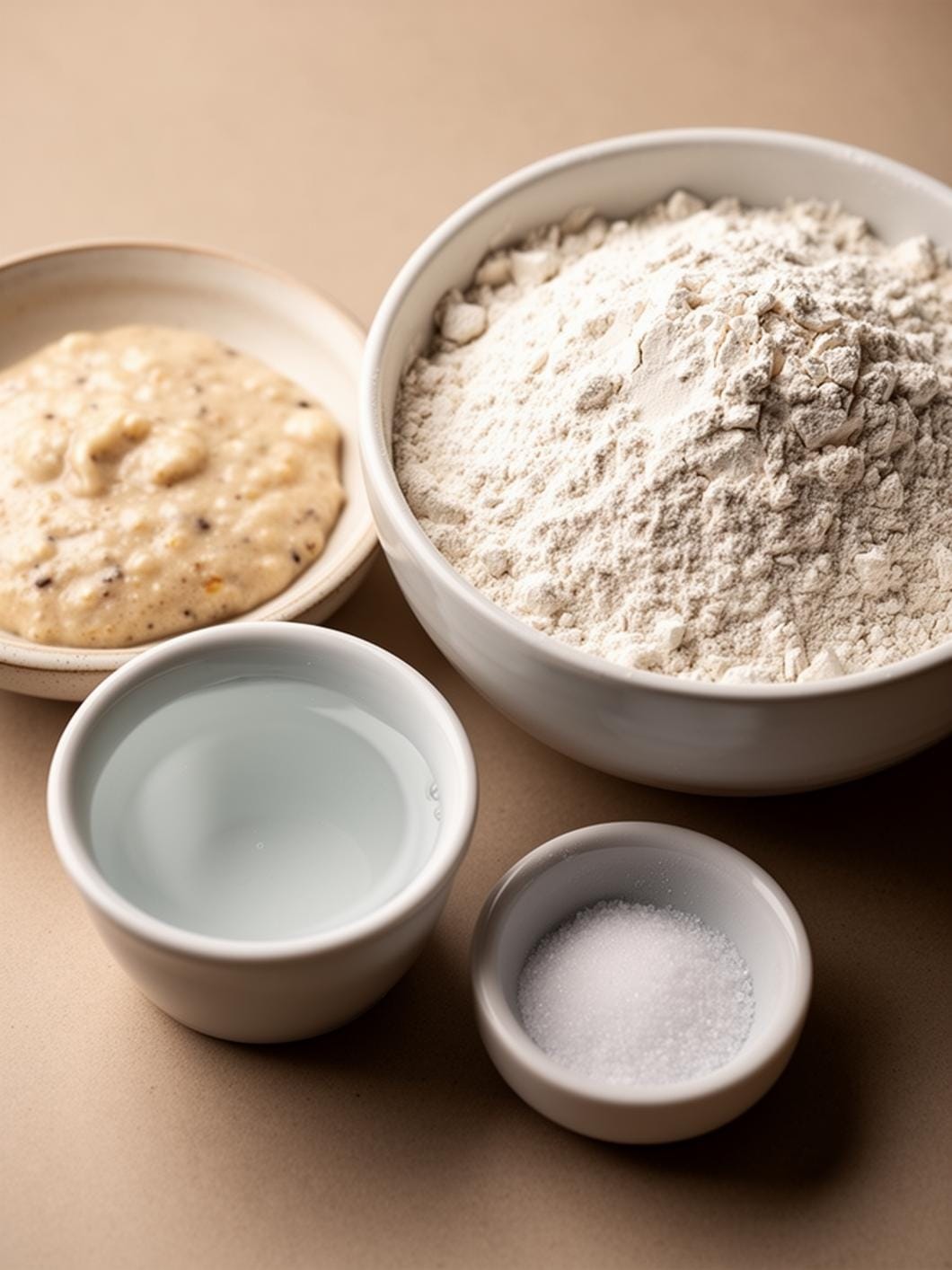
- Active sourdough starter
- Bread flour (or your preferred flour blend)
- Water
- Salt
When it comes to your flour, while bread flour is often recommended for its higher protein content, you can certainly use all-purpose flour. Just be aware that all-purpose flour might absorb less water, so you may need to adjust your hydration slightly. For salt, any fine sea salt or kosher salt will work well. Avoid iodized table salt as it can sometimes impart an off-flavor and may interfere with fermentation. The most critical “ingredient” here is your active sourdough starter. Ensure it’s bubbly and passes the float test before you begin mixing your dough.
Time Needed From Start To Finish
Understanding the time commitment for sourdough baking is crucial, especially when troubleshooting crumb issues. While the hands-on time for making adjustments might be minimal, the overall process of sourdough baking is inherently long.
- Prep Time (for adjustments): 5-15 minutes (this refers to the time you spend *thinking about and implementing* the troubleshooting steps, not the actual mixing of the dough)
- Active Dough Processing Time (incorporating new techniques): 20-40 minutes (this includes stretching and folding, shaping, etc., which you’ll be doing differently)
- Total Time (including fermentation and baking): 18-36 hours (this is the full sourdough process, which remains long, but the *quality* of the outcome will be improved by your adjustments)
The “quick” aspect here refers to the speed at which you can implement these fixes into your existing baking routine, not the overall sourdough process itself.
How To Make It Step By Step With Visual Cues

Improving your sourdough crumb involves making specific adjustments at different stages of the baking process. Here’s how to implement the most common fixes:
- Assess Your Sourdough Starter’s Activity: Before you even mix your dough, ensure your starter is robust and active. Feed your starter and wait until it has doubled or tripled in size and is full of bubbles. A good visual cue is to perform the “float test”: drop a small spoonful of starter into a glass of water. If it floats, it’s ready. If it sinks, it needs more time or another feeding. A weak starter is a primary cause of a tight crumb.
- Adjust Your Hydration Levels Carefully: A common reason for a tight crumb is insufficient hydration. If your dough is too stiff, the gluten network won’t be able to expand properly to trap gas. Try increasing your water content by 5-10% in your next bake. Visually, your dough should feel tacky but not overly sticky, and it should stretch easily without tearing during mixing. If it feels like a brick, add more water.
- Refine Your Mixing and Kneading Technique: Proper gluten development is key to an open crumb. If you’re not developing enough gluten, the dough won’t have the strength to hold its shape and trap gas. During the initial mixing, ensure all the flour is hydrated. Then, use a series of stretch and folds (typically 4-6 sets over 2-3 hours during bulk fermentation) to build strength. You’ll know it’s working when the dough becomes smooth, elastic, and passes the “windowpane test” – where you can stretch a small piece thin enough to see light through it without it tearing.
- Master the Bulk Fermentation (First Rise): This is arguably the most critical stage. Under-fermentation is a huge culprit for tight crumbs. Your dough needs enough time to develop flavor and gas. Watch the dough, not just the clock. It should increase significantly in volume (typically 30-50% for a good crumb, sometimes even more for a very open crumb), feel airy, and have a domed top. If it still feels dense and hasn’t grown much, let it ferment longer.
- Perfect Your Shaping Technique: While not directly related to gluten development, poor shaping can lead to a dense spot in the middle of your loaf. Ensure you create good surface tension without degassing the dough too much. The goal is to create a tight “skin” on the outside of the dough, which helps it hold its shape and expand upwards in the oven. Avoid tearing the dough during shaping.
- Ensure Adequate Steam During Baking: Steam in the initial phase of baking allows the crust to remain pliable, enabling maximum oven spring and a more open crumb. If your crust sets too quickly, the dough can’t expand. Bake in a Dutch oven with the lid on for the first 20-25 minutes, or use a pan of hot water in your oven if you don’t have a Dutch oven. You’ll see the dough rapidly expand and puff up during this steamed phase.
Easy Variations And Serving Ideas That Fit Real Life
While this article focuses on fixing your sourdough crumb, the ultimate goal is to enjoy delicious bread! Once you’ve achieved that perfect open texture, the serving possibilities are endless. For a simple breakfast, toast slices and spread with butter and jam, or avocado and a sprinkle of everything bagel seasoning. For a heartier option, use your improved sourdough for gourmet sandwiches – think grilled cheese with artisanal cheeses, or a classic BLT.
If you have kids, they’ll love sourdough toast with peanut butter and banana, or even just plain with a little honey. For parties or buffets, a beautiful loaf of sourdough makes an excellent centerpiece for a charcuterie board, served alongside various cheeses, olives, and cured meats. You can also make fantastic crostini by slicing thin pieces, brushing with olive oil, baking until crisp, and topping with bruschetta, tapenade, or goat cheese and fig jam. Don’t forget the classic pairing with a hearty soup or stew – the open crumb is perfect for soaking up all those delicious juices.
Common Slip-Ups And How To Avoid Them
Even experienced bakers can fall into common traps that lead to a tight crumb. Being aware of these can help you sidestep them.
- Using a Weak or Inactive Starter: This is perhaps the most frequent mistake. If your starter isn’t at its peak activity, it won’t produce enough gas to leaven your dough effectively, resulting in a dense crumb. Always perform the float test or ensure your starter has at least doubled in volume after feeding before you mix your dough.
- Under-Hydrating the Dough: A dough that is too stiff won’t be able to expand properly. Don’t be afraid of a slightly wetter dough; it can be trickier to handle but often yields a better crumb. Start by adding a little more water than usual and observe how the dough feels.
- Insufficient Gluten Development: Without a strong gluten network, the dough can’t trap the gas produced by the yeast. Make sure you’re performing enough stretch and folds or kneading until the dough is smooth and elastic. The windowpane test is your friend here.
- Under-Fermentation During Bulk Rise: Rushing the bulk fermentation (first rise) is a common error. The dough needs time to develop flavor and gas. Don’t rely solely on the clock; watch the dough’s volume increase and feel for its airiness. When in doubt, give it a little more time, especially in cooler environments.
- Over-Handling During Shaping: While shaping needs to create tension, being too aggressive can de-gas the dough, removing all the precious air bubbles you worked so hard to create. Be firm but gentle, aiming to create a skin without def

FAQs
- Can I make these ahead? Yes—prep ahead, refrigerate, then serve when ready.
- How long do leftovers last? Store covered in the fridge for 3–4 days for best texture.
- Can I adjust sweetness? Yes—add more or less sweetener to taste.
- Can I change the fruit? Yes—swap strawberries for blueberries, raspberries, or sliced banana.