
Learning to score sourdough bread can transform your homemade loaves from simple to stunning.
This guide is designed for beginners, offering clear, actionable steps to help you achieve those beautiful, professional-looking cuts on your artisan sourdough.
Scoring isn’t just for aesthetics; it plays a crucial role in how your bread bakes, allowing for proper oven spring and a well-structured crumb. With a little practice and the right technique, you’ll be creating impressive designs in no time.
Table of Contents
- What You’ll Love About This Quick And Easy Recipe
- Everything You Need To Make This Recipe Without Stress
- Time Needed From Start To Finish
- How To Make It Step By Step With Visual Cues
- Easy Variations And Serving Ideas That Fit Real Life
- Common Slip-Ups And How To Avoid Them
- How To Store It And Make It Ahead Without Ruining Texture
- Questions People Always Ask Before Making This Recipe

Sourdough Scoring Guide for Beginners
- Total Time: 2-5 minutes
- Yield: 1 loaf 1x
Description
This guide provides clear, actionable steps for beginners to achieve beautiful, professional-looking cuts on artisan sourdough bread. Scoring is crucial for oven spring and crumb structure, and this guide makes the process manageable for all skill levels.
Ingredients
Instructions
1. Prepare Your Loaf: Take your cold-proofed sourdough loaf out of the refrigerator. The cold dough is firmer and easier to score cleanly. Lightly dust the top surface of your dough with a thin layer of all-purpose flour. This helps with contrast for your design and prevents the lame from sticking.
2. Ready Your Lame: Ensure your lame (or razor blade) is very sharp and clean. A dull blade will drag and tear the dough, leading to messy cuts. Hold the lame firmly, ready to make your first cut.
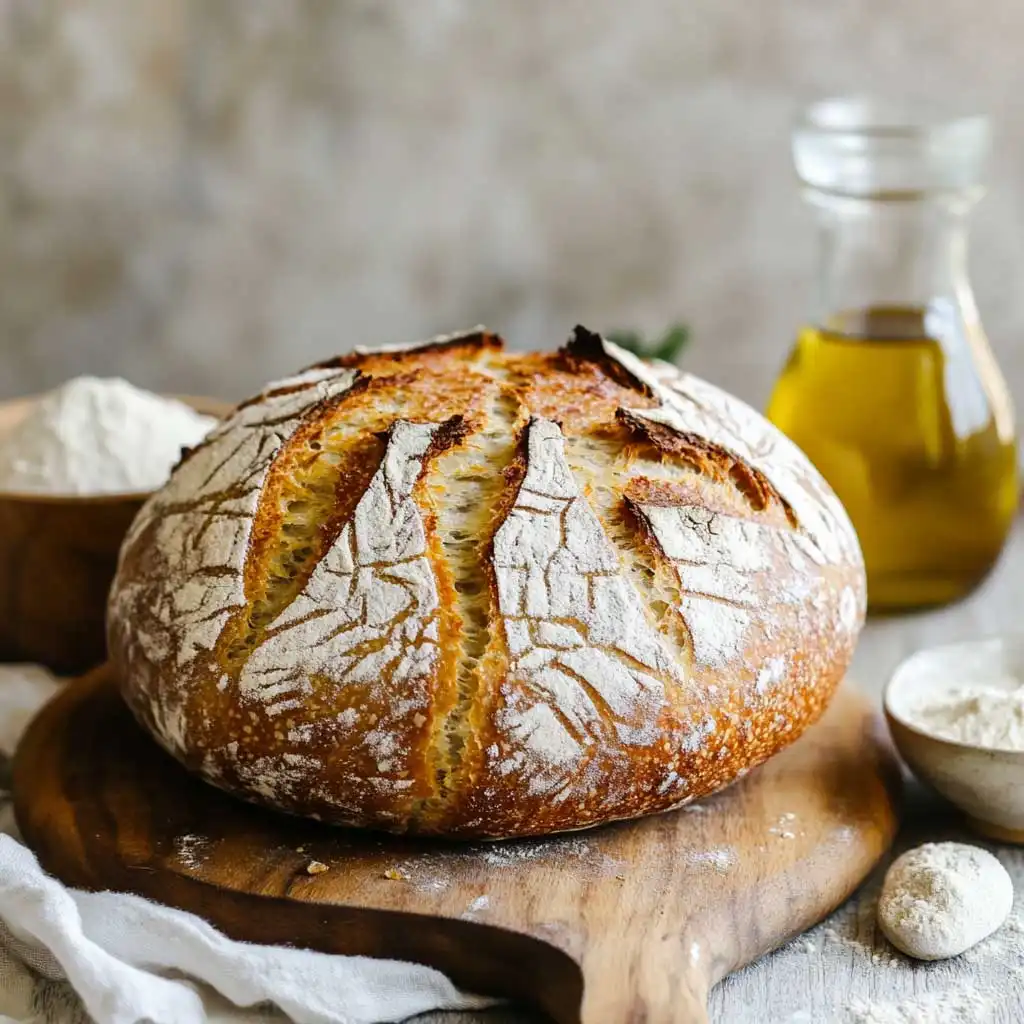
3. Basic Ear Cut (Angle is Key): For a classic “ear” or bloom, hold your lame at a shallow angle, about 20-30 degrees from the surface of the dough. Make one long, confident, curved cut across the top of the loaf, typically from one end to about two-thirds of the way to the other. The cut should be about 1/2 to 3/4 inch deep. This shallow angle allows the dough to peel back beautifully during baking, creating the ear.
4. Creating a Cross Pattern: For a simple cross, make one straight cut down the center of the loaf, about 1/2 inch deep. Then, make a second straight cut perpendicular to the first, also down the center. This creates four quadrants. You can then make smaller, decorative cuts within each quadrant if desired.
5. Decorative Slashing (Straight Up and Down): For more intricate designs or patterns like wheat stalks or leaves, hold your lame almost perpendicular (90 degrees) to the dough surface. Make shallow cuts, about 1/4 inch deep. These cuts will open up but won’t create a large ear. Practice consistent spacing and depth for a uniform look.
6. Combining Techniques: Don’t be afraid to combine a deep, angled ear cut with shallower, perpendicular decorative cuts. For example, make your main ear cut, then add a few parallel or perpendicular shallow cuts for added visual interest.
7. Transfer to Oven Immediately: Once scored, transfer your loaf to your preheated Dutch oven or baking surface as quickly as possible. The scoring marks are fresh, and the dough will begin to relax. Baking immediately helps lock in the design.
8. Observe Oven Spring: During the initial baking phase, watch how your scores open up. This “oven spring” is when the magic happens, and your designs truly come to life.
- Prep Time: 2-5 minutes
- Cook Time: N/A
- Category: baking technique
- Method: scoring
- Cuisine: bread
Nutrition
- Serving Size: 1 slice
Keywords: sourdough, scoring, bread, baking, technique, oven spring, artisan, lame, ear, crust
What You’ll Love About This Quick And Easy Recipe
This guide is perfect for anyone new to baking sourdough or those looking to improve their bread’s appearance and oven spring. It breaks down the often-intimidating process of scoring into manageable steps, making it accessible for home bakers of all skill levels. You’ll love how quickly you can grasp the fundamentals and start applying them to your next loaf. This isn’t a recipe for sourdough itself, but rather a crucial technique that elevates any plain sourdough bread recipe. It’s ideal for a weekend baking project or whenever you want to add a touch of artistry to your everyday bread. Mastering scoring ensures your artisan sourdough bread recipes not only taste incredible but also look like they came from a high-end bakery.
Everything You Need To Make This Recipe Without Stress
You don’t need a lot of specialized equipment to start scoring sourdough. The most important tool is a good scoring blade, often called a lame. Beyond that, a little flour and a steady hand are all you truly require to begin practicing.
INGREDIENTS:
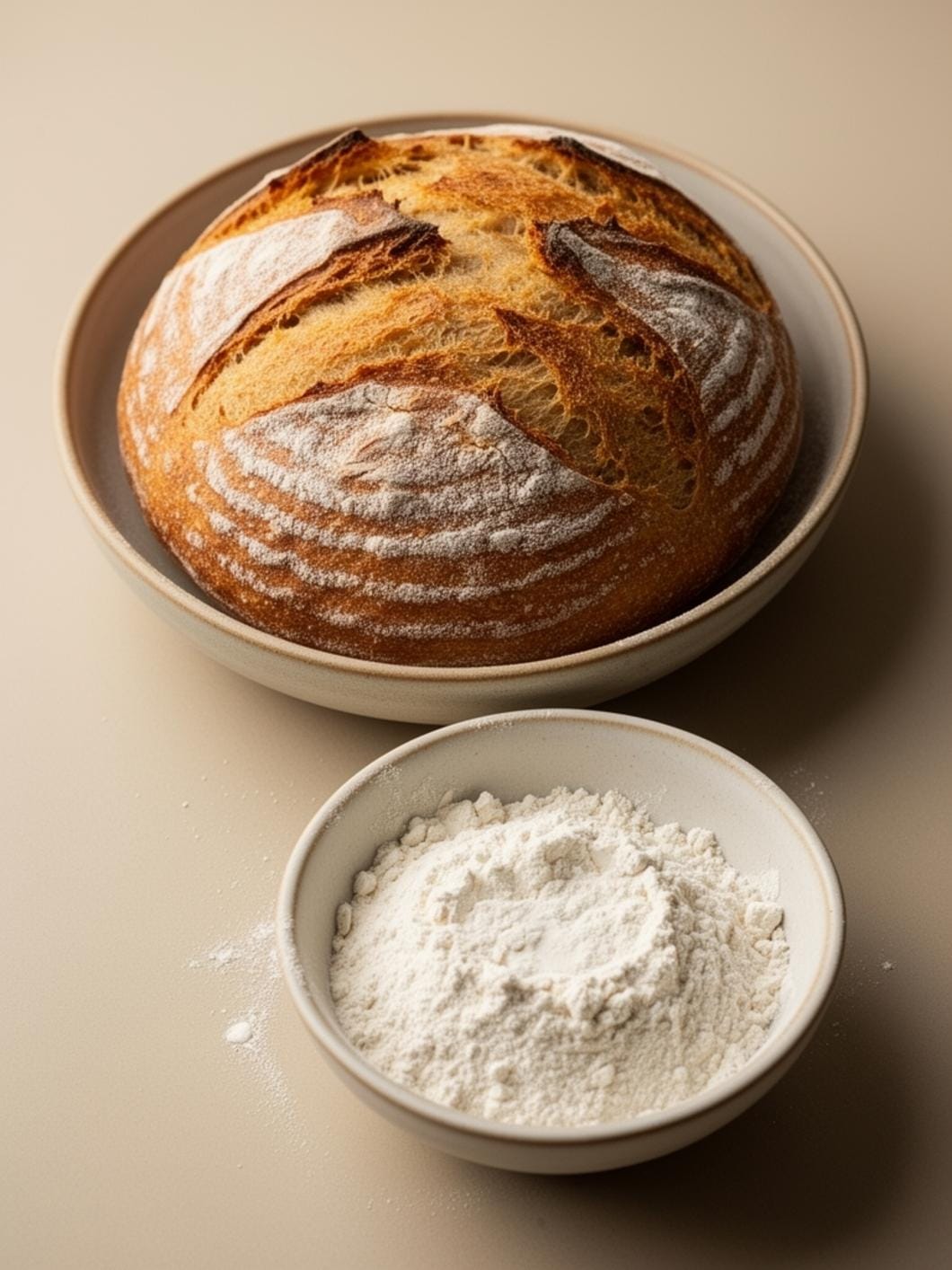
- 1 prepared sourdough loaf (after bulk fermentation and cold proofing)
- 1-2 tablespoons all-purpose flour (for dusting)
You can easily find a bread lame online or at kitchen supply stores. Many lames come with replaceable blades, which is a good feature to look for as sharp blades are essential for clean cuts. If you don’t have a dedicated lame, a very sharp razor blade or even a sharp paring knife can work in a pinch, though a lame offers better control and angle. For dusting, any light flour will do, such as rice flour or even a little cornstarch, though all-purpose flour is perfectly adequate.
Time Needed From Start To Finish
The actual act of scoring a sourdough loaf is quite quick. Once your dough is ready, the entire process of dusting and scoring typically takes only about 2 to 5 minutes. This is a very fast step in the overall sourdough baking process, but it’s one that has a huge impact on the final result.
How To Make It Step By Step With Visual Cues
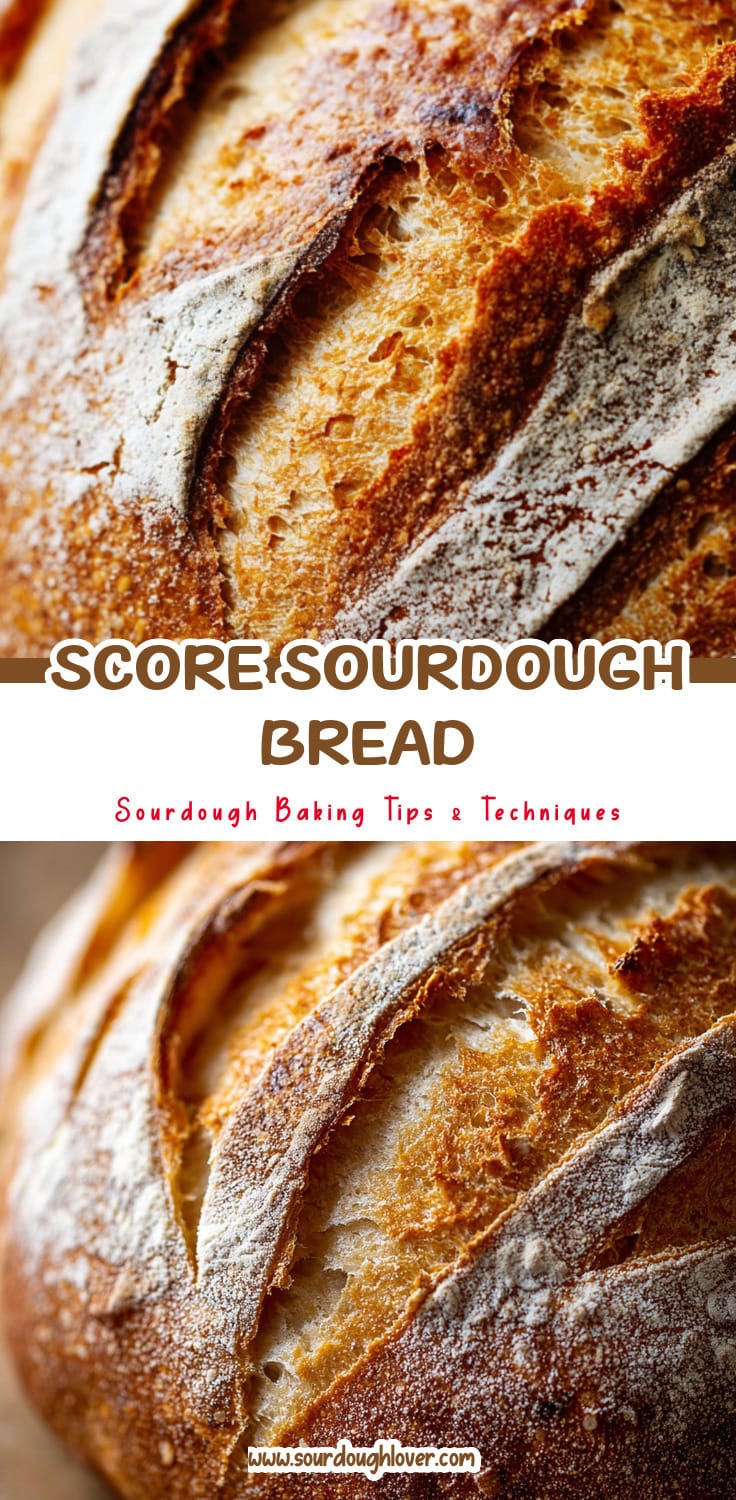
Scoring sourdough is about precision and confidence. Here’s how to approach it to get the best results:
- Prepare Your Loaf: Take your cold-proofed sourdough loaf out of the refrigerator. The cold dough is firmer and easier to score cleanly. Lightly dust the top surface of your dough with a thin layer of all-purpose flour. This helps with contrast for your design and prevents the lame from sticking.
- Ready Your Lame: Ensure your lame (or razor blade) is very sharp and clean. A dull blade will drag and tear the dough, leading to messy cuts. Hold the lame firmly, ready to make your first cut.
- Basic Ear Cut (Angle is Key): For a classic “ear” or bloom, hold your lame at a shallow angle, about 20-30 degrees from the surface of the dough. Make one long, confident, curved cut across the top of the loaf, typically from one end to about two-thirds of the way to the other. The cut should be about 1/2 to 3/4 inch deep. This shallow angle allows the dough to peel back beautifully during baking, creating the ear.
- Creating a Cross Pattern: For a simple cross, make one straight cut down the center of the loaf, about 1/2 inch deep. Then, make a second straight cut perpendicular to the first, also down the center. This creates four quadrants. You can then make smaller, decorative cuts within each quadrant if desired.
- Decorative Slashing (Straight Up and Down): For more intricate designs or patterns like wheat stalks or leaves, hold your lame almost perpendicular (90 degrees) to the dough surface. Make shallow cuts, about 1/4 inch deep. These cuts will open up but won’t create a large ear. Practice consistent spacing and depth for a uniform look.
- Combining Techniques: Don’t be afraid to combine a deep, angled ear cut with shallower, perpendicular decorative cuts. For example, make your main ear cut, then add a few parallel or perpendicular shallow cuts for added visual interest.
- Transfer to Oven Immediately: Once scored, transfer your loaf to your preheated Dutch oven or baking surface as quickly as possible. The scoring marks are fresh, and the dough will begin to relax. Baking immediately helps lock in the design.
- Observe Oven Spring: During the initial baking phase, watch how your scores open up. This “oven spring” is when the magic happens, and your designs truly come to life.
Easy Variations And Serving Ideas That Fit Real Life
Scoring patterns are endless, and you can get creative once you’re comfortable with the basic techniques. For a simple family meal, a classic ear cut on a plain sourdough bread recipe is elegant and satisfying. For a buffet or party, try a more elaborate design like a spiral or a series of overlapping leaves to impress your guests.
You can also experiment with different bread shapes. While round boules are common, scoring works beautifully on oval batards, too. For batards, a series of diagonal cuts along the length of the loaf creates a lovely pattern.
Serve your beautifully scored artisan sourdough bread with a variety of accompaniments. It’s fantastic with a simple spread of butter, a good quality olive oil for dipping, or alongside a hearty soup or stew. For a kid-friendly option, toast slices and top with avocado and a sprinkle of everything bagel seasoning, or use them to make gourmet grilled cheese sandwiches. The visual appeal of the scoring makes any serving feel a bit more special.
Common Slip-Ups And How To Avoid Them
Even experienced bakers can make scoring mistakes. Here are some common pitfalls and how to steer clear of them:
- Dull Blade: The most frequent error is using a dull blade. A dull blade will drag and tear the dough, resulting in ragged, uneven cuts that don’t open cleanly. Always use a very sharp lame or razor blade. If your cuts aren’t clean, it’s likely time to change the blade.
- Not Enough Depth: If your cuts are too shallow, especially for an ear, they won’t provide enough space for the dough to expand properly. This can lead to a less dramatic oven spring and a less defined ear. Aim for 1/2 to 3/4 inch deep for main cuts.
- Too Much Depth: Conversely, cuts that are too deep can cause the dough to spread too much or even collapse in certain areas, especially if the dough is very soft. Find a balance; practice will help you gauge the right depth for your specific dough.
- Incorrect Angle: For an ear, holding the lame perpendicular to the dough surface will result in cuts that open up but don’t create that distinct “lip.” Remember to hold the lame at a shallow 20-30 degree angle for a prominent ear. For decorative cuts, a perpendicular angle is correct.
- Hesitation: Hesitant, stop-and-start cuts often lead to uneven lines. Try to make each cut with a single, confident stroke. If you’re nervous, practice on a piece of playdough or even a soft fruit like a melon first.
- Warm Dough: Scoring warm, proofed dough can be challenging as it’s much softer and more prone to deflating. Cold-proofed dough from the refrigerator is firmer and holds its shape better for scoring.
- Over-Dusting: While a light dusting of flour helps, too much can create a pasty surface that makes clean cuts difficult and can also affect the crust’s appearance. A thin, even layer is all you need.
How To Store It And Make It Ahead Without Ruining Texture
Scoring is an immediate pre-bake step, so there’s no “making it ahead” for the scoring itself. However, the sourdough loaf you are scoring is often prepared ahead of time through bulk fermentation and cold proofing.
Once your sourdough bread is baked and cooled, store it properly to maintain its texture. A whole, unsliced loaf can be stored at room temperature, cut-side down, on a cutting board or in a bread box for 2-3 days. This helps to keep the crust crisp and the interior soft. For longer storage, you can wrap the cooled loaf tightly in plastic wrap, then aluminum foil, and freeze it for up to 3 months.
To reheat a frozen loaf, unwrap it and bake directly from frozen in a preheated oven at 350°F (175°C) for about 20-30 minutes, or until warmed through and the crust is crisp again. For daily enjoyment, slice off what you need and keep the rest covered. Avoid refrigerating sourdough bread, as it tends to dry out quickly in the fridge.
Questions People Always Ask Before Making This Recipe
*

FAQs
- Can I make these ahead? Yes—prep ahead, refrigerate, then serve when ready.
- How long do leftovers last? Store covered in the fridge for 3–4 days for best texture.
- Can I adjust sweetness? Yes—add more or less sweetener to taste.
- Can I change the fruit? Yes—swap strawberries for blueberries, raspberries, or sliced banana.