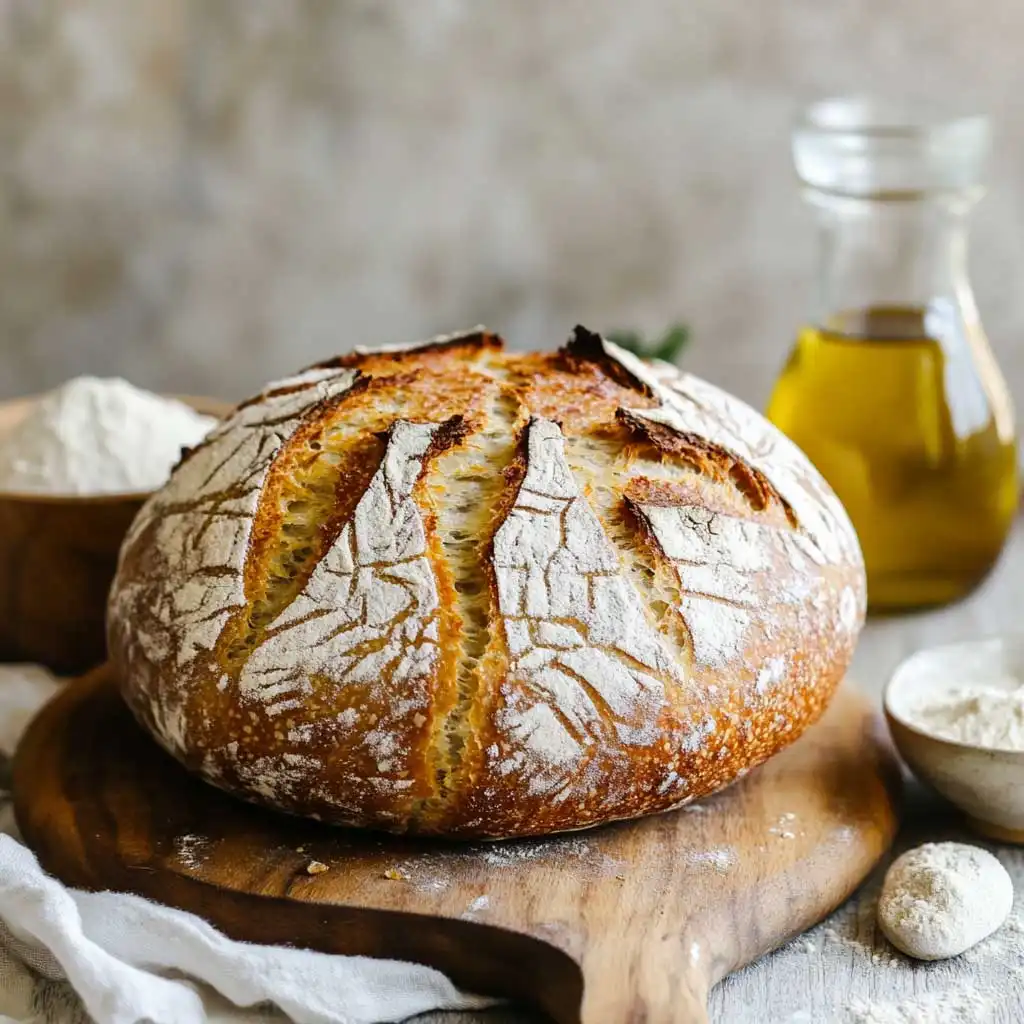

Knowing when your sourdough bread dough is perfectly proofed and ready for the oven is a skill that comes with practice, but there are clear indicators you can look for to ensure a successful bake every time. Avoiding under-proofed dough is key to achieving that beautiful open crumb and delicious tangy flavor we all love.
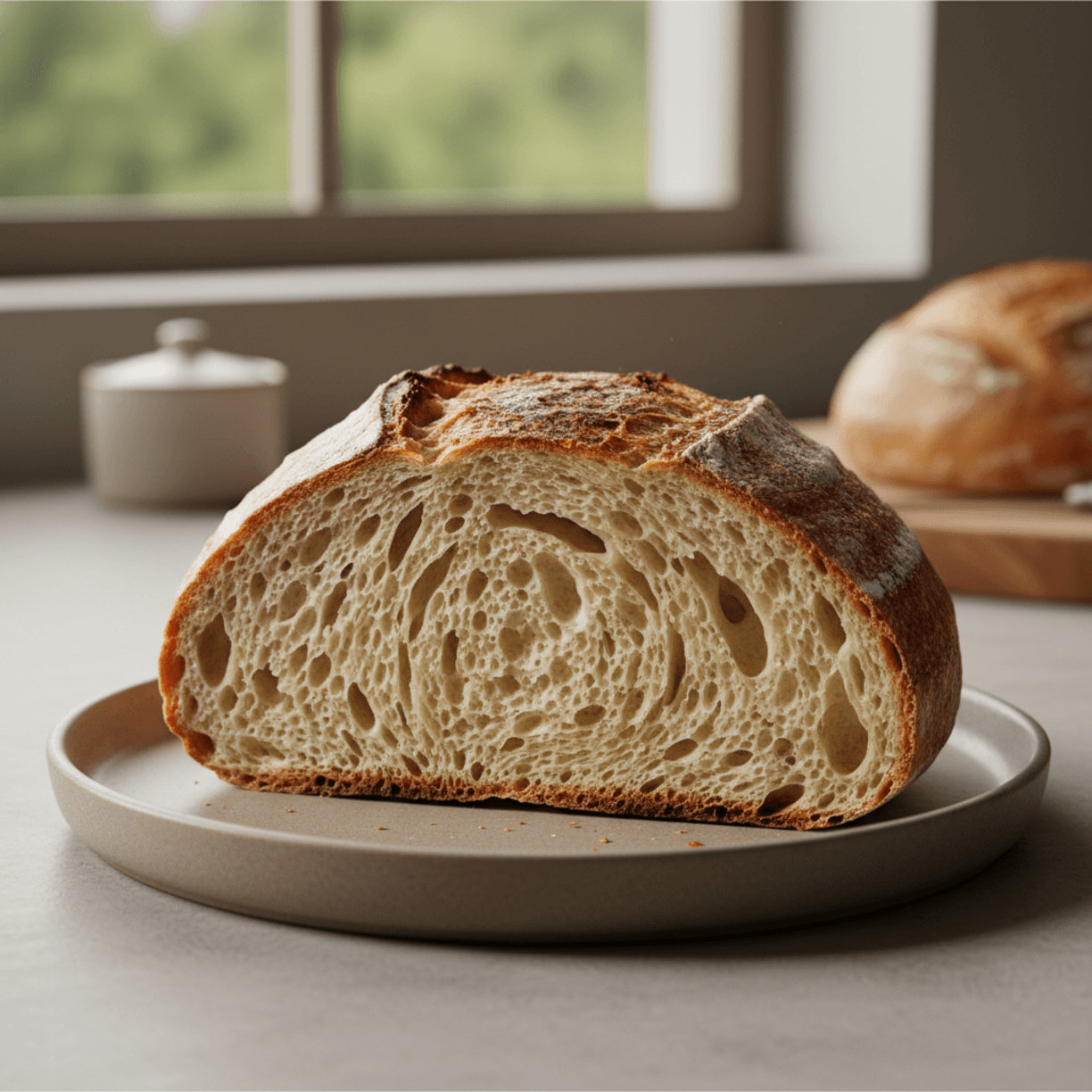
This guide will walk you through the essential signs that your sourdough is at its peak, helping you bake with confidence and consistently produce loaves with excellent texture and taste. Say goodbye to dense, gummy bread and hello to perfectly risen, airy sourdough.
Table of Contents
- What You’ll Love About This Quick And Easy Recipe
- Everything You Need To Make This Recipe Without Stress
- Time Needed From Start To Finish
- How To Make It Step By Step With Visual Cues
- Easy Variations And Serving Ideas That Fit Real Life
- Common Slip-Ups And How To Avoid Them
- How To Store It And Make It Ahead Without Ruining Texture
Sourdough Proofing Guide: Knowing When Your Dough is Ready
- Total Time: Varies with recipe
- Yield: 1 loaf
Description
This guide helps you understand the essential signs that your sourdough dough is perfectly proofed and ready for baking, ensuring a successful bake with excellent texture and taste. It covers visual cues, tactile tests, and common pitfalls to avoid.
Ingredients
Instructions
1. Observe the Overall Volume Increase: After bulk fermentation, your dough should have visibly increased in size, typically by 30-50% for many recipes, or even doubled depending on the starter activity and flour type. Look for a significant, but not excessive, expansion. If it hasn’t changed much, it likely needs more time. If it looks like it’s about to burst, it might be over-proofed.
2. Examine the Surface for Bubbles: The surface of your dough, especially after bulk fermentation, should show small bubbles. These are signs of active yeast and bacteria producing gas. A smooth, tight surface with no bubbles might indicate under-proofing, while a very bubbly, almost frothy surface could suggest it’s getting close to over-proofed.
3. Perform the “Jiggle Test”: Gently shake your proofing basket (banneton) or container. The dough should jiggle slightly, like a very firm jelly. If it feels dense and doesn’t jiggle much, it’s likely under-proofed. If it jiggles excessively and feels very loose, it might be over-proofed and could collapse when baked.
4. Try the “Poke Test” for Final Proofing: This is one of the most reliable indicators. Lightly flour your finger and gently press it into the dough about half an inch deep. If the indentation springs back immediately: The dough is under-proofed and needs more time. If the indentation springs back slowly, leaving a slight dimple: The dough is perfectly proofed and ready to bake. If the indentation stays completely, and the dough feels very slack: The dough is likely over-proofed.
5. Check for an Airy, Web-Like Structure (Optional): If you’re unsure, you can gently pull a small piece of dough from the main mass (during bulk fermentation, not final proofing) and stretch it. You should see a delicate, web-like network of gluten strands, often with tiny air pockets. This indicates good gluten development and gas production.
6. Consider the Dough’s Aroma: A well-proofed sourdough dough will have a pleasant, slightly tangy, yeasty aroma. An overly sour or alcoholic smell can sometimes indicate over-proofing, while a very bland smell might suggest it needs more time to develop flavor.
- Prep Time: 10 minutes
- Cook Time: 0 minutes
- Category: baking
- Method: proofing
- Cuisine: american
Nutrition
- Serving Size: 1 slice
Keywords: sourdough, proofing, baking, dough, fermentation, bread, technique, guide, homemade, artisan
What You’ll Love About This Quick And Easy Recipe
This isn’t a recipe in the traditional sense, but rather a guide to perfecting your sourdough baking process. What you’ll love about these tips is how they demystify one of the most critical stages of sourdough making: proofing. It’s for anyone who has ever pulled a flat, dense loaf from the oven and wondered what went wrong, or for those who are just starting their sourdough journey and want to build a solid foundation of understanding. By learning these simple visual and tactile cues, you’ll gain confidence in your ability to produce consistently excellent sourdough bread. This knowledge is invaluable for home bakers at any level, transforming guesswork into informed decisions. It’s about understanding your dough, not just following a recipe blindly, leading to more satisfying baking experiences and delicious results for your family and friends.
Everything You Need To Make This Recipe Without Stress
Since this guide focuses on technique rather than a specific recipe, there are no ingredients to list in the traditional sense. Instead, you’ll need your prepared sourdough bread dough, which you’ve already mixed and kneaded according to your favorite recipe. The “ingredients” for success here are observation and a little patience.
INGREDIENTS:
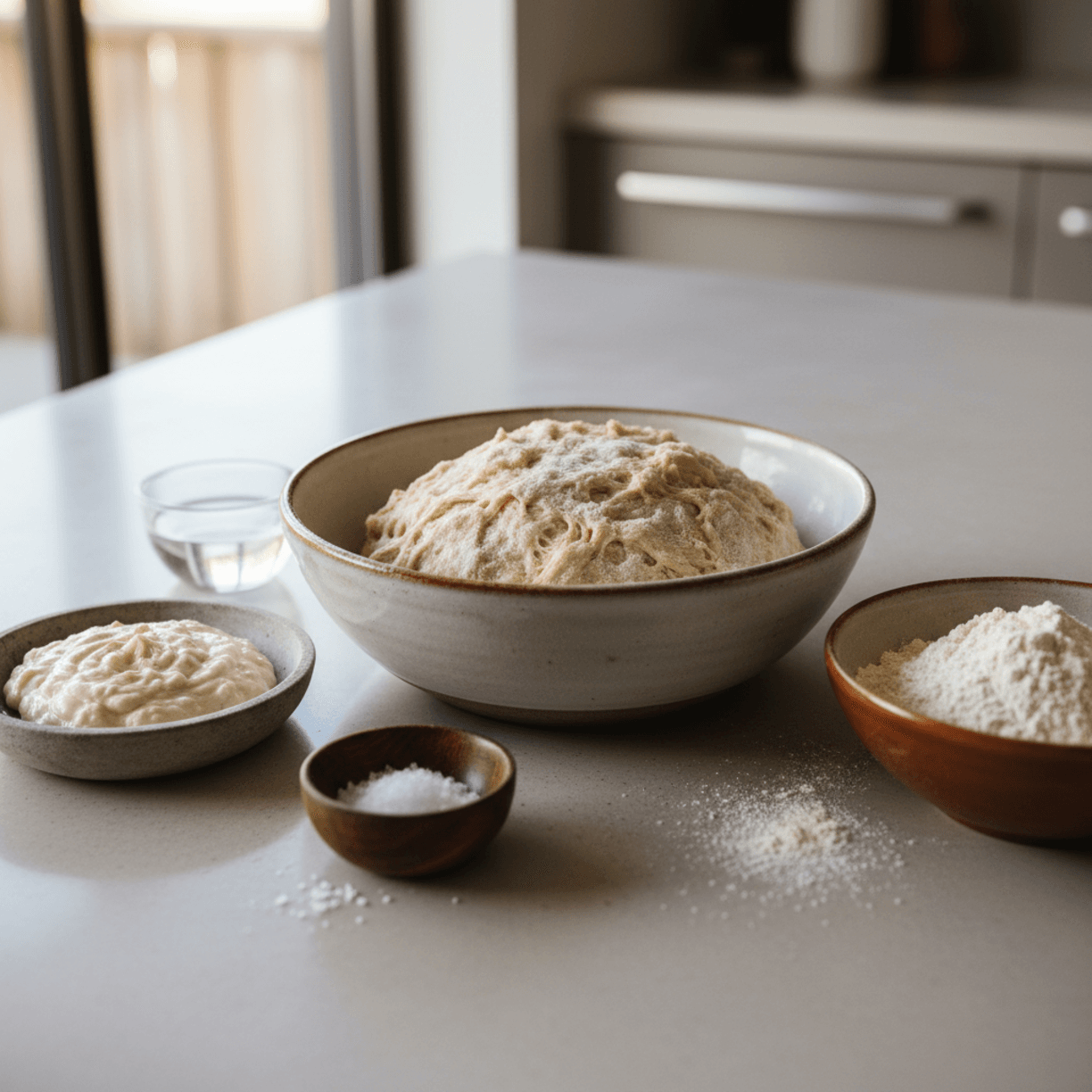
- Your prepared sourdough bread dough
You don’t need any special equipment beyond what you’re already using for your sourdough baking. A clear container for bulk fermentation can be helpful for observing rise, and a finger for the “poke test” is essential. No fancy gadgets or expensive additions are required; just your hands and eyes are your best tools in this stage of the process.
Time Needed From Start To Finish
Understanding when your sourdough dough is ready to bake doesn’t add extra time to your overall baking process, but rather optimizes the time you’re already dedicating to fermentation. The “prep time” here is really the time you spend observing and testing your dough, which might be a few minutes spread out over the bulk fermentation and final proofing stages. There’s no additional “cook time” for this step, as it’s all about ensuring your dough is perfectly prepared before it even enters the oven. The total time for this “recipe” is integrated into your existing sourdough schedule, ensuring you make the most of your dough’s potential.
How To Make It Step By Step With Visual Cues
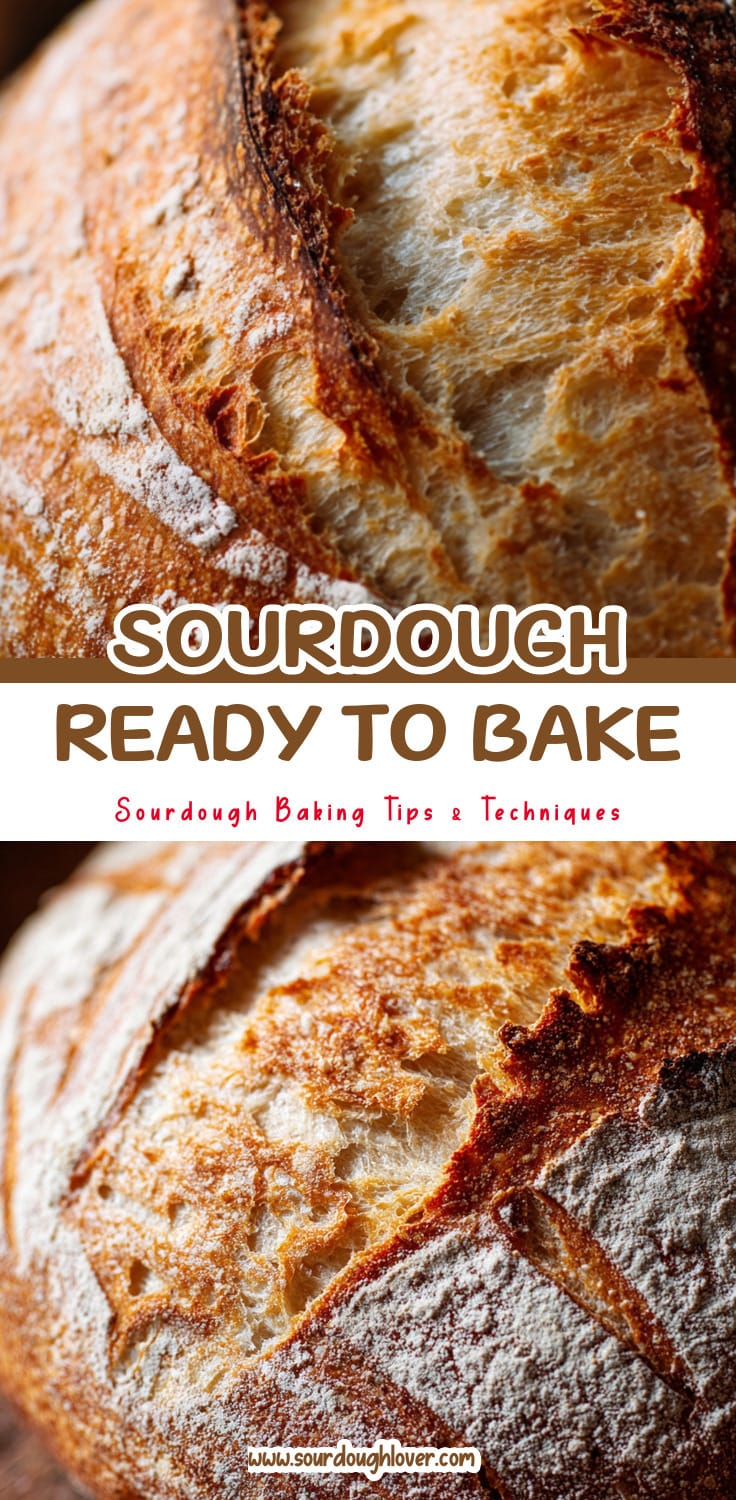
Learning to read your sourdough dough is a crucial skill. Here’s how to tell if it’s perfectly proofed and ready for baking:
- Observe the Overall Volume Increase: After bulk fermentation, your dough should have visibly increased in size, typically by 30-50% for many recipes, or even doubled depending on the starter activity and flour type. Look for a significant, but not excessive, expansion. If it hasn’t changed much, it likely needs more time. If it looks like it’s about to burst, it might be over-proofed.
- Examine the Surface for Bubbles: The surface of your dough, especially after bulk fermentation, should show small bubbles. These are signs of active yeast and bacteria producing gas. A smooth, tight surface with no bubbles might indicate under-proofing, while a very bubbly, almost frothy surface could suggest it’s getting close to over-proofed.
- Perform the “Jiggle Test”: Gently shake your proofing basket (banneton) or container. The dough should jiggle slightly, like a very firm jelly. If it feels dense and doesn’t jiggle much, it’s likely under-proofed. If it jiggles excessively and feels very loose, it might be over-proofed and could collapse when baked.
- Try the “Poke Test” for Final Proofing: This is one of the most reliable indicators. Lightly flour your finger and gently press it into the dough about half an inch deep. * If the indentation springs back immediately: The dough is under-proofed and needs more time. * If the indentation springs back slowly, leaving a slight dimple: The dough is perfectly proofed and ready to bake. * If the indentation stays completely, and the dough feels very slack: The dough is likely over-proofed.
- Check for an Airy, Web-Like Structure (Optional): If you’re unsure, you can gently pull a small piece of dough from the main mass (during bulk fermentation, not final proofing) and stretch it. You should see a delicate, web-like network of gluten strands, often with tiny air pockets. This indicates good gluten development and gas production.
- Consider the Dough’s Aroma: A well-proofed sourdough dough will have a pleasant, slightly tangy, yeasty aroma. An overly sour or alcoholic smell can sometimes indicate over-proofing, while a very bland smell might suggest it needs more time to develop flavor.
Easy Variations And Serving Ideas That Fit Real Life
While this guide focuses on the technical aspects of proofing, mastering this skill opens up a world of delicious possibilities for your sourdough bread. Once you consistently achieve perfectly proofed loaves, you can experiment with various flours, inclusions, and shapes. Imagine a beautifully proofed sourdough boule with olives and rosemary, or a batard studded with cheddar and jalapeños. The perfectly proofed dough serves as the ideal canvas for these additions, ensuring they are suspended beautifully within an open, airy crumb.
For serving, a well-proofed sourdough loaf is fantastic on its own with a good quality olive oil and balsamic vinegar. It makes incredible sandwiches, elevates any soup or salad, and is perfect for making gourmet toast. Kids often love sourdough with butter and jam, or as a base for mini pizzas. For a party or buffet, slice your perfectly proofed and baked sourdough and serve it alongside a charcuterie board, a selection of cheeses, or a creamy spinach dip. The consistent texture and flavor you achieve by understanding proofing will make your bread a star.
Common Slip-Ups And How To Avoid Them
Even experienced bakers can misjudge proofing, but knowing the common pitfalls can help you avoid them.
- Under-proofing due to impatience: This is perhaps the most common mistake. Sourdough fermentation is slower than commercial yeast, and rushing it leads to dense, gummy bread with a tight crumb. Always rely on the visual and poke tests rather than just the clock, especially since ambient temperature greatly affects proofing time. If your kitchen is cool, it will take longer.
- Over-proofing in a warm environment: Conversely, leaving dough to proof for too long, especially in a warm kitchen, can lead to a dough that collapses in the oven or has a very weak structure. The gluten network can degrade, leading to a flat loaf. If your kitchen is warm, keep a closer eye on your dough and consider shortening proofing times or moving it to a cooler spot.
- Misinterpreting the poke test: A gentle poke is key. Pushing too hard can deflate the dough, giving you a false reading or damaging the structure. Also, make sure your finger is floured to prevent sticking, which can also affect the result.
- Not considering your starter’s activity: A weak or sluggish starter will take much longer to proof dough. Ensure your starter is active and bubbly before you begin mixing your dough. Feed it regularly and use it when it’s at its peak.
- Ignoring ambient temperature: Temperature is a huge factor in fermentation. A cold kitchen will significantly slow down proofing, while a warm one will speed it up. Adjust your expectations and observation frequency based on your environment. Don’t assume a recipe’s proofing times will be exact for your specific conditions.
How To Store It And Make It Ahead Without Ruining Texture
While this guide focuses on the immediate readiness of your dough, understanding how to manage proofing for later baking is incredibly useful. If your dough is perfectly proofed but you’re not ready to bake, you can often retard its fermentation by placing it in the refrigerator. This slows down the yeast activity significantly.
For bulk fermentation, if your dough is looking almost ready but you need to pause, transfer the container to the fridge. It can often stay there for several hours, or even overnight, continuing to develop flavor slowly. For the final proof (after shaping), placing the shaped dough in its banneton directly into the refrigerator (covered with plastic or a damp towel) is a common technique. This is called cold proofing or cold retardation. It can extend the final proof for 12-24 hours or even longer, depending on the recipe and your starter’s strength.
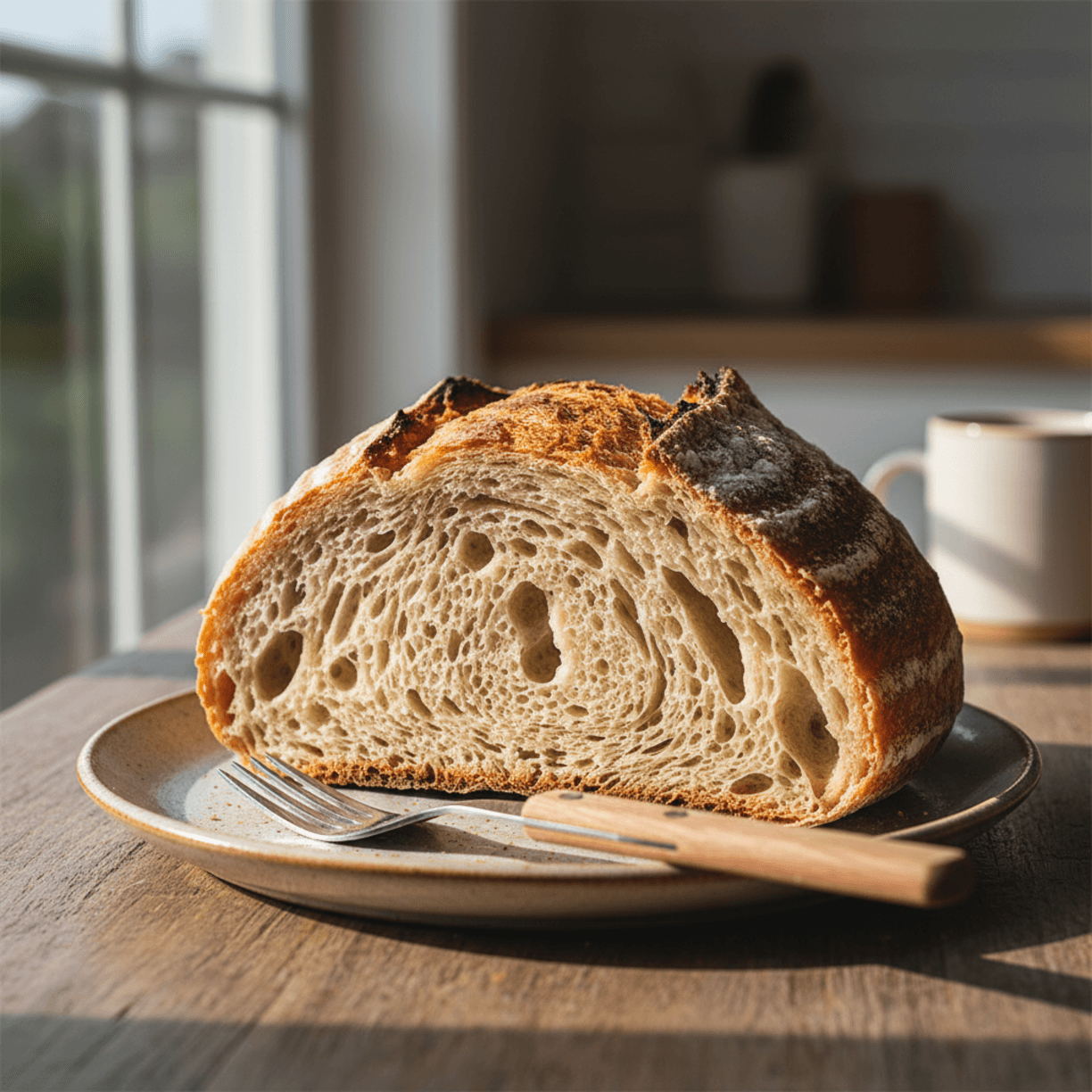
When you’re ready to bake after cold proofing, you can often bake the dough directly from the fridge. This has the added benefit of making the dough easier to score and often results in a better oven spring. Storing your baked sourdough bread is best done at room temperature in a bread box or a paper bag for the first day
FAQs
- Can I make these ahead? Yes—prep ahead, refrigerate, then serve when ready.
- How long do leftovers last? Store covered in the fridge for 3–4 days for best texture.
- Can I adjust sweetness? Yes—add more or less sweetener to taste.
- Can I change the fruit? Yes—swap strawberries for blueberries, raspberries, or sliced banana.