
There’s nothing quite like the satisfaction of pulling a perfectly baked sourdough loaf from the oven.
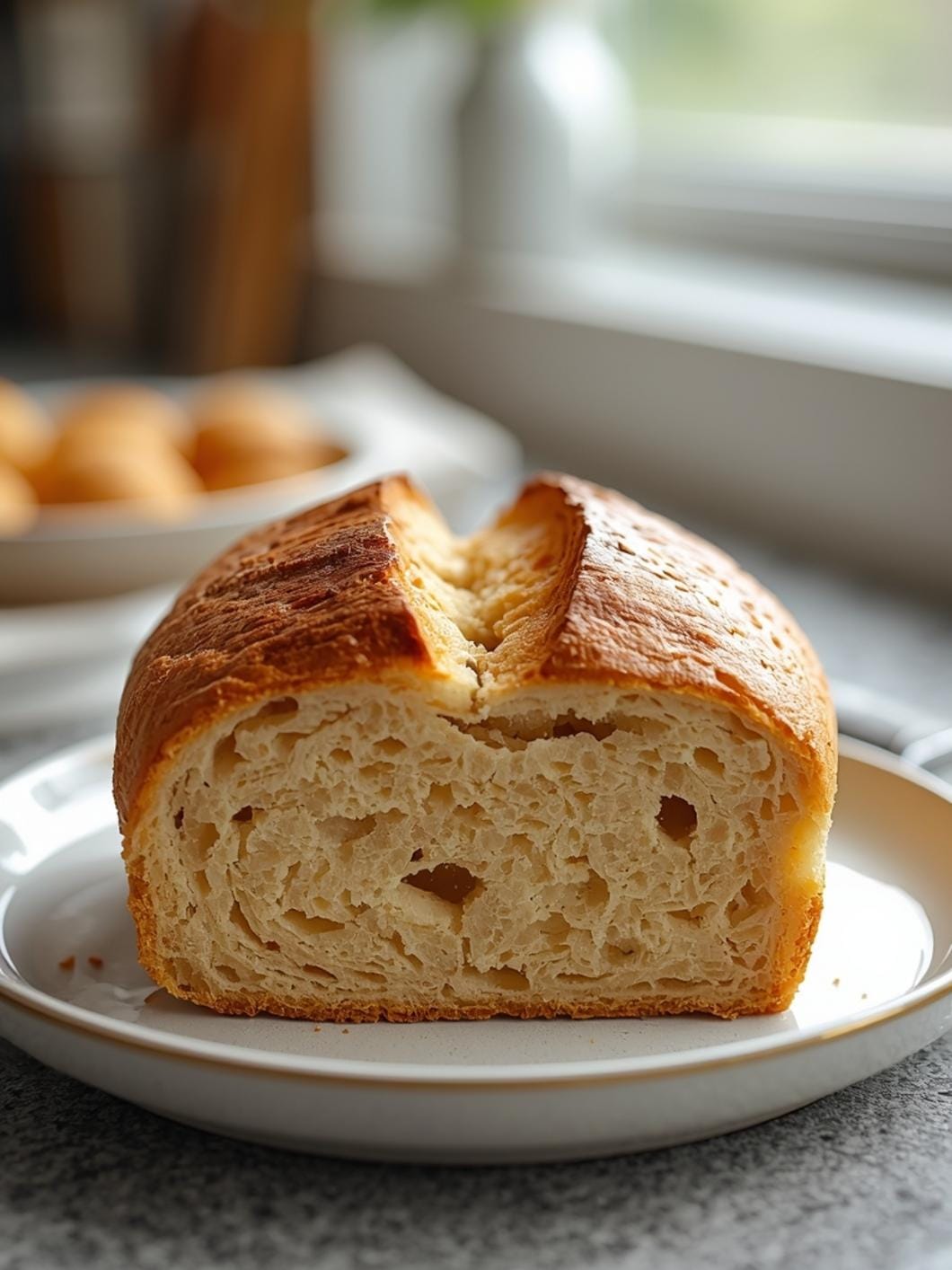
The crackling crust, the airy interior, and that distinct tangy aroma are truly rewarding. However, sometimes our sourdough efforts don’t quite go as planned, and one common issue that can leave bakers scratching their heads is a torn top crust.
This guide is dedicated to unraveling the mystery behind those unsightly tears on your sourdough loaf. We’ll explore the most common culprits and, more importantly, provide practical, easy-to-implement solutions to help you achieve a beautifully intact, golden-brown crust on your Big Sourdough Loaf Recipe every single time.
Table of Contents
- What You’ll Love About This Quick And Easy Recipe
- Everything You Need To Make This Recipe Without Stress
- Time Needed From Start To Finish
- How To Make It Step By Step With Visual Cues
- Easy Variations And Serving Ideas That Fit Real Life
- Common Slip-Ups And How To Avoid Them
- How To Store It And Make It Ahead Without Ruining Texture

Troubleshooting Torn Sourdough Crusts
- Total Time: 8-24 hours
- Yield: 1 loaf
Description
This guide helps troubleshoot common issues leading to torn crusts on sourdough loaves, offering practical solutions for a beautifully intact, golden-brown crust every time. It focuses on technique rather than a specific recipe, making it a valuable companion for any sourdough baker.
Ingredients
Instructions
1. 1. Assess Your Dough’s Development: Before shaping, perform a windowpane test. Take a small piece of dough and gently stretch it. If you can stretch it thin enough to see light through it without tearing, your gluten is well-developed. If it tears easily, your dough might be under-kneaded or need more folds during bulk fermentation.
2. 2. Master Proper Shaping Techniques: When shaping your dough, aim to create good surface tension. This means gently pulling the dough into a taut ball or log, creating a smooth, tight skin on the outside. Avoid tearing the dough during shaping, as this can create weak points. A well-shaped loaf holds its structure better during baking.
3. 3. Monitor Your Final Proofing Time: Overproofing is a common culprit. A properly proofed loaf will spring back slowly when gently poked with a floured finger, leaving a slight indentation. If it springs back immediately, it’s underproofed. If the indentation remains and doesn’t spring back, it’s likely overproofed and has lost its structural integrity.
4. 4. Score Your Loaf Effectively: Scoring isn’t just for aesthetics; it’s crucial for controlling oven spring. Use a very sharp blade (like a lame) and make confident, deep cuts (about 1/2 to 3/4 inch deep) in the desired pattern. A single, long, deep score down the middle often works best for a controlled expansion. Inadequate scoring forces the loaf to burst wherever it finds the weakest point, often resulting in an uncontrolled tear.
5. 5. Ensure Adequate Steam in the Oven: Steam is vital in the initial stages of baking. It keeps the crust soft and pliable, allowing the loaf to expand fully before the crust sets. If the oven is too dry, the crust can set too quickly, leading to tears as the internal gases try to escape. Use a Dutch oven, a pan of hot water, or spray water into the oven walls to create steam.
6. 6. Preheat Your Baking Vessel Thoroughly: A very hot baking surface (like a preheated Dutch oven or baking stone) provides an initial burst of heat to the dough, called “oven spring.” This rapid expansion helps the loaf rise quickly and evenly. If the baking surface isn’t hot enough, the rise can be sluggish, contributing to a less controlled expansion and potential tearing.
- Prep Time: 15 minutes
- Cook Time: 30-45 minutes
- Category: baking
- Method: baking
- Cuisine: european
Nutrition
- Serving Size: 1 slice
Keywords: sourdough, baking, troubleshooting, bread, crust, gluten, proofing, scoring, steam
What You’ll Love About This Quick And Easy Recipe
This guide isn’t a recipe in itself, but rather a troubleshooting companion for your existing Big Sourdough Loaf Recipe. What you’ll love about these tips is how quickly and easily they can transform your baking results. This information is for anyone who bakes sourdough, from beginners just starting their journey to more experienced bakers looking to refine their technique. It’s especially helpful for those who have experienced the frustration of a torn crust and want to understand the “why” behind it. You’ll appreciate how these insights can be applied to your regular sourdough baking routine, leading to consistently beautiful loaves that are perfect for everyday enjoyment, sharing with family, or impressing guests at a casual brunch.
Everything You Need To Make This Recipe Without Stress
Since this article focuses on troubleshooting your existing sourdough recipe, there aren’t specific ingredients to list for a new dish. Instead, the “ingredients” for success here are a keen eye, a bit of patience, and an understanding of the sourdough process. You’ll be working with the same flour, water, salt, and starter you typically use. The key is in how you handle them.
INGREDIENTS:
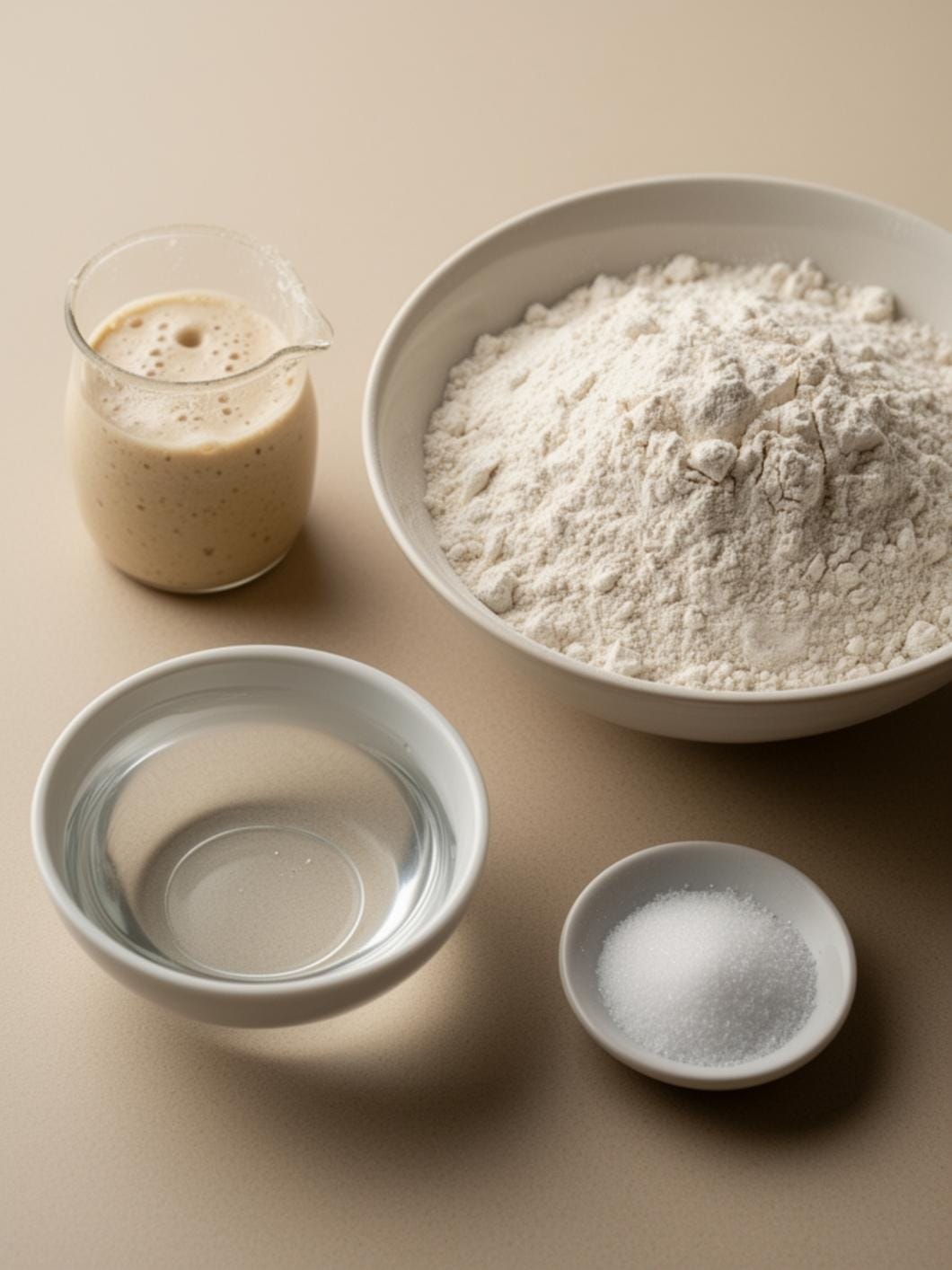
- Your usual sourdough starter
- Your preferred bread flour
- Water
- Salt
For those looking for simple substitutions or brand-neutral options, remember that the quality of your ingredients does play a role in the overall outcome. Using a reliable bread flour with a good protein content can make a difference in dough strength. Ensure your starter is active and healthy; a sluggish starter can contribute to issues. Beyond that, the focus here is on technique rather than ingredient variations.
Time Needed From Start To Finish
Understanding why your sourdough loaf tears on top doesn’t add extra time to your baking process, but rather refines the time you already spend. The “prep time” for implementing these tips involves a few extra moments of observation during your dough handling and proofing stages. The “cook time” remains the same as your standard sourdough recipe, typically around 30-45 minutes in a hot oven. The “total time” from start to finish for your loaf will be dictated by your specific sourdough recipe’s bulk fermentation and proofing schedules, which can range from 8 to 24 hours depending on the method. However, the time invested in learning and applying these troubleshooting techniques will save you frustration and lead to better results in the long run.
How To Make It Step By Step With Visual Cues

Addressing a torn sourdough crust involves paying close attention to several stages of your baking process. Here’s a step-by-step guide on how to implement preventative measures:
- Assess Your Dough’s Development: Before shaping, perform a windowpane test. Take a small piece of dough and gently stretch it. If you can stretch it thin enough to see light through it without tearing, your gluten is well-developed. If it tears easily, your dough might be under-kneaded or need more folds during bulk fermentation.
- Master Proper Shaping Techniques: When shaping your dough, aim to create good surface tension. This means gently pulling the dough into a taut ball or log, creating a smooth, tight skin on the outside. Avoid tearing the dough during shaping, as this can create weak points. A well-shaped loaf holds its structure better during baking.
- Monitor Your Final Proofing Time: Overproofing is a common culprit. A properly proofed loaf will spring back slowly when gently poked with a floured finger, leaving a slight indentation. If it springs back immediately, it’s underproofed. If the indentation remains and doesn’t spring back, it’s likely overproofed and has lost its structural integrity.
- Score Your Loaf Effectively: Scoring isn’t just for aesthetics; it’s crucial for controlling oven spring. Use a very sharp blade (like a lame) and make confident, deep cuts (about 1/2 to 3/4 inch deep) in the desired pattern. A single, long, deep score down the middle often works best for a controlled expansion. Inadequate scoring forces the loaf to burst wherever it finds the weakest point, often resulting in an uncontrolled tear.
- Ensure Adequate Steam in the Oven: Steam is vital in the initial stages of baking. It keeps the crust soft and pliable, allowing the loaf to expand fully before the crust sets. If the oven is too dry, the crust can set too quickly, leading to tears as the internal gases try to escape. Use a Dutch oven, a pan of hot water, or spray water into the oven walls to create steam.
- Preheat Your Baking Vessel Thoroughly: A very hot baking surface (like a preheated Dutch oven or baking stone) provides an initial burst of heat to the dough, called “oven spring.” This rapid expansion helps the loaf rise quickly and evenly. If the baking surface isn’t hot enough, the rise can be sluggish, contributing to a less controlled expansion and potential tearing.
Easy Variations And Serving Ideas That Fit Real Life
While we’re focusing on perfecting the sourdough loaf itself, a beautifully baked loaf opens up a world of serving possibilities. For a simple family meal, serve thick slices with a pat of good quality butter or a drizzle of olive oil. It’s a fantastic accompaniment to any soup or stew. For a kid-friendly option, toast slices and top with avocado and a sprinkle of everything bagel seasoning, or make mini open-faced sandwiches with cream cheese and cucumber.
If you’re serving a crowd or hosting a party, consider a sourdough bread board. Arrange slices with a variety of dips like hummus, spinach and artichoke dip, or a simple balsamic vinegar and olive oil blend. You can also offer an assortment of cheeses and cured meats. For a sweet treat, toast and spread with homemade jam or a dollop of whipped cream and fresh berries. The beauty of a well-baked sourdough loaf is its versatility – it truly elevates any meal or snack.
Common Slip-Ups And How To Avoid Them
Even experienced bakers can encounter issues, and a torn crust is a common one. Here are some beginner-friendly slip-ups and how to steer clear of them:
- Under-Developing Gluten: If your dough feels shaggy and doesn’t hold its shape well, it likely needs more kneading or stretching and folding. Don’t rush this process; proper gluten development is key to a strong structure.
- Overproofing the Dough: It’s tempting to let the dough proof for a long time, but too much can lead to a weak structure. Learn to recognize the signs of a perfectly proofed dough (the gentle poke test described above). When in doubt, it’s often better to slightly underproof than overproof.
- Insufficient Scoring: A timid score won’t do the job. If your blade isn’t sharp enough or your cuts aren’t deep enough, the loaf will tear where it’s weakest. Invest in a good lame and practice your scoring technique on parchment paper if you’re nervous.
- Lack of Oven Steam: Baking in a dry oven is a surefire way to get a hard, quickly set crust that tears. Always ensure you’re creating a steamy environment, whether with a Dutch oven, a tray of water, or spritzing.
- Not Preheating Enough: Patience is a virtue in sourdough baking. Don’t put your dough into a lukewarm oven or a not-fully-heated Dutch oven. Give your oven and baking vessel ample time to reach the target temperature.
How To Store It And Make It Ahead Without Ruining Texture
A freshly baked sourdough loaf is best enjoyed on the day it’s made. However, if you have leftovers or want to plan ahead, proper storage is key to maintaining its texture.
For short-term storage (1-2 days), store the cooled loaf at room temperature in a paper bag to keep the crust crisp, or in a bread box. Avoid airtight plastic bags, as these can soften the crust and encourage mold.
For longer storage, sourdough freezes beautifully. Once the loaf is completely cool, slice it or keep it whole. Wrap it tightly in plastic wrap, then an additional layer of aluminum foil, and place it in a freezer-safe bag. It can be stored in the freezer for up to 3 months. To enjoy, thaw at room temperature. If you froze it whole, you can refresh it by spritzing with a little water and reheating in a 350°F (175°C) oven for 10-15 minutes until the crust is crisp again. Sliced bread can be toasted directly from frozen.
Making sourdough ahead involves the bulk fermentation and proofing stages. You can retard the final proof in the refrigerator for 12-24 hours. This slows down the yeast activity

FAQs
- Can I make these ahead? Yes—prep ahead, refrigerate, then serve when ready.
- How long do leftovers last? Store covered in the fridge for 3–4 days for best texture.
- Can I adjust sweetness? Yes—add more or less sweetener to taste.
- Can I change the fruit? Yes—swap strawberries for blueberries, raspberries, or sliced banana.